How Pet-Safe Gardens Enhance Senior Living Communities
Safe, Accessible Outdoor Spaces for Residents, Pets, and Families Pet-safe gardens can do more than reduce risk in senior living […]

Have Fun. Save Lives.
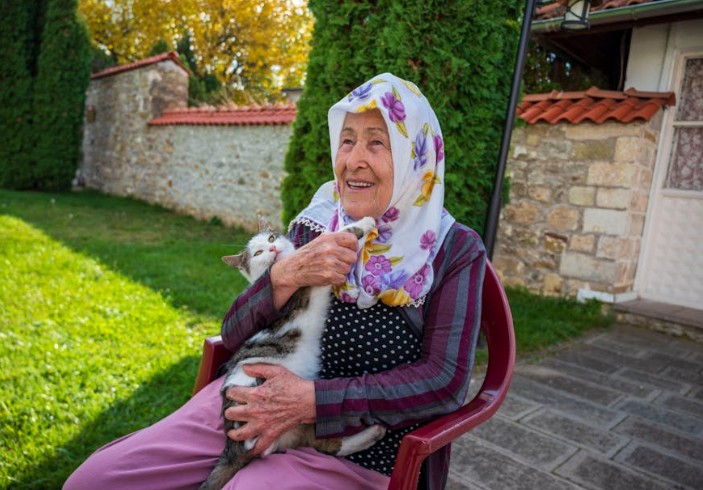
Safe, Accessible Outdoor Spaces for Residents, Pets, and Families Pet-safe gardens can do more than reduce risk in senior living […]

Designing Safe, Usable Outdoor Spaces for Pets in Balconies, Patios, and Shared Areas Creating a pet-safe garden in apartments and […]
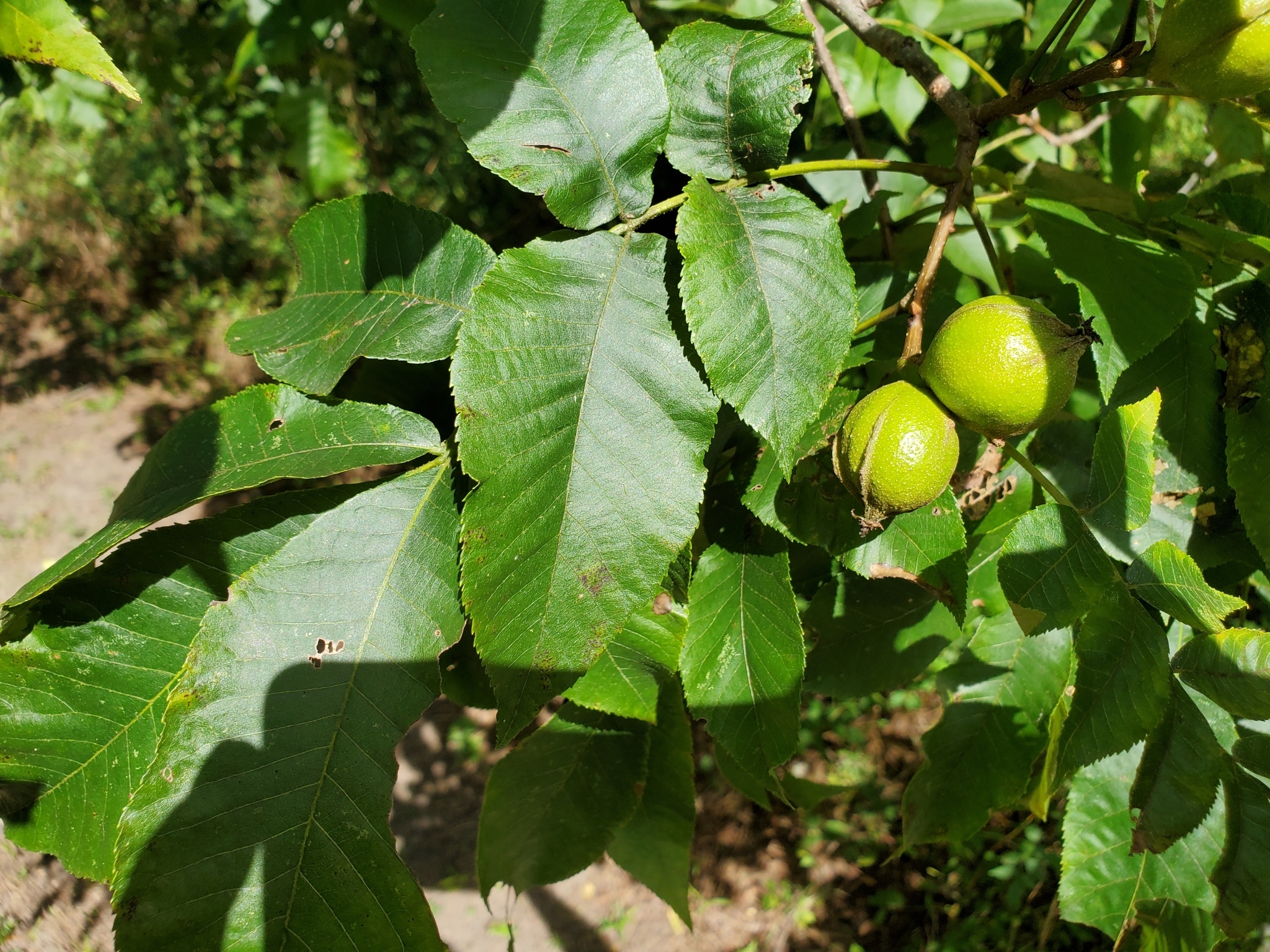
Discover the small fruited hickory, known by many names like red hickory and sweet pignut. This native tree produces sweet, edible nuts, providing excellent habitat and food for wildlife without becoming invasive. Learn identification, planting, and care tips for this versatile addition to your landscape…
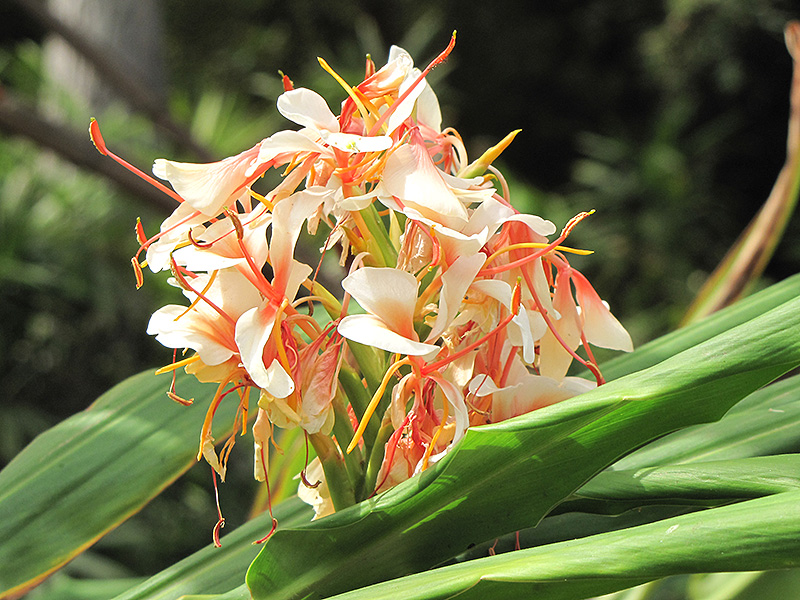
White Ginger (Hedychium coronarium) enchants with its sweet fragrance and elegant blooms, offering pet-friendly beauty. This non-toxic plant, also known as Butterfly Ginger or Cinnamon Jasmine, adds cultural and medicinal value, making it a versatile garden gem. Discover its significance and care tips as you explore this tropical delight…
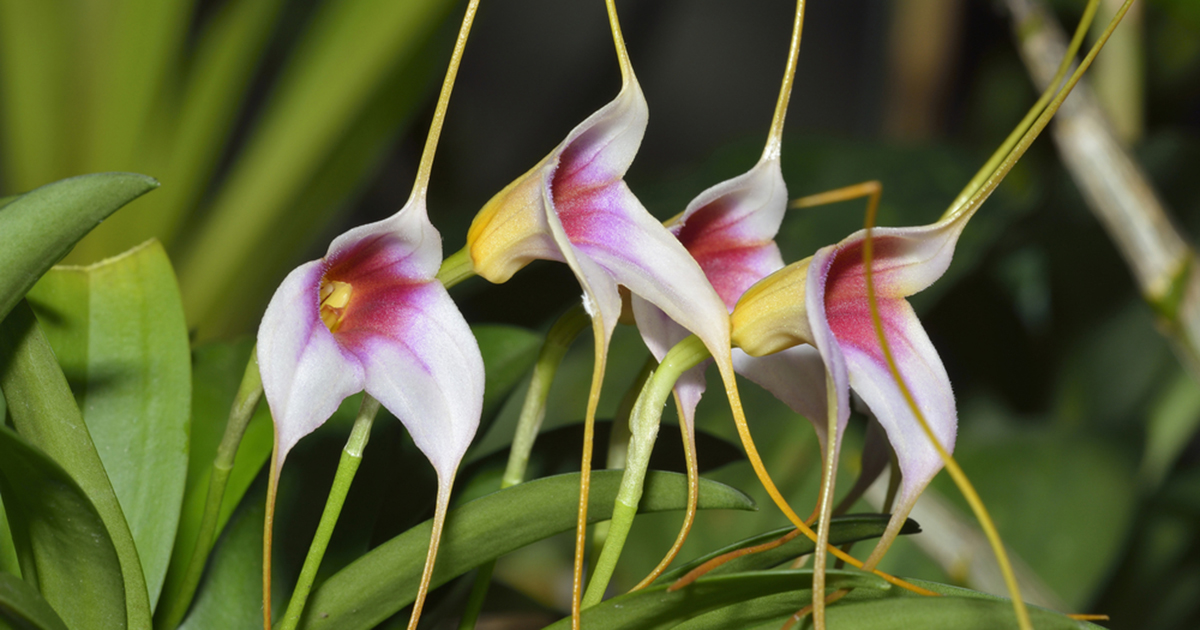
Tailed orchids are generally non-toxic to dogs, cats, and geckos. While safe, ingesting orchid material can cause stomach upset. Choose a pet-safe orchid mix and use natural aphid repellents like neem oil to ensure plant and pet safety. Discover the right orchid care for a pet-friendly home…
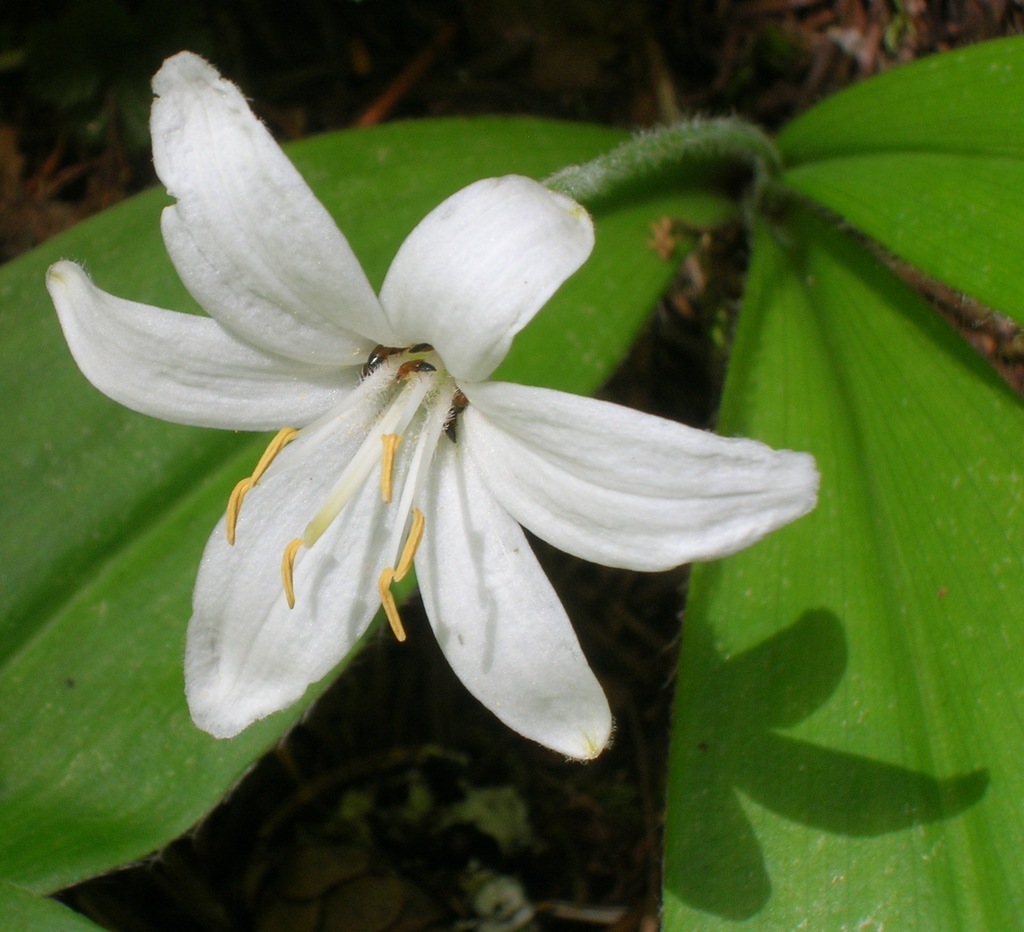
Bride’s Bonnet, also known as Queen’s Cup, thrives in moist, forested areas and offers charm and ecological benefits. Its white flowers and pet-safe nature make it ideal for shade gardens. Discover how to care for this woodland gem and its role in native ecosystems…
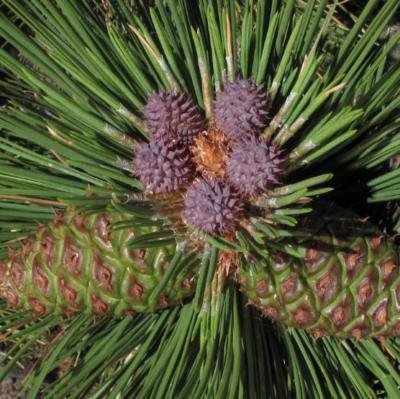
The Ponderosa Pine, known as Blackjack Pine when younger, is a resilient conifer native to North America. With its towering height, fire-resistant bark, and edible seeds, it’s significant for both nature enthusiasts and wildlife. However, parts can be toxic to pets, particularly cattle…
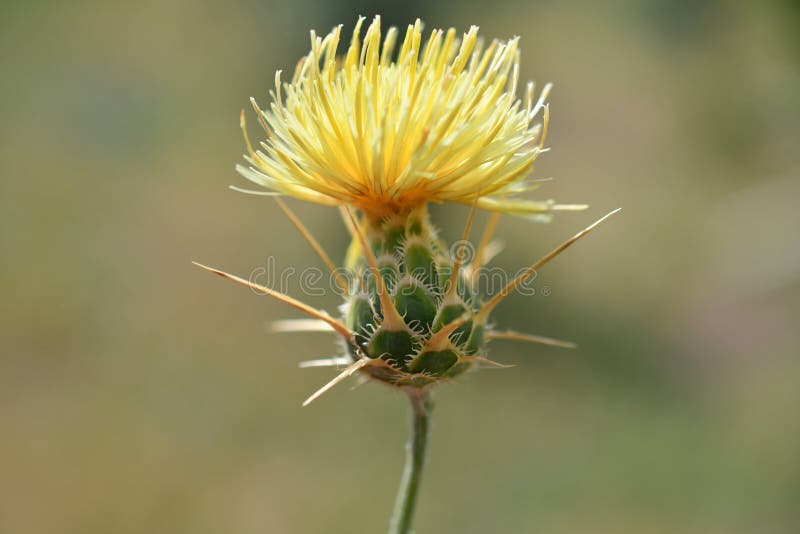
Yellow star-thistle is a highly invasive weed toxic to horses and problematic for land management. Unlike non-toxic milk thistle, it offers no environmental benefit. Effective control involves removal, herbicide use, and promoting native plants. Early detection and action are crucial to prevent widespread infestation…
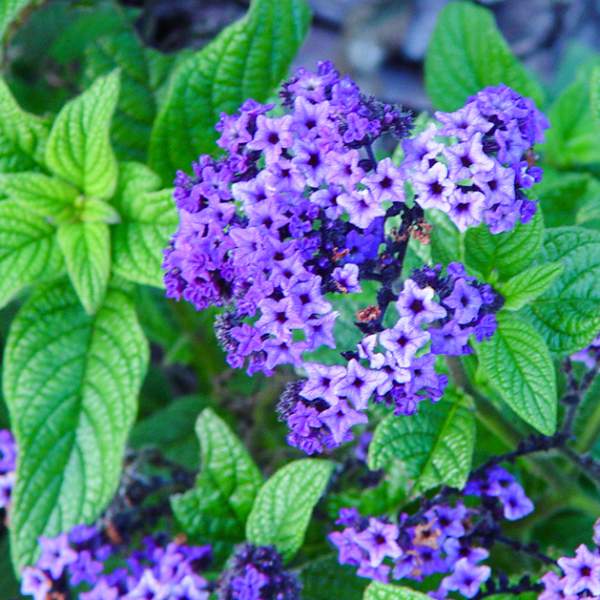
Heliotrope enchants with sun-following blooms and a fragrance likened to vanilla or cherry pie. Ideal for containers, it thrives in sunlight but poses risks to pets and children due to its toxicity. Discover the allure and safe gardening practices for this captivating yet cautionary plant…
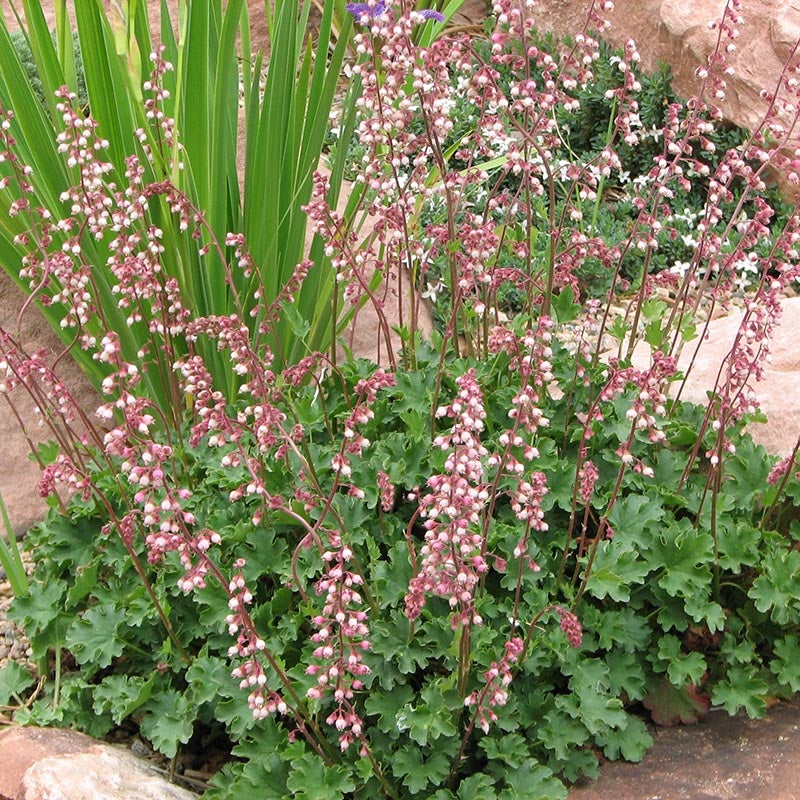
Hookera pulchella, known for stunning foliage and delicate flowers, thrives in various light conditions. With proper care, like well-draining soil and morning sun, this perennial offers vibrant colors year-round, transforming gardens into colorful paradises, even in the shade, while remaining pet-friendly and deer-resistant…
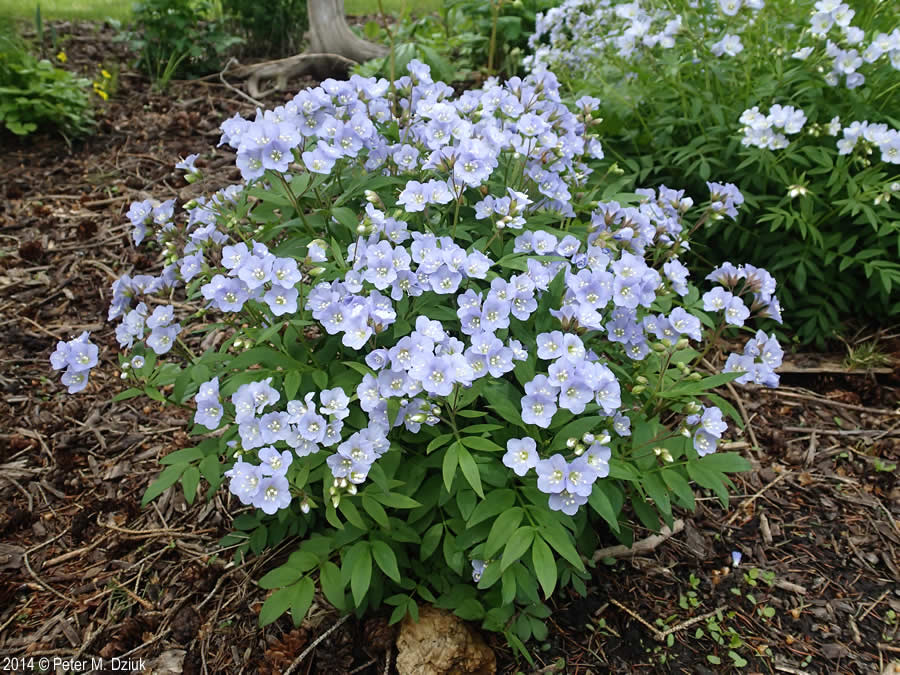
Jacob’s Ladder is a delightful addition to any shaded garden, offering non-invasive beauty with its stunning foliage and delicate blooms. Thriving in partial shade with moist soil, this low-maintenance perennial is perfect for creating a woodland retreat in your yard. Discover how easy it is to care for…
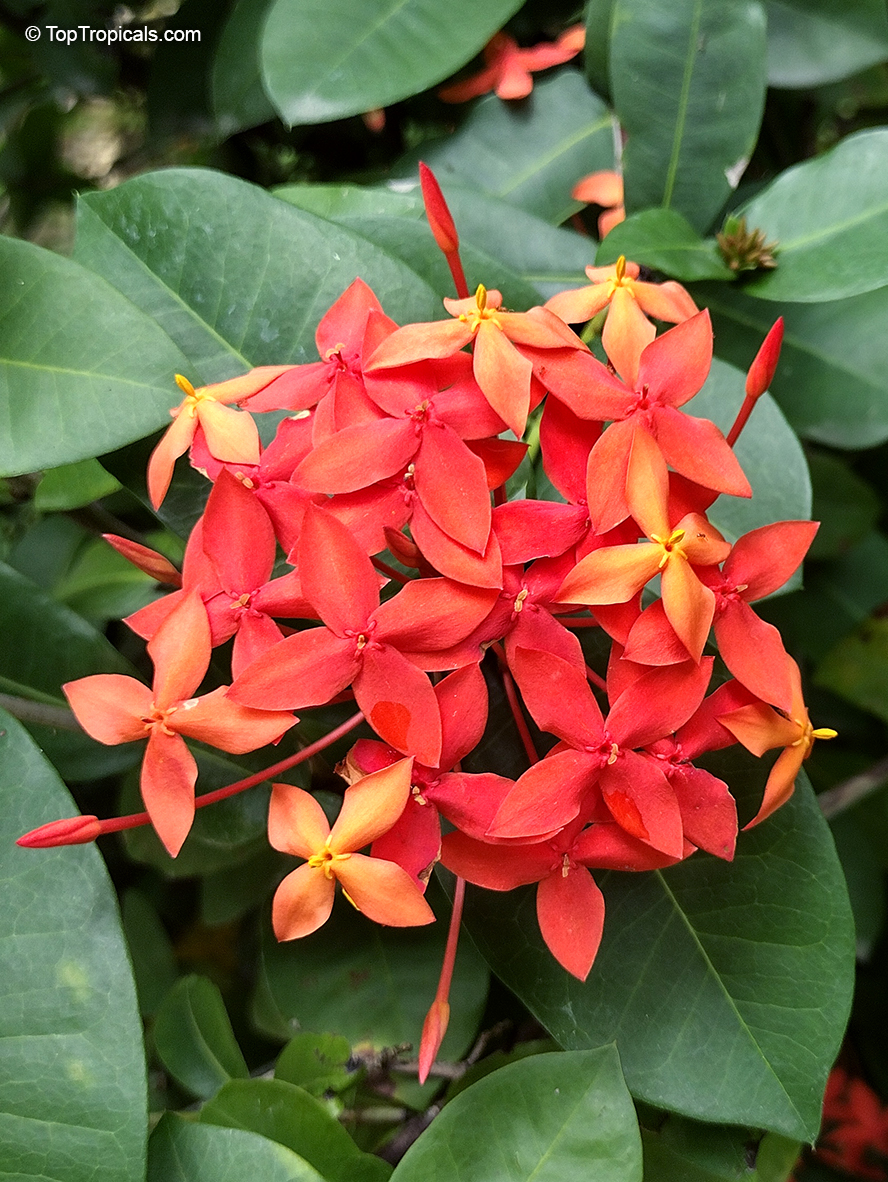
Jungle Geranium, a tropical showstopper, isn’t a true geranium but a vibrant plant with medicinal benefits. Despite confusion over its care, it thrives in USDA zones 8a-10b. Proper techniques ensure lush blooms, whether indoors or outdoors, captivating with vivid colors and resilience when cared for properly…