
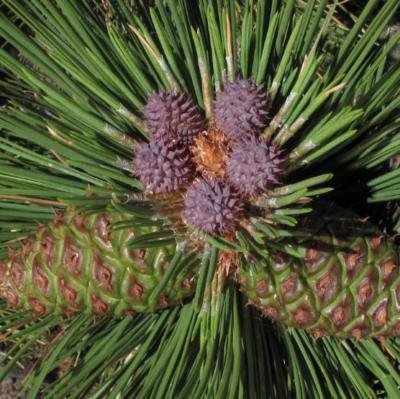
Article-At-A-Glance
- The Ponderosa Pine (Pinus ponderosa) is known by many names including Blackjack Pine, which specifically refers to younger trees with dark bark.
- Mature Ponderosa Pines can live 300-600 years, far outlasting Red Pines which typically survive 200-400 years.
- These impressive trees can reach heights of 230 feet with distinctive vanilla or butterscotch-scented bark as they mature.
- Ponderosa Pines have evolved remarkable fire-resistant qualities including thick bark and self-pruning branches.
- While the seeds (pine nuts) are edible for humans, parts of the Ponderosa Pine can be toxic to pets, particularly pregnant cattle.
When you spot a towering pine with puzzle-piece bark in the American West, you’re likely looking at one of North America’s most impressive native conifers. The Ponderosa Pine stands as a testament to resilience, capable of thriving across diverse landscapes from British Columbia to Mexico. Through our exploration with Forest Essentials Conservation Group, we’ll uncover the fascinating characteristics that make this iconic tree special among North America’s diverse pine species.
Known by many names but unmistakable in its majesty, the Ponderosa Pine has captured the imagination of foresters, landscapers, and nature enthusiasts for centuries. Its remarkable adaptations to fire, impressive size, and distinctive aromatic qualities set it apart from other pines. Whether you’re considering adding this spectacular specimen to your property or simply appreciate the natural world, understanding the unique characteristics of this widespread pine will deepen your connection to North America’s forest heritage.
The Majestic Ponderosa Pine: America’s Most Widespread Pine Species
The Ponderosa Pine (Pinus ponderosa) stands as the most widely distributed pine species across North America, stretching from southern British Columbia to central Mexico. These magnificent trees create vast forests across the western United States, particularly throughout the Rocky Mountains, the Sierra Nevada range, and into the Pacific Northwest. Their extensive range demonstrates remarkable adaptability to various elevations (from 6,000 to 8,500 feet) and climate conditions, thriving in areas that receive between 15 to 25 inches of annual precipitation.
What truly distinguishes the Ponderosa is its impressive combination of size, longevity, and resilience. These giants can reach towering heights of 230 feet with trunk diameters exceeding 8 feet when growing in optimal conditions. Their natural range encompasses nearly 27 million acres of forest in the United States alone, making them not just widespread but ecologically significant as habitat providers for countless wildlife species. Their dominance across such vast territories highlights their evolutionary success story as one of North America’s most successful coniferous species.
Many Names, One Remarkable Tree: Identifying the Blackjack Pine
The Ponderosa Pine goes by numerous regional nicknames that reflect either its appearance or characteristics at different life stages. One of the most common alternative names, “Blackjack Pine,” specifically refers to younger Ponderosa trees with their distinctive dark, almost black bark. This nomenclature dates back to early logging practices when lumbermen distinguished between the younger, dark-barked specimens and the mature, orange-barked trees they called “yellowbellies.”
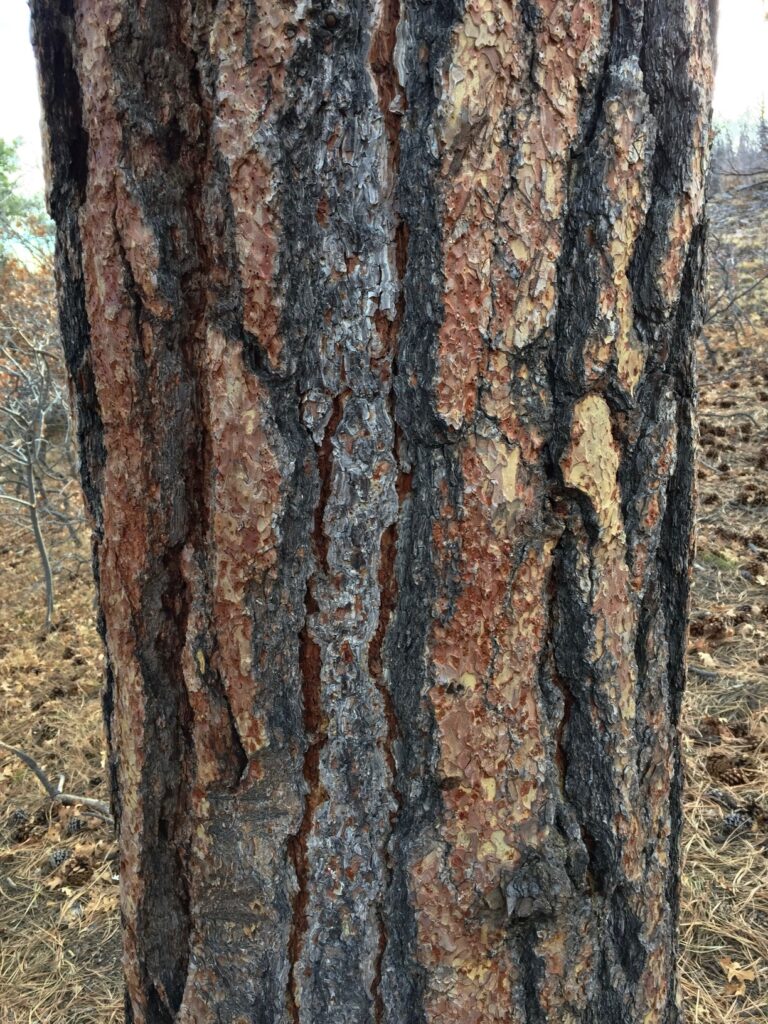
“Ponderosa Pine” from treenm.org and used with no modifications.
Why Young Ponderosas Are Called “Blackjack Pines”
The “Blackjack” designation originates from the stark difference in bark appearance between young and mature specimens. Trees under 110-120 years typically display a blackish-brown bark that’s relatively thin and divided into flat plates. This darker coloration serves as natural protection for the younger, more vulnerable trees. As the Ponderosa matures, this dark bark gradually transforms into the characteristic orange-yellow, puzzle-piece pattern that makes older specimens instantly recognizable to botanists and forest enthusiasts alike. For those interested in other tree species, you might explore the American Chestnut and its unique characteristics.
This dramatic transformation represents one of the most distinctive age-related changes found in North American conifers. The transition isn’t merely cosmetic—it signals fundamental changes in the tree’s fire resistance, moisture retention capabilities, and overall resilience. Interestingly, this color transition often begins at around 80-100 years of age, meaning some “Blackjacks” are already century-old trees despite still wearing their youthful bark.
Regional Nicknames: Bull Pine, Western Yellow Pine, and More
Beyond “Blackjack,” the Ponderosa Pine has accumulated numerous regional nicknames throughout its extensive range. “Bull Pine” highlights its imposing stature and robust character, while “Western Yellow Pine” references the distinctive yellowed bark of mature specimens. In parts of California and Oregon, you might hear it called “Yellow Pine,” whereas in the Rocky Mountain regions, “Rocky Mountain Ponderosa Pine” specifically identifies the inland variety (Pinus ponderosa var. scopulorum).
These regional variations in naming reflect not just linguistic differences but sometimes subtle botanical distinctions. Taxonomists recognize up to five varieties of Ponderosa Pine, each adapted to specific geographic regions across North America. The Pacific coastal variety (Pinus ponderosa var. ponderosa) differs slightly from the Rocky Mountain variety in needle length, cone size, and growth habits. Native American tribes throughout the West also had their own names for this important tree, often incorporating it into cultural practices, construction, and traditional medicine.
The Vanilla-Scented Bark Mystery
Perhaps the most enchanting characteristic of mature Ponderosa Pines is their distinctively aromatic bark. When warmed by the sun, the crevices between the puzzle-piece bark plates emit a sweet fragrance often described as reminiscent of vanilla, butterscotch, or even cinnamon. This unique scent comes from chemical compounds in the resin, primarily terpenes and aldehydes, that volatilize in warm weather.
“The scent of Ponderosa bark on a warm summer day is nature’s perfume – an unmistakable vanilla-butterscotch aroma that stops hikers in their tracks. No other pine species in North America offers this olfactory delight, making it a foolproof identification feature.”
– Dr. Connie Millar, Research Ecologist, U.S. Forest Service
This aromatic quality isn’t just a curiosity—it serves as an important identification feature that distinguishes the Ponderosa from similar-looking species like the Jeffrey Pine. While Jeffrey Pines also have a scented bark, their fragrance is distinctly different, often described as resembling lemon or apple. Forest ecologists suggest these aromatic compounds may have evolved as chemical defenses against certain insects or pathogens, though they now serve as one of the tree’s most beloved characteristics among forest enthusiasts.
Ponderosa Pine vs. Red Pine: Size and Longevity Champions
When comparing the Ponderosa Pine to other common species like the Red Pine (Pinus resinosa), the differences become apparent in nearly every measurable characteristic. Ponderosas tower over their red counterparts, reaching heights of 150-230 feet in optimal conditions, while Red Pines typically max out at 70-100 feet. This height disparity makes Ponderosas among the tallest pine species in North America, rivaled only by Sugar Pines in terms of maximum potential height.
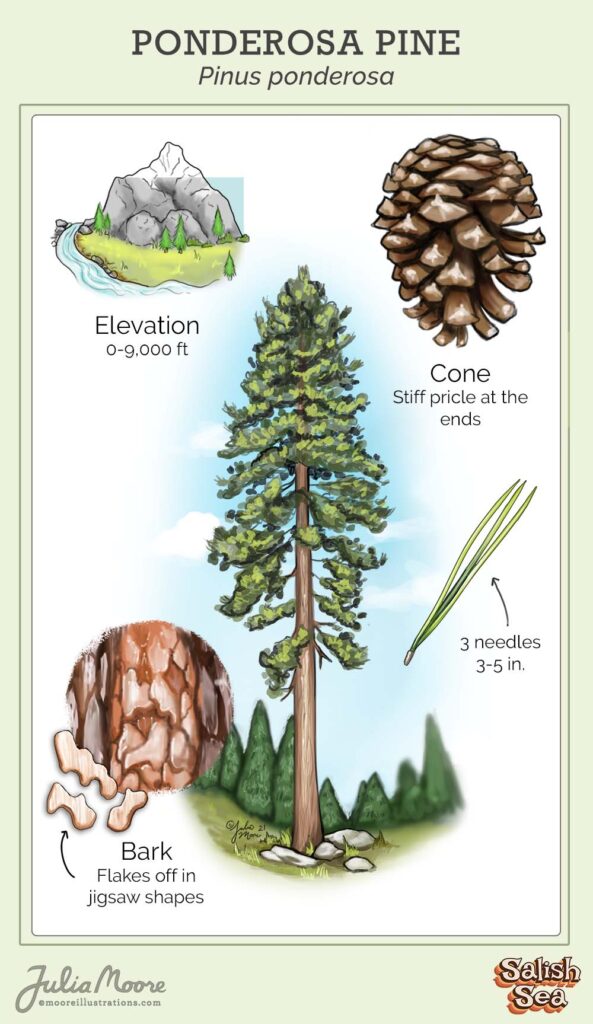
“Ponderosa Pine – Salish Mushrooms” from salishmushrooms.com and used with no modifications.
Height and Diameter Records: The 230-Foot Giants
The size difference between Ponderosa and Red Pines extends beyond mere height. Mature Ponderosas develop massive trunks, often reaching diameters of 3-4 feet in managed forests and up to an impressive 8 feet in old-growth settings. By comparison, Red Pines rarely exceed 30 inches in diameter even at maturity. This substantial size difference translates directly to timber value, with single mature Ponderosa trunks potentially yielding thousands of board feet of valuable lumber.
Record-setting Ponderosas have been documented throughout the western United States, with the current champion located in southern Oregon measuring nearly 230 feet tall with a trunk circumference exceeding 26 feet. The needle characteristics also differ significantly—Ponderosas feature longer needles (5-10 inches) bundled in groups of three, while Red Pines display shorter needles (4-6 inches) arranged in bundles of two. These differences in needle arrangement provide a quick visual identification method for distinguishing between these species in mixed forests.
Living for Centuries: 600-Year Lifespans vs. Other Pines
The longevity gap between Ponderosa and Red Pines is equally striking. Ponderosa Pines routinely live 300-600 years, with exceptional specimens documented at over 800 years old. Red Pines, while still considered long-lived trees, typically survive only 200-400 years in natural settings. This extended lifespan allows Ponderosas to develop their characteristic orange, puzzle-piece bark pattern and massive trunk diameters that distinguish ancient specimens.
The remarkable longevity of Ponderosas stems from their adaptive abilities and resistance to environmental stressors. Their deep taproot system—often extending 15-30 feet below ground—allows them to access groundwater resources unavailable to more shallow-rooted species during extended drought periods. Additionally, their thick, insulating bark protects the vital cambium layer from fire damage, insects, and extreme temperature fluctuations. These combined adaptations enable Ponderosas to survive challenges that would prove fatal to less resilient pine species.
Growth Rate Differences and What to Expect in Your Lifetime
Despite their ultimate size advantage, Ponderosa Pines don’t always outpace Red Pines in growth rate during their early years. Young Red Pines often exhibit faster initial growth in suitable conditions, adding 12-18 inches annually during their first decades. Ponderosas typically add 8-12 inches per year in their youth, though this rate can vary significantly based on soil conditions, moisture availability, and competition from surrounding vegetation.
The growth pattern of Ponderosas follows a more sustained trajectory over centuries rather than decades. While Red Pines reach their maximum height relatively quickly and then slow dramatically, Ponderosas continue steady growth for much longer periods. This means that within a human lifetime (70-80 years), a planted Ponderosa might reach 60-80 feet with proper care, while a Red Pine could achieve similar heights somewhat faster but with less potential for continued growth. For landowners planning multi-generational forests, this longer growth horizon makes Ponderosas particularly valuable as legacy trees.
Growing Conditions: What Makes Ponderosa Pines Thrive
Understanding the ideal growing conditions for Ponderosa Pines reveals why they’ve become so successful across diverse western landscapes. These adaptable conifers thrive in challenging environments where other trees struggle, making them excellent choices for restoration projects and drought-prone properties.
Soil, Sun, and Water Requirements
Ponderosa Pines demonstrate remarkable soil adaptability, thriving in everything from rocky, nutrient-poor substrates to richer loams as long as excellent drainage exists. They strongly prefer slightly acidic to neutral soil pH (5.5-7.0) but can tolerate moderately alkaline conditions when necessary. Unlike many other pines, Ponderosas actually prefer somewhat dry conditions once established, making them drought-resistant champions in the conifer world. Their extensive root systems efficiently extract available moisture, allowing them to survive extended dry periods that would stress or kill less adapted species.
These sun-loving trees require full exposure to develop their characteristic form and maintain health. When grown in shade, Ponderosas become leggy, weak, and susceptible to disease. Their water requirements decrease significantly after establishment, typically needing supplemental irrigation only during extended drought periods. Overwatering poses a greater threat than underwatering to mature specimens, potentially leading to root rot and other moisture-related diseases that can compromise even fully grown trees.
Climate Adaptations and Natural Range
The impressive geographic range of Ponderosa Pines demonstrates their exceptional adaptability to varying climate conditions. These resilient trees thrive across elevation gradients from near sea level to over 10,000 feet in some regions, adjusting their growth habits to match local conditions.
- Temperature tolerance from -40°F to 110°F across their range
- Precipitation adaptability from 10 inches annually in arid regions to 25+ inches in mountainous areas
- Elevation flexibility from 500 feet to 10,000+ feet depending on latitude
- Wind resistance superior to many other pine species
- Snow load capacity enabling survival in heavy winter precipitation zones
This remarkable climate adaptability has allowed Ponderosa Pines to establish vast forests across dramatically different ecosystems, from the semi-arid regions of Arizona to the moister mountain slopes of the Pacific Northwest. Regional variations have developed over millennia, with slight differences in needle length, cone size, and growth form emerging in response to local conditions. The Pacific coastal variety (P. ponderosa var. ponderosa) typically displays longer needles and larger cones than the Rocky Mountain variety (P. ponderosa var. scopulorum).
Climate change researchers have identified Ponderosa Pines as relatively climate-resilient compared to other western conifer species, though they face increasing challenges from altered fire regimes, extended droughts, and bark beetle infestations in parts of their range. Their genetic diversity and adaptability suggest they will continue to play crucial ecological roles as western forest compositions shift in response to changing conditions.
Common Problems and Pests to Watch For
Despite their resilience, Ponderosa Pines face several significant threats that landowners and forest managers should monitor. The mountain pine beetle (Dendroctonus ponderosae) represents perhaps the most serious insect pest, capable of killing even healthy mature trees during outbreak years. These native beetles typically attack stressed or weakened trees first but can overwhelm healthy specimens during population explosions. Other noteworthy pests include various pine engraver beetles (Ips species), pine sawflies, and needle miners that can defoliate portions of the tree. Disease concerns include various needle blights, western gall rust, and root diseases that typically affect trees under stress from drought, poor planting practices, or inappropriate growing sites.
Fire Ecology: The Ponderosa’s Remarkable Survival Strategy
Fire plays a defining role in the evolutionary history and ecology of Ponderosa Pine forests. Unlike many tree species that merely tolerate occasional fires, Ponderosas have developed a complex relationship with fire that has shaped both their individual adaptations and their forest communities. Natural fire regimes historically burned through Ponderosa forests every 5-25 years, creating open, park-like stands of large trees with grassy understories. This frequent, low-intensity fire pattern cleared accumulating needles, cones, and woody debris while eliminating most competing vegetation and tree saplings.
Fire Ecology: The Ponderosa’s Remarkable Survival Strategy
Fire plays a defining role in the evolutionary history and ecology of Ponderosa Pine forests. Unlike many tree species that merely tolerate occasional fires, Ponderosas have developed a complex relationship with fire that has shaped both their individual adaptations and their forest communities. Natural fire regimes historically burned through Ponderosa forests every 5-25 years, creating open, park-like stands of large trees with grassy understories. This frequent, low-intensity fire pattern cleared accumulating needles, cones, and woody debris while eliminating most competing vegetation and tree saplings.
Thick Bark: Nature’s Fireproof Vest
The most visible fire adaptation of mature Ponderosa Pines is their remarkably thick bark, which can reach 3-4 inches on older specimens. This insulating layer protects the sensitive cambium tissue from heat damage during low to moderate-intensity fires. Young Ponderosas (the “Blackjack” phase) have thinner bark and remain vulnerable to fire damage, but survivors quickly develop thicker protective layers as they mature. The distinctive orange, puzzle-piece pattern of mature bark not only serves as thermal protection but can actually shed burning pieces during a fire event, preventing sustained burning against the trunk.
This thick bark development represents a significant investment of the tree’s energy resources, highlighting how crucial fire protection has been throughout the species’ evolutionary history. By comparison, Red Pines develop much thinner bark (rarely exceeding 1 inch), making them considerably more vulnerable to fire damage. This fundamental difference explains why Ponderosa Pines dominate fire-prone western landscapes while Red Pines typically occupy less fire-frequent northeastern and Great Lakes regions.
Self-Pruning: How Ponderosas Prevent Crown Fires
Another critical fire adaptation is the Ponderosa’s natural self-pruning habit. As trees mature, they systematically shed their lower branches, creating a significant gap between the forest floor and the living crown. This vertical separation, often 20-30 feet on mature trees, prevents ground fires from easily climbing into the canopy and becoming destructive crown fires. The self-pruning process begins relatively early in the tree’s development, with lower branches dying back as they become shaded by higher growth and as the tree allocates resources to upward expansion. For those interested in maintaining a safe garden, understanding such fire-resistant plant characteristics can be crucial. Learn more about safe garden ideas for your home.
Self-pruning combines with thick bark to create a remarkably fire-resistant mature tree. When low-intensity fires sweep through a Ponderosa forest, they typically remain at ground level, clearing the understory without significantly damaging the overstory trees. This adaptation explains why centuries-old Ponderosas often show multiple fire scars at their bases while their upper trunks and crowns remain intact and healthy. Red Pines, by contrast, tend to retain lower branches longer and grow in denser stands, making them more susceptible to crown fires when ignition occurs.
The Ecological Role of Fire in Ponderosa Forests
Fire suppression policies throughout much of the 20th century dramatically altered the structure of many Ponderosa forests. Without regular low-intensity fires, dense understories of young trees and shrubs developed, creating “ladder fuels” that can carry flames to the canopy. This shift from open, park-like stands to densely packed forests has increased vulnerability to catastrophic, high-intensity fires that can kill even mature, fire-adapted Ponderosas. Modern forest management increasingly incorporates prescribed burning and mechanical thinning to restore historical forest structures and reduce extreme fire risk.
Ecologists now recognize that Ponderosa Pine ecosystems depend on periodic fire for their health and persistence. Fire recycles nutrients locked in forest litter, controls insect and disease outbreaks, reduces competition from shade-tolerant species, and creates the heterogeneous habitat structure that supports diverse wildlife communities. The relationship between Ponderosas and fire represents one of the most well-studied examples of how evolutionary adaptations and ecological processes intersect to shape forest landscapes.
Pine Nuts and Pet Safety: What You Need to Know
While many pine species produce edible nuts that have been harvested for centuries, Ponderosa Pine nuts require careful consideration. Unlike the commercially available pine nuts from species like the Italian Stone Pine (Pinus pinea) or the Pinyon Pine (Pinus edulis), Ponderosa nuts are smaller, more difficult to harvest in quantity, and generally considered less palatable. Native American tribes throughout the West did collect and consume these nuts traditionally, but they typically required more processing to remove bitter compounds than more favored pine nuts. If you’re curious about other plants and their pet safety, you can explore more resources to ensure your pets’ well-being.
Harvesting and Eating Ponderosa Pine Nuts
Ponderosa Pine nuts are technically edible but rarely harvested commercially due to their small size and relatively low yield per cone. The nuts develop within the woody cones that take two years to mature, turning from green to brown as they ripen. Harvesting typically involves collecting fallen cones or carefully removing mature cones from the tree, then drying them until they open to release the small, winged seeds. Each Ponderosa cone contains relatively few viable seeds compared to pine species specifically valued for nut production.
The nutritional profile of Ponderosa nuts mirrors other pine nuts, offering high concentrations of healthy fats, protein, and various minerals. However, they tend to have a stronger resinous flavor that many find less appealing than commercially available varieties. Those interested in experimenting with Ponderosa nuts should harvest from areas free of pesticides and other contaminants, properly identify the species (as some similar-looking pines can have toxic properties), and try small quantities initially to ensure no adverse reactions occur.
Are Ponderosa Pines Dangerous to Cats and Dogs?
Pet owners should exercise caution with Ponderosa Pines in their landscape. While not among the most toxic plants to domestic animals, various parts of Ponderosa Pines can cause problems if consumed in significant quantities. The needles, particularly when dried and fallen, contain terpene compounds that can irritate the gastrointestinal tract of dogs and cats. In sufficient quantities, these compounds may cause vomiting, diarrhea, and depression. More serious toxicity concerns exist for pregnant cattle and horses, as consumption of Ponderosa needles has been linked to abortion and birth defects, particularly in the last trimester of pregnancy.
The resin and sap from Ponderosa Pines can also cause irritation if pets get it on their fur or paws and then groom themselves. This typically results in drooling, mouth irritation, and potential gastrointestinal upset. While casual contact with the tree is unlikely to cause serious problems for most pets, households with animals that habitually chew on plants should monitor their behavior around these trees. If a pet shows signs of distress after potential consumption of pine materials, veterinary consultation is advisable.
Landscape Uses for the Blackjack Pine
The Ponderosa Pine’s impressive stature and drought tolerance make it an excellent choice for specific landscape applications, particularly on larger properties. These magnificent trees require considerable space to reach their potential, with mature specimens potentially spreading 25-30 feet in diameter. Their extensive root systems also demand adequate room away from foundations, utilities, and hardscape features. For properties with sufficient space, however, few trees match the Ponderosa’s combination of drought tolerance, longevity, and year-round visual interest.
When integrating Ponderosas into designed landscapes, their eventual size must be the primary consideration. These are not suitable trees for small urban lots or areas with overhead utilities. Their natural drought tolerance once established makes them particularly valuable in regions facing water restrictions or in xeriscaping projects where supplemental irrigation will be minimal. The distinctive bark characteristics—transitioning from dark in younger specimens to orange-yellow in maturity—provides exceptional visual interest throughout the year, especially in winter landscapes when deciduous trees stand bare.
Drought-Tolerant Options for Large Properties
- Windbreak plantings along property boundaries provide wildlife habitat while reducing soil erosion
- Specimen plantings in large open areas showcase the tree’s natural form without crowding
- Restoration projects reintroducing native forest structure to degraded landscapes
- Privacy screening where substantial height and year-round foliage are desired
- Slope stabilization on hillsides prone to erosion or slippage
For landowners in fire-prone regions, proper placement becomes especially crucial. Defensible space principles suggest keeping large conifers like Ponderosas at least 30 feet from structures, preferably farther. This spacing reduces the risk of home ignition during wildfire events while still allowing the landscape to benefit from these magnificent trees. Strategic placement can actually enhance fire safety when combined with appropriate understory management and regular maintenance to remove accumulated pine needles near structures.
Ponderosas partner well with native understory plants adapted to similar growing conditions. In designed landscapes, consider pairing them with drought-tolerant shrubs like manzanita, ceanothus, or native sagebrush species that won’t compete excessively for root space. Groundcover options might include native grasses, sedges, or low-growing wildflowers that complement the pine’s natural forest aesthetics while requiring minimal supplemental irrigation once established.
When selecting Ponderosa Pines for landscape use, consider starting with younger specimens (typically under 15 feet tall at planting) to allow for better root establishment and adaptation to site conditions. While growth may seem slow during the first few years as the tree establishes its root system, patience will be rewarded with accelerated growth once the tree becomes established. Most nursery-grown specimens reach 30-40 feet within 20 years of planting in favorable conditions, providing relatively quick returns on investment compared to many other large landscape trees.
Maintenance requirements remain minimal compared to many landscape trees, with naturally drought-tolerant characteristics reducing irrigation needs after establishment. Fallen needles can be left in place around the tree’s drip line to create natural mulch, returning nutrients to the soil while suppressing competing vegetation. Pruning needs are generally limited to removing damaged branches or maintaining clearance from structures, as the tree naturally develops an attractive form without extensive shaping.
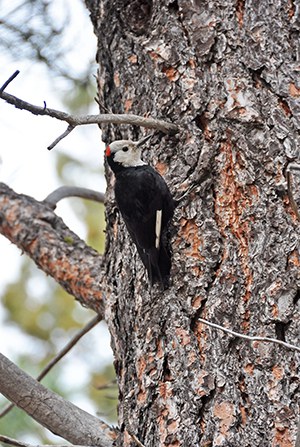
“Ponderosa Pine (Pinus ponderosa …” from www.deschuteslandtrust.org and used with no modifications.
Creating Wildlife Habitat with Ponderosa Pines
Ponderosa Pines offer exceptional wildlife habitat value, supporting diverse species throughout their lifecycle. The trees provide critical nesting sites for numerous bird species, including various woodpeckers, nuthatches, chickadees, and raptors like Cooper’s hawks and great horned owls. The deeply furrowed bark of mature specimens creates microhabitats for insects, which in turn attract insectivorous birds. Seeds from the cones provide food for small mammals and birds, particularly important for species like Steller’s jays, Clark’s nutcrackers, and various squirrel species that cache the seeds for winter food supplies.
Property owners interested in enhancing wildlife habitat should consider establishing small groves rather than isolated specimens when space permits. These mini-forests create edge habitat and interior conditions that support a wider range of species than solitary trees. Leaving some fallen branches and needles in naturalized areas further enhances habitat value by providing cover for ground-dwelling species and supporting decomposer organisms that enrich soil ecosystems. The combination of vertical structure, food resources, and shelter makes Ponderosa Pine plantings among the most wildlife-friendly additions possible for larger properties in appropriate climate zones.
Conservation Status and Future of Ponderosa Forests
While Ponderosa Pines remain abundant across their native range, their forest ecosystems face significant challenges. Climate change impacts—including extended droughts, altered precipitation patterns, and increasing temperatures—stress these resilient trees in portions of their range, particularly at lower elevations and southern distributions. Bark beetle outbreaks have affected millions of acres of Ponderosa forests in recent decades, with warming temperatures allowing beetle populations to expand into previously unaffected areas. Fire regime changes, including more frequent high-severity fires rather than the low-intensity burns these trees evolved with, threaten even mature specimens that would historically survive wildfire events.
Conservation efforts focus on multiple approaches to maintain healthy Ponderosa ecosystems. Forest restoration projects aim to recreate historical stand structures through selective thinning and prescribed burning, reducing competition for water and nutrients while lowering crown fire risk. Genetic conservation programs preserve diverse seed sources representing adaptations to different growing conditions, potentially providing valuable genetic material for future restoration as climate zones shift. Private landowners can contribute to conservation by maintaining healthy specimens on their properties, particularly in areas where development has reduced native forest cover, and by supporting responsible forest management practices that balance timber production with ecosystem health and resilience.
Frequently Asked Questions
Ponderosa Pines generate numerous questions from both forest enthusiasts and landowners considering them for their properties. The following represent some of the most common inquiries about these magnificent trees and their characteristics compared to other pine species.
How can I tell the difference between a Ponderosa Pine and a Jeffrey Pine?
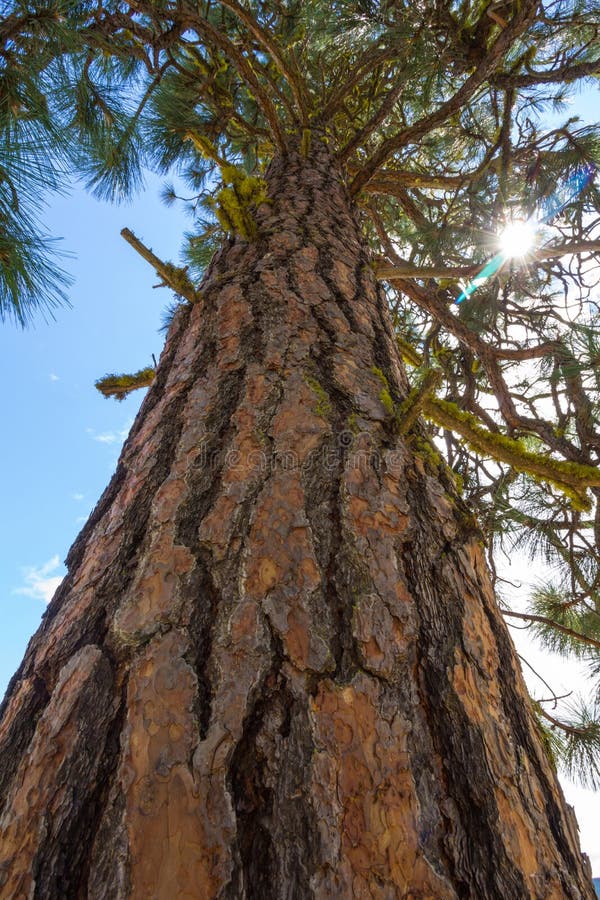
Distinguishing between Ponderosa and Jeffrey Pines (Pinus jeffreyi) challenges many tree enthusiasts due to their similar appearance. The most reliable difference lies in their cones—Ponderosa cones have outward-pointing prickles that feel sharp when handled (remember “prickly ponderosa”), while Jeffrey Pine cones have inward-pointing prickles that feel smooth (remember “gentle jeffrey”). The bark scent also differs distinctly, with Ponderosas emitting vanilla/butterscotch aromas and Jeffreys producing a more citrus-like scent often described as resembling lemons or apples. Jeffrey Pines typically have longer needles arranged in bundles of three, appearing more bluish-green compared to the Ponderosa’s yellower-green needles.
“4,123 Ponderosa Pine Stock Photos …” from www.dreamstime.com and used with no modifications.
How fast do Ponderosa Pines grow per year?
Growth rates vary considerably depending on site conditions, with trees in optimal settings adding 12-24 inches of height annually during their youth. Most landscape specimens average 8-12 inches of annual growth during their first decade after becoming established. Growth typically accelerates between years 5-15 as the root system develops fully, then maintains a steady rate for decades before gradually slowing with age.
Diameter growth follows a similar pattern but proceeds more slowly, with young trees adding approximately 1/4 to 1/2 inch in trunk diameter annually under favorable conditions. Unlike many faster-growing but shorter-lived species, Ponderosas maintain their growth over remarkably long periods, potentially adding height and girth for centuries rather than decades. This sustained growth explains how they eventually reach such impressive dimensions compared to many other pine species.
Several factors significantly influence growth rates, with soil moisture availability, sunlight exposure, and competing vegetation being the most important. Trees planted in optimal conditions with adequate early care often grow twice as fast as those struggling with poor soils, insufficient water, or excessive competition. Professional arborists recommend focusing on proper establishment during the first three years, including regular deep watering and mulching, to maximize long-term growth potential.
- Optimal conditions: 12-24 inches of height growth annually
- Average landscape conditions: 8-12 inches annually
- Poor conditions: 4-8 inches annually
- Mature growth slows to 2-6 inches annually
- Diameter increases by 1/4 to 1/2 inch annually in favorable settings
Can Ponderosa Pines survive in urban environments?
While Ponderosas tolerate many environmental stressors, they face significant challenges in typical urban settings. Their extensive size at maturity makes them problematic near buildings, power lines, and other infrastructure. Air pollution, particularly ozone and sulfur dioxide, can damage their needles and reduce vigor over time. Soil compaction and restricted root zones in urban areas limit their ability to develop the extensive root systems needed for drought resistance and structural stability. For these reasons, Ponderosas typically perform better in larger suburban lots, parks, or campus settings where they have adequate space above and below ground. Urban planners looking for pine species better adapted to city conditions might consider shorter species like Mugo Pine or Japanese Black Pine that remain more manageable in confined spaces.
What wildlife species depend on Ponderosa Pine forests?
Ponderosa Pine ecosystems support remarkably diverse wildlife communities across their range. Cavity-nesting birds like the Lewis’s woodpecker, white-headed woodpecker, and flammulated owl depend specifically on mature Ponderosa forests with large-diameter trees. Numerous mammals utilize these forests, including black bears that occasionally strip bark to access nutritious cambium layers, Abert’s squirrels that feed almost exclusively on Ponderosa seeds and inner bark, and mule deer that seek thermal cover beneath the canopy during extreme weather. The complex forest structure created by varying tree ages and sizes, combined with the understory diversity in healthy Ponderosa ecosystems, provides habitat niches for hundreds of invertebrate species, reptiles, amphibians, and smaller mammals that form the foundation of the food web. Conservation biologists consider mature Ponderosa forests particularly valuable habitat because they create structurally diverse ecosystems that remain relatively stable through time when natural disturbance regimes are maintained.
Are Ponderosa Pines good trees for carbon sequestration?
Ponderosa Pines excel at carbon sequestration due to their combination of rapid growth, large ultimate size, and exceptional longevity. Their ability to thrive in relatively dry conditions where many other large tree species struggle makes them particularly valuable for carbon storage in semi-arid western landscapes. A mature Ponderosa forest can sequester 2-3 tons of carbon per acre annually, with individual large trees potentially storing several tons of carbon in their wood, roots, and surrounding soil over their centuries-long lifespan.
This carbon sequestration capacity has attracted increasing attention as organizations and landowners seek nature-based climate solutions. The tree’s extensive root system not only stores carbon directly but also transfers carbon compounds into surrounding soil, where they can remain sequestered for extended periods. Additionally, the wood harvested from sustainably managed Ponderosa forests can continue storing carbon in long-lived products like construction timber, furniture, and other durable goods. This combination of in-forest storage and harvested wood products makes Ponderosa Pines particularly effective in comprehensive carbon management strategies.