
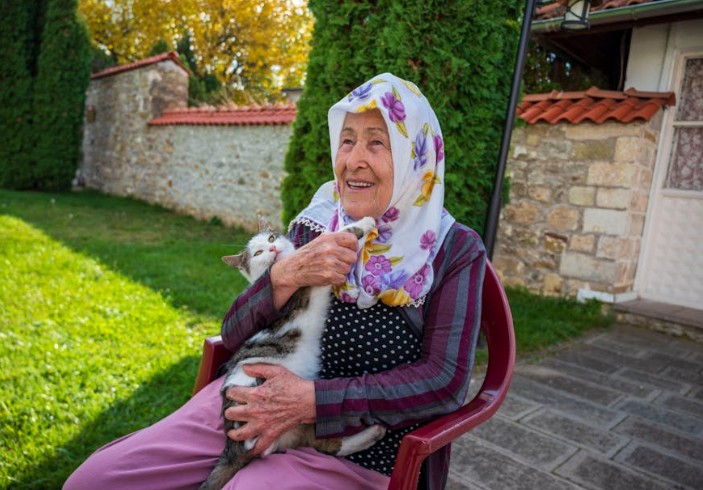
Safe, Accessible Outdoor Spaces for Residents, Pets, and Families
Pet-safe gardens can do more than reduce risk in senior living communities. When they are designed to be safe, accessible, and comfortable, they create better everyday experiences for residents, support life with pets, and help families feel more confident about the environment.
Key Takeaways
- Pet-safe gardens support daily life for residents, pets, and visiting families.
- Safe plant choices and pet-safe maintenance practices help reduce hidden risks.
- Accessible layouts, shade, and seating make outdoor spaces easier to enjoy.
- Shared garden spaces encourage connection, observation, and routine.
- Communities that get this right feel more livable, welcoming, and memorable.
Outdoor spaces play an important role in senior living, especially when they support both comfort and everyday use. For residents who live with pets—or enjoy spending time around them—gardens can become more than landscaping. They can become places for movement, routine, rest, and connection.
In senior living settings, that experience matters not only to residents, but also to families evaluating whether a community feels truly welcoming.
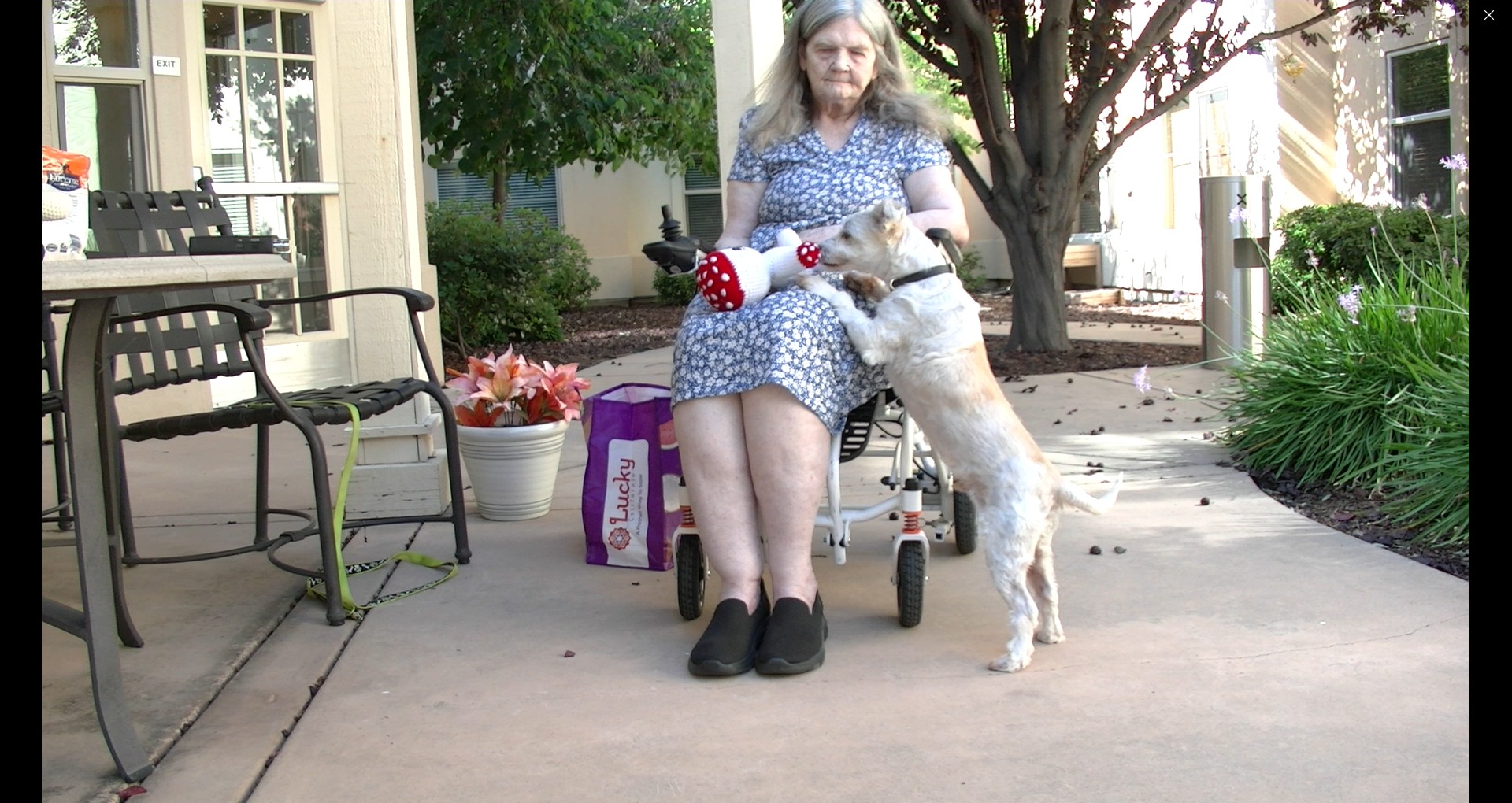
Why Pet-Safe Gardens Matter in Senior Living
A garden that feels safe and usable can improve how residents experience the community every day.
- It offers a calm, outdoor setting for time with pets
- It creates opportunities for fresh air, observation, and gentle activity
- It gives families a place to spend time together during visits
- It helps outdoor space feel like part of daily life rather than something separate
When pets are part of the picture, safety becomes even more important—but safety should support the experience, not dominate it.
Safety Without Fear-Based Design
Pet-safe gardens should reduce risk without feeling sterile or overly restricted.
Important considerations include:
- avoiding toxic plants such as lilies, sago palms, azaleas, and oleander
- using pet-safe fertilizers and avoiding harmful pesticides
- choosing materials that are stable, low-maintenance, and comfortable to walk on
- making sure planters, edges, and features are placed safely
A few well-chosen pet-safe plants—such as snapdragons, sword ferns, or dwarf feather palms—can help create a safer foundation while still feeling lush and welcoming.
How Residents and Pets Actually Use These Spaces
Design works best when it reflects real behavior.
Residents and pets tend to use gardens in simple, repeated ways:
- walking slowly along clear paths
- pausing in shaded seating areas
- sitting quietly with family members or friends
- observing plants, birds, and activity around them
- moving between sun and shade depending on comfort
A space that supports these patterns feels easier to use and more naturally integrated into daily routines.
Designing for Accessibility and Comfort
Usability matters as much as plant selection.
Pet-safe gardens in senior living communities should include:
- accessible pathways that support walkers, wheelchairs, and slower movement
- seating placed at natural pause points
- shaded areas for comfort during warmer weather
- clear visibility for supervision and orientation
- layouts that reduce clutter and confusion
These details help residents, pets, and visitors feel more comfortable spending time outdoors.
Shared Spaces That Support Families Too
Families notice how a community feels when they visit. A pet-safe garden can quietly communicate care, thoughtfulness, and livability.
For families, these spaces can:
- provide a comfortable place to visit outside the apartment or room
- make the community feel more open and humane
- show that the environment has been designed with real life in mind
- build confidence that pets and residents can be supported safely over time
That confidence can influence both first impressions and long-term trust.
Why Pet-Safe Gardens Add Community Appeal
Communities that include safe, well-designed garden spaces often feel more memorable.
They stand out because they:
- support quality of life in visible, practical ways
- help create connection between residents, families, and pets
- show attention to both safety and everyday comfort
- reflect a broader commitment to pet-welcoming living
In a competitive senior living landscape, those signals matter.
Creating Senior Living Gardens That Work in Real Life
The goal is not simply to remove hazards. It is to create outdoor spaces that work well for the people and pets who use them.
When senior living communities combine pet-safe plants, accessible design, and thoughtful maintenance, gardens become places of comfort, connection, and routine.
That is what makes them valuable—not just as landscaping, but as part of a community experience families and residents can actually feel.
For more insights on pet-safe and pet-welcoming environments, visit https://petscango.com/articles/