
How Real-Life Dining Experiences Drive Repeat Visits and Connection
Pet-welcoming restaurants do more than allow dogs—they create experiences people return to. When dining works in real life, it builds loyalty, repeat visits, and a sense of community that extends beyond the meal itself.
Key Takeaways
- Pet-welcoming restaurants create repeat customers through real-life usability, not just policies.
- Positive dining experiences with dogs encourage longer visits and stronger loyalty.
- Dogs naturally create social interaction, turning restaurants into community hubs.
- Clear expectations and thoughtful design reduce friction and improve experiences.
- Restaurants that get this right benefit from word-of-mouth and sustained local engagement.
Pet ownership continues to grow across the U.S., with approximately 66% of households now including at least one pet. For many of these households, pets are considered part of the family, influencing everyday decisions—including where to dine.
For restaurants, this is not just a trend. It is a shift in how customers choose where to spend time.
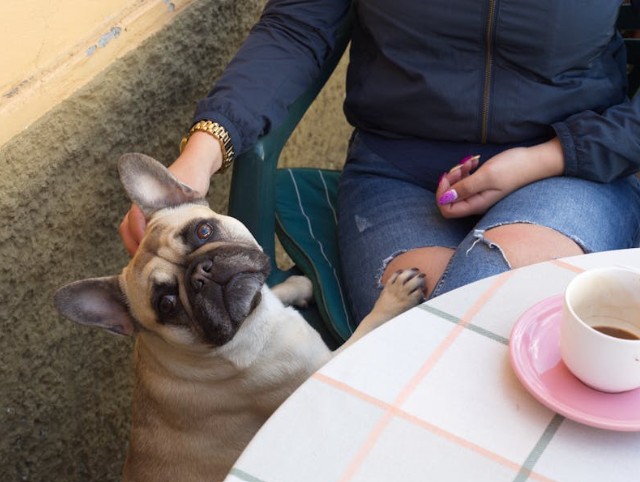
What Actually Keeps People Coming Back
The difference between pet-friendly and pet-welcoming becomes clear over time.
Customers don’t return simply because dogs are allowed. They return because the experience works.
- Entering and being seated feels easy
- There is enough space to settle comfortably
- Staff are confident and consistent
- The environment supports both dogs and other diners
When these elements come together, dining with a dog becomes predictable and enjoyable rather than stressful. That consistency is what builds repeat visits.
Why Experience Drives Repeat Visits
Pet owners actively choose restaurants where they know their dogs are welcome—and where the experience feels smooth.
This often leads to:
- longer visits
- more relaxed dining
- higher likelihood of ordering additional items
When customers feel comfortable staying, they naturally spend more time and engage more fully with the experience.
Repeat visits follow—not because of policy, but because of reliability.
Why Behavior and Environment Shape Loyalty
A successful pet-welcoming restaurant depends on both environment and behavior.
- Well-trained, socialized dogs are easier to integrate into shared spaces
- Owners who manage their dogs responsibly help maintain a positive atmosphere
- Clear expectations reduce misunderstandings between guests and staff
Physical design also plays a role:
- Table spacing affects comfort levels
- Walkways impact safety and service flow
- Layout influences how dogs and people interact
When behavior and environment align, the entire space functions more smoothly.
How Dogs Create Natural Community
Dogs change how people interact in shared environments.
- Conversations start more easily between tables
- Guests recognize each other over time
- Staff build familiarity with regular customers and their pets
These small interactions accumulate, turning a restaurant into a place people feel connected to—not just a place they visit.
Over time, this creates a sense of belonging that goes beyond food or service.
Word-of-Mouth and Organic Visibility
Pet-welcoming restaurants often benefit from natural visibility.
Pet owners regularly:
- share photos and experiences
- recommend locations to friends
- return with others
This creates consistent, authentic exposure without relying heavily on traditional advertising.
Unlike paid marketing, these recommendations are based on real experiences, making them more credible and more likely to drive new visits.
The Business Impact of Pet-Welcoming Experiences
The pet industry reached approximately $147 billion in spending, reflecting how much people are willing to invest in their pets and their lifestyles.
For restaurants, this translates into:
- access to a highly engaged customer segment
- stronger customer retention
- increased lifetime value per guest
When nearly all pet owners consider their pets part of the family, restaurants that support that relationship position themselves differently from competitors.
From Dining Spot to Community Hub
Some restaurants go beyond daily service to create deeper connections.
Examples include:
- casual gatherings like “Yappy Hours”
- partnerships with local rescues
- informal meetups that encourage repeat visits
These experiences are most effective when they feel natural—not forced—and when they align with how customers already use the space.
Creating Restaurants People Return To
The goal is not simply to allow dogs—it is to create an environment that works consistently for both people and their pets.
Restaurants that focus on real-life usability, clear expectations, and thoughtful design create experiences that customers trust.
That trust leads to repeat visits, stronger relationships, and a community that continues to grow over time.
For more insights on pet-welcoming environments, visit https://petscango.com/articles/