
Summary
Modern pet owners are increasingly evaluating products through the lens of comfort, independent engagement, sensory interaction, wellness value, durability, and long-term maintenance. Real-world observational sessions revealed that owner priorities often differ from traditional marketing assumptions, especially around comfort, tactile experience, independent engagement, and perceived long-term value.
Key Takeaways
- Comfort is increasingly treated as a baseline expectation
- Owners value products that support independent engagement and enrichment
- Sensory interaction influences both pet engagement and owner perception
- Wellness-related benefits may increase willingness to pay more
- Owners increasingly expect products be easy to clean and hold up over time
- Real-world interaction may reveal different priorities than traditional marketing assumptions
Modern pet ownership is reshaping what people expect from pet products. Comfort, enrichment, sensory engagement, durability, and long-term practicality increasingly influence purchasing decisions and perceived value.
Recent observational sessions involving dogs and their owners revealed recurring themes around cushioning, independent engagement, sensory stimulation, cleanliness, and practical long-term use. In several cases, real-world interaction highlighted priorities that differed from how products were originally positioned or marketed.
Comfort Is No Longer Viewed as a Premium Feature
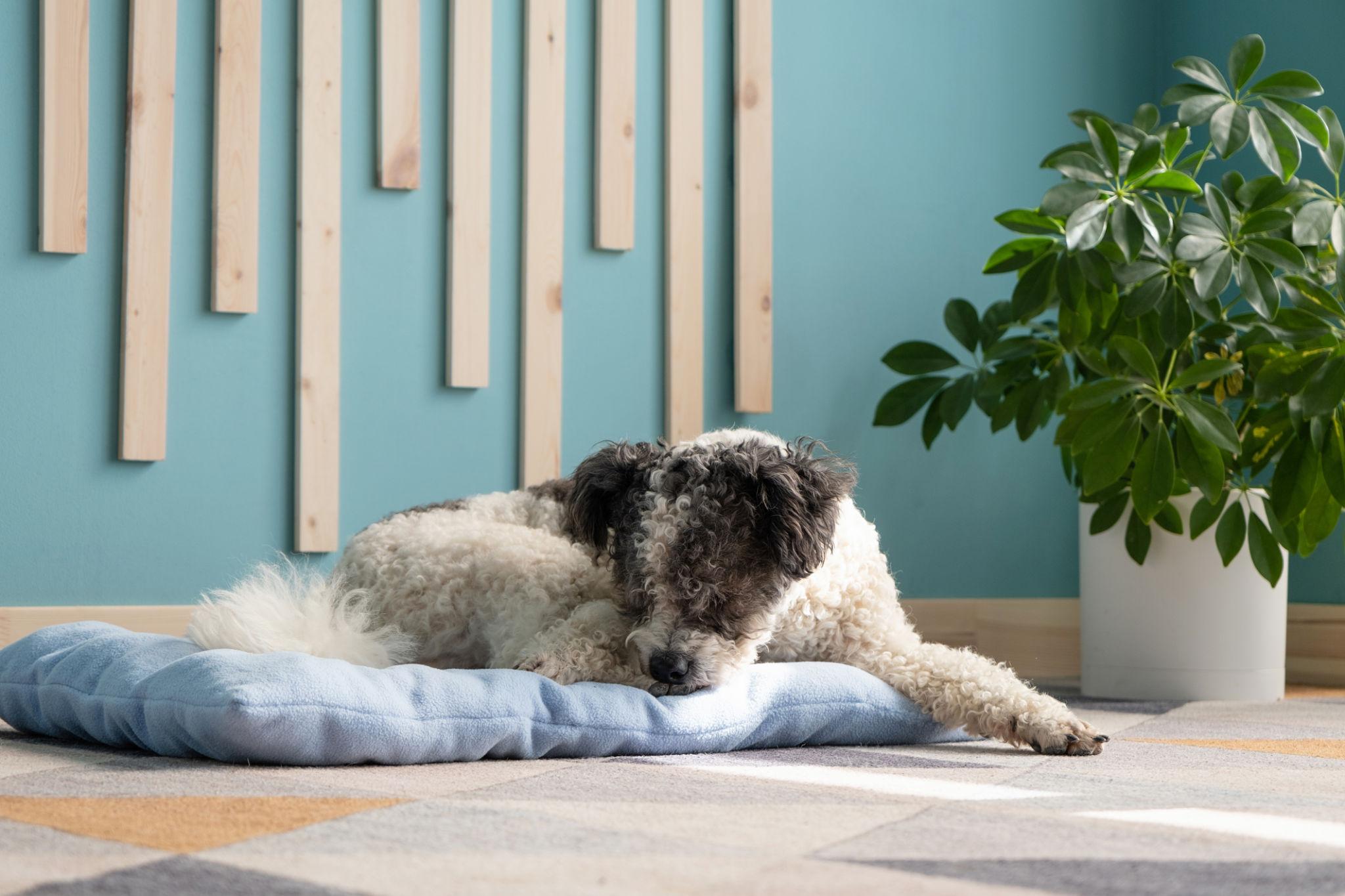
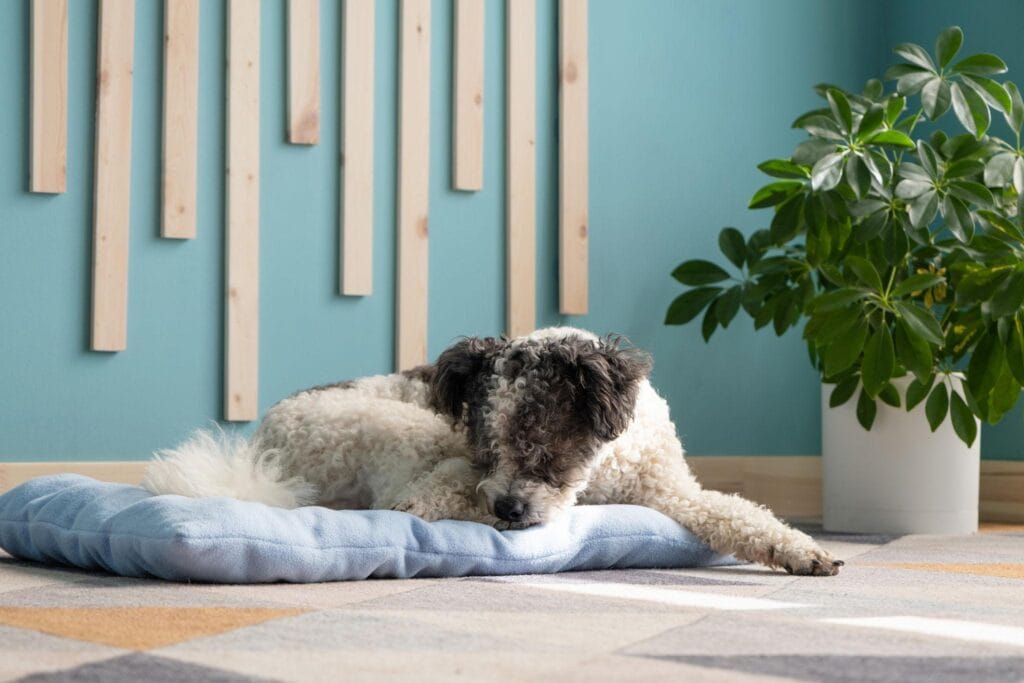
Comfort expectations emerged consistently across multiple observational sessions. Cushioning was often treated as a baseline expectation rather than a premium feature, particularly for senior pets.
One owner noted that while the bed fabric felt appealing, additional cushioning would make the product feel more worthwhile. Another participant connected perceived value directly to potential wellness-related benefits, explaining they would pay more if a product offered hypoallergenic or health-oriented advantages.
These responses suggest that comfort alone may no longer be enough to justify premium pricing. Instead, owners increasingly evaluate comfort alongside wellness and long-term quality-of-life benefits.
Owners Increasingly Expect Independent Engagement
Independent engagement also emerged as an important expectation during product interaction.
Several owners expressed interest in products that could help occupy pets while they were away at work or busy at home. In some cases, owners valued toys or enrichment products that encouraged self-directed interaction without requiring constant human involvement.
The difference between independent interaction and owner-prompted interaction became particularly noticeable during observational sessions. Some products required repeated prompting before engagement occurred, while others generated spontaneous interaction more quickly.
This reflects a broader shift in modern pet ownership. Many owners increasingly look for products that support enrichment, stimulation, and passive engagement throughout the day.
Sensory Features Influence Interaction and Perceived Value
Sensory interaction repeatedly influenced both pet engagement and owner perception.
Owners commented on texture, sound, scent, and tactile feel during multiple sessions. Suggestions for squeakers, scent elements, or additional sensory stimulation often emerged naturally during interaction.
Texture also influenced owner perception more strongly than expected. Positive reactions to fabric feel revealed an important limitation for products sold primarily online: customers cannot physically interact with materials before purchase.
In several cases, tactile response appeared to shape perceived quality more than visual appearance alone. This may create merchandising and distribution challenges for products that rely heavily on texture, softness, or sensory appeal but are sold without in-person interaction.
Wellness Benefits Can Increase Willingness to Pay More
Owners also connected perceived value to wellness-oriented benefits.
One participant explained they would be willing to pay more if a product clearly supported hypoallergenic needs or provided meaningful comfort-related benefits. This suggests wellness positioning increasingly influences not only purchasing decisions, but also pricing tolerance.
Rather than viewing wellness as a niche add-on, many owners now appear to evaluate products through a broader lifestyle and quality-of-life lens.
As wellness expectations continue to expand across the pet industry, products associated with comfort, health support, calming, or environmental safety may increasingly justify premium pricing.
Owners Increasingly Expect Products Be Easy to Clean and Hold Up Over Time
Cleanability and long-term appearance also emerged repeatedly during observational sessions.
Owners evaluated products not only by comfort or appearance, but by whether they would continue looking acceptable after repeated use. Concerns about visible dirt, wear, fabric appearance, and ease of maintenance influenced perceived value.
This reflects a growing expectation that products should fit realistically into everyday life rather than simply look appealing when new.
Durability, practical maintenance, and appearance retention increasingly shape how owners judge overall product quality.
Real-World Observation Can Reveal Different Priorities Than Marketing Assumptions
One of the most interesting themes across observational sessions was the gap between product positioning and real-world interaction.
Features emphasized in marketing did not always align with what owners or pets responded to most strongly during actual use. Comfort, tactile response, sensory engagement, durability, and practical maintenance sometimes influenced perception more than originally expected.
Environmental context also appeared to matter. Calm home environments produced different interaction patterns than more stimulating or socially active spaces are likely to.
Real-world observation reveals how owner expectations, environmental context, and actual interaction shape perceived value in ways that are not always visible through traditional marketing or online presentation alone.
Explore more stories and insights about modern pet living and real-world pet environments at:
https://rescuesrsuper.com/stories-and-education/