
How Hotels Can Make Guests Traveling with Pets Feel Truly Welcomed
Many hotels offer pet amenities, but what truly matters to traveling pet owners goes beyond perks. Hotels that focus on real-life usability, thoughtful policies, and guest experience create more comfortable stays—and stronger long-term loyalty.
Key Takeaways
- Staff interaction and practical policies matter more than luxury pet amenities in creating a genuinely welcoming environment.
- Clear policies, accessible room locations, and designated pet areas drive guest satisfaction.
- The growing pet travel market rewards real-life usability over surface-level perks.
- Pet-educated staff create better guest experiences through understanding and respect for both pets and their owners.
While many hotels highlight pet amenities, the most memorable experiences for traveling pet owners often come down to something simpler: how well a space works in real life. From clear policies to thoughtful design and staff interaction, the details that support everyday travel with pets matter more than any single perk.
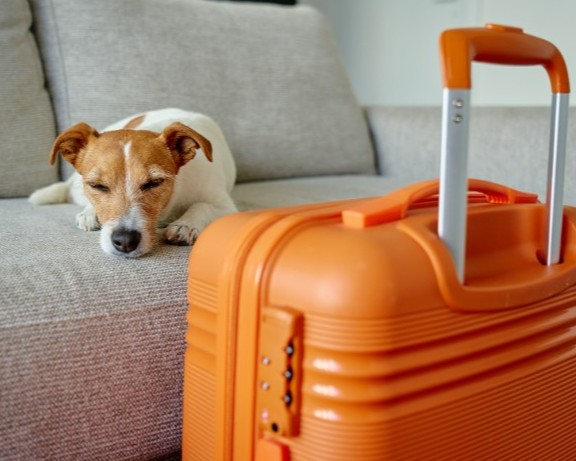
Pet-Friendly vs Pet-Welcoming: What’s the Difference?
Not all pet-friendly hotels are truly pet-welcoming. Some properties allow pets with policies in place, while others go further—considering how guests actually travel, move through spaces, and spend time with their pets.
Pet-welcoming hotels focus on real-life usability, where both the environment and the experience support pets and their owners. This distinction often defines whether a stay feels merely acceptable—or genuinely comfortable and memorable.
Why Practical Pet-Friendly Features Matter More Than Amenities
Many hotels promote pet perks like oversized beds, treats, or branded accessories. While these features can be enjoyable, they often don’t address the real challenges pet owners face when traveling.
Traveling with pets involves routines, logistics, and unfamiliar environments. Clear policies, accessible outdoor areas, and thoughtful layouts often matter far more than luxury extras. When hotels focus on what guests actually need, they create better overall experiences.
Understanding What Drives Guest Satisfaction
1. Practical Features Drive Better Experiences
Practical features—such as transparent pet policies, reasonable fees, and convenient room access—play a major role in guest satisfaction. Cleanliness is especially important, as guests expect rooms to be free of odors and pet hair from previous stays.
When these fundamentals are handled well, guests are more likely to feel comfortable and confident during their stay.
2. When Amenities Enhance the Experience
Amenities can improve a stay, but they are most effective when the fundamentals are already in place. Thoughtful extras can add value, but they cannot replace clear policies, cleanliness, and usability.
3. Quality Over Quantity
Rather than offering numerous pet perks, successful hotels focus on doing the basics exceptionally well. A clean room, a convenient outdoor area, and clear expectations often matter more than a long list of amenities.
The Role of Staff in Creating a Welcoming Experience
Staff interaction plays a meaningful role in shaping the guest experience. Team members who understand how to approach pets, respect owner preferences, and recognize animal behavior contribute to a more comfortable and welcoming stay.
Some hotels implement dedicated staff training or “pet ambassador” roles to ensure consistency in how pets and their owners are supported throughout their stay.
Practical Pet Policies That Support Real-Life Travel
1. Flexible and Thoughtful Pet Policies
Policies that focus on behavior and responsibility—rather than strict size or breed limitations—often create better guest experiences. Well-designed policies reflect how pets actually behave, rather than relying on outdated assumptions.
2. Transparent and Fair Fee Structures
Clear and reasonable fee structures help build trust with guests. While fees may be part of the experience, transparency and fairness matter more than the specific amount.
3. Accessible Room Placement
Offering first-floor rooms or easy outdoor access can significantly improve the experience for guests traveling with pets. These considerations make daily routines simpler and more manageable.
4. Cleanliness Standards That Matter
Consistent, high-quality cleaning ensures that rooms feel fresh and comfortable for every guest. This is a baseline expectation that supports both pet owners and non-pet owners alike.
Why Real-Life Usability Matters
Beyond policies and amenities, performance is shaped by how well a hotel supports everyday life with pets. From walking routes to room layouts, small details influence how comfortable both pets and their owners feel during a stay.
These elements are especially important in shared environments, where thoughtful design and clear expectations help balance the needs of pet owners, other guests, and the property itself. Hotels that consider real-life usability tend to create smoother experiences and stronger guest relationships.
The Growing Opportunity in Pet Travel
Pet ownership continues to grow, and more travelers are choosing to bring their pets with them. This shift creates a significant opportunity for hotels to better serve this audience.
Guests are increasingly willing to return to properties where they feel genuinely welcome—and where their pets are accommodated in a thoughtful and practical way.
Pet-Welcoming Hotels Build Stronger Guest Loyalty
Hotels that focus on creating environments that truly work for guests traveling with pets are better positioned to build long-term loyalty. Positive experiences lead to repeat visits, strong reviews, and word-of-mouth recommendations.
As expectations continue to evolve, the difference between allowing pets and welcoming them becomes increasingly important. Resources at PetsCanGo.com highlight what pet-welcoming looks like in real life—and how hotels can create experiences that support both guests and their pets.