
Key Takeaways
- The Feather Palm, also known as Chambeyronia Macrocarpa, is a visually stunning and easy-to-care-for plant.
- This palm thrives in well-drained soil with moderate watering and requires partial to full sunlight.
- Regular pruning is essential to maintain its health and prevent diseases.
- Feather Palms are non-toxic to pets, making them a safe choice for households with animals.
- While beautiful and rare, Feather Palms require protection from extreme cold and heat.
Understanding Chambeyronia Macrocarpa
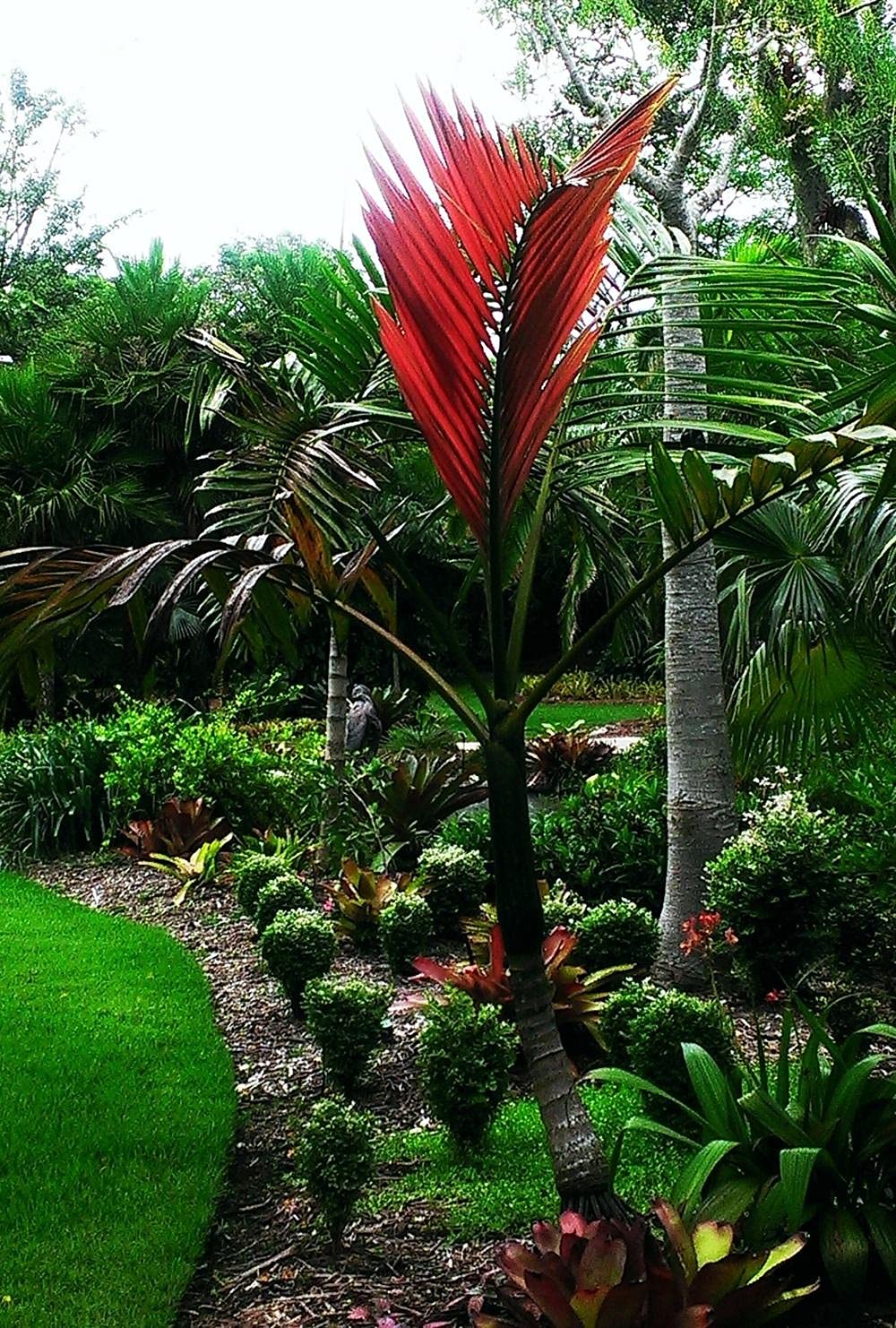
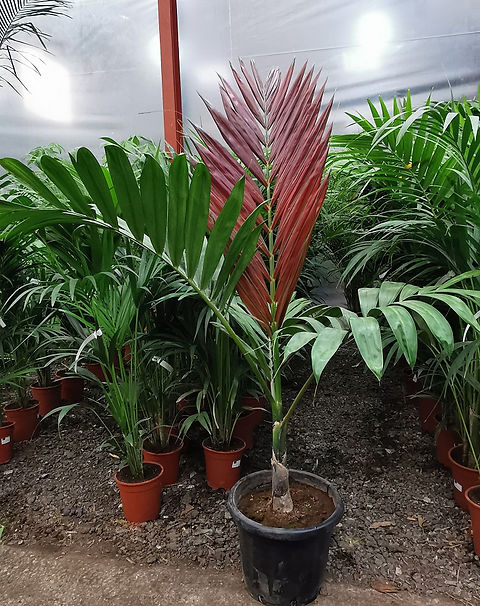
The Feather Palm, scientifically known as Chambeyronia Macrocarpa, is a marvel of nature with its vibrant red new leaves that resemble a “flame thrower.” This palm is not just about beauty; it’s a testament to resilience and adaptability. Its presence can transform any garden into a tropical paradise.
Feather Palms are relatively easy to care for, making them a favorite among both novice and seasoned gardeners. These palms are native to the rainforests of New Caledonia, where they thrive in the humid, well-drained conditions.
Their adaptability to various climates, coupled with their stunning appearance, makes them a prized possession for plant enthusiasts.
“Amazon.com : Red Flame Palm – Live …” from www.amazon.com and used with no modifications.
What is a Feather Palm?
A Feather Palm is a type of palm tree characterized by its feather-like fronds and striking red new leaves. These leaves can stay vibrant for up to ten days, offering a burst of color that captivates any onlooker. The palm grows to a height of 20-25 feet, making it an excellent focal point in gardens.
The Feather Palm’s broad, glossy leaflets add a touch of elegance, while its sturdy trunk provides structural beauty. Its unique features and ease of care make it a popular choice for tropical and subtropical gardens. For more information on this plant, visit the Chambeyronia macrocarpa page on Palmpedia.
Origins and Natural Habitat
Feather Palms originate from the rainforests of New Caledonia, an island in the Pacific Ocean. In their natural habitat, these palms are accustomed to moist, well-drained soil and thrive in partial to full sunlight. This environment provides the perfect balance of warmth and humidity, essential for their growth. If you’re interested in creating a pet-safe garden, consider incorporating Feather Palms for their non-toxic properties.
In the wild, Feather Palms can be seen towering above the forest canopy, showcasing their brilliant red leaves. This adaptation helps them capture sunlight efficiently, even in dense forest conditions.
Common Names and Variability
Besides being known as the Feather Palm, Chambeyronia Macrocarpa is also referred to as the Blushing Palm, Watermelon Palm, and Red Leaf Palm. These names reflect its unique characteristics and stunning appearance.
One of the fascinating aspects of this palm is its variability. The width and sheen of its leaflets can differ significantly, ranging from glossy to matte finishes. This variability adds to its charm and makes each palm distinct.
Caring for Your Feather Palm
Caring for a Feather Palm is straightforward, but it requires attention to detail to ensure it thrives. These palms are relatively low maintenance, but understanding their specific needs is crucial for optimal growth.
Soil Requirements and Sunlight Needs
Feather Palms prefer well-drained, moist soil that mimics their natural rainforest habitat. It’s essential to avoid waterlogged conditions, as this can lead to root rot. Therefore, planting them in soil with good drainage is vital.
When it comes to sunlight, Feather Palms are versatile. They thrive in full sun to light shade, but it’s best to avoid harsh, direct sunlight for extended periods, as this can scorch the leaves. Providing a balanced amount of sunlight ensures healthy growth and vibrant foliage. For pet owners, it’s important to consider the pet-safe garden aspect of your plant choices.
Ideal Watering Routine
Watering is a crucial aspect of Feather Palm care. These palms require moderate watering to keep the soil consistently moist but not soggy. Overwatering can lead to root issues, while underwatering can cause the leaves to dry out.
A good rule of thumb is to water the palm when the top inch of soil feels dry. During the growing season, you may need to water more frequently, while in cooler months, reduce the watering frequency.
Fertilization and Nutrient Needs
Feather Palms benefit from regular fertilization to support their growth and maintain their vibrant color. Use a high-quality palm fertilizer with a continuous release formula twice a year during the growing season. This provides the necessary nutrients for robust growth. For pet owners, it’s important to ensure that the fertilizers used are safe, similar to how pet carriers are chosen with safety in mind.
It’s essential to follow the manufacturer’s instructions for fertilizer application to avoid over-fertilizing, which can harm the palm. Signs of over-fertilization include leaf burn and yellowing, so it’s crucial to monitor the plant’s response.
- Apply fertilizer in spring and summer.
- Ensure even distribution around the base of the palm.
- Water thoroughly after fertilization to aid nutrient absorption.
Pruning and Maintenance Tips
Regular pruning and maintenance are vital for keeping your Feather Palm healthy and attractive. Pruning helps remove dead or damaged fronds, allowing the plant to focus its energy on new growth.
Besides improving the palm’s appearance, pruning also prevents pest infestations and diseases. It’s a simple yet effective way to ensure your palm remains a stunning centerpiece in your garden. For more information on palm care, visit Palmpedia’s guide on Chambeyronia macrocarpa.
Importance of Regular Pruning
Pruning is more than just aesthetics; it’s about the health and vitality of your Feather Palm. Removing dead or yellowing fronds prevents the spread of disease and allows sunlight to reach the inner parts of the plant.
Regular pruning also encourages new growth, keeping your palm lush and full. It’s an essential part of maintaining a healthy, vibrant plant. Additionally, having pet-friendly furniture can enhance your living space while ensuring your pets and plants coexist harmoniously.
Step-by-Step Pruning Guide
Pruning your Feather Palm is a straightforward process that ensures its health and beauty. Begin by examining the palm for any dead or yellowing fronds. These fronds are not only unsightly but can also harbor pests and diseases.
Use a clean, sharp pair of pruning shears to remove these fronds. It’s crucial to make clean cuts to avoid damaging the plant. Always cut as close to the trunk as possible without cutting into the trunk itself.
- Identify dead or yellowing fronds.
- Use sharp pruning shears for clean cuts.
- Cut fronds close to the trunk without damaging it.
- Dispose of removed fronds to prevent pest infestations.
After pruning, take a step back and admire your work. Regular pruning not only keeps your palm healthy but also enhances its natural beauty.
Dealing with Pests and Diseases
Pests and diseases can pose significant threats to Feather Palms, but with vigilance and timely intervention, you can keep them at bay. Common pests include spider mites and scale insects, which can be managed with regular inspections and treatment. For those interested in dog-friendly environments, ensuring your garden is free of pests is essential for the safety of your pets.
If you notice any signs of infestation, such as discolored leaves or sticky residue, treat the palm with an appropriate insecticide. It’s also essential to maintain proper watering and fertilization routines, as stressed plants are more susceptible to pests and diseases.
Weatherizing Feather Palm
Feather Palms are tropical plants that require specific care to withstand different weather conditions. Whether it’s the chill of winter or the scorching summer heat, taking the right steps can ensure your palm thrives year-round. For more information on keeping your plants safe, you might find this guide on pet-friendly environments helpful.
Cold Weather Protection Tips
Feather Palms are sensitive to cold temperatures, so it’s crucial to protect them during winter. If you live in an area prone to frost, consider wrapping the trunk with burlap or frost cloth to insulate it from the cold. For more tips on creating a pet-safe garden, explore additional resources.
Additionally, applying a layer of mulch around the base of the palm can help retain warmth and moisture. If possible, move potted Feather Palms indoors or to a sheltered location during the coldest months.
Managing Heat and Sun Exposure
While Feather Palms love sunlight, excessive heat and direct sun exposure can damage their leaves. During the hottest parts of the day, provide shade using a garden umbrella or shade cloth.
Ensure the soil remains moist by watering regularly, but avoid overwatering. Mulching can also help retain moisture and keep the roots cool during hot weather.
Feather Palm in Your Yard: Pros and Cons
Incorporating a Feather Palm into your yard can transform the landscape, offering both aesthetic and environmental benefits. However, it’s essential to weigh these advantages against potential challenges, such as ensuring your outdoor furniture is suitable for pets. For example, consider reviewing pet-friendly sofas and couches to complement your garden setup.
Aesthetic and Environmental Benefits
The Feather Palm is a visual delight, with its striking red leaves and elegant fronds. It serves as a stunning focal point in any garden, adding a touch of the tropics to your landscape.
“The Feather Palm’s vibrant colors and graceful form make it a standout feature in any yard.”
Besides its beauty, the Feather Palm also contributes to the environment by providing habitat for birds and other wildlife. Its ability to thrive in various climates makes it a versatile choice for many gardeners. For more information, visit the Chambeyronia macrocarpa guide.
Potential Drawbacks and Challenges
- Susceptibility to cold temperatures.
- Requires regular pruning and maintenance.
- Can be prone to pests and diseases if not properly cared for.
While the Feather Palm offers many benefits, it’s essential to consider these challenges before planting. Proper care and attention can mitigate most of these issues, ensuring your palm remains healthy and vibrant.
Ideal Locations for Planting
Choosing the right location for your Feather Palm is crucial for its success. These palms thrive in areas with well-drained soil and partial to full sunlight. Avoid planting them in low-lying areas where water can accumulate.
If you’re planting in a pot, ensure it has adequate drainage holes and use a well-draining potting mix. Position the pot in a location that receives morning sunlight and afternoon shade to protect the palm from intense heat.
Rarity and Exotic Appeal
The Feather Palm’s rarity and exotic appeal make it a sought-after plant for gardeners looking to add a unique touch to their landscapes. Its striking appearance and adaptability to different climates contribute to its popularity.
Factors Contributing to Rarity
The Feather Palm is native to New Caledonia, a region known for its unique flora. Its limited natural habitat and specific growing conditions contribute to its rarity. As a result, it has become a prized plant among collectors and gardening enthusiasts.
Despite its rarity, the Feather Palm is available in many nurseries and can be grown successfully with the right care. Its exotic appeal makes it a standout addition to any garden, offering a glimpse of the tropics in your backyard.
Availability in Nurseries and Gardens
The Feather Palm, with its striking beauty and exotic appeal, is increasingly available in nurseries and garden centers. Many nurseries specialize in tropical plants and offer a variety of Feather Palms for those eager to add this stunning plant to their collection.
When selecting a Feather Palm, look for healthy specimens with vibrant leaves and a sturdy trunk. It’s crucial to choose a plant that shows no signs of disease or pest infestation. Consulting with nursery staff can also provide valuable insights into the specific care requirements of the plant.
While Feather Palms may be rare in the wild, their popularity among gardeners has made them more accessible. With the right care, these palms can thrive in various environments, bringing a touch of the tropics to your home garden.
Pet-Friendly Aspect: ASPCA Nontoxic Properties
One of the standout features of the Feather Palm is its pet-friendly nature. According to the ASPCA, the Chambeyronia Macrocarpa is non-toxic to both cats and dogs, making it a safe choice for households with pets.
“CHAMBEYRONIA MACROCARPA. Flame Thrower …” from www.thepalmtreecompany.com and used with no modifications.
Safety Around Cats and Dogs
Many pet owners worry about the safety of their furry friends when introducing new plants into their homes. With the Feather Palm, you can have peace of mind knowing that it poses no threat to your pets.
Unlike some plants that can cause adverse reactions in animals, the Feather Palm is harmless, allowing your pets to roam freely without the risk of poisoning.
While the plant is safe, it’s always a good idea to monitor your pets and ensure they don’t chew on the leaves, as excessive ingestion of any plant material can cause mild digestive upset. For more information on pet-safe garden plants, check out this guide.
“Feather Palms are not only a visual delight but also a safe addition to homes with curious pets.”
Comparative Analysis with Toxic Plants
In contrast to the Feather Palm’s non-toxic nature, many common household plants can pose significant risks to pets. Plants such as lilies, sago palms, and philodendrons contain substances that can be harmful or even fatal to animals.
By choosing non-toxic plants like the Feather Palm, you can create a pet-friendly environment that doesn’t compromise on beauty or safety. It’s essential to research any plant before introducing it into your home, ensuring it aligns with your lifestyle and the safety of your pets.
Frequently Asked Questions
Gardening enthusiasts often have questions about the care and maintenance of Feather Palms. Here are some common inquiries and their answers to help you cultivate a thriving plant.
How often should I water Chambeyronia Macrocarpa?
Feather Palms require moderate watering to maintain moist, well-drained soil. Water the palm when the top inch of soil feels dry, typically once a week during the growing season. Reduce watering frequency in cooler months to prevent overwatering.
What are the signs of over-fertilizing a Feather Palm?
Over-fertilizing can lead to leaf burn and yellowing, indicating nutrient overload. If you notice these signs, reduce the frequency of fertilization and flush the soil with water to remove excess nutrients. Following the manufacturer’s instructions can help prevent over-fertilization.
Can Feather Palm survive in cold climates?
Feather Palms are sensitive to cold temperatures and require protection in colder climates. Use frost cloth or burlap to insulate the trunk and apply mulch around the base to retain warmth. Consider moving potted palms indoors during extreme cold.
How large does the Feather Palm grow?
The Feather Palm can grow to a height of 20-25 feet, making it an impressive focal point in gardens. Its broad, glossy fronds add to its majestic appearance, creating a lush, tropical atmosphere. For those interested in pet-friendly gardening, you might also explore pet-safe garden options.
Is Chambeyronia Macrocarpa suitable for indoor planting?
- Yes, with adequate light and space, Feather Palms can be grown indoors.
- Ensure the plant receives sufficient indirect sunlight and is placed in a well-draining pot.
- Regularly check for pests and maintain proper watering to ensure healthy growth.
By following these guidelines, you can enjoy the beauty of the Feather Palm indoors, adding a touch of nature to your living space.