
Key Takeaways
- Arabian Gentian (Exacum affine) is also known as Persian Violet or German Violet, featuring star-shaped blue to purple flowers with yellow centers and a distinctive sweet fragrance.
- Unlike its toxic lookalike Cyclamen, Arabian Gentian is non-toxic to pets, making it a safe choice for homes with cats and dogs.
- This plant thrives in bright indirect light, consistently moist (but not soggy) soil, and prefers temperatures between 65-75°F (18-24°C).
- While technically a short-lived perennial in tropical environments, most gardeners grow Arabian Gentian as an annual due to its specific care requirements.
- The most successful blooms occur when the plant receives proper humidity levels of 50% or higher, with regular deadheading to encourage continuous flowering.
Arabian Gentian: The Star-Shaped Beauty With Three Names
Confused about whether you’re looking at an Arabian Gentian, Persian Violet, or German Violet? Don’t be – they’re all the same enchanting plant. Scientifically known as Exacum affine, this compact beauty belongs to the Gentianaceae family and originates from Yemen and Oman. Its multiple common names reflect its global popularity among plant enthusiasts who cherish its vibrant blooms and sweet fragrance.
What makes this plant particularly special is its ability to produce abundant star-shaped flowers that can transform an ordinary space into a visual delight. Despite its somewhat demanding care requirements, properly maintained specimens reward gardeners with a spectacular display that few other houseplants can match. The genus name “Exacum” derives from the Gallic word “exacon,” originally used for centaurium but later transferred to this genus, while “affine” means related or similar.
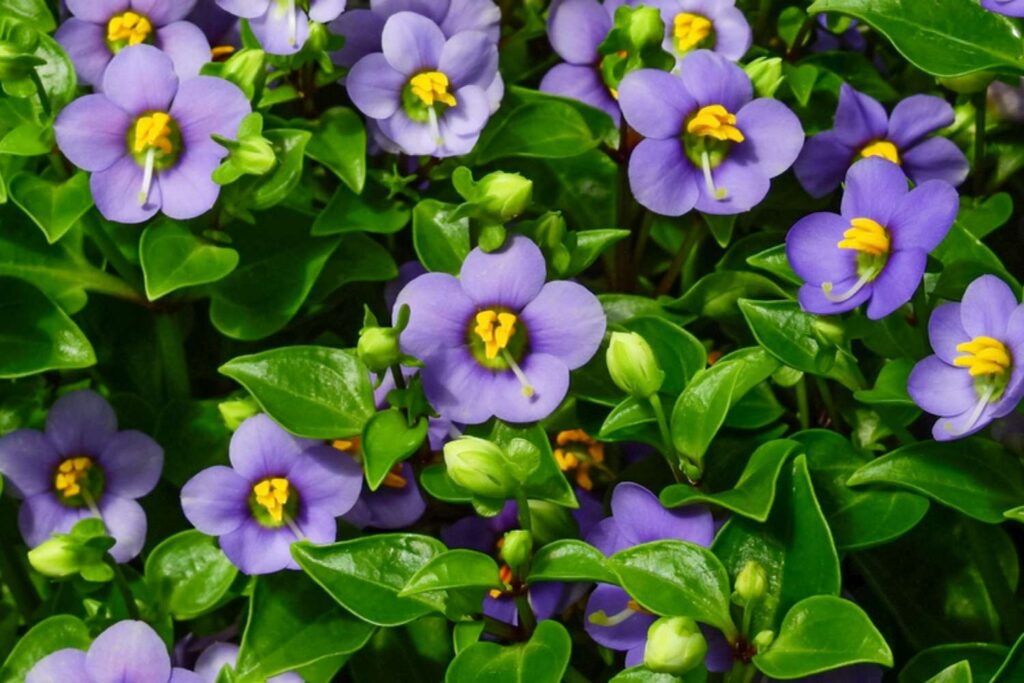
“How to Grow and Care for Persian Violets” from www.thespruce.com and used with no modifications.
How to Identify Exacum Affine: The True Arabian Gentian
Proper identification prevents the common mix-up between Arabian Gentian and other plants that share similar common names. This confusion isn’t just a matter of botanical accuracy – it can have implications for pet safety and plant care. The true Arabian Gentian (Exacum affine) has distinct characteristics that set it apart from lookalikes.
Physical Characteristics That Set It Apart
Arabian Gentian (Exacum affine) Key Identification Features:
• Star-shaped flowers with 5 petals
• Bright yellow stamens at center of each bloom
• Shiny, dark green ovate leaves
• Compact growth habit (6-18 inches tall)
• Sweet, noticeable fragrance
• Blue to purple flower coloration
The most distinctive feature of Arabian Gentian is its perfect star-shaped flowers with five symmetrical petals radiating from a bright yellow center. These blooms appear in clusters above the foliage, creating a striking contrast against the glossy dark green leaves. When in full bloom, a healthy plant becomes almost completely covered with these charming flowers, making it instantly recognizable to experienced gardeners.
The plant’s growth habit is naturally bushy and well-branched, forming a rounded shape without much pruning needed. Young plants tend to be more compact, while mature specimens develop a fuller appearance that can expand to fill their container. The stems remain relatively short and sturdy, allowing the plant to support its abundant flowers without becoming leggy or requiring staking.
Common Confusion With Other “Violet” Plants
The name “Persian Violet” often leads to confusion with Cyclamen persicum, a completely different plant that’s actually toxic to pets. While both produce purple-hued flowers, Cyclamen has distinctive upswept petals and marbled, heart-shaped leaves. Another common mix-up occurs with African Violets (Saintpaulia), which have fuzzy leaves and a completely different growth pattern. Always verify the scientific name (Exacum affine) when purchasing or researching care information to ensure you’re working with the true Arabian Gentian.
Size, Foliage, and Growth Habit
Arabian Gentian typically reaches 6-18 inches in height and spreads 6-12 inches wide, making it perfect for tabletops and smaller spaces. Its dense foliage consists of shiny, dark green ovate leaves that cover the stems completely when the plant is healthy. The leaves grow opposite each other along the stems, creating a full appearance even when the plant isn’t flowering. Young plants start compact but develop a bushier habit as they mature, with proper light encouraging tighter, more attractive growth rather than the stretched, leggy appearance that results from insufficient illumination.
Brilliant Blues and Purples: Color Variations and Flowering Patterns
Arabian Gentian boasts a magical display of color that instantly captures attention. The predominant flower color ranges from a delicate blue to deep violet-purple, with variations depending on the specific cultivar and growing conditions. This color intensity often deepens as the blooms mature, creating a dynamic display that evolves throughout the flowering period.
Star-Shaped Blooms With Yellow Centers
The perfectly symmetrical star-shaped flowers are what truly distinguish Arabian Gentian from other houseplants. Each bloom features five evenly spaced petals radiating from a bright yellow center where the stamens reside. This striking yellow-against-blue contrast creates a visual focal point that draws the eye and adds dimension to the overall display. The flowers typically measure about half an inch to one inch across, appearing in such profusion that they can almost completely cover the foliage during peak bloom.
When observed closely, you’ll notice the delicate veining in each petal that adds texture and depth to the flowers. Some varieties develop a subtle color gradient, with deeper hues at the petal edges fading to lighter tones near the center. This natural ombré effect adds to the plant’s charm and sophistication.
Seasonal Blooming Cycles
In its natural habitat, Arabian Gentian typically flowers during spring and summer, but as a houseplant, it can bloom at various times depending on care conditions. Under ideal circumstances, a healthy plant can produce flowers for several weeks to a few months. The blooming period tends to be most impressive when the plant experiences slightly cooler nighttime temperatures (around 60-65°F) while maintaining warmer daytime conditions.
Many gardeners report success with encouraging multiple blooming cycles throughout the year by providing a short rest period after flowering. This involves slightly reducing water and fertilizer for 3-4 weeks, then resuming normal care. This mimics natural seasonal rhythms and can trigger a fresh flush of blooms in well-established plants. For additional tips on maintaining plant health, you might find this artillery plant care guide helpful.
The Sweet Fragrance Factor
One of the most delightful surprises about Arabian Gentian is its sweet, pleasant fragrance that permeates the air around a flowering plant. This scent intensifies during warmer parts of the day and is particularly noticeable in a room with multiple plants. The fragrance has been described as honey-like with subtle floral notes, making it a perfect choice for areas where you spend significant time. If you’re curious about other plants with unique fragrances, explore our guide on artillery plant care and discover how to enhance your indoor garden.
Interestingly, the scent serves an ecological purpose in the plant’s natural habitat, attracting specific pollinators. For the home gardener, this fragrance is an additional sensory bonus beyond the visual appeal, making Arabian Gentian a truly multi-dimensional houseplant experience.
Lifespan Secrets: Making Your Arabian Gentian Last Longer
Despite its stunning beauty, Arabian Gentian has earned a reputation for being somewhat short-lived in cultivation. Understanding its natural lifecycle is key to extending its presence in your collection and maximizing its flowering potential.
Natural Growth Cycle as a Short-Lived Perennial
In its native tropical habitat of Yemen and Oman, Exacum affine functions as a short-lived perennial, typically living for 2-3 years under ideal conditions. The plant follows a natural rhythm of vigorous growth, abundant flowering, seed production, and eventually, a gradual decline. This limited lifespan is genetically programmed and explains why even perfectly cared-for specimens eventually begin to deteriorate after their main flowering phase. For those interested in maintaining a pet-friendly garden, you might want to explore more about artillery plant care and pet safety.
The energy expenditure required to produce such prolific blooms takes a toll on the plant’s resources, contributing to its relatively brief life cycle. However, understanding this natural pattern allows gardeners to implement strategies that maximize the plant’s vigor during its productive phase. Regular deadheading, proper fertilization, and optimal light conditions all contribute to extending the plant’s prime flowering period.
Why Most Gardeners Treat It as an Annual
Due to its specific care requirements and natural decline after flowering, most gardeners outside tropical regions treat Arabian Gentian as an annual rather than attempting to maintain it year after year. This approach acknowledges the plant’s natural lifecycle while allowing gardeners to enjoy it at its peak beauty. Commercial growers typically produce these plants for seasonal sales, knowing that most specimens will be at their most attractive for one major flowering cycle.
This annual approach also aligns with the plant’s temperamental nature when faced with less-than-ideal conditions. Factors like insufficient humidity, improper watering, or temperature fluctuations can accelerate its decline, making it more practical for many home gardeners to enjoy a fresh, vigorous specimen each season rather than struggling to maintain an aging plant.
Propagation Methods for Continuous Plants
For dedicated gardeners who wish to maintain Arabian Gentian in their collection continuously, propagation offers a practical solution. The most reliable method is through stem cuttings taken from healthy, non-flowering portions of the plant. Select 3-4 inch stem sections, remove lower leaves, and place them in a light rooting medium kept consistently moist. Covering with a clear plastic dome or bag creates the high humidity environment needed for successful rooting, which typically occurs within 2-3 weeks.
Root cuttings can also be successful, particularly when taken from younger, more vigorous plants. Some advanced growers collect and sow seeds, though this requires more patience as seedlings develop slowly and may not perfectly match the parent plant’s characteristics. By maintaining a propagation schedule, you can ensure a continuous supply of young plants to replace older specimens as they decline, creating an uninterrupted display of these charming flowers. For more on plant care, check out these care tips for sword ferns.
Light Requirements: Finding the Perfect Balance
Light management is perhaps the most crucial aspect of successful Arabian Gentian cultivation. This plant has specific light needs that, when properly met, directly influence its compact growth habit and flowering abundance. The challenge lies in providing enough brightness for robust growth while avoiding the harsh direct sunlight that can damage its delicate tissues.
Why Direct Sun Damages Your Persian Violet
Direct sunlight, especially through south or west-facing windows during summer months, can be detrimental to Arabian Gentian. The intense rays can scorch the leaves, causing brown patches and crispy edges that significantly reduce the plant’s ornamental value. Even more concerning is how excessive direct sun raises the temperature around the plant beyond its comfort zone, creating stress that inhibits flowering and accelerates water loss.
The plant’s natural habitat beneath the canopy of larger vegetation in Yemen provides clues about its light preferences. In these environments, Arabian Gentian receives bright but filtered light, protected from the harshest midday sun. Attempting to replicate these conditions in home environments leads to the healthiest, most floriferous specimens.
Ideal Partial Shade Conditions
The sweet spot for Arabian Gentian is bright, indirect light that mimics the filtered sunlight of its natural habitat. East-facing windows provide an ideal morning light exposure that encourages compact growth and abundant flowering without risking sun damage. North-facing windows can work if they receive sufficient ambient light, though flowering might be less prolific in these lower-light locations. If using south or west-facing windows, position the plant several feet back from the glass or diffuse the light with sheer curtains, ensuring proper plant placement for pet safety.
The quality of light matters as much as the intensity. The soft, diffused light of morning hours stimulates flower production while maintaining the plant’s compact growth habit. You’ll know you’ve found the right light balance when your Arabian Gentian maintains its deep green leaf color while producing a steady supply of vibrant blooms. Proper light positioning is also essential for maintaining the plant’s naturally bushy form rather than allowing it to stretch and become leggy.
Indoor Placement Tips for Optimal Growth
Beyond basic window orientation, several strategic placement considerations can significantly improve your Arabian Gentian’s performance. Avoid placing the plant in areas with cold drafts or heating vents, as temperature fluctuations stress the plant and can trigger premature flower drop. Similarly, keep it away from frequently opened exterior doors where winter cold snaps might temporarily chill the plant below its comfort threshold.
Consider light rotation as part of your care routine. Turning the plant a quarter turn weekly ensures all sides receive equal light exposure, preventing the lopsided growth that occurs when one side consistently faces the light source. During winter months when natural light diminishes, supplementing with grow lights positioned 12-18 inches above the plant for 12-14 hours daily can maintain healthy growth and flowering. LED grow lights with a full spectrum provide the most efficient supplemental lighting without generating excessive heat.
Essential Care Guide for Thriving Plants
While light management forms the foundation of successful Arabian Gentian cultivation, several other care aspects must align to achieve peak performance from this somewhat demanding beauty. By recreating the humid, warm conditions of its native habitat while maintaining proper moisture levels, you can enjoy the maximum flowering potential of this unique houseplant.
Soil and Humidity Needs
Arabian Gentian requires well-draining yet moisture-retentive soil that prevents waterlogging while maintaining consistent dampness. A high-quality African violet potting mix provides an excellent foundation, with added perlite to enhance drainage. The ideal pH range falls between 6.0-6.5, slightly acidic to neutral. Avoid heavy garden soils or dense peat-based mixes that can become compacted and restrict root growth.
Perhaps more critical than soil composition is maintaining adequate humidity levels around your plant. Native to the humid regions of Yemen, Arabian Gentian struggles in the dry air of most homes, especially during winter when heating systems further reduce ambient moisture. Aim for humidity levels of 50% or higher by using humidity trays, grouping plants together, or employing a small humidifier nearby. For especially dry environments, a terrarium or glass cloche can create a microclimate that supports thriving growth, though ensure adequate air circulation to prevent fungal issues.
Watering Schedule Throughout Seasons
Consistent moisture is essential for Arabian Gentian, but standing water quickly leads to root rot. Water thoroughly when the top half-inch of soil feels dry to the touch, allowing excess water to drain completely from the pot. During active growth and flowering, this typically means watering every 2-3 days, depending on environmental conditions and pot size. Always use room temperature water, as cold water shocks the roots and can trigger flower drop.
Seasonal adjustments are necessary for optimal watering. During summer’s higher temperatures and increased light levels, more frequent watering maintains the consistent moisture Arabian Gentian requires. Winter brings reduced growth rates and lower evaporation, necessitating a corresponding reduction in watering frequency, though never allow the soil to dry out completely. The goal throughout all seasons is maintaining even soil moisture—never soggy, never completely dry—that mimics the plant’s native growing conditions. For more insights on plant care, check out this artillery plant care guide.
Temperature Requirements: The Warm-Weather Lover
As a tropical plant, Arabian Gentian thrives in consistently warm temperatures between 65-75°F (18-24°C) during the day, with nighttime temperatures no lower than 60°F (15°C). Temperature stability matters almost as much as the specific range; sudden fluctuations stress the plant and can trigger flower and bud drop. This sensitivity to temperature changes explains why plants often decline when moved from the controlled environment of a greenhouse to average home conditions, similar to how artillery plants require specific care to thrive indoors.
Cold damage occurs quickly with this heat-loving plant, with symptoms appearing after even brief exposure to temperatures below 55°F (13°C). Initial signs include flower wilting and leaf drooping, progressing to yellowing foliage and eventual plant collapse if the cold exposure continues. During winter months, ensure your Arabian Gentian remains well away from cold windows, drafty doors, and unheated rooms to maintain the consistent warmth it requires for continued health and flowering. For additional care tips, you might find this artillery plant care guide helpful.
Fertilizing for Maximum Blooms
Arabian Gentian’s prolific flowering demands consistent but measured nutrition throughout its growing season. Apply a balanced, water-soluble fertilizer (such as a 20-20-20 formulation) diluted to half the recommended strength every two weeks during active growth. Phosphorus-rich fertilizers can stimulate increased flowering, so products with a slightly higher middle number (like 15-30-15) work particularly well during the pre-blooming and blooming periods.
Avoid over-fertilizing, which leads to salt buildup in the soil and can burn delicate roots. Signs of fertilizer excess include leaf tip browning, crusty white deposits on the soil surface, and stunted growth despite adequate light. If these symptoms appear, flush the soil thoroughly with plain water and reduce fertilizer concentration or frequency. During winter months or periods of slower growth, reduce fertilization to once monthly to match the plant’s lower nutritional requirements.
Pruning and Deadheading Techniques
Regular deadheading—removing spent flowers before they form seeds—redirects the plant’s energy from seed production back to creating new blooms. Using clean, sharp scissors or your fingertips, snip or pinch off faded flowers where they meet the stem. This simple maintenance practice not only improves appearance but can significantly extend the flowering period by weeks or even months. For pet owners, it’s important to ensure that your garden practices are safe for your furry friends.
Beyond deadheading, light pruning helps maintain Arabian Gentian’s naturally compact form and stimulates branching for fuller growth. After the main flowering flush, trim back leggy stems by about one-third to encourage bushier regrowth. Always make cuts just above a leaf node or branch junction to promote proper healing and new growth. For plants that have become severely stretched due to insufficient light, more aggressive pruning may be necessary, though this will temporarily reduce flowering while the plant recovers and produces new growth. For more tips on plant care, check out this artillery plant care guide.
Pet Safety: Good News for Cat and Dog Owners
Plant collectors with furry companions can breathe easy when adding Arabian Gentian to their homes. Unlike many ornamental houseplants that pose significant toxicity risks to pets, Exacum affine is considered non-toxic to both cats and dogs according to the ASPCA and other pet safety resources. This safety profile makes it an excellent choice for households where curious pets might occasionally sample greenery.
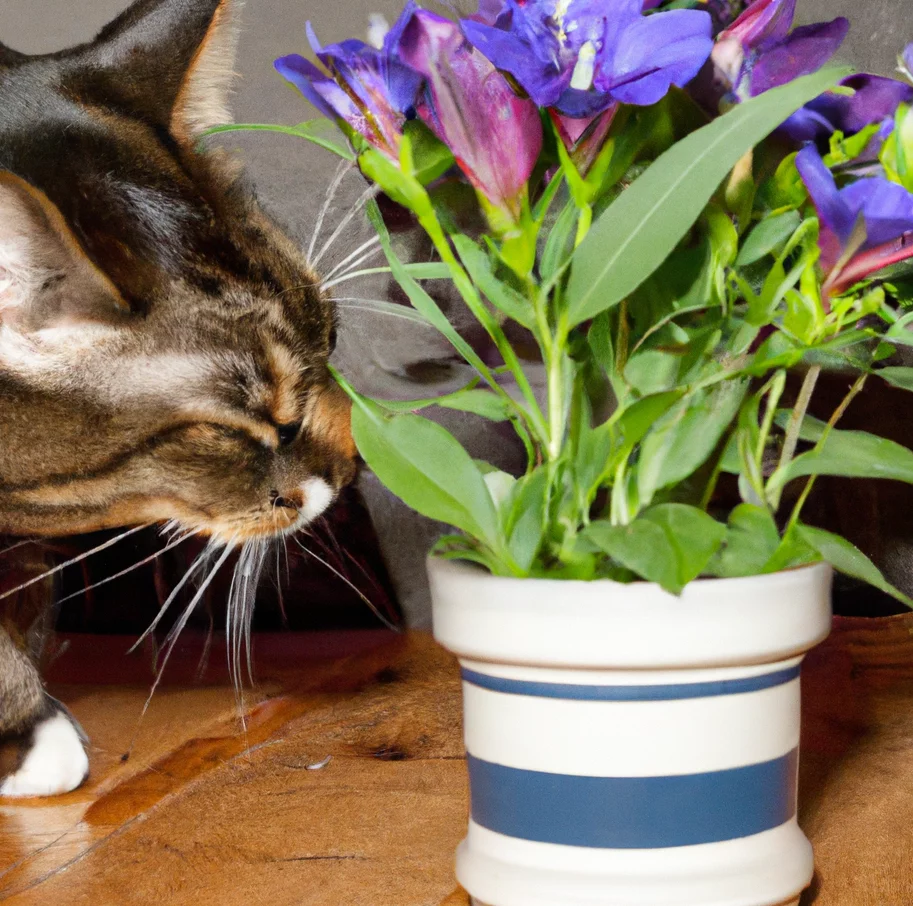
“Arabian Gentian or Persian Violet Toxic …” from plantsncats.com and used with no modifications.
Non-Toxic Status Confirmed
The true Arabian Gentian (Exacum affine) contains no significant toxins that would cause harm if ingested by pets in small quantities. This contrasts with many common houseplants that contain calcium oxalate crystals, cardiac glycosides, or other compounds harmful to domestic animals. While botanical resources consistently classify this plant as pet-safe, it’s always wise to monitor any plant-pet interactions and discourage regular consumption of houseplants regardless of their toxicity status.
Pet Safety Comparison: Arabian Gentian vs. Common Houseplants
• Arabian Gentian (Exacum affine): Non-toxic to cats and dogs
• Cyclamen (often confused with Arabian Gentian): Toxic, causes digestive upset
• African Violet: Non-toxic, safe alternative
• Peace Lily: Toxic, causes oral irritation and swelling
• Pothos: Toxic, causes oral irritation and digestive issues
This pet-friendly status makes Arabian Gentian an excellent choice for creating pet-safe plant displays. When combined with other non-toxic options like spider plants, Boston ferns, and calatheas, you can create visually dynamic plant groupings without worrying about accidental poisoning if your curious companion decides to take an exploratory nibble.
Cautions About Excessive Consumption
While Arabian Gentian isn’t toxic, excessive consumption can still cause mild digestive upset in sensitive pets. The plant’s fibrous material isn’t easily digestible and may cause temporary stomach discomfort, drooling, or loose stools if consumed in large quantities. These effects are generally temporary and resolve without veterinary intervention, but they’re worth preventing through proper plant placement and pet training.
Signs Your Pet May Have Consumed Plant Material:
• Drooling or pawing at mouth
• Vomiting or retching
• Changes in appetite
• Loose stools or diarrhea
• Lethargy or behavioral changes
If you notice any persistent symptoms after your pet interacts with any houseplant, collect a sample of the plant for identification and contact your veterinarian for guidance. While Arabian Gentian itself poses minimal risk, it’s always better to err on the side of caution when it comes to pet health. Additionally, the potting soil and fertilizers used with houseplants can sometimes cause digestive upset, so consider these factors when evaluating any plant-related symptoms.
Beware of Name Mix-Ups: Toxic Look-Alikes
The primary safety concern with Arabian Gentian lies not with the plant itself but with potential identification confusion. As mentioned earlier, the common name “Persian Violet” is sometimes erroneously applied to Cyclamen species, which contain compounds toxic to pets. This name confusion can lead well-meaning pet owners to bring home a plant that poses genuine risks to their animals, believing they’ve purchased a pet-safe option.
Always verify the scientific name (Exacum affine) when purchasing plants advertised as Persian Violet or Arabian Gentian. The distinctive star-shaped flowers with yellow centers, combined with the shiny green ovate leaves, should help you correctly identify true Arabian Gentian. When in doubt, consult with knowledgeable garden center staff or use plant identification resources to confirm what you’re bringing into your pet-friendly home.
Pet-Resistant Strategies for Determined Chewers
Even though Arabian Gentian poses minimal toxicity risks, most gardeners still prefer to keep their prized plants free from pet damage. For homes with particularly determined plant chewers, several strategies can help protect your botanical beauties while keeping pets safe. These approaches focus on making plants less accessible or appealing rather than resorting to potentially harmful deterrent sprays.
Placement Tactics to Limit Access
Strategic placement forms your first line of defense against curious pets. Position Arabian Gentian on high shelves, plant stands, or hanging baskets beyond jumping range. Wall-mounted plant holders provide an excellent solution for homes with limited floor space, allowing you to display plants attractively while keeping them safely elevated. For particularly determined pets, consider creating a dedicated plant room that remains off-limits or using decorative barriers like child gates to section off plant display areas.
Natural Deterrents That Work
Several pet-safe natural deterrents can discourage unwanted plant sampling without risking animal health. Surrounding prized plants with a perimeter of citrus peels takes advantage of most cats’ aversion to these scents. Similarly, a light dusting of cinnamon or coffee grounds on the soil surface deters many pets through scent without harming the plant. Commercial bitter apple spray, designed specifically for pet training, can be applied to the rims of pots (not the plant itself) to create an unpleasant taste experience that discourages future exploration. For more ideas, explore safe garden ideas that ensure your pets and plants can coexist peacefully.
Providing pet-friendly alternatives often reduces interest in houseplants. Cat grass (typically wheat, oat, or barley grass) offers a safe chewing option that many felines prefer over ornamental plants. These can be grown in small containers placed near your Arabian Gentian, redirecting your pet’s plant-chewing instincts toward an appropriate outlet. For dogs, appropriate chew toys treated with a small amount of peanut butter or other enticing flavors can similarly redirect chewing behaviors away from your prized plants.
Training Your Pets to Leave Plants Alone
Consistent training provides the most reliable long-term solution for protecting houseplants from pet damage. Using positive reinforcement techniques, reward your pet for ignoring plants or responding to “leave it” commands when approaching your Arabian Gentian. Clicker training works particularly well for teaching boundaries around houseplants, creating clear communication about which items in the home are appropriate for interaction. The key is consistency—immediately redirecting interest away from plants each time it occurs while providing appropriate alternatives.
For particularly persistent plant chewers, temporary deterrents like aluminum foil placed around the base of pots create unfamiliar textures many pets dislike. Double-sided tape applied to the edges of plant shelves or container rims similarly discourages exploration through unexpected tactile experiences. These temporary measures can break established habits while you reinforce appropriate behaviors through positive training methods, gradually establishing a peaceful coexistence between your pets and plants.
Growing Success: Why Arabian Gentian Deserves a Spot in Your Collection
Despite its somewhat demanding nature, Arabian Gentian offers rewards that few other houseplants can match. The combination of vibrant star-shaped flowers, sweet fragrance, and compact growth habit creates a truly special display that justifies the extra care efforts. When successfully grown, a mature specimen covered in its brilliant blue to purple blooms becomes an instant conversation piece and focal point in any plant collection. For those interested in ensuring their plant is pet safe and thriving indoors, understanding care tips is essential.
The relatively short lifespan of Arabian Gentian should be viewed not as a drawback but as part of the plant’s unique character—a reminder to appreciate beauty in its season. By understanding its specific needs and natural growth cycle, you gain insights applicable to many other tropical plants. Whether you’re a seasoned plant collector or a newcomer to indoor gardening, the challenge of mastering Arabian Gentian cultivation offers valuable learning experiences that enhance your overall horticultural skills. With its pet-safe status and stunning visual impact, this charming plant deserves consideration for any indoor garden where its specific light, humidity, and temperature requirements can be reasonably accommodated.
Frequently Asked Questions
After caring for Arabian Gentian over many years and observing the common challenges faced by both novice and experienced growers, certain questions arise consistently. Addressing these specific concerns can help you navigate the particular quirks of this beautiful but sometimes finicky plant. The following troubleshooting guide tackles the most frequent issues encountered when growing Exacum affine in home environments.
Remember that even expert gardeners sometimes struggle with this plant’s specific requirements. Don’t be discouraged by initial setbacks—each growing challenge provides valuable information about your particular environment and how to adjust care practices accordingly. With patience and observation, you’ll develop the specific care rhythm that works for your unique growing conditions.
Why is my Arabian Gentian losing flowers so quickly?
Premature flower drop often signals environmental stress rather than natural aging. The most common culprits include sudden temperature fluctuations, especially exposure to cold drafts or heat from registers. Check your plant’s placement to ensure it’s protected from both hot and cold air currents. Inconsistent watering—either allowing the soil to dry completely or keeping it waterlogged—can similarly trigger flower abscission as the plant redirects energy to root recovery.
Quick Fixes for Flower Drop:
• Relocate away from drafts and heat sources
• Maintain consistent soil moisture
• Increase humidity with pebble trays or humidifiers
• Deadhead spent blooms promptly
• Avoid moving the plant while in bloomFor more information on the Arabian gentian, visit the NC State Extension website.
Low humidity represents another major cause of abbreviated flowering periods. When ambient air becomes too dry, Arabian Gentian responds by dropping flowers to conserve moisture. Address this by increasing local humidity through grouping plants, using humidity trays, or employing a small room humidifier. During active blooming, avoid relocating the plant, as this environmental change often triggers a stress response resulting in flower drop even when other conditions remain optimal.
Finally, ethylene gas—produced by ripening fruit and some heating systems—can cause premature flower drop. Keep your flowering Arabian Gentian away from fruit bowls, especially those containing apples or bananas, which produce significant ethylene amounts. Even proximity to gas stoves or certain types of heaters can expose plants to enough ethylene to trigger flower abscission, so consider air circulation patterns when positioning your plant during flowering periods.
Can I grow Exacum affine outdoors year-round?
Outdoor cultivation of Arabian Gentian as a perennial is limited to USDA hardiness zones 10-11, where winter temperatures reliably remain above 50°F (10°C). In these tropical and subtropical regions, place the plant in filtered shade that protects it from intense midday sun while providing bright ambient light. Even in suitable climate zones, seasonal protection from heavy rains helps prevent fungal issues, and periodic deadheading encourages continuous blooming throughout the growing season. For gardeners in cooler regions, summer patio placement in bright, indirect light allows temporary outdoor enjoyment, but plants must be brought indoors well before temperatures drop below 55°F (13°C) to prevent cold damage.
How do I know if my plant is actually an Arabian Gentian and not a Cyclamen?
The distinction between true Arabian Gentian and Cyclamen becomes immediately apparent when examining flower structure and leaf characteristics. Arabian Gentian (Exacum affine) produces perfect star-shaped flowers with five evenly spaced petals extending outward on the same plane, surrounding prominent yellow stamens. The flowers appear in clusters above the foliage on short stems, creating a mounded display. Cyclamen, in contrast, features distinctive swept-back petals that point upward, resembling shooting stars or butterflies rather than flat stars.
Leaf differences provide another reliable identification method. Arabian Gentian displays simple, shiny green oval leaves arranged oppositely along the stems, forming a bushy habit. Cyclamen produces heart-shaped or kidney-shaped leaves with silvery marbling patterns that emerge directly from the soil on individual stems, creating a rosette pattern rather than a branched structure. This fundamental growth habit difference remains visible even when plants aren’t flowering, allowing for confident identification year-round.
Is it possible to save seeds from my plant for next season?
- Allow selected flowers to remain on the plant until seed pods form and begin to dry
- Collect pods when they turn tan and feel papery, placing them in a paper envelope
- Store in a cool, dry place until ready for planting
- Germinate seeds in sterile seed-starting mix under bright, indirect light
While seed collection is technically possible, be aware that Arabian Gentian seeds present several challenges for home gardeners. The tiny seeds require perfect conditions for germination, including consistently warm temperatures (70-75°F/21-24°C), high humidity, and sterile growing medium to prevent damping off. Germination often proves erratic, with seeds sprouting over several weeks rather than uniformly.
Additionally, many commercially available Arabian Gentian plants are hybrids, meaning their seeds may not produce offspring identical to the parent plant. If you’re determined to propagate from seed, start with multiple flowers to ensure adequate seed quantity, and be prepared for variation in the resulting seedlings. For most home gardeners, stem cutting propagation offers a more reliable method for producing new plants that match the characteristics of their favorite specimens.
For the adventurous gardener willing to experiment with seed propagation, surface-sow the tiny seeds on sterile, fine-textured seed starting mix, press gently to ensure contact, and maintain consistent moisture by covering with plastic until germination occurs. Provide bright, indirect light and temperatures around 70-75°F (21-24°C) for optimal germination rates. Patience is essential, as germination can take 2-3 weeks, and seedling development proceeds slowly compared to many common garden plants.
Why does my Persian Violet have yellow leaves despite proper care?
Yellowing foliage on Arabian Gentian often indicates a nutrient imbalance or deficiency rather than improper care techniques. The most common culprit is iron chlorosis, where the plant cannot access sufficient iron even when it’s present in the soil. This typically results from alkaline soil conditions (pH above 7.0) that lock up iron and make it unavailable to plant roots. Address this by watering with distilled water rather than tap water (which can be alkaline) and adding an acidifying fertilizer formulated for acid-loving plants like azaleas or rhododendrons.
Nitrogen deficiency represents another common cause of yellowing, particularly when older leaves yellow first while newer growth remains green. This occurs most frequently in plants that have remained in the same pot for extended periods, depleting available nutrients. Apply a balanced, water-soluble fertilizer diluted to half-strength every 2-3 weeks during active growth to address this issue. If yellowing persists despite fertilization, consider repotting into fresh soil to replenish the complete spectrum of necessary nutrients.
Sometimes yellowing indicates root problems rather than nutrient issues. Overwatering leads to oxygen-deprived roots that cannot effectively take up nutrients, creating symptoms that mimic deficiencies. Check the root system by gently removing the plant from its pot—healthy roots appear white or light tan and firm, while damaged roots look brown, soft, or mushy. If root rot is present, trim away affected portions with sterile scissors, treat remaining roots with a fungicide, and repot into fresh, well-draining soil. Adjust watering practices to maintain consistent moisture without saturation to prevent recurrence of root health issues. For more on maintaining plant health, explore these care tips for indoor plants.
Arabian gentian, also known as Persian violet or German violet, is a popular houseplant known for its vibrant purple flowers and lush green foliage. It thrives in well-drained soil and requires moderate watering. To ensure healthy growth, place it in a location with bright, indirect sunlight. It’s important to note that the plant is not pet-friendly, as it can be toxic to cats and dogs. For more detailed information about the Exacum affine, you can refer to this comprehensive guide.