
How Pet Owners and Property Owners Can Work Together to Help Pets Transition into Shared Living Spaces
Summary
Over 50% of renters have pets, yet moving into apartments, condos, or senior communities remains a stressful experience for animals. What you do before you pack the first box can make the difference between a smooth transition and weeks of anxiety.
Key Takeaways
- Nearly 58% of renters had pets in 2024, but moving into a shared living space — apartment, condo, or senior living community — still ranks as one of the most stressful events for animals.
- Preparation before moving day matters as much as what happens after: vet checkups, updated ID, a packed essentials kit, and consistent routines all reduce transition anxiety.
- Setting up a quiet safe space the moment you arrive gives pets an emotional anchor in an unfamiliar environment.
- Between 75-85% of senior living communities now allow pets, and the health and social benefits for residents are well documented — but smooth transitions still require intentional planning from both owners and property managers.
- The right pet-friendly amenities — dog parks, wash stations, shared walking paths — don’t just help animals; they build stronger, more connected communities.
Moving is hard. For people, it means packing boxes, signing leases, and figuring out where the coffee maker goes. For pets, it means losing every familiar smell, sound, and corner they’ve mapped in their memory. The good news: with the right steps taken before, during, and after the move, pets can settle into apartments, condos, and senior living communities with far less stress than most owners expect. PetsCanGo.com’s resource center covers exactly this — practical, research-backed guidance for pet owners adjusting to shared living environments of all kinds.

Nearly 58% of Renters Had Pets in 2024 — But Moving Still Stresses Them Out
Nearly 58% of renters had pets in 2024, according to recent housing market data. That’s a significant majority — and it means the demand for genuinely pet-friendly living has never been higher. Yet despite that demand, moving remains one of the most disorienting experiences an animal can go through.
Pets don’t understand why their surroundings suddenly changed overnight. Dogs may pace, bark excessively, or lose their appetite. Cats often hide for days. Even well-adjusted animals can regress on house training or develop anxiety behaviors they’ve never shown before. The culprit isn’t the new home itself — it’s the disruption of everything predictable.
Shared living environments add an extra layer of complexity. Apartments and condos come with elevator sounds, hallway foot traffic, neighboring pets, and the unique acoustics of multi-unit buildings. Senior living communities involve communal spaces, shared schedules, and — in some cases — staff members who interact with residents’ pets regularly. Understanding these variables ahead of time is the first step toward a genuinely smooth transition.
Prep Your Pet Before Moving Day
The move itself is just one day. The preparation leading up to it is where the real work happens. Starting several weeks out, ideally three to four weeks, gives pets time to absorb small changes without being overwhelmed by one enormous shift all at once.
1. Schedule a Vet Checkup First
A pre-move wellness exam is one of the most overlooked steps in the process. Beyond confirming that vaccinations are current and obtaining updated medical records, a vet visit is the right moment to have an honest conversation about your specific pet’s anxiety history. Some animals have never shown stress before — but a move can surface it quickly.
Veterinarians can recommend calming supplements, pheromone therapy options like Adaptil® (for dogs) or Feliway® (for cats), or — for pets with more severe anxiety — short-term anti-anxiety medications to bridge the transition. These aren’t solutions for every pet, but knowing they’re available before you need them is far better than scrambling after move-in day. Get a copy of all records to keep on hand during the move itself.
2. Update ID Tags & Microchip Records
Moving chaos creates escape opportunities. Doors get propped open, movers come and go, and even the calmest pets can bolt when startled. An ID tag with a disconnected phone number or a microchip registered to an old address is almost as useless as no ID at all.
Before the move, physically check the tag — confirm the engraving is legible and that the number listed is active. Then log into your microchip registry (common providers include HomeAgain, AKC Reunite, and 24PetWatch) and update the address and add a secondary contact number. An updated microchip is one of the most reliable tools for reuniting lost pets with their owners — but only if the information on file is current.
3. Pack a Pet Essentials Kit
Pack a dedicated bag or box for your pet — and keep it accessible, not buried in a moving truck. This kit should cover at least the first three days in the new space and include:
- Food and water bowls
- A one-week supply of their regular food (switching food mid-move adds digestive stress)
- Any medications, with dosage instructions
- Leash, collar, and waste bags
- A favorite toy or two
- Their bed or a familiar blanket
- Grooming basics
Having these items within immediate reach on moving day eliminates frantic unpacking, keeps feeding schedules on track, and ensures your pet has something familiar the moment they walk through the door.
4. Keep Routines Consistent Leading Up to the Move
Pets thrive on predictability. In the days before moving day, maintain the same feeding times, walking routes, and play sessions as closely as possible. Don’t pack away their bedding or toys until the absolute last minute — familiar scents act as a calming anchor when everything else around them is shifting.
This consistency isn’t just about comfort. It’s neurological. Predictable routines help regulate a pet’s stress hormones. The more stable the pre-move period feels, the less likely anxiety behaviors are to surface immediately after arrival. Avoid the temptation to disrupt their routine early as a way of preparing them — that tends to backfire.
Set Up a Safe Space the Moment You Arrive
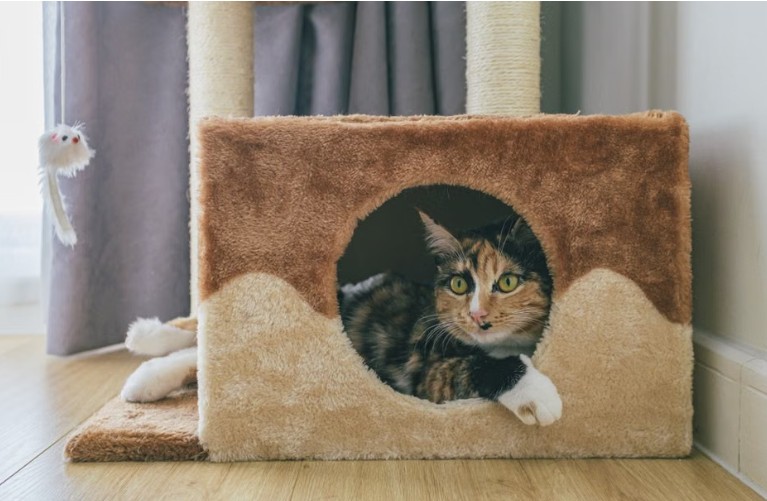
Before unpacking a single box, before assembling furniture, before figuring out where anything goes — get your pet’s safe space set up. This is non-negotiable. A designated retreat gives pets an emotional home base while the rest of the space is still loud, unfamiliar, and overwhelming.
Choose a Low-Traffic, Low-Noise Spot
Select a room or corner that won’t see a lot of foot traffic during the first few days — a spare bedroom, a quiet section of the primary bedroom, or even a large bathroom if the space allows. The goal is minimal sensory stimulation: no loud appliances nearby, no hallway noise, no windows overlooking a busy street if it can be helped.
In shared living environments like apartments or condos, factor in building-specific noise: HVAC units, elevators, neighboring units. If possible, do a quick walkthrough before move-in day specifically to identify the quietest zones. A low-traffic spot in an apartment building is very different from one in a single-family home, and choosing well here pays dividends for the first few critical days.
Stock It With Familiar Scents and Comforts
Place your pet’s bed, crate, or favorite blanket in the safe zone. Add their usual toys and, if possible, a worn item of clothing — scent is one of the most powerful calming signals for animals. Consider keeping the space dimly lit at first, since bright or unfamiliar lighting can add to a pet’s sense of unease.
Set up their food and water bowls in or near this space, plug in a pheromone diffuser if you’re using one, and introduce your pet to this area first — before they see any other room. A calm arrival with a treat and some quiet time together helps them begin forming a positive association with the new environment right from the start.
Introduce the New Environment Gradually
Giving a pet full access to a new home on day one is one of the most common mistakes owners make. It feels intuitive — just let them look around! — but for many animals, especially those prone to anxiety, it can trigger defensive or destructive behavior. A room-by-room approach is far more effective.
1. Open One Room at a Time
Close off rooms and let your pet check out one new space per day, starting with the room they’ll share with you most — typically the living area. Stay present during these sessions. Use a calm, upbeat voice and offer treats for curious, relaxed behavior. If your pet retreats to their safe zone, let them. Don’t force the pace. Two calm steps forward are worth more than five anxious ones.
2. Use Baby Gates to Control Early Exposure
Baby gates are remarkably useful in shared living spaces. They allow a pet to see, hear, and smell a new area without physically entering it — which gradually desensitizes them to the stimuli without triggering a full stress response. For cats especially, a gate or a partially open door lets them observe a new room from a safe distance before committing to it. This controlled visual exposure reduces the shock of sudden full access to the entire home.
3. Walk Dogs Around the Building Before Going Inside
For dogs moving into an apartment or condo, a short walk around the building or block before entering for the first time can significantly lower stress. Physical exercise burns off anxious energy, and scent-marking the perimeter helps dogs orient themselves geographically. Keep these first walks short and predictable — the goal is familiarity, not exhaustion. A dog that arrives at the front door having already sniffed the surrounding environment is a calmer, more confident dog.
4. Use Vertical Space to Help Cats Feel Secure
Cats instinctively seek high ground when they feel uncertain. In an apartment or condo, that instinct doesn’t go away — but the options can be limited. Cat trees, wall-mounted shelves, and window perches give cats the elevation they need to feel in control of their environment while observing the new space from a safe distance. A cat that has a high perch to retreat to is far less likely to hide under the bed for a week. Vertical enrichment is especially valuable in smaller apartments where floor space is limited.
Spot and Manage Stress Before It Escalates
Even with careful preparation, some pets will show signs of stress during the transition. That’s normal. What matters is catching those signs early — before they develop into lasting behavioral problems or health issues.
Warning Signs to Watch For
The following behaviors, especially when they appear together or persist beyond a day or two, warrant attention:
- Excessive panting, drooling, or pacing — common stress indicators in dogs
- Hiding for extended periods — while hiding for 1-3 days is normal, a cat that has not eaten or used the litter box after 48 hours is a flag for concern and warrants veterinary attention
- Changes in appetite or water intake — eating significantly less or more than usual
- Increased vocalization — persistent barking, whining, or yowling beyond the first day
- House-training accidents — regression in a previously reliable pet signals high stress
- Destructive behavior — scratching walls, chewing furniture, or obsessive grooming
If these signs persist beyond two weeks or worsen over time, it’s worth a follow-up call to the vet. Some pets benefit from more structured behavioral intervention, particularly in multi-unit buildings where ongoing noise and proximity to other animals is unavoidable.
Calming Tools That Actually Work
Pheromone diffusers — Adaptil® for dogs, Feliway® for cats — are among the most effective non-medication options available. Plug one in near the safe space and one in the main living area to create a broadly calming atmosphere. These work best when introduced before or right at move-in, not after stress behaviors have already escalated.
White noise machines or calming music help mask the building sounds that can put pets on constant alert. Anxiety wraps and compression vests, such as the ThunderShirt, work well for some dogs — particularly those triggered by environmental noise. And perhaps most effectively of all: consistent exercise. Daily walks and interactive play sessions — puzzle feeders, wand toys for cats, scent games for dogs — are among the most reliable stress reducers available, with no prescription required.
What Senior Living Communities Need to Know
Shared living for pets isn’t limited to young renters in high-rise apartments. Senior living communities are increasingly recognizing that pets aren’t a liability — they’re an asset. But making that work requires deliberate policy and genuine infrastructure support.
75-85% of Senior Communities Allow Pets, and the Number Is Growing
Approximately 75-85% of senior living communities now allow pets, according to industry data — a number that continues to climb as communities recognize the demand. Policies typically include weight limits, breed restrictions, and requirements that residents demonstrate the ability to manage basic pet care. These guidelines vary widely, so prospective residents should review pet policies carefully before committing to a community.
Some communities have expanded their offerings significantly, introducing on-site pet care support, grooming services, and even designated pet walking staff for residents who may need assistance. These aren’t fringe amenities anymore — they’re becoming a meaningful differentiator in the senior living market.
Pets Measurably Improve Senior Health and Social Connection
The research on pets and senior well-being is compelling. Numerous studies indicate that pet ownership among older adults is associated with decreased blood pressure, reduced anxiety and depression, improved mood, and increased daily physical activity. For seniors living alone or transitioning from a private home to a community setting, a pet can provide structure, companionship, and a sense of purpose that’s difficult to replicate through any other means.
Beyond the individual health benefits, pets are social catalysts. A resident walking a dog in a common area naturally invites conversation. Pet-themed community events bring residents together who might not otherwise interact. The animals become shared points of connection across an entire community — something that benefits everyone, pet owner or not.
How Property Managers Can Support Smooth Pet Transitions
The responsibility doesn’t fall entirely on residents. Property managers and community directors play a real role in how smoothly pet transitions go. A few evidence-backed strategies for property managers from community management experts include:
- Establish clear, written pet policies and share them proactively during the onboarding process — not buried in a lease addendum
- Create designated relief areas and walking routes that are easy to access and well-maintained
- Train staff to handle basic pet-related questions and to recognize signs of distress in animals they interact with
- Use welcome materials to communicate expectations around leashing, noise, and shared spaces
- Encourage pet-friendly community events to normalize pet ownership and build social bridges
- Develop emergency backup-care plans for residents who may need temporary pet care support
- Review policies regularly — resident needs evolve, and pet policies should evolve with them
Pet-Friendly Amenities Strengthen the Whole Community
Amenities designed for pets don’t just make life easier for animal owners — they raise the livability and social health of the entire community. That’s a case worth making to any property manager or HOA board weighing the cost of installation against the long-term benefit.
On-Site Dog Parks, Wash Stations & Walking Paths
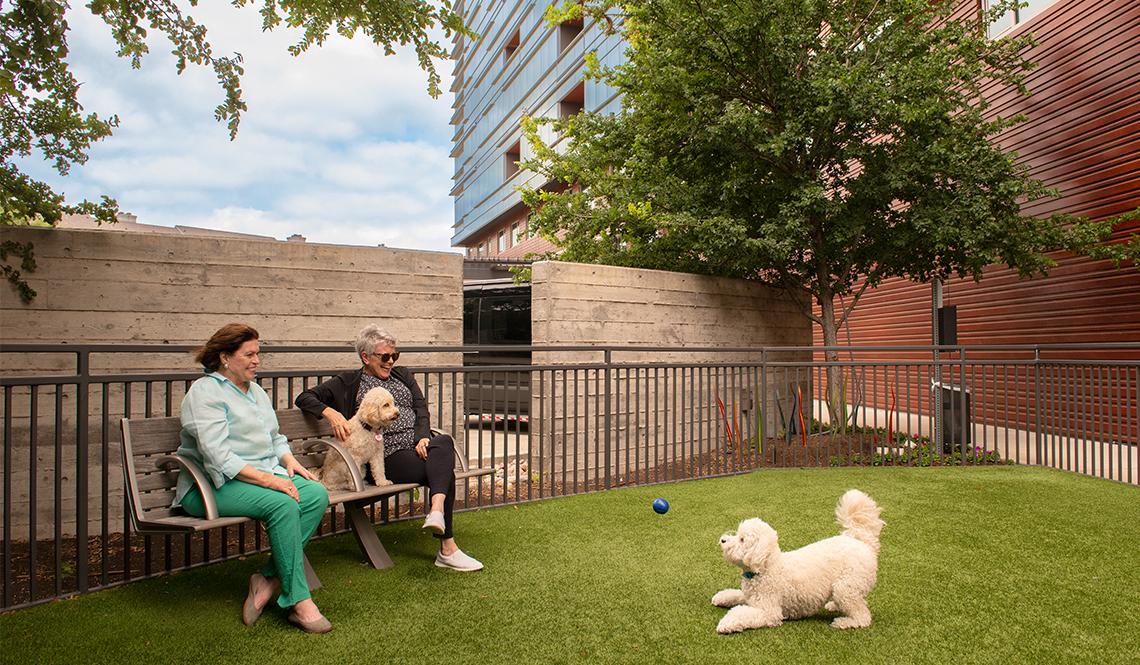
Convenient, well-designed pet amenities — dedicated dog parks, on-site wash stations, and clearly marked walking paths — make pet ownership in dense residential environments genuinely sustainable. Dog parks give high-energy dogs a safe space to exercise and socialize without requiring owners to travel off-property. Wash stations reduce the mess of bringing muddy pets through shared lobbies and hallways. Walking paths with proper signage and waste-bag stations encourage responsible ownership while giving dogs the structured outdoor time they need.
For senior living communities specifically, these amenities are especially valuable — a short, accessible walking loop means a resident with limited mobility can still maintain a dog’s exercise routine without navigating public streets or stairs.
Shared Pet Spaces Build Resident Relationships
Pet-friendly communities don’t just attract pet owners — they create conditions for genuine neighborly connection. Residents who share a love of animals naturally form bonds in shared pet spaces: at the dog park, waiting at the wash station, passing each other on the walking path. These micro-interactions accumulate into real community cohesion over time.
Communities with pet-centric programming — adoption events, yappy hours, pet photo contests — report stronger resident satisfaction and retention. It’s not incidental. Shared enthusiasm around animals lowers social barriers and gives neighbors something to talk about beyond logistics. That kind of organic connection is something no amenity brochure can manufacture — but the right infrastructure can absolutely support it.
With the Right Plan, Your Pet Can Thrive in Any Shared Home
Moving a pet into a shared living environment — whether it’s a downtown apartment, a condo community, or a senior living residence — is a process, not a single event. The first two weeks are critical. Routines create stability. Familiar scents and safe spaces create security. Gradual exposure creates confidence. And consistent, attentive care from owners — supported by thoughtful community environments — creates the conditions where pets don’t just survive the transition; they genuinely settle in.
Every animal is different. Some will bounce back in three days; others need three weeks. Neither timeline is wrong. What matters is staying observant, staying patient, and adjusting the approach based on what the individual pet is showing. The strategies outlined here aren’t one-size-fits-all prescriptions — they’re a framework that can be adapted to any breed, any living situation, and any community type.
For pet owners and property managers ready to work together to make pets feel welcomed, check out other PetsCango resources dedicated to making shared living work for pets and the people who love them.