
Summary
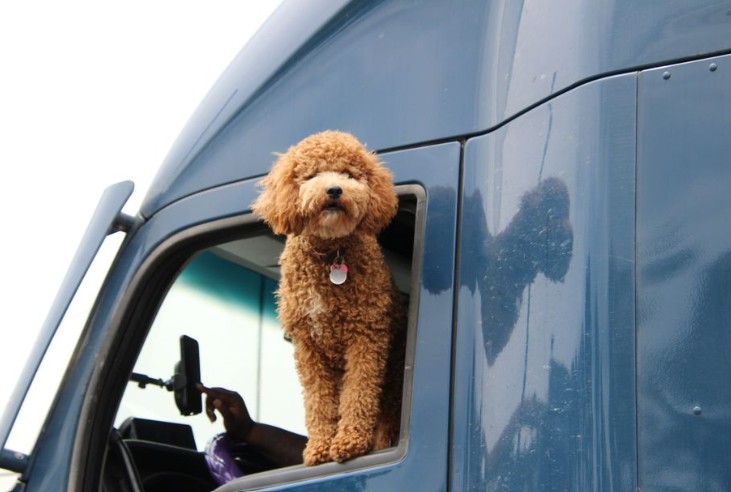
Road trips with dogs used to mean eating in your car or skipping meals altogether. Not anymore. From highway rest stops with fenced dog parks to restaurants serving actual canine menus, pet-friendly travel has quietly transformed—but knowing where to find the best stops makes all the difference.
Key Takeaways
- Dog-friendly dining has expanded well beyond a niche perk — hotels, restaurants, and highway stops now offer real amenities for traveling pets and their owners.
- Major hotel chains like Kimpton provide pet beds, bowls, and no extra fees, while luxury properties go further with dedicated dog menus and play areas.
- Apps like BringFido and DogPack make it easy to find verified pet-friendly stops along any route, with directories listing over 65,000 locations across the US and Canada.
- Love’s Travel Stops operates over 400 fenced dog parks nationwide — one of the most consistent and practical rest-stop networks for road-tripping dog owners.
- A few simple etiquette habits keep every stop welcoming for everyone — including the dogs who come after yours.
Road trips with dogs used to mean eating in the car or hoping a picnic table was nearby. That’s changed. Across the country, hotels are rolling out pet amenity kits, restaurants are opening genuine dog-welcoming patios, and highway travel centers have built out infrastructure specifically for four-legged passengers. The result is a travel experience that’s less about managing your dog and more about actually enjoying the trip together. PetsCanGo.com’s resources are a solid starting point for dog owners planning any leg of that journey.

Dog-Friendly Dining Is No Longer an Afterthought
Not long ago, bringing a dog on a road trip meant choosing between a drive-through window and leaving your dog alone in the car. Neither was a great option. Today, the picture looks very different. The U.S. Food and Drug Administration updated its food code to signal that dogs are acceptable at outdoor restaurant seating where state, local, and restaurant policies allow — a regulatory shift that gave restaurants clearer footing to open their patios to pets.
That policy clarity, combined with growing demand from pet-owning travelers, has pushed dog-friendly dining from a quirky bonus to an expected feature. National restaurant chains now list dog-friendly patio locations. Hotels compete on the quality of their pet welcome kits. Highway travel centers have built fenced dog parks at hundreds of locations. The infrastructure is real, it’s expanding, and knowing how to work with it makes every stop on a trip dramatically smoother.
The key is knowing what to look for at each type of stop — because “pet-friendly” can mean anything from a water bowl by the door to a full gourmet menu written for dogs.
Hotels That Actually Welcome Your Dog
Dog Menus & Play Areas Exist — But Mostly at Luxury & Specialty Properties
At the high end of the pet hospitality spectrum, some hotels have gone all-in. The Paséa Hotel & Spa in Huntington Beach, California, offers a dedicated “Paw-Séa” play area alongside a “Fido’s Menu” featuring gourmet dishes — think barky burrito bowls — designed specifically for canine guests. The Hermitage Hotel in Nashville takes a similar approach, providing luxury pet beds, in-room dining menus for dogs, and a nightly pet turndown service complete with treats and spring water.
These experiences are genuinely memorable, but they represent the premium tier. Not every trip calls for a dog spa package, and not every budget accommodates it. The good news is that well-designed, practical pet hospitality exists at more accessible price points too — it just looks a little different.
For travelers planning a special trip or a milestone anniversary with their dog, a luxury pet-friendly property can be worth researching in advance. For everyone else, the major chains offer a more consistent baseline.
Bowls, Beds & No Extra Fees at Many Major Chains — With Caveats
Kimpton Hotels has built a reputation as one of the most genuinely dog-welcoming major hotel brands in the country. The chain welcomes pets without breed or weight restrictions, provides plush pet beds and food and water bowls at check-in, and includes a list of local pet-friendly resources — all without charging extra pet fees. That combination is rarer than it sounds. Many hotels advertise as “pet-friendly” but tack on nightly fees that add up quickly on a multi-night stay.
The caveat worth noting: policies vary by property, even within the same brand. A Kimpton in one city may have slightly different rules than one in another. The same applies to Marriott, Hilton, and IHG properties — many allow dogs, but weight limits, fee structures, and available amenities differ between locations.
Before booking any hotel, confirm directly:
- Whether there’s a pet fee or deposit — and whether it’s refundable
- The weight and breed limits, if any
- Whether outdoor areas are available for dog walks or relief
- Whether room service or on-site dining is accessible with a dog present
A quick phone call or chat with the front desk saves a lot of frustration at check-in.
Finding Dog-Friendly Restaurant Patios on the Road
1. Know Which National Chains Allow Dogs — Then Call Ahead to Confirm
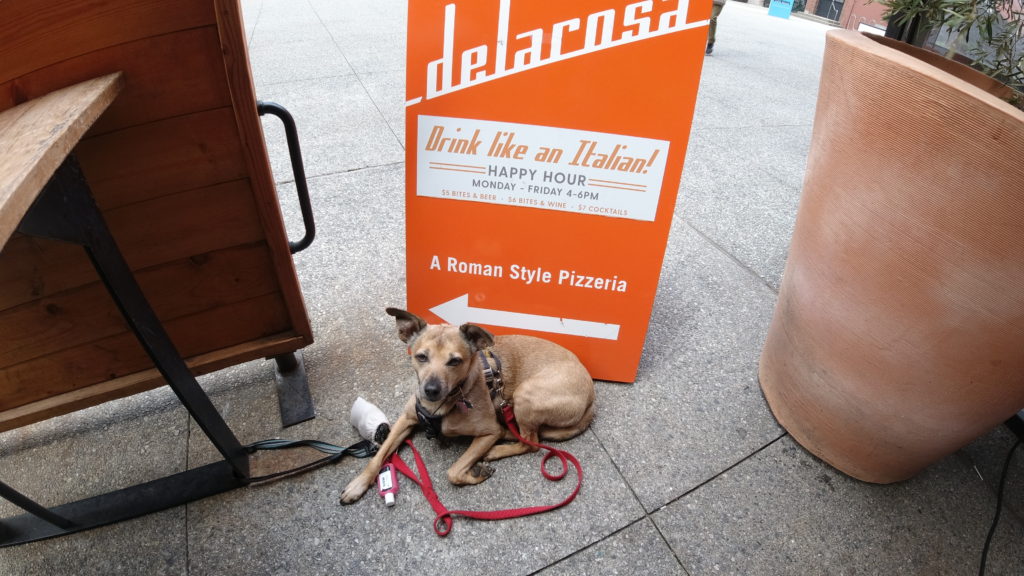
Several national restaurant chains have dog-friendly patio policies that make them reliable starting points when searching along a route. Joe’s Crab Shack, Lazy Dog Restaurant & Bar, Shake Shack, and select locations of Olive Garden and Applebee’s are among the names that come up consistently in pet-travel directories. Lazy Dog Restaurant & Bar, notably, offers a dedicated dog menu at many of its locations — going beyond mere patio access to a more intentional dog-welcoming experience.
That said, “chain allows dogs” and “this specific location allows dogs” are two different things. Local ordinances, property layouts, and individual management decisions all affect what’s actually available at any given address. The research step is non-negotiable: confirm with the specific location before building the stop into a travel plan.
2. Prioritize Patios With Water, Shade & Perimeter Fencing
Not all dog-friendly patios are created equal. A patio that allows dogs but offers no shade, no water access, and opens directly onto a busy parking lot creates more stress than it relieves. When evaluating a restaurant stop, look for a few specific features that signal a thoughtfully designed outdoor space:
- Shade or overhead cover — especially important during summer travel when pavement and direct sun heat up fast
- Water bowls or easy water access — many dog-welcoming restaurants keep a communal bowl near the patio entrance
- Perimeter fencing — a physical barrier between the patio and traffic or pedestrian flow dramatically reduces the risk of a dog darting
- Space between tables — enough room to keep a leashed dog settled without blocking server paths or crowding neighboring diners
Some restaurants have thought through all of these details intentionally. Others have simply moved a few tables outside and called it a dog-friendly patio. The physical setup tells the story quickly.
3. Verify the Policy Before You Arrive
Policies change. A restaurant that was dog-friendly last summer may have updated its rules after a complaint or a local ordinance shift. Apps and directories are helpful but not always current. The safest move is a brief call or a quick check of the restaurant’s own website before making it a confirmed stop on the route — particularly if it’s the primary meal plan for that leg of the trip.
When calling, it’s worth asking specifically about where dogs are allowed to be seated, whether there’s a leash requirement, and whether the patio is weather-dependent. A two-minute call prevents a 30-minute detour when the patio turns out to be closed for a private event.
Highway Rest Stops Built for Dogs
Love’s Travel Stops: 400+ Fenced Dog Parks Across 42 States
Love’s Travel Stops has built one of the most practical and consistent dog-friendly infrastructures available to road-tripping pet owners. With over 400 fenced dog parks across 42 states, the chain has made structured pet breaks a built-in feature of its locations rather than an incidental courtesy.
Each park runs approximately 50 by 100 feet — large enough for a dog to actually move and decompress after hours in a car. The standard setup includes double air-locked gates (which prevent dogs from slipping out while the gate is being opened), waste stations with bags and disposal, and benches for owners. All locations are open 24 hours a day, 7 days a week, which makes them viable for overnight driving schedules and early-morning stops.
For practical planning purposes, Love’s locations show up reliably along major interstate corridors. Mapping a route with Love’s stops factored in every two to three hours gives dogs regular structured breaks and gives owners a predictable, safe place to stop — no guesswork about whether there’s a grassy patch nearby.
State Welcome Centers With Fenced Pet Areas Worth Knowing
Beyond Love’s, several states have invested in genuine pet infrastructure at their welcome centers and rest areas. Some state welcome centers, including those in Florida, Virginia, North Carolina, and Tennessee, offer well-maintained pet walk areas, often equipped with waste bag dispensers and sometimes water stations — the combination that makes a rest stop actually functional rather than just adequate.
One standout example is the Choctaw Welcome Center in Oklahoma, which features two separate fenced dog parks — one for large dogs, one for small dogs — making it a notably well-designed stop for traveling pet owners. State welcome centers are typically positioned at state borders, making them natural transition points on a longer drive. A quick search of a state’s department of transportation website or a pet travel app will surface which rest areas in a given state have fenced areas versus open grass.
Dining Etiquette That Keeps Every Stop Welcoming
1. Feed Your Dog Before You Sit Down
One of the simplest moves that makes restaurant stops smoother: feed the dog before sitting down to eat. A dog that’s already eaten is far less likely to beg, whine, or fixate on food at neighboring tables. It also removes the temptation to share scraps — which keeps the dog healthy and the restaurant experience cleaner for everyone around.
This applies to treats as well. Bringing a familiar chew or a Kong stuffed with something the dog loves gives them a focused, calm activity for the duration of the meal. A settled dog at a restaurant patio is the difference between a staff member asking you to leave and an invitation to come back.
2. Keep Them Leashed & Settled Under the Table
Keeping a dog leashed throughout a restaurant stop isn’t just about following the rules — it’s about safety and comfort for the dog. A leash keeps the dog close enough to monitor, prevents unexpected interactions with other diners or their pets, and keeps server pathways clear.
Training a “settle” command before traveling is genuinely worth the investment. A dog that knows to lie down under the table on cue is far easier to manage in a busy patio environment than one that’s reactive to every passing plate. Bringing a small familiar mat or travel towel gives the dog a clear physical boundary and a comfort anchor in an unfamiliar environment.
3. Clean Up — No Exceptions
Every mess left behind at a restaurant patio is a reason for that restaurant to reconsider its dog-friendly policy. This applies to waste on the way in and out, but also to water spills, dropped food, and shed fur near the table. Keeping a small supply of waste bags, a portable cleanup kit, and a travel water bowl with a non-splash base covers most of the situations that come up.
Respecting the space goes beyond the immediate stop. Restaurants that have good experiences with dog-owning guests expand their patios, improve their amenities, and actively market to pet travelers. The ones that have consistently bad experiences with messes or disruptive dogs quietly remove “dog-friendly” from their listing. Responsible ownership directly shapes what’s available for every dog owner who comes after.
Plan Around Three Stops & Enjoy the Whole Trip
The simplest framework for stress-free travel with a dog is to design the trip around three types of stops: a hotel that’s genuinely pet-welcoming and prepared for pets, meal stops with dog-welcoming outdoor spaces, and structured highway breaks at places like Love’s Travel Stops. When each stop has a clear job — recovery, meals, and movement — the trip becomes something to look forward to rather than manage.
That structure doesn’t require a rigid schedule, but it does require a little advance research. Know which hotels on the route have confirmed pet policies and outdoor relief areas. Identify two or three restaurant options at each major stopping point so there’s a backup if the first choice falls through. Map the Love’s Travel Stop locations along the interstate so breaks can be planned rather than improvised.
The tools exist. The infrastructure is better than it’s ever been. The biggest variable is preparation — and a well-prepared trip with a dog is genuinely one of the best ways to travel. Find more dog-friendly travel tips in our resource center built specifically for pet owners who want to bring their dogs along for the ride.