
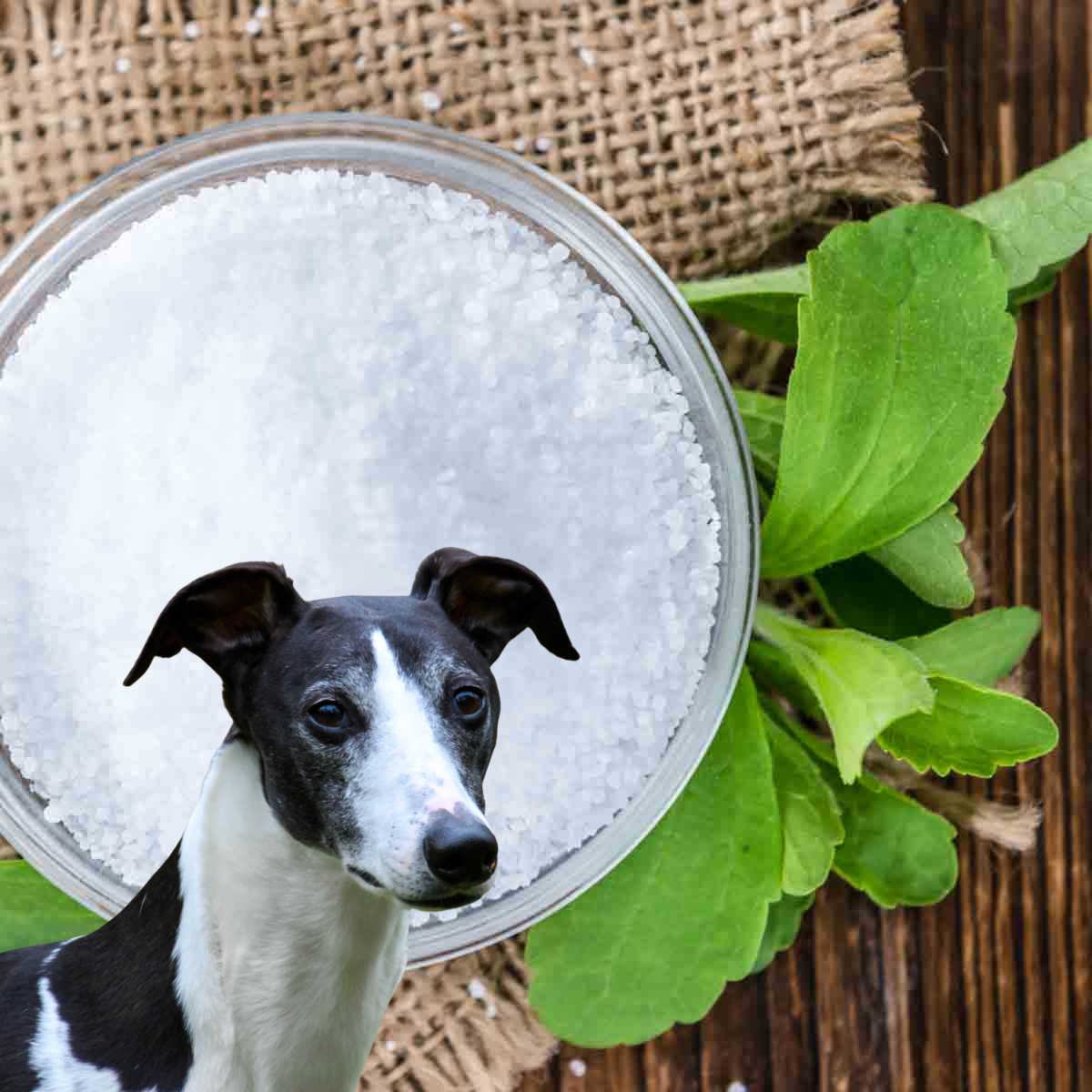
Key Takeaways: Stevia and Pet Safety
- Stevia is generally non-toxic to dogs and cats, making it a safe sweetener option.
- While stevia is safe, excessive consumption can lead to mild digestive upset in pets.
- Stevia is calorie-free, which can help manage pet obesity without affecting blood sugar levels.
- Homegrown stevia is easy to cultivate and store, providing a natural sweetener for pet treats.
- ASPCA recognizes Stevia rebaudiana as non-toxic to pets, supporting its safety in moderate amounts.
Is Stevia Safe for Dogs and Cats?
When it comes to choosing sweeteners for our furry friends, safety is paramount. Stevia, derived from the leaves of the Stevia rebaudiana plant, is a popular sugar substitute for humans. But is it safe for our pets? Thankfully, the answer is yes. Stevia is generally considered non-toxic to both dogs and cats.
“Can Dogs Have Stevia? Vet-Verified …” from www.dogster.com and used with no modifications.
Overview of Stevia Plant
The stevia plant, native to South America, has been used for centuries as a natural sweetener. Its leaves contain steviol glycosides, compounds that give it a sweet taste without calories. This makes it a desirable option for those looking to reduce sugar intake, including for pets who may need to watch their weight.
Stevia’s Non-Toxic Status
The American Society for the Prevention of Cruelty to Animals (ASPCA) lists Stevia rebaudiana as non-toxic to pets. This recognition reassures pet owners that stevia can be safely included in their pets’ diets in moderation. However, it’s important to remember that moderation is key. Overindulgence in any sweetener, including stevia, can lead to digestive issues.
Potential Health Risks for Pets
While stevia is safe, excessive consumption can lead to mild gastrointestinal upset in pets. Symptoms might include diarrhea or stomach discomfort. Therefore, it’s crucial to monitor the quantity of stevia your pet consumes and to introduce it gradually into their diet.
Most importantly, avoid products containing stevia blends with other sweeteners that might be harmful, such as xylitol, which is highly toxic to dogs. Always read labels carefully to ensure that the stevia product is pure and safe for pet consumption.
Health Benefits and Risks of Stevia for Pets
Stevia offers several benefits for pets, especially those needing to manage their weight or blood sugar levels. However, as with any dietary addition, it’s important to understand both the benefits and potential risks.
- Calorie-free, aiding in weight management
- Does not spike insulin or blood sugar levels
- Potential digestive upset if consumed in large amounts
Besides these points, it’s worth noting that while stevia is a healthier alternative to sugar, it should not replace balanced nutrition in a pet’s diet. Use it as an occasional treat or supplement rather than a staple. For more tips on maintaining a pet-friendly garden, you might find this guide on pet-safe plants helpful.
“Can Cats Eat Stevia? Vet-Reviewed Facts …” from www.catster.com and used with no modifications.
Caloric and Nutritional Benefits
Stevia is an excellent choice for pets that need to maintain a healthy weight. Since it’s calorie-free, it allows pets to enjoy sweet treats without the added calories that contribute to weight gain. This can be particularly beneficial for older pets or those with obesity issues.
Furthermore, because stevia does not affect blood sugar levels, it can be a safe option for pets with diabetes. It provides the sweetness they might crave without the risks associated with sugar consumption.
Homegrown Stevia for Pets
Growing stevia at home can be a rewarding endeavor, especially if you’re looking for a natural, pet-safe sweetener. Not only does it allow you to control the purity of the stevia your pets consume, but it also ensures a fresh supply of this beneficial plant. Let’s explore how you can successfully cultivate stevia in your own garden or even indoors.
Stevia is a hardy plant that thrives in warm climates. It’s relatively easy to grow, making it accessible even for novice gardeners. Whether you have a sprawling backyard or just a small balcony, you can enjoy the benefits of homegrown stevia.
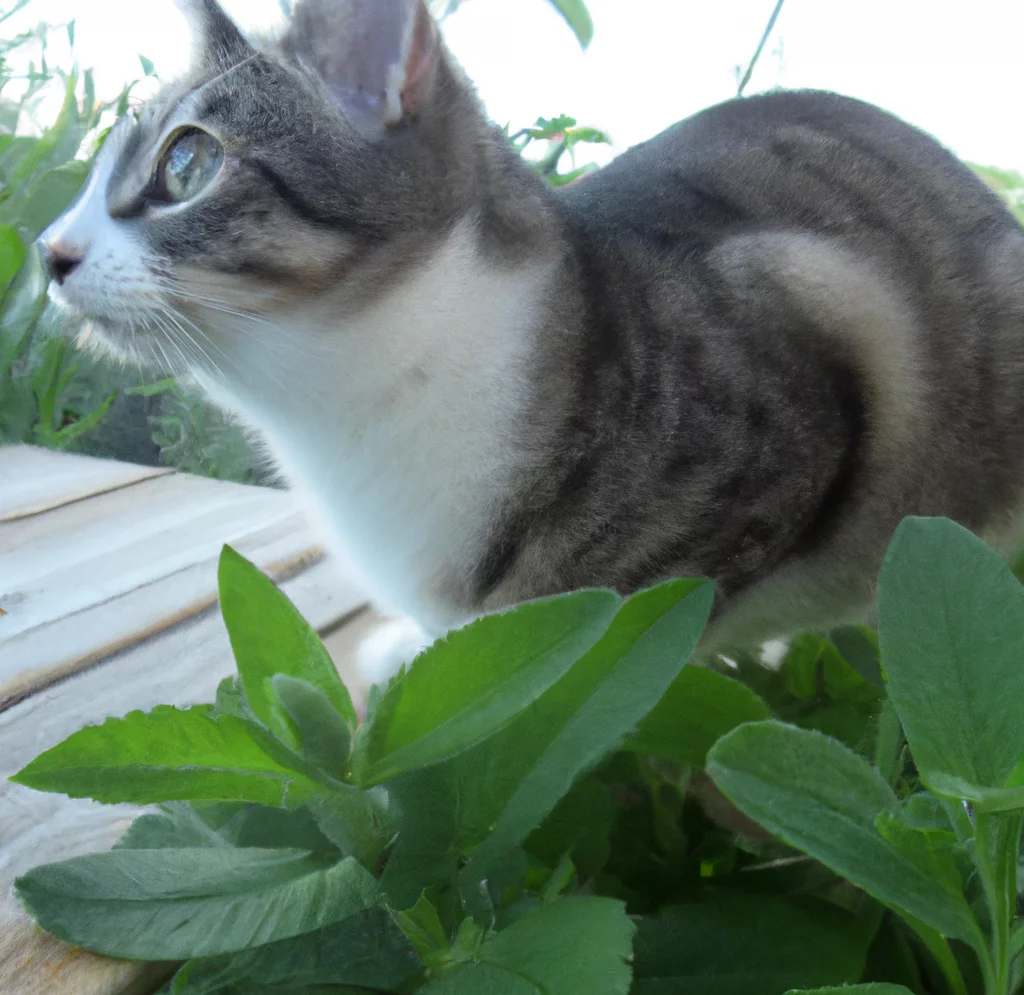
“Is Stevia or Sugar Leaf Toxic For Cats?” from plantsncats.com and used with no modifications.
Growing Stevia at Home: Tips and Tricks
To start growing stevia, you’ll need to choose the right location. Stevia prefers full sun and well-drained soil. If you’re planting outdoors, select a spot that receives at least six hours of sunlight daily. For indoor growing, a sunny windowsill or a spot under grow lights will work just fine. If you’re interested in pet-safe gardening, consider incorporating pet-friendly plants alongside your stevia.
When planting, space the stevia plants about 18 inches apart to allow for proper growth. Water them regularly, but be cautious not to overwater as stevia doesn’t like soggy soil. Fertilize the plants every few weeks with a balanced, all-purpose fertilizer to promote healthy growth.
Harvesting and Storing Stevia Leaves
Once your stevia plants have matured, typically in late summer or early fall, it’s time to harvest the leaves. The best time to do this is just before the plant flowers, as the leaves are the sweetest then. Simply snip the leaves from the stems using garden scissors or shears.
After harvesting, you can dry the leaves by spreading them out on a clean surface or using a dehydrator. Once dried, store the leaves in an airtight container away from direct sunlight. This will preserve their sweetness and ensure a steady supply for your pet-friendly recipes.
Safety of Homegrown Stevia for Pets
Homegrown stevia is as safe for pets as its commercial counterpart, provided it’s used in moderation. Since you control the growing conditions, you can ensure that no harmful pesticides or chemicals are used, making it an even safer option.
Always introduce any new food or treat gradually into your pet’s diet and observe for any adverse reactions. While stevia is generally safe, each pet is unique, and it’s important to monitor their response.
Pet-Friendly Recipes with Stevia
Incorporating stevia into homemade pet treats is a great way to offer your furry friends a sweet reward without the guilt. Here are a few pet-friendly recipes that use stevia as a natural sweetener.
Example Recipe: Stevia Dog Biscuits
- 2 cups whole wheat flour
- 1/2 cup rolled oats
- 1/4 cup dried stevia leaves, finely ground
- 1 cup unsweetened applesauce
- 1/4 cup water
Mix the dry ingredients, then add the applesauce and water. Knead into a dough, roll out, and cut into shapes. Bake at 350°F for 20 minutes or until golden brown. For those interested in exploring more dog-friendly activities, check out this guide to dog-friendly wineries in Traverse City, MI.
These homemade treats not only satisfy your pet’s sweet tooth but also provide the assurance of knowing exactly what’s in their food. Using homegrown stevia enhances the natural aspect of these recipes.
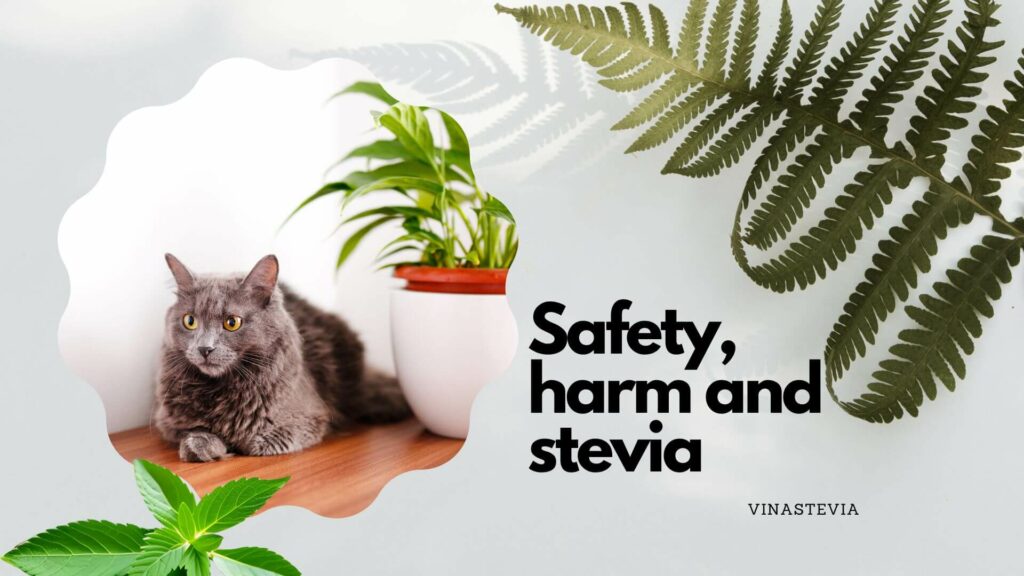
“How Stevia Affects Your Beloved Pets …” from vinastevia.com and used with no modifications.
Dog Treat Recipes with Stevia
Dogs love variety, and incorporating stevia into their treats can offer them just that. Try making stevia-infused peanut butter dog cookies or even sweet potato chews with a hint of stevia for added sweetness.
Cat Treat Recipes Showing Stevia Use
Cats can be a bit more finicky, but stevia can still be a delightful addition to their treats. Consider creating a tuna and stevia mix that can be baked into small, crunchy snacks. Always ensure the stevia used is pure and free from harmful additives.
When preparing treats, always prioritize your pet’s dietary needs and preferences. Introduce new recipes gradually and monitor for any changes in behavior or health.
- Introduce stevia gradually into your pet’s diet
- Monitor for any adverse reactions
- Ensure stevia products are pure and free from harmful additives
Dosage Considerations for Pets
When using stevia in pet recipes, it’s important to keep the dosage in check. A small amount goes a long way due to its concentrated sweetness. For dogs, a pinch of ground stevia leaves or a few drops of liquid extract in treats is sufficient. For cats, use even less, as their smaller size requires lower doses.
ASPCA’s Stance on Stevia
The ASPCA’s classification of Stevia rebaudiana as non-toxic to pets offers peace of mind to pet owners. This endorsement underscores stevia’s safety when used appropriately. However, it’s always wise to consult with a veterinarian if you’re unsure about introducing any new ingredient into your pet’s diet.
By following these guidelines and recipes, you can confidently incorporate stevia into your pets’ treats, knowing you’re choosing a safe, natural alternative to sugar. Enjoy the process of creating delicious, healthy snacks for your furry friends!
Understanding ASPCA’s Non-Toxic Plant List
The ASPCA’s non-toxic plant list is a valuable resource for pet owners who want to ensure the safety of their furry companions. This list includes a variety of plants that are deemed safe for pets, meaning they do not pose a toxic threat if ingested in small amounts. The inclusion of stevia on this list underscores its safety for dogs and cats, reassuring pet owners that this natural sweetener can be part of a pet-friendly diet.
However, even non-toxic plants can cause minor digestive issues if consumed in large quantities. Therefore, while stevia is safe, it should still be used in moderation. As responsible pet owners, it’s important to monitor your pet’s reaction to any new food or ingredient, including stevia.
Inclusion of Stevia rebaudiana
Stevia rebaudiana, the plant from which stevia sweetener is derived, is recognized by the ASPCA as non-toxic to pets. This inclusion highlights the plant’s safety profile and offers pet owners the confidence to use it as a sugar substitute in pet treats. The non-toxic status of stevia means that if your pet happens to nibble on a stevia plant or consume treats made with stevia, you can rest assured that it won’t cause them harm.
The ASPCA’s endorsement is based on scientific research and the plant’s historical use, both of which demonstrate that stevia does not pose significant health risks to pets. This makes it an excellent choice for pet owners seeking natural alternatives to traditional sweeteners.
Conclusion: Ensuring Safe Stevia Use for Pets
Incorporating stevia into your pet’s diet can be a safe and healthy choice, provided it’s done with care and moderation. The key to using stevia safely is to introduce it gradually, monitor your pet’s reaction, and ensure that the stevia product is pure and free from harmful additives. By following these guidelines, you can enjoy the benefits of this natural sweetener without compromising your pet’s health.
Stevia offers a calorie-free way to sweeten pet treats, making it an ideal option for managing weight and supporting a healthy diet. With the ASPCA’s assurance of its non-toxic status, you can confidently use stevia to enhance your pet’s treats, knowing you’re making a safe choice.
Frequently Asked Questions (FAQ)
Pet owners often have questions about the safety and use of stevia for their furry friends. Here are some of the most common inquiries, along with clear and concise answers to help guide you in making informed decisions.
Can stevia be harmful to pets?
In general, stevia is not harmful to pets when used in moderation. It is recognized as non-toxic by the ASPCA, meaning it does not pose a significant health risk. However, excessive consumption can lead to mild digestive upset, such as diarrhea or stomach discomfort. Always monitor your pet’s intake and consult a veterinarian if you have concerns.
- Introduce stevia gradually into your pet’s diet.
- Monitor for any adverse reactions.
- Ensure stevia products are pure and free from harmful additives.
These steps will help ensure that your pet can safely enjoy the benefits of stevia without any negative side effects.
Is it easy to grow stevia at home?
Yes, growing stevia at home is relatively easy, even for novice gardeners. Stevia plants thrive in warm climates and require full sun and well-drained soil. Whether you’re planting outdoors or indoors, providing the right conditions will allow your stevia plants to flourish. Regular watering and occasional fertilization will help maintain healthy growth.
What are some safe recipes for pets using stevia?
There are several pet-friendly recipes that incorporate stevia as a natural sweetener. For dogs, you can make stevia-infused peanut butter cookies or sweet potato chews. Cats might enjoy a tuna and stevia mix baked into crunchy snacks. Always use pure stevia and avoid any harmful additives when preparing these treats.
Here’s an example of a simple dog treat recipe using stevia:
Stevia Dog Biscuits
- 2 cups whole wheat flour
- 1/2 cup rolled oats
- 1/4 cup dried stevia leaves, finely ground
- 1 cup unsweetened applesauce
- 1/4 cup water
Mix the dry ingredients, then add the applesauce and water. Knead into a dough, roll out, and cut into shapes. Bake at 350°F for 20 minutes or until golden brown.
These recipes provide a healthy and safe way to treat your pets without adding unnecessary calories or sugar.
How does stevia affect a pet’s blood sugar?
Stevia does not affect a pet’s blood sugar levels, making it a safe option for pets with diabetes. Unlike sugar, which can cause spikes in blood glucose, stevia provides sweetness without impacting insulin levels. This characteristic makes it a desirable alternative for managing a pet’s diet and supporting their overall health. For more information on how pets can aid in recovery and well-being, explore the benefits of animal-assisted therapy.
Why does ASPCA consider stevia non-toxic?
The ASPCA considers stevia non-toxic because it does not contain any compounds that are harmful to pets. Scientific research and historical usage have shown that stevia is safe for both dogs and cats when consumed in moderation. The ASPCA’s endorsement provides reassurance to pet owners that stevia is a safe choice for sweetening pet treats.
“Stevia rebaudiana is recognized by the ASPCA as non-toxic to pets, offering peace of mind to pet owners seeking natural alternatives to sugar.” – ASPCA
This recognition is based on evidence that stevia does not pose a toxic threat, making it a reliable option for enhancing pet health naturally.