
Summary
Modern pet ownership increasingly influences how shared environments are designed, experienced, and evaluated. Apartments, hospitality spaces, workplaces, senior living communities, retail environments, and public gathering spaces are adapting to evolving expectations around comfort, accessibility, enrichment, cleanliness, and community interaction. As pets become more integrated into daily routines and lifestyle identity, businesses and property operators increasingly face pressure to move beyond simply allowing pets toward creating environments that function well for both people and animals.
Key Takeaways
- Modern pet ownership increasingly influences how shared spaces are designed and experienced
- Pet-friendly expectations now extend beyond policies into functionality and overall experience
- Hybrid work, lifestyle integration, and rising pet ownership are reshaping daily routines
- Pet-centered design increasingly influences housing, hospitality, and community environments
- Visibility and social proof shape how welcoming spaces are perceived
- Businesses increasingly compete through experience, comfort, and lifestyle integration
Modern pet ownership increasingly extends beyond private homes into apartments, hospitality spaces, workplaces, senior living communities, restaurants, retail districts, and other shared environments.
According to Allwork, rising pet ownership and hybrid work patterns continue reshaping how people move through daily environments. Pets are increasingly integrated into routines that once centered primarily around human-only spaces.
At the same time, reporting from Wellyness highlights how the broader pet ownership boom is influencing housing, lifestyle expectations, consumer behavior, and community design.
As a result, pet owners increasingly evaluate spaces not simply by whether pets are technically permitted, but by whether environments feel workable, welcoming, practical, and socially comfortable in real life.
This shift increasingly influences how businesses, housing providers, hospitality operators, and community spaces approach design, amenities, visibility, and customer experience.
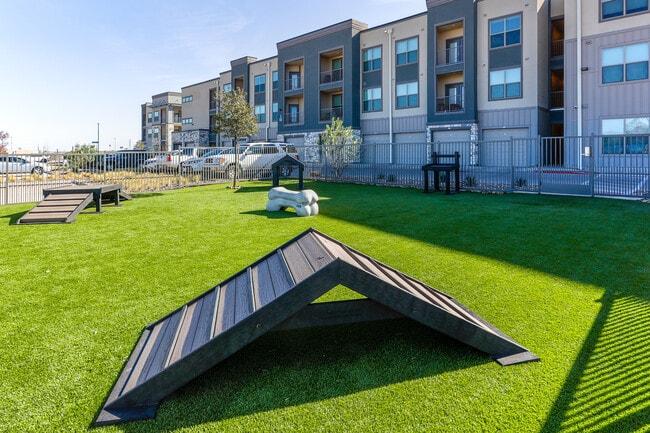
Pet-Friendly No Longer Means Simply “Pets Allowed”
Many spaces allow pets but provide little practical support for real-world use.
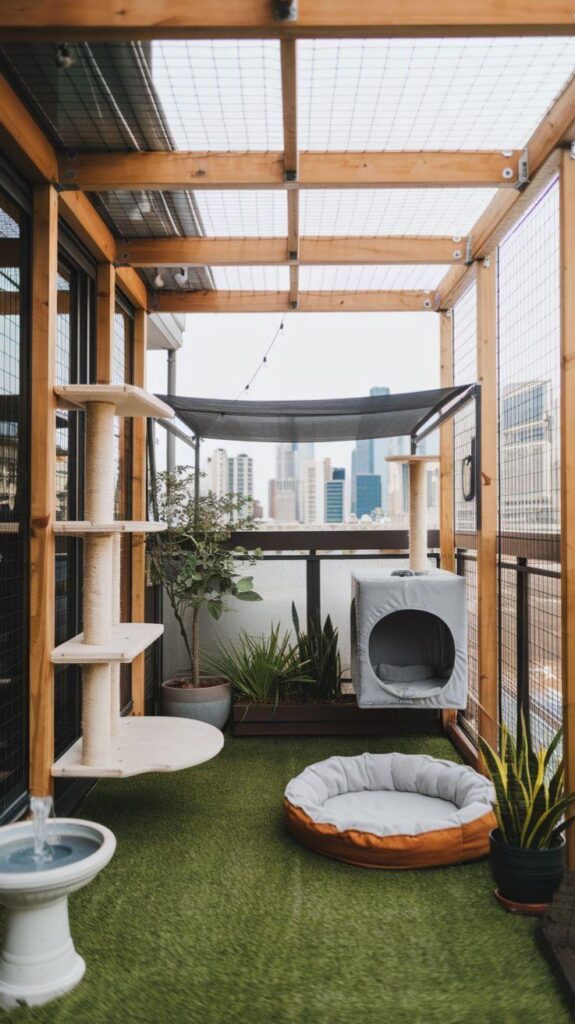
Modern pet owners increasingly notice the difference between spaces that merely tolerate pets and spaces designed to accommodate them comfortably. Water stations, relief areas, shade, walking access, seating, flooring, layout, and circulation flow increasingly shape how environments are experienced.
“Pet-friendly” increasingly reflects overall experience rather than policy alone.
The growing concept of pet-centered design reflects this shift. Rather than simply allowing pets into existing environments, businesses and property operators increasingly consider usability, comfort, safety, cleaning, and coexistence when designing shared spaces.
This distinction increasingly influences perception, loyalty, and participation.
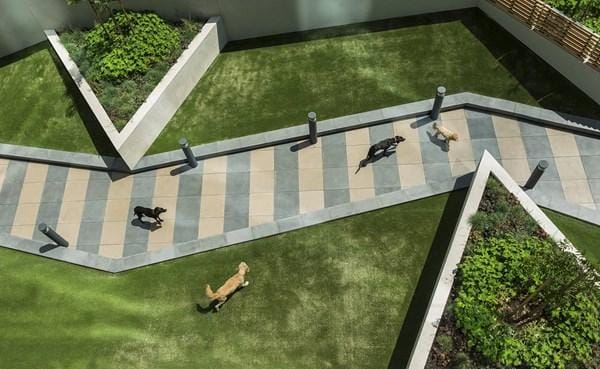
Shared Environments Are Being Redesigned Around Modern Pet Living
Apartments, workplaces, hospitality spaces, and mixed-use developments increasingly adapt to modern pet routines.
Hybrid work and flexible schedules changed expectations around daily pet integration. Pets now move through environments that were previously designed primarily around human-only routines.
As a result, shared environments increasingly consider enrichment, relief access, sound management, cleaning, durability, traffic flow, and overall functionality. Design choices increasingly reflect how pets and owners actually move through spaces together in everyday life.
Research connected to shared-space usability and environmental interaction also highlights how functionality and coexistence influence user experience within communal environments.
Modern pet ownership increasingly affects how people evaluate movement, accessibility, comfort, and usability within shared settings.
Hospitality and Retail Spaces Increasingly Compete Through Experience
Pet inclusion increasingly influences where people spend time and money.
Visibility and atmosphere shape customer perception long before someone walks through the door. Businesses that visibly integrate pets into their environment often feel more social, approachable, community-oriented, and emotionally engaging.
There is an increasing difference between businesses that quietly allow pets and businesses known for being genuinely pet-welcoming.
This distinction influences loyalty, repeat visits, and overall perception of the experience itself.
As consumers increasingly prioritize lifestyle alignment and emotional comfort, pet-friendly integration becomes part of broader hospitality and retail positioning rather than a secondary policy feature.
Generational Shifts Are Influencing Expectations
Millennials and Gen Z increasingly integrate pets into identity, routine, and lifestyle decisions.
According to industry reporting on generational pet-care trends, younger consumers increasingly expect flexibility, visible accommodation, emotional connection, and lifestyle integration.
Pet ownership increasingly overlaps with wellness culture, housing preferences, travel routines, social behavior, and community participation. For many modern owners, pets are not separated from daily life — they are integrated into it.
This influences how people evaluate apartments, restaurants, retail environments, workplaces, hotels, and community spaces.
Experience and emotional alignment increasingly shape participation and loyalty.
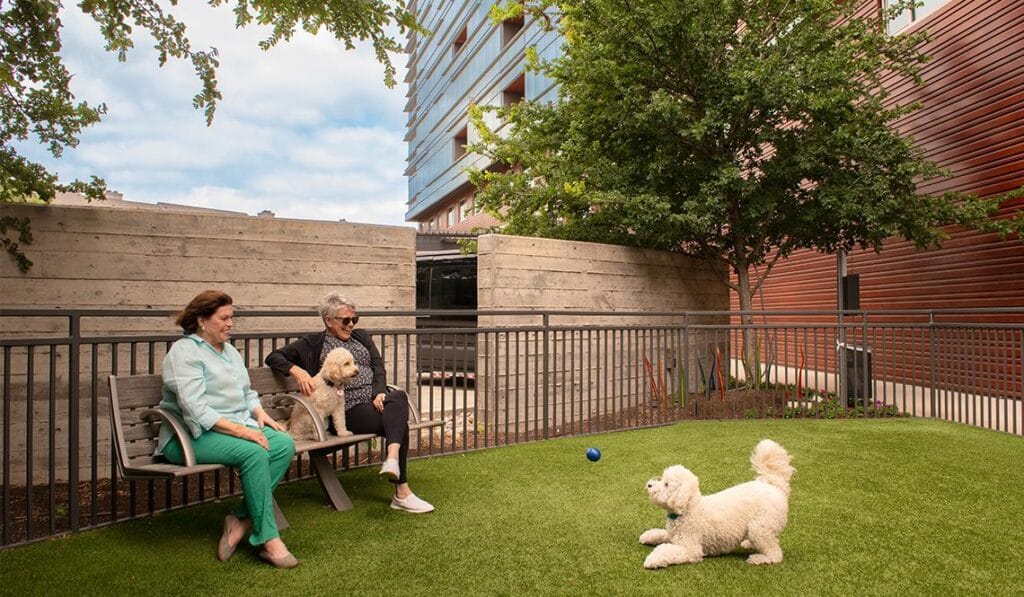
Senior Living Communities Are Also Adapting
Senior living communities increasingly adapt to changing expectations around companion animals and quality of life.
Walking access, elevators, outdoor relief areas, daily routine support, and overall usability directly influence the lived experience of residents with pets. Companion animals increasingly overlap with emotional wellbeing, routine stability, social interaction, and community engagement.
As a result, pet-friendly senior living increasingly functions not only as an amenity, but also as lifestyle positioning and community differentiation.
These environments increasingly reflect broader societal recognition that pets are integrated into emotional and social wellbeing throughout multiple life stages.
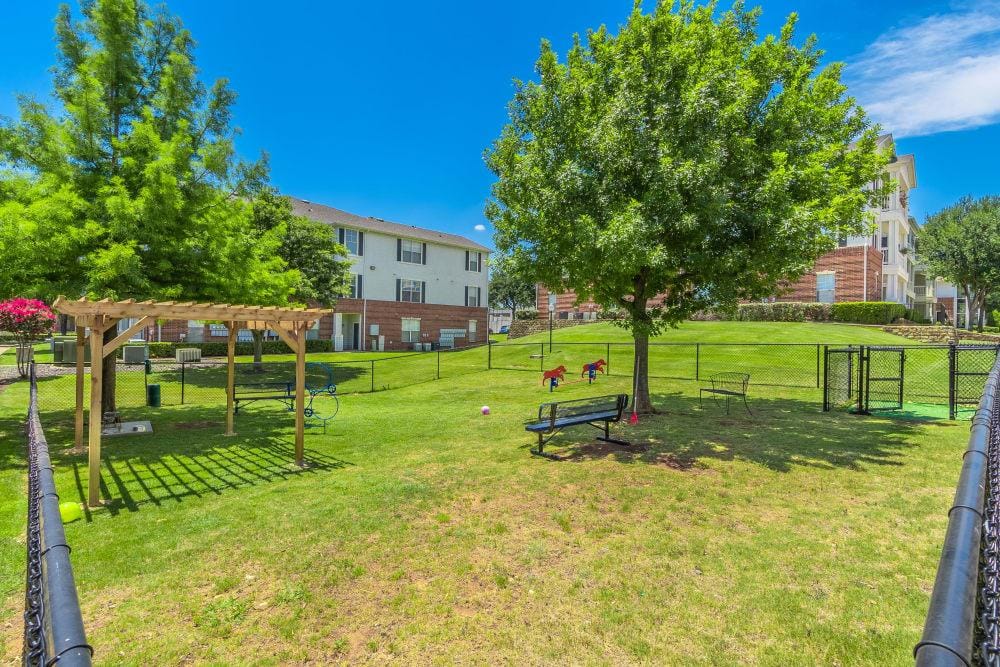
Visibility Influences Perception and Participation
Owners increasingly choose spaces they perceive as welcoming before ever visiting in person.
Online visibility, community interaction, social proof, and real-life examples increasingly shape reputation and participation. People often feel more comfortable bringing pets into shared environments when they see successful integration already happening.
Photos, events, visible accommodations, community interaction, and ongoing participation all help shape perception.
In many cases, visibility itself becomes part of the experience.
This increasingly influences how businesses, hospitality spaces, apartments, and community hubs build trust and familiarity with modern pet owners.
Modern Pet Ownership Increasingly Functions as a Lifestyle Ecosystem
Modern pet ownership increasingly overlaps with housing, work, travel, wellness, hospitality, retail, and community life.
Shared environments now influence purchasing decisions, routines, participation patterns, and long-term loyalty. Businesses and communities that adapt successfully may gain stronger engagement by understanding how deeply integrated pets have become within modern lifestyles.
Real-world integration increasingly matters more than marketing language alone.
As pets continue reshaping daily routines and social expectations, the environments that adapt most successfully may be the ones that move beyond simply allowing pets toward creating spaces that genuinely support modern pet living.
Sources & Additional Reading
- Allwork — 94 Million Pet Owners Are Redefining Where America Works
- Wellyness — How the Pet Ownership Boom Is Reshaping America
- iMobillions — Pet-Centered Design
- LinkedIn — Gen Z & Millennials Redefining Pet Care
Explore more stories and insights about pet-friendly living, travel, wellness, and modern shared environments at:
https://rescuesrsuper.com/stories-and-education/