

Summary
When a dog freezes at the store entrance or a cat starts panting in its carrier, most retailers blame the pet’s temperament. But the real culprit? Your store design. Discover which overlooked sensory triggers are quietly costing you repeat customers—and how to fix them.
Key Takeaways
- Sensory overload from harsh lighting, loud noises, and slick floors is one of the most overlooked causes of in-store pet anxiety — and it’s quietly costing retailers repeat business.
- Simple, low-cost design choices like warm lighting, slip-resistant flooring, and a decompression zone near the entrance can dramatically reduce stress for both pets and their owners.
- Staff behavior is a hidden stress multiplier — how employees approach animals can either calm a visit or derail it entirely.
- Checkout is a high-anxiety moment of any pet shopping trip, and small operational tweaks can turn it into a smooth finish instead of a stressful exit.
- The strategies covered here apply well beyond traditional pet stores — luxury retailers, boutiques, and lifestyle brands welcoming pets can all benefit from these principles.
When a dog digs in its heels at the entrance, or a cat starts panting inside its carrier halfway through the aisles, most store owners chalk it up to the pet’s personality. But more often than not, the store itself is the problem. Anxiety-free pet shopping isn’t a niche concept — it’s a practical retail strategy that improves the experience for animals, their owners, and the businesses serving them. This guide breaks down exactly what that looks like, room by room, interaction by interaction.
Ignoring Pet Comfort Is Quietly Hurting Your Store
Picture a first-time visitor walking in with their rescue dog. The overhead lights are bright white and buzzing. A PA system crackles with a promotion. The floors are polished concrete. Within two minutes, the dog is panting, low to the ground, and pulling toward the exit. The owner, embarrassed and distracted, grabs the first thing they came for and leaves — fast. No browsing. No impulse purchase. No reason to come back.
Veterinary research consistently shows that dogs — and many cats — experience measurable stress responses in overly stimulating retail environments. Loud sudden noises, strong artificial scents, bright glare, and unpredictable movement from strangers all trigger anxiety. When pets are uncomfortable, owners become tense. When owners are tense, visits get shorter, carts stay emptier, and the chance of a return visit drops significantly.
The connection between pet comfort and store performance is direct. Retailers who create genuinely welcoming, low-stress environments tend to see longer dwell times, stronger word-of-mouth referrals within pet owner communities, and higher customer loyalty. PetsCanGo.com’s resources section digs further into this relationship between pet-friendly design and retail outcomes — useful reading for any store owner or manager looking to make informed changes. The stores that keep pets calm keep customers coming back.
Sensory Design Stops Stress Before It Starts
Most retail spaces are designed for human eyes and human comfort thresholds. Pets operate on a completely different sensory scale — a dog’s hearing is roughly four times more sensitive than a human’s, and their sense of smell is exponentially more powerful. What feels like background noise to a store manager can register as an assault to a dog standing at knee height near a running register. Getting sensory design right isn’t about making the store look a certain way. It’s about eliminating the triggers that cause pets — and by extension, their owners — to want to leave.
1. Swap Harsh Lighting for Warm, Adjustable Fixtures
Fluorescent overhead lighting is one of the easiest stress triggers to fix and one of the most commonly ignored. The flicker and blue-white intensity of standard commercial lighting can cause discomfort for animals with sensitive eyes, particularly in low-ceiling store environments where there’s no escape from the glare. Replacing harsh overheads with warm, adjustable LED fixtures — or supplementing with indirect lighting — creates a noticeably calmer visual environment. Soft, diffused light reduces visual noise without compromising visibility for shoppers reading product labels. Nature-inspired tones and muted wall colors complement this effect, reinforcing a sense of calm throughout the floor.
2. Dampen Noise: Reduce Announcements, Beeps, and Echo
A barcode scanner beep, a PA announcement, the rattle of a cart on tile — individually these seem trivial. For a dog already on alert in an unfamiliar space, they stack up fast. Acoustic management in retail doesn’t require a full renovation. Ceiling baffles, fabric wall panels, and softer display materials all absorb sound and reduce the hard echo common in open retail spaces. Limiting overhead PA use — or switching to lower-volume, lower-frequency tones — removes one of the most startling sensory triggers in the store. Quieter stores feel more controlled, and that translates directly to calmer animals.
3. Control Scents and Ventilation
Pet stores carry an enormous scent load — live animals, food, treats, cleaning products, grooming supplies, and artificial fragrances all compete in the same airspace. For animals with acute olfactory sensitivity, walking into a poorly ventilated store can be overwhelming within seconds. Good ventilation isn’t just about odor management for human shoppers; it actively reduces the sensory intensity that pets experience. Avoid heavy plug-in air fresheners or essential oil diffusers near pet zones — several essential oils are irritating or toxic to dogs and cats. Neutral, clean-smelling air is the goal. Proper HVAC maintenance and strategic airflow planning go a long way.
4. Choose Slip-Resistant, Easy-Clean Flooring
Slick polished floors are a genuine physical stressor for dogs. When a dog can’t get traction, its nervous system responds — muscles tighten, posture becomes rigid, and anxiety escalates quickly. Slip-resistant flooring, whether through textured surfaces, rubber matting in high-traffic zones, or low-gloss finishes, gives pets a stable foundation to move confidently. The secondary benefit is practical: easy-to-clean surfaces make accident response faster and less disruptive, which reduces the social embarrassment that often keeps anxious pet owners from bringing their animals into stores in the first place.
Layout Choices That Keep Pets Calm
Sensory adjustments address the atmosphere. Layout addresses the experience of moving through the store. Even a well-lit, quiet space can feel stressful if the floor plan creates bottlenecks, blind corners, or forced proximity between animals. The goal is a layout that gives pets and owners a clear, predictable path — one where nothing surprising jumps out and there’s always room to move, pause, or exit.
Open Floor Plans Reduce Startling Encounters and Build a Sense of Security
Wide aisles and open sight lines serve a dual purpose. For owners, they make navigation easier and reduce the claustrophobic pressure of narrow, cluttered shelving. For pets — especially dogs — open floor plans mean fewer forced face-to-face encounters with strangers or other animals. A dog that can see across the room and assess its environment is a much calmer dog than one that gets surprised around a corner. Displays should have stable bases, rounded edges, and enough clearance between fixtures that pets can pass without bumping into merchandise. Rounded furniture edges at tail height are a small but meaningful detail that prevents both injury and startled reactions. Real-world examples like The Dog Bar in Charlotte, NC illustrate how these principles translate from theory into a genuinely functional retail environment.
A Decompression Zone at the Entrance
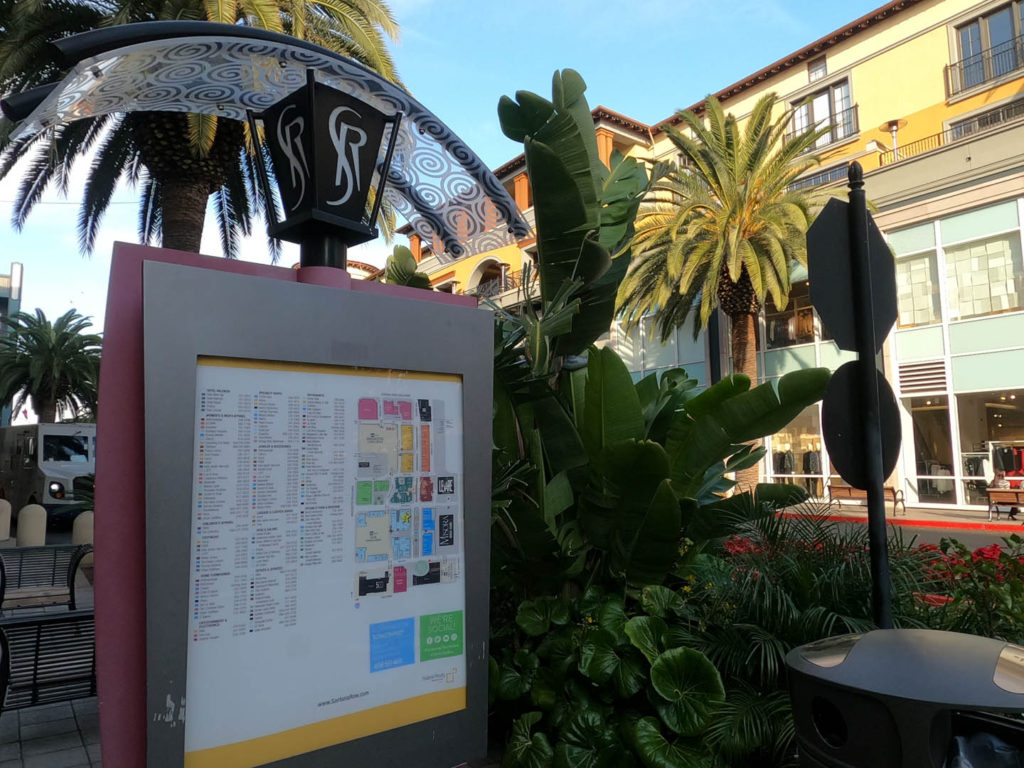
The transition from outside to inside is one of the highest-stress moments of any shopping trip for a pet. New smells, sounds, and visual stimuli all hit at once. A small decompression zone just inside the entrance or near the parking area at upscale retail district Santana Row— a wider landing area, perhaps a soft mat or bench, away from the main traffic flow — gives pets a moment to settle before moving deeper into the store. This doesn’t need to be a dedicated room or a major design investment. Even a few extra feet of open space near the door, combined with lower sensory intensity in that zone, can meaningfully reduce the spike in alertness that animals experience on entry. Owners appreciate the breathing room too.
Staff Behavior Is a Hidden Stress Factor
Store design creates the conditions for a calm visit. Staff behavior determines whether that calm is maintained. Employees who are enthusiastic about pets — but untrained in basic animal behavior — can inadvertently undo every sensory-design benefit in the building. A well-meaning staff member rushing toward a nervous dog with an outstretched hand is one of the most common sources of in-store pet stress, and it’s entirely avoidable with the right training. As pet-inclusive retail continues to grow, staff education in handling diverse pet temperaments has become an increasingly recognized priority across the industry.
Approach Calmly and Let the Pet Initiate Interaction
The single most important rule for staff interacting with pets in a retail setting: greet the owner first, and let the animal decide whether to engage. This means no rushing, no crouching directly in front of the dog’s face, no reaching into a cat carrier without explicit permission. Instead, staff should position themselves slightly to the side, speak in a calm, low tone, and wait. If the animal approaches, that’s an invitation. If it doesn’t, that’s a boundary that deserves respect. This approach — consistent with the American Veterinary Medical Association’s (AVMA) advocacy for Fear Free environments — signals to both the pet and the owner that the store is a safe, controlled space.
Recognize Stress Signals Before They Escalate
Stress in animals rarely appears out of nowhere. There’s almost always a progression — a series of low-level signals that, if caught early, allow staff to de-escalate before the situation becomes disruptive. Common early stress indicators in dogs include lip licking, yawning, whale eye (showing the whites of the eyes), tucked tail, ears pinned back, or a sudden freezing in place. In cats, flattened ears, low crouching in the carrier, rapid breathing, or hissing are clear signals that the environment has become too much. Staff trained to recognize these cues can respond by giving the animal more space, reducing nearby noise, or quietly alerting the owner — all of which prevent the situation from escalating into a full anxiety response that disrupts the store and distresses other shoppers.
Checkout Is Where Anxiety Spikes
Everything the store got right up to this point can unravel at the register. Checkout concentrates everything that stresses pets and owners: waiting, crowding, noise, payment logistics, and the pressure of managing an animal while juggling bags and a card reader. Checkout is a critical moment that can cause anxiety during a pet-friendly retail visit — and one that’s often overlooked in store planning. Getting it right doesn’t require a redesign; it requires intentional operational choices.
Minimize Wait Times and Crowding to Reduce End-of-Trip Stress
A dog that made it through forty minutes of calm browsing can still hit its limit in a five-minute checkout line. Queue management matters here in a way it often doesn’t for non-pet retailers. Enough open registers during peak hours, clear and simple queue layouts, and staff who move transactions efficiently all reduce the compression of people and animals at the front of the store. Keeping checkout counters uncluttered — no impulse-buy towers crowding the lane, no promotional audio playing near the register — lowers the sensory load right when pets and owners have the least bandwidth to manage it. Lower-gloss, non-slip surfaces near registers are a small but meaningful safety detail for smaller dogs that may be briefly lifted.
Carry-Out Assistance and Curbside Pickup Reduce Store Exposure for Anxious Pets
Not every pet can comfortably complete a full in-store visit, and the best pet-friendly retailers plan for that reality. Offering carry-out assistance for heavy bags of food or bulky items lets owners focus on guiding their animal safely through the store and parking lot rather than juggling merchandise. Curbside pickup is an even stronger option for owners with highly anxious pets — it removes the in-store exposure entirely while still serving the customer. These aren’t accommodations for edge cases; they’re signals that the store genuinely understands the challenges of shopping with an animal, and that builds the kind of loyalty that generates referrals within tight-knit pet owner communities.
Low-Cost Amenities With High Owner Impact
Some of the most effective anxiety-reducing features in a pet-friendly store cost almost nothing to implement. Operational amenities — the small, practical details that make a visit feel supported rather than stressful — communicate more about a store’s commitment to pet owners than almost any design element. They also reduce the specific kind of owner anxiety that comes from worrying about accidents, dehydration, or not knowing the rules.
Water Stations, Waste Bags, and Cleanup Supplies
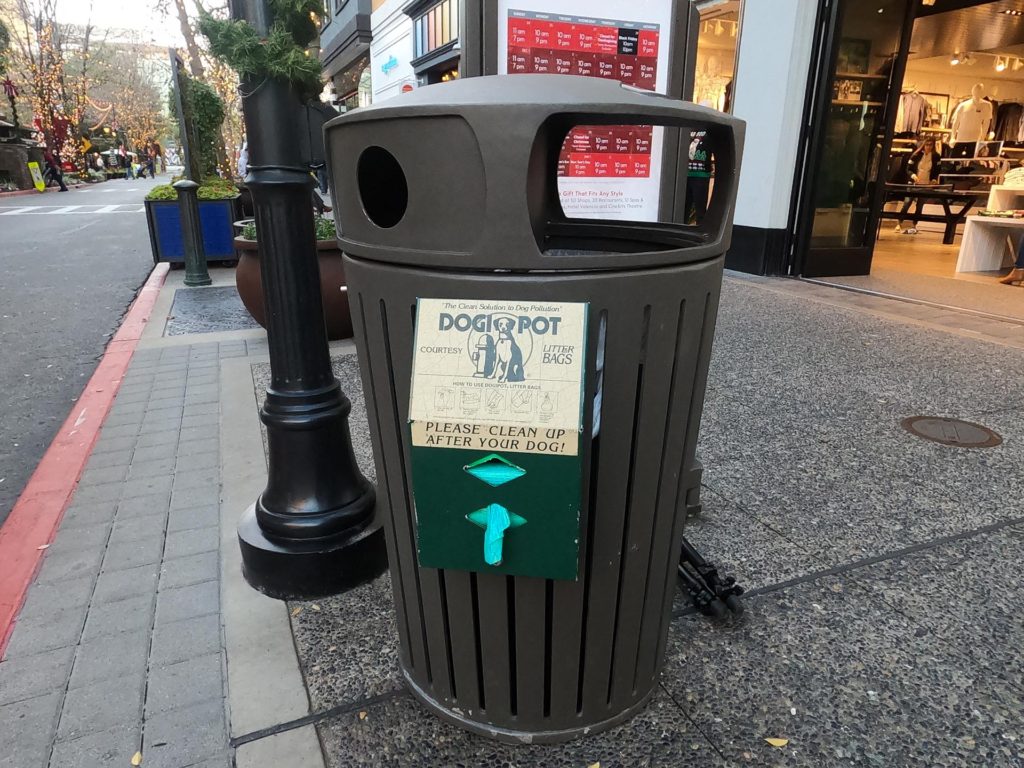
A water bowl near the entrance or at a midpoint in the store is a genuinely useful amenity, particularly for dogs on warmer days or after a walk to the parking lot. It signals that the store anticipated the needs of its animal visitors. Waste bag dispensers placed visibly at the entrance and at key points on the floor remove the awkwardness of an owner realizing they’ve run out. Enzyme-based cleanup spray and paper towels in an accessible, clearly marked spot tell owners that accidents are a handled, expected part of the environment — not an emergency. This removes one of the most common sources of owner embarrassment that cuts visits short. Easy-to-clean flooring and surfaces throughout the store reinforce this message passively.
Clear Pet-Zone Signage Reduces Conflict
Not every area of a store is equally appropriate for animals. Food prep areas, certain product zones, or sections with fragile merchandise may need to remain pet-free — and that’s entirely reasonable. What matters is that the rules are communicated clearly before an owner walks into the wrong area. Clear, friendly signage that outlines where pets are welcome, where leashes are required, and where food or water is available sets expectations without confrontation. Retail best practice guidance highlights that clear pet-etiquette signage benefits all shoppers — those with pets and those without — by removing ambiguity and preventing the minor conflicts that can create a negative in-store atmosphere. Well-placed signage is also a subtle message that the store has thought through the pet experience, which builds trust before a single product is picked up.
Beyond Pet Stores: Luxury Retail Can Apply This Too
The anxiety-free shopping framework isn’t limited to stores that sell kibble and squeaky toys. Boutiques, lifestyle retailers, garden centers, outdoor gear stores, hotel retail areas, and upscale home décor shops are increasingly inviting customers to bring their dogs — and the same design and operational principles apply, sometimes even more critically. In a luxury retail context, a stressed dog isn’t just an inconvenience for the owner; it’s a potential threat to the brand atmosphere, the merchandise, and other shoppers’ experience.
In high-end retail settings, anxiety-free design tends to blend naturally with the aesthetic preferences already common in upscale spaces: minimalist layouts with clear walkways, low-gloss or slip-resistant flooring, muted ambient lighting, and restrained use of fragrance. Discreet cleanup stations, elegant leash rings or waiting spots, and premium water bowls or treats can all be incorporated in ways that feel on-brand rather than utilitarian. Larger fitting rooms where dogs can stay with their owners — rather than being tied to a rack outside — are another detail that forward-thinking luxury retailers have begun to consider.
Staff training matters just as much in a boutique as in a pet store. A team member who understands basic dog body language can protect merchandise, preserve the calm atmosphere, and make the pet-owning customer feel genuinely valued. The payoff in luxury retail is substantial: a calm, well-managed pet-welcoming environment increases dwell time, encourages return visits, and generates strong word-of-mouth within pet-owner communities that tend to have high brand loyalty when they feel seen and respected.
Calmer Stores Build the Loyalty That Brings Pet Owners Back
Pet owners are not a casual customer segment. They shop frequently, they spend consistently, and they talk to each other — online, in parks, in training classes, in community groups. A store that gets the experience right earns something that no marketing budget can manufacture: genuine, unprompted recommendations from customers who feel like the store actually understands their life with an animal.
The connection between a calm in-store environment and long-term customer loyalty isn’t just intuitive — it’s supported by industry analysis showing that low-stress retail environments correlate directly with longer visits, higher average transaction values, and stronger repeat visit rates. When a dog leaves the store relaxed instead of rattled, the owner associates that positive experience with the store itself. When an owner feels prepared, supported, and not embarrassed during a visit, they come back — and they bring friends.
The stores winning this space aren’t doing anything dramatically expensive. They’re making consistent, intentional decisions about lighting, noise, flooring, staff behavior, checkout flow, and basic amenities. Each individual change is small. Collectively, they create the kind of environment where pets settle in, owners slow down, and a quick supply run turns into a browsing session. That’s the commercial case for anxiety-free pet shopping — and it’s one of the clearest examples in modern retail of how the customer experience and the bottom line point in exactly the same direction.
For pet store owners and retail managers ready to move from concept to practice, check out our resource section for tips and pointers for how to build genuinely pet-welcoming retail environments that serve animals, owners, and businesses alike.