
Why Real-Life Retail Experiences with Pets Drive Repeat Visits and Stronger Connections
Memorable retail experiences aren’t created by allowing dogs—they come from how easily people can move, shop, and spend time with their pets. When the experience works, customers return more often and build lasting loyalty.
Key Takeaways
- Pet-welcoming retail spaces create loyalty through real-life usability, not just policies.
- Smooth, low-friction experiences lead to longer visits and repeat behavior.
- Dogs naturally create moments of interaction that strengthen connection to a place.
- Consistency across stores builds trust and encourages multi-stop visits.
- Retail spaces that work in real life become part of customers’ routines.
Pet ownership continues to shape how people spend their time. With approximately 66% of U.S. households including pets—and an estimated 23 million households adding pets during the pandemic—more customers now expect to include their dogs in everyday activities like shopping.
This shift isn’t just changing where people go—it’s changing how they experience retail.
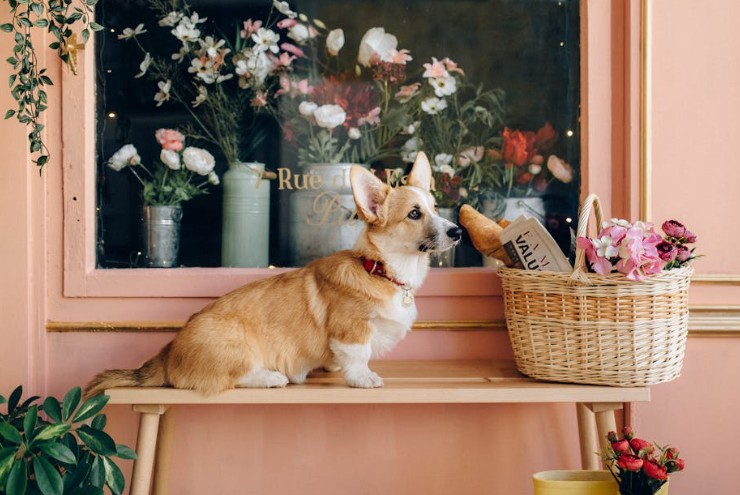
What Makes a Retail Experience Memorable in Real Life
Memorable retail experiences don’t come from features alone. They come from how the experience feels in motion.
- Entering a store is easy and low-stress
- Dogs remain calm and manageable in the space
- Movement between stores feels natural, not crowded or chaotic
- There are places to pause, reset, and continue
When people don’t have to think about managing their dog, they can focus on the experience itself. That’s what makes a visit feel enjoyable—and worth repeating.
How Ease of Movement Shapes the Experience
The ability to move comfortably through a retail space has a direct impact on how long people stay.
- Clear walkways reduce friction and hesitation
- Smooth transitions between indoor and outdoor spaces make multi-stop visits easier
- Access to shade, seating, and water allows people to extend their time
When movement feels easy, visitors naturally explore more. They stay longer, visit additional stores, and are more likely to return.
Why Positive Interactions Build Lasting Impressions
Retail spaces are social environments, and dogs often act as natural connectors.
- Conversations between visitors happen more easily
- Staff interactions feel more personal and memorable
- Familiar faces—both human and canine—build over time
These small moments shape how people remember a place. A positive, low-stress visit is far more likely to turn into a repeat habit.
Why Consistency Builds Trust
One good experience isn’t enough to create loyalty. Consistency is what turns a visit into a routine.
- Similar expectations across stores reduce uncertainty
- Staff awareness and comfort with dogs create a smoother experience
- Environments that consistently “work” build confidence over time
When customers know what to expect, they return without hesitation—and often choose those locations over others.
How Pet-Welcoming Spaces Become Part of Daily Routines
Retail spaces that support real-life use often become part of everyday patterns.
- Quick errands turn into longer visits
- Shopping trips combine with dining or social stops
- Customers return regularly because the experience is reliable
This routine-based behavior is one of the strongest drivers of customer loyalty. When a place fits easily into someone’s day, it becomes a default choice.
The Business Impact of Experience-Driven Retail
Retailers are already seeing the effects of this shift.
- Longer visit durations often lead to increased spending
- Multi-store visits increase overall engagement within a district
- Repeat customers reduce the need for constant new customer acquisition
As more shoppers seek out places where they can comfortably spend time with their pets, retail environments that support this behavior are positioned to benefit from sustained engagement and growth.
Creating Retail Spaces That Customers Return To
The goal isn’t simply to allow dogs—it’s to create an experience that works naturally from start to finish.
Retail spaces that focus on ease of movement, thoughtful design, and consistent expectations create environments people trust.
That trust leads to repeat visits, stronger connections, and experiences that customers remember—and return to over time.
For more insights on pet-welcoming environments, visit https://petscango.com/articles/