
How Real-Life Dining Experience Shapes Pet-Welcoming Restaurants
Many restaurants say they are pet-friendly, but the real difference shows up during the dining experience. From arrival to departure, how well a space supports real-life use determines whether both diners and their dogs feel comfortable and welcome.
Key Takeaways
- Pet-friendly policies alone do not create a pet-welcoming restaurant—real-life usability does.
- Layout, spacing, and staff awareness directly impact the dining experience.
- Well-trained, socialized dogs are essential to successful pet-welcoming environments.
- Clear expectations reduce conflicts and improve comfort for all guests.
- Restaurants that get this right build loyalty, repeat visits, and stronger community presence.
The restaurant industry continues to evolve as pet ownership grows across the U.S. With more diners looking to bring their dogs along, restaurants have an opportunity to create experiences that go beyond simply allowing pets. Success depends on how well the environment supports shared dining in real life.
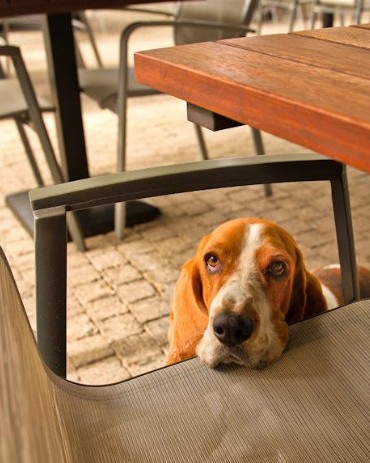
What Makes a Restaurant Actually Work for Diners with Dogs
The difference between pet-friendly and pet-welcoming becomes clear when you look at how the dining experience unfolds.
Arrival and Seating
- Can guests easily enter without navigating tight or crowded spaces?
- Are outdoor seating areas accessible without passing through indoor dining spaces?
- Is there enough room to settle a dog comfortably without disrupting other diners?
Table Layout and Space
- Adequate spacing between tables reduces stress for both dogs and guests
- Clear pathways help servers move safely without navigating leashes
- Designated outdoor areas can help balance different comfort levels among diners
During the Meal
- Dogs need a safe place to rest without blocking walkways
- Water access and shade are essential for comfort
- Leash placement matters—loose leashes in tight spaces create safety risks
Staff Interaction and Awareness
- Staff who are comfortable around dogs help set the tone
- Clear, consistent expectations prevent confusion
- Awareness of both pet-owning and non-pet-owning guests is key
Why Behavior and Expectations Matter
A pet-welcoming restaurant depends as much on behavior as it does on design.
- Well-trained, socialized dogs are easier to accommodate in shared spaces
- Owners who manage their dogs responsibly help maintain a positive environment
- Clear expectations around behavior reduce complaints and improve overall experience
Restaurants that communicate expectations clearly tend to experience fewer issues and greater success with pet-welcoming policies.
Amenities That Support Real-Life Dining
Amenities can enhance the experience—but only when they support how people actually dine.
- Water bowls and shaded seating areas
- Durable, easy-to-clean materials
- Thoughtful outdoor setups that account for weather and traffic flow
The most effective amenities are practical, not decorative.
Why Pet-Welcoming Restaurants Build Loyalty
Restaurants that create comfortable, functional environments for diners with dogs often see strong benefits.
- Repeat visits from pet owners who value the experience
- Increased word-of-mouth within local communities
- A differentiated brand that stands out in competitive markets
When the experience works, customers return—and bring others with them.
What Restaurants Need to Know About Regulations
Regulations still play a role in shaping what is possible.
- The FDA Food Code allows flexibility for outdoor dining areas where approved
- State and local laws determine how and where dogs are permitted
- Service animals must be allowed under ADA requirements regardless of pet policies
Understanding these basics helps restaurants operate confidently while focusing on the experience.
Creating Restaurants That Truly Work
The goal isn’t simply to allow dogs—it’s to create an environment where diners, pets, and staff can comfortably share space.
Restaurants that focus on real-life usability, clear expectations, and thoughtful design create experiences that feel natural rather than forced.
For more insights on pet-welcoming environments, visit https://petscango.com/articles/