
Key Takeaways
- Cheetahs typically live 10-12 years in the wild but can reach up to 20 years in captivity due to consistent food supply and veterinary care.
- These remarkable cats can accelerate from 0 to 60 mph in just three seconds and reach top speeds of 70 mph, making them the fastest land animals.
- Despite their fearsome speed, cheetahs are actually the least dangerous big cats to humans and have been historically tamed for hunting purposes.
- The cheetah population has declined by more than 90% over the last century, with fewer than 7,000 remaining in the wild today.
- Conservation efforts by organizations like the Cheetah Conservation Fund are working to protect these magnificent animals through habitat preservation and community education programs.
The sleek, spotted sprinter of the African savanna faces a race against time. Cheetahs, with their tear-marked faces and incredible speed, captivate our imagination but struggle to survive in our changing world. The Cheetah Conservation Fund works tirelessly to protect these magnificent cats through research, habitat management, and community partnerships, offering hope for their future.
Understanding the cheetah’s remarkable adaptations, lifestyle, and challenges helps us appreciate why they deserve our protection. From their astounding speed to their surprisingly gentle nature, these cats are truly unique among predators.
Cheetahs: The Sprinting Specialists of the Wild
Graceful and built for speed, cheetahs stand apart from all other big cats with their specialized adaptations for high-velocity hunting. Unlike their powerfully built cousins like lions and tigers, cheetahs feature a slender, aerodynamic body with a flexible spine that acts like a spring during acceleration. Their distinctive black tear marks running from eye to mouth serve a practical purpose—reducing glare from the sun during daytime hunts, similar to how athletes use black grease under their eyes.
As the sole surviving member of the genus Acinonyx, cheetahs represent an ancient lineage that evolved specifically for pursuit hunting rather than ambush tactics. Their hunting strategy centers on short, explosive chases rather than the stalking approach favored by other felines. This remarkable specialization has made them the fastest land animal but also contributes to their vulnerability in today’s changing landscapes.
Cheetah Lifespan: How Long These Speed Demons Actually Live
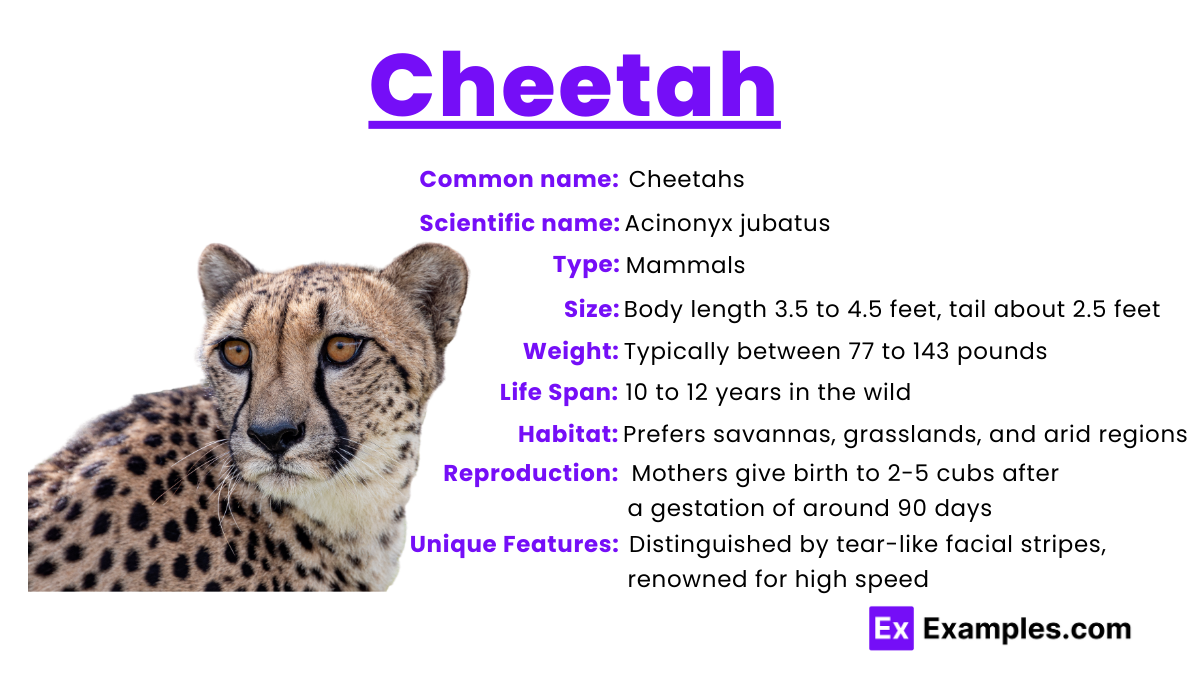
Cheetahs face numerous challenges that impact their longevity in the wild. The typical wild cheetah lives between 10 and 12 years, with males often having shorter lives (around 8 years) due to territorial conflicts with other males and larger predators. Their specialized physiology, while perfect for sprinting, leaves them vulnerable to larger predators like lions that frequently steal their kills or kill their cubs.
The intense physical demands of their high-speed hunting lifestyle also take a toll on their bodies. Each hunt requires enormous energy expenditure, and cheetahs must rest extensively between hunts. The strain of repeatedly accelerating to extreme speeds contributes to earlier physical deterioration compared to other big cats. Learn more about these fascinating animals with these fun facts about cheetahs.
“Cheetah – Description, History …” from www.examples.com and used with no modifications.
Wild vs. Captive Lifespans
In captivity, cheetahs often enjoy significantly longer lives, frequently reaching 17 to 20 years of age. This extended lifespan results from regular meals without the exertion of hunting, veterinary care, and protection from larger predators and territorial conflicts. However, captive cheetahs face their own challenges, including stress-related diseases and reproductive difficulties.
The disparity between wild and captive lifespans highlights the difficult balance cheetahs must maintain in their natural habitat. While they’ve evolved extraordinary speed and hunting precision, these adaptations come with costs to longevity when measured against the protected environment of captivity.
Cheetah Lifespan Comparison
Wild Cheetahs: 10-12 years (average)
Wild Male Cheetahs: 8 years (average)
Captive Cheetahs: 17-20 years (average)
Factors That Impact Cheetah Longevity
Several key factors determine how long a cheetah will survive in the wild. Food availability stands as perhaps the most critical factor—cheetahs must successfully hunt every few days to maintain their health. Competition with other predators significantly impacts their survival, as lions, hyenas, and leopards frequently steal their hard-earned meals, forcing cheetahs to hunt more frequently and expend precious energy.
Habitat fragmentation and human encroachment have dramatically reduced suitable cheetah territory, forcing these cats to travel farther for prey and increasing conflicts with farmers when they target livestock. Additionally, cheetahs suffer from low genetic diversity due to a population bottleneck that occurred around 12,000 years ago, making them more susceptible to disease and reproductive issues.
Cub mortality represents another significant challenge, with studies showing only about 10% of cheetah cubs surviving to adulthood in some regions. Predation by lions and hyenas accounts for many of these deaths, as mother cheetahs cannot defend against these larger predators. For those interested in learning about other unique feline characteristics, check out this Savannah cat breed expert interview.
The Science Behind Cheetah Speed
The cheetah’s legendary speed comes from a complete evolutionary commitment to velocity over power. These remarkable cats can accelerate from 0 to 60 mph in just three seconds—faster than most sports cars—and reach top speeds of 70 mph (110 km/h). However, they can maintain this extraordinary pace for only about 20-30 seconds before overheating becomes dangerous.
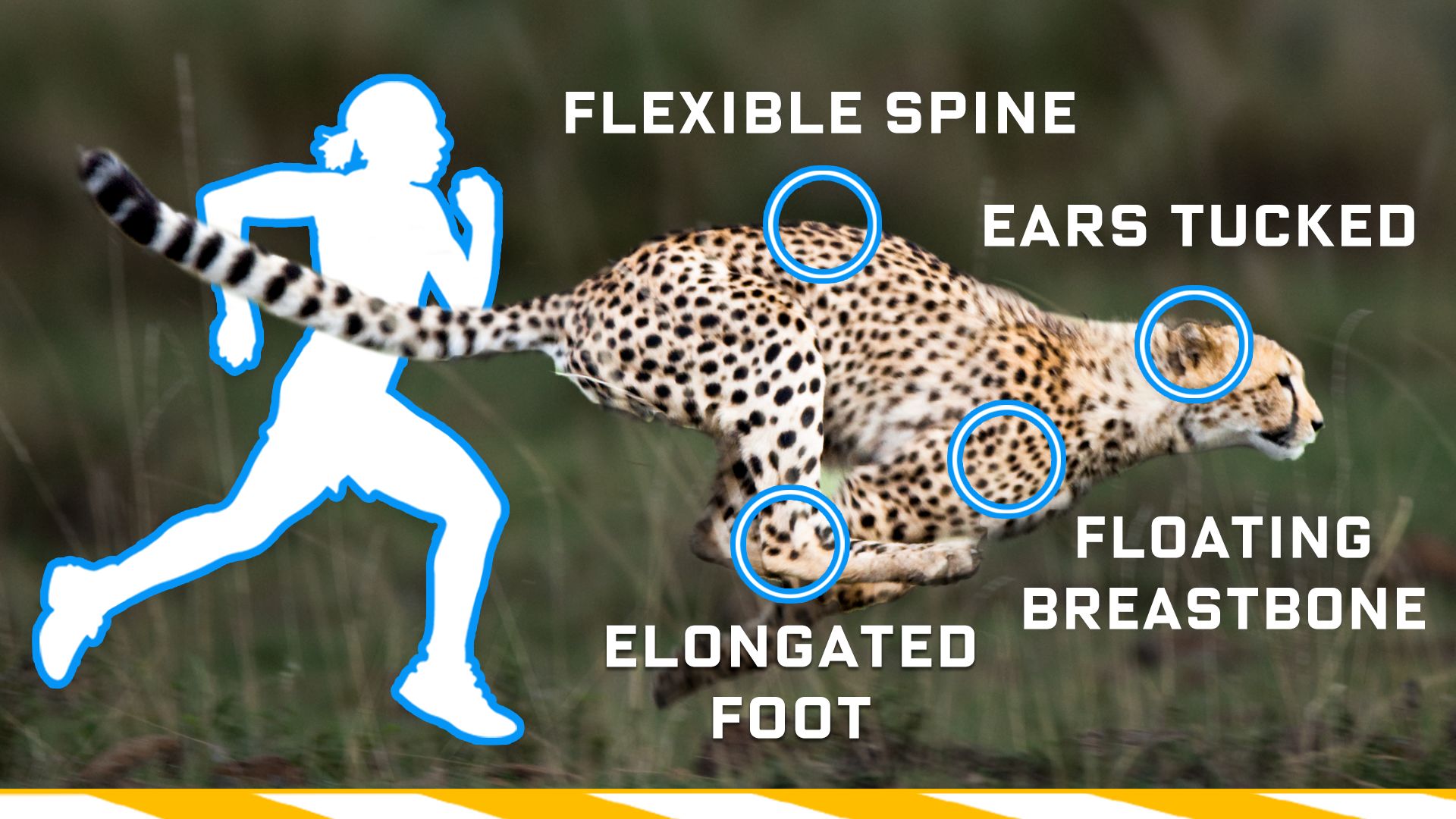
Their entire body functions as a speed machine, with specialized adaptations found in no other cat species. During a high-speed chase, a cheetah spends more than half its time airborne, with strides measuring up to 7 meters (23 feet) in length. This incredible locomotion requires precise coordination between muscular and skeletal systems that have evolved specifically for rapid acceleration and sustained speed.
“Humans Can’t Run Cheetah Speeds (70mph …” from www.wired.com and used with no modifications.
Unique Body Structure for Maximum Acceleration
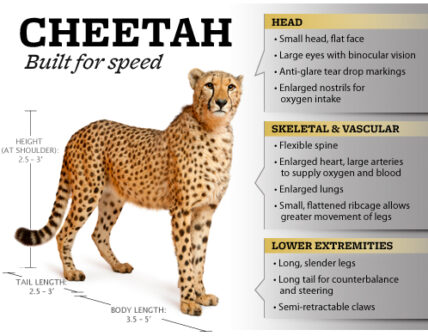
The cheetah’s body showcases perfect adaptation for sprint hunting. Their elongated spine acts as a powerful spring, flexing and extending with each bound to maximize stride length. Unlike other cats, cheetahs have a small, aerodynamic head with enlarged nasal passages and lungs that allow for increased oxygen intake during high-speed pursuits. Their lightweight frame—typically just 70-140 pounds—reduces the energy required for acceleration while their deep chest houses oversized heart and lungs.
Special Adaptations in Feet and Claws
Unlike other big cats, cheetahs have semi-retractable claws that function more like cleats on a runner’s shoe than typical feline weapons. These specialized claws provide crucial traction during high-speed turns and acceleration, preventing dangerous slips at maximum velocity. Their unique foot pads are harder and less rounded than other cats, creating a more direct contact surface with the ground that enhances grip and speed.
The cheetah’s paws feature distinctive digital pads arranged in a way that maximizes surface contact during the precise moment of propulsion. This adaptation gives them extraordinary control during complex maneuvers, even when chasing prey that makes sudden directional changes. Additionally, their lightweight foot structure reduces the energy cost of each stride, allowing for more efficient acceleration.
The Role of Their Tail in High-Speed Hunting
A cheetah’s long, flat tail isn’t merely decorative—it functions as a crucial counterbalance and rudder during high-speed chases. At maximum speed, the tail acts as a stabilizer, allowing the cheetah to make sharp turns without losing balance or momentum. When a prey animal zigzags to escape, the cheetah will use its tail like a boat rudder, whipping it in the opposite direction of the turn to maintain stability.
This remarkable appendage also serves as a visual signal for cubs following their mother and can communicate excitement or agitation through specific movements. Researchers have observed that cheetahs with damaged tails often show reduced hunting success, demonstrating how critical this adaptation is to their survival strategy.
The Incredible Cheetah Heart
The cheetah’s cardiovascular system represents one of nature’s most impressive adaptations for extreme athletic performance. Their heart is proportionally larger than most mammals’, including other big cats, allowing it to pump enormous volumes of oxygen-rich blood to muscles during high-speed pursuits. This oversized pump works in concert with enlarged adrenal glands that flood the system with performance-enhancing hormones during a chase.
What makes the cheetah’s cardiovascular system truly remarkable is its ability to ramp up from rest to maximum output in seconds. A resting cheetah’s heart beats at about 120 beats per minute—already higher than most large mammals—but during a chase, it can skyrocket to over 250 beats per minute almost instantly. For those interested in unique feline breeds, you might also want to explore the fascinating Savannah cat breed.
“What makes a Cheetah So Fast? | Thomson …” from thomsonsafaris.com and used with no modifications.
Size and Capacity Compared to Other Big Cats
The cheetah’s heart comprises approximately 0.6% of its total body weight, significantly larger than most mammals’ hearts, which average around 0.4%. This proportional difference gives cheetahs superior oxygen delivery capabilities during intense exertion. For comparison, a lion’s heart makes up about 0.45% of its body weight, despite the lion being a much more powerful animal overall.
This specialized pump works in conjunction with a larger-than-average blood volume and higher red blood cell count to deliver extreme performance. The cheetah’s cardiovascular adaptations represent evolutionary specialization for short, intense bursts of activity rather than the sustained strength that characterizes other big cats like lions and tigers.
How Their Cardiovascular System Enables Extreme Speed
During a high-speed chase, a cheetah’s entire circulatory system undergoes dramatic changes. Blood vessels to non-essential organs constrict, redirecting oxygenated blood to the powerful muscles driving the chase. Their specialized hemoglobin binds oxygen more efficiently than in other cats, ensuring maximum delivery to working tissues even as oxygen demand spikes dramatically.
Perhaps most impressive is the cheetah’s recovery system. After a chase, specialized cooling mechanisms prevent dangerous overheating, including increased respiratory rates and unique blood vessel arrangements that dissipate heat efficiently. Their nasal passages contain specialized structures that cool incoming air rapidly, protecting their brain from the extreme heat generated during maximum exertion. For those interested in the health and well-being of other animals, understanding the benefits and risks of spaying and neutering can also provide valuable insights.
This cardiovascular marvel comes with limitations, however. The intense strain of operating at maximum capacity means cheetahs can maintain top speed for only 20-30 seconds before risking dangerous overheating or muscle damage. This constraint shapes their entire hunting strategy, forcing them to get extremely close to prey before initiating a chase.
Cheetah Cardiovascular Facts
Resting Heart Rate: 120-150 beats per minute
Maximum Heart Rate: 250+ beats per minute
Heart Size: 0.6% of body weight (compared to 0.45% in lions)
Maximum Sprint Duration: 20-30 seconds
Recovery Time Needed: 15-30 minutes after maximum exertion
Cheetah Behavior: Friend or Foe to Humans?
Despite their fearsome speed and predatory nature, cheetahs rank as the least dangerous big cats to humans. Their slender build and relatively weak jaws evolved for quick kills of small to medium prey, not for confrontations with larger animals. Unlike lions, tigers, or leopards, cheetahs almost never view humans as potential prey. Their natural instinct when encountering people is to flee rather than fight, making unprovoked attacks extraordinarily rare.
This non-aggressive disposition toward humans has historical significance. For thousands of years across multiple civilizations, cheetahs were tamed (though never truly domesticated) and trained for hunting. Their trainability and natural aversion to attacking humans made them valuable companions for royalty from ancient Egypt to India and Persia.
Historical Relationships with People
Human fascination with cheetahs stretches back millennia. Ancient Egyptian pharaohs kept cheetahs as hunting companions and status symbols, with artifacts depicting collared cheetahs dating back over 5,000 years. In medieval India and Persia, cheetahs served as “hunting leopards” for nobility, trained to chase down game and return to their handlers—a practice that continued into the early 20th century.
These historical relationships were possible because of the cheetah’s unique temperament among big cats. Unlike truly domesticated animals, however, captive cheetahs remained essentially wild, with each generation requiring individual taming. This relationship demonstrates the cheetah’s relative tolerance of human proximity compared to other large predators.
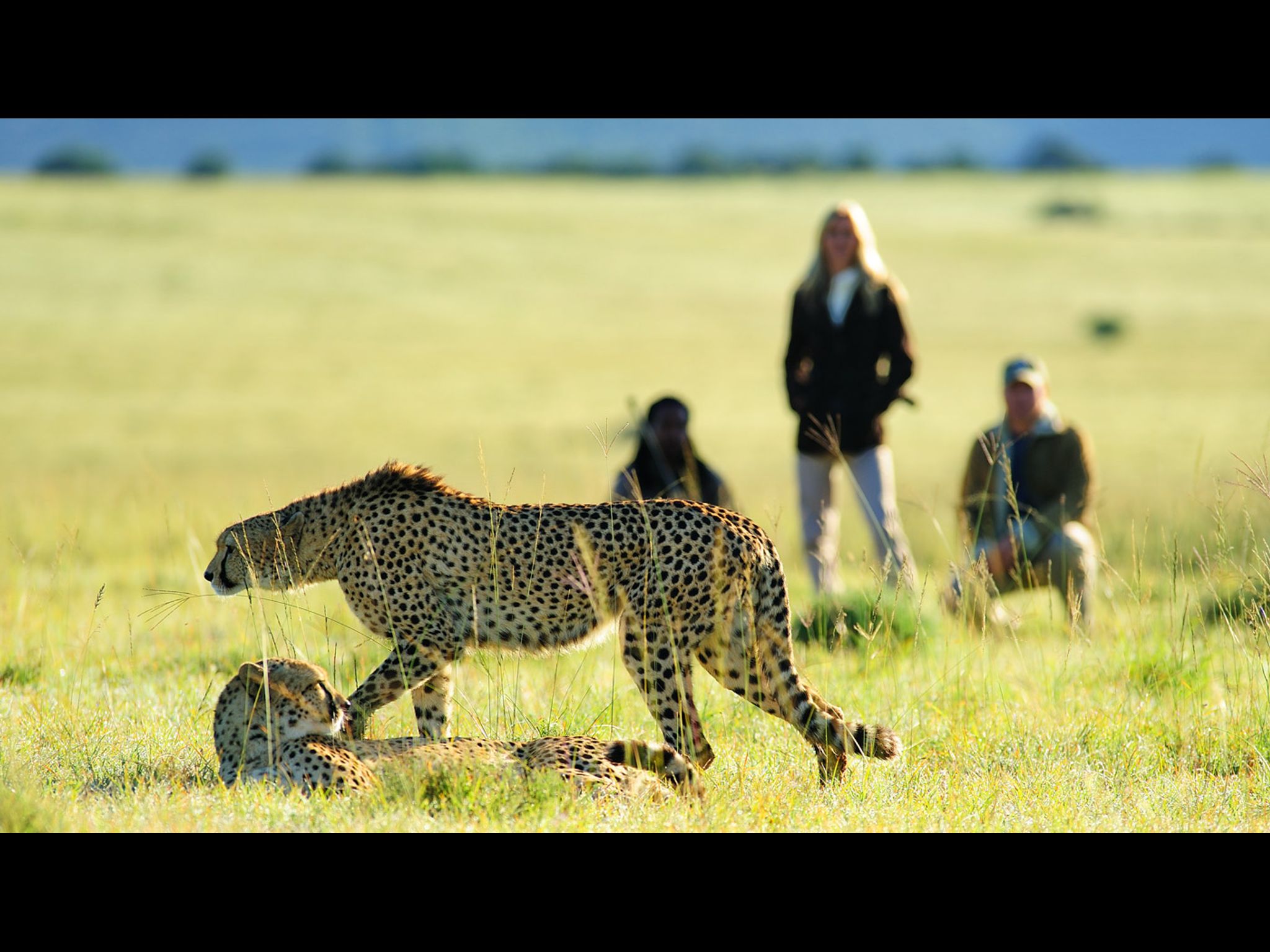
Even today, captive cheetahs in conservation programs often show remarkable tolerance for human handlers, though experts emphasize they remain wild animals with natural instincts and should never be treated as pets. Their characteristic chirping vocalization and tendency to purr rather than roar further reinforces their reputation as the “gentlest” of big cats. However, they are wild animals and should be treated and respected as such- they are not pretty kitties wanting to be petted or appropriate pets.
“What It’s Like to Take a Walking Safari …” from www.cntraveler.com and used with no modifications.
Real Danger Assessment
The statistical risk of cheetah attacks on humans remains exceptionally low. Verified reports of wild cheetah attacks are exceedingly rare, with virtually no fatalities recorded in modern times. When confrontations do occur, they typically involve mothers defending cubs or cornered animals with no escape route. Even in these cases, cheetahs prefer intimidation displays over actual attacks.
This safety record stands in stark contrast to other big cats. Lions and tigers kill dozens of people annually, and leopards—often living in closer proximity to human settlements—are responsible for numerous attacks each year. The cheetah’s evolutionary path as a specialized pursuit predator of small game, rather than an ambush hunter of larger prey, largely explains this behavioral difference.
Why They Appear More Docile Than Other Big Cats
Cheetahs evolved as specialized daytime hunters that rely on speed rather than strength. Unlike lions and tigers that need to overpower large prey, cheetahs developed a more cautious temperament that helps them avoid injuries that could compromise their hunting ability. Their smaller size, lighter build, and inability to roar physiologically place them in a different category than traditional “big cats” like lions, tigers, leopards, and jaguars.
Additionally, cheetahs possess a unique social flexibility not seen in other wild felids. Males may form cooperative coalitions (usually of brothers) that hunt and defend territory together, while females are typically solitary except when raising cubs. This social adaptability may contribute to their generally more tolerant attitude toward handlers in captivity and their historical amenability to being tamed.
Researchers have also discovered that cheetahs have lower levels of certain aggressive hormones compared to other big cats, possibly explaining their relatively mild disposition. This biological difference, combined with their specialized hunting strategy, creates a predator that, while lethal to gazelles and impalas, poses minimal threat to humans. For those interested in understanding more about feline behavior, the Savannah cat breed expert interview offers insights into another unique feline.
Spot the Difference: Cheetah vs. Leopard
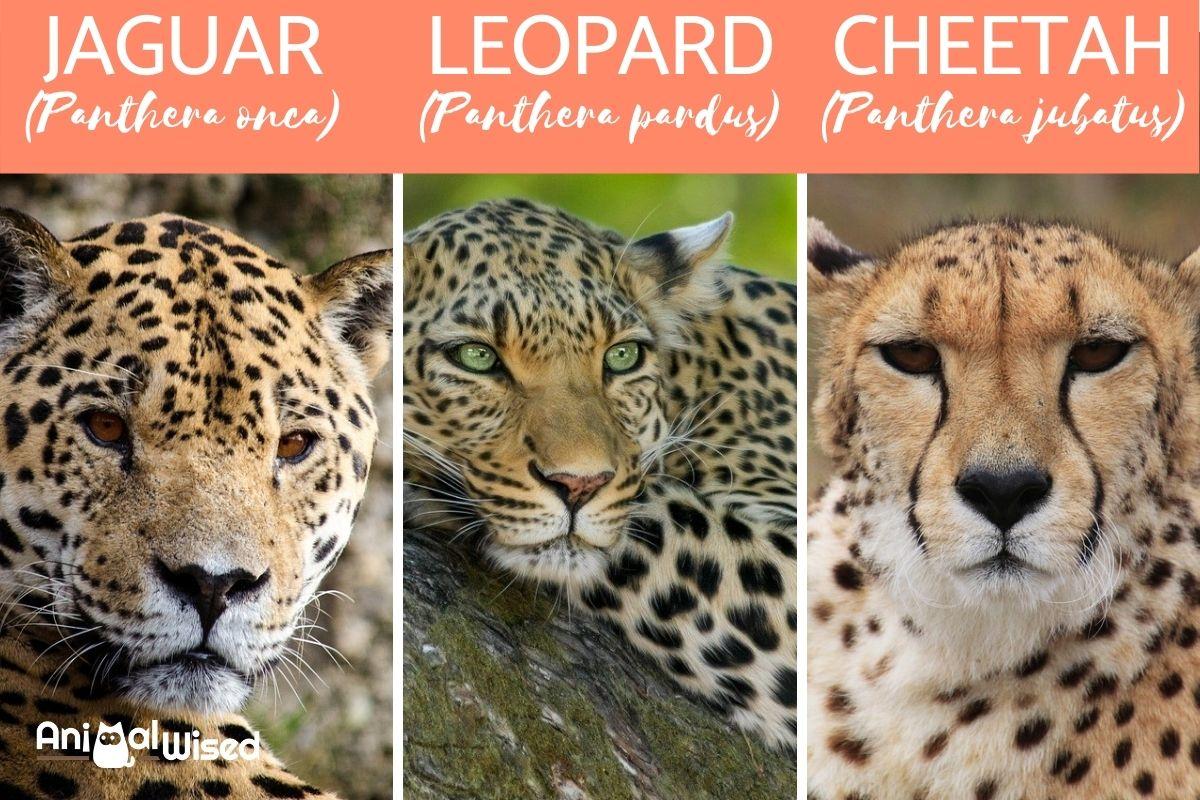
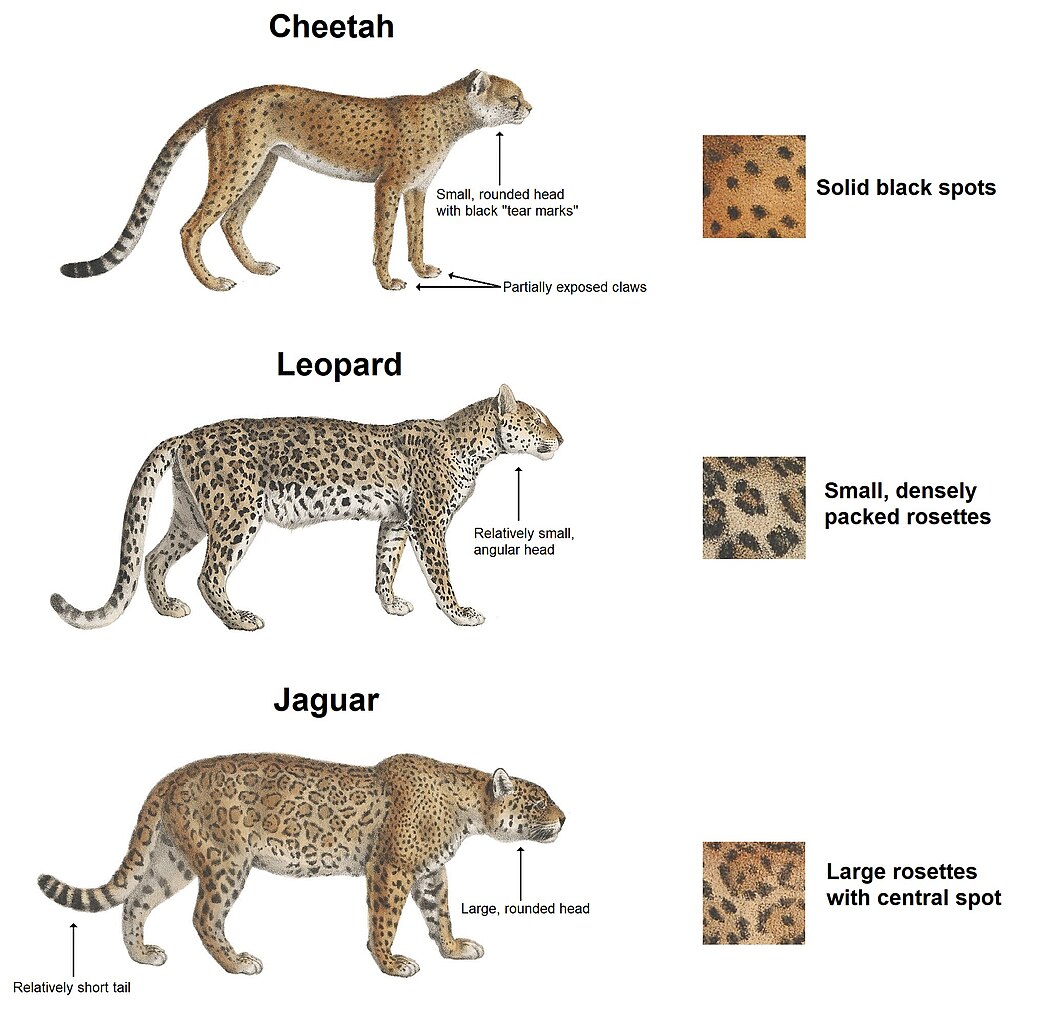
Though frequently confused, cheetahs and leopards represent dramatically different evolutionary paths within the cat family. The most obvious visual distinction lies in their spots—cheetahs feature solid, round black spots, while leopards have more complex rosettes (spots with a tan center surrounded by black). Beyond markings, cheetahs have distinctive black “tear marks” running from their eyes to their mouths that leopards lack entirely.
Body structure tells an even clearer story of their differences. Cheetahs possess slender, greyhound-like builds designed for speed, while leopards are muscular and stocky, built for power and climbing. A cheetah’s head is notably smaller and more rounded than a leopard’s more angular skull, accommodating different hunting strategies and prey preferences.
“difference between a leopard and a cheetah” from thisbugslife.com and used with no modifications.
Physical Distinctions Beyond the Spots
The physiological differences between these cats reflect their specialized lifestyles. Cheetahs have semi-retractable claws that function more like running spikes, while leopards possess fully retractable claws optimized for climbing and gripping prey. A cheetah’s tail is notably longer and flatter than a leopard’s, functioning as a rudder during high-speed chases, whereas the leopard’s shorter tail assists primarily with balance during climbing.
Size differences also help distinguish these cats. Adult cheetahs typically weigh 70-140 pounds with a lean, lanky appearance, while leopards are more compact but heavier, weighing 80-175 pounds with significantly more muscle mass. The cheetah’s chest is deeper to accommodate larger lungs and heart, while the leopard’s broader shoulders and powerful limbs enable it to drag prey twice its weight up into trees—something a cheetah cannot do.
Behavioral and Hunting Differences
Hunting techniques sharply differentiate these spotted cats. Cheetahs hunt primarily during daylight, using their extraordinary speed to chase down prey in open areas. They kill with a suffocating bite to the throat, typically targeting smaller antelopes like gazelles and impalas. After a successful hunt, cheetahs must rest before eating to recover from the intense exertion, making them vulnerable to having their kills stolen.
Leopards, conversely, are primarily nocturnal ambush predators that rely on stealth and explosive power rather than sustained speed. They can take down prey much larger than themselves and famously hoist kills into trees to protect them from scavengers and other predators. Unlike the specialized cheetah, leopards are generalist hunters with incredibly diverse diets ranging from dung beetles to large antelopes. For those considering exotic pets, it’s crucial to understand why animals like leopards are not appropriate as pets.
Habitat Preferences
Habitat selection further highlights these cats’ different evolutionary paths. Cheetahs require open or semi-open savanna and grasslands that allow them to utilize their speed advantage. They typically avoid dense forests or mountainous regions that would restrict their ability to accelerate and pursue prey. Their daytime hunting pattern also means they select habitats where they can effectively spot prey from a distance.
Leopards, among the most adaptable of all big cats, thrive across a remarkable range of habitats from rainforests to deserts, mountains to coastlines. Their exceptional climbing abilities and ambush hunting style allow them to utilize three-dimensional space in ways cheetahs cannot. This adaptability has helped leopards maintain a wider distribution than cheetahs, which face more significant habitat constraints.
Cheetah vs. Jaguar: Not Even Close Cousins
Cheetahs and jaguars represent opposite extremes in the big cat spectrum despite their superficial similarities as spotted cats. Jaguars, native to the Americas, are powerfully built ambush predators with the strongest bite force of any big cat relative to size. Cheetahs, native to Africa and historically parts of Asia, evolved for speed at the expense of raw power. These cats diverged evolutionarily millions of years ago, with cheetahs being the only surviving member of their genus (Acinonyx).
The distinction extends beyond physical characteristics to their entire ecological niche. Jaguars thrive in humid rainforests and wetlands, while cheetahs require open landscapes to utilize their speed. Understanding these differences helps conservation efforts for both species, as they face different threats and require different protection strategies.
“File:Cheetah, leopard & jaguar (en).jpg …” from en.m.wikipedia.org and used with no modifications.
Size and Strength Comparisons
The jaguar dramatically outclasses the cheetah in terms of raw power and strength. Adult male jaguars typically weigh between 200-300 pounds with exceptionally muscular builds, while cheetahs weigh just 70-140 pounds with slender frames optimized for acceleration rather than force. A jaguar’s skull and jaw structure allows it to deliver a crushing bite that can pierce turtle shells and break through the thickest part of prey skulls—a hunting technique unique among big cats.
This strength difference is evident in the prey each cat targets. Jaguars routinely take down caimans, capybaras, and large mammals weighing more than themselves. Cheetahs, by contrast, typically hunt smaller antelopes and occasionally young of larger species. The jaguar’s stocky, powerful build gives it climbing and swimming abilities that far surpass the cheetah’s more specialized terrestrial adaptations.
Hunting Techniques
Hunting strategies between these cats could hardly be more different. Jaguars employ a unique killing technique, often biting directly through the skull of their prey between the ears, using their exceptional jaw strength to deliver a swift, crushing death. They hunt by stealth, often from water’s edge or tree branches, relying on ambush rather than pursuit. Their powerful build allows them to drag large prey considerable distances, even up into trees.
Cheetahs, as pursuit specialists, run down prey in open areas after carefully stalking to within 100 meters before launching their high-speed attack. They kill by suffocation, clamping their relatively weak jaws around the prey’s windpipe and holding on until it asphyxiates. After a kill, cheetahs must guard their meal vigilantly as they lack the strength to move large prey to safety or defend it against larger predators and scavengers.
Geographic Distribution
These cats evolved on different continents and have never naturally shared habitat. Jaguars range from the southwestern United States through Central America and into South America as far south as northern Argentina. They reach their highest densities in the Amazon Basin and Pantanal wetlands, thriving in humid, densely vegetated environments with abundant water.
Cheetahs historically ranged across Africa and into parts of the Middle East and India, though today they’re primarily confined to fragments of their former range in sub-Saharan Africa, with a small population in Iran. Unlike the forest-dwelling jaguar, cheetahs require open grasslands, savannas, and semi-arid environments that support both their hunting technique and their preferred prey species. For those interested in exotic pets, it’s important to understand why a Savannah cat may be a more suitable option than a wild cheetah.
Cheetah Facts vs. Fiction
Misconceptions about cheetahs abound in popular culture, often conflating them with other big cats or exaggerating certain aspects of their behavior. Setting the record straight helps foster accurate understanding and more effective conservation. Perhaps the most common myth involves cheetahs’ danger to humans—contrary to sensationalized portrayals, these cats rarely show aggression toward people and historically have been tamed (though never truly domesticated) more readily than any other big cat.
Another persistent misunderstanding involves cheetah hunting success. While they are the fastest land animals, their hunting success rate hovers around 50%—not the near-perfect efficiency often portrayed. Each failed hunt represents a significant energy expenditure with no nutritional return, highlighting the precarious balance these specialized predators must maintain to survive.
They Don’t Roar (And Other Vocal Truths)
Unlike lions, tigers, leopards, and jaguars, cheetahs cannot roar due to fundamental differences in their throat anatomy. The hyoid bone in their throat is rigid rather than flexible, preventing the deep, resonant vocalizations that characterize other big cats. Instead, cheetahs produce a distinctive repertoire of sounds including chirps, churrs, and high-pitched yelps that more closely resemble bird calls than typical feline vocalizations.
Most famously, cheetahs can purr like domestic cats, both while inhaling and exhaling. This purring ability, combined with their inability to roar, actually places them taxonomically closer to small cats like pumas and housecats than to traditional “big cats.” Their unique vocalizations serve important communication functions, particularly between mothers and cubs, who can become separated in tall grass during hunts.
The Truth About Their Hunting Success Rate
Despite their extraordinary speed and specialized hunting adaptations, cheetahs successfully catch prey in only about 50% of hunts. This success rate, while impressive among predators, dispels the myth of cheetahs as nearly infallible hunters. Even when they do make a kill, they lose up to 10-15% of their hard-earned meals to larger predators and scavengers, forcing them to hunt more frequently than other big cats. To learn more about the differences between cheetahs and other big cats, check out this comparison of cheetahs, jaguars, and leopards.
Each chase represents an enormous physiological investment, with body temperatures rising dangerously and energy reserves depleting rapidly. Failed hunts exact a heavy toll, requiring significant recovery time without nutritional payoff. This reality helps explain why cheetahs remain vulnerable despite their impressive physical capabilities—their specialized hunting strategy works brilliantly when successful but leaves little margin for error in challenging conditions.
Debunking Common Cheetah Myths
Contrary to popular belief, cheetahs do not typically live in dense jungles or forests. Their speed-based hunting strategy requires open terrain, making savannas and grasslands their preferred habitat. Another persistent myth suggests cheetahs never drink water, relying solely on moisture from prey—in reality, they drink regularly when water is available, though they can survive for extended periods without direct water intake if necessary. For more fun facts about cheetahs, explore additional resources.
Many people believe cheetahs cannot climb trees due to their non-retractable claws, but this is only partially true. While they don’t climb with the agility of leopards, young cheetahs can and do climb trees, particularly in areas where they face threats from other predators. Adult cheetahs generally avoid climbing because injuries could compromise their hunting ability, not because they physically cannot climb.
Perhaps the most dangerous myth is that cheetahs make good exotic pets. Despite their relatively docile nature compared to other big cats, cheetahs require specialized diets, extensive space to run, and expert veterinary care. The illegal pet trade continues to threaten wild populations while resulting in suffering for captive individuals kept in inappropriate conditions.
Why Cheetahs Face Extinction
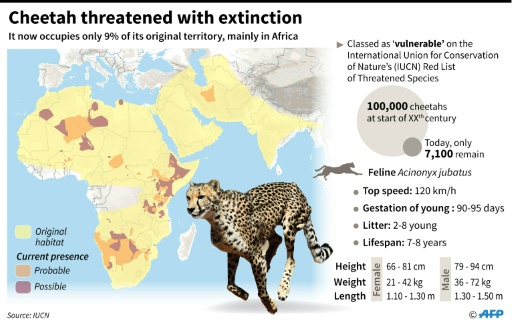
Cheetahs face a perfect storm of threats that have reduced their global population by more than 90% over the last century. Today, fewer than 7,000 cheetahs remain in the wild, with the majority confined to fragmented habitats in southern and eastern Africa. Their specialized nature makes them particularly vulnerable to human-driven landscape changes, as they require large territories of suitable habitat to maintain viable populations. Learn more about the Savannah cat breed and their unique characteristics.
Unlike more adaptable predators, cheetahs cannot easily adjust to modified landscapes or alternative prey sources. Their low genetic diversity—resulting from a population bottleneck approximately 12,000 years ago—further compromises their resilience, making disease outbreaks and environmental changes potentially catastrophic. Without concerted conservation efforts, cheetahs could disappear from the wild within a generation.
Habitat Loss and Fragmentation
The conversion of natural grasslands and savannas to agricultural land represents the single greatest threat to cheetah survival. These cats require vast territories—adult males may patrol ranges exceeding 800 square kilometers (300 square miles)—making them particularly vulnerable to habitat fragmentation. When their habitat is divided by roads, farms, and settlements, cheetah populations become isolated, leading to inbreeding and reduced genetic viability.
Habitat loss also impacts prey availability, forcing cheetahs to travel greater distances between successful hunts. This increased energy expenditure comes with heightened exposure to dangers including vehicle collisions, poacher snares, and conflicts with farmers protecting livestock. Conservation strategies increasingly focus on maintaining wildlife corridors between protected areas, allowing cheetahs to move safely across landscapes and maintain genetic connectivity between populations.
“cheetah as study reveals extinction threat” from phys.org and used with no modifications.
Human-Wildlife Conflict
As natural prey becomes scarcer, cheetahs occasionally target livestock, bringing them into direct conflict with farmers and ranchers. These conflicts often result in retaliatory killing, with cheetahs shot, poisoned, or trapped to protect agricultural interests. Studies show that cheetahs actually prefer wild prey when available, but their reputation as livestock predators often exceeds their actual impact, leading to preventative killing even in areas where they pose minimal threat to domestic animals. For more insights on cheetahs, you can explore fun facts about cheetahs.
Innovative conflict mitigation strategies have proven effective in reducing these tensions. Livestock guardian dogs, improved herding practices, and predator-proof enclosures can dramatically reduce predation losses. Community conservation initiatives that provide economic benefits from cheetah presence through ecotourism help transform the cats from perceived liabilities into valuable community assets worth protecting.
Genetic Bottleneck Issues
All modern cheetahs descended from a small population that survived a near-extinction event approximately 12,000 years ago. This genetic bottleneck left them with strikingly low genetic diversity—studies show cheetahs are so genetically similar that skin grafts between unrelated individuals don’t trigger rejection responses. This limited genetic variation compromises their immune systems and reproductive success, with high rates of abnormal sperm and difficulty breeding in captivity. For insights into another unique feline, consider exploring the Savannah cat breed.
Low genetic diversity also reduces their ability to adapt to changing environmental conditions or disease outbreaks. Conservation breeding programs carefully manage genetic lineages to maximize remaining diversity, but the species’ fundamental genetic constraints remain a significant challenge for long-term survival. Some conservation biologists consider the cheetah a canary in the coal mine for how genetic impoverishment can threaten even the most physically capable species.
Competition with Other Predators
Cheetahs occupy a precarious position in Africa’s predator hierarchy. Despite their hunting prowess, they frequently lose kills to larger predators including lions, hyenas, and leopards. Cubs face particularly high mortality rates, with studies showing up to 90% die before reaching independence in areas with high lion densities. This interspecific competition forces cheetahs to inhabit marginal territories or shift their activity patterns to avoid larger carnivores.
In protected areas with increasing lion and hyena populations, cheetahs often struggle to maintain viable numbers. Conservation strategies increasingly recognize the importance of maintaining a diverse landscape mosaic that includes areas where larger predators occur at lower densities, creating refuges where cheetahs can successfully raise cubs to adulthood. Some reserves now actively manage predator populations to maintain this ecological balance.
Conservation Heroes: How People Are Saving Cheetahs
Despite the challenges facing cheetahs, dedicated conservation organizations and local communities are making significant strides in protecting remaining populations. These efforts combine scientific research, habitat protection, conflict mitigation, and community engagement to address the complex threats facing these iconic cats. Success stories in Namibia, Botswana, and parts of East Africa demonstrate that with proper management and local support, cheetah populations can stabilize and even increase.
Conservation approaches increasingly recognize that saving cheetahs requires working beyond protected area boundaries to include private and communal lands where many cheetahs live. The most successful programs integrate cheetah conservation with sustainable rural development, creating economic incentives for communities to protect these magnificent cats and their habitats.
Successful Protection Programs
Namibia’s innovative conservancy system exemplifies successful cheetah conservation at a landscape scale. By granting local communities rights to manage wildlife on their lands, the program has transformed attitudes toward predators, with cheetahs now valued for their ecotourism potential. Similar community-based conservation initiatives in Kenya and Tanzania have reduced poaching and habitat destruction while improving rural livelihoods through sustainable wildlife tourism.
Strategic fencing and predator-proof bomas (livestock enclosures) have dramatically reduced livestock losses in vulnerable communities, decreasing retaliatory killing of cheetahs. Mobile ranger units equipped with advanced tracking technology now monitor cheetah movements across vast landscapes, responding quickly to poaching threats or human-wildlife conflict situations. These multi-faceted approaches address both immediate threats and long-term sustainability challenges.
Breeding Initiatives and Genetic Research
Advanced reproductive technologies offer hope for addressing the cheetah’s genetic challenges. Researchers have successfully developed artificial insemination techniques specific to cheetahs, allowing genetic exchange between isolated populations without physically translocating animals. Embryo transfer and cryopreservation of genetic material provide insurance against catastrophic population declines while maximizing remaining genetic diversity.
Genetic research continues to reveal crucial information about population structure and health, guiding strategic conservation planning. DNA analysis from non-invasive samples like scat allows scientists to monitor wild populations without disturbance, tracking individual movements and family relationships across vast landscapes. This growing genetic understanding informs both captive breeding programs and wild population management strategies.
Community-Based Conservation Approaches
The most successful cheetah conservation programs recognize that local communities must benefit directly from protection efforts. In Kenya’s Maasai communities, former lion hunters now work as wildlife guardians, monitoring cheetah movements and preventing conflicts with livestock herders. Tourism revenue-sharing programs ensure that communities receive tangible benefits from maintaining healthy predator populations on their lands, transforming conservation from an externally imposed restriction to a locally valued opportunity.
Education initiatives in schools surrounding cheetah habitat build the next generation of conservation advocates while providing accurate information about predator ecology and behavior. Farmer training programs teach sustainable livestock management techniques that reduce predation risk while improving agricultural productivity. These integrated approaches address human needs alongside wildlife conservation, creating sustainable solutions that benefit all stakeholders.
The Role of Wildlife Museums with Ambassadors
Non-releasable cheetahs serve vital educational and awareness roles as ambassador animals in accredited zoos and wildlife centers. These individuals—often orphaned cubs or injured adults that cannot survive in the wild—help build public support for conservation through direct engagement. Seeing a cheetah up close creates emotional connections that motivate conservation action far more effectively than statistics or photographs alone.
Ambassador cheetahs also contribute to scientific research on nutrition, physiology, and reproductive biology that benefits wild conservation efforts. Many zoological institutions directly fund field conservation projects, creating crucial links between captive education programs and wild protection initiatives. The most effective programs emphasize that these ambassadors represent wild populations in crisis, not simply exotic attractions for entertainment.
Why Cheetahs Make Terrible Pets
Despite their relatively docile nature compared to other big cats, cheetahs are thoroughly unsuited to life as pets. Their specialized physiological and behavioral needs cannot be met in domestic settings, leading to suffering, health problems, and premature death. The illegal pet trade also directly threatens wild populations, with cubs often captured after poachers kill their mothers. For every cheetah cub that survives the journey to a private owner, conservation experts estimate that up to five others die during capture and transport.
Beyond welfare concerns, private ownership undermines legitimate conservation efforts by diverting resources from habitat protection and community-based initiatives. Responsible wildlife enthusiasts can support cheetah conservation through donations to reputable organizations and ethical tourism rather than contributing to the destructive exotic pet industry.
Their Specialized Dietary Needs
Cheetahs require a carefully balanced diet that replicates their natural food intake. In the wild, they consume not only meat but also specific organs, bones, and fur that provide essential nutrients. Most private owners cannot source appropriate whole-prey items or formulate diets that meet cheetahs’ specific nutritional requirements, leading to deficiencies that cause serious health problems including metabolic bone disease, organ dysfunction, and compromised immune systems.
Unlike domestic cats, cheetahs cannot thrive on commercial pet foods. They require fresh meat comprising approximately 4-5% of their body weight daily, with specific amino acid profiles and calcium-phosphorus ratios that are difficult to maintain in captivity. The financial and logistical challenges of providing proper nutrition alone make cheetahs impractical as pets, even before considering their other specialized needs.
Space Requirements You Can’t Meet
Cheetahs in the wild range across territories spanning hundreds of square kilometers. Even in the best captive facilities, they require multiple acres of space with varied terrain to satisfy their natural behaviors and exercise needs. Without sufficient space for running at speed—their defining adaptation—cheetahs develop muscle atrophy, cardiovascular problems, and stereotypic behaviors indicative of psychological distress.
No residential property can provide the minimum space requirements for cheetah wellbeing. Even large fenced yards fail to meet their needs for sustained running, hunting behaviors, and territorial patrolling. Attempts to confine these cats to domestic settings invariably result in health issues and behavioral problems that compromise both animal welfare and owner safety as the cats mature.
Health Issues in Captivity
Cheetahs suffer from numerous health challenges in captivity, many stemming from stress and improper management. They are particularly prone to gastritis, renal failure, and cardiovascular disease when kept in inappropriate conditions. Their specialized cardiovascular system, evolved for short bursts of extreme speed, requires regular exercise that domestic settings simply cannot provide, leading to heart abnormalities and reduced lifespan.
Reproductive health issues are especially pronounced in captive cheetahs. Females often develop uterine infections and reproductive tract abnormalities, while males frequently produce abnormal sperm. These problems, linked to both genetic factors and captive stress, make breeding extremely difficult even in professional zoological facilities with specialized veterinary care—resources private owners lack. The complex veterinary care cheetahs require, including specialized medications and diagnostic equipment, is unavailable to private owners in most regions.
Legal Restrictions Worldwide
Most countries and jurisdictions prohibit private ownership of cheetahs through wildlife protection laws, endangered species regulations, or exotic animal ordinances. In the United States, the Endangered Species Act and the Convention on International Trade in Endangered Species (CITES) strictly regulate cheetah ownership and transport. Violations carry severe penalties including substantial fines and imprisonment.
Even in regions with less stringent exotic pet regulations, importing cheetahs typically requires extensive permitting that legitimate owners cannot obtain. Most cheetahs in private hands arrive through illegal wildlife trafficking, making their acquisition a criminal act that directly harms wild populations. Responsible wildlife enthusiasts should support ethical conservation programs rather than contributing to the illegal wildlife trade that threatens cheetah survival.
How You Can Help Save Cheetahs Today
Conservation succeeds when individuals take action, and numerous opportunities exist for supporting cheetah protection regardless of where you live. Financial contributions to reputable conservation organizations directly fund anti-poaching patrols, community education programs, and habitat protection initiatives. Even small donations collectively make significant impacts when directed to organizations with proven track records of effective conservation work.
Beyond financial support, raising awareness about cheetah conservation challenges helps build broader public engagement. Sharing accurate information through social media, community presentations, or school programs counters misconceptions and highlights the urgent need for protection. Making ethical consumer choices—including avoiding products linked to habitat destruction and supporting companies with strong environmental commitments—creates market incentives for sustainable practices in cheetah range countries.
Reputable Organizations to Support
Several organizations lead global cheetah conservation efforts through science-based, community-inclusive approaches. The Cheetah Conservation Fund, operating primarily in Namibia, combines research, education, and habitat management with innovative programs like the Livestock Guarding Dog project that reduces human-wildlife conflict. Action for Cheetahs in Kenya works directly with local communities to monitor wild cheetah populations while implementing conflict mitigation strategies that protect both predators and livelihoods.
The Cheetah Conservation Botswana focuses on the unique challenges facing cheetahs in the Kalahari ecosystem, while the Endangered Wildlife Trust’s Carnivore Conservation Program addresses threats across southern Africa through research and community engagement. When selecting organizations to support, look for transparency in financial reporting, clear conservation outcomes, and strong relationships with local communities in cheetah range countries. Additionally, understanding the impact of conservation efforts can be as crucial as knowing the benefits of spay and neuter programs in wildlife management.
Educational Opportunities and Awareness
Formal and informal education about cheetah conservation creates informed advocates who can influence policy and public opinion. Many conservation organizations offer educational materials for schools, community groups, and individuals interested in learning more about cheetahs and their conservation challenges. Virtual field trips, webinars with field researchers, and curriculum resources provide engaging ways to connect classrooms with conservation efforts.
Social media platforms offer powerful tools for sharing accurate information and countering misconceptions about cheetahs. Following reputable conservation organizations provides current updates on challenges and successes while offering opportunities to amplify important messages. Individual advocacy—whether through letters to elected officials, comments on proposed regulations, or conversations with friends and family—collectively shapes policy decisions that impact cheetah conservation.
Responsible Eco Tourism Choices
Ethical wildlife tourism creates economic incentives for cheetah conservation while providing unforgettable experiences for visitors. When selecting safari operators or wildlife viewing experiences, look for companies with strong conservation commitments, including support for local conservation projects and adherence to responsible viewing guidelines that minimize disturbance to cheetahs and other wildlife. The revenue from responsible tourism directly supports protected area management and creates jobs in local communities.
Avoid facilities that offer direct contact with cheetahs or promote handling of cubs, as these practices often mask exploitative breeding programs with limited conservation value. Instead, choose experiences that observe cheetahs in natural settings with minimal human interference. Your tourism dollars become a powerful conservation tool when directed toward operators that prioritize animal welfare and habitat protection over artificial interactions.
Frequently Asked Questions
Questions about cheetahs reflect both public fascination with these remarkable cats and common misconceptions about their biology and behavior. Addressing these questions with accurate information helps build public understanding and support for conservation efforts. The answers below draw on current scientific knowledge while acknowledging areas where research continues to evolve our understanding of these specialized predators.
How fast can a cheetah really run and for how long?
Cheetahs can reach maximum speeds of 68-75 mph (110-120 km/h), making them the fastest land animals on Earth. This extraordinary speed comes with significant limitations, however. Cheetahs can maintain top speed for only 20-30 seconds before risking dangerous overheating, and most chases cover less than 200-300 meters. Their acceleration—reaching 60 mph in just three seconds—is even more impressive than their top speed.
After a high-speed chase, cheetahs require 15-30 minutes of recovery before they can eat or run again. During this recovery period, they remain vulnerable to having their kills stolen by larger predators. This combination of extreme performance and necessary recovery shapes their entire hunting strategy and ecological niche.
Do cheetahs attack humans in the wild?
Cheetah attacks on humans are exceptionally rare, with virtually no documented fatalities in modern history. Their evolutionary specialization for hunting small to medium prey, combined with their relatively timid nature compared to other big cats, makes them unlikely to view humans as potential targets. When confrontations do occur, they typically involve mothers defending cubs or cornered animals with no escape route.
Throughout history, cheetahs have been tamed and trained as hunting companions more readily than any other big cat, further demonstrating their relatively low threat to humans. However, they remain wild predators and should always be treated with appropriate caution and respect, particularly in areas where they may perceive human activities as threatening their cubs or territories.
What do cheetahs eat and how often?
Cheetahs primarily hunt small to medium-sized antelopes, with Thomson’s gazelles, impalas, and springbok forming the core of their diet in different regions. They occasionally take smaller prey including hares and birds, or younger individuals of larger species like wildebeest calves. Unlike larger predators, cheetahs rarely scavenge, relying almost exclusively on fresh kills.
Adult cheetahs typically need to make a kill every 2-5 days, consuming an average of 6-8 pounds of meat per day when food is available. Females with cubs hunt more frequently, sometimes making daily kills to support their growing offspring. The energy demands of high-speed hunting mean cheetahs must maintain a delicate balance between caloric intake and expenditure, particularly during dry seasons when prey becomes scarcer and more difficult to catch.
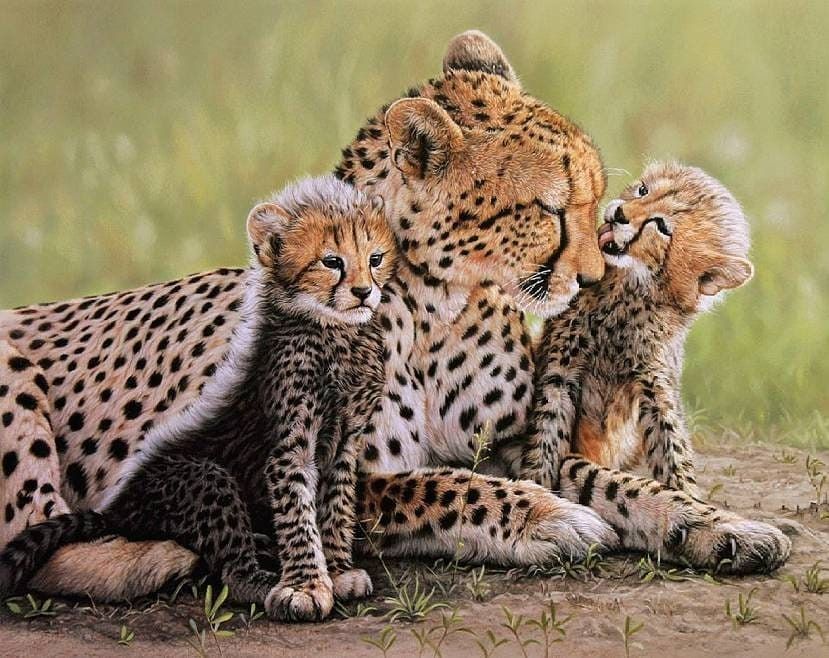
“These absolutely adorable Cheetah cubs …” from www.reddit.com and used with no modifications.
Are cheetahs social animals like lions?
Cheetahs display more complex social behaviors than previously recognized, though their social structures differ significantly from lion prides. Adult females are primarily solitary except when raising cubs, which stay with their mother for 13-20 months before independence. Male cheetahs exhibit two distinct social strategies—some remain solitary throughout their lives, while others form stable coalitions (usually of brothers) that hunt together and defend territories cooperatively. For insights into other animals’ social behaviors, consider reading this article on socialization in dogs.
These male coalitions, typically consisting of 2-3 individuals, can hold territories for years and show remarkable coordination during hunting and territorial defense. Research indicates that males in coalitions typically have higher reproductive success and longer lifespans than solitary males, suggesting evolutionary advantages to this cooperative strategy. Unlike lion prides, however, adult male and female cheetahs come together only briefly for mating, with males playing no role in raising cubs.
Are cheetahs technically extinct in the wild?
Cheetahs are not extinct in the wild but are classified as “Vulnerable” by the International Union for Conservation of Nature (IUCN), with some regional populations considered “Endangered” or “Critically Endangered.” Approximately 7,000 cheetahs remain in the wild, primarily in fragmented populations across eastern and southern Africa, with a small, highly endangered population in Iran representing the last Asiatic cheetahs.
The species has experienced a catastrophic decline of more than 90% over the last century, disappearing entirely from at least 25 countries across Africa and Asia. Without effective conservation interventions, cheetahs could face extinction in the wild within a generation, particularly in regions where populations have already fallen below viable levels. The technical term for their current status is “threatened” rather than “extinct,” but their situation remains precarious.
Understanding the cheetah’s remarkable adaptations and the challenges they face helps us appreciate why protecting these magnificent cats matters for both biodiversity conservation and ecological balance. Their continued survival depends on coordinated conservation efforts that address habitat protection, human-wildlife conflict, and public awareness.