
Key Takeaways
- Exotic cats like Bengals and Donskoy Sphynx are available through shelters, rescue groups, and cat cafes.
- Cat cafes provide a unique, interactive environment for potential adopters to meet and bond with cats.
- Shelters offer a traditional and often cost-effective way to adopt an exotic cat.
- Rescue groups specialize in the care of exotic cats and can provide valuable support and guidance.
- Consider your lifestyle and the cat’s needs when choosing between adoption options.
Exploring Exotic Cat Adoption Options
Adopting an exotic cat can be an exciting and fulfilling experience, but it’s essential to know where to look and what to expect. There are several options available, each with its own benefits and challenges. Whether you’re considering a traditional shelter, a specialized rescue group, or the novel experience of a cat cafe, understanding these choices will help you make the best decision for you and your future feline friend.
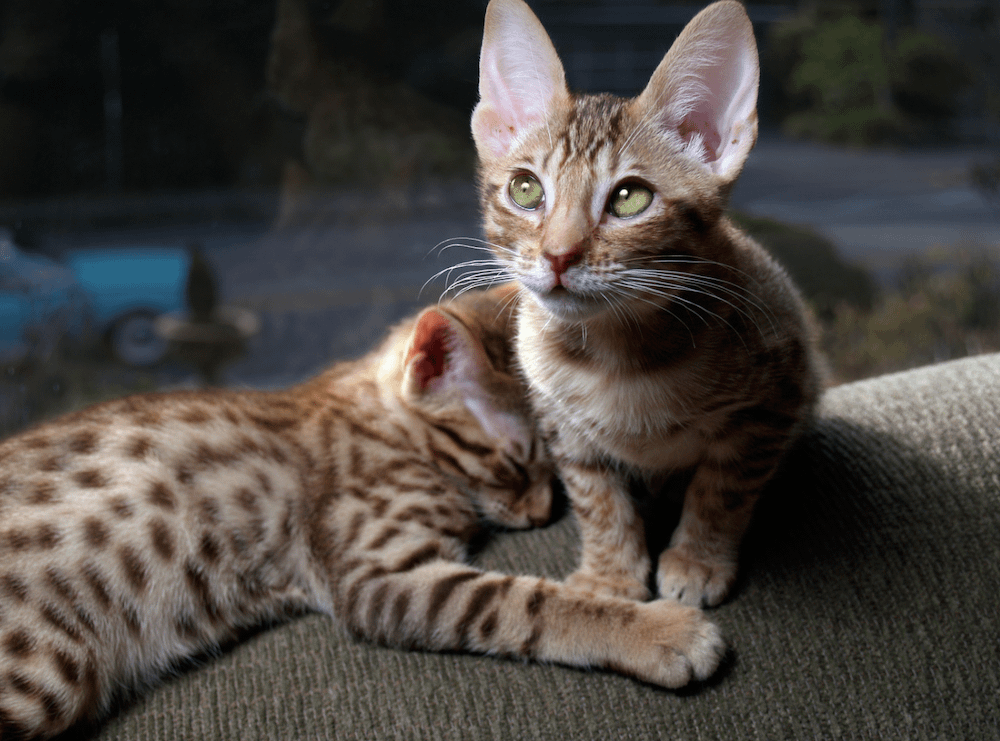
“15 Exotic Cat Breeds You Can Adopt …” from www.litter-robot.com and used with no modifications.
Which cat breeds are considered exotic and why?
Exotic cat breeds are often characterized by their unique appearances, rare lineage, or distinct personalities. Some of the most popular exotic breeds include the Bengal, known for its wild leopard-like spots; the Donskoy or Don Sphynx, which is hairless and has a strikingly sleek look; and the Japanese Bobtail, famous for its “pom-pom” tail and rich cultural history. These cats are sought after not only for their beauty but also for their engaging and often playful natures.
Brief Overview of the Exotic Breeds: Bengal, Donskoy/ Don Sphynx, Japanese Bobtail, Lykoi, Ocicat, Selkirk Rex & Toyger
Let’s take a closer look at some of these fascinating breeds:
- Bengal: With a coat that resembles a wild leopard, Bengals are active and love to play.
- Donskoy/Don Sphynx: Hairless and elegant, these cats are known for their affectionate nature.
- Japanese Bobtail: This breed is recognized for its short, curled tail and is a symbol of good luck in Japan.
- Lykoi: Often called “werewolf cats,” Lykoi have a distinctive patchy coat and a curious demeanor.
- Ocicat: Despite their wild appearance, Ocicats are entirely domestic and very social.
- Selkirk Rex: Known for their curly fur, these cats are as soft in personality as they are in texture.
- Toyger: Bred to resemble a miniature tiger, Toygers are playful and friendly.
Shelters: The Traditional Route
Adopting from a shelter is often the most straightforward and economical option. Shelters provide a safe haven for cats of all kinds, including exotic breeds. Here, you’ll find cats that have been abandoned, surrendered, or rescued, all in need of loving homes. Most shelters offer a comprehensive adoption package, including vaccinations, spaying or neutering, and sometimes even microchipping.
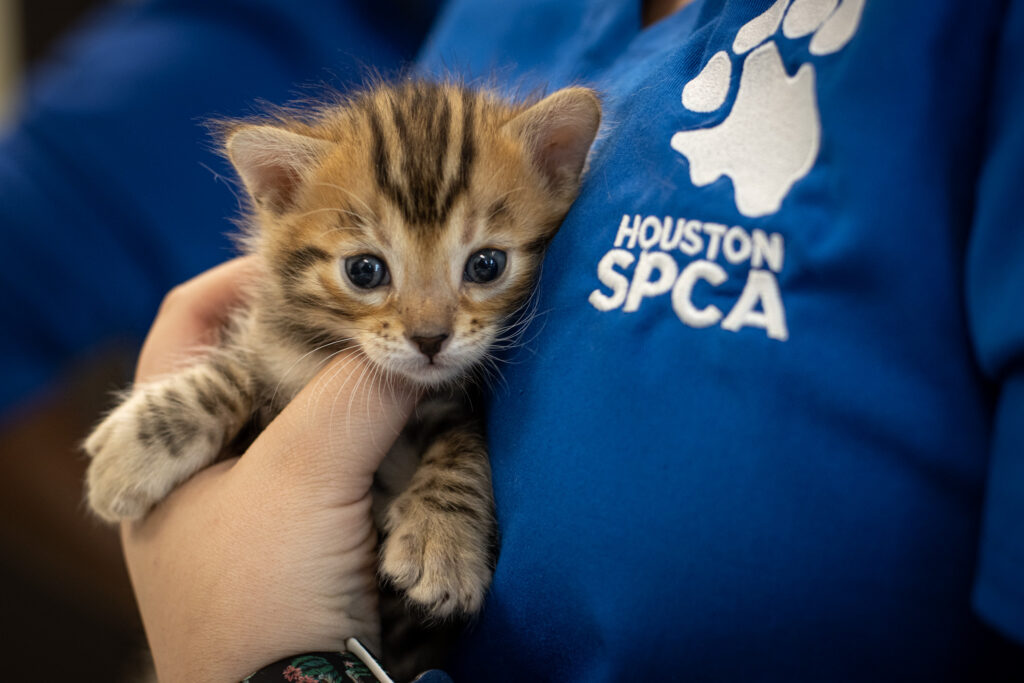
“49 Exotic Cats Surrendered at Alvin …” from houstonspca.org and used with no modifications.
“7 Exotic Wild Kittens Rescued from …” from www.meowingtons.com and used with no modifications.
Besides the cost benefits, shelters often have knowledgeable staff who can guide you through the adoption process and provide valuable information about the specific needs of exotic cats. However, the availability of exotic breeds in shelters can be limited, so patience and persistence are key.
Rescue Groups: Specialized Care and Support
Rescue groups are dedicated to the care and rehoming of specific breeds or types of cats, including exotic ones. These organizations are typically run by passionate volunteers who are experts in their chosen breed. They often have a deep understanding of the specific needs and challenges associated with exotic cats.
- Rescue groups can offer a wealth of information and support for new cat owners.
- They often have a rigorous screening process to ensure the best match between cat and adopter.
- Many rescue groups provide post-adoption support, helping you navigate any challenges that arise.
While the adoption fees might be higher than at a shelter, the level of care and support you receive can be invaluable.
“15 Exotic Cat Breeds You Can Adopt …” from www.litter-robot.com and used with no modifications.
Cat Cafes: A Unique Experience
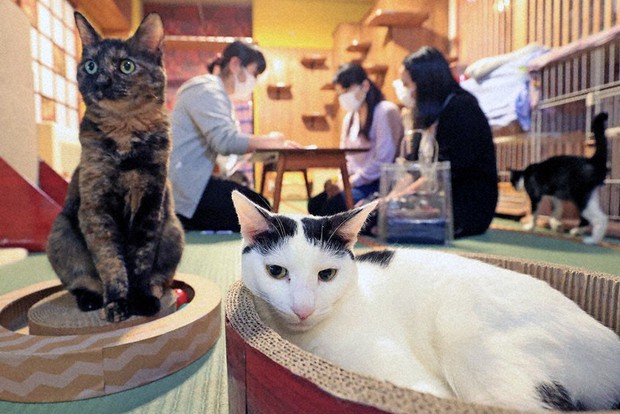
Imagine sipping your favorite beverage while getting to know a potential feline companion. Cat cafes offer a unique and enjoyable way to meet and interact with cats in a relaxed environment. These cafes partner with local shelters or rescue groups to house cats available for adoption. Visitors can spend time with the cats, observe their personalities, and even fall in love with one.
However, it’s important to consider whether this environment is the best fit for an exotic cat. The bustling atmosphere of a cafe can be stressful for some cats, particularly those who are shy or have special needs. Therefore, it’s crucial to observe how a cat behaves in this setting before making a decision.
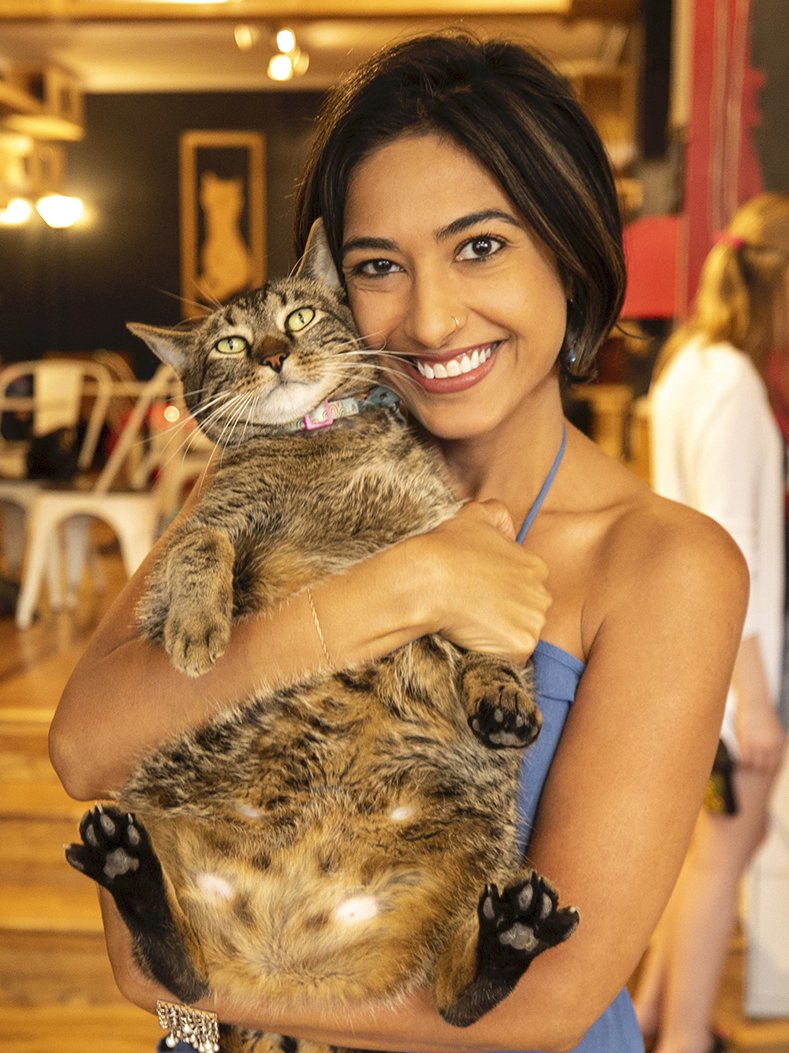
“Denver Cat Company” from www.denvercatco.com and used with no modifications.
Pros and Cons of Each Adoption Method
Each adoption path offers unique advantages and challenges. Here’s a quick comparison:
|
Adoption Method |
Pros |
Cons |
|---|---|---|
|
Shelter |
Cost-effective, comprehensive adoption packages, knowledgeable staff |
Limited availability of exotic breeds |
|
Rescue Group |
Specialized care, expert advice, post-adoption support |
Higher adoption fees, rigorous screening process |
|
Cat Cafe |
Interactive environment, opportunity to observe cat’s personality |
Potentially stressful for cats, limited availability |
Consider these factors carefully to determine which option aligns best with your lifestyle and the needs of the cat.
Partnerships with Local Shelters
Cat cafes often form partnerships with local shelters to provide a temporary home for cats in need of adoption. These partnerships are mutually beneficial; shelters gain more exposure for their cats, while cafes offer visitors a unique experience. By collaborating, both entities work towards the common goal of finding loving homes for these cats.
These partnerships also ensure that the cats receive proper veterinary care before being introduced to the cafe environment. This includes vaccinations, spaying or neutering, and any necessary medical treatments. By maintaining these standards, both the cats and the visitors are kept safe and healthy.
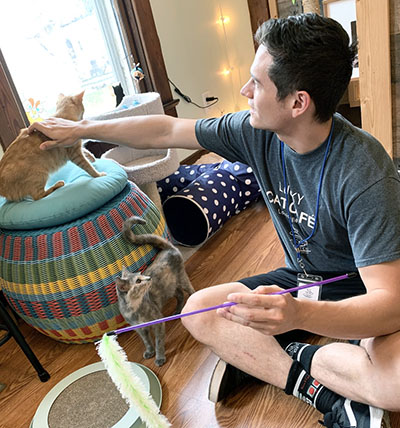
“cat cafés and find shelter cats homes …” from humanepro.org and used with no modifications.
Facility Requirements and Design
The design of a cat cafe is crucial to the wellbeing of its feline residents. A well-thought-out facility provides ample space for cats to roam, play, and retreat when they need a break from the hustle and bustle. Cozy nooks, climbing structures, and interactive toys are essential components of a cat-friendly environment.
Moreover, cafes should have designated areas for feeding, litter boxes, and quiet zones where cats can relax undisturbed. The layout should allow visitors to interact with the cats without overwhelming them. By creating a balanced environment, cafes can ensure a positive experience for both the cats and their human guests.
Staff Training and Animal Welfare
Proper staff training is vital in ensuring the welfare of the cats in a cafe setting. Employees should be knowledgeable about cat behavior, health, and care. They should be able to recognize signs of stress or illness in cats and know how to address these issues promptly.
Additionally, staff members should be trained in handling cats gently and respectfully, as well as in educating visitors about the adoption process and the specific needs of exotic breeds. By fostering a culture of care and compassion, cafes can create a safe and supportive environment for their feline residents.
Stress Factors for Exotic Cats in Cafes
While cat cafes offer a unique opportunity for cats to find new homes, they can also present stress factors for their residents. Exotic cats, in particular, may find the constant flow of visitors and the bustling atmosphere overwhelming. Understanding these stressors is essential for creating a supportive environment.
Cats are creatures of habit and can be sensitive to changes in their environment. The noise and activity level in a cafe can be stressful, especially for shy or anxious cats. It’s crucial to monitor their behavior closely and provide them with options to retreat to quieter areas when needed.
- Excessive noise from visitors and cafe operations
- Constant interaction with strangers
- Limited personal space and privacy
- Changes in routine and environment
By recognizing and addressing these stress factors, cafes can create a more harmonious environment for their feline residents. For those interested in creating a pet-friendly space, understanding pet safety with plants can be beneficial.

“Hey everyone. I just visited a cat cafe …” from www.reddit.com and used with no modifications.
Influence of Environment and Crowds
The environment of a cat cafe plays a significant role in the wellbeing of its residents. The presence of crowds and the layout of the space can greatly impact how comfortable a cat feels. Exotic cats, who may have specific needs or temperaments, can be particularly sensitive to these factors.
It’s important for cafes to manage the flow of visitors and ensure that the space is designed with the cats’ comfort in mind. This may involve limiting the number of guests at any given time or providing quiet zones where cats can retreat. By prioritizing the cats’ needs, cafes can create a more positive experience for everyone involved.
Managing Stress and Ensuring Wellbeing
Managing stress in a cat cafe requires a proactive approach. Regular monitoring of the cats’ behavior and health is essential to ensure their wellbeing. Staff should be trained to recognize signs of stress, such as hiding, aggression, or changes in appetite, and take appropriate action. For more information on creating a safe environment, explore cat-friendly garden designs that can also be adapted for indoor spaces.
- Provide plenty of hiding spots and quiet areas
- Ensure a consistent routine for feeding and care
- Limit the number of visitors at one time
- Offer enrichment activities to keep cats engaged
By implementing these strategies, cafes can help minimize stress and create a more comfortable environment for their feline residents.
It’s also important for cafes to have a plan in place for handling emergencies or health issues that may arise. This includes having a relationship with a local veterinarian and ensuring that all cats receive regular check-ups and vaccinations.
Protective Measures and Policies
To ensure the safety and wellbeing of both cats and visitors, cat cafes should implement protective measures and policies. These may include guidelines for interacting with the cats, such as not picking them up without permission and respecting their space.
Additionally, cafes should have policies in place for handling potential issues, such as aggressive behavior or health concerns. By setting clear expectations and maintaining a safe environment, cafes can create a positive experience for everyone involved. For those interested in creating a cat-friendly environment, exploring safe structures and nontoxic plants can be beneficial.
After-Hours Care of Cat Cafe Residents
When the doors of a cat cafe close for the day, the care for its feline residents doesn’t stop. Ensuring the cats’ comfort and wellbeing after hours is just as important as during operating hours.
Nighttime Routines and Care Plans
Cafes should have established nighttime routines to ensure the cats are well cared for. This includes feeding, cleaning litter boxes, and providing a comfortable sleeping environment. Staff may also conduct health checks to monitor any changes in behavior or health.
Temporary or Permanent Foster Homes
In some cases, cafes may arrange for cats to spend the night in temporary or permanent foster homes. This can be particularly beneficial for cats that are stressed by the cafe environment or require special care. Foster homes provide a quieter, more personalized setting where cats can relax and receive individual attention.
Foster arrangements also offer an opportunity for potential adopters to get to know a cat in a home setting, which can help ensure a successful adoption.
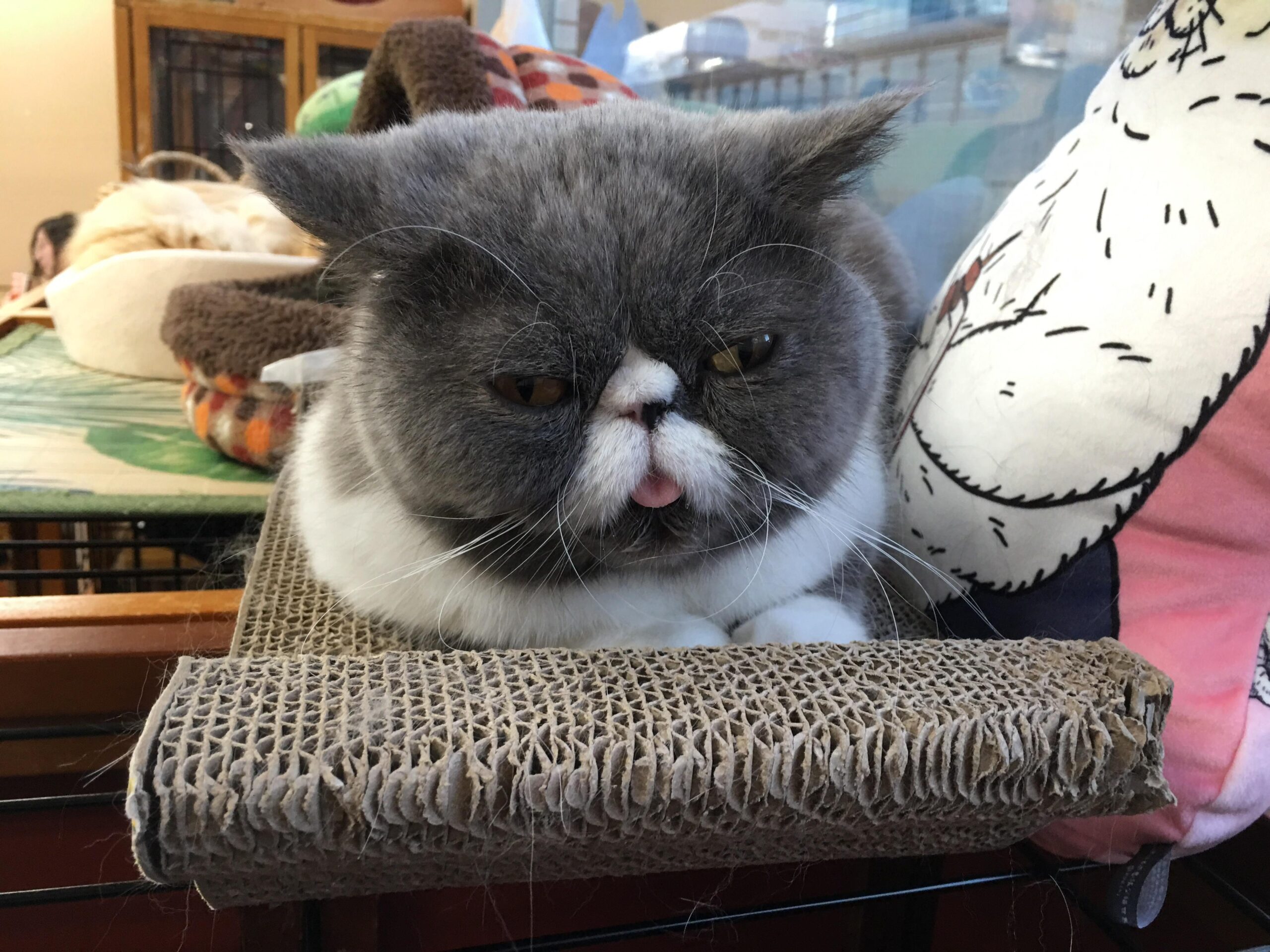
“This little fella I met at a Cat Café …” from www.reddit.com and used with no modifications.
The Importance of a Secure Refuge
Providing a secure refuge for cats after hours is essential for their overall wellbeing. This means ensuring that the cafe is a safe and comfortable environment, free from hazards or stressors. Cats should have access to cozy sleeping areas, fresh water, and clean litter boxes.
By prioritizing the needs of their feline residents, cat cafes can create a supportive environment that encourages successful adoptions and happy, healthy cats.
Factors to Consider When Choosing Adoption Paths
Choosing the right adoption path for an exotic cat involves careful consideration of several factors. Each option—shelter, rescue group, or cat cafe—offers unique benefits and challenges, and it’s important to weigh these against your lifestyle and the needs of the cat. For those interested in understanding more about pet safety, you might explore the safety of various plants for pets to ensure a safe environment for your new feline friend.
Consider the following when deciding on an adoption path:
- Your lifestyle and time commitment
- The specific needs and temperament of the cat
- The level of support and resources available
- The adoption process and associated costs
By evaluating these factors, you can make an informed decision that benefits both you and your new feline friend. For more insights, consider exploring how pet safety and care can influence your decision.
Evaluating Your Lifestyle and Needs
Before adopting an exotic cat, it’s crucial to evaluate your lifestyle and needs. Consider your daily routine, living situation, and any other pets or family members. Exotic cats may require more attention, space, or specialized care, so it’s important to ensure that you can meet their needs.
Think about your long-term commitment to caring for a cat and whether you have the resources and support to provide a loving home. By taking the time to assess your situation, you can ensure a successful and rewarding adoption experience. For those considering an outdoor space for their feline friends, explore cat-friendly garden designs to create a safe and enriching environment.

“Cat Cafe in Tokyo, Japan …” from headedanywhere.com and used with no modifications.
Understanding the Cat’s Personality and Requirements
Exotic cats, with their distinct appearances and unique personalities, can bring joy and companionship into your life. However, understanding their specific needs and characteristics is crucial to ensuring a successful adoption. These cats often require more attention and specialized care compared to more common domestic breeds.
For example, a Bengal cat might have high energy levels and need ample playtime and stimulation, while a Donskoy Sphynx could require regular skin care due to its hairless nature. By familiarizing yourself with the particular traits of the breed you’re interested in, you can better prepare to meet their needs and provide a loving home.
Recommended Steps for Potential Adopters
Adopting an exotic cat is a rewarding journey, but it’s essential to approach it thoughtfully. Here are some recommended steps to guide you through the process:
Step 1: Research and Prepare
- Learn about the specific breed you’re interested in adopting.
- Understand the breed’s temperament, health needs, and care requirements.
- Consider your lifestyle and whether you can meet the cat’s needs.
Doing your homework will help you make an informed decision and ensure that you’re fully prepared for the responsibilities of cat ownership. For example, understanding how to create a cat-friendly environment can be crucial for the well-being of your new pet.
Additionally, preparing your home for a new feline friend is crucial. This includes setting up a comfortable space with all the necessary supplies, such as food, water, litter, and toys. By being proactive, you can create a welcoming environment that helps your new cat settle in smoothly. For more insights on how cat cafes are saving cats in need, visit Cats.com.
Step 2: Visit and Connect
Once you’ve done your research, it’s time to visit shelters, rescue groups, or cat cafes to meet potential adoptees. Take your time to interact with different cats and observe their personalities. This will help you find a cat that matches your lifestyle and expectations.
Don’t be afraid to ask questions about the cats’ backgrounds, health, and behavior. Staff at these organizations are usually knowledgeable and eager to help you find the perfect match.
It’s important to trust your instincts during this process. If you feel a connection with a particular cat, it’s a good sign that you might be a great match. For more insights on how cat cafes are helping, check out how cat cafes around the world are saving cats in need.
Example: At a local cat cafe, I met Luna, a playful Ocicat who immediately captured my heart with her curious nature and affectionate demeanor. After spending time with her and learning about her needs, I knew she was the perfect addition to my family.
Step 3: Application and Follow-Up
After finding the right cat, you’ll need to complete the adoption application process. This usually involves filling out forms and answering questions about your lifestyle and experience with pets. Be honest and thorough in your responses, as this helps ensure a good match.
Once your application is approved, you’ll finalize the adoption and bring your new cat home. It’s important to follow up with the shelter or rescue group for any post-adoption support or guidance you may need.
Conclusion: Making the Right Choice for You and the Cat
Adopting an exotic cat can be a fulfilling experience that brings joy and companionship into your life. By understanding the unique needs of exotic breeds and carefully considering your adoption options, you can find the perfect feline friend. Whether you choose to adopt from a shelter, rescue group, or cat cafe, the most important thing is to provide a loving and supportive home where your new cat can thrive.
Frequently Asked Questions (FAQ)
When considering the adoption of an exotic cat, you might have several questions. Here are some common inquiries and their answers. Additionally, if you’re interested in creating a safe environment for your new feline friend, consider exploring cat-friendly garden designs.
Are exotic cats more expensive to adopt than regular cats?
Exotic cats can sometimes be more expensive to adopt due to their rarity and specific care needs. Adoption fees may vary depending on the organization and the breed, so it’s essential to inquire about costs upfront.

“Guide to Owning an Exotic Shorthair Cat …” from www.amazon.com and used with no modifications.
What special care do exotic cats require?
Exotic cats may have unique care requirements, such as specific diets, grooming needs, or environmental enrichment. It’s important to research the breed’s needs and ensure you can provide the necessary care. For more information on how cat cafes are helping to save cats, check out Cat Cafes Around the World Are Saving Cats in Need.
How can I tell if a cat cafe is reputable?
Look for cat cafes that partner with reputable shelters or rescue groups. Check reviews and ask about their adoption process and animal care standards. A reputable cafe will prioritize the welfare of its cats and provide a supportive environment for both visitors and residents.
Additionally, observing the behavior and condition of the cats can give you insights into the cafe’s standards. Healthy, well-adjusted cats are usually a good indicator of a caring and responsible operation. Learn more about creating a cat-friendly environment to ensure the well-being of these animals.
Can exotic cats adapt well to domestic life?
Many exotic cats can adapt well to domestic life with the right care and environment. However, it’s important to understand their specific needs and provide appropriate stimulation and enrichment to ensure their happiness and wellbeing.
What should I do if an adopted cat doesn’t adjust well to my home?
If your new cat struggles to adjust, give them time and space to acclimate to their new environment. Provide a safe and quiet area where they can retreat and feel secure. Consistency in routine and positive reinforcement can also help ease the transition. Consider creating a cat-friendly environment to make them feel more at home.
If difficulties persist, seek guidance from the adoption organization or a veterinarian for additional support and advice. For more insights, you can explore how cat cafés and shelters work together to find homes for cats.
Example: When I adopted Luna, she was initially shy and hid under the bed for the first few days. By giving her space and gradually introducing her to different areas of the house, she eventually became comfortable and confident in her new home. To ensure her safety, I researched pet-safe plants to have around the house.
Which cat breeds are considered exotic? (Bengal, Donskoy/ Don Sphynx, Japanese Bobtail, Lykoi, Ocicat, Selkirk Rex & Toyger)
Exotic cat breeds are often characterized by their unique appearances and personalities. Some popular exotic breeds include:
For more information on how cat cafés partner with shelters to find homes for these unique breeds, you can explore additional resources.
Adopting an exotic cat can be an exciting experience, whether you choose to go through a shelter, a cat cafe, or a rescue group. Each option has its own unique benefits and challenges. For example, cat cafes provide a relaxed environment where you can interact with exotic cats before making a decision. However, some people wonder if cat cafes are stressful for exotic cats. It’s also important to know where these cats go after the cafe closes. By exploring these options, you can find the best way to welcome an exotic cat into your home.