
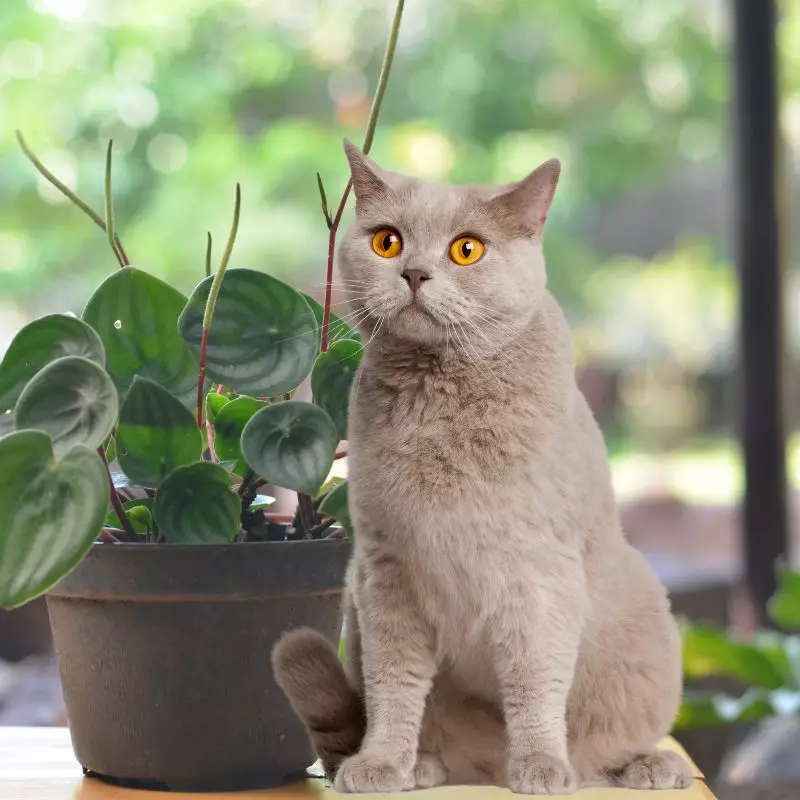
When it comes to houseplants, especially if you have pets, safety is a top priority. The Watermelon Peperomia Sandersii is a popular choice for plant enthusiasts, but is it safe for your furry friends? In this article, we’ll explore the pet safety aspects of this delightful plant, its resilience against curious pets, and provide beginner-friendly care tips for pet owners.
Article-at-a-Glance
- The Watermelon Peperomia Sandersii is non-toxic to both cats and dogs.
- This plant is resistant to most pets due to its sturdy leaves.
- It thrives in indoor settings, making it ideal for pet-friendly homes.
- Easy care tips include moderate watering and indirect sunlight.
- Indoor planting offers more control over environmental factors compared to outdoor gardens.
Watermelon Peperomia Sandersii: Pet Safety Insights
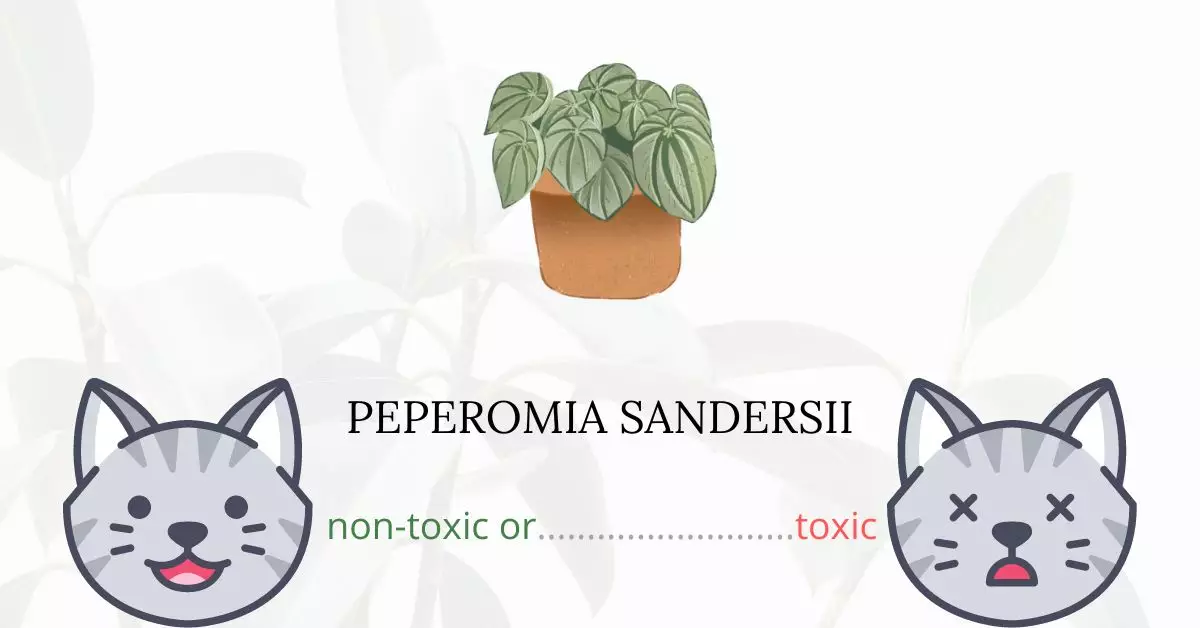
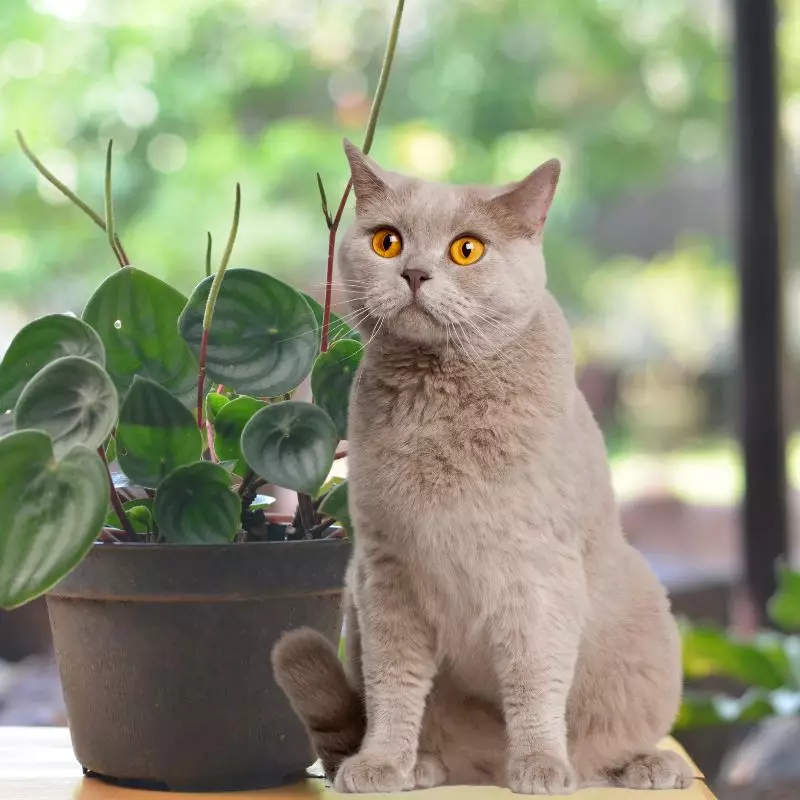
The Watermelon Peperomia Sandersii, with its striking, watermelon-like leaf patterns, is a favorite among plant lovers. However, pet owners often worry about the safety of their animals around houseplants. The good news is, this plant is non-toxic to both cats and dogs, making it an excellent choice for households with pets.
“Watermelon Peperomia Toxic For Cats …” from plantsncats.com and used with no modifications.
Safe or Toxic to Dogs and Cats?
Many plants can be harmful to pets if ingested, causing symptoms ranging from mild irritation to severe illness. Fortunately, the Watermelon Peperomia Sandersii is not one of them. According to the ASPCA, this plant is non-toxic to dogs and cats, providing peace of mind to pet owners. You can rest assured that even if your curious pet decides to take a nibble, it won’t result in a trip to the vet.
Most importantly, this plant’s non-toxic nature doesn’t just protect pets but also contributes to a stress-free home environment. No need to place the plant out of reach or constantly monitor your pets around it. However, it’s still wise to keep an eye on your pets to ensure they don’t develop a habit of chewing on any plants, as this can lead to digestive upset.
Resistance to Curious Pets
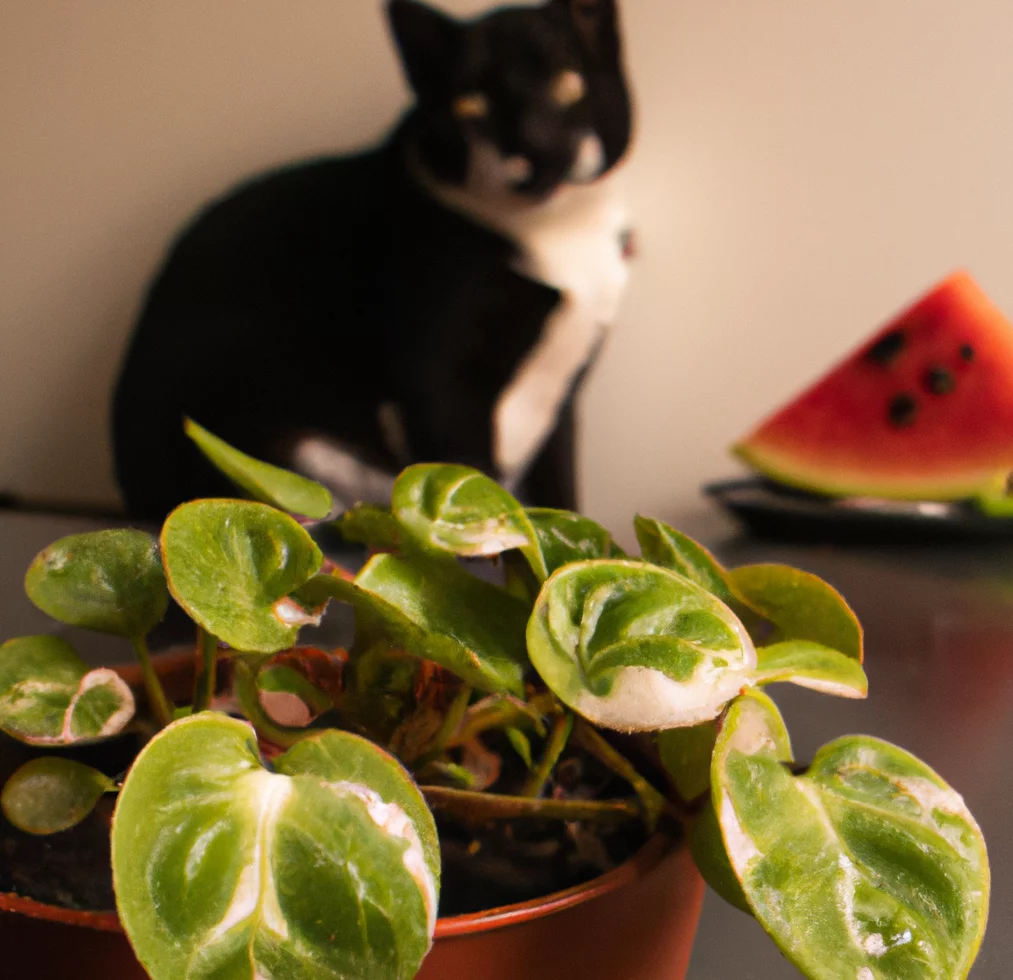
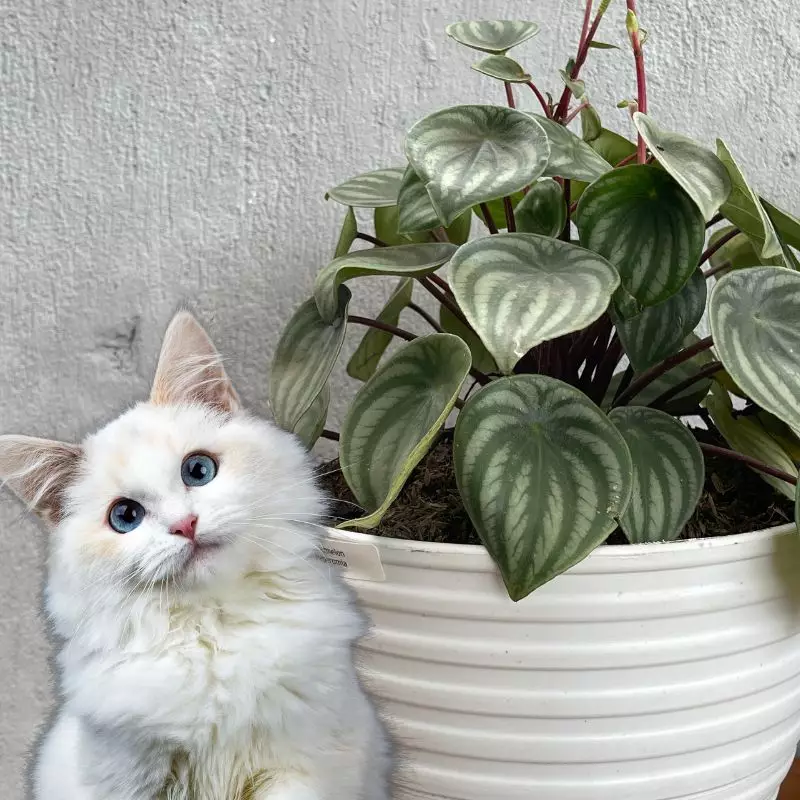
Besides being non-toxic, the Watermelon Peperomia Sandersii is also quite resistant to curious pets. Its thick, fleshy leaves are not easily damaged, which can deter pets from playing with or chewing on them. This durability is one of the reasons why it’s a favorite among pet owners.
Moreover, the plant’s compact size and sturdy structure make it less likely to be knocked over by playful pets. This resilience adds an extra layer of safety, ensuring that both your plant and your pets remain unharmed. For more information on pet safety and easy care tips, you can explore additional resources.
Beginner-Friendly Care Tips for Pet Owners
If you’re new to plant care, the Watermelon Peperomia Sandersii is an excellent starting point. It’s relatively low-maintenance, requiring only moderate care to thrive. Here are some tips to help you keep your plant healthy:
- Light: Place your plant in a spot with bright, indirect sunlight. Direct sunlight can scorch the leaves, so it’s best to avoid placing it in a south-facing window.
- Watering: Water your plant moderately, allowing the soil to dry out between waterings. Overwatering can lead to root rot, which is a common issue with many houseplants.
- Humidity: This plant enjoys a humid environment, so consider misting it occasionally or placing it near a humidifier.
- Temperature: Keep your plant in a room with temperatures between 65-80°F (18-27°C). Avoid placing it near drafts or heat sources.
By following these care tips, you can ensure your Watermelon Peperomia Sandersii remains healthy and vibrant, adding a touch of natural beauty to your home.
Comparing Indoor House Plant to Outdoor Pet-Friendly Garden
When deciding whether to keep your Watermelon Peperomia Sandersii indoors or to plant it in an outdoor garden, there are several factors to consider. Both options have their advantages, and your choice will depend on your specific needs and circumstances.
“Watermelon Peperomia Toxic For Cats …” from plantsncats.com and used with no modifications.
Advantages of Indoor Watermelon Peperomia
Keeping your Watermelon Peperomia indoors offers several benefits. For one, it allows you to control the environment more easily, ensuring the plant receives the right amount of light, humidity, and temperature. This control can be particularly beneficial if you live in an area with harsh weather conditions. Additionally, if you’re interested in learning about indoor plant care for other species, there are many resources available.
Additionally, indoor planting protects the plant from outdoor pests and diseases, which can be more prevalent in garden settings. This protection can lead to a healthier, more robust plant that requires less intervention and maintenance.
|
Indoor Planting |
Outdoor Planting |
|---|---|
|
Controlled environment |
Natural sunlight |
|
Protection from pests |
Natural rainfall |
|
Consistent temperature |
Exposure to fresh air |
By choosing indoor planting, you can enjoy the aesthetic benefits of the Watermelon Peperomia Sandersii while ensuring its safety and health.
Benefits of Outdoor Planting
Outdoor planting also has its perks, particularly for those who prefer a more natural approach to gardening. Planting your Watermelon Peperomia in an outdoor garden allows it to benefit from natural sunlight and rainfall, which can contribute to more vigorous growth.
Environmental Factors to Consider
When deciding between indoor and outdoor planting, environmental factors play a crucial role. Indoors, you have the advantage of controlling temperature, humidity, and light exposure, which can be adjusted to meet the specific needs of the Watermelon Peperomia Sandersii. This control is especially beneficial in areas with extreme weather conditions, where outdoor planting might expose the plant to frost, excessive heat, or heavy rainfall.
On the other hand, outdoor planting allows the plant to benefit from natural elements like fresh air and sunlight, which can enhance its growth and vitality. However, it also means the plant is more susceptible to pests, diseases, and unpredictable weather changes. Therefore, it’s essential to weigh these factors carefully to determine the best environment for your plant. For additional guidance, you might consider the care and planting tips for Queen’s Spiderwort to see how similar plants thrive outdoors.
Choosing In-Ground Planting vs. Container Growing
Once you’ve decided on an indoor or outdoor setting, the next step is to choose between in-ground planting and container growing. Each method has its own set of advantages and challenges, which can impact the health and safety of your Watermelon Peperomia Sandersii.
In-ground planting offers the benefit of natural soil conditions, which can provide essential nutrients and support robust root development. However, it also means less control over the environment and increased exposure to outdoor elements.
Pros and Cons of In-Ground Planting
In-ground planting can be ideal for those who prefer a natural, low-maintenance approach. The plant benefits from the existing soil ecosystem, which can support its growth without the need for frequent fertilization. However, it also requires careful consideration of the planting site to ensure adequate drainage and sunlight exposure. For more information on how to care for this plant, check out this Watermelon Peperomia guide.
One downside is that in-ground planting can make it more challenging to move the plant if conditions change or if it’s threatened by pests or disease. Additionally, it’s more difficult to control the moisture levels, which can lead to overwatering or underwatering.
“Watermelon Peperomia Toxic For Cats …” from plantsncats.com and used with no modifications.
Container Planting Benefits for Pet Safety
Container planting offers greater flexibility and control, making it a popular choice for pet owners. By using containers, you can easily move the plant to a safer location if needed, such as away from curious pets or extreme weather conditions. Containers also allow for better control of soil quality and moisture levels, reducing the risk of root rot and other issues.
Furthermore, container planting can help keep the plant out of reach of pets, preventing accidental ingestion or damage. It’s a practical solution for ensuring both the safety of your plant and your pets.
Maintenance Considerations for Each Method
Regardless of the planting method you choose, regular maintenance is key to keeping your Watermelon Peperomia Sandersii healthy and thriving. For in-ground planting, this means monitoring soil conditions, ensuring proper drainage, and protecting the plant from pests and diseases.
With container planting, you’ll need to check the soil moisture regularly and adjust watering as needed. It’s also important to choose the right size container to allow for adequate root growth and to repot the plant as it grows. Regularly cleaning the leaves and checking for signs of pests can also help maintain the plant’s health.
Ensuring Pet Safety with Houseplants
Creating a pet-safe environment with houseplants involves more than just choosing non-toxic varieties. It’s also about implementing strategies to keep both your plants and pets safe from harm.
Strategies to Protect Plants from Pets
To protect your plants from curious pets, consider placing them on elevated surfaces or using plant stands to keep them out of reach. You can also use deterrents like citrus peels or commercial pet repellents to discourage pets from approaching the plants.
Training your pets to avoid plants is another effective strategy. Use positive reinforcement techniques to teach them to stay away from plant areas. Additionally, providing your pets with alternative forms of stimulation, such as toys or interactive play, can reduce their interest in your plants. For more tips on pet-safe plants, check out this guide on Watermelon Peperomia.
“Watermelon Peperomia Toxic For Cats …” from plantsncats.com and used with no modifications.
Common Mistakes to Avoid in Pet-Plant Coexistence
When creating a harmonious environment for both pets and plants, it’s important to avoid some common pitfalls. One mistake is underestimating your pet’s curiosity. Even if a plant is non-toxic, pets can still cause damage by chewing or knocking it over. Therefore, always secure plants in a stable position and monitor your pets’ interactions with them.
Another error is neglecting plant maintenance. Overwatering or under-watering can harm your plant, making it more susceptible to diseases and pests. Be sure to follow specific care instructions for each plant type to ensure they remain healthy and resilient.
FAQ
Let’s address some frequently asked questions about Watermelon Peperomia Sandersii and pet safety.
Is the Watermelon Peperomia Sandersii truly non-toxic to pets?
Yes, the Watermelon Peperomia Sandersii is confirmed to be non-toxic to both cats and dogs. This means that even if your pet decides to taste a leaf or two, it won’t cause any harmful effects. However, it’s still advisable to discourage pets from chewing on plants to prevent any potential digestive issues.
What makes a plant ‘pet-resistant’?
A pet-resistant plant is one that can withstand the curiosity and potential rough handling by pets. This includes having sturdy leaves, a robust structure, and being less appealing in taste or texture to animals. The Watermelon Peperomia Sandersii, with its thick, fleshy leaves, is a good example of a pet-resistant plant.
“Plant Care Tips: Peperomia Watermelon …” from www.revased.com and used with no modifications.
How can I transition my indoor plant to an outdoor garden?
Transitioning an indoor plant like the Watermelon Peperomia Sandersii to an outdoor garden requires careful planning. Start by gradually acclimating the plant to outdoor conditions. Place it outside for a few hours each day, gradually increasing the time over a week or two. Ensure the outdoor location provides similar conditions to its indoor environment, such as indirect sunlight and protection from harsh weather.
What should I do if my pet eats a houseplant like watermelon pepermonia?
If your pet eats a houseplant like Watermelon Peperomia Sandersii, there’s generally no need for alarm due to its non-toxic nature. However, monitor your pet for any signs of discomfort, such as vomiting or diarrhea. If any symptoms persist, consult your veterinarian to ensure your pet’s safety and well-being.
Are there any specific pests to watch for with Watermelon Peperomia?
While the Watermelon Peperomia is relatively pest-resistant, it’s still important to watch for common indoor plant pests such as spider mites, mealybugs, and aphids. Regularly inspecting your plant and cleaning its leaves can help prevent infestations. If pests do appear, using a mild insecticidal soap or neem oil can effectively manage the problem.