

Key Takeaways
- Sugar snap peas offer exceptional nutritional benefits with high levels of vitamins C, K, and A, while providing fiber and antioxidants in a low-calorie package.
- While sugar snap peas have appeared on the “Dirty Dozen” list, proper washing techniques and considering organic options can significantly reduce pesticide exposure concerns.
- Both raw and cooked sugar snap peas provide health benefits – raw preserves maximum vitamin C content while quick cooking methods maintain nutrients while improving digestibility.
- Sugar snap peas are generally safe for rabbits in moderation (one pod per 4 lbs of body weight), but require proper preparation to prevent choking hazards.
- Compared to regular pea pods, edamame, and green beans, sugar snap peas offer a unique nutritional profile with their edible, sweet pods and higher vitamin C content.
Sugar snap peas deliver a perfect balance of sweetness and nutrition that few vegetables can match. These crunchy pods have soared in popularity for good reason – they’re versatile, delicious, and packed with health benefits. But questions persist about their safety, preparation methods, and even if they’re suitable for our furry friends.
As Gardenary suggests, understanding both the benefits and potential concerns of sugar snap peas helps you make informed choices about incorporating them into your diet. Whether you’re a health enthusiast or simply looking to add more nutritious options to your meals, sugar snap peas deserve your attention.
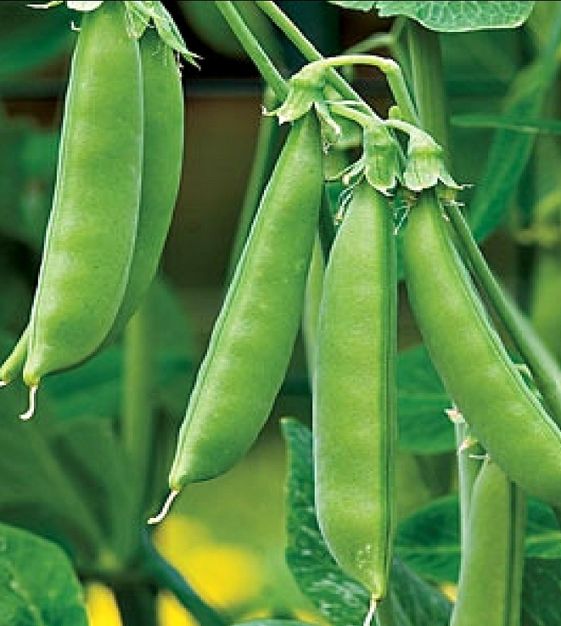
“Sugar Snap Pea | John Scheepers Kitchen …” from www.kitchengardenseeds.com and used with no modifications.
Sugar Snap Peas: The Sweet, Crunchy Pods You Need to Know About
Sugar snap peas represent a brilliant cross between snow peas and garden peas, offering the best of both worlds. Unlike regular garden peas where only the inner peas are consumed, sugar snap peas feature entirely edible pods with a distinctive crunch and natural sweetness. Their hybrid nature gives them plumper pods than snow peas while maintaining that coveted edibility factor.
These versatile veggies have become kitchen staples for many health-conscious eaters. Their crisp texture makes them perfect for raw snacking, while their sweet flavor profile complements everything from light salads to hearty stir-fries. What sets sugar snap peas apart is their ease of preparation – simply remove any tough strings along the seams (though many modern varieties are stringless), and they’re ready to enjoy.
For those seeking nutritional value without sacrificing taste, sugar snap peas deliver impressively. They offer vitamin-rich nourishment in a naturally sweet package that even vegetable-averse eaters often find appealing. This combination of convenience, taste, and health benefits explains why sugar snap peas have earned their place in both gourmet recipes and simple home cooking.
Pesticide Concerns: Are Sugar Snap Peas Safe to Eat?
Sugar snap peas have periodically appeared on the Environmental Working Group’s “Dirty Dozen” list, raising concerns among health-conscious consumers. This designation indicates that conventional sugar snap peas may contain pesticide residues at levels higher than many other vegetables. Both domestic and imported varieties have been flagged in past reports, though their position on the list fluctuates year to year based on testing data.
Why Sugar Snap Peas Sometimes Appear on the Dirty Dozen List
Conventional sugar snap pea farming often uses pesticides to control insects and diseases that specifically target legumes. The edible pod nature of sugar snap peas means that any surface treatments remain on the part you consume, unlike shelled peas where the protected inner peas are eaten. Their growing habits – relatively low to the ground with delicate pods – can make them susceptible to pest pressure, potentially leading to increased pesticide application in conventional farming.
Organic vs. Conventional: What’s the Difference?
Comparison: Organic vs. Conventional Sugar Snap Peas
When considering safe garden ideas, it’s important to understand the differences between organic and conventional sugar snap peas. Organic options are often grown without synthetic pesticides and fertilizers, which can be beneficial for those concerned about chemical exposure. Conventional sugar snap peas, on the other hand, may be more readily available and cost-effective, but they often involve the use of synthetic chemicals during their cultivation. Understanding these differences can help you make informed decisions about what you put on your plate.
Organic Sugar Snap Peas: Grown without synthetic pesticides, may have minor cosmetic imperfections, typically cost 20-30% more, and have comparable nutritional content to conventional but significantly lower pesticide residues.
Conventional Sugar Snap Peas: More widely available year-round, generally less expensive, may contain pesticide residues, but still offer substantial nutritional benefits when properly washed.
Choosing organic sugar snap peas substantially reduces pesticide exposure concerns. Organic farming practices rely on natural pest deterrents and crop rotation rather than synthetic chemicals. While organic options typically cost more, many consumers find the price difference worthwhile for frequently consumed produce items, especially those on watchlists like the Dirty Dozen. Farmers’ markets can offer another alternative, as many local growers use minimal pesticides even if not certified organic.
Regardless of which type you choose, proper washing remains essential. The environmental and health tradeoffs between organic and conventional produce continue to be debated, but the nutritional benefits of eating sugar snap peas generally outweigh the risks of moderate pesticide exposure, especially when proper cleaning methods are employed. For those interested in maintaining a pet-friendly garden, you might want to explore pet-safe gardening tips to ensure your plants are safe for your furry friends.
How to Clean Sugar Snap Peas Properly
Thorough washing significantly reduces pesticide residues on sugar snap peas. Begin by rinsing them under cold running water while gently rubbing the surfaces with your fingers to dislodge any contaminants. For a more thorough cleaning, soak the pods in a solution of three parts water to one part white vinegar for 15-20 minutes, then rinse again thoroughly with cold water.
Pay special attention to the seam areas where residues can hide. A vegetable brush can be helpful for conventional sugar snap peas, though gentle scrubbing is advised to avoid damaging the tender pods. Some consumers also remove the thin strings running along the seams, which eliminates another potential area where residues might concentrate.
After washing, thoroughly dry your sugar snap peas with a clean kitchen towel or paper towel before storage or consumption. This extra step not only removes any remaining water that could accelerate spoilage but also provides one final opportunity to remove any lingering particles. Proper cleaning transforms even conventionally grown sugar snap peas into a significantly safer eating experience.
For those particularly concerned about pesticide exposure, consider peeling particularly dirty-looking pods or cooking them, as heat can break down some pesticide compounds. However, these extra measures typically aren’t necessary with properly washed produce, especially organic varieties.
- Rinse under cold running water while rubbing gently
- Soak in a 3:1 water to white vinegar solution for enhanced cleaning
- Consider using a soft vegetable brush for conventional varieties
- Remove strings along seams where residues might concentrate
- Dry thoroughly after washing to remove any remaining particles
Nutritional Powerhouse: Health Benefits of Sugar Snap Peas
Sugar snap peas pack remarkable nutritional value into their crisp, sweet pods. With just 41 calories per cup, they deliver substantial nutrients without weighing down your daily caloric intake. Their naturally sweet flavor satisfies cravings while providing essential vitamins and minerals that support overall health. This combination of taste and nutrition makes them an ideal addition to health-conscious eating plans.
Beyond their low calorie content, sugar snap peas offer impressive macronutrient balance. They contain approximately 2.5 grams of protein per cup, unusual for a non-starchy vegetable, while providing 2.4 grams of dietary fiber that supports digestive health. Their low fat content and minimal natural sugars make them appropriate for various dietary approaches, from low-carb to plant-based eating patterns.
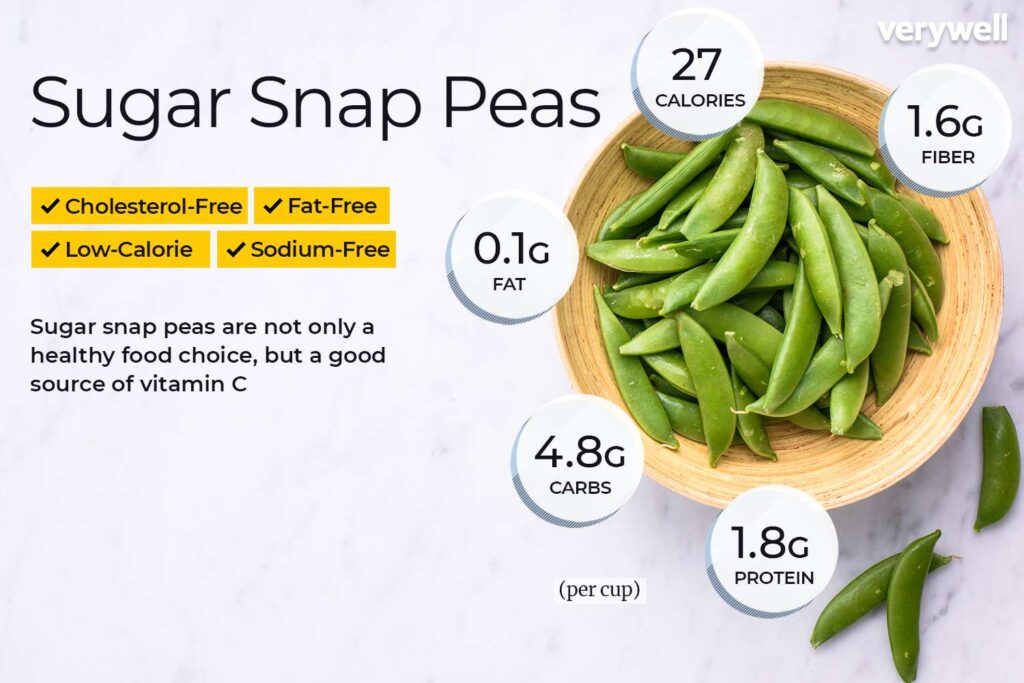
“Sugar Snap Peas Explained” from www.verywellfit.com and used with no modifications.
Key Vitamins and Minerals
Sugar snap peas shine in their micronutrient content, especially vitamin C, with one cup providing about 60% of your daily needs. This immune-supporting vitamin doubles as an antioxidant that helps protect cells from damage. They also deliver significant vitamin K, essential for blood clotting and bone health, and vitamin A, which supports vision and immune function. Additionally, sugar snap peas contain folate (important for cell division and DNA synthesis), manganese (supporting metabolism and bone formation), and iron (crucial for oxygen transport in the blood). For those interested in pet-safe gardening ideas, consider how sugar snap peas can fit into a pet-friendly garden plan.
Fiber Content and Digestive Benefits
The fiber content in sugar snap peas delivers substantial digestive benefits that promote overall gut health. With 2.4 grams of fiber per cup, these crunchy pods support regular bowel movements and help prevent constipation. Their specific combination of soluble and insoluble fiber creates a balanced approach to digestive wellness, with soluble fiber forming a gel-like substance that can help lower cholesterol while insoluble fiber adds bulk to stool for easier passage. For those interested in pet-safe gardening, consider reading about terrain plants and enrichment to ensure your garden is safe for all family members.
This fiber content also plays a crucial role in maintaining healthy gut bacteria. Prebiotic fibers in sugar snap peas serve as food for beneficial gut bacteria, helping to cultivate a diverse microbiome associated with improved immunity and mood regulation. Regular consumption of fiber-rich vegetables like sugar snap peas has been linked to reduced risk of diverticular disease, hemorrhoids, and even colorectal cancer through these mechanisms.
Antioxidant Properties
Sugar snap peas contain impressive levels of antioxidants that fight oxidative stress in the body. Their vitamin C content acts as a powerful free radical scavenger, while carotenoids like lutein and zeaxanthin specifically protect eye health. These compounds work together to neutralize harmful molecules that would otherwise damage cells and potentially lead to chronic diseases and premature aging.
Low Calorie and Weight Management
With their high water and fiber content yet minimal calories, sugar snap peas make an excellent addition to weight management plans. The fiber helps create a feeling of fullness that can prevent overeating, while their naturally sweet flavor satisfies cravings without added sugars. Their high volume-to-calorie ratio allows for satisfying portions that support calorie control without feelings of deprivation – a key factor in sustainable weight management strategies. For those interested in gardening, consider these safe garden ideas to grow your own sugar snap peas.
Raw vs. Cooked: Which Way Is Best?
The raw versus cooked debate with sugar snap peas presents valid benefits on both sides. Your choice ultimately depends on your nutritional priorities, digestive needs, and taste preferences. Many health enthusiasts incorporate both preparation methods to maximize the diverse benefits each provides, alternating between raw snacking and lightly cooked additions to meals.
Nutritional Changes When Cooking
Cooking sugar snap peas creates measurable changes in their nutritional profile. Heat-sensitive vitamin C experiences the most significant impact, with losses of approximately 15-30% during brief cooking and potentially higher percentages with extended heat exposure. Water-soluble B vitamins may also leach into cooking water, particularly when boiling methods are used.
However, cooking isn’t all nutritional loss – it actually enhances certain aspects of sugar snap peas’ nutritional value. The gentle heat breaks down plant cell walls, making certain nutrients more bioavailable, particularly carotenoids like lutein and zeaxanthin. Cooking also reduces certain antinutrients like phytates that can interfere with mineral absorption, potentially making minerals like iron and zinc more accessible to your body.
Best Cooking Methods to Preserve Nutrients
Quick-cooking methods that minimize water contact preserve the most nutrients in sugar snap peas. Stir-frying for 2-3 minutes in a small amount of healthy oil maintains crisp texture while actually enhancing the absorption of fat-soluble vitamins and carotenoids. Steaming for 2-4 minutes provides another excellent option that preserves water-soluble vitamins better than boiling while still improving digestibility. Blanching (briefly immersing in boiling water followed by an ice bath) creates vibrant color and perfect texture while minimizing nutrient losses, making it ideal for meal prep purposes.
When Raw Sugar Snap Peas Shine
Raw sugar snap peas deliver maximum vitamin C content and natural enzymes that cooking destroys. Their distinctive crunch provides textural contrast in salads and crudité platters that many find deeply satisfying. For those with optimal digestion, raw consumption captures the complete nutritional package in its most natural state. The convenience factor also can’t be overlooked – raw sugar snap peas require no preparation beyond washing and string removal, making them perfect for on-the-go snacking or quick additions to lunchboxes. For more ideas on creating a pet-safe garden, consider exploring additional resources.
Sugar Snap Peas vs. Other Green Veggies
While all green vegetables offer health benefits, sugar snap peas bring unique advantages to your plate. Their standout sweetness makes them exceptionally palatable compared to more bitter greens, potentially increasing vegetable consumption for picky eaters. From a practical perspective, their dual-purpose nature – edible pods with sweet peas inside – provides textural variety and nutritional diversity in a single ingredient. Understanding how they compare to similar options helps you make strategic choices for balanced meal planning.
Sugar Snap Peas vs. Regular Pea Pods
Sugar snap peas differ fundamentally from regular garden pea pods in both edibility and nutritional delivery. Regular pea pods (also called English or garden peas) have tough, fibrous pods that must be discarded, with only the inner peas being edible. In contrast, sugar snap peas offer complete pod edibility, providing additional fiber and nutrients from the pod itself. This key difference means sugar snap peas deliver more total volume for the same preparation effort, with the added benefit of textural contrast between the crunchy pod and tender peas inside. For those interested in growing sugar snap peas in a pet-friendly environment, you might consider exploring pet-safe gardening tips.
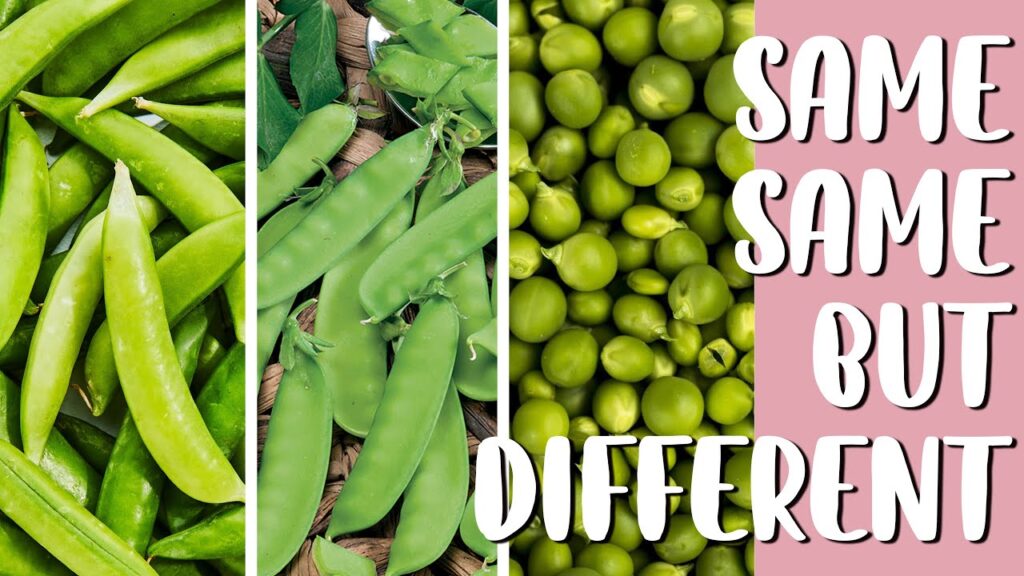
“Snow pea and Sugar snap pea …” from www.youtube.com and used with no modifications.
Sugar Snap Peas vs. Edamame: Nutrition and Taste
Edamame and sugar snap peas represent different points on the legume spectrum, with distinct nutritional profiles. Edamame (immature soybeans) provides significantly higher protein content – about 11 grams per cup compared to sugar snap peas’ 2.5 grams – making them a superior option for protein-focused diets. Edamame also delivers more iron, calcium and total calories, positioning it closer to a protein source than a non-starchy vegetable.
Sugar snap peas outshine edamame in vitamin C content and offer fewer calories for those prioritizing weight management. The taste profiles differ substantially, with sugar snap peas providing natural sweetness while edamame offers a more nutty, savory flavor. Texturally, sugar snap peas deliver their characteristic crunch, while edamame provides a firmer, meatier bite.
Both have their place in a balanced diet, with edamame serving well as a plant protein component and sugar snap peas excelling as a vitamin-rich, lower-calorie vegetable option. Many health-conscious eaters incorporate both, using them in different culinary applications based on their unique strengths.
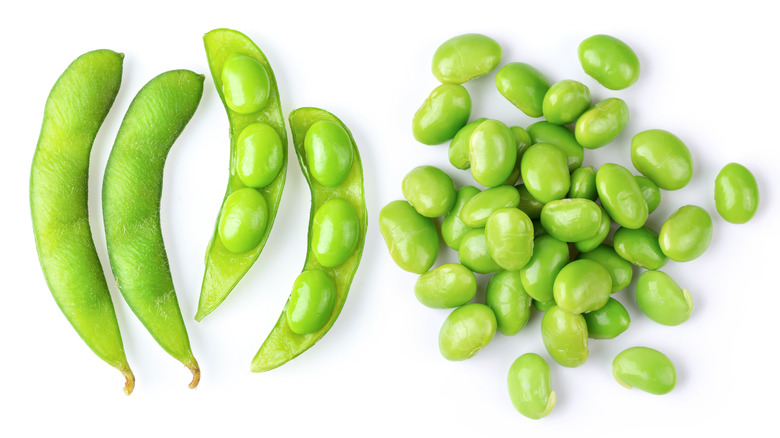
“Edamame Vs. Snap Peas: What’s The …” from www.tastingtable.com and used with no modifications.
|
Nutrient (per cup) |
Sugar Snap Peas |
Edamame |
Green Beans |
|---|---|---|---|
|
Calories |
41 |
188 |
31 |
|
Protein |
2.5g |
11g |
1.8g |
|
Fiber |
2.4g |
8g |
2.7g |
|
Vitamin C |
60% DV |
10% DV |
30% DV |
|
Iron |
6% DV |
15% DV |
5% DV |
This comparative nutrition data highlights how each green vegetable serves different dietary needs. While edamame stands out for protein and iron content, sugar snap peas offer an excellent vitamin C profile with moderate calories. Green beans provide the lowest calorie option while still delivering respectable fiber. This information helps you select the right option based on your specific nutritional priorities. For those interested in pet-friendly gardening, check out this guide on creating a pet-safe garden.
Sugar Snap Peas vs. Green Beans: Which is Healthier?
Green beans and sugar snap peas share similar nutritional territory while offering distinct advantages. Sugar snap peas provide approximately twice the vitamin C of green beans, making them superior for immune support and collagen production. They also deliver a naturally sweeter flavor profile without added calories. Green beans, however, contain slightly more fiber per calorie and offer a different antioxidant profile, including higher amounts of certain flavonoids. Their slightly lower calorie count (31 calories versus 41 calories per cup) might appeal to those closely monitoring caloric intake. Rather than declaring one “healthier,” nutritional experts typically recommend incorporating both into your diet for complementary benefits and flavor variety.
Pet Safety: Can Rabbits and Other Pets Eat Sugar Snap Peas?
Many pet owners wonder if their furry companions can safely enjoy sugar snap peas. For rabbits specifically, sugar snap peas can be offered as an occasional treat rather than a dietary staple. Their sweet nature makes them highly appealing to rabbits, but this same sweetness signals a higher sugar content than ideal for regular consumption. While not toxic, sugar snap peas should be viewed as a treat food for rabbits, complementing their primary diet of hay, appropriate pellets, and leafy greens. For other pets like guinea pigs and some birds, similar principles apply – sugar snap peas make safe occasional treats when properly prepared.
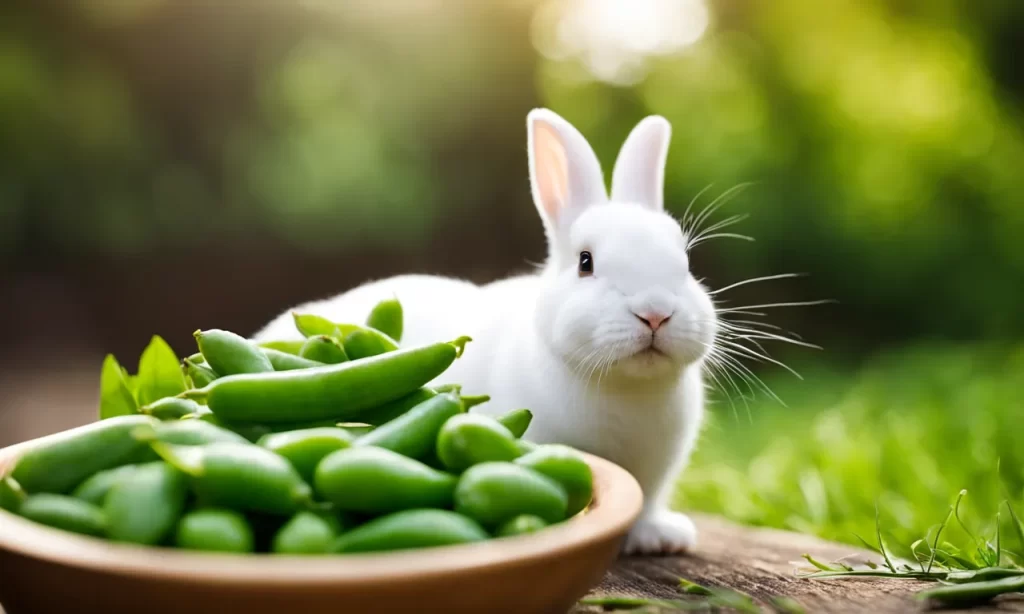
“Can Bunnies Eat Snap Peas? A Detailed …” from www.berrypatchfarms.net and used with no modifications.
Safe Serving Sizes for Rabbits
Rabbits should receive strictly limited portions of sugar snap peas to prevent digestive upset and nutritional imbalance. Veterinary guidelines suggest offering only one pod per 4 pounds of body weight, making them a special treat rather than a regular food item. This conservative approach acknowledges both the relatively high sugar content and the potential for digestive sensitivity in rabbits.
Frequency matters as much as portion size – limit sugar snap peas to 1-2 times weekly rather than daily offerings. This controlled approach prevents your rabbit from developing a preference for sweeter foods while still allowing them to enjoy variety in their diet. Monitoring your rabbit’s stool consistency after introducing sugar snap peas provides important feedback about their individual tolerance, as some rabbits have more sensitive digestive systems than others.

“my cat is obsessed with Sugar Snap peas …” from www.reddit.com and used with no modifications.
How to Prepare Sugar Snap Peas for Pets
Proper preparation of sugar snap peas for rabbit consumption requires removing both the strings and the inner peas to prevent potential hazards. The fibrous strings running along the seams can pose choking risks or cause intestinal blockages if swallowed, while the actual peas inside may cause gas and bloating in sensitive rabbit digestive systems. After removing these components, thoroughly wash the remaining pod pieces to eliminate any pesticide residues, especially if using conventionally grown sugar snap peas.
Serving size matters significantly – cut cleaned pods into small, manageable pieces appropriate for your pet’s size. Small rabbits should receive particularly tiny portions to prevent overconsumption of sugars. Always introduce any new food gradually, offering just a small piece initially and monitoring for any digestive changes before incorporating it as an occasional treat.
“Can Dogs Eat Peas? A Green Treat for …” from www.pumpkin.care and used with no modifications.
Warning Signs of Digestive Issues in Pets
Watch carefully for signs of digestive distress after introducing sugar snap peas to your rabbit’s diet. Changes in stool consistency (either diarrhea or unusually small, dry droppings), decreased appetite, lethargy, bloating, or visible discomfort may indicate that sugar snap peas don’t agree with your pet’s system. Excessive gas production, which may manifest as a distended abdomen or obvious discomfort, suggests that either the portion size was too large or that your particular rabbit has sensitivity to this food. If any concerning symptoms develop, discontinue offering sugar snap peas and consult your veterinarian, especially if symptoms persist beyond 24 hours or appear severe.
Grow Your Own Sugar Snap Peas in a Pet-Safe Garden
Growing your own sugar snap peas creates a rewarding experience that delivers fresher, safer produce while providing engaging outdoor activity. The satisfaction of harvesting your own chemical-free peas surpasses what store-bought options can offer, particularly when considering pet safety concerns. Home gardening also allows for exploration of unique heirloom varieties not found in typical grocery stores, each with distinct flavor profiles and growing characteristics.
Sugar snap peas thrive as beginner-friendly garden additions, requiring minimal specialized knowledge or equipment. Their vertical growing habit makes them suitable even for limited spaces, while their nitrogen-fixing properties actually improve soil quality for future plantings. For households with pets, a carefully planned pea garden provides both human nutrition and peace of mind regarding animal safety.
Pet-Safe Garden Planning Tips:
When planning a garden that’s safe for your pets, it’s important to choose plants that are non-toxic and avoid those that could be harmful. For example, consider incorporating pet-safe plants such as the artillery plant, which is both safe and easy to care for. This ensures a safe environment for your pets while adding greenery to your home.
• Create physical barriers like small decorative fencing to separate pets from growing areas
• Choose raised beds to elevate plants above curious pet height
• Install trellises for vertical growth that keeps most pods out of pet reach
• Avoid chemical treatments entirely when pets have garden access
• Schedule garden time when pets can be supervised or temporarily kept elsewhere
The natural growing cycle of sugar snap peas typically spans 60-70 days from planting to harvest, with regular picking encouraging continued production. Their climbing nature requires some form of support – traditional trellises, repurposed fencing, or even branches collected from yard work can serve this purpose effectively. The visual appeal of flowering pea plants adds aesthetic value to your garden space while their relatively quick growth cycle provides gratification faster than many other garden vegetables.
Best Planting Times and Conditions
Sugar snap peas thrive in cool weather, making them perfect for early spring or fall planting in most regions. Plant seeds directly in the garden about 4-6 weeks before the last expected frost date for spring crops, or 8-10 weeks before the first expected frost for fall harvests. These cool-season vegetables perform best when soil temperatures range between 45-75°F, with air temperatures below 85°F for optimal development. Contrary to many garden vegetables, sugar snap peas actually produce sweeter pods during cooler growing periods, making them excellent shoulder-season crops that extend your productive garden calendar.
Pet-Safe Fertilizers and Pest Control
For pet-friendly gardens, organic fertilization methods significantly reduce health risks for curious animals. Compost provides an excellent foundation, delivering balanced nutrition without chemical concerns. Worm castings offer another safe option rich in beneficial microorganisms that improve soil structure while providing gentle nutrition. For targeted feeding, pet-safe options include diluted fish emulsion (apply when pets can be kept away until dry), alfalfa meal, and carefully composed compost teas. Avoid blood meal, bone meal, and conventional chemical fertilizers, all of which can cause serious health issues if ingested by pets. For more information on pet-safe gardening tips, explore our guide.
Harvesting Tips for Maximum Sweetness
Harvest sugar snap peas when pods have reached full size but before the inner peas become too developed and starchy. The optimal picking time occurs when pods appear plump yet still maintain their characteristic flat shape, with peas inside that are developed but not bulging through the pod wall. For maximum sweetness, harvest during cooler parts of the day – early morning or evening – when sugar content reaches its peak naturally. Regular harvesting (every 1-3 days during peak season) encourages continued flowering and pod production, extending your overall yield significantly.
Use two hands when harvesting to prevent damage to the delicate vines – one to hold the vine steady while the other gently pulls the pod. The distinct snapping sound that gives these peas their name indicates perfect ripeness – if they don’t snap cleanly, they’re either underripe or past their prime. Taste-testing during harvest provides the most reliable ripeness indicator while offering immediate garden-fresh gratification.
Store harvested sugar snap peas unwashed in breathable packaging in the refrigerator crisper drawer for maximum freshness retention. For peak flavor and nutrition, consume within 3-5 days of harvest, though they’ll remain acceptable for up to a week with proper storage. The rapid conversion of sugars to starch after picking means garden-fresh peas offer significantly superior sweetness compared to store-bought alternatives that may be several days post-harvest. For those interested in maintaining a pet-safe garden, sugar snap peas can be a great addition.
Smart Ways to Include Sugar Snap Peas in Your Diet
Incorporating sugar snap peas into your regular meal rotation provides both nutritional benefits and culinary versatility. For quick, no-prep snacking, washed raw pods paired with hummus or a yogurt-based dip deliver satisfying crunch and nutrition. In salads, either whole or sliced diagonally, they add textural contrast and visual appeal while boosting vitamin content. Their distinctive sweet flavor complements Asian-inspired stir-fries particularly well when added during the final minute of cooking to maintain crispness. For meal prep convenience, briefly blanch sugar snap peas for 60-90 seconds, then shock in ice water before refrigerating for ready-to-use additions throughout the week.
Beyond these basics, consider more creative applications to prevent veggie fatigue. Quick-pickled sugar snap peas (using rice vinegar, a touch of honey, and herbs) provide tangy accompaniments to rich dishes or charcuterie boards. Blended into pesto with mint and almonds instead of traditional basil and pine nuts, they create vibrant spring sauces for pasta or grilled proteins. Charring them briefly on a hot grill or under a broiler develops deeper flavor dimensions through caramelization while maintaining their nutritional profile. Even breakfast applications exist – try adding thinly sliced sugar snap peas to morning omelets or breakfast wraps for unexpected texture and nutrient boosts to start your day.
Frequently Asked Questions
Sugar snap peas generate many questions regarding their preparation, storage, and potential concerns. The following answers address the most common inquiries to help you maximize both enjoyment and nutritional benefits from these versatile vegetables. While individual preferences and situations may vary, these evidence-based responses provide solid guidance for most consumers looking to incorporate sugar snap peas into their healthy eating routines. For those interested in growing sugar snap peas in a pet-safe environment, consider learning about pet-safe plant care tips.
Do I need to remove the strings from sugar snap peas before eating?
Yes, most sugar snap pea varieties have fibrous strings running along both seams that should be removed before consumption. These tough fibers can be unpleasant to eat and potentially pose choking hazards, particularly for young children or elderly individuals. To remove them effectively, snap off the stem end and pull downward along the concave side of the pod, removing the string in one motion. Then, if necessary, pinch the pointed tip and pull upward along the opposite seam. Modern “stringless” varieties have been developed to eliminate this preparation step, though some strings may still be present depending on growing conditions and maturity.
The presence and toughness of strings varies by specific variety and harvest timing. Young, very fresh sugar snap peas often have more tender strings that may be less noticeable when eaten. However, as pods mature or sit in storage, these strings typically become more fibrous and problematic. When preparing sugar snap peas for cooking, string removal enhances both the eating experience and safety, though very brief cooking methods may not sufficiently soften these fibers without manual removal.
Stringless Sugar Snap Pea Varieties: For those growing a pet-safe garden, it’s important to choose the right plants. Explore safe garden ideas to ensure your pets are safe while enjoying the outdoors.
• Sugar Ann – Early producer with excellent sweetness. For those interested in creating a pet-friendly garden, consider exploring safe garden ideas to ensure your plants are both delicious and safe for your furry friends.
• Super Snappy – Larger pods with exceptional flavor
• Sugar Sprint – Disease-resistant with tender pods
• Cascadia – Reliable producer with excellent taste. For more information on creating a pet-safe garden, explore our detailed guide.
• Sugar Snap – The original variety, now available in stringless versions
For those finding string removal tedious, seeking out specifically labeled “stringless” varieties at farmers’ markets or when selecting seeds for home gardening eliminates this preparation step. Alternatively, specialty kitchen tools designed specifically for string removal can increase efficiency when processing larger quantities. Regardless of variety, always check even “stringless” types for occasional strings, as growing conditions can influence their development.
Can sugar snap peas cause allergic reactions?
While uncommon, allergic reactions to sugar snap peas do occur in some individuals. As legumes, sugar snap peas share protein structures with peanuts and other beans, creating potential cross-reactivity for those with existing legume allergies. Symptoms typically include itching or swelling of the lips, mouth and throat, digestive distress, or in severe cases, difficulty breathing. Anyone experiencing these symptoms after consuming sugar snap peas should seek medical attention and consider allergy testing before consuming them again.
The majority of people can enjoy sugar snap peas without allergic concerns, but those with known legume sensitivities should exercise caution when introducing them. Some individuals experience milder food sensitivities rather than true allergies, potentially manifesting as bloating or digestive discomfort after consumption. These reactions often relate to specific carbohydrate compounds in legumes that some people digest less efficiently. In these cases, cooking sugar snap peas thoroughly often improves tolerability by breaking down the problematic compounds, though individual responses vary considerably.
How long do fresh sugar snap peas last in the refrigerator?
Fresh sugar snap peas typically remain at peak quality for 3-5 days when properly stored in the refrigerator. Place unwashed pods in a perforated plastic bag or container lined with paper towels to absorb excess moisture while allowing some airflow. Store them in the crisper drawer, which provides the ideal humidity level for optimal preservation. While they may remain technically edible for up to 7-10 days, quality declines noticeably after the fifth day as sugars convert to starch, diminishing their signature sweetness and crisp texture. For more information on the differences between various types of peas, you can read about the differences between green peas, snow peas, and sugar snap peas. For extended storage, consider blanching and freezing sugar snap peas, which preserves their nutritional value and flavor for up to 8 months.
Are frozen sugar snap peas as nutritious as fresh ones?
Frozen sugar snap peas often retain comparable or sometimes superior nutritional profiles to their fresh counterparts found in grocery stores. This seeming paradox occurs because commercial freezing typically happens within hours of harvest, preserving nutrients at their peak levels. The blanching process before freezing does cause minor losses of heat-sensitive nutrients like vitamin C (approximately 15-20%), but these losses are often less than what occurs during the transportation and storage time for “fresh” peas that may spend days between harvest and your plate. Additionally, the blanching process actually enhances the bioavailability of certain antioxidants by breaking down cell walls. For maximum nutrition, garden-fresh peas consumed immediately after picking remain the gold standard, but high-quality frozen options provide excellent nutritional value and year-round accessibility while eliminating concerns about spoilage.
Can I grow sugar snap peas in containers on my patio?
Absolutely! Sugar snap peas adapt remarkably well to container growing, making them perfect for patios, balconies, and other limited spaces. Select containers at least 8-10 inches deep with adequate drainage holes, and install a trellis or support structure at planting time to accommodate their climbing habit. A 12-inch diameter container can support 6-8 pea plants when properly trellised. Use high-quality potting mix rather than garden soil, ideally enriched with compost for improved nutrition and moisture retention. Container-grown peas may require more frequent watering than garden plantings, particularly during warm periods, but otherwise follow the same growing guidelines as ground plantings. The vertical growth habit of sugar snap peas makes them particularly space-efficient for container gardening, as they occupy minimal floor space while producing harvests comparable to in-ground plantings when properly supported and maintained.
For apartment dwellers with sunny balconies or limited outdoor space, sugar snap peas provide one of the most rewarding container gardening experiences. Their quick growth from seed to harvest (typically 60-70 days) delivers faster gratification than many vegetables, while their attractive flowers add ornamental value during the growing period. For extended harvests in container settings, consider succession planting with new seeds started every 2-3 weeks during appropriate seasonal windows. This approach provides continuous production throughout the growing season while maximizing your container garden’s productivity.
Container growing offers several advantages beyond space efficiency. Elevated planters reduce pest pressure from ground-dwelling insects and can deter rabbits and other wildlife from accessing your crop. The controlled soil environment allows optimization of growing conditions regardless of native soil quality issues. Additionally, containers can be positioned to maximize sun exposure and moved if needed to adapt to seasonal light changes, further enhancing growing success for urban and small-space gardeners.