
Key Takeaways
- Deutzia gracilis, commonly known as Slender Deutzia or Japanese Snow Flower, is a low-maintenance deciduous shrub prized for its stunning spring white blooms.
- While standard Deutzia gracilis grows 2-5 feet tall and wide, the popular ‘Nikko’ cultivar remains more compact at 1-2 feet tall with a 2-5 foot spread.
- For maximum flowering, plant in full sun to part shade with well-draining soil; these adaptable shrubs are remarkably drought-tolerant once established.
- Unlike some other Deutzia species, Deutzia gracilis and its ‘Nikko’ cultivar aren’t considered invasive, making them safe choices for most landscapes.
- With proper timing of pruning (right after flowering), these hardy zone 5-8 shrubs will provide reliable blooms year after year with minimal maintenance.
Meet the Elegant Slender Deutzia: Your Garden’s Perfect Accent Shrub
The garden world has been sleeping on Deutzia gracilis for far too long. This elegant Japanese native—aptly nicknamed Japanese Snow Flower—transforms into a cloud of pristine white blooms each spring, creating a breathtaking display that belies its minimal care requirements. Part of the hydrangea family, this deciduous shrub offers the perfect combination of showy flowers, adaptable growing habits, and remarkable resilience.
What makes Deutzia gracilis particularly special is its versatility in the landscape. Whether you’re looking for a foundation planting, low hedge, mass planting, or even a container specimen, this adaptable shrub delivers beauty without demanding constant attention. The ‘Nikko’ cultivar, with its more compact growth habit, has become especially popular for smaller gardens and as a graceful ground cover.
Beyond its spring flowering show, Deutzia gracilis offers multi-season interest with its neat green foliage that often transitions to attractive reddish-purple tones in fall. With over 60 species in the Deutzia genus, these shrubs have finally started receiving the recognition they deserve among gardeners seeking low-maintenance plants with high visual impact.
How to Identify Slender Deutzia in Your Garden
Deutzia gracilis has a distinctive appearance that sets it apart from other common landscape shrubs. Its overall habit is mounded with arching branches that create a fountain-like silhouette when mature. During the dormant season, the plant’s structure remains attractive with its slender, arching brown stems providing winter interest.

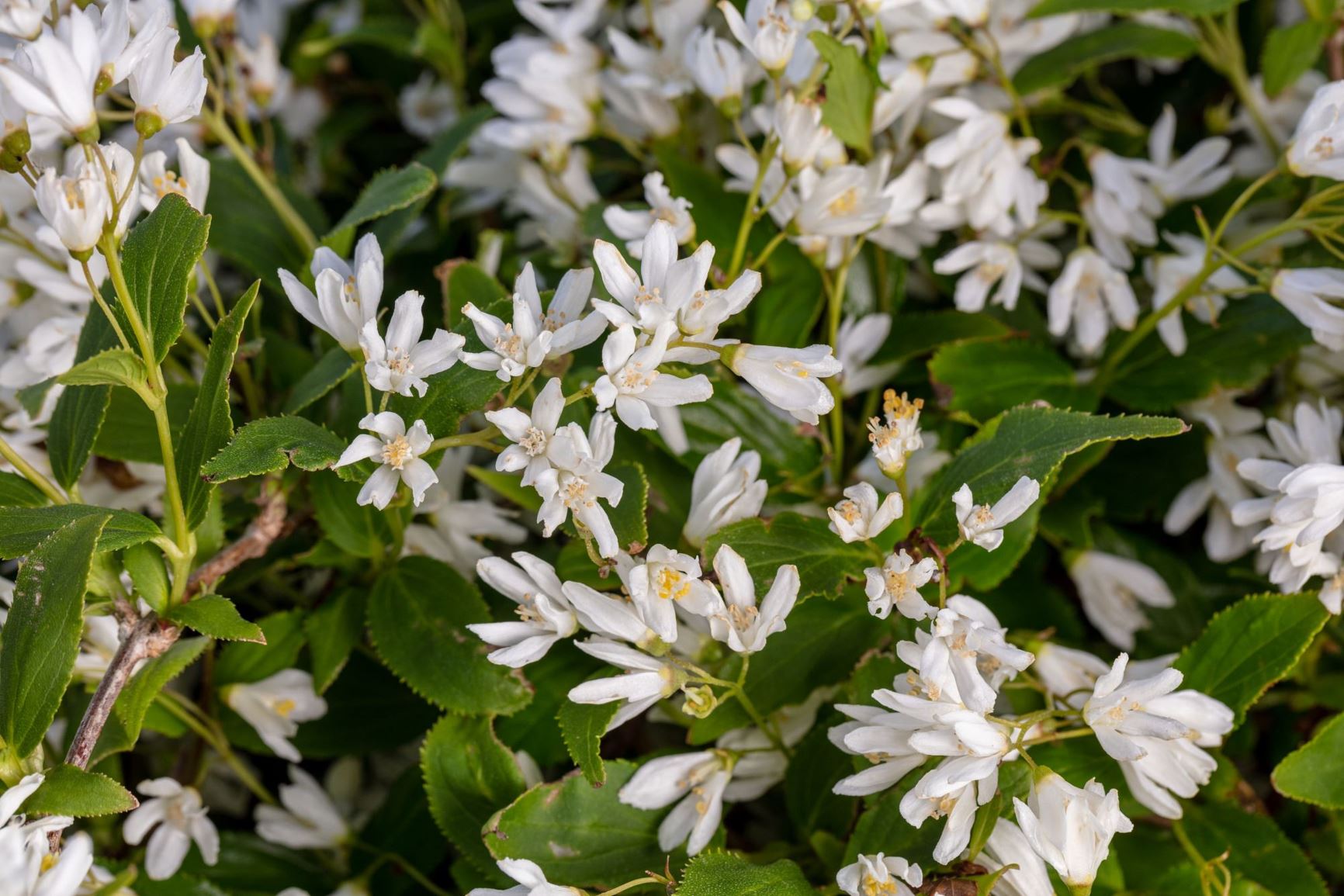
“Deutzia gracilis – Wikipedia” from en.wikipedia.org and used with no modifications.
Distinctive Leaf and Stem Characteristics
The leaves of Deutzia gracilis are one of its identifying features. They grow in an opposite arrangement along the stems, with simple, ovate to lance-shaped form. The foliage is typically dark green with finely serrated edges, growing up to 3 inches long. Come autumn, many plants display a lovely reddish-purple fall color, adding seasonal interest. The stems themselves are slender and brown, with a slight arching habit that contributes to the plant’s graceful appearance.
Those Stunning Star-Shaped White Flowers
The glory of Deutzia gracilis arrives in spring when masses of star-shaped white flowers emerge in clusters along the branches. Each individual bloom features five pointed petals arranged in a star formation, creating a delicate, intricate appearance when viewed up close. These flowers blanket the shrub so completely that the foliage beneath can be temporarily hidden, creating the “snow flower” effect that gives the plant one of its common names.
The flowers typically appear in April to May, depending on your climate zone, and the display can last for several weeks. Many gardeners note a slight sweet fragrance, especially noticeable when multiple plants are grouped together or on warm spring days when the scent carries more effectively.
Nikko vs. Standard Deutzia Gracilis: Spotting the Differences
Deutzia gracilis ‘Nikko’ is the most popular cultivar of Slender Deutzia, distinguished primarily by its more compact growth habit. While standard Deutzia gracilis typically reaches 2-5 feet in height and spread, ‘Nikko’ maintains a lower profile at just 1-2 feet tall with a spreading habit of 2-5 feet wide. This makes ‘Nikko’ particularly valuable as a ground cover for slopes or as a front-of-border planting. Additionally, ‘Nikko’ often displays more pronounced fall color, with leaves more reliably turning auburn or reddish-purple before dropping, whereas the color change in standard varieties can be less dramatic depending on growing conditions. For those interested in understanding plant care, artillery plant care tips can offer additional insights into maintaining healthy plants.
Size Expectations: How Big Will Your Deutzia Get?
Understanding the mature size of your Deutzia gracilis is crucial for proper placement in the landscape. While these shrubs aren’t enormous by woody plant standards, giving them adequate space will ensure they can develop their naturally graceful form without constant pruning to keep them in bounds.
Standard Deutzia Gracilis Growth Patterns
The standard form of Deutzia gracilis typically reaches a mature height of 2-5 feet tall with a similar spread of 3-4 feet wide. This midsized shrub develops a naturally rounded to vase-shaped form with gracefully arching branches that create a fountain-like appearance. Growth is moderate, with plants typically reaching their mature size within 3-5 years under optimal conditions.
The upright bushy habit makes standard Deutzia gracilis ideal for informal hedges, foundation plantings, or as a backdrop for perennial borders. Its arching branches create natural layers that add dimensional interest to garden beds and mixed shrub borders. When planning your garden layout, account for the eventual spread to avoid overcrowding neighboring plants. For those interested in pet-friendly gardening, consider safe garden ideas to ensure a harmonious environment.
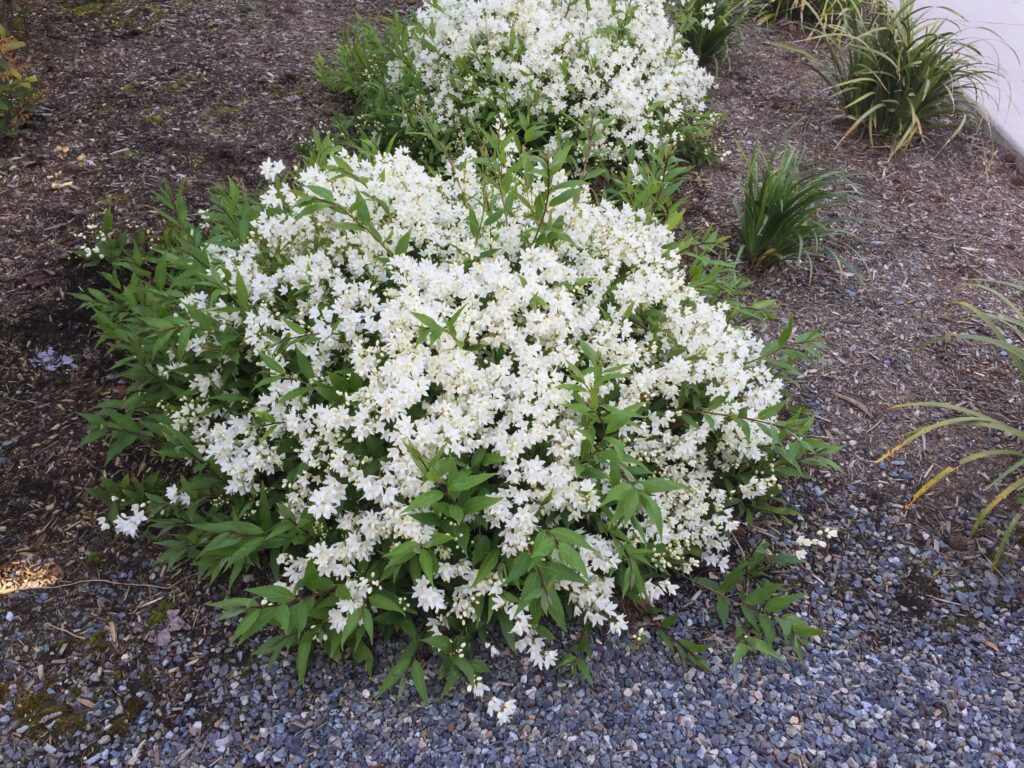
“Slender Deutzia) – Sublime Gardens” from sublimegardens.com and used with no modifications.
Nikko Deutzia’s Compact Spreading Habit
Deutzia gracilis ‘Nikko’ represents a more compact form, reaching only 1-2 feet in height while spreading 2-5 feet wide. This lower, more spreading habit makes it an excellent ground cover option, particularly for slopes or areas where erosion control is needed. The horizontal growth pattern creates a cascading effect when planted near walls or in raised beds, allowing the branches to spill over edges attractively.
Despite its diminutive height, ‘Nikko’ produces flowers just as prolifically as its larger cousins, creating a stunning carpet of white blooms in spring. The compact nature makes it particularly suitable for smaller gardens, rock gardens, or as a front-of-border planting where its lower profile won’t block views of plants behind it.
Growth Rate and Maturity Timeline
Deutzia gracilis has a moderate growth rate, typically adding 6-12 inches of new growth annually during its establishment phase. Plants generally reach their mature size within 3-5 years, with flowering becoming increasingly prolific as the plant matures. First-year plants may produce some flowers, but the true showing begins in the second or third season after planting.
When planning your garden, it’s wise to account for the mature size rather than the initial planting size. While young plants may seem small and widely spaced at first, they’ll quickly fill in the allocated space. Proper spacing ensures good air circulation between plants, which helps prevent fungal issues and allows each specimen to develop its natural, graceful form.
Finding the Perfect Spot: Sun vs. Shade Requirements
Light conditions play a crucial role in the flowering performance of Deutzia gracilis. While these adaptable shrubs can tolerate a range of light situations, their flowering response varies significantly based on exposure. Finding the sweet spot for your climate will ensure the most spectacular spring display.
Ideal Light Conditions for Maximum Flowering
For the most abundant flowering, plant your Deutzia gracilis in full sun to part shade. Full sun, defined as 6+ hours of direct sunlight daily, promotes the densest flower production and the most compact growth habit. In most climates, this exposure creates the classic snow-covered appearance when the plant is in full bloom, with flowers appearing along the entire length of stems.
Morning sun with afternoon shade represents an excellent compromise in hotter regions, providing sufficient light for flower bud formation while protecting the plant from the most intense midday and afternoon heat. This light pattern is particularly beneficial in USDA zones 7-8, where summer temperatures regularly exceed 90°F.
Adapting to Different Light Situations
While Deutzia gracilis can grow in partial shade locations receiving just 3-4 hours of direct sun, flowering will be reduced compared to sunnier spots. In deeper shade, plants tend to stretch toward available light, creating a more open, leggy growth habit rather than the desirable compact form. If your landscape offers only shadier options, consider compensating with soil that’s slightly richer in organic matter to support the plant’s needs.
An interesting adaptation occurs when Deutzia grows in partial shade – the flowering period often extends slightly longer than in full sun. The blooms may be fewer, but they typically last longer since they’re protected from the intense sunlight that can accelerate petal drop. This trade-off might be worthwhile in gardens where extending the spring display takes priority over sheer flower quantity.
Regional Considerations for Sun Exposure
In northern regions (USDA zones 5-6), full sun placement is generally ideal, as summers are milder and the plant benefits from maximum solar exposure. In these cooler climates, south or west-facing locations provide the warmest microclimate, helping the shrub develop robust growth and abundant flower buds for the following spring.
For southern gardens (upper zone 7-8), providing afternoon shade becomes increasingly important to prevent heat stress during summer months. East-facing locations often provide the perfect balance, offering bright morning sunlight while protecting plants from the most intense afternoon heat. Regardless of region, avoid deep shade situations, as these significantly reduce flowering and can lead to sparse, leggy growth.
Soil and Water: Setting Your Deutzia Up for Success
Deutzia gracilis thrives with minimal fuss when it comes to soil and water, but understanding its preferences will help you create optimal growing conditions. The good news for busy gardeners is that once established, these shrubs demonstrate remarkable tolerance for less-than-perfect conditions.
The key to success lies in balancing moisture retention with good drainage. While Deutzia won’t tolerate waterlogged soil, periodic dry spells rarely cause lasting damage to established plants. This adaptability makes them excellent choices for today’s water-conscious gardens.
Getting the basics right at planting time pays dividends for years to come, as properly established plants develop extensive root systems that efficiently access available soil moisture and nutrients with minimal supplementation needed from the gardener.
Soil Type Preferences
Deutzia gracilis adapts to a wide range of soil types but performs best in well-draining, moderately fertile soil with a pH between 5.5 and 7.5. While it prefers loamy soil, it can thrive in everything from sandy soils to heavier clay if drainage is adequate. If your garden has heavy clay soil, consider amending the planting area with compost to improve both drainage and aeration. For particularly sandy soils, adding organic matter helps increase moisture retention while providing nutrients that might otherwise leach away quickly. For pet-friendly gardening, consider exploring safe garden ideas that ensure a harmonious environment for both plants and pets.
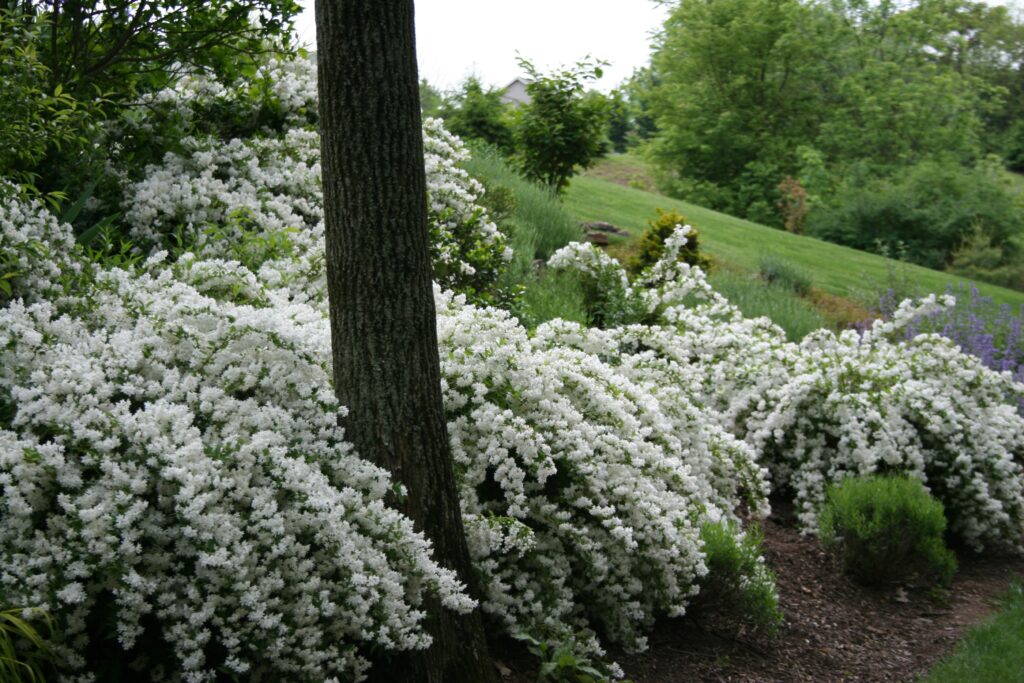
“Nikko Slender Deutzia – Handpicked For You” from www.handpickedplants.com and used with no modifications.
Ground Cover Solutions for Slopes
Deutzia gracilis ‘Nikko’ shines brilliantly when used as a ground cover solution for slopes and challenging terrain. Its spreading habit and robust root system effectively combat erosion by holding soil in place, even during heavy rainfall. The cascading growth pattern creates a natural tiered effect on hillsides, transforming difficult terrain into a striking landscape feature rather than a problem area.
For optimal coverage on slopes, plant ‘Nikko’ specimens approximately 3 feet apart, allowing them to fill in naturally over 2-3 growing seasons. The low maintenance requirements make this deutzia particularly valuable for sloped areas that may be difficult to access for regular garden maintenance. When used on banks alongside pathways or driveways, the spring flowering display creates a stunning white carpet that guides the eye through the landscape.
Container Growing Options
While not commonly considered a container plant, both standard Deutzia gracilis and the ‘Nikko’ cultivar adapt surprisingly well to large pots or planters. For container growing, select a pot at least 18-24 inches in diameter with excellent drainage holes. Use a high-quality potting mix designed for woody plants rather than standard potting soil, and position the container where it will receive at least 6 hours of sunlight daily for best flowering.
Container-grown deutzia benefits from slightly more attentive watering than garden-planted specimens, particularly during hot summer periods. Apply a slow-release fertilizer formulated for flowering shrubs in early spring, following package directions for container application rates. The contained environment often results in a slightly more compact growth habit, making container cultivation particularly effective for patios, balconies, or entrance areas where the spectacular spring bloom display can be appreciated up close. For those interested in safe garden ideas, consider exploring safe garden ideas for pets to ensure a harmonious outdoor space.
Pruning and Maintenance Made Simple
One of deutzia’s most appealing qualities is its minimal maintenance requirements once established. These adaptable shrubs need little intervention beyond occasional pruning to maintain their graceful form and encourage abundant flowering. The timing of maintenance tasks is crucial, however, as incorrect timing can inadvertently remove next year’s flower buds. A simple seasonal checklist will keep your deutzia performing beautifully year after year with minimal effort. For more tips on plant care, check out this guide on artillery plant care.
When and How to Prune for Best Flowering
The golden rule for pruning Deutzia gracilis is simple: prune immediately after flowering has finished in late spring. This timing is critical because the plant forms next year’s flower buds on the current season’s growth. Pruning in late summer, fall, or winter will remove these buds, resulting in few or no flowers the following spring. Use clean, sharp bypass pruners for the task, making cuts at a 45-degree angle just above an outward-facing bud or lateral branch to encourage a naturally spreading form.
Rejuvenation Techniques for Older Plants
After about 5-7 years, older deutzia plants may become woody at the base with diminished flowering in the center of the shrub. Rejuvenation pruning breathes new life into these mature specimens. After flowering, remove approximately one-third of the oldest stems at ground level, targeting the thickest, woodiest branches. This encourages fresh growth from the base, maintaining the plant’s vigor and flowering potential. For severely overgrown plants, a more drastic approach is possible – cutting the entire shrub to 6-12 inches above ground level – though this sacrifices one season of flowering for long-term plant health. If you’re interested in learning more about plant care, you might find this artillery plant care guide helpful.
Dealing with Common Pests and Problems
Fortunately, Deutzia gracilis faces few serious pest or disease issues, contributing to its reputation as a low-maintenance shrub. Occasional visits from aphids might occur in spring, particularly on new growth, but these rarely require intervention beyond a strong spray of water to dislodge them. In humid conditions, powdery mildew may appear as a whitish coating on leaves, especially when plants have insufficient air circulation. Prevent this by ensuring proper spacing between plants and, if needed, apply a fungicidal soap according to package directions. The most common deutzia problems result from improper siting (too much shade reducing flowers) or incorrect pruning timing rather than actual pests or diseases.
Why Deutzia Deserves a Spot in Your Garden
In an era where low-maintenance, drought-tolerant, and multi-season interest plants are increasingly valued, Deutzia gracilis stands out as an underutilized garden treasure. Its spectacular spring flowering display rivals more common shrubs like spireas and viburnums, yet it demands far less attention throughout the growing season. The adaptability across soil types, tolerance of periodic drought once established, and resistance to deer browsing make it a practical choice for modern gardens. Whether used as a foundation planting, informal hedge, slope stabilizer, or container specimen, this versatile shrub offers remarkable beauty with minimal gardener intervention – the perfect combination for busy gardeners seeking maximum impact with minimum effort.
Frequently Asked Questions
After working with countless gardeners on their deutzia questions, I’ve compiled the most common concerns into this helpful FAQ. While deutzia is remarkably unfussy compared to many ornamental shrubs, understanding these key points will help you avoid the few potential pitfalls in growing these beautiful plants.
Many of these questions reflect deutzia’s somewhat confusing reputation – gardeners often hear conflicting information about its hardiness, growth habits, or maintenance needs. Let’s clear up these misconceptions with straightforward, experience-based answers.
Can Deutzia gracilis survive harsh winters?
Deutzia gracilis is reliably hardy in USDA zones 5-8, withstanding winter temperatures down to approximately -20°F (-29°C) when established. In zone 5, providing winter protection during the first year after planting is beneficial – apply 2-3 inches of mulch around the base of the plant in late fall after the ground has frozen. This insulates the root zone from temperature fluctuations rather than keeping it warm.
In borderline zone 4/5 regions, consider planting deutzia in a sheltered location such as near a building’s south-facing wall or in an area protected from harsh winter winds. While the above-ground portions might experience some dieback in extremely cold winters, healthy plants typically resprout from the base in spring. Simply prune away any dead wood after new growth emerges. For more information on growing deutzia, check out this detailed guide.
For container-grown deutzia in colder zones, consider moving pots to an unheated garage or against a protected wall during the deepest winter months, as container root systems are more vulnerable to freezing than in-ground plantings.
How far apart should I plant Deutzia for a hedge?
For a continuous hedge effect with standard Deutzia gracilis, space plants 2-3 feet apart center to center. This spacing allows them to grow together naturally within 2-3 seasons while maintaining sufficient air circulation to prevent fungal issues. For the more compact ‘Nikko’ cultivar, closer spacing of 18-24 inches creates a low border or edging effect, perfect for defining garden beds or pathways. Remember that proper spacing prevents plants from becoming overcrowded, which can reduce flowering and increase susceptibility to powdery mildew in humid conditions.
Why isn’t my Deutzia flowering well?
Poor flowering in Deutzia gracilis typically stems from one of three common causes: insufficient sunlight, improper pruning timing, or extreme nutrient imbalance. The most frequent culprit is inadequate light – deutzia needs at least 4 hours of direct sun daily for good flowering, with 6+ hours producing optimal results. Plants growing in too much shade gradually produce fewer flowers as they stretch toward available light.
Incorrect pruning timing is another common issue – deutzia forms flower buds on the previous year’s wood, so pruning in late summer, fall, or winter removes next year’s flowers. Always prune immediately after flowering finishes in late spring. Finally, excessive nitrogen fertilizer (including lawn fertilizer that reaches shrub borders) promotes lush foliage growth at the expense of flowers. If you suspect this issue, discontinue fertilization and apply a light application of phosphorus-rich fertilizer in early spring. For more on managing garden plants, explore our guide on artillery plant care.
Give a struggling deutzia a full growing season after addressing these potential issues before expecting significant improvement in flowering. Patience is key as the plant reestablishes its natural growth and flowering cycle.
Can I propagate Deutzia from cuttings?
Deutzia gracilis propagates readily from softwood cuttings taken in late spring or early summer. Select healthy, non-flowering shoots from the current season’s growth, cutting 4-6 inch sections just below a leaf node. Remove leaves from the bottom half of the cutting, dip the cut end in rooting hormone powder, and insert into a pot filled with moistened rooting medium (a mix of perlite and peat moss works well). Cover with a clear plastic bag to maintain humidity, place in bright indirect light, and keep the medium consistently moist but not soggy. For more tips on plant care, you might find this guide on plant care helpful.
Roots typically develop within 3-4 weeks, at which point you can gradually acclimate the new plants to normal conditions by opening the plastic covering incrementally over several days. Transplant rooted cuttings to individual pots once a healthy root system has developed, growing them on for at least one season before planting in the garden. This propagation method produces exact clones of the parent plant, ensuring identical flowering and growth characteristics.
Does Deutzia attract pollinators to my garden?
Deutzia gracilis serves as an excellent early-season pollinator plant, attracting a diverse array of beneficial insects when many other garden plants haven’t yet begun flowering. The abundant star-shaped blossoms produce both nectar and pollen, attracting honeybees, native bees, butterflies, and hover flies. These insects not only enhance the garden ecosystem but also provide valuable pollination services to nearby fruit trees and vegetable crops.
The timing of deutzia’s bloom period – typically mid to late spring – creates a crucial bridge in the pollinator food calendar, supporting these beneficial insects during a period when many other flowering plants haven’t yet reached their peak. For maximum wildlife benefit, consider pairing deutzia with earlier-blooming shrubs like forsythia and later-blooming plants like butterfly bush to create a continuous succession of pollinator resources throughout the growing season.
Slender Nikko Deutzia, also known as Japanese Snow Flower and Deutzia gracilis, is a delightful plant to include in your garden. Understanding how to care for it, including its preference for sun or shade, is essential. While it offers beautiful blooms, one must be cautious of its potential as an invasive spreader. If you’re interested in learning about safe garden ideas that won’t harm pets, it’s crucial to consider various plant options and their characteristics.