
Key Takeaways
- Silver Bell trees (Halesia tetraptera) showcase stunning bell-shaped white flowers in spring, making them standout ornamental trees for home landscapes.
- These native North American trees are generally non-toxic to humans, pets, and horses, making them safe additions to family gardens.
- Silver Bells thrive in USDA zones 4-8 in moist, slightly acidic soil with partial shade, particularly in afternoon hours.
- Common Silverbell typically reaches 30-40 feet tall, while Mountain Silverbell can grow to impressive heights of 80-110 feet in optimal conditions.
- These trees require minimal maintenance but benefit from consistent watering during establishment and protection from drought, heat, and soil compaction.
The Silver Bell tree transforms spring landscapes into a fairy tale with its cascading white bell-shaped blooms. Native to the southeastern United States, this enchanting deciduous tree creates a stunning visual display while requiring minimal maintenance from garden enthusiasts. Whether you’re looking to add seasonal interest or support native wildlife, the Silver Bell offers both beauty and ecological benefits to home gardens.
At Garden Natives Nursery, we’ve seen growing interest in Silver Bell trees among homeowners seeking native alternatives to common ornamentals. Their adaptability to various light conditions and moderate growth rate makes them perfect for gardeners who appreciate trees that provide multiple seasons of interest without demanding constant attention.
Silver Bell Tree at a Glance
The Carolina Silverbell (Halesia tetraptera) belongs to the Styracaceae family and is native to woodland areas from West Virginia to Florida. This versatile tree can be grown as a large multi-stemmed shrub or trained into a small understory tree, making it adaptable to various landscape designs. It features an irregular, spreading crown that provides dappled shade perfect for woodland gardens or natural areas.
Meet the Enchanting Silver Bell Tree: Nature’s Spring Showstopper
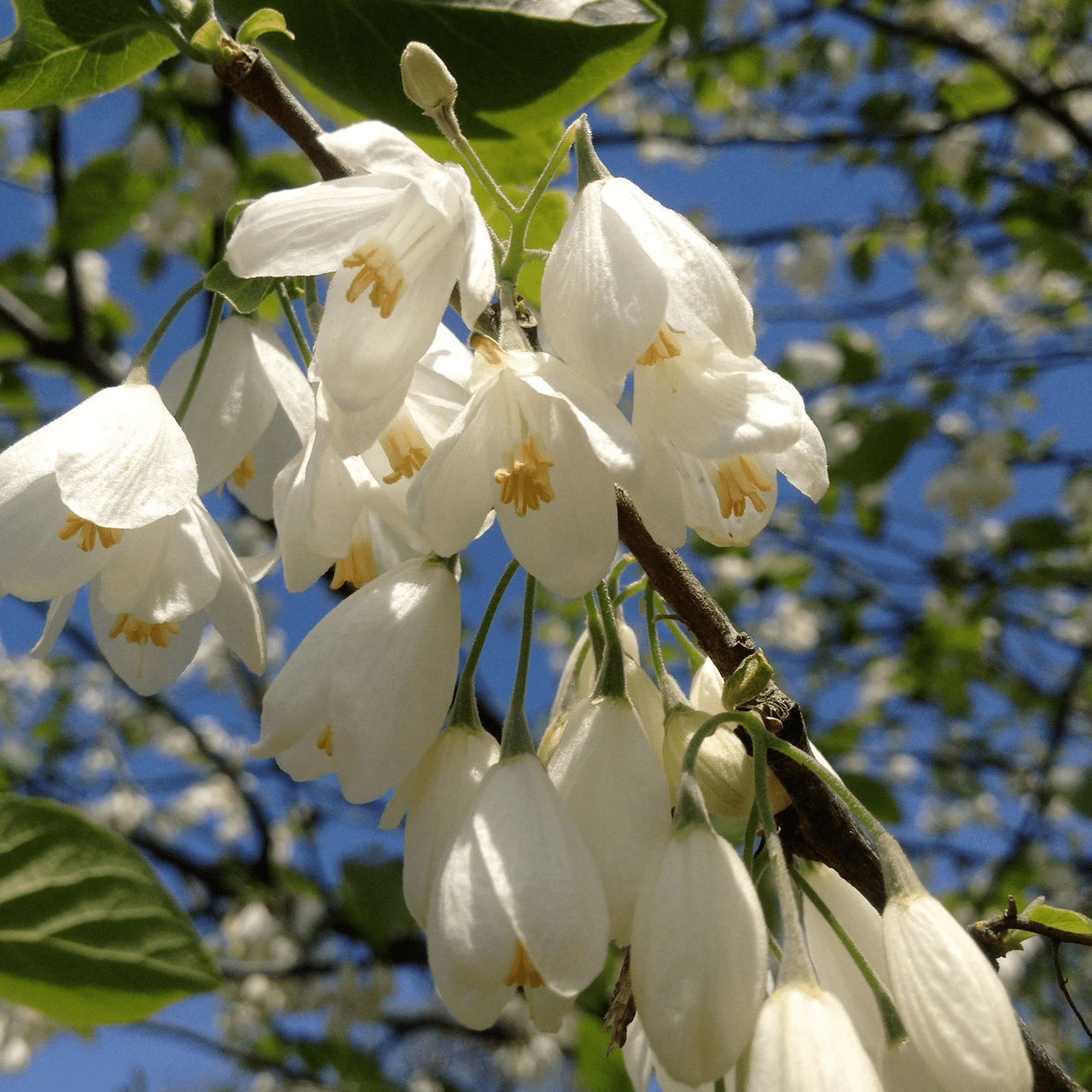
The Silver Bell tree earns its place in gardens through breathtaking spring displays when clusters of pristine white, bell-shaped flowers dangle from branches just as new leaves emerge. This ephemeral show typically occurs in April or May, depending on your climate zone. The flowers’ pendulous nature creates movement in the garden as spring breezes cause them to sway gently, adding dynamic interest to your landscape.
Beyond spring flowering, Silver Bells offer year-round appeal with their attractive bark, summer foliage, and distinctive seed pods that persist into winter. Their natural habitat in moist woodland edges has made them resilient yet understated trees, perfect for gardeners seeking sustainable, low-maintenance options. Many gardeners appreciate their ability to thrive in challenging partially shaded locations where other flowering trees might struggle.
How to Identify a Silver Bell Tree in Your Garden
Identifying a Silver Bell tree starts with understanding its growth habit and seasonal characteristics. These trees typically develop multiple trunks unless trained to a single leader when young. Their overall silhouette tends toward an oval or rounded shape with somewhat irregular branching that creates visual interest even in winter months.
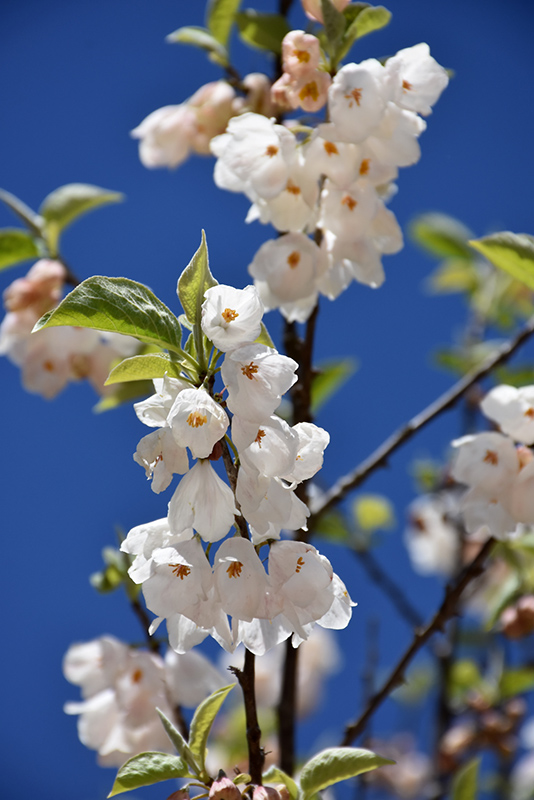
“Carolina Silverbell (Halesia tetraptera …” from plants.oaklandnursery.com and used with no modifications.
Distinctive Bell-Shaped Flowers That Give Away Its Identity
The most recognizable feature of the Silver Bell tree is its namesake blooms. These delicate, pendulous flowers hang in clusters of 2-5 from the branches, resembling small white bells approximately half an inch long. The flowers appear just as the leaves begin to emerge, creating a stunning effect of white blooms against fresh green foliage. Each blossom features four petals fused into a bell shape with a gentle flare at the opening.
The timing of these flowers is a key identification marker, as they typically bloom in mid-spring (April to May) when many spring-flowering trees have already completed their displays. This makes the Silver Bell a valuable addition to gardens seeking extended seasonal interest. Some special cultivars even produce pink-tinged blossoms, though the classic white form remains most common in landscapes. For those interested in other trees with historical significance, the American Chestnut also offers a unique story and presence in gardens.
Leaf Characteristics Throughout the Seasons
Silver Bell trees feature oval to elliptical leaves approximately 2-5 inches long with finely serrated edges. The foliage emerges with a slight bronze tint in spring before maturing to medium green during summer. Come autumn, leaves transform into a soft yellow color that, while not as spectacular as some fall performers, provides a subtle golden glow in the landscape.
Unique Bark Patterns and Tree Structure
The Silver Bell’s bark provides year-round interest with its distinctive gray-brown color and subtle striping pattern that develops as the tree matures. Young trees have relatively smooth bark that gradually develops shallow furrows and thin, flat ridges with age. This textural quality becomes particularly noticeable in winter when the tree’s graceful branching structure is fully revealed.
The multi-stemmed growth habit creates an architectural framework that looks beautiful when illuminated by low winter sunlight or uplighting in landscape designs. Mature specimens develop a broad, somewhat irregular crown that spreads with age, creating pleasing dappled shade beneath. The somewhat asymmetrical branching pattern gives the tree character and distinguishes it from more formally structured ornamental trees.
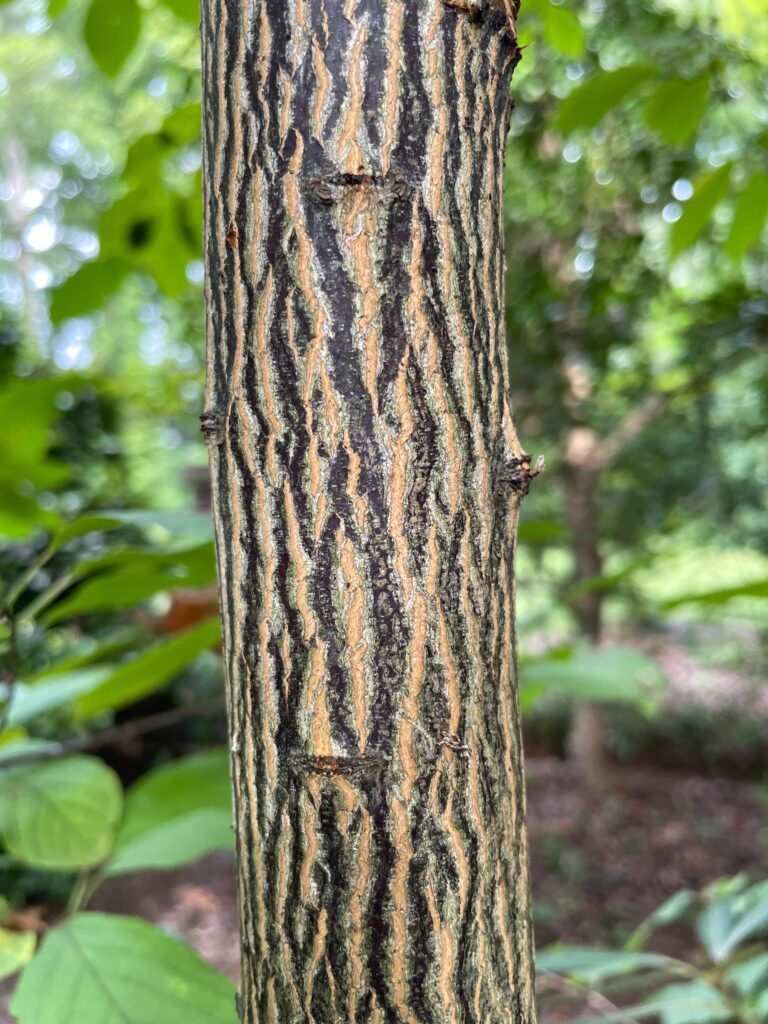
“Carolina Silverbells, Halesia …” from flowermoonnursery.com and used with no modifications.
Four-Winged Seed Pods: The “Rattlebox” Feature
After flowering, Silver Bell trees develop distinctive seed pods that provide another identifying characteristic. These light brown, papery fruits feature four wing-like projections that give them an almost square appearance when viewed from the end. The pods measure approximately 1-1.5 inches long and contain hard seeds inside.
These dry fruits persist through fall and often into winter, creating subtle ornamental interest and earning the tree one of its folk names – “rattlebox” – as they make a gentle rattling sound when shaken by winter winds. The pods eventually drop and can sometimes self-seed, though not aggressively enough to become problematic in most landscapes.
Silver Bell Tree Size and Growth Expectations
Understanding the mature dimensions of Silver Bell trees helps with proper placement in your landscape. These versatile trees can fit into various garden settings when their ultimate size is properly accommodated. Growth patterns vary somewhat between the Common and Mountain varieties, with considerations needed for both height and spread. For those interested in pet-friendly garden options, consider exploring pet-safe plant comparisons to ensure a harmonious garden environment.
Typical Height and Spread in Home Landscapes
In most residential settings, the Common Silver Bell (Halesia carolina) typically reaches 20-40 feet in height with a similar spread of 15-30 feet, creating a pleasingly balanced silhouette. The canopy develops a rounded to oval shape with age, providing moderate shade beneath. Trees grown in optimal conditions with sufficient moisture and partially protected locations may approach the upper end of this size range.
When planning your landscape, allow adequate space for the mature spread, particularly if planting near structures or hardscape features. The tree’s graceful, somewhat informal shape makes it ideal for naturalistic settings rather than formal gardens requiring strict symmetry or tight control.
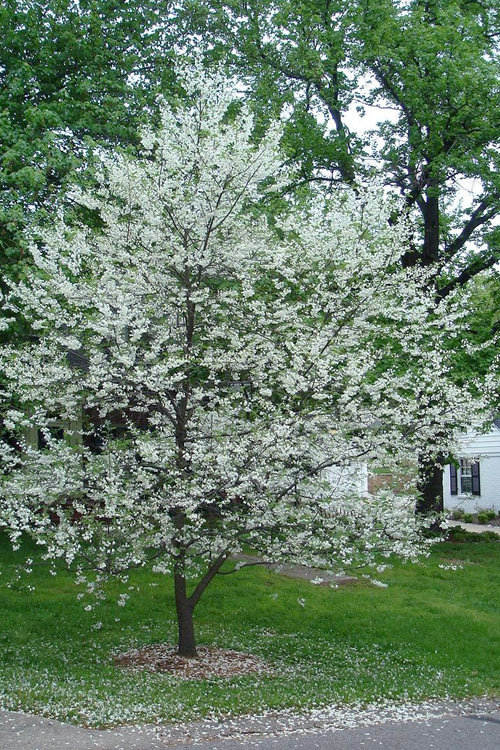
“Buy Carolina Silverbell Tree (Halesia …” from www.wilsonbrosgardens.com and used with no modifications.
Growth Rate and Life Expectancy
Silver Bell trees grow at a moderate pace, typically adding 12-24 inches of height annually during their early establishment years. This modest growth rate makes them manageable in home landscapes while still providing relatively quick results compared to slower-growing native trees. After reaching about 10 years of age, growth typically slows somewhat as the tree focuses more energy on flowering and seed production.
With proper care, Silver Bells can live 60-100 years in favorable conditions, making them a worthy long-term investment in your landscape. Their relatively slow growth and moderate mature size mean they rarely outgrow their space, unlike some faster-growing species that may eventually require removal due to excessive size.
Root System Considerations for Planting
Silver Bell trees develop a moderately fibrous root system that spreads roughly in proportion to their canopy width. These roots are not particularly aggressive or damaging to foundations or hardscapes when planted at appropriate distances. The root system typically remains relatively shallow, especially in moist sites, making them compatible with understory plantings beneath.
When planting, provide ample space for root development – ideally an area at least twice the width of the root ball. Avoid severely compacted soils, as Silver Bells prefer loose, friable soil conditions for optimal root expansion and health. Their roots are somewhat sensitive to extreme drought and may struggle in heavily clay soils that dry and crack during dry periods.
Safety Profile: Are Silver Bell Trees Toxic?
Safety considerations are important when selecting trees for family landscapes, especially where children and pets may have access to fallen plant parts. Fortunately, Silver Bell trees have a favorable safety profile that makes them suitable for most residential settings.
Safety for Humans and Children
Silver Bell trees are generally considered non-toxic to humans. The flowers, leaves, and bark contain no significant toxins that would cause concern even if accidentally ingested in small amounts. This makes them appropriate choices for family gardens, school grounds, and public spaces where children may play.
While the seeds contained within the winged pods are not particularly palatable and contain some bitter compounds, they are not considered seriously toxic. As with any plant material, it’s always wise to discourage children from eating unknown seeds or plant parts, but incidental contact or minor exploratory tasting is unlikely to cause harm beyond potential mild stomach upset.
Pet Safety Concerns for Dogs, Cats, and Horses
Pet owners will be pleased to know that Silver Bell trees are considered non-toxic to dogs, cats, and horses according to the ASPCA plant database. Unlike some common landscape plants that can cause serious reactions in pets, the various parts of the Silver Bell tree present minimal risk if occasionally chewed or ingested in small quantities.
The woody seed pods may pose a minor physical hazard if chewed into sharp fragments, but most animals find them unpalatable and unlikely to consume them in quantities that would cause issues. As with any plant material, unusual consumption patterns or signs of gastrointestinal distress after plant contact should prompt a call to your veterinarian.
Wildlife Interactions with Silver Bell Trees
Silver Bell trees contribute to wildlife habitat by providing food and shelter for various species. The spring flowers attract pollinators including bees, butterflies, and hummingbirds, making these trees valuable additions to wildlife-friendly gardens. The seeds produced in those distinctive four-winged pods become food sources for small mammals and some bird species during fall and winter months.
Many native wildlife species use Silver Bell trees for nesting sites, temporary shelter, and as hunting perches. Their moderately dense canopy provides protective cover while still allowing enough light penetration to support understory plants that further enhance habitat value. This multi-tiered ecosystem support makes Silver Bells excellent choices for conservation-minded gardeners.
Perfect Planting Locations for Silver Bell Success
Finding the ideal location for your Silver Bell tree sets the foundation for decades of healthy growth and abundant flowering. These adaptable trees perform best when their natural habitat preferences are respected, though they can tolerate a surprising range of conditions with proper care during establishment. For additional tips on plant care and safety, you can explore guides on other adaptable species.
Silver Bells evolved as understory trees in woodland edges and stream banks, which explains their preference for protected sites with consistent soil moisture. Their natural habitat hints at the cultural conditions that will produce the healthiest specimens in home landscapes – positions that mimic these edge conditions tend to yield the best results.
USDA Hardiness Zones and Regional Adaptability
Silver Bell trees thrive across USDA Hardiness Zones 4-8, making them suitable for much of the eastern and central United States. In the cooler ends of their range (Zone 4), they benefit from protected planting locations that buffer winter winds and temperature extremes. Southern gardeners in Zone 8 should provide afternoon shade to prevent heat stress during summer months.
Regional adaptations exist within the species, with trees from northern populations showing better cold tolerance while southern ecotypes may handle heat more effectively. When possible, source trees propagated from stock grown in conditions similar to your local climate for best results. This regional adaptation can make a significant difference in long-term performance, especially in marginal growing areas.
Sun and Shade Requirements
Silver Bell trees demonstrate remarkable light adaptability, performing well in full sun to partial shade conditions. In cooler northern regions, they can handle more direct sunlight, while southern landscapes should provide afternoon shade protection. The ideal light exposure typically includes morning sun with filtered light or dappled shade during the hottest part of the day.
This light flexibility makes Silver Bells excellent choices for woodland edges, property boundaries, and transition zones between open lawns and wooded areas. Their ability to thrive in partial shade conditions allows them to fill niches where many other flowering trees would struggle, making them valuable problem-solvers in challenging landscape situations.
Soil Preferences and Drainage Needs
Silver Bells perform best in moist, well-drained, slightly acidic soils rich in organic matter. They show a clear preference for loamy soils with good structure, though they can adapt to clay soils if drainage is improved with organic amendments. Avoid extremely sandy soils that dry out quickly, as these trees are not particularly drought-tolerant, especially when young.
Soil pH ideally falls between 5.5 and 6.5, though they can tolerate slightly higher pH levels with proper management. In alkaline soils (above 7.0), Silver Bells may develop chlorosis (yellowing leaves) due to nutrient availability issues. This can be remedied with acidifying amendments or specialized fertilizers formulated for acid-loving plants.
Good drainage remains crucial despite the tree’s moisture preferences. While Silver Bells enjoy consistent soil moisture, they cannot tolerate standing water or soggy conditions for extended periods. Create raised planting beds or improve drainage in heavy clay soils to prevent root rot issues that can compromise long-term health.
Companion Plants That Thrive Alongside Silver Bells
Creating harmonious plant communities enhances both the beauty and ecological function of your Silver Bell tree. Native woodland understory plants make ideal companions, sharing similar soil and light preferences while creating visual cohesion. Consider planting native ferns, woodland phlox, foamflower, and native sedges beneath your Silver Bell to create a layered, naturalistic look.
Spring ephemerals like Virginia bluebells, trillium, and bloodroot provide early-season interest before the Silver Bell leafs out fully, maximizing seasonal display value. As these spring bloomers fade, the Silver Bell’s flowers take center stage, creating a seamless succession of bloom. Later in the season, shade-tolerant perennials like heuchera, wild ginger, and woodland asters continue the display through summer and fall.
Silver Bell Tree Care Through the Seasons
Seasonal care ensures your Silver Bell tree remains healthy and attractive throughout the year. While generally low-maintenance, these trees benefit from targeted attention during key growth periods and environmental transitions. Understanding their seasonal needs allows you to provide proactive care rather than reacting to problems after they develop.
A well-established seasonal maintenance routine prevents many common issues while maximizing flowering performance and overall vitality. The good news for busy gardeners is that Silver Bells require relatively little intervention compared to many ornamental species, making them excellent low-maintenance choices for naturalistic landscapes.
Spring and Summer Maintenance
Spring brings the Silver Bell’s spectacular flowering display, requiring minimal intervention beyond appreciation. After flowering, monitor soil moisture during the active growing season, especially during dry spells when supplemental watering may be necessary. Maintain a consistent watering schedule rather than allowing extreme fluctuations between dry and saturated conditions.
Apply a fresh layer of organic mulch in late spring after soil has warmed, maintaining a 2-3 inch depth while keeping mulch pulled back several inches from the trunk to prevent moisture-related bark issues. Summer care focuses primarily on monitoring for adequate moisture and occasional pest checks, though serious pest problems are uncommon in healthy specimens.
Fall Preparation Essentials
As temperatures cool in autumn, Silver Bell trees begin preparing for winter dormancy. Reduce watering frequency but ensure trees enter winter with adequate soil moisture, especially for newly planted specimens. Avoid fertilization after midsummer to prevent stimulating tender new growth that would be vulnerable to early frost damage.
Fall is an excellent time to plant new Silver Bell trees, allowing root establishment before summer heat arrives. If planting in fall, provide extra mulch protection for the first winter but avoid piling mulch against the trunk. The tree’s fallen leaves can be left in place as natural mulch, returning nutrients to the soil and protecting roots from temperature fluctuations.
Winter Protection Tips
Established Silver Bell trees require minimal winter protection in their recommended hardiness zones. Young trees benefit from trunk guards to prevent rodent damage and winter sunscald, particularly in open locations with potential for reflected sun off snow. Anti-desiccant sprays may help evergreen companion plants but are unnecessary for the deciduous Silver Bell.
Avoid heavy snow and ice accumulation on branches by gently brushing off excessive loads before damage occurs. Young trees with flexible branches may bend dramatically under ice but often recover their shape naturally when the ice melts. Resist the temptation to shake ice-coated branches, as they become brittle and may snap under additional stress.
When and How to Prune Your Silver Bell
Silver Bell trees naturally develop an attractive, somewhat irregular branching pattern that requires minimal pruning intervention. When necessary, prune immediately after flowering to avoid removing next year’s flower buds, which form during the previous growing season. Focus pruning on removing dead, damaged, or crossed branches rather than trying to impose a formal shape on this naturally graceful tree.
Young trees may benefit from selective structural pruning to establish a strong framework of main branches, especially if being trained to a single-trunk specimen rather than a multi-stemmed form. Remove no more than 25% of live growth in any single season to avoid stressing the tree. Clean tools between cuts with a 10% bleach solution to prevent potential disease transmission. For more on plant care, check out these care tips for ferns.
Watering and Fertilizing Schedule
Silver Bell trees prefer consistently moist soil but cannot tolerate waterlogged conditions. During establishment (first 2-3 years), provide weekly deep watering during dry periods, applying water slowly to allow deep penetration. Established trees become more drought-tolerant but still benefit from supplemental water during extended dry spells, particularly in hot southern regions.
Fertilization needs are minimal in fertile soils. If growth seems sluggish or foliage appears pale, apply a balanced slow-release fertilizer formulated for woody plants in early spring according to package directions. Avoid high-nitrogen fertilizers that stimulate excessive foliage at the expense of flowering. In naturally rich woodland soils, annual application of compost may provide all the nutrients required.
Common vs. Mountain Silverbell: Key Differences
While closely related, the Common Silverbell (Halesia carolina) and Mountain Silverbell (Halesia monticola) offer different landscape characteristics worth understanding when selecting between them. Both provide similar seasonal interest but differ significantly in ultimate size and growth habit, making proper selection important for long-term landscape satisfaction. For those interested in pet-friendly gardens, consider exploring safe garden ideas to ensure a harmonious environment.
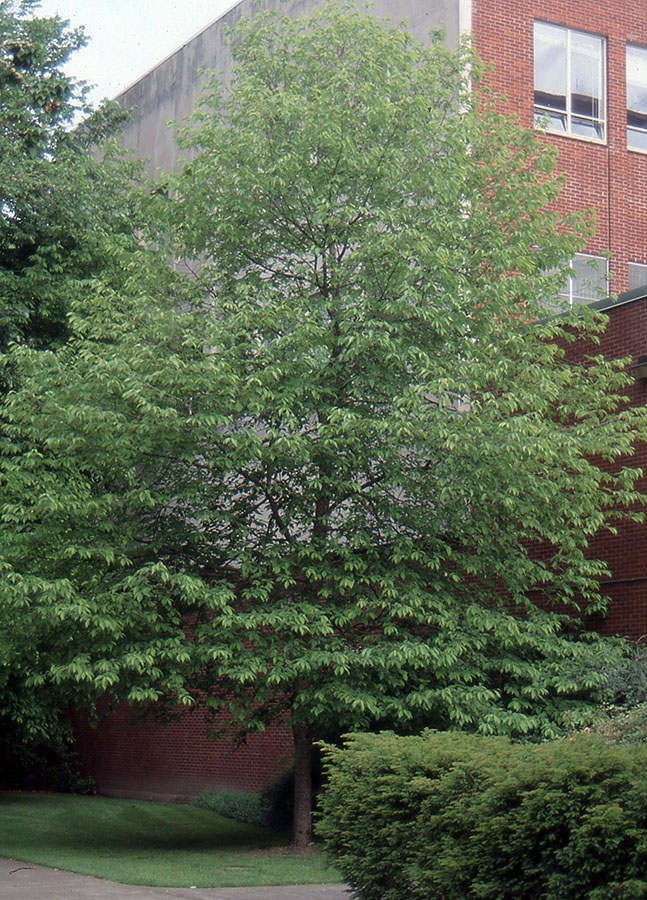
“Halesia carolina | Landscape Plants …” from landscapeplants.oregonstate.edu and used with no modifications.
Flower and Foliage Distinctions
Mountain Silverbell produces noticeably larger flowers than its Common cousin, sometimes nearly twice the size at about 1 inch long versus the Common Silverbell’s half-inch blooms. This size difference becomes particularly apparent when trees are planted near each other, though both create stunning spring displays. Mountain Silverbell flowers also tend to appear in slightly larger clusters, creating a more dramatic effect against the emerging foliage. For more information on the Halesia species, you can explore their detailed characteristics.
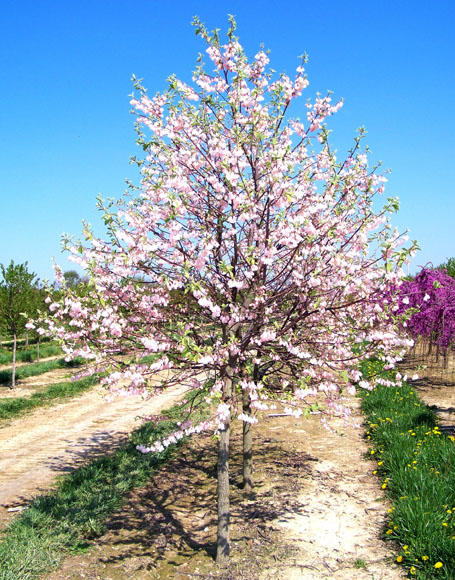
“Halesia monticola ‘Arnold Pink’ – Moon …” from moonnurseries.com and used with no modifications.
Hardiness and Environmental Adaptations
Common Silverbell demonstrates slightly better heat tolerance, making it the preferred choice for southern landscapes, particularly in USDA Zones 7-8. It adapts more readily to varied soil conditions including occasional drought once established. The tree’s moderate size also makes it more versatile for smaller properties and urban gardens.
Mountain Silverbell shows superior cold hardiness, performing better in the northern parts of the Silver Bell range (USDA Zones 4-6). It requires more consistent moisture and is less forgiving of drought or poor soil conditions. This species evolved in high-elevation Appalachian coves and north-facing slopes, explaining its preference for cooler, moister growing conditions.
Which Variety is Right for Your Garden?
For average home landscapes, especially those with space limitations, the Common Silverbell typically proves more adaptable and appropriately scaled. Its moderate height of 30-40 feet fits comfortably in most residential settings without overwhelming the space or creating concerns about proximity to structures. The Common variety also tolerates a wider range of soil conditions, making it more forgiving for less-than-perfect sites.
Consider the Mountain Silverbell for larger properties, particularly those with protected woodland settings where its impressive mature height of 80-100 feet can be accommodated. This variety creates a more dramatic vertical element in the landscape and produces showier flowers, but requires more space and patience as it develops. Natural areas, large estates, and institutional grounds with adequate space often provide ideal settings for showcasing this majestic native tree. For those interested in plant care and safety, the Sword Fern pet safety guide offers useful insights on plant care.
Troubleshooting Silver Bell Tree Problems
While generally trouble-free, Silver Bell trees occasionally face challenges that require intervention. Most issues stem from environmental stresses rather than serious disease or pest vulnerabilities. Early identification of problems allows for prompt corrective action before tree health becomes significantly compromised. For those interested in maintaining a safe environment for pets, you might want to explore safe garden ideas that could complement your Silver Bell tree care.
Preventive care remains the best strategy, focusing on proper siting, adequate soil preparation, and appropriate maintenance practices. Trees planted in suitable locations with proper care rarely develop serious problems, though environmental stressors like extended drought or unusual weather patterns may occasionally create temporary issues. For those interested in indoor and outdoor plant care, proper maintenance is crucial to ensure plant health.
Common Pests and Diseases
Silver Bell trees face few serious pest or disease threats when grown in appropriate conditions. Occasionally they may experience minor infestations of scale insects or aphids, which rarely cause significant damage but can be controlled with horticultural oil applications if necessary. Japanese beetles may sometimes feed on foliage but typically don’t cause enough damage to warrant treatment in established specimens.
Environmental Stress Signals
Leaf scorching (brown edges) typically indicates drought stress or excessive sun exposure, particularly in southern regions. Address by improving moisture management and considering afternoon shade protection. Yellowing leaves (chlorosis) often signals alkaline soil conditions affecting nutrient availability, treatable with acidifying amendments or special fertilizers formulated for acid-loving plants.
Poor flowering performance typically relates to insufficient light, improper pruning timing (removing flower buds), or excessive nitrogen fertilization promoting foliage at the expense of flowers. Young trees may take 5-7 years before flowering abundantly, so patience is sometimes the only remedy needed for newly established specimens that seem reluctant to bloom.
Transplanting Challenges and Solutions
Silver Bell trees develop relatively sensitive root systems that can make transplanting established specimens challenging. When necessary, move trees during dormancy (late fall or early spring) with as large a root ball as feasible, ideally containing roots extending at least to the drip line. Prepare the new planting location before disturbing the tree to minimize root exposure time.
After transplanting, provide consistent moisture and apply root stimulator according to product directions to encourage new root development. Consider reducing the canopy by up to 25% through selective pruning to balance the reduced root system’s ability to support foliage. Provide temporary shade during the first summer if moved to a sunnier location than previously experienced. For more information on the species, visit the Halesia Wikipedia page.
- Water deeply but infrequently to encourage deep root growth
- Apply 2-3 inches of organic mulch extending beyond the drip line
- Avoid fertilization until new growth appears, indicating successful establishment
- Protect from strong winds during the first year after transplanting
- Monitor soil moisture carefully, as transplanted trees have reduced ability to seek water
Most transplant shock symptoms (wilting, leaf drop, reduced growth) resolve within 1-2 growing seasons as the root system reestablishes. Patience and consistent care during this transition period significantly improve long-term transplanting success rates.
Why Silver Bell Trees Deserve a Spot in Your Landscape
Silver Bell trees offer a compelling combination of breathtaking spring beauty, four-season interest, wildlife value, and low-maintenance reliability that few other native trees can match. Their ability to thrive in challenging partial shade locations while providing spectacular flowering displays makes them valuable problem-solvers for spots where many ornamentals would struggle. By incorporating these enchanting native trees into your landscape, you’re not only creating visual beauty but supporting ecological health through native plant stewardship and wildlife habitat creation.
Frequently Asked Questions
Silver Bell trees generate many questions from gardeners intrigued by their unique characteristics and seasonal displays. Understanding these common concerns helps ensure successful cultivation and maximum enjoyment of these native treasures. The following questions address the most common uncertainties gardeners encounter when considering or caring for Silver Bell trees, such as pet safety and historical uses.
While relatively uncommon in mainstream nursery trade, growing interest in native landscaping has increased Silver Bell availability in specialized native plant nurseries and through mail-order sources. This accessibility, combined with their ornamental and ecological value, makes them increasingly popular choices for discerning gardeners.
How long does it take for a Silver Bell tree to bloom after planting?
Silver Bell trees typically begin flowering within 5-7 years after planting, depending on the size and age of your initial specimen. Trees purchased in larger container sizes (7-15 gallons) or as balled-and-burlapped specimens may flower sooner than those started from smaller containers or seedlings. Patience is required as the tree establishes its root system and develops sufficient maturity to support flowering.
- Young trees focus energy on root and structural development before flowering
- Trees propagated from cuttings often bloom earlier than seed-grown specimens
- Optimal growing conditions speed time to first flowering
- Some nursery specimens may already have flower buds when purchased
- Initial flowering displays will be modest, increasing in abundance with maturity
The wait proves worthwhile, as mature specimens produce increasingly spectacular displays each spring. Early flowering performance tends to be modest, with dramatic improvement as the tree matures and develops more extensive branching to support flower production. For more information on the Halesia genus, you can explore additional resources.
Grafted specimens sometimes flower earlier than those grown from seed, as the scion wood often comes from mature, flowering portions of established trees. This can be an advantage for gardeners seeking quicker ornamental returns on their investment. For those interested in safe gardening practices, consider exploring safe garden ideas to ensure your garden is both beautiful and pet-friendly.
Once flowering begins, expect annual displays that gradually increase in abundance as the tree continues maturing. Peak flowering typically occurs when trees reach 15-20 years of age, though they continue flowering abundantly for decades thereafter with proper care.
Can Silver Bell trees grow in containers or small spaces?
Silver Bell trees can be maintained in large containers (25+ gallons) for several years, making them suitable for patios, rooftop gardens, or temporary placements where in-ground planting isn’t possible. However, their ultimate size and root development needs make them poor candidates for permanent container culture. If container growing is necessary, select dwarf varieties or plan for eventual transplanting to an in-ground location where the tree can reach its natural dimensions.
Why is my Silver Bell tree not flowering?
Lack of flowering typically results from insufficient tree maturity, improper light exposure (too shady), or untimely pruning that removed flower buds. Silver Bells require at least partial sun (4+ hours daily) to flower abundantly. Since flowers form on the previous season’s growth, pruning after midsummer removes developing flower buds for the following spring.
Excessive nitrogen fertilization can also reduce flowering by promoting vegetative growth at the expense of flower bud formation. If using fertilizer, select balanced formulations with equal or lower nitrogen relative to phosphorus and potassium, particularly for established trees. Soil testing can identify nutritional imbalances that might be affecting flowering performance.
Do Silver Bell trees have fall color?
Silver Bell trees produce modest but pleasant yellow fall color most years. The autumn display isn’t as spectacular as maples or other fall standouts, but it provides a soft golden complement to more vibrant fall performers in mixed plantings. Fall color intensity varies with seasonal conditions, developing most vibrantly during autumns with cool nights and sunny days leading up to leaf drop. For a deeper understanding of how seasonal conditions affect plant growth, you might find this guide on plant care helpful.
Some individual trees show better fall color than others due to genetic variation within the species. If fall color is particularly important to your landscape goals, observe local specimens in autumn before selecting your tree, or ask native plant nurseries about selections known for enhanced fall display. The Mountain Silverbell variety sometimes demonstrates slightly better yellow-gold fall color than the Common Silverbell.
How do I propagate a Silver Bell tree?
Silver Bell trees can be propagated from seeds or softwood cuttings, with seed propagation being more straightforward for home gardeners. Collect seeds in fall when the winged pods turn brown but before they drop from the tree. Remove seeds from the pods and plant immediately in a protected outdoor location or cold-stratify in the refrigerator mixed with slightly damp sand in a sealed plastic bag for 2-3 months before spring planting.
Softwood cuttings taken in early summer can be rooted with moderate success using rooting hormone and high humidity. These require more controlled conditions than seed propagation but produce flowering trees more quickly. Grafting is sometimes used by specialty nurseries but requires advanced propagation skills beyond most home gardeners’ capabilities.
For those seeking simpler approaches, Silver Bells occasionally produce root suckers that can be carefully separated and transplanted during dormancy. This method maintains the exact characteristics of the parent tree and typically results in earlier flowering than seed-grown specimens.
At Garden Natives Nursery, we celebrate the unique beauty and ecological value of native trees like the Silver Bell that connect our gardens to the natural heritage of North America.