
Key Takeaways
- Pink Brocade Flame Violet features stunning variegated pink, green, and white foliage with vibrant orange-red flowers, requiring bright indirect light and high humidity to thrive.
- Despite its name, Flame Violet (Episcia cupreata) is not an African Violet but belongs to the same Gesneriaceae family with different care requirements.
- These tropical beauties prefer consistent moisture, temperatures between 65-80°F, and can be easily propagated through leaf cuttings or stolons.
- Flame Violets are non-toxic to pets, making them safe additions to households with cats and dogs.
- Mastering the balance of light, humidity, and proper watering is key to triggering the spectacular blooms that make Pink Brocade such a coveted houseplant.
Looking for a houseplant that offers both stunning foliage and vibrant flowers? The Pink Brocade Flame Violet might be your perfect match. This tropical beauty captivates with its variegated leaves in shades of pink, green, and white, complemented by bright trumpet-shaped blooms. Gardenia.net’s plant experts recommend these striking plants for their ability to bring color to shaded indoor spaces while requiring minimal space.
While often confused with African Violets, Flame Violets belong to a different genus entirely, though they share the same plant family. This distinction matters because their care requirements differ significantly, especially regarding humidity and propagation methods. Understanding these differences is essential for success with this eye-catching houseplant.
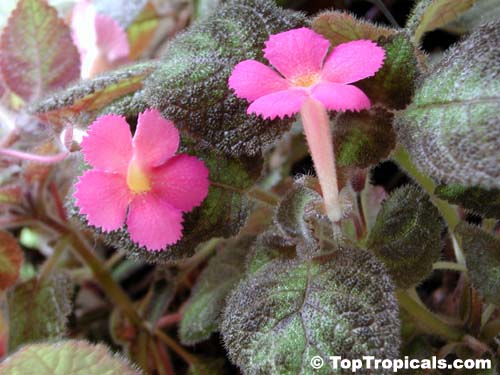
“Episcia cupreata (Common name: Flame …” from toptropicals.com and used with no modifications.
Article-at-a-Glance
The Pink Brocade Flame Violet is a showstopper in any plant collection, offering the perfect combination of colorful foliage and bright blooms. Native to tropical regions, these plants bring a touch of exotic beauty to your home without demanding excessive maintenance. Whether you’re new to houseplants or an experienced collector, this guide will help you understand how to help your Flame Violet thrive.
With proper care, these plants reward you with continuous displays of color throughout the year. Their trailing growth habit makes them perfect for hanging baskets or elevated shelves where their cascading foliage can be fully appreciated. Unlike some fussy tropical plants, Pink Brocade adapts well to indoor environments as long as a few key conditions are met.
- Belongs to the Gesneriaceae family alongside African Violets
- Features variegated pink, green, and white foliage
- Produces bright orange-red tubular flowers when happy
- Grows as a trailing plant with spreading stolons
- Prefers bright indirect light and high humidity
Many plant enthusiasts discover Flame Violets after mastering African Violet care, looking to expand their Gesneriaceae collection. The Pink Brocade variety stands out for its particularly striking leaf coloration, making it one of the most sought-after Episcia cultivars on the market today.
Plant Profile: Pink Brocade Flame Violet
Botanical Name: Episcia cupreata ‘Pink Brocade’
Family: Gesneriaceae
Native Habitat: Tropical regions of Central and South America
Growth Habit: Trailing, spreading via stolons
Light Needs: Bright indirect light, no direct sun
Watering: Keep consistently moist but not soggy
Difficulty Level: Moderate
Discover the Enchanting Pink Brocade Flame Violet
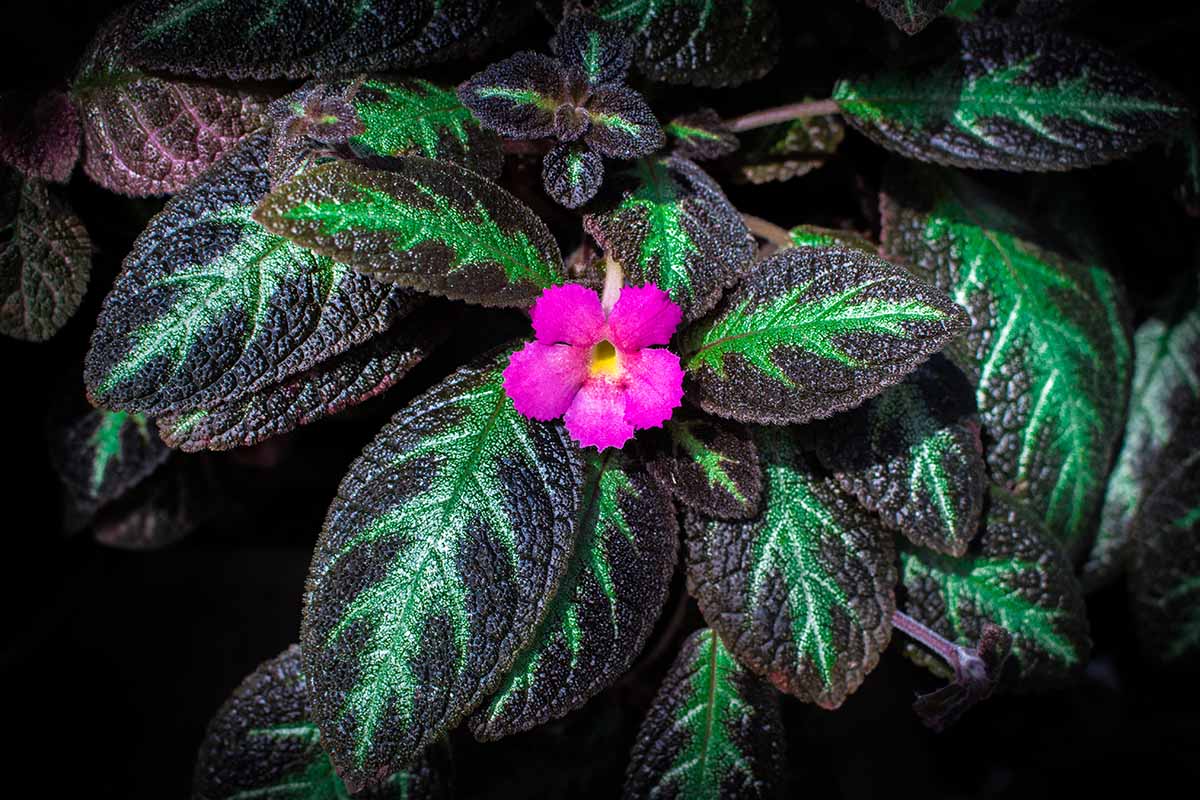
The Pink Brocade Flame Violet transforms ordinary spaces into tropical retreats with its exquisite coloration. This particular cultivar displays a mesmerizing tapestry of pink, silver, and green on each leaf, creating a visual spectacle even when not in bloom. The leaves grow in a rosette pattern with slightly scalloped edges and a velvety texture that catches light beautifully, adding dimension to your plant display.
What makes this variety truly special is how the coloration changes under different lighting conditions. In brighter light, the pink tones become more pronounced, while in shadier spots, the silver patterns take center stage. This chameleon-like quality means your plant can look different throughout the day as light shifts in your home.
Beyond its ornamental value, the Pink Brocade Flame Violet serves as an excellent indicator plant. Its expressive leaves quickly show signs of environmental stress, allowing attentive gardeners to address issues before they become serious problems. This responsiveness makes it an ideal plant for those looking to improve their houseplant care skills.
Names and Identification of the Flame Violet
Navigating the world of houseplants often means deciphering a maze of common names and botanical classifications. The Pink Brocade Flame Violet exemplifies this confusion, being marketed under various names depending on the nursery or region. Understanding these naming conventions helps ensure you’re getting the plant you want and can research appropriate care information. If you’re interested in other pet-safe plants, check out this Artillery Plant care guide.
Common Names and Botanical Classification
Botanically known as Episcia cupreata ‘Pink Brocade,’ this plant goes by several common names that reflect its appearance or relation to other plants. You might see it labeled as Flame Violet, Pink Brocade Episcia, Carpet Plant, or occasionally even incorrectly as Flame African Violet. Despite the “violet” in its name, it’s not a true African Violet (Saintpaulia) but shares the same plant family, Gesneriaceae.
The genus name Episcia comes from the Greek word “episkios,” meaning “shaded,” which references the plant’s natural habitat beneath the forest canopy. This etymology provides valuable insight into the plant’s light preferences in cultivation. ‘Pink Brocade’ specifically refers to the cultivar with prominent pink variegation, distinguishing it from other Episcia varieties like ‘Silver Skies’ or ‘Chocolate Soldier’.
Distinctive Features of Pink Brocade Variety
The Pink Brocade variety stands out even among other Episcia cultivars for its spectacular foliage. Each leaf displays a central zone of rich pink surrounded by silver and green margins, creating a three-dimensional appearance. The leaves grow in an overlapping rosette pattern, forming a dense mat of color that spills beautifully over pot edges. For those interested in plant care, you might find tips on indoor and outdoor care useful.
The plant’s flowers emerge on short stalks above the foliage, featuring tubular orange-red blooms with five flared petals. While smaller than the flowers of African Violets, they provide a striking contrast against the predominantly pink and green foliage. The stems remain relatively short with leaves growing close together, creating a compact yet spreading growth habit through stolons (runners) that produce new plantlets.
Texture also distinguishes Pink Brocade, with leaves that feel velvety to the touch due to fine hairs covering the surface. This feature not only adds tactile interest but serves a practical purpose in the plant’s native habitat by helping to shed water and deter pests.
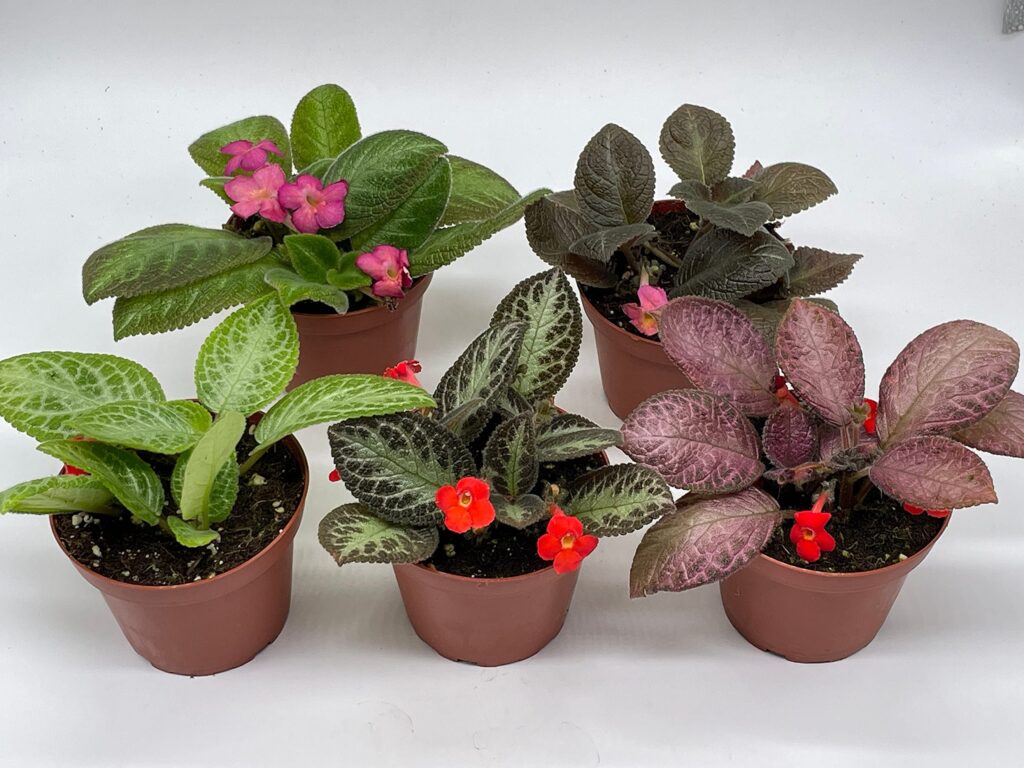
“Flame Violet, Episcia Cupreata …” from www.walmart.com and used with no modifications.
How to Spot a Healthy Plant Before Buying
When selecting a Pink Brocade Flame Violet, examine the plant closely for signs of good health and proper growing conditions. Look for vibrant coloration with clear boundaries between pink, silver, and green areas on the leaves. Faded or blurry color patterns often indicate light stress or nutrient deficiencies. For more information on indoor plant care tips, check out this guide.
Secrets to Triggering Spectacular Blooms
While Pink Brocade Flame Violets are primarily grown for their stunning foliage, their tubular orange-red blooms add another dimension of beauty to this already spectacular plant. Getting your Flame Violet to flower consistently requires understanding several key environmental triggers. Unlike some houseplants that bloom seasonally, Episcias can thrive indoors or outdoors and flower throughout the year when conditions are optimal.
The relationship between foliage growth and flowering is delicate with Flame Violets. Plants that put too much energy into leaf production may skimp on flowers, so finding the right balance is essential. A mature, well-established plant typically flowers more readily than a newly propagated one, so patience may be necessary if your plant is young. For more detailed care tips, you can refer to this Flame Violet grow care guide.
Light Cycles That Promote Flowering
Light duration and intensity play crucial roles in triggering blooms on Pink Brocade Flame Violets. These plants need 12-14 hours of bright, indirect light daily to initiate flower bud formation. A north or east-facing window often provides ideal light conditions, or you can supplement with grow lights positioned about 12 inches above the plant. The key is providing enough light to encourage flowering without the harsh direct sun that would scorch their delicate leaves.
Specialized Nutrients for Bloom Production
Adjusting your fertilizer regimen can dramatically increase flower production in Flame Violets. During the growing season, switch to a bloom-boosting formula with higher phosphorus content (the middle number in the N-P-K ratio). Look for fertilizers labeled for flowering houseplants or specifically for gesneriads, applied at half the recommended strength every 2-3 weeks.
Many experienced growers have success with organic fertilizers like diluted fish emulsion or compost tea, which provide micronutrients that synthetic fertilizers might lack. Remember that over-fertilizing can lead to lush foliage at the expense of flowers, so maintain a balanced approach and always water thoroughly before applying any fertilizer to prevent root burn.
Pruning Techniques to Encourage Flowers
Strategic pruning helps redirect your Flame Violet’s energy toward flower production. Pinch back leggy growth and remove spent blooms promptly to encourage new flower buds. If your plant produces many stolons but few flowers, selectively removing some of these runners allows the plant to focus energy on bloom production rather than vegetative growth. For more tips on plant care, check out our guide on sword fern care tips.
Troubleshooting When Your Flame Violet Won’t Bloom
When your Pink Brocade refuses to flower despite your best efforts, several common issues might be at play. Insufficient light is the most frequent culprit, but temperature extremes, improper watering, or pot-bound roots can also inhibit flowering. Examine your growing conditions systematically – move the plant to a brighter location (still without direct sun), maintain temperatures between 65-80°F, establish a consistent watering routine, and consider repotting if the plant hasn’t been refreshed in over a year.
5 Easy Propagation Methods
- Stolon propagation – Using the plant’s natural runners
- Leaf cutting – Rooting individual leaves
- Stem cutting – Using sections of the main stems
- Division – Separating mature plants
- Water propagation – Rooting cuttings in water before potting
Propagating Pink Brocade Flame Violets is remarkably rewarding, with several foolproof methods to choose from. One of the joys of growing these plants is how readily they multiply, allowing you to expand your collection or share with friends. Most propagation methods have the highest success rates in spring and summer when the plant is actively growing.
Before beginning any propagation project, gather your supplies: fresh potting mix (a blend of peat moss, perlite, and vermiculite works well), clean scissors or pruning shears, small pots, plastic bags or domes for humidity, and optional rooting hormone. Sterilize all cutting tools with rubbing alcohol to prevent disease transmission.
Regardless of which method you choose, newly propagated plants require higher humidity and protection from direct light until established. Creating a mini greenhouse with clear plastic over your cuttings helps maintain the necessary humidity levels for successful rooting. For more tips on caring for plants in different environments, check out these care tips for indoor and outdoor plants.
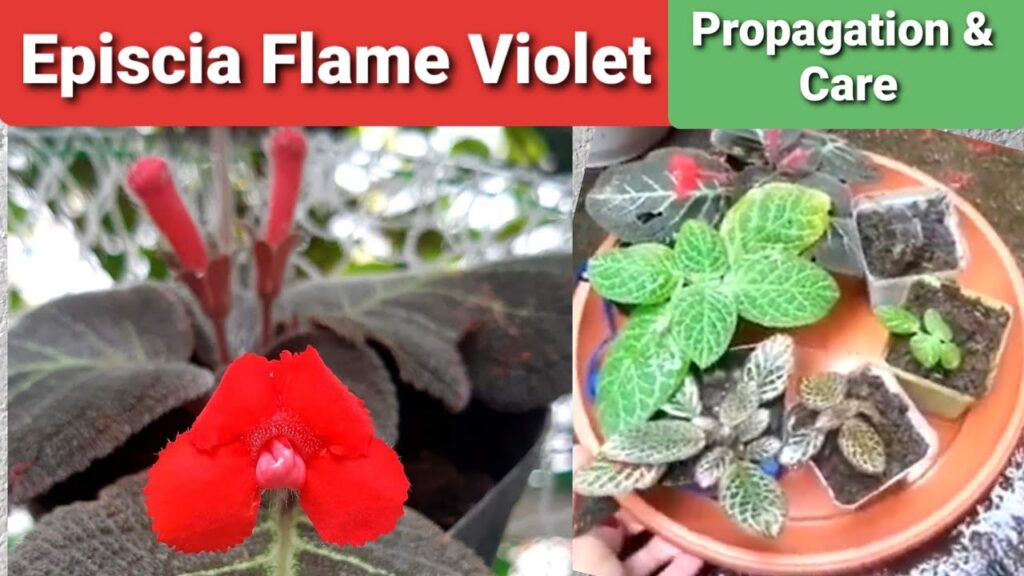
“Episcia Flame Violet Propagation & Care …” from www.youtube.com and used with no modifications.
1. Stolon Propagation – The Natural Way
Stolon propagation takes advantage of the plant’s natural growth habit and yields the fastest results. Stolons are the thin, stem-like runners that Flame Violets send out, which develop small plantlets at their tips. When these plantlets develop several leaves and tiny roots, they’re ready for separation from the mother plant.
To propagate via stolons, identify a healthy plantlet still attached to the parent plant. Place a small pot with moist potting mix next to the mother plant and gently pin the plantlet onto the soil surface using a bent paperclip or hairpin. Keep the soil consistently moist, and within 3-4 weeks, the plantlet will develop sufficient roots to be separated from the mother plant by snipping the connecting stolon. For additional plant safety tips, you might find this guide on fern care and placement useful.
This method has the advantage of being less stressful for both the mother plant and the offspring, as the new plant can establish roots while still receiving nutrients from the parent. The success rate is nearly 100% when performed during the growing season with healthy plants.
2. Leaf Cutting Technique
Leaf cuttings offer an excellent way to produce multiple plants when stolons aren’t available. Select a healthy, mature leaf with at least an inch of stem attached, and trim it cleanly from the main plant. Insert the stem about half an inch into moist propagation mix, positioning the leaf at a slight angle to prevent water accumulation on the leaf surface. Cover with a clear plastic dome or bag to maintain humidity, and place in bright, indirect light. Within 4-6 weeks, tiny plantlets will emerge from the soil around the base of the leaf stem. For more detailed care instructions, check out this Flame Violet grow care guide.
3. Stem Cutting Method
For larger, more mature plants, stem cuttings provide quick results. Choose a healthy stem section with at least two sets of leaves, cutting just below a leaf node with a clean, sharp blade. Remove the lower leaves, dip the cut end in rooting hormone (optional), and insert into moist propagation mix. Cover to maintain humidity and place in bright, indirect light. Roots typically develop within 2-3 weeks, with new growth visible shortly thereafter.
4. Division for Mature Plants
Division works best for established, bushy Pink Brocade Flame Violets that have formed multiple growth points. Carefully remove the entire plant from its pot, gently separate the root ball into sections ensuring each division has both roots and foliage, and pot each section into fresh potting mix. Water thoroughly and provide high humidity until new growth appears, indicating successful establishment. For more detailed care instructions, you can refer to this Flame Violet grow care guide.
5. Water Propagation Option
Some gardeners prefer starting cuttings in water before transferring to soil. For this method, place a leaf or stem cutting in a small container of clean water, ensuring the leaf itself remains above the waterline to prevent rotting. Change the water every few days to prevent stagnation. Once roots reach about an inch long (typically within 2-3 weeks), transfer carefully to potting mix, keeping the soil consistently moist during the transition period.
Pet Safety: What You Need to Know
For plant enthusiasts who share their homes with furry companions, toxicity concerns are always top of mind when introducing new houseplants. Fortunately, Pink Brocade Flame Violets offer both beauty and peace of mind for pet owners. Understanding their toxicity profile helps you make informed decisions about placement and monitoring in your home.
Toxicity Level for Dogs and Cats
Good news for pet owners: Flame Violets, including the Pink Brocade variety, are considered non-toxic to both dogs and cats according to the American Society for the Prevention of Cruelty to Animals (ASPCA). This classification means the plant contains no substances known to cause serious illness or death if ingested. While this doesn’t mean unrestricted munching should be encouraged, accidental nibbling typically won’t result in emergency veterinary visits.
Symptoms to Watch For If Ingested
Though Flame Violets aren’t toxic, any plant material not part of an animal’s normal diet can cause mild gastrointestinal upset if consumed in large quantities. If your pet chews on your Pink Brocade, they might experience temporary symptoms like mild drooling, vomiting, or diarrhea. These symptoms generally resolve on their own within 24 hours without treatment, but provide plenty of fresh water and monitor your pet closely if you notice any unusual behavior.
Inclusion on ASPCA List of Nontoxic Plants
The ASPCA maintains a comprehensive database of plants categorized by their toxicity to pets, and Episcia species are listed among the non-toxic options. This classification gives pet owners confidence when adding these beautiful plants to their homes. For more information on pet-safe gardening, you can explore artillery plant care and pet safety. Remember that individual pets may still have sensitivities or allergic reactions even to non-toxic plants, so introduction of any new plant should be accompanied by observation of your pet’s behavior and health.
Making Your Flame Violet Pet-Resistant
While Pink Brocade Flame Violets are non-toxic, many pet owners still prefer to keep curious paws and mouths away from their prized plants. Creating a pet-resistant environment allows both your plants and animals to coexist harmoniously. With a few strategic adjustments, you can protect your beautiful Flame Violets from becoming chew toys or digging grounds for your furry friends. For more tips on keeping plants safe from pets, consider reading this pet safety guide.
Strategic Placement to Deter Curious Pets
The simplest solution is often placing your Pink Brocade Flame Violets where pets cannot reach them. Hanging baskets suspended from ceiling hooks provide an excellent display option while keeping plants safely elevated. Wall-mounted plant shelves, high bookcases, or plant stands with narrow bases that cats can’t easily jump onto create safe zones for your Flame Violets. Consider rooms that pets don’t frequent or that can be easily closed off when you’re not home to supervise, such as a bathroom with bright indirect light or a spare bedroom. For more ideas on pet-safe plant placement, explore additional resources.
Protective Barriers and Containers
Physical barriers offer another layer of protection for your Pink Brocade. Decorative plant cages or cloches allow light to reach your plants while preventing direct contact with curious pets. For particularly determined animals, consider creating contained plant displays inside glass terrariums or cabinets with doors that latch securely. Another effective approach is surrounding valuable plants with pet-deterrent plants like Coleus canina or lemon-scented geraniums, whose scents naturally repel cats and dogs without harming them.
Natural Deterrents That Won’t Harm Plants or Pets
Several pet-safe deterrents can discourage animals from approaching your Pink Brocade Flame Violets. A light dusting of cinnamon or coffee grounds on the soil surface deters cats who might view the pot as a litter box alternative, while also providing mild antifungal benefits for your plant. Citrus peels placed around plant containers naturally repel most cats, who dislike the strong scent. Commercial bitter apple spray applied to the rim of pots creates an unpleasant taste that discourages chewing without harming your pets or plants. For tech-savvy gardeners, motion-activated deterrents that emit a harmless burst of air when pets approach can effectively train animals to avoid your plant display areas. For more tips on ensuring pet safety in your garden, explore our detailed guides.
Common Problems and Quick Solutions
Even with diligent care, Pink Brocade Flame Violets occasionally develop issues that require prompt attention. Recognizing problems early and implementing appropriate solutions can often save a struggling plant before permanent damage occurs. Most common issues stem from environmental factors rather than disease, making them relatively straightforward to correct once identified.
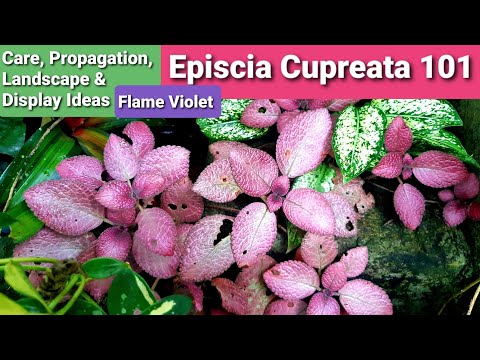
“Episcia Cupreata Flame Violet Complete …” from www.youtube.com and used with no modifications.
Diagnosing Leaf Issues
Leaf problems often provide the first indication that something is amiss with your Flame Violet. Yellow leaves typically signal overwatering, especially when accompanied by soft, mushy stems near the soil line. Brown, crispy leaf edges point to underwatering or low humidity, while overall pale foliage suggests insufficient light. Faded pink coloration in the variegation pattern often indicates too much direct sunlight, which bleaches the distinctive patterns that make Pink Brocade so desirable.
- Brown spots with yellow halos: Fungal infection, reduce overhead watering
- Curling leaves: Temperature stress or pest infestation
- Stunted new growth: Nutrient deficiency or root problems
- Transparent patches on leaves: Sunburn from direct light
- Distorted new leaves: Possible thrips or broad mite infestation
When diagnosing problems, examine the entire plant, including the undersides of leaves and the soil surface. Take note of any recent changes in care routine, location, or environmental conditions that might have triggered the issue. Photos taken in natural light can help document the progression of symptoms and determine if your interventions are effective.
Many leaf issues respond well to simple adjustments in care. Moving your plant to optimize light exposure, adjusting watering frequency, or increasing ambient humidity often resolves minor problems within a week or two. For more persistent issues, consider isolating the affected plant to prevent spread to your other houseplants while you implement treatment.
Pest Management the Natural Way
- Mealybugs: Dab with alcohol-soaked cotton swabs
- Spider mites: Increase humidity and treat with insecticidal soap
- Thrips: Yellow sticky traps and neem oil applications
- Fungus gnats: Allow soil surface to dry and use sticky traps
- Scale insects: Manual removal followed by horticultural oil treatment
Pests can quickly overwhelm a Flame Violet if left unchecked, but early intervention prevents major infestations. Regularly inspect your plants, paying special attention to leaf axils, stem joints, and the undersides of leaves where pests often hide. A magnifying glass helps spot tiny pests like spider mites before they cause significant damage.
For mild infestations, a strong stream of water in the sink or shower can dislodge many pests without resorting to chemicals. Follow this physical removal with applications of insecticidal soap or neem oil, being careful to test on a small leaf area first, as Flame Violets have sensitive foliage. Repeat treatments weekly for at least three weeks to interrupt the life cycle of most common pests.
Prevention remains the most effective pest management strategy. Quarantine new plants for at least two weeks before introducing them to your collection, inspect plants regularly, and maintain optimal growing conditions to support your Pink Brocade’s natural resistance to pests. Predatory insects like ladybugs or beneficial nematodes offer biological control options for recurring pest problems in larger collections.
Reviving a Struggling Plant
When your Pink Brocade Flame Violet shows significant decline, a rescue intervention may be necessary. Begin by unpotting the plant and examining the root system—healthy roots should be firm and white or light tan. Trim away any black, mushy, or foul-smelling roots with sterilized scissors, and then repot into fresh, well-draining mix in a clean container. For severely damaged plants, consider taking cuttings from any remaining healthy portions as insurance against total loss. For more detailed care instructions, visit this Flame Violet grow care guide.
Recovery requires creating a stable environment with consistent conditions. A temporary humidity chamber made from a clear plastic bag or dome helps stabilize struggling plants, especially after significant root pruning. Provide bright, indirect light, maintain temperatures between 70-75°F, and water carefully until new growth appears. Avoid fertilizing during the recovery period, as stressed plants cannot effectively utilize nutrients and may suffer further damage from fertilizer salts.
Flame Violet Revival Protocol
1. Assess damage and isolate from healthy plants
2. Prune damaged foliage and roots
3. Repot in fresh sterile medium
4. Create humidity chamber with plastic bag
5. Provide stable warm temperature
6. Water sparingly until new growth appears
7. Gradually reintroduce to normal conditions
The remarkable resilience of Flame Violets often surprises even experienced growers. Plants that appear beyond saving can regenerate from just a few healthy leaves or a small section of viable stem. Patience becomes crucial during revival—significant new growth may take 4-6 weeks to appear as the plant redirects energy to rebuilding its root system before producing new foliage.
Document your revival process with photos and notes about interventions and responses. This record helps identify effective techniques for your specific growing environment and builds your knowledge base for future plant rescues. Success with reviving struggling plants often provides the most satisfaction in plant care, transforming near-losses into thriving specimens that showcase your growing skills.
Why Flame Violets Deserve a Spot in Your Collection
Pink Brocade Flame Violets offer exceptional value for plant enthusiasts seeking maximum visual impact with moderate care requirements. Their unique combination of colorful foliage and bright flowers provides year-round interest, unlike plants that offer only seasonal appeal. The trailing growth habit makes them perfect for hanging displays or cascading from shelves, adding dimensional interest to plant groupings. For those with limited space, these compact plants deliver significant decorative punch without demanding extensive real estate.
- Provides continuous color through variegated foliage even when not flowering
- Thrives in lower light conditions where many flowering plants struggle
- Creates numerous propagation opportunities for expanding your collection
- Offers safe options for households with pets and children
- Serves as an excellent “indicator plant” that visually demonstrates environmental conditions
Beyond their ornamental value, Flame Violets connect growers to a rich botanical heritage and community of enthusiasts. The Gesneriad Society and numerous online forums provide resources for collectors to exchange growing tips, rare varieties, and appreciation for these special plants. Starting with Pink Brocade often leads collectors to explore other Episcia varieties and related genera like Sinningia, Streptocarpus, and Columnea, opening doors to a fascinating plant family with countless decorative options.
From a design perspective, the vibrant pink tones in Pink Brocade complement many interior color schemes and pair beautifully with plants featuring contrasting textures and growth habits. Consider displaying them alongside upright plants with solid-colored foliage to create visual balance and emphasis. Their tropical appearance adds warmth to minimalist spaces and enhances bohemian or maximalist décor styles, making them versatile additions to nearly any aesthetic. For more ideas on plant pairings, check out this guide on Artillery Plant care.
Frequently Asked Questions
New Flame Violet growers often have questions about specific care aspects as they work to master these beautiful plants. The following frequently asked questions address common concerns and provide practical solutions based on proven growing techniques. Remember that slight adjustments may be necessary based on your specific growing environment and the unique needs of your individual plant.
How often should I water my Pink Brocade Flame Violet?
Water your Pink Brocade when the top half-inch of soil feels dry to the touch, typically every 3-5 days in average home conditions. These plants prefer consistent moisture without becoming waterlogged. Factors like pot size, material (plastic versus clay), humidity levels, and seasonal growth rates all influence watering frequency. During active growth in spring and summer, watering needs increase, while winter often requires less frequent irrigation. Always use room temperature water, applying it directly to the soil rather than over the foliage to prevent leaf spotting and crown rot.
Can Flame Violets survive in air conditioning?
Flame Violets can adapt to air-conditioned environments with some modifications to their care routine. The primary challenge in air-conditioned spaces is low humidity, which can cause crispy leaf edges and poor growth. Combat this by placing your Pink Brocade on a humidity tray filled with pebbles and water, grouping plants together to create a microclimate, or using a small humidifier nearby. For more information on maintaining plant health, check out this artillery plant care guide.
Air conditioning vents pose another challenge, as direct airflow can rapidly dehydrate plants and cause temperature fluctuations. Position your Flame Violet away from vents or use baffles to redirect airflow. During particularly dry periods, consider creating a temporary humidity tent with clear plastic to protect sensitive plants, especially newly propagated specimens that haven’t established robust root systems.
- Group plants together to increase local humidity
- Use pebble trays beneath pots to provide evaporative moisture
- Apply regular misting with filtered water in the morning
- Place small humidifiers near plant groupings
- Move plants to naturally humid areas like bathrooms during shower use
With these adaptations, most Flame Violets acclimate well to air-conditioned spaces, though they may grow somewhat more slowly than in naturally humid environments. Monitor your plant’s response to these interventions and adjust as needed to find the right balance for your specific home conditions.
Why are my Flame Violet’s leaves losing their color pattern?
Fading variegation in Pink Brocade Flame Violets typically signals lighting issues. Insufficient light causes the plant to produce more chlorophyll to maximize photosynthesis, resulting in greener leaves with reduced pink coloration. Conversely, too much direct sunlight can bleach out the distinctive patterns. The solution lies in finding the sweet spot of bright, indirect light—typically an east-facing window or a few feet back from a south or west exposure. If natural light is limited, full-spectrum grow lights positioned 12-18 inches above the plant for 12-14 hours daily can maintain vibrant variegation patterns.
How long does it take for a Flame Violet cutting to root?
Flame Violet cuttings typically develop initial roots within 2-3 weeks under optimal conditions, with stolon cuttings rooting faster than leaf cuttings. Temperature plays a significant role in rooting speed—cuttings root most quickly when soil temperature remains between 70-75°F. Higher temperatures can accelerate the process but may stress the cutting, while cooler conditions significantly slow root development.
The rooting medium also affects timing, with lighter, more aerated mixes generally promoting faster root development than dense, heavy soils. A blend of peat moss and perlite in equal parts creates an ideal balance of moisture retention and aeration. While rooting hormone isn’t strictly necessary for Flame Violets, it can shorten rooting time by approximately 25% when applied correctly to the cut surface.
Patience remains essential during propagation, as visible top growth typically doesn’t appear until after a substantial root system has developed. This initial “waiting period” often leads new growers to assume their cuttings have failed when they’re actually developing normally below the soil surface. Gently tugging on the cutting after 3-4 weeks will reveal resistance if roots have formed, even before new leaves appear. For more information on plant care and safety, explore our detailed guide.
Do Pink Brocade Flame Violets go dormant in winter?
Pink Brocade Flame Violets don’t undergo true dormancy like temperate plants, but they do experience a natural growth slowdown during winter months. This reduced growth rate occurs primarily in response to decreased light intensity and duration rather than temperature changes. In their native tropical habitat, these plants grow year-round with subtle seasonal variations, and they maintain this pattern when grown indoors.
During winter, adjust your care routine to accommodate this natural rhythm. Reduce watering frequency as the plant uses less moisture, but maintain regular humidity levels to prevent stress. Hold back on fertilizer or apply at quarter strength until you notice active growth resuming, typically in late February or March as daylight hours increase.
If your Flame Violet appears excessively sluggish in winter, supplemental lighting can help maintain more active growth. A full-spectrum grow light extending the day length to 12-14 hours can significantly reduce winter slowdown. This approach proves particularly valuable for maintaining flowering during shorter days, as bloom production correlates strongly with light duration in these tropical beauties.