
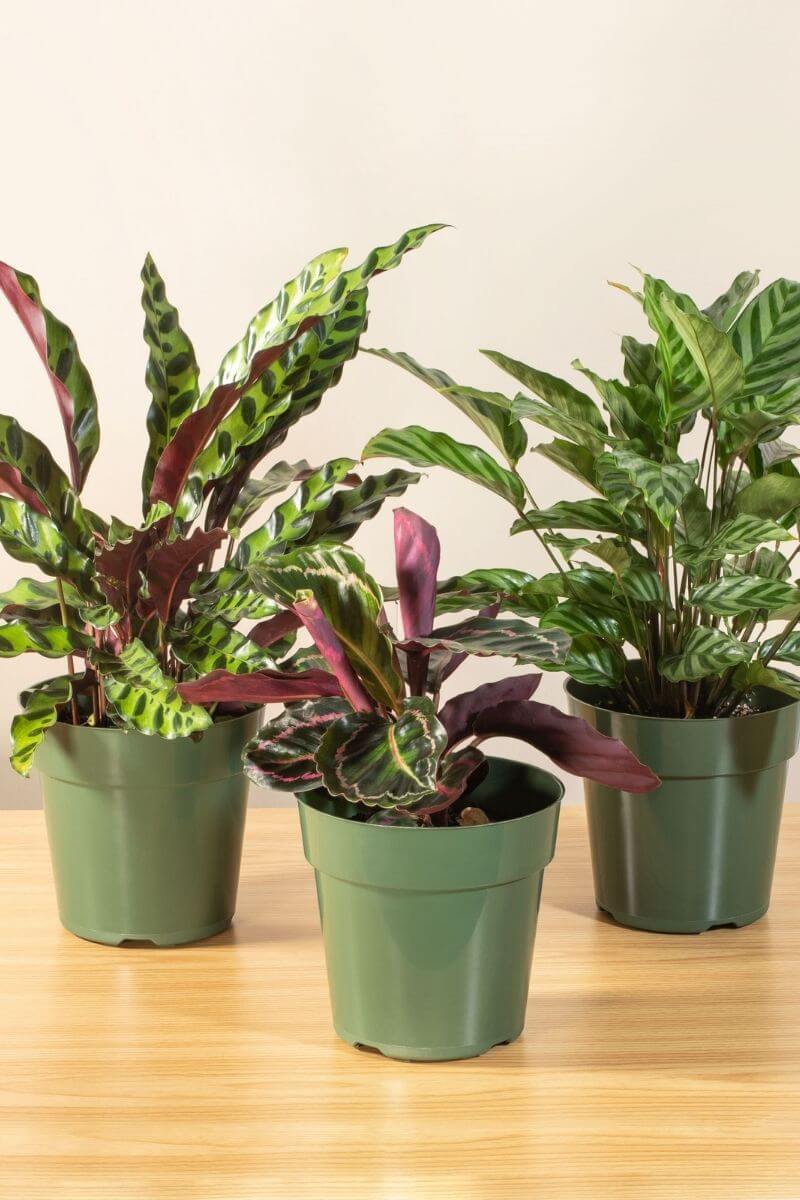
The prayer plant, also known as Maranta, Peacock Plant, or Rattlesnake Plant, is a captivating houseplant with a rich tapestry of vibrant foliage and a charming habit of folding its leaves at night, resembling hands in prayer. Beyond its beauty, one of the most compelling reasons to invite a prayer plant into your home is its non-toxic nature, making it a safe companion for your beloved pets. This article will guide you through the fascinating world of prayer plants, from their unique traits and origins to practical care tips, ensuring both your plants and pets thrive harmoniously.
Key Takeaways
- Prayer plants are non-toxic to dogs, cats, and bunnies, ensuring a pet-safe environment.
- Place prayer plants in indirect light and maintain high humidity for optimal growth.
- Water prayer plants consistently, allowing the topsoil to dry slightly between waterings.
- Prayer plants are fast-growing and can be pruned to encourage bushier growth.
- These plants can be grown indoors or outdoors in a pet-friendly garden setting.
Getting to Know the Prayer Plant Family
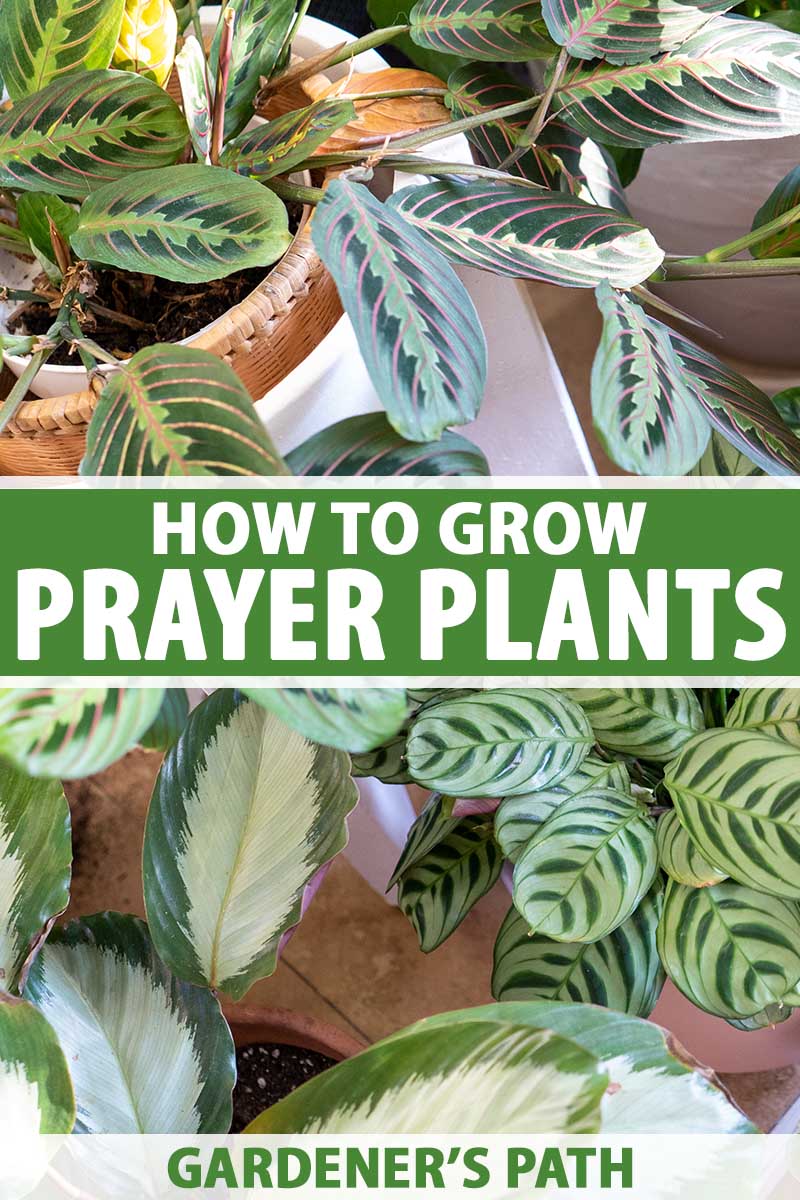
Prayer plants belong to the Marantaceae family, which includes several species known for their stunning leaf patterns and movements. Their leaves showcase a spectrum of colors, from deep greens to vibrant reds and purples, often adorned with intricate patterns that resemble the feathers of a peacock or the scales of a rattlesnake.
“How to Grow and Care for Prayer Plants …” from gardenerspath.com and used with no modifications.
Varieties and Identification
Identifying different varieties of prayer plants can be a delightful journey, as each offers unique characteristics. Common varieties include the Maranta leuconeura, known for its velvety green leaves with red veins, and the Calathea lancifolia, often called the Rattlesnake Plant due to its wavy, lance-shaped leaves with dark green spots.
To accurately identify your prayer plant, observe the leaf patterns, colors, and shapes. The Maranta leuconeura, for instance, is easily recognizable by its herringbone pattern and vibrant red veins. On the other hand, the Peacock Plant, or Calathea makoyana, features translucent leaves with feather-like patterns.
Name Origin and Unique Characteristics
“Prayer plants earn their name from the unique behavior of their leaves, which fold upwards in the evening, resembling hands clasped in prayer.”
This nightly ritual is not just a charming spectacle but a natural response to changes in light, helping the plant conserve moisture and energy. This characteristic behavior makes prayer plants a dynamic addition to any indoor garden, providing both visual interest and a sense of tranquility.
Beyond their leaf movements, prayer plants are admired for their adaptability. They thrive in environments that mimic their native tropical habitats, making them ideal candidates for indoor cultivation.
Common Names Explained
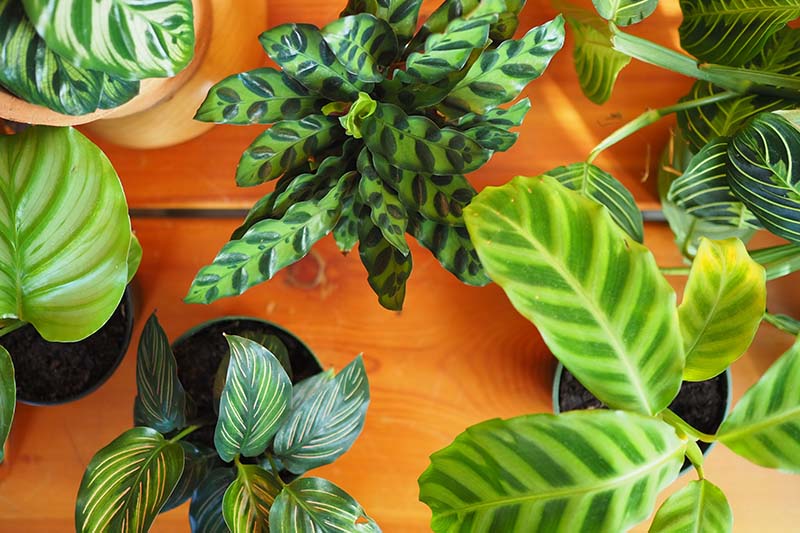
The diverse range of common names for prayer plants often reflects their visual attributes or cultural significance. For instance, the name “Peacock Plant” alludes to the striking, feather-like patterns on its leaves, reminiscent of a peacock’s plumage. Additionally, the Resurrection Lily is another plant with a name that hints at its unique characteristics.
“Prayer Plants …” from gardenerspath.com and used with no modifications.
- Maranta leuconeura: Often referred to simply as the “Prayer Plant.”
- Calathea makoyana: Known as the “Peacock Plant” for its decorative foliage.
- Calathea lancifolia: Commonly called the “Rattlesnake Plant” due to its unique leaf shape and markings.
Understanding these names can enhance your appreciation of the plant’s beauty and inspire creative placement within your home.
Prayer Plants and Pet Safety
One of the most reassuring aspects of owning a prayer plant is its safety around pets. Many plant enthusiasts hesitate to bring new greenery into their homes due to concerns about potential toxicity. Thankfully, prayer plants pose no such risk, allowing you to enjoy their beauty without worry.
Are They Toxic to Dogs, Cats, and Bunnies?
According to the American Society for the Prevention of Cruelty to Animals (ASPCA), prayer plants are non-toxic to dogs, cats, and bunnies. This means you can confidently incorporate these plants into your home without fear of harming your furry friends.
It’s always wise to monitor your pets’ interactions with plants, as excessive chewing can still cause mild digestive upset. However, the lack of toxic compounds in prayer plants significantly reduces the risk of serious health issues.

“Lush pet safe plants that are not …” from www.reddit.com and used with no modifications.
Ideal Placement in Your Home
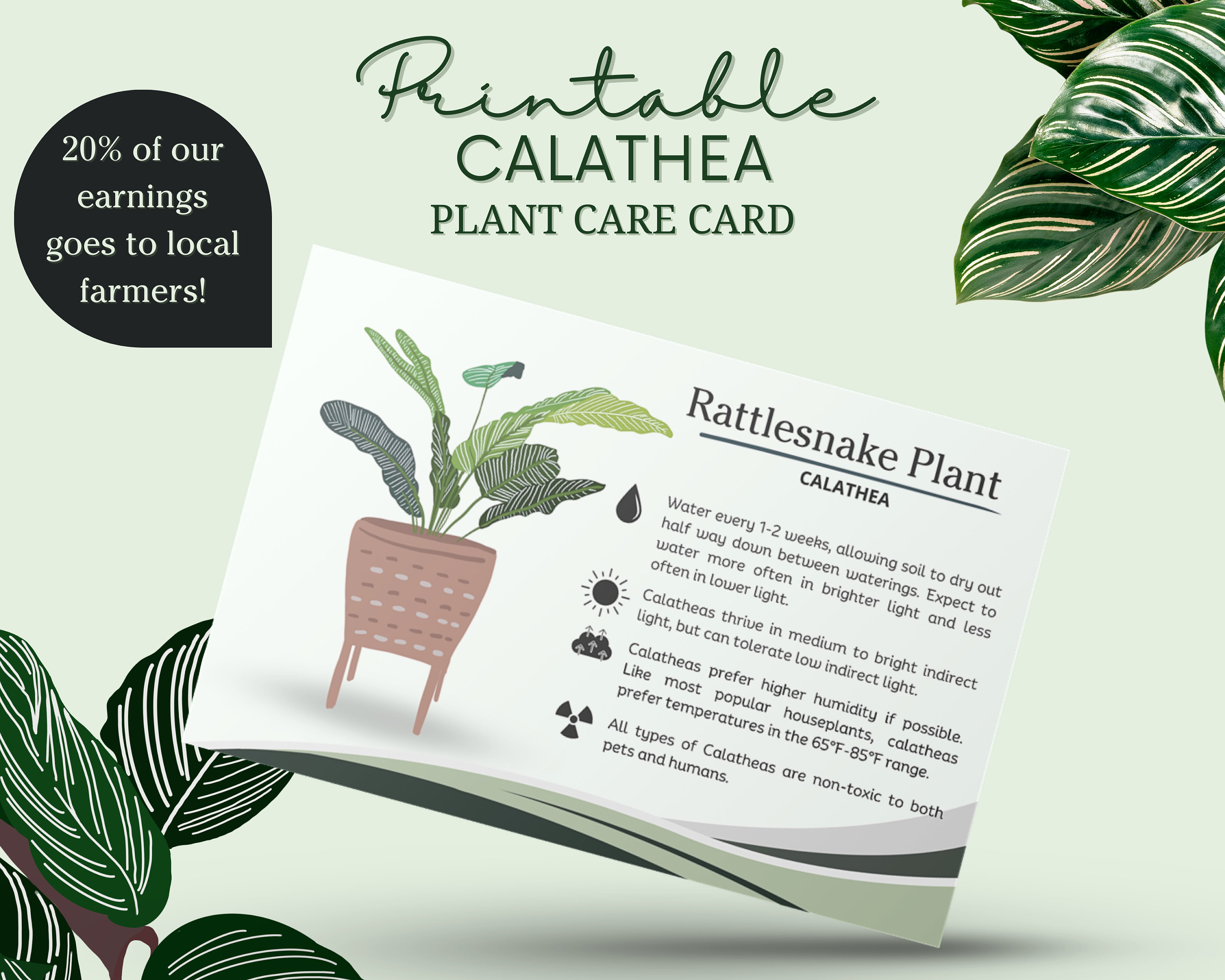
When it comes to placing your prayer plant, consider areas that receive bright, indirect light. Direct sunlight can scorch the leaves, leading to browning and fading of their vibrant colors. Therefore, a north or east-facing window is ideal. If natural light is limited, a spot with bright fluorescent lighting can also suffice.
Besides that, keep your prayer plant away from cold drafts or heating vents, as sudden temperature changes can stress the plant. A stable environment will encourage healthy growth and vibrant foliage, making your indoor garden a serene and lively space.
Watering and Soil Requirements
Prayer plants thrive in well-draining soil that retains some moisture without becoming waterlogged. A standard potting mix with added perlite or sand can provide the ideal balance. Water your prayer plant when the top inch of soil feels dry to the touch. Consistent moisture is key, but overwatering can lead to root rot.
It’s helpful to use room-temperature water to avoid shocking the plant. During the growing season, typically spring and summer, you might find yourself watering more frequently. In contrast, during the fall and winter months, allow the soil to dry out slightly more between waterings. For more detailed guidance, you can refer to the Prayer Plant: Care & Growing Guide.
Temperature and Humidity Preferences
Native to tropical environments, prayer plants prefer warm, humid conditions. Aim for temperatures between 65°F and 75°F (18°C to 24°C). If your home is particularly dry, especially during winter, consider using a humidifier or placing a tray of water near the plant to increase humidity. For more on how to care for plants in different environments, check out this guide on Queen’s Spiderwort care.
Another practical solution is to mist the leaves regularly, which can help mimic the plant’s natural habitat. High humidity not only keeps the foliage lush and vibrant but also prevents the edges of the leaves from browning.
Practical Tips for Busy Pet Owners
For those with a busy lifestyle, maintaining a consistent care routine for your prayer plant is essential. Here are some practical tips to keep your plant healthy without demanding too much of your time:
- Set a reminder on your phone to check soil moisture weekly.
- Use self-watering pots to reduce the frequency of manual watering.
- Group your prayer plant with other humidity-loving plants to create a microclimate.
- Place a pebble tray filled with water beneath the plant to maintain humidity levels.
These strategies will help ensure your prayer plant remains vibrant and thriving, even if you’re juggling a hectic schedule.
Growth Habits and Maintenance
Understanding the growth habits of your prayer plant can help you provide the best care and encourage lush, healthy foliage. Prayer plants are generally fast growers, especially when provided with the right conditions. Their unique leaf patterns and movements make them a captivating addition to any home. For more information on plant growth and care tips, you can explore other plant guides.
Fast Growing and Pet Resistant Traits
Prayer plants are known for their rapid growth, especially during the warmer months. They can reach up to a foot in height, with leaves that spread wide to capture light. This growth habit not only adds a dynamic element to your indoor garden but also makes them excellent companions for pets, as they are robust and resilient.
In terms of pet resistance, while prayer plants are non-toxic, their hardy nature means they can withstand occasional curiosity from pets without sustaining significant damage. This makes them an ideal choice for pet-friendly households.
“Buy Calathea Plant Care Card …” from www.etsy.com and used with no modifications.
Pruning and Repotting Strategies
Pruning your prayer plant can encourage bushier growth and help maintain its shape. Trim back any leggy stems or yellowing leaves to promote new growth. When repotting, choose a pot that is slightly larger than the current one to allow for root expansion. For more information on easy care and propagation techniques, you might find this guide on plant care helpful.
“Repotting is best done in the spring when the plant is actively growing. This provides the roots with ample time to establish themselves in the new soil.”
Be gentle when handling the roots, as they can be delicate. After repotting, water the plant thoroughly to help it settle into its new home.
Encouraging Healthy Growth Indoors
To promote healthy growth, consider feeding your prayer plant with a balanced, water-soluble fertilizer every month during the growing season. This will provide the essential nutrients needed for vibrant foliage and robust growth. If you’re interested in learning about other plants, check out our guide on Queens Spiderwort care for additional tips.
Additionally, rotating your plant every few weeks can ensure even light exposure, preventing it from leaning towards the light source. This simple practice will help maintain a symmetrical and aesthetically pleasing appearance. For more tips on plant care, check out our guide on Angel Baby Tears plant care.
Indoor versus Outdoor Planting
While prayer plants are most commonly grown indoors, they can also thrive in outdoor settings, provided the conditions are right. Understanding the differences between indoor and outdoor planting can help you make the best decision for your home and garden.
Indoors, prayer plants benefit from a controlled environment where temperature and humidity can be easily managed. They make excellent houseplants, adding color and life to any room.
Outdoors, prayer plants can be a beautiful addition to a shaded garden or patio. However, it’s crucial to protect them from direct sunlight and harsh weather conditions. If you live in a region with mild, humid summers, your prayer plant may flourish outdoors.
- Indoors: Ideal for consistent care and control over environmental factors.
- Outdoors: Suitable for mild climates with adequate shade and humidity.
- Transitioning: Gradually acclimate plants to outdoor conditions to prevent shock.
Optimal Conditions for Indoor Growth
Prayer plants thrive best in environments that closely mimic their native tropical habitats. This means providing them with bright, indirect light. Direct sunlight can cause the leaves to fade and develop brown spots, so it’s best to place them near a north or east-facing window where they can enjoy gentle morning sun.
Besides light, maintaining the right humidity is crucial. Aim for a humidity level of around 50% or higher. If your home is dry, particularly in winter, using a humidifier or placing a tray of water near the plant can help maintain the necessary moisture in the air.
Temperature is another key factor. Prayer plants prefer warmth and should be kept in a room where the temperature ranges from 65°F to 75°F (18°C to 24°C). Avoid placing them in areas with cold drafts or near heating vents, as sudden temperature changes can stress the plant. For more tips on plant care, check out our guide on Angel Baby Tears plant care.
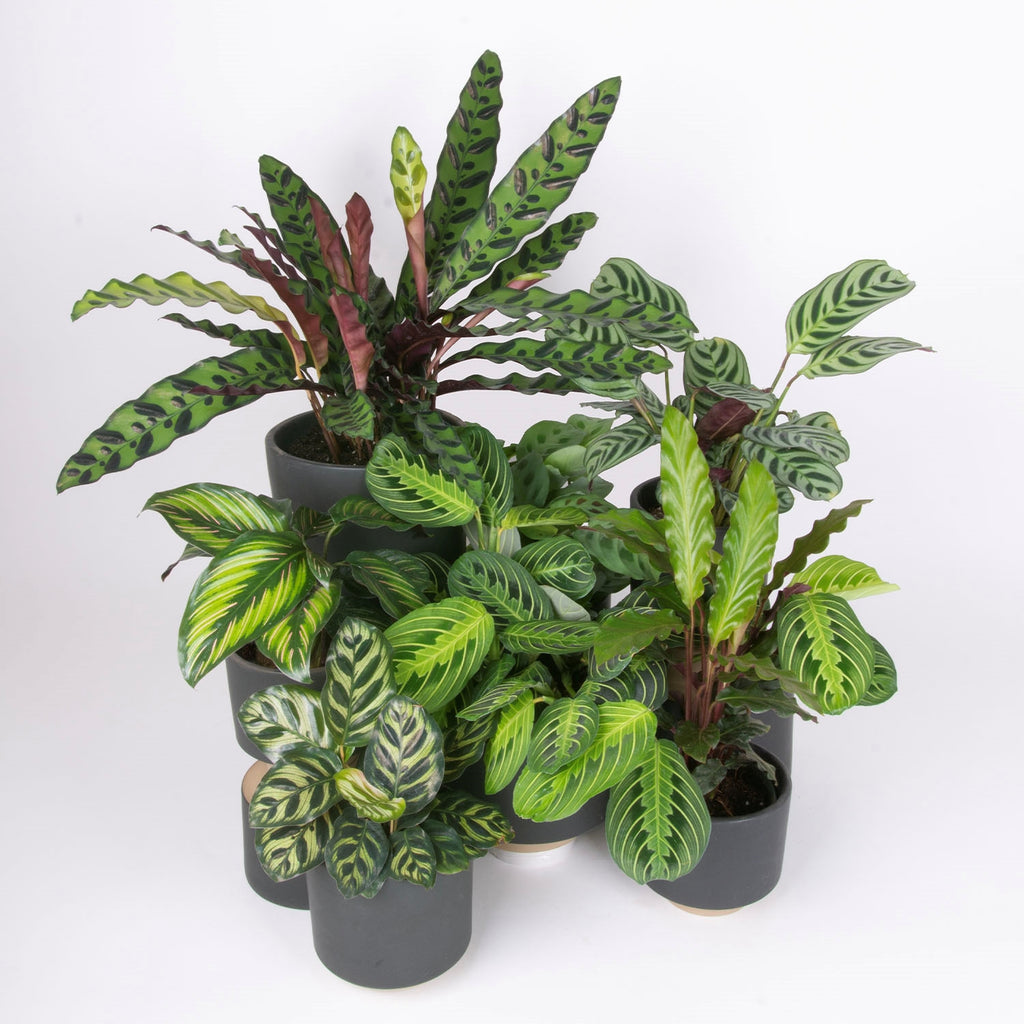
“A Guide to Prayer Plants: How to Grow …” from pistilsnursery.com and used with no modifications.
Creating a Pet-Friendly Outdoor Garden
If you’re considering moving your prayer plant outdoors, it’s important to replicate its ideal conditions as closely as possible. Choose a location that offers shade or filtered sunlight, such as under a tree or on a shaded patio. This will protect the plant from harsh sun rays that could damage its delicate leaves.
When planting outdoors, ensure the soil is well-draining to prevent waterlogging. Adding organic matter like compost can improve soil structure and provide essential nutrients. Regularly check the soil moisture and water the plant when the top inch feels dry.
- Select a shaded or partially shaded spot.
- Use well-draining soil with added organic matter.
- Water consistently to keep the soil moist but not soggy.
- Protect the plant from strong winds and direct sunlight.
Creating a pet-friendly outdoor garden with prayer plants not only enhances the aesthetic appeal but also ensures a safe environment for your pets to explore and enjoy.
Remember, if temperatures drop significantly or if the weather becomes too harsh, consider bringing your prayer plant indoors to prevent damage.
Transitioning Plants Between Environments
Transitioning prayer plants between indoor and outdoor environments requires a gradual acclimatization process to prevent shock. Start by placing the plant in its new environment for a few hours each day, gradually increasing the time over a week or two. This allows the plant to adjust to changes in light, temperature, and humidity.
Frequently Asked Questions
Many plant enthusiasts have questions about the care and maintenance of prayer plants, especially when it comes to keeping them healthy and vibrant. Here are some common inquiries and their answers to help you become a confident prayer plant owner.
Understanding the needs of your prayer plant can prevent common issues and ensure it remains a beautiful addition to your home.
What are the common pests for prayer plants?
Prayer plants can occasionally be affected by pests such as spider mites, aphids, and mealybugs. These pests can cause damage to the leaves, leading to discoloration and wilting. To manage pests, regularly inspect your plant and use a gentle insecticidal soap or neem oil to treat any infestations.
Maintaining proper humidity and ensuring good air circulation can also help deter pests and keep your plant healthy.
How can I tell if my prayer plant needs water?
The easiest way to determine if your prayer plant needs water is by checking the top inch of soil. If it feels dry to the touch, it’s time to water. Additionally, if the leaves start to droop or curl, it may be a sign of underwatering. However, be cautious not to overwater, as this can lead to root rot.
Do prayer plants require fertilizer?
Yes, prayer plants benefit from regular fertilization during their growing season, which typically spans spring and summer. Use a balanced, water-soluble fertilizer diluted to half strength every month to provide the necessary nutrients for healthy growth.
Over-fertilization can harm the plant, so it’s important to follow the recommended dosage and frequency.
- Use a balanced fertilizer during spring and summer.
- Dilute to half strength to avoid over-fertilization.
- Apply monthly for optimal growth.
Will prayer plants survive in low light?
While prayer plants prefer bright, indirect light, they can tolerate low light conditions. However, their growth may slow down, and the vibrant colors of the leaves may become less pronounced. If possible, provide additional light using fluorescent or LED grow lights to maintain their striking appearance.
How do I propagate my prayer plant?
Propagating prayer plants is a rewarding process that allows you to expand your collection or share with friends. The easiest method is through division. When repotting, gently separate the plant into smaller sections, ensuring each has a healthy root system and several leaves. If you’re interested in learning about other plants that thrive indoors, consider exploring the care of African violets.
Plant the divisions in fresh, well-draining soil and water thoroughly. Place them in a warm, humid environment to encourage root establishment. For more information on propagation techniques, check out this guide on easy care and propagation methods.
Another method is to propagate through stem cuttings. Cut a healthy stem with a few leaves and place it in water or directly into soil. If using water, change it every few days to prevent stagnation. Roots should develop within a few weeks, after which you can plant the cutting in soil.
The Prayer Plant, known for its vibrant foliage and unique leaf movements, is a popular choice among pet owners. It’s important to know whether this plant is safe for your furry friends. Fortunately, the Prayer Plant is non-toxic to cats and dogs, making it an ideal addition to a pet-friendly home. For those interested in learning about other pet-safe plants, the Angel Baby Tears Plant is another excellent option to consider.