
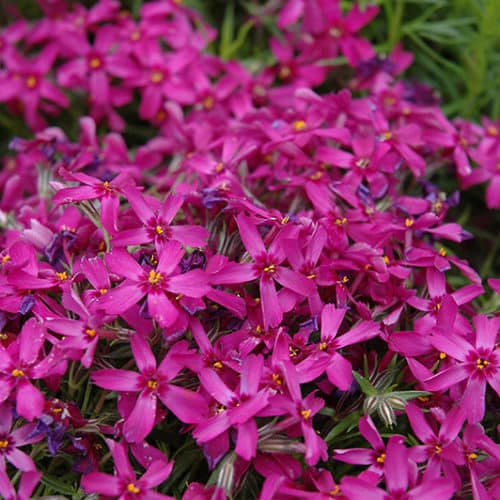
Article-At-A-Glance
- Moss phlox (Phlox subulata) is a versatile, low-growing perennial ground cover that creates a stunning carpet of spring flowers in pink, purple, and white hues.
- This hardy plant offers excellent erosion control, drought tolerance once established, and requires minimal maintenance compared to traditional lawn areas.
- Unlike true mosses, moss phlox is a flowering plant that prefers full sun to partial shade and well-draining soil to thrive and produce its vibrant blooms.
- Dividing moss phlox every 3-4 years in early fall or after flowering helps maintain plant vigor and provides free plants for expanding your garden coverage.
- Pet owners can rest easy knowing moss phlox is non-toxic to dogs and cats while being durable enough to withstand light pet traffic in the garden.
Looking for a low-maintenance ground cover that delivers spectacular spring color? Moss phlox might be exactly what your garden needs. This hardy perennial creates a dense mat of foliage that transforms into a vibrant carpet of flowers each spring, offering both visual impact and practical benefits for challenging garden spaces.
At GardenSolutions, we’ve seen firsthand how moss phlox can transform difficult slopes and garden edges into maintenance-free showpieces. This versatile ground cover solves multiple landscape challenges while requiring minimal care once established – making it ideal for both new and experienced gardeners looking to reduce lawn areas and increase flowering perennial spaces in their landscapes.
What Is Moss Phlox? Names and Identification Made Simple
Moss phlox (Phlox subulata) goes by several common names that often create confusion among gardeners. You might hear it called creeping phlox, mountain phlox, or moss pink. Despite the naming inconsistency, they all refer to the same plant – a low-growing, spreading perennial that creates a dense carpet of needle-like foliage topped with abundant flowers in spring.
Common Names: Creeping Phlox, Mountain Phlox, and Moss Pink
Botanical Name: Phlox subulata
Plant Family: Polemoniaceae
USDA Hardiness Zones: 3-9
Height: 4-6 inches
Spread: 12-24 inches
Flower Colors: Pink, purple, blue, white, and bicolors
While “creeping phlox” is often used interchangeably with moss phlox, botanical purists may point out that true creeping phlox is technically Phlox stolonifera, a related but distinct species. For most home gardeners, the distinction isn’t critical – both create excellent ground covers with slightly different growing preferences and appearances.
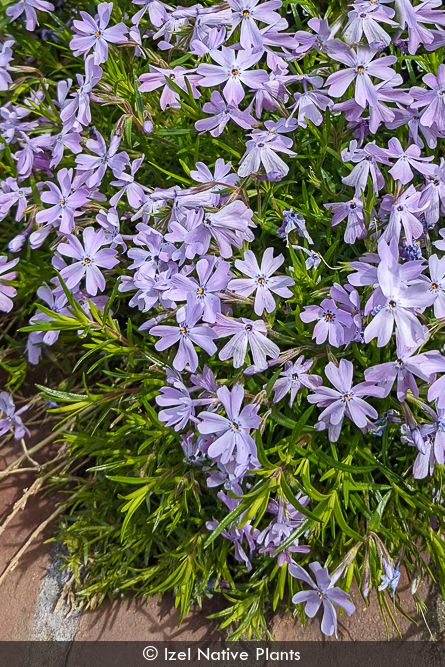
“Phlox subulata ‘Emerald Blue’ (moss …” from www.izelplants.com and used with no modifications.
How to Identify Moss Phlox by Flowers, Leaves, and Growth Pattern
Recognizing moss phlox becomes simple once you know its distinctive features. The plant forms a dense, spreading mat of evergreen to semi-evergreen foliage that stays low to the ground year-round. Its needle-like leaves are short, pointed, and arranged in tight clusters along the stems, creating a textural carpet even when not in bloom. For those interested in pet-friendly gardening, consider exploring plants suitable for pet-friendly gardens.
The flowers are the showstopping feature – appearing in massive numbers in mid to late spring. Each small blossom has five petals with a distinctive notch at the end, creating a star-like appearance. Colors range from pure white to vibrant pinks, purples, and even some bicolors with darker eyes. When in full bloom, the flowers completely cover the foliage, creating a solid mass of color that can be seen from considerable distances.
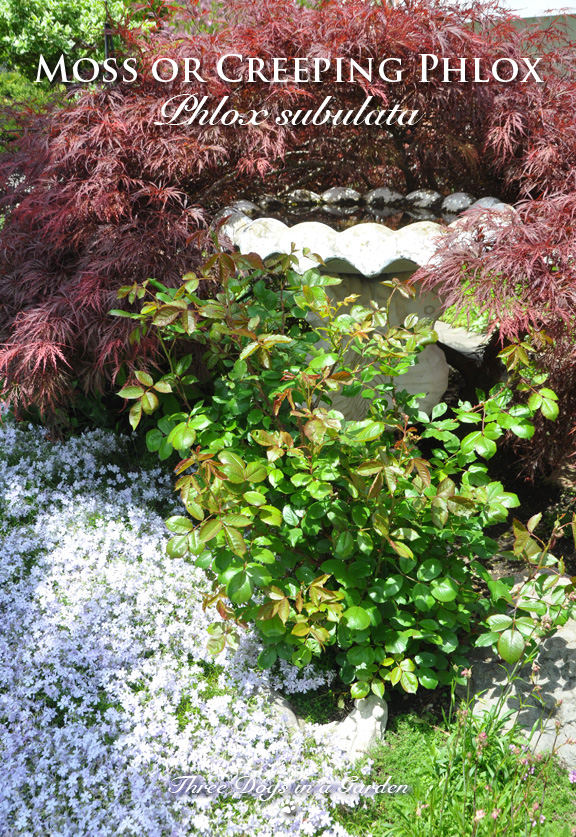
“Moss or Creeping Phlox” from threedogsinagarden.blogspot.com and used with no modifications.
Key Visual Differences Between Moss Phlox and True Moss
Despite its common name, moss phlox isn’t related to true mosses at all. This flowering perennial belongs to the phlox family, while true mosses are non-flowering bryophytes lacking roots, stems, or leaves in the conventional sense. The “moss” in moss phlox refers solely to its low, spreading growth habit that can somewhat resemble a moss-covered area from a distance.
Unlike actual moss which reproduces via spores, moss phlox produces abundant seeds after flowering (though most gardeners find division a more reliable propagation method). True mosses typically prefer shade and consistent moisture, while moss phlox thrives in full sun and well-draining soil conditions. The showstopping flowers of moss phlox provide another obvious distinction – true mosses never flower. For more information on fern and moss comparison, you can explore related articles.
8 Major Benefits of Moss Phlox as Ground Cover
Choosing the right ground cover can transform difficult garden areas into low-maintenance highlights. Moss phlox offers numerous advantages that make it a standout option for many landscape situations. From its spectacular flowering display to its problem-solving capabilities, this versatile perennial deserves consideration for multiple garden applications.
Beyond its ornamental value, moss phlox serves several practical functions that can simplify garden maintenance and improve challenging sites. Its dense growth habit and spreading nature create lasting solutions for areas where grass struggles or maintenance proves difficult.
- Creates a low-maintenance alternative to lawn in difficult-to-mow areas
- Suppresses weeds through dense growth
- Prevents soil erosion on slopes and banks
- Drought-tolerant once established
- Attracts early-season pollinators
- Deer and rabbit resistant
- Non-invasive spreading habit
- Evergreen to semi-evergreen winter interest
Creates a Stunning Spring Color Display
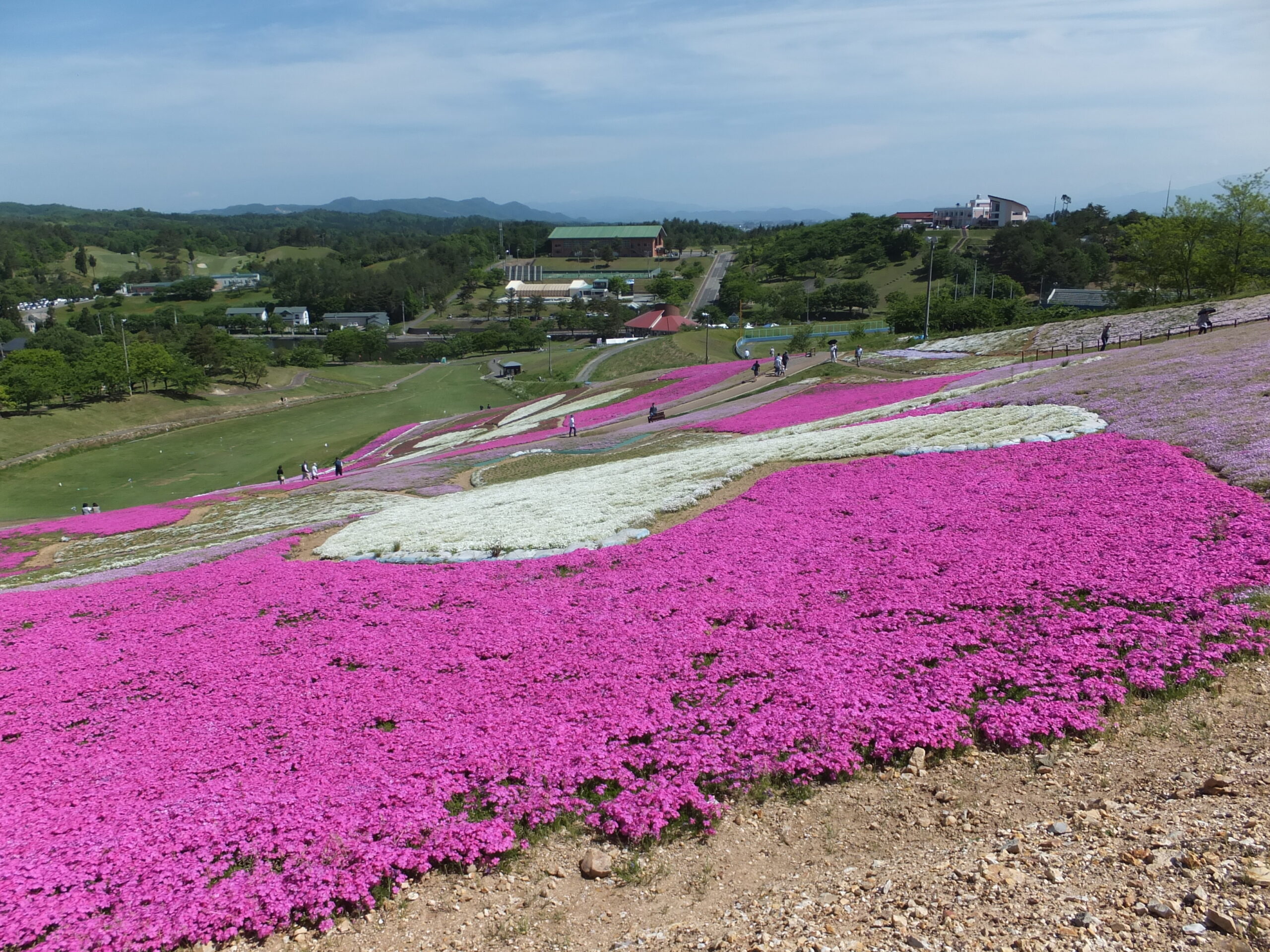
Few ground covers can match the sheer visual impact of moss phlox in full bloom. For approximately 3-4 weeks in spring, the plants become completely covered in vibrant flowers that create sweeping carpets of color. This concentrated flowering period creates focal points that draw attention across the garden and provides early-season color when many other perennials are just beginning to emerge.
“Moss Phlox | Plant Profile | Sylvan …” from sylvangardenslandscape.com and used with no modifications.
Low Maintenance Requirements
One of the greatest advantages of moss phlox is how little care it requires compared to many other flowering perennials. Once established, it needs minimal irrigation, rarely requires fertilization, and demands only a simple annual trimming to maintain its tidy appearance. This makes it perfect for busy gardeners and those looking to reduce landscape maintenance demands.
The dense growth habit naturally suppresses weeds, eliminating much of the ongoing maintenance associated with traditional garden beds. Even pest and disease issues are relatively rare, with moss phlox showing good resistance to the problems that plague many ornamental plants. A light shearing after flowering helps maintain compact growth and prevents the center die-out that can occur in older specimens.
Excellent Erosion Control for Slopes and Banks
Challenging slopes and banks that are difficult to mow become prime candidates for moss phlox plantings. The spreading root system effectively holds soil in place while the dense foliage intercepts rain droplets, preventing the soil erosion that often plagues bare or poorly vegetated slopes. For hillsides where mowing presents safety concerns, moss phlox creates a permanent, attractive solution that improves with age.
Many homeowners have transformed problematic slopes into spring highlights with strategic moss phlox plantings. The cascading flowers spilling down hillsides create dramatic visual impact while simultaneously solving practical landscape challenges. Even steep inclines with poor soil become manageable when covered with this adaptable ground cover.
Drought Tolerance Once Established
While regular watering helps moss phlox establish in its first season, mature plants develop impressive drought tolerance. The shallow but extensive root system and small, needle-like leaves help the plant conserve moisture during dry periods. This adaptation makes moss phlox particularly valuable in regions with water restrictions or for gardeners seeking to reduce irrigation requirements.
The plant’s natural habitat on rocky slopes and in mountain regions has equipped it to handle periods of limited rainfall. However, extremely prolonged drought may reduce flowering in subsequent seasons, so some supplemental watering during extended dry spells can be beneficial for maintaining optimal display. Even with minimal additional water, moss phlox typically survives where many other flowering plants would fail.
Common Problems With Moss Phlox (And Easy Solutions)
Despite its resilient nature, moss phlox can occasionally encounter challenges that affect its performance and appearance. Fortunately, most common issues have straightforward solutions that restore plants to their full potential. Recognizing problems early allows for prompt intervention before they significantly impact the plant’s health or flowering display.

“drought kill my phlox subulata …” from www.reddit.com and used with no modifications.
Center Die-Out in Older Plants
As moss phlox matures, the centers of established patches may begin to thin or die out completely while the edges continue to thrive. This common issue results from older stems becoming woody and less productive with age. The solution is simple: divide the plants every 3-4 years to rejuvenate them. Alternatively, trimming the plants back immediately after flowering encourages fresh growth throughout the plant, helping to prevent bare patches from developing.
For plants already showing center die-out, you can fill the bare spots with compost and a few cuttings from the outer edges. These will quickly root and fill in the gaps, restoring the plant’s solid appearance. Some gardeners use this opportunity to introduce different colored varieties, creating interesting patchwork effects in established plantings.
Spider Mite Issues in Hot, Dry Conditions
During prolonged hot, dry periods, spider mites occasionally become problematic for moss phlox. These tiny pests thrive in dusty, arid conditions and can cause foliage to develop a stippled, yellowish appearance. Left unchecked, severe infestations may weaken plants and reduce flowering performance the following season.
Regular hosing with a strong spray of water helps dislodge mites and increases humidity around the foliage, creating less favorable conditions for these pests. For more severe infestations, insecticidal soap or horticultural oil applications usually provide effective control. Maintaining adequate soil moisture during dry periods also helps plants resist spider mite damage by keeping the foliage in better condition.
Poor Flowering in Excessive Shade
While moss phlox tolerates partial shade, especially in hotter climates, too much shade results in stretched, leggy growth and significantly reduced flowering. Plants receiving less than 6 hours of direct sunlight typically produce fewer blooms and develop a more open, less attractive growth habit. If your phlox seems to be reaching toward light sources or flowering only on one side, insufficient sunlight is the likely culprit.
When possible, pruning overhanging branches to increase light penetration often solves the problem. In permanently shaded locations, consider replacing moss phlox with more shade-tolerant ground covers like wild ginger, sweet woodruff, or creeping Jenny. Alternatively, transplanting affected phlox to sunnier locations during early spring or fall usually restores normal growth and flowering habits within one season.
Is Moss Phlox Perennial? Year-Round Growth Patterns
Moss phlox is indeed a true perennial that returns reliably year after year in suitable growing conditions. Unlike annual plants that complete their lifecycle in a single season, moss phlox establishes a permanent presence in the garden, typically becoming more impressive with each passing year. In fact, well-situated plantings can thrive for decades with minimal care, making them valuable long-term landscape investments.
Evergreen vs. Semi-Evergreen Behavior by Climate Zone
The evergreen nature of moss phlox varies significantly depending on your climate zone. In mild winter areas (USDA zones 7-9), the foliage typically remains completely evergreen, providing year-round coverage and interest. The needle-like leaves maintain their deep green color throughout winter, creating an attractive carpet even when not in bloom.
In colder northern regions (zones 3-6), moss phlox behaves more as a semi-evergreen, with foliage often taking on purple or bronze tones during winter months. Some leaf browning or dieback may occur in especially harsh conditions, but the plant’s core remains viable beneath snow cover. This adaptability across hardiness zones explains why moss phlox has become such a widely used landscape plant throughout most of North America.
Moss Phlox Winter Appearance by Zone
Zones 3-4: Semi-evergreen with significant bronzing; may lose up to 50% of foliage in severe winters
Zones 5-6: Semi-evergreen with moderate color change; retains most foliage
Zones 7-8: Primarily evergreen with slight color shift in coldest periods
Zone 9: Fully evergreen year-round with minimal seasonal change. For more on plant care and placement, check out this guide on sword fern care tips.
This seasonal flexibility provides different garden benefits depending on your location. In southern gardens, the consistent green backdrop serves as a foundation for changing seasonal displays. In northern gardens, the winter color change adds visual interest during dormant months, with plants quickly reverting to lush green growth as temperatures rise in spring. If you’re interested in how different plants adapt to varying conditions, you might find the fern and moss comparison insightful for your garden planning.
Winter Care Tips for Colder Regions
Gardeners in zones 3-5 can help moss phlox weather harsh winters with a few simple protective measures. Avoid fall fertilization which stimulates vulnerable new growth just before cold weather arrives. Instead, a light application of compost in early spring provides nutrients for the upcoming growing season without increasing winter damage risk.
In areas with fluctuating winter temperatures and limited snow cover, a light layer of pine needle mulch helps insulate roots and prevent frost heaving without smothering the plants. Remove this protective layer gradually as spring temperatures stabilize to prevent crown rot from developing. Despite these precautions, expect some winter browning in cold climates – this natural response doesn’t indicate permanent damage and the plants typically recover fully with spring’s arrival.
Pet-Safe Gardening: Moss Phlox Around Dogs and Cats
For pet owners, plant toxicity is a significant concern when selecting garden additions. Fortunately, moss phlox stands among the pet-friendly options that won’t pose health risks to curious dogs and cats. The ASPCA does not list Phlox subulata among toxic plants, making it an excellent choice for households where pets roam freely through garden spaces.
Unlike many flowering plants that contain toxic compounds, moss phlox can be planted without worry in areas accessible to pets. This safety factor, combined with its other landscape benefits, makes it especially valuable for creating colorful, low-maintenance areas in pet-friendly yards. Even if occasional nibbling occurs, it typically doesn’t result in adverse health effects for dogs or cats.

“Dogs Creeping Phlox Poisonous …” from gntos.org and used with no modifications.
Toxicity Information for Pets
Moss phlox contains no significant toxins that affect domestic animals when ingested in small quantities. While no plant should be consumed in large amounts by pets, accidental contact or occasional curious tasting of moss phlox generally produces no harmful effects. This safety profile extends to both the foliage and flowers, allowing worry-free incorporation throughout pet-accessible landscape areas.
Durability Against Pet Traffic and Activity
Beyond toxicity concerns, moss phlox demonstrates reasonable durability against the wear patterns created by pets. While not as traffic-resistant as turf grasses, established moss phlox patches withstand occasional pet pathways without significant damage. The plant’s spreading nature helps it recover from minor disturbances, though repeated, concentrated traffic in exactly the same path may eventually create bare spots that require attention. For more on pet-friendly garden ideas, explore safe garden ideas that accommodate pet activity.
Designing With Moss Phlox: Where to Use It in Your Garden
Moss phlox offers tremendous versatility as a design element in both formal and naturalistic garden settings. Its ability to conform to landscape contours while providing seasonal color bursts makes it valuable for numerous applications. From problem-solving roles to purely decorative functions, this adaptable ground cover enhances various garden styles.
The cascading habit and vibrant spring display work particularly well in transitional areas where different garden zones meet. Use moss phlox to soften hardscape elements, create colorful borders, or establish flowering ground planes beneath taller structural plants. Its relatively quick establishment allows for visible results within just a few growing seasons.
Rock Gardens and Wall Cascades
Perhaps the most classic application for moss phlox involves rock gardens and retaining walls where its sprawling growth can spill dramatically over edges. The plant’s natural habitat on rocky slopes makes it perfectly adapted for these settings, with roots easily establishing in minimal soil pockets between stones. The contrasting textures of hard stone surfaces and the soft, flowering mat create visually compelling compositions that peak during spring bloom periods.
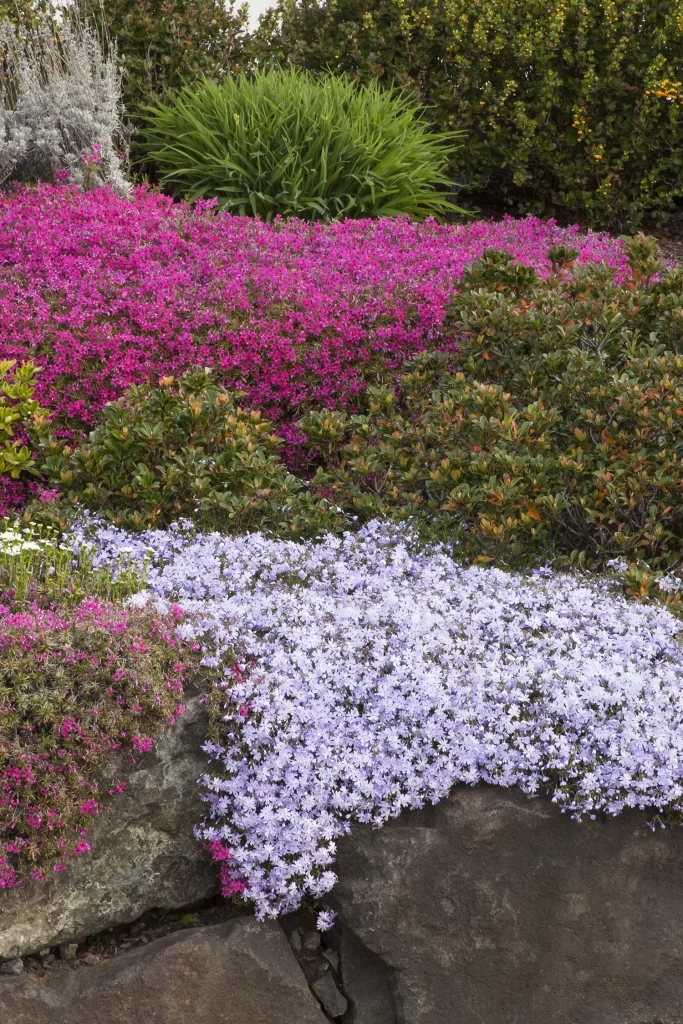
“Emerald Blue Creeping Phlox, Phlox …” from www.monrovia.com and used with no modifications.
Border Edging and Pathway Highlights
Along pathways and garden borders, moss phlox creates definitive edges that remain attractive year-round while requiring minimal maintenance. Unlike many edging plants that need frequent trimming, a single annual shearing keeps moss phlox looking tidy without becoming invasive. The early spring flowers draw attention to garden circulation routes, naturally guiding visitors along designed pathways during the impressive blooming period. For more information on plant care and placement, consider exploring fern moss comparisons to enhance your garden’s aesthetic.
Companion Plants That Work Well With Moss Phlox
Successful moss phlox combinations rely on partners with compatible growing requirements but contrasting seasonal interest periods. Early-flowering spring bulbs like species tulips, muscari, and dwarf narcissus emerge through the evergreen mat, extending the seasonal display. Later-performing perennials with airy growth habits such as coreopsis, Russian sage, and ornamental grasses provide summer and fall interest without overshadowing the phlox’s spring performance. Native sedums and sempervivums make excellent companions in particularly hot, dry sites where their shared drought tolerance creates sustainable combinations.
Plant It Once, Enjoy It for Years
With proper site selection and minimal maintenance, moss phlox creates long-lasting garden solutions that improve with age. The initial investment of time and plants rewards gardeners with years of reliable performance and seasonal beauty. Focus on providing the right growing conditions from the start to maximize your moss phlox’s longevity and impact in the landscape.
- Choose a site with excellent drainage and at least 6 hours of direct sunlight
- Plant in spring or early fall for best establishment
- Space plants 12-18 inches apart for quicker coverage
- Water regularly during the first growing season, then reduce to occasional deep watering during extended dry periods
- Shear plants back by one-third after flowering to maintain compact growth
Regular division every 3-4 years keeps plants vigorous and provides additional plants for expanding your garden. Perform this maintenance task in early spring or immediately after flowering for minimal stress on the plants. The resulting divisions establish quickly when replanted promptly, allowing you to extend moss phlox coverage throughout your landscape without additional purchases.
The relatively carefree nature of established moss phlox allows gardeners to enjoy its benefits with minimal ongoing investment. A simple annual trimming, occasional division, and basic monitoring for potential issues are all that’s required to maintain vibrant, healthy plants that provide reliable spring color for many years. This combination of low maintenance and high visual impact explains why moss phlox remains a perennial favorite among gardeners seeking sustainable landscape solutions.
For those looking to reduce lawn areas or solve difficult slope plantings, moss phlox offers an eco-friendly alternative that requires no mowing, minimal watering once established, and no chemical inputs to maintain its beauty. GardenSolutions provides comprehensive guides on converting traditional turf areas to more sustainable plantings like moss phlox ground covers – an increasingly popular approach for environmentally conscious homeowners.
Frequently Asked Questions
After helping hundreds of gardeners successfully incorporate moss phlox into their landscapes, certain questions arise consistently. The following answers address the most common uncertainties about growing and maintaining this versatile ground cover.
These practical insights help ensure your moss phlox planting thrives from the start while avoiding common pitfalls that can limit success. Most issues can be prevented through proper site preparation and understanding the plant’s basic needs.
How long does moss phlox bloom and will it rebloom if deadheaded?
Moss phlox typically blooms for 3-4 weeks in mid to late spring, with exact timing dependent on your climate zone and specific variety. While deadheading individual spent flowers isn’t practical due to their small size and abundance, a light overall shearing immediately after the main flowering period sometimes produces a modest rebloom in cooler climates. However, this secondary flowering is typically much less dramatic than the initial spring display. The main benefit of post-bloom shearing is maintaining compact growth rather than stimulating significant reflowering. For more information on plant care and safety, check out this guide on sword fern care tips.
Can moss phlox be planted in containers or hanging baskets?
Moss phlox adapts well to container growing provided the vessels offer excellent drainage and sufficient sun exposure. Its cascading habit makes it particularly effective in hanging baskets, window boxes, and the edges of raised containers where the foliage can spill attractively over the sides. Use a well-draining potting mix amended with additional perlite or grit to ensure proper drainage, as container-grown phlox is more susceptible to root rot than ground-planted specimens.
Container plantings require more consistent watering than ground-level installations, particularly during hot summer periods. However, allowing the soil surface to dry slightly between waterings prevents the soggy conditions that lead to root problems. Container-grown moss phlox may also benefit from light fertilization in spring, using a balanced slow-release formula to support robust flowering without excessive foliar growth.
Container Planting Tips for Moss Phlox
• Use containers with multiple drainage holes
• Choose a container at least 12 inches wide to accommodate spreading habit
• Mix 1 part grit or perlite with 3 parts quality potting soil
• Position in locations receiving at least 6 hours of direct sunlight
• Water when top inch of soil becomes dry
• Protect containers from extreme winter freezing in northern zones
Winter protection becomes important for container-grown moss phlox in colder regions, as roots lack the insulation provided by ground soil. Moving containers to sheltered locations or wrapping them with insulating materials helps prevent winter damage in zones 3-5. In milder climates, containers can remain in place year-round with minimal special winter care. For more tips on caring for your garden plants in different environments, check out this artillery plant care guide.
For long-term container success, plan to divide and refresh moss phlox plantings every 2-3 years, slightly more frequently than ground plantings. This prevents overcrowding and maintains vigorous growth in the limited soil volume available. Spring division provides an excellent opportunity to refresh the potting medium, supporting continued healthy development.
Does moss phlox attract pollinators to the garden?
Moss phlox serves as an important early-season nectar source for numerous pollinators, including bees, butterflies, and hover flies. The abundant, nectar-rich flowers appear at a critical time when many pollinators emerge from winter hibernation but before most garden plants begin flowering. This timing makes moss phlox particularly valuable in wildlife-friendly gardens designed to support native pollinator populations.
Certain varieties with more open flower forms tend to attract greater pollinator activity than fully double cultivars. For maximum ecological benefit, consider traditional selections with single flowers rather than newer cultivars with heavily doubled blooms that may restrict nectar access. Creating substantial moss phlox plantings rather than isolated specimens also increases pollinator visitation by providing significant nectar resources in concentrated areas.
How do I prevent moss phlox from spreading to unwanted areas?
While moss phlox spreads steadily, it isn’t typically aggressive enough to become problematic in most garden settings. However, in particularly favorable conditions, it may expand beyond desired boundaries. Installing physical barriers such as deeply set edging material (6-8 inches deep) effectively contains spreading. Alternatively, maintaining a 6-12 inch mulched or otherwise cultivated band around moss phlox plantings allows for easy identification and removal of wandering stems before they establish in unwanted areas.
What soil pH does moss phlox prefer and can it grow in clay soil?
Moss phlox performs best in slightly acidic to neutral soils with pH ranges between 6.0-7.0, though it tolerates slightly alkaline conditions in well-draining settings. Heavy clay soils present challenges due to poor drainage rather than pH concerns. While moss phlox can survive in clay soils, it rarely thrives without significant soil amendment. Incorporating substantial amounts of coarse organic matter and grit improves drainage sufficiently for successful growth in moderately heavy soils.
For clay soil installations, creating raised planting areas further improves drainage and increases success rates. Even a slight elevation of 4-6 inches above the surrounding grade significantly enhances growing conditions by allowing excess moisture to drain away from root zones. This approach, combined with appropriate soil amendments, allows moss phlox to succeed in locations where the native soil would otherwise be unsuitable.
Moss Phlox, also known as Phlox subulata, is a popular ground cover plant that thrives in sunny locations. It is often compared to bryophyte moss for its lush, green appearance, but unlike bryophyte moss, it requires full sun to bloom optimally. Moss Phlox is a pet-resistant ground cover, making it an excellent choice for gardens frequented by pets. If you’re looking for more pet-friendly garden ideas, this guide offers helpful tips and insights.