
Key Takeaways
- Peruvian lilies (Alstroemeria) are pet-friendly perennials that offer months of colorful blooms with minimal maintenance, unlike true lilies which are toxic to pets.
- These plants are easily identified by their uniquely twisted leaves, spotted inner petals, and tuberous root system that allows them to return year after year.
- Optimal growing conditions include partial shade in hot climates, well-draining soil with consistent moisture, and regular deadheading to promote continuous blooming.
- Peruvian lilies can be grown both outdoors (USDA zones 7-10) and indoors in containers, making them versatile additions to any garden or home.
- While these plants can spread aggressively in ideal conditions, strategic planting and containment methods help manage their growth while still enjoying their prolific flowering.
If you’ve been looking for a flower that delivers both beauty and longevity, the Peruvian lily deserves your attention. These remarkable perennials offer months of colorful blooms while demanding relatively little maintenance—a winning combination for both novice and experienced gardeners. Proven Winners offers several spectacular varieties that bring reliable color to gardens across multiple growing zones.
The exotic appearance of these flowers often leads gardeners to assume they’re difficult to grow, but that couldn’t be further from the truth. With some basic knowledge about their preferences and a few simple care techniques, you’ll have these stunning bloomers thriving in your garden landscape or containers.
Meet the Stunning Peruvian Lily: A Garden Gem With Many Names
When you hear someone mention Peruvian lilies, they might also call them Alstroemeria (their botanical name), Lily of the Incas, Princess Lily, or even Parrot Lily. These various monikers all refer to the same captivating perennial that has become a florist’s favorite and is increasingly popular in home gardens. Native to South America—primarily Chile, Brazil, and Argentina—these plants have been hybridized extensively to create varieties suitable for different growing conditions.
Lily of the Incas, Princess Lily, and Alstroemeria: The Names You Need to Know
The diverse common names of Alstroemeria reflect both their origin and their regal appearance. “Lily of the Incas” pays homage to their South American heritage, while “Princess Lily” speaks to their elegant, almost aristocratic bearing in the garden. The name “Parrot Lily” likely derives from their vibrant, sometimes speckled petals that can rival the colorful plumage of exotic birds. Regardless of what you call them, these versatile perennials belong to the Alstroemeriaceae family, not the true lily family (Liliaceae).
The Fascinating History Behind This South American Beauty
Alstroemeria’s journey from South American mountainsides to global gardens is a testament to their enduring appeal. Named after Swedish botanist Baron Clas Alströmer, who collected the seeds during an expedition to South America in the 18th century, these plants have been treasured for generations. Originally growing wild in diverse climates ranging from the cool Andes Mountains to humid Brazilian forests, they evolved remarkable adaptability that gardeners now benefit from. Modern breeding programs have further enhanced their cold hardiness, extending their growing range to USDA zones as cool as 6 with proper winter protection. For more information on this remarkable plant, check out this guide to the Peruvian lily.
How to Identify True Peruvian Lilies in Your Garden
Peruvian lilies possess several distinctive characteristics that make them easy to identify once you know what to look for. Their unique growth habit and flower structure set them apart from other garden perennials, even when they’re not in bloom. From their twisted leaves to their spotted petals, these plants have a signature appearance that’s hard to mistake once you’re familiar with it.
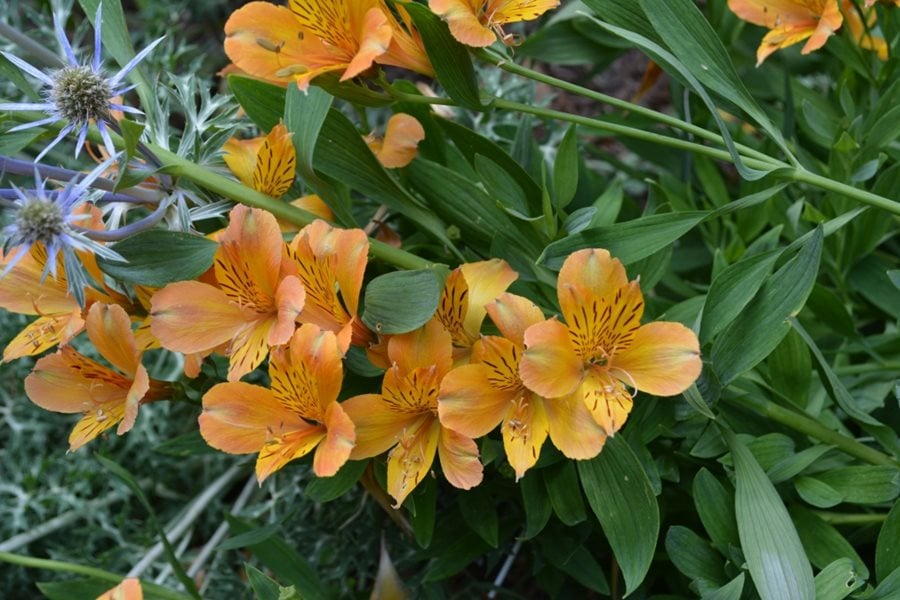
“Peruvian Lilies …” from www.gardendesign.com and used with no modifications.
The Telltale Twisted Leaves That Set Them Apart
The most distinctive vegetative feature of Peruvian lilies is their uniquely twisted foliage. Unlike most plants, Alstroemeria leaves rotate 180 degrees on their stems, causing the underside to face upward. This unusual characteristic, called resupination, is a botanical adaptation that helps the plant maximize photosynthesis in its native habitat. The leaves typically have a blue-green color and grow in clusters along upright stems that can reach 1-3 feet tall, depending on the variety.
- Leaves appear to be “upside down” due to their 180° twist
- Foliage maintains a fresh blue-green color throughout the growing season
- Leaf arrangement is alternate along the stem
- Texture is smooth with slightly serrated edges on some varieties
Distinctive Flower Patterns and Petal Markings
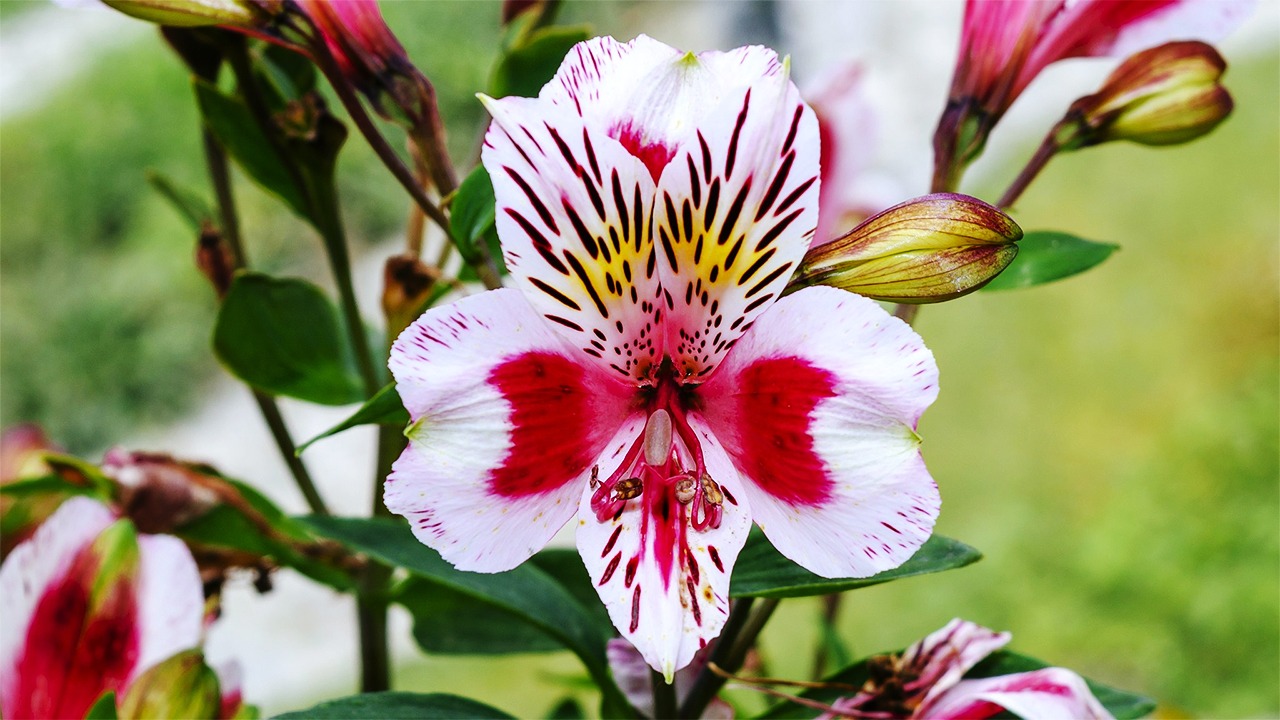
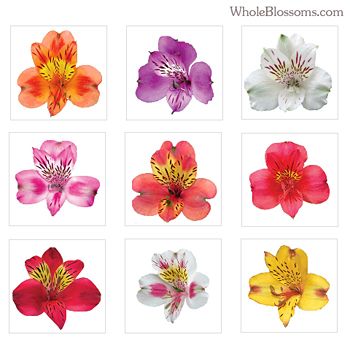
Alstroemeria flowers are true showstoppers with their complex patterning and unique structure. Each bloom consists of six petal-like segments (technically tepals) arranged in a lily-like trumpet shape. The inner three tepals feature distinctive streaks, flecks, or spots that create stunning visual interest. Colors range from whites and pastels to vibrant oranges, pinks, purples, and reds, often with contrasting markings. These intricate patterns serve as natural “nectar guides,” directing pollinators toward the flower’s center.
- Six tepals per flower (three outer, three inner)
- Inner tepals feature distinctive streaking or spotting
- Flowers grow in clusters of 4-15 blooms per stem
- Colors include white, yellow, orange, pink, red, purple, and bicolor combinations
- Each stem produces multiple flowers for extended blooming periods
Typical Height, Growth Habit, and Root Structure
Peruvian lilies develop from tuberous root systems that form expanding clumps over time. Most garden varieties reach heights between 1-3 feet, though dwarf cultivars may stay under 12 inches, while some species can grow up to 4 feet tall. Their growth habit is generally upright and somewhat bushy, forming neat clumps that gradually increase in size. The tuberous roots spread horizontally just below the soil surface, allowing the plant to form new shoots and expand its territory each year.
These roots are the key to the plant’s perennial nature and its ability to survive adverse conditions. The tuberous structure stores energy and nutrients, enabling the plant to go dormant during winter in colder regions or during drought periods in warmer climates. When conditions improve, these energy reserves fuel rapid new growth and abundant flowering, making Peruvian lilies some of the most reliable perennials in the garden.
Peruvian Lilies vs. True Lilies: Key Differences
Despite their common name, Peruvian lilies aren’t actually related to true lilies. Understanding these differences is more than just botanical trivia—it has practical implications for gardeners, especially those with pets or specific growing requirements. For example, if you’re concerned about pet safety in your garden, knowing these distinctions can help you make informed decisions. These distinctions affect everything from care requirements to safety considerations in your garden.
“Choose Your Colors Alstroemeria – 100 …” from www.pinterest.com and used with no modifications.
Why Peruvian Lilies Are Pet-Safe (Unlike Many True Lilies)
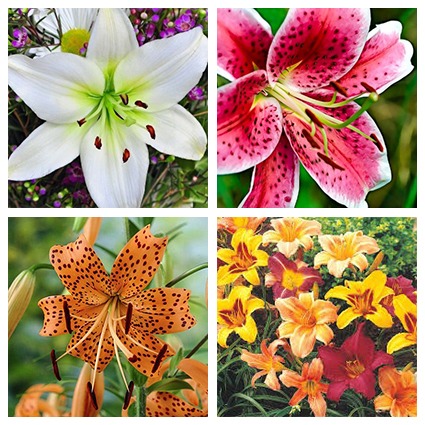
One of the most significant advantages of Peruvian lilies is their pet-friendly nature. Unlike true lilies (Lilium species), which contain highly toxic compounds that can cause kidney failure in cats even in small amounts, Alstroemeria is generally considered non-toxic to both cats and dogs. This makes them an excellent alternative for pet owners who love the lily look but worry about safety. While ingesting large quantities might cause mild stomach upset, Peruvian lilies don’t pose the life-threatening dangers associated with Easter lilies, tiger lilies, and other true lily varieties.
This safety factor alone makes Peruvian lilies a superior choice for households with curious pets. You can enjoy their beautiful blooms indoors or out without the constant worry of a potentially fatal emergency vet visit if your cat decides to take a nibble. For more ideas on creating a pet-friendly environment, explore these safe garden ideas.
“Lily Toxicity: The Potentially Fatal …” from www.mspca.org and used with no modifications.
Visual Differences in Flowers, Stems, and Foliage
Beyond the taxonomic differences, Peruvian lilies can be distinguished from true lilies through several visual cues. True lilies grow from bulbs and typically produce a single stem with leaves arranged in whorls or spirals, while Peruvian lilies grow from tuberous roots and produce multiple stems with their characteristic twisted leaves. The flowers, though similar at first glance, also have distinguishing features. True lilies typically have six identical tepals with prominent stamens, while Peruvian lily flowers have three outer and three inner tepals with distinctive markings on the inner ones.
Another key difference lies in their growth cycle and flowering period. True lilies generally bloom for a relatively short period—usually 2-3 weeks—while Peruvian lilies are long-season bloomers, often flowering continuously from early summer through fall with proper care. This extended blooming period makes Alstroemeria a more versatile garden performer, providing color for months rather than weeks.
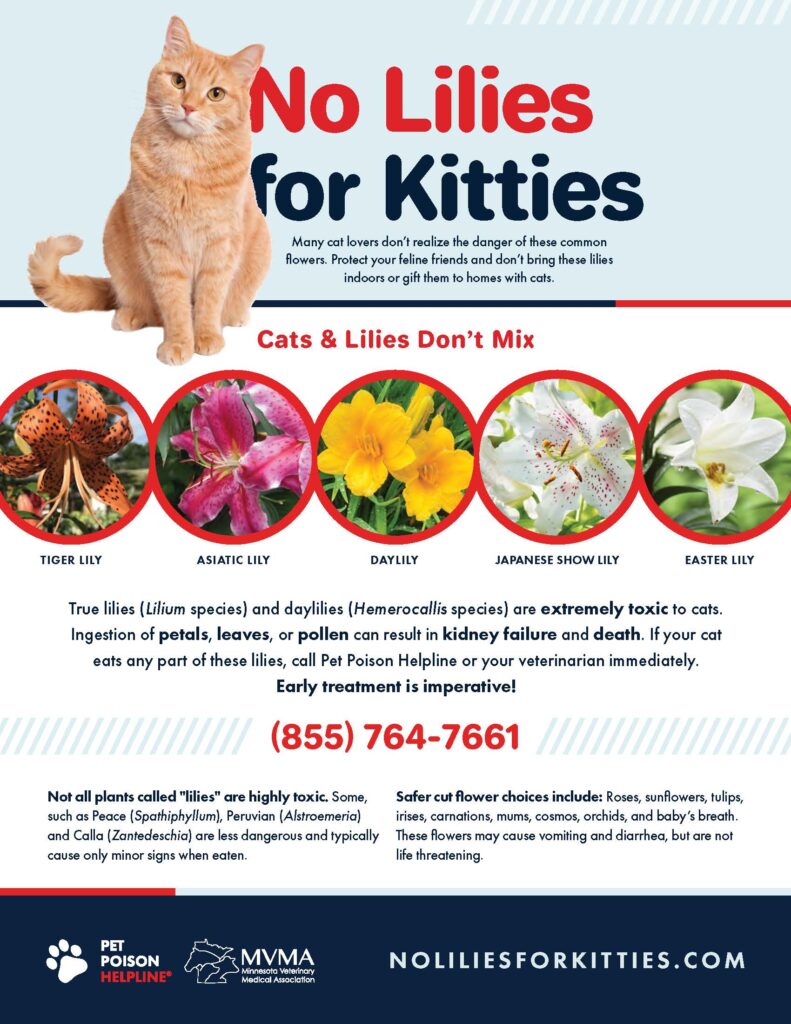
“Kittens And Lilies | Pet Poison Helpline®” from www.petpoisonhelpline.com and used with no modifications.
Similar-Looking Plants You Might Mistake for Alstroemeria
Several other garden plants bear a passing resemblance to Peruvian lilies and might cause confusion for new gardeners. Lily of the valley (Convallaria majalis), though much smaller, has a similar bell-shaped flower structure but lacks the spotted markings and produces only white or pink blooms. Various day lilies (Hemerocallis) might also be confused with Alstroemeria due to their similar color range, though day lilies have much larger, more open blooms and strap-like foliage rather than twisted leaves.
Another lookalike is the Peruvian daffodil (Hymenocallis), which, despite its name, is neither from Peru nor related to daffodils or Alstroemeria. It produces spider-like white flowers with long, narrow petals—quite different from the trumpet-shaped, colorful blooms of Peruvian lilies upon closer inspection.
Growing Peruvian Lilies That Bloom All Summer Long
The secret to those seemingly endless waves of blooms that make Peruvian lilies so desirable lies in understanding their growing preferences. With the right conditions and minimal maintenance, these garden workhorses will reward you with months of colorful flowers, often from late spring until the first frost. For tips on keeping your garden pet-friendly, explore our sword fern care guide.
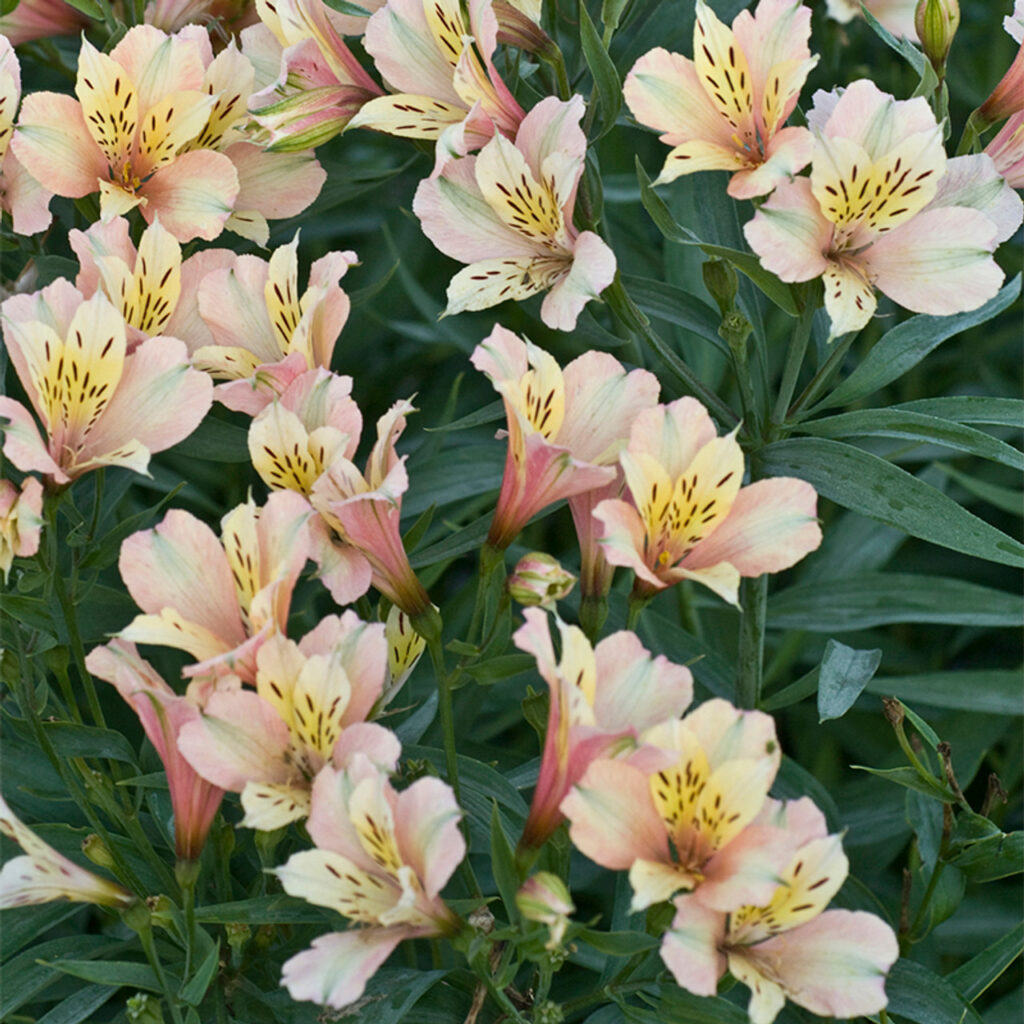
“Inca Ice Peruvian Lily | Plant Addicts” from plantaddicts.com and used with no modifications.
Perfect Sun and Shade Requirements for Maximum Flowers
Peruvian lilies perform best with a balance of sun and shade that varies depending on your climate. In cooler regions (USDA zones 6-7), they thrive in full sun positions with at least 6 hours of direct sunlight daily. However, in hotter areas (zones 8-10), they benefit from afternoon shade to prevent stress during the hottest part of the day. This partial shade protection helps extend the blooming season by preventing the plants from shutting down flower production during heat waves.
The intensity of flower colors is often directly related to light exposure—plants receiving more sun typically produce more vibrant blooms. That said, the trade-off between color intensity and bloom longevity means finding the sweet spot for your specific climate. A location with morning sun and afternoon shade often provides the ideal compromise in warmer regions, while a full sun position with good air circulation works best in cooler areas.
Soil Composition That Promotes Continuous Blooming
The foundation of prolific Peruvian lily blooms is rich, well-draining soil with consistent moisture. These plants thrive in slightly acidic to neutral pH (6.0-7.0) soil with high organic matter content. Before planting, amend your garden soil with compost or well-rotted manure to improve both fertility and drainage—Alstroemeria despises waterlogged conditions that can lead to root rot and diminished flowering. For more on plant care, explore sword fern care tips to ensure a thriving garden.
A 2-3 inch layer of mulch around plants (keeping it away from the stems) helps maintain consistent soil moisture and temperature, reducing stress that could interrupt the blooming cycle. In sandy soils, additional organic matter helps retain moisture, while in clay soils, adding compost and possibly some coarse sand improves drainage while still providing the consistent moisture these plants prefer. For more tips on plant care, check out this guide on artillery plant care.
How to Extend the Flowering Season Through Fall
The key to maximizing the blooming period of Peruvian lilies lies in regular deadheading and proper fertilization. Rather than simply removing spent flowers, pull the entire flowering stem from the base with a gentle tug when most of its blooms have faded. This technique stimulates the plant to produce new flowering stems rather than diverting energy to seed production.
Supplemental feeding during the growing season supports continuous bloom production. Apply a balanced, slow-release fertilizer in spring as new growth emerges, then follow up with monthly applications of a bloom-boosting fertilizer (higher in phosphorus) throughout the growing season. Consistent watering during dry periods is equally important—drought stress can cause Peruvian lilies to go dormant prematurely, cutting short their potential flowering period.
5 Simple Care Tips for Thriving Peruvian Lilies
Success with Peruvian lilies comes down to understanding a few fundamental care requirements. These resilient plants aren’t demanding, but they do have specific preferences that, when met, result in the stunning floral displays they’re famous for. Master these five essential care aspects, and you’ll be rewarded with healthy, floriferous plants year after year. If you’re interested in learning about care tips for other resilient plants, check out our guide on artillery plants.
1. Water Requirements: Finding the Perfect Balance
Peruvian lilies thrive with consistent moisture but quickly decline in waterlogged conditions. The ideal approach is to maintain evenly moist but never soggy soil. During the active growing season, provide about 1 inch of water weekly, either from rainfall or supplemental irrigation. Reduce watering in fall as plants prepare for dormancy, and water only occasionally during winter dormancy in zones 8-10. In containers, check moisture levels more frequently, as potted plants dry out faster than those in the ground.
Signs of improper watering include yellowing leaves (often indicating overwatering) or wilting and brown leaf edges (suggesting underwatering). Always check soil moisture before watering by inserting your finger about an inch into the soil—if it feels dry at that depth, it’s time to water. A soaker hose or drip irrigation system delivers water efficiently while keeping foliage dry, reducing disease risk.
2. Fertilizing Schedule for Maximum Blooms
A strategic fertilization regimen keeps Peruvian lilies blooming vigorously throughout the growing season. Begin with a balanced slow-release fertilizer (10-10-10) in early spring when new growth appears, applying at half the recommended rate to avoid burning the emerging shoots. As flower buds form, switch to a phosphorus-rich formula (such as 5-10-5) to support abundant bloom production. Apply this bloom-boosting fertilizer every 4-6 weeks throughout the flowering period. For more information on plant care, you might find this guide on artillery plant care helpful.
Avoid high-nitrogen fertilizers, which promote lush foliage at the expense of flowers. In late summer, reduce fertilization to allow plants to prepare for dormancy naturally. Container-grown specimens may need more frequent feeding—every 3-4 weeks—as nutrients leach more quickly from pots. Always water thoroughly after applying fertilizer to help nutrients reach the root zone and prevent potential root burn.
3. Pruning and Deadheading Techniques
The most effective way to deadhead Peruvian lilies differs from many other garden perennials. Instead of snipping off individual spent blooms, grasp the entire flowering stem near its base and pull with a gentle, firm tug. The stem should separate cleanly from the crown, stimulating the plant to produce new flowering shoots. This pulling technique is far more effective than cutting stems with scissors and significantly extends the blooming period.
In late fall or early winter, after flowering has ceased, cut back all foliage to about 2 inches above ground level in cooler zones (6-7) before applying winter mulch. In warmer regions (zones 8-10), you can leave the foliage until it naturally yellows and dies back, then remove it to maintain a tidy appearance. This end-of-season cleanup helps prevent disease and prepares the plant for its next growing cycle. For additional tips on maintaining your garden, consider reading about sword fern care and placement for pet safety.
4. Winter Protection in Different Zones
Winter care for Peruvian lilies varies significantly depending on your growing zone. In zones 6-7, where winter temperatures regularly dip below freezing, apply a 4-6 inch layer of mulch (straw, pine needles, or shredded leaves) over the crown after cutting back the foliage in late fall. This insulating layer protects the tuberous roots from freeze-thaw cycles that can push plants out of the ground and damage root systems. Remove this protective mulch gradually in spring as temperatures warm to prevent premature growth that could be damaged by late frosts.
In zones 8-10, winter protection is generally unnecessary, though a light 2-inch layer of mulch helps moderate soil temperature and conserve moisture. Container-grown specimens in colder regions should be moved to an unheated garage or basement where temperatures remain above freezing but below 45°F, keeping the soil barely moist during this dormant period. Return containers outdoors after the threat of frost has passed in spring.
5. Pest and Disease Management
Peruvian lilies generally face few serious pest or disease issues, which contributes to their low-maintenance reputation. Occasionally, aphids may congregate on tender new growth, but these can be dislodged with a strong spray of water or controlled with insecticidal soap if infestations become severe. Spider mites sometimes appear during hot, dry periods, particularly on indoor specimens, and can be managed by increasing humidity and treating with horticultural oil sprays.
The most common disease concerns are fungal issues like root rot and crown rot, almost always resulting from poor drainage or overwatering. Prevention is the best approach—ensure good soil drainage, avoid overhead watering, and maintain proper spacing for air circulation. Remove and destroy any affected plant parts immediately to prevent spread, and adjust watering practices to correct the underlying cause of the problem. For more tips on plant care, you might want to explore sword fern care tips to ensure your garden thrives.
Indoor vs. Outdoor Growth: Where Peruvian Lilies Perform Best
Peruvian lilies offer versatility that few flowering perennials can match, thriving both in garden beds and as container specimens. This adaptability makes them accessible to gardeners regardless of available space or climate limitations. Understanding the specific requirements for each growing environment helps ensure success whether you’re planting in the landscape or bringing these beauties indoors.
Container Growing Success Strategies
Container culture allows gardeners in any climate to enjoy Peruvian lilies, providing the flexibility to move plants as needed for optimal growing conditions. Choose containers at least 12 inches deep with ample drainage holes, as these plants develop extensive root systems. A high-quality potting mix that retains moisture while allowing excess water to drain away is essential—standard garden soil is too heavy and compacts easily in containers.
Container-grown specimens typically require more frequent watering and feeding than their garden-planted counterparts. Check moisture levels every few days during the growing season, watering when the top inch of soil feels dry. Apply a balanced liquid fertilizer at half strength every 2-3 weeks during the growing season rather than relying solely on slow-release formulations. Containers also allow you to grow Peruvian lilies in regions where they wouldn’t normally survive winter temperatures—simply move pots to protected locations during cold weather.
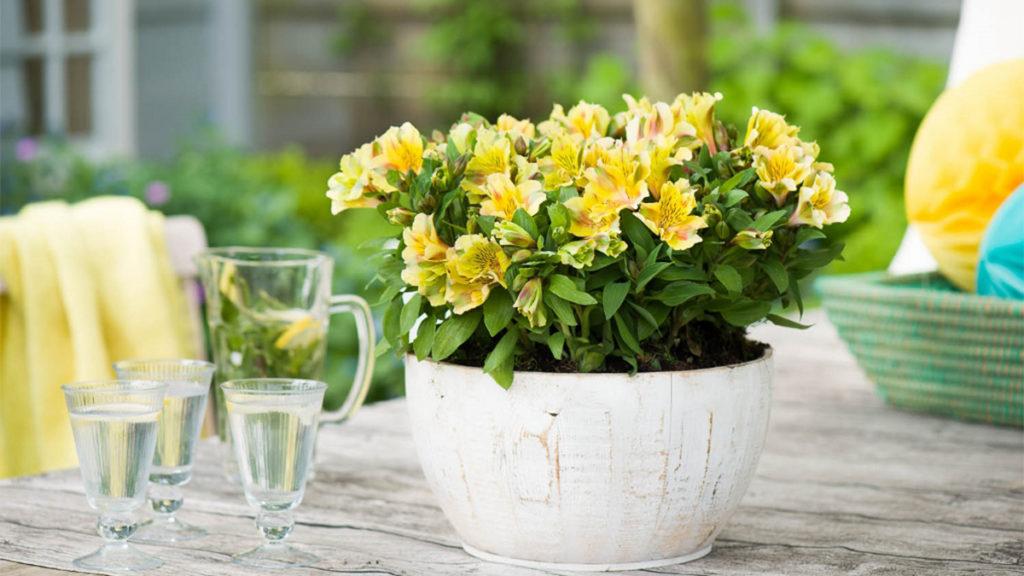
“Peruvian Lily: A Fresh and Bright …” from www.monrovia.com and used with no modifications.
How to Transition Between Indoor and Outdoor Environments
When moving container-grown Peruvian lilies between indoor and outdoor environments, a gradual transition prevents shock that could interrupt flowering. In spring, when moving plants outdoors, place containers in a sheltered, partially shaded location for the first week, gradually increasing exposure to direct sunlight over 7-10 days. This hardening-off process allows plants to adjust to increased light intensity, temperature fluctuations, and wind exposure without stress.
When bringing plants indoors for winter, reverse the process by gradually reducing light exposure before moving them to their indoor location. Before the transition, inspect thoroughly for pests and treat as necessary to avoid introducing problems to your indoor environment. Reduce watering and stop fertilizing about two weeks before the move to help plants adjust to the coming change in growing conditions.
Light Requirements for Indoor Specimens
Indoor-grown Peruvian lilies require bright, indirect light to bloom successfully—a south or west-facing window typically provides ideal conditions. If natural light is insufficient, supplement with full-spectrum grow lights positioned 12-18 inches above the plants and operated for 12-14 hours daily. Without adequate light, plants may grow leggy and produce few, if any, flowers.
Indoor environments tend to be drier than outdoor settings, so increasing humidity around indoor specimens benefits their growth. Place containers on pebble-filled trays with water maintained just below the pebble surface to create a humid microclimate without wetting the pot’s bottom. Alternatively, grouping plants together naturally increases humidity through transpiration, improving growing conditions for all nearby plants.
Multiply Your Plants: Easy Propagation Methods
One of the joys of growing Peruvian lilies is how readily they can be propagated, allowing you to expand your collection or share these beautiful plants with friends and family. While commercial growers often use tissue culture for mass production, home gardeners can achieve excellent results with simpler methods, primarily division of established plants.
Division Techniques for Healthy New Plants
Division is by far the most reliable propagation method for Peruvian lilies, creating identical copies of the parent plant that will flower in their first season. Begin by digging carefully around the perimeter of the clump, at least 8-10 inches from the visible stems, to avoid damaging the tuberous roots. Lift the entire clump and gently shake or wash away excess soil to reveal the root structure. Using clean, sharp pruning shears or a knife, cut the clump into sections, ensuring each division has at least 2-3 healthy shoots and a good portion of tuberous roots.
Trim away any damaged or diseased portions, then replant the divisions promptly at the same depth as the original plant, spacing new sections 18-24 inches apart. Water thoroughly after planting and keep the soil consistently moist (but not soggy) until new growth indicates successful establishment. Apply a light layer of mulch around the new divisions to help maintain soil moisture and moderate temperature fluctuations during the establishment period.
When to Divide for Maximum Success
Timing significantly impacts the success rate when dividing Peruvian lilies. Early spring, just as new growth begins to emerge, is generally ideal in most growing regions. At this stage, plants are entering their active growth phase and can quickly establish new root systems. In warmer climates (zones 8-10), fall division can also be successful, giving plants time to establish before summer heat arrives.
Avoid dividing during the active blooming period or during extreme weather conditions, as plants will be under greater stress and less likely to recover quickly. Regardless of season, choose a cool, overcast day for division when possible, and prepare the new planting locations before lifting the parent plant to minimize the time divisions spend out of the ground. Water new divisions consistently for the first few weeks, even if rainfall occurs, to help them overcome transplant shock.
Growing from Seeds: A Longer but Rewarding Process
While division provides instant gratification, growing Peruvian lilies from seed offers the excitement of potential variation and the satisfaction of nurturing plants through their entire life cycle. Collect seeds from spent flowers or purchase them from reputable suppliers. Soak seeds in warm water for 24 hours before sowing to improve germination rates. Plant in seed-starting mix at a depth of approximately 1/4 inch, maintaining temperatures around 65-70°F.
Germination typically occurs within 2-4 weeks but can be erratic, with seeds continuing to sprout for months. Once seedlings develop their first true leaves, transplant to individual pots and grow on until they reach 4-6 inches tall before moving to their permanent garden locations. Patience is essential—seed-grown plants typically take 2-3 years to reach flowering size, but the genetic variation that sometimes appears makes the wait worthwhile for dedicated gardeners.
Taming the Spread: Preventing Peruvian Lilies from Taking Over
While their vigorous growth habit makes Peruvian lilies reliable garden performers, it can sometimes lead to unwanted spread in ideal growing conditions. Understanding how to contain these enthusiastic plants allows you to enjoy their beauty without surrendering your entire garden to their advance. With strategic planning and occasional maintenance, you can keep Alstroemeria as a well-behaved garden citizen.
Container Barriers That Work
Physical barriers effectively limit the spread of Peruvian lily root systems when installed at planting time. Sink rigid plastic edging or commercial root barriers at least 12-15 inches deep around the planting area, leaving 1-2 inches protruding above soil level to prevent roots from growing over the top. For a more natural approach, large buried containers with drainage holes drilled in the bottom (but not the sides) create effective root barriers while still allowing excess water to escape. For more safe garden ideas, explore pet-friendly gardening tips that ensure your garden is both beautiful and safe for pets.
Planting directly in containers provides the most complete control over spread while offering the bonus of mobility. Choose containers at least 15 inches deep and wide to accommodate the plant’s extensive root system and ensure adequate soil volume for proper moisture retention. Place containers on paved surfaces or elevate them on plant stands to prevent roots from escaping through drainage holes and establishing in the ground below.
Root Pruning Strategies for Established Plants
For Peruvian lilies already established in the garden, annual root pruning helps maintain their designated boundaries. Each spring, insert a sharp spade vertically into the soil around the perimeter of the desired growing area, cutting through wandering roots approximately 12 inches from the plant’s center. This technique severs expanding roots before they establish new growth points, effectively containing the plant’s spread.
During division (recommended every 3-4 years), take the opportunity to thoroughly examine and prune the root system, removing any particularly aggressive portions. After replanting, installing a root barrier around the newly divided sections provides longer-term control. Regular monitoring throughout the growing season allows you to spot and remove any shoots that appear outside the intended growing area before they establish.
Planting Locations That Naturally Limit Spread
Strategic placement within the landscape can naturally contain Peruvian lilies without requiring artificial barriers. Locations surrounded by paved areas, such as patios or walkways, create natural boundaries that limit underground expansion. Similarly, planting between structures like garden walls and foundations restricts the directions in which roots can spread, making maintenance simpler. For more tips on controlling plant growth, check out this guide on companion planting techniques.
Areas with natural competition from established trees or shrubs can also slow Alstroemeria’s expansion, though be aware that this competition may reduce flowering. Dedicated raised beds with solid bottoms and sides provide excellent containment while offering the perfect opportunity to create the ideal soil conditions these plants prefer.
Garden Designer’s Tip: For natural containment with a designer touch, create island beds specifically for Peruvian lilies, surrounded by 12-18 inches of decorative gravel or a mowed lawn path. This not only limits spread but also creates an attractive feature that showcases these beautiful bloomers while making it immediately obvious if any shoots attempt to escape their boundaries.
Remember that some varieties are naturally more aggressive than others. Dwarf and container-bred cultivars typically spread less vigorously than species types, making them better choices for smaller gardens or areas where spread is a particular concern. Ask about growth habits when purchasing plants, or research specific varieties online to find those with more restrained growth patterns.
Year After Year Beauty: Why Peruvian Lilies Keep Coming Back
The remarkable reliability of Peruvian lilies is one of their greatest garden virtues. Once established, these resilient perennials return year after year with minimal attention, often increasing in vigor and bloom quantity as they mature. This dependable performance stems from their specialized underground structures and natural adaptation to varying environmental conditions. For those interested in similar plant care tips, check out our guide on sword fern care tips.
Understanding the biological mechanisms behind their perennial nature helps gardeners appreciate how these plants function and how to support their long-term health. With basic care and occasional rejuvenation through division, Peruvian lilies can thrive in the same location for many years, becoming cherished fixtures in the garden landscape.
The Tuberous Root System That Ensures Survival
Peruvian lilies develop fleshy, tuberous roots that serve as both anchors and storage organs, accumulating carbohydrates and nutrients during the growing season to fuel future growth. These specialized structures enable the plants to survive adverse conditions by entering dormancy when necessary, then rapidly producing new growth when favorable conditions return. The tuberous system continually expands, creating new growth points that develop into the above-ground stems we see in the garden. For those interested in plant care, here are some care tips for similar plants like the sword fern.
How These Perennials Regenerate Each Spring
As soil temperatures warm in spring, the stored energy in Peruvian lily tubers activates growth hormones that trigger the development of new shoots. These emerge from the growing points on the tubers, pushing upward through the soil to form the leafy stems that will eventually produce flowers. This regeneration process repeats annually, with each growing season adding to the underground tuberous network and increasing the plant’s overall size and flowering potential.
Expected Lifespan of Healthy Plants
Well-maintained Peruvian lilies can thrive in the same location for 3-6 years before division becomes necessary, though some garden specimens have been known to perform well for a decade or more with proper care. As plants age, the center of the clump may become woody and less productive, with most new growth and flowering occurring around the perimeter. This natural aging process signals the time for division, which effectively rejuvenates the plant by creating new, vigorous specimens from the healthiest portions of the original.
Garden Design Ideas Featuring Peruvian Lilies
The remarkable versatility of Peruvian lilies makes them valuable players in countless garden design scenarios. Their extended blooming period, diverse color range, and relatively compact growth habit allow them to harmonize with many other garden plants while providing reliable color through changing seasons. From formal borders to cottage gardens, these adaptable perennials enhance almost any garden style.
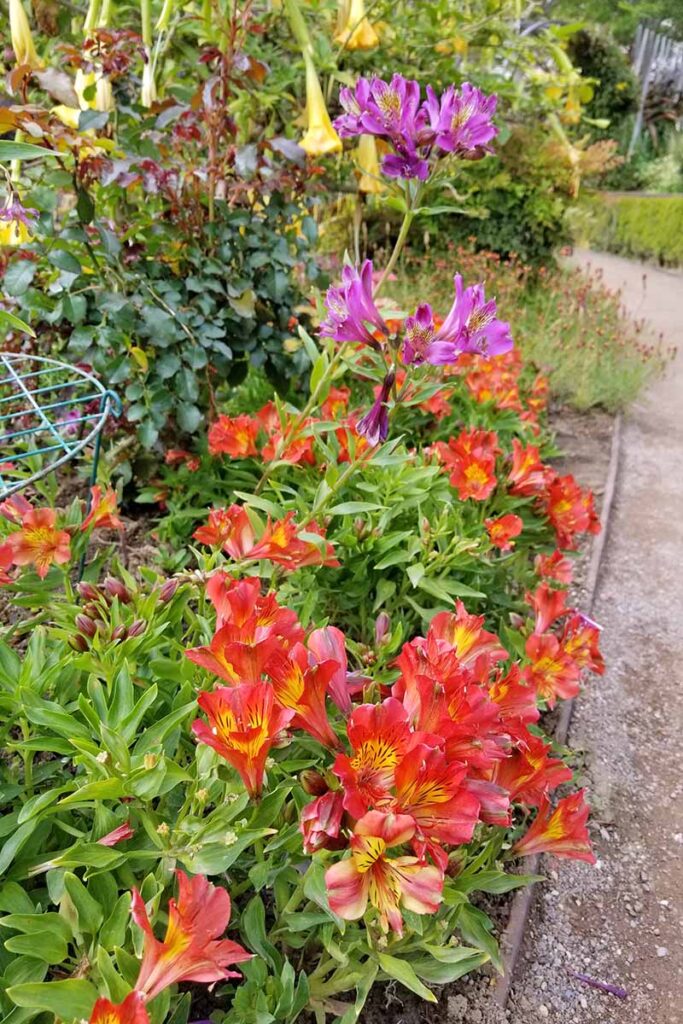
“Alstroemeria (Peruvian Lily …” from gardenerspath.com and used with no modifications.
Companion Plants That Complement Their Colors
Peruvian lilies pair beautifully with plants that bloom simultaneously or provide contrasting textures. Silver-leaved plants like artemisia or lamb’s ears create striking textural contrasts with Alstroemeria’s smooth foliage, while fine-textured ornamental grasses like Pennisetum or Festuca provide movement and a neutral backdrop that makes the colorful blooms pop. For color harmony, consider blue-flowering perennials like salvias, catmint, or Russian sage, which complement the warm-toned varieties of Alstroemeria particularly well.
Creating Cut Flower Gardens With Alstroemeria
The exceptional vase life of Peruvian lilies—often exceeding two weeks—makes them staples in dedicated cutting gardens. Plant them in rows or blocks for easy access, spacing plants about 18 inches apart to allow good air circulation while maximizing production in the available space. Combine early, mid-season, and late-blooming varieties to extend the cutting season, and include complementary fillers like feverfew, baby’s breath, or ammi for ready-made bouquet ingredients.
For the most productive cutting garden, incorporate a simple irrigation system to ensure consistent moisture, apply a bloom-boosting fertilizer monthly during the growing season, and harvest flowers regularly to stimulate continued production. Remember that pulling entire stems rather than cutting them encourages more abundant flowering, resulting in a continuous supply of stems for arrangements throughout the season. For tips on managing your garden’s terrain and plants, check out the best practices for garden fencing and plant management.
Border and Container Combinations
In mixed borders, Peruvian lilies provide reliable mid-height structure and consistent color, bridging the gap between lower groundcovers and taller background plants. Their upright form creates vertical interest without requiring staking, while their extended blooming period maintains visual interest long after many spring perennials have finished flowering. Try combining them with early-blooming bulbs like tulips and daffodils that will have completed their cycle as the Alstroemeria reaches peak bloom, effectively extending the display season in the same space.
Your Questions About Peruvian Lilies Answered
Successful cultivation often comes down to addressing specific challenges and questions that arise during the growing process. Here, I’ve compiled answers to the most frequent inquiries about Peruvian lilies, providing solutions to common issues and clarification on best practices. These practical insights help both new and experienced gardeners achieve optimal results with these versatile perennials.
Why are my Peruvian lily leaves turning yellow?
Yellowing leaves on Peruvian lilies typically indicate a watering issue, most commonly overwatering that leads to oxygen-deprived roots. Check soil moisture before watering and ensure containers have adequate drainage holes. Nutrient deficiencies—particularly nitrogen and iron—can also cause yellowing, remedied by applying a balanced fertilizer. Occasionally, yellowing occurs naturally as older leaves die back, especially in fall as plants prepare for dormancy, which requires no intervention.
How deep should I plant Peruvian lily tubers?
Plant Peruvian lily tubers approximately 6-8 inches deep, measured from the soil surface to the bottom of the tuber. This depth protects the tubers from temperature fluctuations while providing adequate soil above them for proper root development. When transplanting container-grown specimens, maintain the same soil level as in the original container, neither burying the crown deeper nor elevating it higher.
Can Peruvian lilies survive frost and snow?
Established Peruvian lilies can survive frost and even snow in USDA zones 7-10 without special protection, though foliage may die back temporarily. In zone 6, they require winter protection in the form of a 4-6 inch layer of mulch applied after the ground begins to freeze. The tuberous roots remain dormant during winter, protected underground from extreme temperatures, then regenerate new growth when soil temperatures warm in spring.
For container-grown plants in colder regions, move pots to an unheated garage or basement where temperatures remain above freezing but below 45°F to maintain dormancy without freezing the root system. Water sparingly during this period—just enough to prevent the soil from completely drying out—and return containers outdoors after the danger of frost has passed in spring.
Do Peruvian lilies need full sun to bloom properly?
- In cool climates (zones 6-7): Full sun (6+ hours daily) produces the most abundant flowering
- In moderate climates (zone 8): Morning sun with afternoon shade provides ideal balance
- In hot climates (zones 9-10): Partial shade (4-6 hours of filtered sunlight) prevents heat stress
- For indoor growth: Bright indirect light or supplemental grow lights are essential
Light intensity directly affects flowering performance in Peruvian lilies, but requirements vary by climate. The key is providing sufficient light for flower production without subjecting plants to heat stress that could cause them to go dormant prematurely. In hotter regions, eastern exposures that provide morning sun and afternoon shade often yield the best results, while northern gardens can place these plants in full sun locations for maximum flower production.
Container-grown specimens offer the advantage of mobility, allowing you to adjust their position seasonally to maintain optimal light conditions. Move containers to brighter locations during spring and fall, then to slightly more protected spots during summer heat. This flexibility helps extend the blooming season by preventing the stress that might otherwise interrupt flower production.
Regardless of your climate, ensuring proper soil moisture becomes increasingly important as light exposure increases. Plants in sunnier locations typically require more frequent watering to support active growth and flowering. Applying a 2-3 inch layer of organic mulch around plants helps moderate soil temperature and retain moisture, reducing stress even in full sun exposures.
For indoor specimens, position plants near south or west-facing windows that receive bright, indirect light throughout the day. Rotate containers a quarter turn weekly to promote even growth, as plants naturally lean toward light sources. If natural light is insufficient, supplement with full-spectrum grow lights positioned 12-18 inches above plants and operated for 12-14 hours daily during the growing season.
How long do cut Peruvian lilies last in arrangements?
Cut Peruvian lilies are prized by florists for their exceptional vase life, typically lasting 10-14 days with proper conditioning. For maximum longevity, harvest stems in the morning when the first flower in the cluster has just opened, pulling the entire stem from the base rather than cutting it. Remove foliage that would sit below the waterline to prevent bacterial growth, and place stems immediately in clean, cool water.
Once indoors, recut stem ends at a 45-degree angle under running water before placing in a vase with fresh, room-temperature water and commercial flower preservative. Change the water every 2-3 days, recutting stems each time to maintain water uptake. Keep arrangements away from ripening fruit, direct sunlight, heating vents, and air conditioners, all of which can shorten vase life.
For the longest display, harvest stems at different stages of development—some with just one open bloom and others with several. This sequential opening extends the overall show, with new flowers continuing to open as older ones fade. Remove individual blooms as they decline to maintain the arrangement’s fresh appearance throughout its extended vase life.
Professional florists sometimes use a technique called “pulsing” to further extend vase life, placing freshly cut stems in a solution of flower preservative and warm water (100-110°F) for one hour before transferring to cool water for arrangement. This process encourages maximum water uptake before the stems enter their final display position.
- Keep arrangements cool at night (65-68°F) to extend bloom longevity
- Add 1/4 teaspoon bleach per quart of vase water to inhibit bacterial growth
- Avoid placing arrangements near fruit bowls—ethylene gas hastens flower deterioration
- Remove spent individual blooms promptly to maintain the arrangement’s fresh appearance
- Mist flowers lightly in dry indoor environments to maintain petal hydration
With their remarkable combination of beauty, longevity, and relatively simple care requirements, Peruvian lilies deserve a place in every gardener’s landscape. Whether brightening a perennial border, filling containers with months of color, or providing endless material for cut flower arrangements, these versatile plants deliver exceptional performance season after season.