
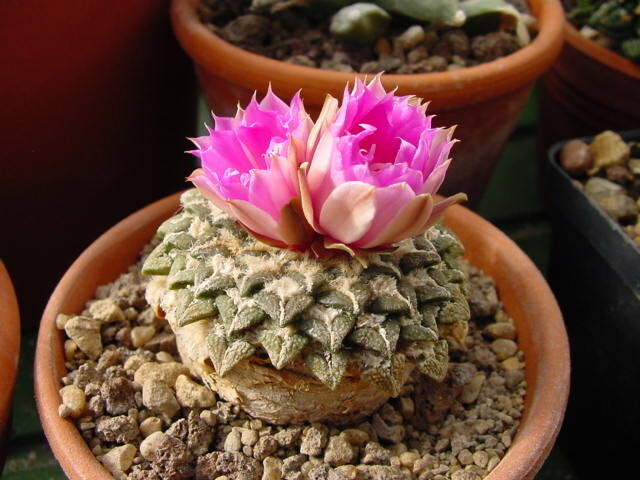
Key Takeaways
- Living rock cacti (Ariocarpus spp.) are remarkable stone-mimicking plants that have evolved to blend perfectly with their rocky habitats through unique adaptations.
- These endangered plants are protected under CITES Appendix I, making wild collection illegal, though cultivated specimens can be legally owned.
- Despite myths, living rock cacti contain mild alkaloids but aren’t comparable to peyote; their primary value lies in their extraordinary appearance and conservation importance.
- Proper identification involves recognizing the distinctive triangular tubercles, woolly center, and the plant’s ability to retract into the soil during drought.
- Growing these plants requires well-draining soil, minimal watering, and patience as they are extremely slow-growing specimens that can live for decades with proper care.
Living rock cacti are nature’s perfect illusion – plants so remarkably evolved that they appear as stones scattered across the desert landscape. These botanical wonders represent one of the most fascinating examples of plant adaptation and camouflage in the natural world.
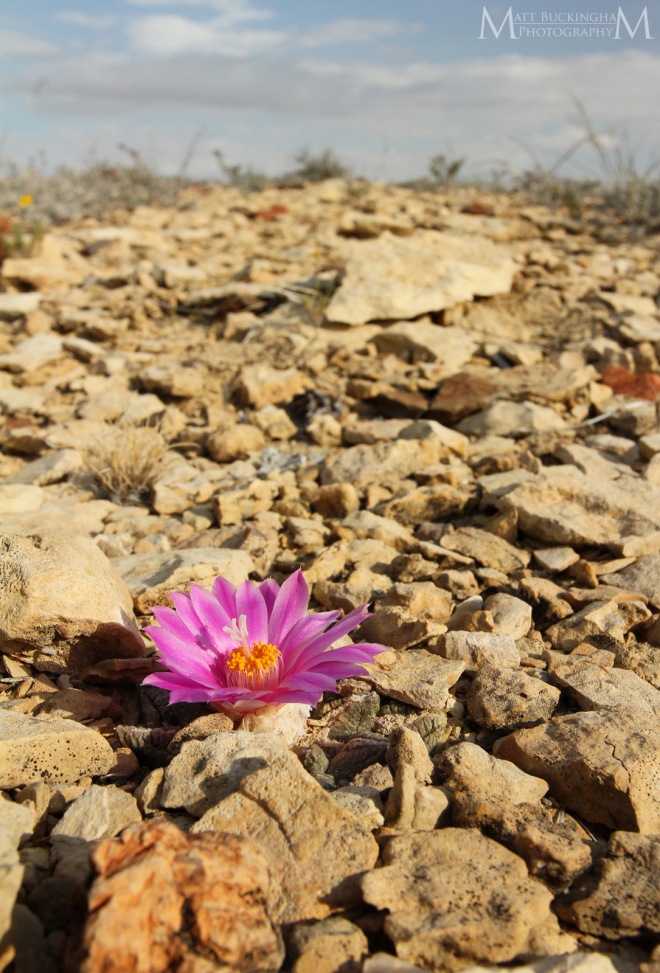
“Living Rock Cactus – A Naturalist’s Journey” from mattbuckinghamphotography.com and used with no modifications.
What Are Living Rock Cacti? Nature’s Remarkable Stone Mimics
Living rock cacti belong to the genus Ariocarpus, a group of spineless cacti native to Mexico and parts of Texas. Unlike typical cacti with their prominent spines and columnar growth, Ariocarpus species have evolved a flattened, stone-like appearance that allows them to blend seamlessly with their surroundings. This remarkable adaptation serves as both camouflage from herbivores and protection from the harsh desert sun. Most species grow extremely slowly, with some specimens in the wild estimated to be over 50 years old despite their modest size.
The plant’s structure consists of a thick taproot that stores water and triangular tubercles (modified leaves) arranged in a rosette pattern. During drought conditions, these cacti can contract further into the ground, leaving only their flat tops visible – a survival strategy that further enhances their rock-like appearance. What makes them truly special is their ability to withstand extreme temperature fluctuations and months without water, thriving in conditions that would kill most plants.
Common Names: From “Stone Plants” to “False Peyote”
Living rock cacti go by various names across different cultures and regions, each highlighting a different aspect of these unique plants:
- Living Stone – The most common nickname, referring to their rock-like appearance
- Star Rock – Named for the star-shaped arrangement of tubercles in some species
- Chaute – A traditional name used by indigenous peoples in Mexico
- False Peyote – Due to some superficial similarities to peyote cactus
- Dry Whiskey – A colloquial term referencing historical medicinal uses
These diverse names reflect the plant’s cultural significance and distinctive appearance that has captivated botanists and plant enthusiasts for generations. While often grouped together, it’s important to remember that “living rock cactus” encompasses several different species within the Ariocarpus genus, each with subtle variations in appearance and growing requirements.
Species Identification: Key Features to Recognize
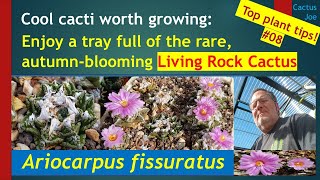
Identifying living rock cacti requires attention to specific morphological features that distinguish them from other low-growing desert plants. The most common species, Ariocarpus fissuratus (Texas living rock), features grayish-green triangular tubercles with a central furrow and wooly center. Its surface appears wrinkled and textured, with tubercles arranged in a flat rosette typically 3-8 inches in diameter. When flowering in fall, it produces striking pink to magenta blooms emerging from the central wool.
Ariocarpus retusus, another popular species, has smoother, more pronounced triangular tubercles with a distinct pointed tip rather than a central furrow. Its coloration ranges from blue-green to brownish-gray depending on sun exposure and age. The key distinguishing feature is the lack of central furrowing in each tubercle, giving it a smoother overall appearance than A. fissuratus.
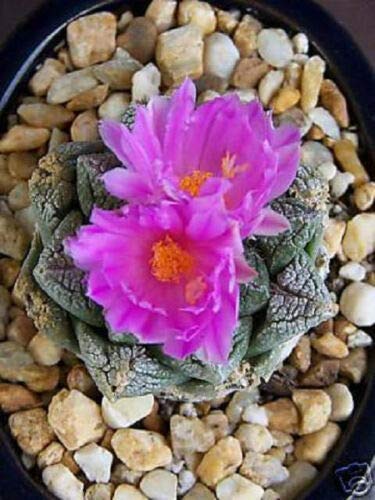
“Amazon.com : Ariocarpus fissuratus (TJ …” from www.amazon.com and used with no modifications.
Quick Identification Guide: True living rock cacti (Ariocarpus) have no visible spines, feature triangular tubercles arranged in a rosette pattern, possess a woolly center where flowers emerge, and demonstrate the ability to contract into the soil during drought. If the plant has visible spines or a columnar growth habit, it’s not a true living rock cactus.
Several other species exist within the Ariocarpus genus, including A. kotschoubeyanus (the smallest species, often called “peyotillo”), A. agavoides (with agave-like tubercles), and A. bravoanus (extremely rare in cultivation). Each has subtle variations in tubercle shape, flower color, and growth habit that botanists use for precise identification. For the home grower, paying attention to tubercle shape (furrowed vs. smooth) and overall plant form provides the most reliable means of identification. For more detailed care instructions, visit the Ariocarpus plant care guide.
Legal Status of Living Rock Cacti: What You Need to Know
Understanding the legal framework surrounding living rock cacti is essential for ethical cultivation and collection. All Ariocarpus species are listed under Appendix I of the Convention on International Trade in Endangered Species (CITES), the highest level of protection granted to plants threatened with extinction. This classification makes it illegal to collect wild specimens or export them without special permits, which are rarely granted for personal collections.
CITES Protection and Collection Restrictions
The CITES listing means that international trade of wild-harvested living rock cacti is effectively banned. This protection extends to all parts and derivatives of the plants, including seeds in many cases. The severe restrictions exist because wild populations have been devastated by over-collection, habitat loss, and extremely slow natural reproduction rates. In their native ranges of Mexico and Texas, additional local laws further protect these plants, with penalties including substantial fines and potential imprisonment for illegal collection.
It’s worth noting that different countries enforce CITES regulations with varying degrees of strictness. The United States, for example, has incorporated CITES protections into the Endangered Species Act, making unauthorized collection of wild Ariocarpus in Texas a federal offense. Mexico similarly enforces strict protection of its native cacti species through federal environmental laws.
Cultivation vs. Wild Harvesting: Staying on the Right Side of the Law
While wild collection is prohibited, purchasing and owning legally propagated living rock cacti is completely acceptable. Reputable nurseries specializing in rare succulents can provide documentation proving their plants are legally propagated rather than wild-collected. When purchasing, look for suppliers who can verify their plants are nursery-grown, often indicated by uniform growth patterns, the absence of weathering marks, and sometimes even the presence of grafting scars at the base.
Seed-grown plants and those propagated through careful grafting techniques represent sustainable alternatives to wild collection. Greg advocates responsible plant parenthood by helping enthusiasts track care for legally obtained specimens while promoting conservation awareness. By supporting ethical propagation efforts, collectors can enjoy these remarkable plants without contributing to their decline in natural habitats. For those interested in companion planting, wild buckwheat can be a good match, offering additional benefits and uses.
Even with legally obtained specimens, some restrictions may apply when transporting plants across international borders. Always check current import/export regulations and obtain necessary permits before traveling with living rock cacti or attempting to mail them internationally.
Psychoactive Properties and Traditional Uses
Living rock cacti have sometimes been confused with peyote (Lophophora williamsii) due to superficial similarities in appearance and their overlapping native ranges. This confusion has led to misconceptions about their psychoactive potential and traditional uses.
Separating Fact from Fiction: Psychoactive Potential
Despite their nickname “False Peyote,” living rock cacti contain significantly different alkaloid profiles than true peyote. While Ariocarpus species do contain certain alkaloids like hordenine and N-methyltyramine, these compounds produce minimal psychoactive effects compared to the mescaline found in peyote. The alkaloid content in living rock cacti primarily serves as a defense mechanism against herbivores rather than providing strong psychotropic properties. For more information on plant safety and care, you might find this artillery plant care guide helpful.
The bitter-tasting alkaloids make these plants unpalatable to most animals, functioning as a natural deterrent that complements their camouflage strategy. This adaptation has been crucial to their survival in environments where protection from grazing animals is essential. It’s important to note that these plants are toxic to pets and should be kept out of reach of animals that might be tempted to nibble on them.
Important Safety Note: Living rock cacti contain toxic alkaloids that can cause adverse reactions if ingested. These plants should be treated as ornamental specimens only, never for consumption. Their protected status makes any non-horticultural use not only potentially dangerous but also illegal in many jurisdictions.
Ethnobotanical History and Indigenous Uses
Historically, indigenous peoples of Mexico’s northern regions did incorporate living rock cacti into traditional medicine, though not primarily as psychoactive agents. The Huichol and certain other groups used carefully prepared Ariocarpus preparations for treating fever, rheumatism, and as a topical analgesic. The name “Dry Whiskey” hints at its occasional use as a mild stimulant in certain traditional contexts.
Archaeological evidence suggests these plants held ceremonial significance beyond their medicinal applications, often representing endurance and resilience in harsh conditions. Their ability to survive extreme drought made them symbols of persistence in indigenous iconography. Today, the focus has shifted toward preservation rather than utilization, with many indigenous communities participating in conservation efforts to protect these culturally significant plants.
Why Grow Living Rock Cacti? The Pros and Cons
Cultivating living rock cacti offers a unique opportunity to steward remarkable botanical oddities while contributing to conservation efforts. However, these specialized plants come with distinct advantages and challenges that potential growers should consider carefully. For instance, understanding indoor and outdoor care can be crucial to ensuring their thriving growth.
Advantages: Unique Appearance and Low Maintenance
- Conversation starters – Their stone-like appearance inevitably draws attention and questions from visitors
- Drought tolerance – Once established, they require minimal watering, making them perfect for forgetful gardeners
- Longevity – With proper care, specimens can live for decades, becoming family heirlooms
- Space-efficient – Their compact growth habit makes them ideal for small collections or limited growing spaces
- Spectacular blooms – The contrast between their rugged appearance and delicate flowers is particularly rewarding
Beyond their aesthetic appeal, living rock cacti offer practical benefits for busy gardeners. Their extreme drought tolerance means they can survive extended periods without attention, making them suitable for travelers or those with unpredictable schedules. When properly situated, they require almost no pruning or regular maintenance beyond occasional watering and protection from extreme conditions.
Challenges: Slow Growth and Specific Care Requirements
Despite their hardiness, living rock cacti present certain challenges that make them unsuitable for impatient gardeners. Their growth rate is exceptionally slow, with plants taking 10-15 years to reach flowering size from seed. This means investment in a mature specimen requires significant patience or financial investment in an already-established plant.
Additionally, these plants are particularly sensitive to overwatering, with root rot being the primary cause of failure among novice growers. They require precisely formulated soil mixes that provide exceptional drainage while still offering minimal nutrients. Winter dormancy periods must be respected with reduced watering and cooler temperatures to maintain plant health over the long term. For those interested in similar plant care tips, check out this artillery plant care guide.
Finding legitimate, ethically sourced specimens can also present difficulties, as disreputable sellers sometimes offer wild-collected plants under false pretenses. This necessitates careful research when purchasing to ensure you’re supporting sustainable propagation rather than harmful collection practices. For those interested in plant care, you might also want to explore artillery plant care tips to enhance your gardening knowledge.
Conservation Value: Supporting Endangered Species
Perhaps the most compelling reason to grow living rock cacti is their conservation status. By maintaining genetically diverse cultivated populations, home growers contribute to species preservation efforts. Should wild populations continue to decline, these cultivated specimens may become crucial to potential reintroduction efforts and maintain genetic diversity that might otherwise be lost.
Sharing propagated offspring with other ethical growers and educational institutions further supports conservation while spreading awareness about these remarkable plants and their precarious status in the wild. For many enthusiasts, the knowledge that their horticultural efforts directly support biodiversity conservation adds meaningful purpose to their gardening activities.
Indoor Care Guide for Living Rock Cacti
Indoor cultivation offers precise control over growing conditions, making it the preferred choice for serious living rock cactus enthusiasts. Creating the right microclimate indoors can help these desert dwellers thrive even in climates far removed from their native habitat. The key to success lies in understanding their natural growth cycle and mimicking those conditions as closely as possible in your home environment.

“old Ariocarpus Cactus …” from www.reddit.com and used with no modifications.
Light Requirements: Finding the Perfect Spot
Living rock cacti require abundant light to maintain their compact growth form and encourage flowering. Place them in your brightest south-facing window where they’ll receive at least 6 hours of direct sunlight daily. The intensity of natural sunlight through glass is typically reduced enough to prevent sunburn while providing sufficient light energy for photosynthesis. If natural light is insufficient, especially during winter months, supplement with full-spectrum grow lights positioned 6-12 inches above the plants for 10-12 hours daily.
The characteristic tight, stone-like appearance of healthy specimens depends on receiving adequate light. In insufficient light conditions, new growth becomes elongated and pale, compromising both the plant’s health and its distinctive appearance. However, if transitioning a plant from lower light conditions, introduce it to intense light gradually over 1-2 weeks to prevent sunburn, which appears as permanent yellowish or brownish patches on the plant’s surface. For more information on plant care, check out our artillery plant care guide.
Watering Schedule: The Art of Restraint
The most critical aspect of living rock cactus care is proper watering technique. These plants have evolved to survive prolonged drought by storing moisture in their thick taproots and reducing water loss through their specialized tubercles. Overwatering is the primary killer of cultivated specimens, causing fatal root rot that often goes undetected until too late. During their active growing season (spring and fall), water only when the soil has been completely dry for at least a week, thoroughly soaking the medium and allowing excess water to drain completely.
Winter dormancy requires even more restraint, with many successful growers withholding water entirely from November through February. This dormancy period triggers the plant’s natural cycle and encourages spring flowering. During summer heat, provide minimal water—just enough to prevent extreme shriveling. A good rule of thumb is to water half as frequently as you would for other cacti species, which themselves require far less water than typical houseplants.
|
Season |
Watering Frequency |
Special Considerations |
|---|---|---|
|
Spring (Mar-May) |
Every 2-3 weeks |
Begin watering gradually as temperatures rise |
|
Summer (Jun-Aug) |
Every 3-4 weeks |
Early morning watering only; reduce during extreme heat |
|
Fall (Sep-Oct) |
Every 2-3 weeks |
Primary growing season; watch for buds forming |
|
Winter (Nov-Feb) |
0-1 time monthly |
Complete dormancy; water only if severely shriveled |
Soil Mix: Creating the Ideal Growing Medium
Living rock cacti require exceptionally well-draining soil that closely mimics their native rocky substrate. A suitable mix contains minimal organic matter—no more than 10-15% of the total volume. The ideal soil blend consists of approximately 70% mineral components (pumice, perlite, coarse sand) and 30% inorganic materials and minimal organic matter. This composition ensures rapid drainage while providing just enough nutrients for their modest needs.
A reliable DIY soil recipe includes: 5 parts pumice or perlite, 3 parts coarse sand, 1 part decomposed granite, and 1 part cactus potting mix. Commercial cactus soils typically contain too much organic material and require significant amendment with mineral components before use. Top-dressing with small gravel or crushed rock improves aesthetics while serving the practical purpose of supporting the plant and preventing water from collecting around the crown.
Temperature and Humidity Considerations
Living rock cacti thrive in temperatures that mirror their desert home: warm days and cool nights. Ideal daytime temperatures range between 70-85°F (21-29°C), with a preferred night drop to 50-60°F (10-15°C). This daily temperature fluctuation plays a crucial role in their growth cycle and eventual flowering. Winter dormancy benefits from sustained cooler temperatures between 40-50°F (4-10°C), though brief exposure to light frost won’t harm established plants.
Unlike many houseplants, these desert natives prefer low ambient humidity, typically between 20-40%. Higher humidity levels increase the risk of fungal issues, particularly when combined with cool temperatures. Ensure adequate air circulation around your plants, especially during humid summer months or in naturally damp climates. Avoid misting or other practices that increase local humidity around the plants. For more on plant care, check out these sword fern care tips.
Outdoor Cultivation: Mimicking Natural Habitat
Outdoor growing offers living rock cacti the natural light cycles and temperature fluctuations that most closely resemble their native conditions. With careful site selection and preparation, these remarkable plants can become permanent features in appropriate landscapes. Their extremely low water requirements make them excellent choices for xeriscaping projects and drought-resistant gardens.
Climate Zones: Where They Thrive Outdoors
Living rock cacti can be grown outdoors year-round in USDA hardiness zones 8b-11, provided they receive protection from excessive rainfall. They perform best in climate regions with low humidity, minimal summer rainfall, and mild winters without prolonged freezing temperatures. Areas with Mediterranean or desert climates provide ideal conditions, closely matching their native range in the Chihuahuan Desert region spanning Texas and northern Mexico.
In marginal climates, success often depends on microclimate creation—placing plants against south-facing walls that provide radiant heat, under roof overhangs that minimize rainfall exposure, or on slopes with exceptional drainage. The key factors for outdoor success are excellent drainage, protection from excessive precipitation, and sufficient winter protection in cooler zones.
“How to Grow and Care for Ariocarpus …” from worldofsucculents.com and used with no modifications.
Protection from Extreme Elements
While adapted to harsh conditions, living rock cacti require protection from certain environmental extremes. Excessive rainfall presents the greatest threat to outdoor specimens, potentially causing fatal root rot within days if drainage is inadequate. In regions with summer monsoons or winter rainy seasons, overhead protection becomes essential—consider placing plants under clear roofing panels that block rain while permitting sunlight penetration. For further insights on plant care, you might find this artillery plant care guide useful.
Winter protection varies by climate zone. In marginal areas (USDA zones 7b-8a), temporary cold frames or lightweight frost cloth provide sufficient insulation during brief freezes. The most important winter consideration is keeping plants dry during cold periods, as wet soil combined with freezing temperatures often proves fatal. In areas with heavy snowfall, the insulating property of snow actually protects plants, provided the soil has proper drainage when melting occurs. For more detailed plant care, you can visit Greg’s plant care guide.
Seasonal Care Adjustments
Outdoor cultivation requires seasonal vigilance and appropriate care adjustments. Spring typically marks the beginning of active growth, when light fertilization may be beneficial—use a diluted low-nitrogen, high-phosphorus fertilizer at quarter-strength once in early spring. Summer heat often triggers a natural semi-dormancy; allow plants to retract slightly into the soil, a natural adaptation that protects sensitive growth points from extreme heat.
Fall represents the primary growth and flowering season for most Ariocarpus species. Provide consistent monitoring during this period, removing competing vegetation and watching for the formation of flower buds. As winter approaches, gradually reduce water to prepare plants for dormancy, ensuring they enter cold weather in a slightly dehydrated state which increases cold hardiness.
Special Growing Environments: Pushing the Boundaries
Innovative cultivation approaches can expand the range of environments where living rock cacti can thrive. Experienced growers have developed specialized techniques that allow these desert specialists to succeed in seemingly incompatible settings. These adaptations require careful attention to detail but can produce remarkable results.
Can Living Rock Cacti Grow in Wetland Conditions?
While counter-intuitive, living rock cacti can be grown in regions with higher-than-ideal rainfall if exceptional drainage is engineered into their growing environment. The key adaptation involves creating elevated planting beds or mounds that place the plants well above the water table. These raised beds should be constructed with a foundation of coarse drainage material like crushed stone, topped with the appropriate mineral-rich growing medium.
In naturally humid regions, additional steps include selecting planting locations with maximum sun exposure to help excess moisture evaporate quickly, installing drainage tiles beneath planting areas, and using breathable terracotta containers rather than plastic when container growing. Some growers in rainy climates construct special rain shelters with transparent roofing that blocks precipitation while allowing maximum light penetration.
Advanced Technique: In high-rainfall areas, consider the “perched planting” method where living rock cacti are established atop stone columns or rock formations that elevate them 6-12 inches above the surrounding soil level. This mimics their natural growth pattern on limestone outcroppings while ensuring no standing water contacts the root zone.
Gravel Gardens: The Perfect Match for Stone Plants
Gravel garden cultivation represents perhaps the ideal growing environment for living rock cacti outside their native habitat. These specialized gardens feature a deep layer (8-12 inches) of gravel or crushed stone atop a prepared base soil, creating exceptional drainage while minimizing water loss through evaporation. The stone material absorbs heat during the day and releases it slowly overnight, creating the temperature fluctuation these plants evolved with.
For optimal results, select angular gravel rather than rounded pebbles, as the irregular shapes lock together creating stable planting pockets while allowing root penetration. Color selection impacts heat absorption—darker gravels increase soil temperature while lighter colors reflect more light onto the plants. Position living rock cacti so their growing points sit slightly above the gravel surface, allowing natural expansion while preventing moisture collection around the crown.
Container Options for Optimal Growth
Container cultivation offers the greatest control over growing conditions and allows gardeners in any climate to succeed with living rock cacti. Unglazed terracotta containers provide ideal moisture balance, as their porous nature allows excess water to evaporate through the pot walls. Select containers with depth rather than width, accommodating the plant’s substantial taproot while minimizing surface area that could collect excess moisture.
Bonsai containers, particularly those designed for cascade-style bonsai, offer excellent options for displaying living rock cacti. Their shallow but wide design showcases the plant’s unique form while providing adequate depth for root development. Always ensure containers have multiple drainage holes and elevate pots on feet or stones to guarantee complete water drainage after irrigation.
Solo Specimens vs. Companion Planting
Benefits of Growing Living Rock Cacti Alone
Solo cultivation of living rock cacti offers several significant advantages for these specialized plants. When grown individually, each specimen receives precisely tailored care without competition for resources from neighboring plants. This isolated approach allows for targeted watering, specialized soil composition, and ideal positioning based on the specific species’ requirements without compromising for the needs of companion plants.
Expert Tip: Solo specimens in dedicated containers allow for seasonal relocation, moving plants to protected areas during extreme weather or rotating them for optimal sun exposure as seasons change. This flexibility can significantly increase success rates in challenging climates. For additional tips on plant care, check out our sword fern care guide.
The dramatic sculptural quality of living rock cacti is often best appreciated when specimens are displayed individually. Their unique form becomes a focal point in the garden or collection, drawing attention to their remarkable adaptation and otherworldly appearance. Solo planting also minimizes the risk of accidental overwatering that might occur when caring for neighboring plants with higher moisture requirements. For more information, check out this comprehensive guide on living rock cactus.
From a conservation perspective, isolated cultivation reduces the risk of disease transmission between specimens and allows for careful monitoring of individual plant health. This approach is particularly valuable for rare species or specimens of special significance, where maintaining optimal growing conditions takes priority over aesthetic arrangements.
“LIVING ROCK CACTUS: #ariocarpus …” from www.youtube.com and used with no modifications.
Why Companion Planting Can Work
Despite the advantages of solo cultivation, thoughtfully designed companion planting can create stunning displays that highlight the unique qualities of living rock cacti while providing practical benefits. When properly executed, companion planting creates a more natural-looking arrangement that mimics the plant communities found in their native habitats. These arrangements can tell a visual story of desert adaptation while creating more visual interest than isolated specimens.
Beyond aesthetics, appropriate companion plants can provide beneficial microclimate effects. Taller succulents offering filtered afternoon shade may protect living rocks from excessive summer heat, while ground-covering companions can suppress weed growth and stabilize soil temperature. Some companion species may also deter certain pests through natural compounds in their tissues or by attracting beneficial insects that control potential problems.
|
Companion Planting Benefits |
Implementation Strategies |
|---|---|
|
Improved visual composition |
Position living rocks as focal points surrounded by lower-growing companions |
|
Enhanced drainage |
Interplant with species that help prevent soil compaction |
|
Microclimate improvement |
Use strategic positioning of companions to modify light/temperature |
|
Educational display |
Group plants from similar habitats to demonstrate ecological relationships |
Carefully selected companion plants with similar care requirements can create self-sustaining plant communities that thrive with minimal intervention. These thoughtfully designed arrangements often require less maintenance than might be expected, as the plants have evolved complementary survival strategies in their shared native environments. The key to success lies in selecting companions with nearly identical water, light, and soil preferences.
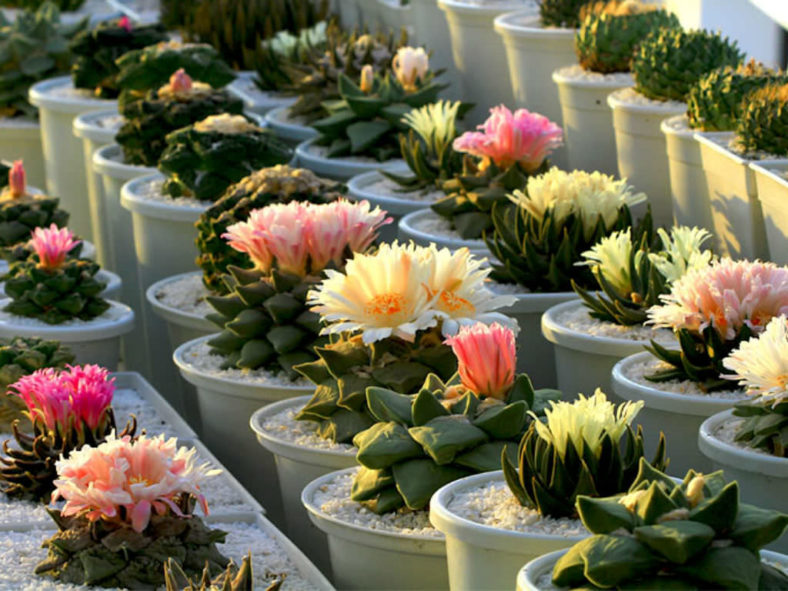
“Sedums In the Greenhouse” from warmbierfarms.com and used with no modifications.
Top 5 Companion Plants for Living Rock Cacti
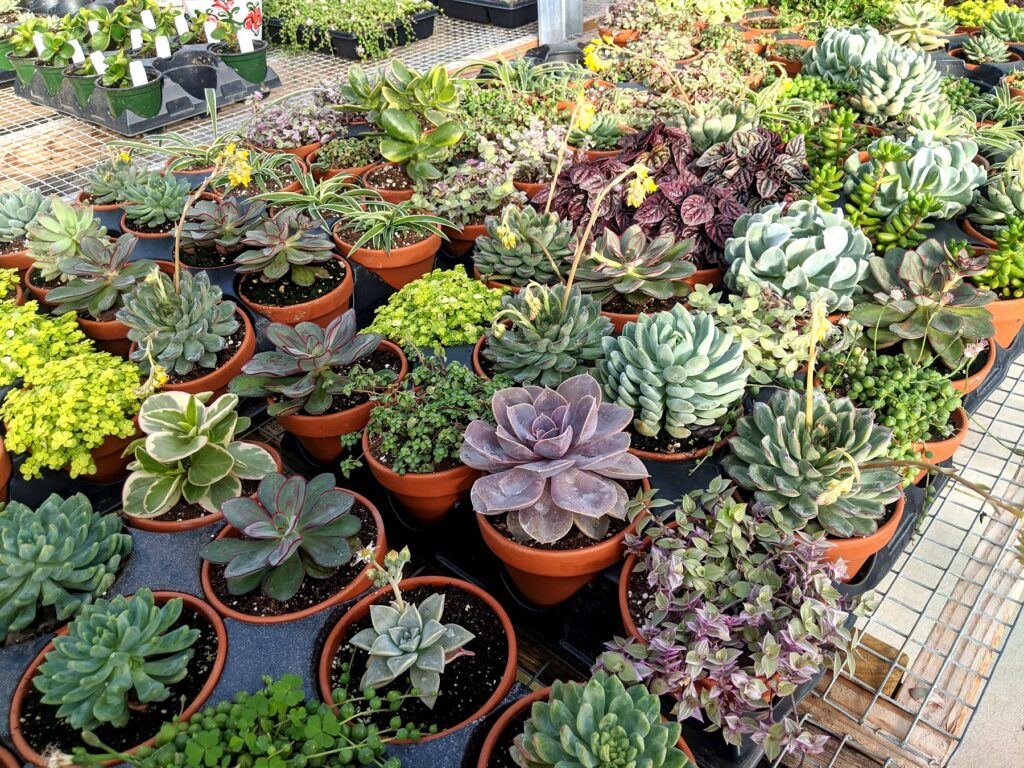
The ideal companions for living rock cacti share their preference for exceptional drainage, minimal watering, and high light conditions while offering complementary forms and textures. Sedums, particularly low-growing varieties like Sedum spathulifolium or Sedum hispanicum, provide excellent ground cover without overwhelming the living rocks. Their shallow root systems don’t compete significantly with the deeper-rooted Ariocarpus, while their spreading habit helps suppress weeds and stabilize soil temperature. Small Agave species like Agave parviflora or dwarf forms of Agave victoria-reginae add architectural contrast with their geometric rosettes while maintaining similar care requirements. Echeveria species with their colorful rosettes create beautiful color contrast, particularly the blue-gray varieties that complement the typical stone coloration of living rocks. Small Mammillaria cacti add textural diversity with their spiny globular forms while sharing almost identical care needs. Finally, select Crassula varieties like Crassula hemisphaerica or Crassula ‘Tom Thumb’ offer interesting leaf arrangements and occasional flowers while respecting the living rocks’ dominance in the arrangement.
Plants to Avoid Pairing with Your Living Rocks
Certain plants should never be paired with living rock cacti despite superficial compatibility as desert species. Fast-growing succulents like Aloe vera or Kalanchoe can quickly overshadow and crowd out the slow-growing Ariocarpus, competing for resources and often requiring removal before damage occurs. Plants requiring regular fertilization, such as many Euphorbia species, create an incompatible care regimen since living rocks perform best with minimal nutrient supplementation. Specimens with high moisture requirements, including most Haworthia and Gasteria species, create an impossible watering conflict—giving them adequate moisture inevitably leads to overwatering the living rocks. Avoid deep-rooted companions like larger Opuntia species that compete directly for the same root zone, and steer clear of plants with aggressive reproductive strategies such as Sempervivum, which can quickly colonize the growing area and restrict the living rock’s access to resources. The key consideration when selecting companions should always be long-term compatibility regarding growth rate, mature size, and fundamental care requirements.
Success Stories: Bringing These Stone Mimics to Life
The journey of cultivating living rock cacti often begins with small, unassuming specimens that gradually reveal their extraordinary nature over years of patient care. Successful growers report profound satisfaction watching these plants slowly expand, develop their characteristic features, and eventually produce their spectacular flowers. Many enthusiasts document their plants’ development over decades, creating photographic records that demonstrate the rewarding nature of this specialized cultivation. The most inspiring success stories often come from growers who started with small seedlings and, through consistent appropriate care, developed them into mature flowering specimens—a process that typically requires 7-10 years but creates an unparalleled connection between gardener and plant. For those interested in diverse plant care, learning about sword fern care tips can also be beneficial.
Flowering Success: How to Encourage Blooms
Flowering represents the pinnacle achievement in living rock cactus cultivation, with successful blooming indicating optimal growing conditions. The key trigger for flower production is a distinct seasonal rhythm—particularly the transition from summer heat to cooler fall temperatures combined with increasing day length differential. Begin preparing for potential flowering by slightly increasing watering frequency in late summer (August-September), applying water early in the morning to ensure complete soil drying before nightfall. Introducing a very dilute fertilizer with high phosphorus content (such as a 5-10-5 formulation) just once in early fall can provide the minimal nutritional boost needed for flower bud formation.
Long-term Cultivation Strategies
Successful long-term cultivation of living rock cacti requires a commitment to consistency and restraint. Establish a regular observation routine—weekly visual inspections during active growth seasons and monthly during dormancy—watching for subtle changes that might indicate problems before they become severe. Maintain detailed records of watering frequency, environmental conditions, and plant responses to help identify optimal care patterns for your specific growing environment. Consider repotting only when absolutely necessary, typically every 3-5 years, as these plants prefer being slightly root-bound and often sulk after disturbance. When repotting becomes necessary, perform the operation during early spring just as new growth begins, minimizing root disturbance and withholding water for at least two weeks afterward to allow any damaged roots to heal. Perhaps most importantly, resist the temptation to accelerate growth through excess water or fertilizer—the extraordinary longevity of these plants comes from their naturally slow metabolism, and attempts to speed their development invariably lead to problems.
Frequently Asked Questions
Living rock cacti generate numerous questions from both new and experienced growers. Their unusual appearance and specialized care requirements create understandable confusion that benefits from clear, experience-based answers. The following responses address the most common inquiries about these remarkable plants, providing practical guidance for successful cultivation.
How long does it take for Living Rock Cacti to reach maturity?
Living rock cacti are exceptionally slow-growing plants that typically require 7-10 years to reach flowering maturity when grown from seed under optimal conditions. During their first year, seedlings may grow only a few millimeters in diameter, gradually increasing their growth rate in subsequent years. A five-year-old specimen might reach only 1-1.5 inches in diameter, while a mature flowering plant typically measures 3-5 inches across. This slow development reflects their evolution in resource-limited environments where conservation of energy takes precedence over rapid growth. Patient growers are rewarded with extraordinary longevity—well-maintained specimens can live 50+ years in cultivation, with wild plants estimated to reach ages exceeding 100 years in some cases.
Can I propagate Living Rock Cacti from cuttings?
Unlike many cacti species, living rock cacti cannot be propagated from cuttings or vegetative parts. Their specialized growth structure lacks the regenerative capability necessary for cutting propagation. The only reliable propagation method is through seeds, which require specialized germination techniques including precise temperature control, sterile conditions, and exceptional patience. Some advanced growers have succeeded with grafting very young seedlings onto more vigorous rootstock to accelerate initial growth, but even these plants must eventually be de-grafted and established on their own roots to develop their characteristic appearance. Commercial propagation sometimes employs micropropagation (tissue culture) techniques, but these methods lie beyond the capabilities of most home growers and require laboratory conditions to succeed.
Why is my Living Rock Cactus shrinking during certain seasons?
Seasonal shrinking is a natural adaptation rather than a sign of distress. During drought periods or winter dormancy, living rock cacti retract into the soil by drawing water from their tubercles, causing them to shrink and wrinkle. This reduction in exposed surface area conserves moisture and protects the vital growing point from extreme temperatures. The plant typically emerges again during favorable conditions, with tubercles swelling as they rehydrate. However, excessive or prolonged shrinking combined with soft texture may indicate underwatering, while failure to contract during normal dormancy periods might suggest improper seasonal care or potential root issues. The key distinction lies in timing and plant firmness—seasonal contraction with firm tissue is healthy, while soft, dramatically shrunken plants outside normal dormancy periods require attention.
How often do Living Rock Cacti flower, and what triggers blooming?
Healthy mature living rock cacti typically flower annually in late summer through fall (September-November in the Northern Hemisphere), though some specimens may skip occasional years. The primary flowering trigger appears to be the shortening day length combined with the temperature differential between day and night that occurs in early autumn. Plants require several consecutive years of consistent care to establish this blooming cycle, with first-time flowering often occurring only after 7+ years of growth. Individual flowers last 2-5 days, opening mid-day when temperatures are highest and closing overnight. Some species produce multiple blooms in succession over several weeks, while others generate just one or two flowers per season. For more detailed care tips, check out this Living Rock Cactus care guide.
Flower color varies by species: Ariocarpus fissuratus typically produces magenta to pink flowers, A. retusus generates white to pale pink blooms, and A. kotschoubeyanus creates deeper purple flowers. The stark contrast between these delicate, silky blooms and the rugged plant body represents one of the most dramatic flowering displays in the plant kingdom. For more information on safe plant care, you might find this fern care guide useful.
Is it possible to grow Living Rock Cacti from seeds at home?
Growing living rock cacti from seeds is entirely possible for home cultivators willing to invest in the proper setup and exercise considerable patience. Success requires fresh, viable seeds (ideally less than one year old), sterile growing medium, and precise temperature control. Prepare a well-draining seed-starting mix of fine mineral components like pumice, perlite, and a small amount of sterilized cactus soil. Surface-sow the tiny seeds, cover with a thin layer of fine grit, and maintain temperatures between 70-75°F (21-24°C) with bright but indirect light. Consistent humidity is critical during germination—many successful growers use the “baggie method,” enclosing seed containers in clear plastic bags to maintain humidity while preventing contamination.
Germination typically occurs within 2-4 weeks, though some seeds may take months to sprout. The greatest challenge comes after germination, as the delicate seedlings remain vulnerable to damping-off and other fungal issues for many months. Gradually reduce humidity while maintaining consistent temperature and careful watering. Expect to grow seedlings under controlled conditions for at least 1-2 years before they’re robust enough for standard living rock cactus care regimens.
Would it be better to plant in-ground or in containers when you have pets?
Container cultivation provides significantly better protection for both the plants and pets when living rock cacti are grown in households with animals. The alkaloids present in living rock tissue can cause gastrointestinal distress if ingested by cats, dogs, or other pets, while the plants themselves are vulnerable to damage from curious animals digging or chewing. Elevating containers on shelves, tables, or dedicated plant stands creates a physical separation that protects both plants and animals.
If in-ground planting is strongly preferred, consider creating dedicated raised beds with some form of protective barrier such as decorative fencing or strategic placement of larger, non-toxic companion plants around the perimeter. Some growers in pet-friendly households use chicken wire or hardware cloth buried several inches below the soil surface and extending above it to prevent digging while still allowing the plants to be viewed and accessed for care.
Remember that prevention is always preferable to intervention—the slow growth rate of living rock cacti means that even minor damage from pets can take years to heal. Creating physical separation through elevated containers represents the simplest and most effective solution for households where pets and these specialized plants must coexist.
For more plant care information and tracking tools that can help you monitor your living rock cactus growth over time, visit Greg, where plant enthusiasts gather to share their successes and learn from collective experience with these extraordinary botanical treasures. Additionally, if you’re interested in learning about sword fern care tips, you can find valuable information on pet safety and care tips for both indoor and outdoor settings.