
Key Takeaways
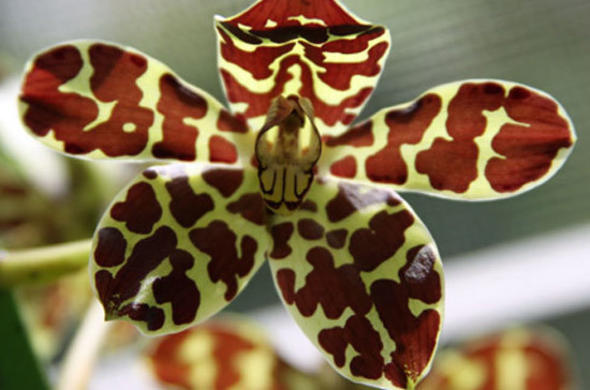
- Leopard Orchids (Ansellia africana) are epiphytic orchids native to Africa with distinctive spotted yellow flowers that resemble a leopard’s coat.
- These orchids thrive in bright, indirect light with proper air circulation and require a specialized well-draining potting medium to prevent root rot.
- Proper watering is crucial – allow the medium to nearly dry between waterings while maintaining 50-70% humidity for optimal growth.
- Leopard Orchids can be successfully propagated through division during repotting, though seed propagation is possible but challenging.
- While beautiful, these plants require specific care conditions, making them more suitable for experienced orchid enthusiasts than beginners.
Orchid enthusiasts seeking a unique addition to their collection need look no further than the magnificent Leopard Orchid. With its striking spotted blooms and impressive growth habit, this African native stands out among its more common cousins. Greg’s Exotic Plants has been specializing in rare orchid varieties for over 15 years, helping plant lovers discover the joy of growing these remarkable specimens in their own homes. Whether you’re a seasoned orchid grower or an adventurous beginner, this comprehensive guide will walk you through everything you need to know about caring for these distinctive plants.
What Exactly Are Leopard Orchids?
Leopard Orchids, scientifically known as Ansellia africana, are fascinating epiphytic orchids that have captured the hearts of plant enthusiasts worldwide. Unlike many other orchid varieties that grow delicately, Leopard Orchids develop into robust, sizeable plants that can form impressive colonies in their natural habitat. They belong to the monotypic genus Ansellia, meaning this single species is the only member of its genus, making it quite special in the botanical world.
Leopard Orchid Quick Facts
Scientific Name: Ansellia africana
Family: Orchidaceae
Native Range: Tropical and subtropical Africa
Growth Habit: Epiphytic (grows on trees)
Bloom Season: Usually spring to summer
Difficulty Level: Moderate to challenging
First discovered and documented by botanist John Ansell in 1841 during an expedition to Fernando Po (now Bioko Island in Equatorial Guinea), the Leopard Orchid gets its name from the distinctive spotted pattern on its flowers. These magnificent orchids can grow quite large over time, with mature specimens developing multiple pseudobulbs and potentially reaching several feet in width when given proper care and conditions. For those interested in fern care, you might also explore how ostrich ferns compare to moss for additional gardening insights.
Origin and Natural Habitat
Leopard Orchids are native to a wide range of tropical and subtropical regions across Africa, spanning from Sierra Leone and Senegal in the west to Kenya and Tanzania in the east, and extending south to South Africa. In their natural habitat, these orchids typically grow as epiphytes, anchoring themselves to the branches of trees where they receive dappled sunlight filtered through the canopy. This elevated position not only provides them with ideal light conditions but also ensures excellent air circulation around their roots.
Rather than being parasitic on their host trees, Leopard Orchids simply use the trees for physical support while gathering nutrients from organic debris that collects around their roots. They’ve developed a fascinating adaptation – their roots form a basket-like structure that collects fallen leaves and other organic matter, earning them the nickname “trash-basket orchids” in some regions. This natural composting system provides the nutrients these orchids need to thrive in the wild.
Distinctive Features for Easy Identification
Leopard Orchids are relatively easy to identify thanks to several distinctive characteristics. The most striking feature is their vibrant yellow flowers adorned with brown or maroon spots that resemble a leopard’s coat – hence their common name. These fragrant blooms typically appear in clusters on long, branching inflorescences and can number from a dozen to over a hundred flowers on mature specimens.
The plant itself grows from pseudobulbs, which are swollen stem structures that store water and nutrients. These pseudobulbs are elongated, slightly flattened, and typically grow clustered together. From the pseudobulbs emerge strap-like leaves that are leathery in texture and dark green in color. Over time, a healthy Leopard Orchid will develop multiple pseudobulbs, creating an impressive and substantial plant.
Another distinctive feature is their extensive root system. In the wild, these roots not only anchor the plant to its host tree but also form the characteristic “basket” that collects organic matter. When grown in cultivation, you’ll notice these thick, grayish-green roots often growing out and away from the potting medium, reaching for surfaces to attach to – a behavior true to their epiphytic nature.
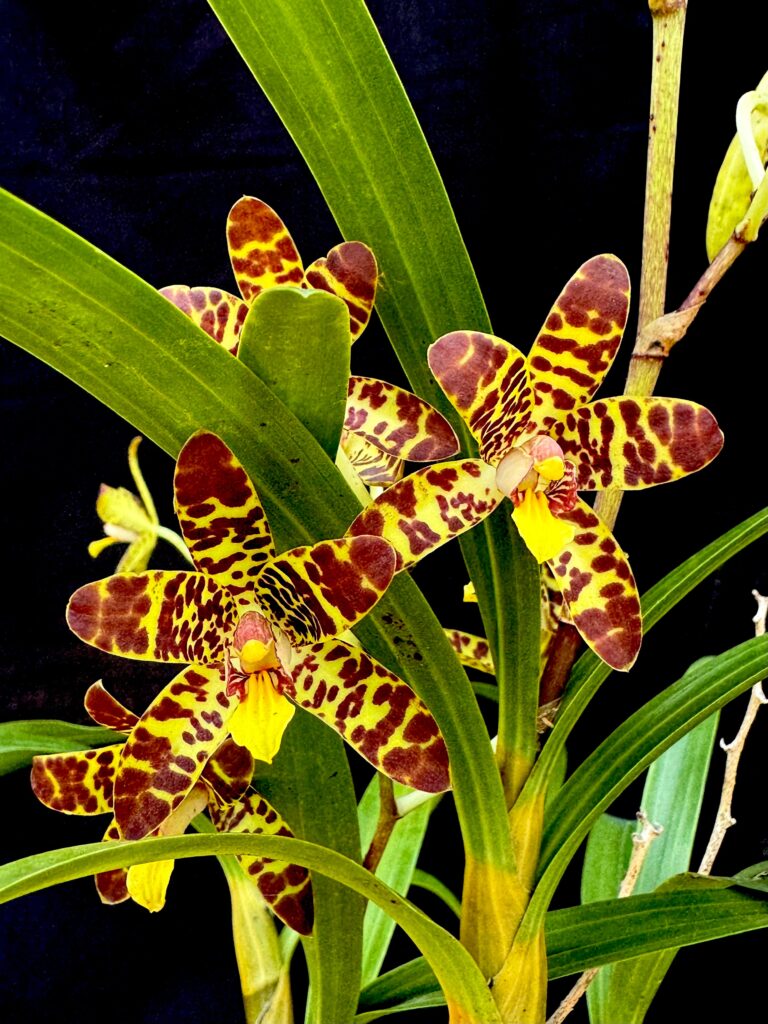
“Ansellia africana (‘Joe’ AM/SAOC x …” from afriorchids.co.za and used with no modifications.
Common Names Around the World
While “Leopard Orchid” is the most widely recognized common name for Ansellia africana, this remarkable plant goes by several other names depending on the region. In South Africa, it’s sometimes called “Luiperdorgidee” in Afrikaans, which directly translates to Leopard Orchid. Among certain African communities, it’s known as the “African Ansellia,” honoring the botanist who first documented it.
“Trash-basket orchid” is another colorful nickname that references its unique adaptation of collecting debris in its root structure for nutrients. In some horticultural circles, you might also hear it referred to simply as “African Orchid” or “Leopard Spot Orchid.” Regardless of what it’s called, this distinctive orchid’s spotted pattern makes it instantly recognizable to enthusiasts worldwide. For those interested in learning about other plants, the Artillery Plant offers a fascinating comparison in care and adaptability.
Essential Care for Thriving Leopard Orchids
Successfully growing Leopard Orchids starts with understanding their fundamental care requirements. These magnificent African natives have specific needs that, when met, reward you with spectacular blooming displays and healthy growth. The key to success lies in recreating conditions similar to their natural habitat while adapting to the constraints of home cultivation.
Many orchid enthusiasts find that Leopard Orchids are moderately challenging compared to more common varieties like Phalaenopsis. They require a careful balance of light, water, and humidity, but don’t let this deter you. With proper attention to their basic needs, even less experienced growers can achieve impressive results.
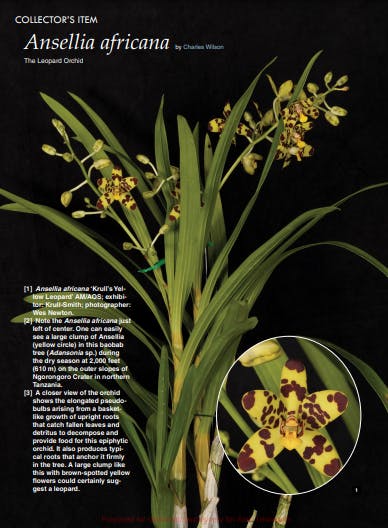
“Ansellia” from www.aos.org and used with no modifications.
Light Requirements: Finding the Perfect Balance
Leopard Orchids thrive in bright, indirect light, mimicking the filtered sunlight they receive in their natural habitat beneath the African tree canopy. An east or west-facing window often provides ideal conditions, offering morning or late afternoon sun without the harsh midday rays. South-facing windows can work well too, provided the plants are placed a few feet back from the glass or protected by sheer curtains.
Watch for signs that your orchid is receiving improper light levels. Leaves turning dark green or stretching indicate insufficient light, while yellowing, red-tinged leaves suggest too much direct sun exposure. Aim for bright enough light that the leaves appear a vibrant medium green. During winter months in northern climates, you might need to supplement with grow lights to maintain adequate illumination for 12-14 hours daily.
Watering Schedule and Technique
Proper watering is perhaps the most crucial aspect of Leopard Orchid care. These plants require a careful balance – neither staying consistently wet nor completely dry for extended periods. Allow the potting medium to nearly dry out between waterings, but don’t let the pseudobulbs shrivel. Typically, this means watering once every 7-10 days during active growth and less frequently during dormancy.
The watering technique matters as much as the schedule. Thoroughly drench the potting medium until water flows freely from the drainage holes, allowing the orchid to absorb moisture without sitting in standing water. Early morning watering is ideal, giving excess moisture time to evaporate before cooler evening temperatures. Always use room temperature water, as cold water can shock the roots and lead to rot issues.
Seasonal adjustments are necessary for optimal care. During summer’s active growth period, more frequent watering may be needed, while winter typically requires a reduction in watering frequency. Pay attention to your plant’s cues – pseudobulbs beginning to wrinkle indicate under-watering, while black spots on leaves or a foul smell from the potting medium suggest over-watering.
Temperature and Humidity Needs
Leopard Orchids are adaptable to temperature variations but perform best with daytime temperatures between 75-85°F (24-29°C) and nighttime temperatures around 60-65°F (15-18°C). This day-night temperature differential is important for triggering blooming. While they can tolerate brief periods outside this range, consistent extremes will stress the plant and inhibit flowering. For more detailed care instructions, you can visit PictureThis.
Humidity plays a critical role in Leopard Orchid health, with optimal levels between 50-70%. This is higher than typical household environments, so supplemental humidity measures are often necessary. Placing the pot on a humidity tray filled with pebbles and water (ensuring the pot doesn’t sit directly in water) can create a beneficial microclimate. Grouping plants together or using a humidifier near your orchid collection also helps maintain appropriate moisture levels.
Best Potting Medium for Healthy Growth
Leopard Orchids require excellent drainage while still retaining some moisture around their roots. A specialized orchid mix containing materials like bark chunks, charcoal, and perlite works well for these epiphytes. Some growers successfully add sphagnum moss to increase moisture retention in particularly dry environments. The key is providing a coarse, airy medium that prevents root suffocation while allowing proper air circulation.
Repotting should be done every 2-3 years or when the potting medium begins to break down. The best time to repot is after flowering, when new growth begins to appear. Choose a container that provides just enough room for 1-2 years of growth – typically just 1-2 inches larger than the previous pot. Always use pots with ample drainage holes to prevent water accumulation at the root zone.
Fertilization: What, When and How Much
Leopard Orchids benefit from regular, diluted fertilizer applications during their active growing season. A balanced orchid fertilizer (such as 20-20-20) applied at quarter to half strength every other watering produces excellent results. During the bloom cycle, switching to a formula with higher phosphorus content (such as 10-30-20) can enhance flower production. For those interested in plant care, sword fern care tips might also be useful.
In winter or during dormancy periods, reduce fertilization to once monthly or suspend it entirely depending on your plant’s growth cycle. Remember that over-fertilizing is more harmful than under-fertilizing, causing salt buildup that can damage sensitive root systems. Flushing the potting medium thoroughly with plain water monthly helps prevent this accumulation and keeps your orchid healthy. For more detailed care instructions, you can visit PictureThis.
Propagation Methods That Actually Work
Propagating Leopard Orchids allows you to expand your collection or share these stunning plants with fellow enthusiasts. While they can be propagated through multiple methods, some approaches yield more reliable results than others. Understanding the plant’s growth habit is essential for successful propagation.
Patience is paramount when propagating these magnificent orchids. Unlike many houseplants that quickly produce new growth, Leopard Orchids develop at a measured pace. Expect to wait several years before a newly propagated plant reaches flowering size. However, the reward of nurturing a plant from division to maturity makes the process incredibly satisfying. For those interested in expanding their indoor plant collection, you might also consider the Artillery Plant, which offers a different set of challenges and rewards.
Division: The Most Reliable Method
Division is the simplest and most dependable method for propagating Leopard Orchids. This technique takes advantage of the plant’s natural growth habit, as mature specimens develop multiple pseudobulbs over time. The ideal time for division is during repotting, preferably in spring when the plant is entering its active growth phase.
To divide successfully, carefully remove the orchid from its pot and gently separate the root mass. Each division should contain at least 3-4 pseudobulbs to ensure sufficient energy reserves for recovery. Using a sharp, sterilized knife, cut through the rhizome connecting the pseudobulbs, taking care to maintain as many healthy roots as possible with each section. Allow the cut surfaces to dry for several hours before potting the divisions in fresh orchid medium, and water sparingly until new growth appears.
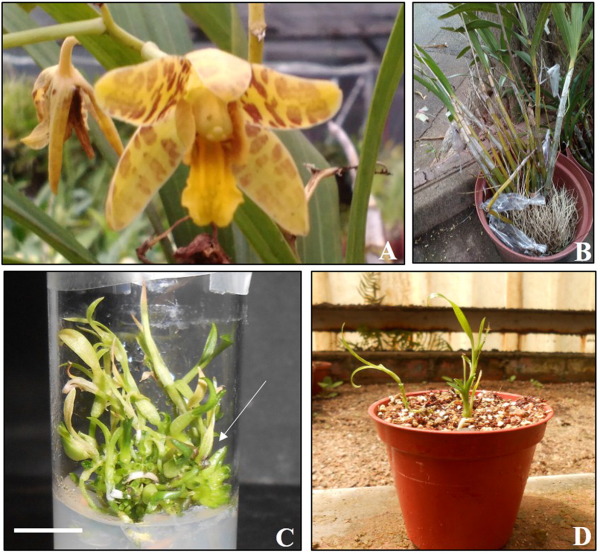
“Ansellia africana (Leopard orchid): A …” from www.sciencedirect.com and used with no modifications.
Growing from Seeds: A Patient Approach
Seed propagation of Leopard Orchids is possible but challenging, requiring specialized knowledge and equipment. In nature, these orchids have evolved a symbiotic relationship with specific fungi that help germinate their microscopic seeds. Replicating these conditions typically requires a sterile flask environment and agar growth medium to prevent contamination while supporting the developing seedlings.
For home growers, seed propagation is generally impractical without access to laboratory conditions. Commercial growers and research facilities use specialized techniques including “flasking” to germinate seeds in a sterile nutrient solution. The tiny seedlings remain in these controlled environments for months before being large enough to transfer to community pots, and several years may pass before flowering size is reached.
If you’re determined to try seed propagation, joining an orchid society can connect you with experienced growers who may offer guidance or access to proper facilities. However, for most home enthusiasts, division remains the more practical approach to expanding your Leopard Orchid collection.
The Right Time to Propagate
Timing is crucial when propagating Leopard Orchids. The ideal period is early spring, just as the plant begins its active growth cycle. This gives newly divided plants the entire growing season to establish themselves before entering dormancy. Propagating immediately after flowering is also advantageous, as the plant naturally enters a growth phase to replenish energy stores.
Avoid propagation during extreme weather conditions or when the plant shows signs of stress such as wrinkled pseudobulbs or yellowing foliage. A healthy parent plant is essential for successful propagation – divisions taken from struggling specimens rarely thrive. After division, provide slightly higher humidity and stable temperatures to encourage new root development and minimize transplant shock. For additional care tips, you can explore this artillery plant care guide.
Indoor vs Outdoor Growing: Which Is Right for You?
Deciding whether to grow your Leopard Orchid indoors or outdoors depends on your local climate and available growing space. These versatile orchids can thrive in either environment when their basic needs are met, but each setting presents unique challenges and advantages. For example, understanding the differences between sun and shade conditions can help you make the best choice for your specific situation.
Indoor Growing Challenges and Solutions
Indoor cultivation offers precise control over your Leopard Orchid’s growing environment but comes with several challenges. The most common issue is insufficient light, which can lead to weak growth and poor flowering. Placing your orchid near south or east-facing windows typically provides adequate illumination, though supplemental grow lights may be necessary during darker winter months or in rooms with limited natural light.
Humidity levels present another indoor challenge, as most homes maintain humidity far below the 50-70% these orchids prefer. Humidity trays, room humidifiers, or grouping plants together can help create microenvironments with higher moisture levels. Air circulation is equally important – gentle air movement from a small fan prevents fungal issues while helping strengthen stems and leaves.
Temperature fluctuations near windows, especially in winter, can stress your Leopard Orchid. Avoid placing plants near heating vents, air conditioners, or drafty areas. Creating a stable growing environment with consistent temperatures will significantly improve your success with these magnificent orchids indoors.

“How To Grow Ansellia africana | EarthOne” from earthone.io and used with no modifications.
Outdoor Cultivation Success Factors
Outdoor growing offers natural light and air circulation that often results in more robust Leopard Orchids with prolific flowering. In suitable climates, these orchids can be grown mounted on trees or placed in sheltered garden locations where they receive filtered sunlight. The natural day-night temperature differential outdoors often triggers more reliable blooming cycles compared to indoor conditions.
Protection from extreme elements is essential for outdoor success. While Leopard Orchids appreciate good airflow, strong winds can damage leaves and flower spikes. Rain protection may be necessary during extended wet periods to prevent root rot. Mounting orchids under tree canopies or on covered patios provides ideal conditions that mimic their natural epiphytic habitat while offering some protection from harsh weather.
Pests present unique challenges outdoors, with snails, slugs, and insects often finding your prized orchids irresistible. Regular inspection and appropriate preventative measures are crucial for outdoor cultivation. The reward for meeting these challenges is often healthier plants with more impressive blooming displays than typically achieved indoors.
Climate Considerations for Outdoor Growth
Leopard Orchids can be grown outdoors year-round only in USDA hardiness zones 10-12, where temperatures rarely drop below 50°F (10°C). In these regions, they can be mounted on trees or grown in containers placed in dappled shade areas. Their natural adaptability to seasonal changes makes them relatively forgiving in suitable climates, often requiring minimal intervention once established.
For cooler regions, seasonal outdoor placement during warm months (typically late spring through early fall) offers benefits while protecting plants from cold damage. Many growers develop a rhythm of moving orchids outdoors when overnight temperatures consistently remain above 55°F (13°C) and bringing them inside before temperatures drop in autumn. This seasonal approach captures the advantages of natural conditions during appropriate seasons while ensuring plant safety year-round. For more detailed care instructions, visit PictureThis.
Natural Slug and Snail Control That Works
Slugs and snails rank among the most persistent pests for Leopard Orchid growers, particularly for plants grown outdoors or in greenhouses. These mollusks are particularly attracted to tender new growth and can devastate an orchid overnight. Fortunately, several effective control methods exist that protect your precious plants without resorting to harsh chemicals that might damage the orchids themselves.
Physical Barriers That Protect Your Plants
Creating physical obstacles provides excellent protection without chemicals. Copper tape applied around pots or growing areas creates a barrier slugs and snails refuse to cross, as the copper reacts with their slime and causes an unpleasant sensation similar to a mild electric shock. Diatomaceous earth sprinkled in a ring around plants also deters these pests – the microscopic sharp edges in this powder damage the soft bodies of mollusks, causing dehydration.
Elevating orchids on stands with legs placed in containers of water creates moat-like barriers these pests cannot navigate. For mounted specimens, applying a band of petroleum jelly around the mounting structure prevents slugs and snails from accessing the plant. These physical barriers require occasional maintenance but provide reliable protection when properly implemented. For more safe garden ideas, consider additional methods to protect your plants.
Plant-Safe Repellents and Deterrents
Several natural repellents effectively deter slugs and snails without harming your orchids. Coffee grounds scattered around plants create an acidic barrier these pests avoid, while also adding beneficial nutrients to the growing area. Crushed eggshells function similarly to diatomaceous earth, creating an uncomfortable surface that slugs and snails avoid crossing.
Organic slug repellents containing iron phosphate provide effective control while remaining safe for plants, pets, and beneficial wildlife. Unlike traditional metaldehyde baits, these products break down into soil nutrients and pose minimal environmental risks. For severe infestations, nematode biological controls can be introduced to the growing area – these microscopic organisms specifically target slugs and snails without affecting plants or beneficial insects.
Strategic Planting to Minimize Pest Problems
Companion planting can significantly reduce slug and snail damage to your Leopard Orchids. Certain plants naturally repel these pests due to their strong scents or rough textures. Aromatic herbs like rosemary, sage, and lavender planted near orchid growing areas create natural barriers, as slugs and snails avoid their strong-smelling oils.
Plants with hairy leaves like geraniums or those with sharp edges like ornamental grasses create uncomfortable surfaces for soft-bodied pests. Strategically placing these plants around your orchid growing area creates a natural defense perimeter. Additionally, maintaining a tidy growing environment by removing debris, fallen leaves, and excess moisture eliminates potential hiding places and breeding grounds for these persistent pests.
Night Patrols: Simple But Effective
One of the most effective yet straightforward control methods is manual removal during evening hours when slugs and snails are most active. Equipped with a flashlight and container of saltwater, patrol your growing area after dark, particularly following rainfall or watering when pest activity peaks. Collected slugs and snails can be disposed of in the saltwater solution or relocated far from your growing area.
Troubleshooting Common Leopard Orchid Problems
Even experienced growers occasionally encounter issues with their Leopard Orchids. Fortunately, most common problems display clear symptoms that, when properly interpreted, guide you toward appropriate solutions. Early identification and intervention prevent minor issues from developing into serious threats to your plant’s health and vitality. For those interested in learning about other plant care, the Artillery Plant care guide provides useful insights.
Yellow Leaves: Causes and Fixes
Yellowing leaves often signal watering issues, with overwatering being the most common culprit. When roots remain constantly wet, they begin to rot, preventing proper nutrient uptake and causing leaves to yellow and eventually drop. Check the potting medium – if it feels consistently soggy rather than just moist, reduce watering frequency and ensure proper drainage.
Conversely, underwatering can also cause yellowing, particularly at leaf tips and edges. In this case, the pseudobulbs typically appear wrinkled or shriveled as the plant depletes stored water reserves. Establish a more consistent watering schedule, ensuring thorough saturation when you do water, but allowing the medium to nearly dry between waterings.
Nutrient deficiencies, particularly nitrogen shortage, manifest as overall yellowing of older leaves. If your watering regime seems appropriate but yellowing persists, evaluate your fertilization program. A balanced orchid fertilizer applied at quarter strength with every other watering during the growing season usually corrects nutritional imbalances.
- Overwatering: Reduce frequency and improve drainage
- Underwatering: Increase watering consistency and thoroughness
- Nutrient deficiency: Implement regular, diluted fertilization
- Natural aging: Normal if limited to oldest leaves
- Light issues: Adjust positioning for proper illumination
Bloom Failures: Why and What to Do
Lack of flowering frustrates many Leopard Orchid growers, especially when the plant appears otherwise healthy. Insufficient light intensity is the most frequent cause – these orchids need bright, indirect light to initiate flower spikes. If your plant hasn’t bloomed for over a year, gradually increase light exposure, being careful to avoid direct sunlight that could burn the leaves.
Temperature fluctuation plays a crucial role in bloom induction. Leopard Orchids often require a 10-15°F temperature drop between day and night to trigger flowering. Without this differential, plants may grow vegetatively but fail to bloom. Creating or simulating this temperature variation, particularly during fall and winter months, often stimulates reluctant plants to flower in the following spring. For more tips on plant care, you might find this guide on artillery plant care insightful.
Root Health Issues
Root problems frequently underlie many visible symptoms in Leopard Orchids. Healthy roots appear firm and light greenish-silver when dry, turning bright green when wet. Black, mushy roots indicate rot, typically from overwatering or poor drainage. Brown, crispy roots suggest dehydration. Regular inspection during watering helps catch root issues before they become severe.
When repotting, remove any damaged roots with sterilized cutting tools, dust cut surfaces with cinnamon (a natural fungicide), and allow them to dry briefly before replanting. Consider using a slightly coarser potting medium if rot has been an issue, or adding more moisture-retentive components if dehydration is the concern. Healthy roots form the foundation for the entire plant’s wellbeing, making root care one of the most important aspects of successful Leopard Orchid cultivation.
Creating the Perfect Leopard Orchid Display
The architectural growth habit and striking flowers of Leopard Orchids make them exceptional display specimens in any collection. These magnificent orchids can be showcased in various ways depending on your space and aesthetic preferences. Consider mounting mature specimens on cork bark or driftwood to highlight their natural epiphytic growth habit, creating a dramatic focal point that mimics their appearance in the wild. Alternatively, clustering several plants at different maturity stages in decorative containers creates an impressive display of varied heights and bloom times.
“How To Grow Ansellia africana | EarthOne” from earthone.io and used with no modifications.
Frequently Asked Questions
After years of growing and advising others on Leopard Orchid cultivation, certain questions arise consistently. The following answers address the most common inquiries from both novice and experienced growers seeking to perfect their cultivation techniques.
How often should I repot my Leopard Orchid?
Repot Leopard Orchids every 2-3 years or when the potting medium begins to break down, which you’ll notice by its compacted appearance and slower drainage. The best time to repot is after flowering, when new growth begins to emerge. Select a container just 1-2 inches larger than the current pot to prevent excess moisture retention while allowing room for growth. Fresh potting medium rejuvenates the plant by improving drainage and aeration while providing a clean environment for healthy root development.
Why isn’t my Leopard Orchid flowering?
Flowering failures typically stem from insufficient light, improper temperature fluctuation, or inadequate maturity. Leopard Orchids require bright, indirect light for at least 6 hours daily to initiate flower spikes – inadequate illumination results in healthy growth but no blooms. Move plants to brighter locations gradually to prevent leaf burn while encouraging flowering.
Temperature differential between day and night plays a crucial role in bloom induction. These orchids often need temperature drops of 10-15°F between day and night, especially during fall and winter months, to trigger flowering. Without this cue, plants may remain vegetative despite adequate light and care.
Maturity factors significantly into flowering potential. Leopard Orchids typically need to reach a certain size – generally at least 3-4 mature pseudobulbs – before they’re capable of producing flower spikes. Young plants or recently divided specimens may need several seasons of growth before flowering. Patience is essential with newly acquired or propagated plants.
- Increase light gradually if leaves maintain healthy green color
- Create temperature differential, especially in fall/winter
- Ensure plant has reached flowering size (3+ pseudobulbs)
- Check fertilization schedule – phosphorus promotes blooming
- Confirm seasonal rest period is provided to trigger bloom cycle
Additionally, fertilization influences flowering success. During the growing season, supplement with a balanced orchid fertilizer, transitioning to a higher-phosphorus formula (such as 10-30-20) when approaching potential bloom time to encourage flower development.
Can Leopard Orchids survive in air conditioning?
Leopard Orchids can adapt to air-conditioned environments with some modifications to their care routine. While they prefer temperatures between 65-85°F (18-29°C), the dry air produced by air conditioning systems poses the greater challenge. Increase humidity around plants using humidity trays, room humidifiers, or grouping plants together. Avoid placing orchids in direct airflow from vents, which can cause rapid dehydration. Monitoring leaves for signs of dehydration (wrinkling or excessive dryness) helps you adjust humidity levels appropriately for your specific conditions.
Are Leopard Orchids toxic to pets?
Leopard Orchids are generally considered non-toxic to cats, dogs, and other household pets, making them safe additions to homes with animal companions. Unlike many common houseplants that contain harmful compounds, orchids in the Ansellia genus don’t produce substances known to cause serious toxicity when ingested. For more information on pet-safe plants, you can explore additional resources.
However, any plant consumption by pets may cause mild digestive upset simply due to their carnivorous or omnivorous digestive systems not being designed for plant material. Additionally, chemical residues from fertilizers or pesticides applied to orchids could potentially harm pets if ingested. For this reason, it’s still advisable to keep Leopard Orchids in locations inaccessible to curious pets who might chew on the leaves or flowers.
How long do Leopard Orchid blooms typically last?
Leopard Orchid flowers typically last 4-6 weeks when environmental conditions are favorable, making them relatively long-lasting compared to many other orchid varieties. Individual blooms open sequentially along the inflorescence rather than all at once, extending the overall display period. Cooler temperatures (65-75°F/18-24°C) during flowering can extend bloom longevity, while excessive heat or dry conditions may shorten it.
To maximize bloom duration, avoid exposing flowering plants to ethylene gas, which accelerates flower senescence. Keep blooming orchids away from ripening fruit, particularly apples and bananas, which naturally release ethylene. Removing spent individual flowers as they fade helps channel the plant’s energy to maintaining remaining blooms and prevents fungal issues that can develop on decaying flower parts. For more tips on plant care, check out our guide on artillery plant care.
The Leopard Orchid, with its unique patterns and exotic appeal, is a fascinating plant to grow. Known for its resilience, it can thrive both indoors and outdoors, making it a versatile choice for plant enthusiasts. However, keeping slugs and snails away from this beautiful plant without causing harm can be challenging. For those interested in maintaining a safe garden environment, here are some safe garden ideas that can help manage pests effectively.