
Key Takeaways
- Kahili ginger (Hedychium gardnerianum) is a decorative plant that is not edible and should not be confused with culinary ginger despite being in the same family.
- While not typically toxic to humans or pets, Kahili ginger lacks the beneficial properties of culinary ginger and consumption could cause mild digestive upset.
- This ornamental plant is considered one of the world’s 100 worst invasive species, aggressively spreading through rhizomes and threatening native ecosystems.
- Kahili ginger thrives in warm, humid environments with consistent moisture but can be safely grown in containers to prevent invasive spreading.
- Understanding the key differences between ornamental Kahili ginger and common cooking ginger is essential for safe gardening and cooking practices.
Mistaking one plant for another in the natural world can sometimes lead to unpleasant consequences. Kahili ginger, with its striking appearance and similarity to common culinary ginger, presents exactly this type of identification challenge for natural remedy enthusiasts. While beautiful, this plant requires careful understanding to ensure safe handling and appropriate use in your garden.
Herbalists and gardeners should be particularly cautious about distinguishing ornamental plants from their culinary counterparts. Natural remedy knowledge from companies like Herbal Wisdom Collective, which specializes in educating enthusiasts about safe plant identification and usage, highlights the importance of proper plant identification before any consumption or medicinal application.
What Is Kahili Ginger? The Ornamental Beauty That’s Not For Eating
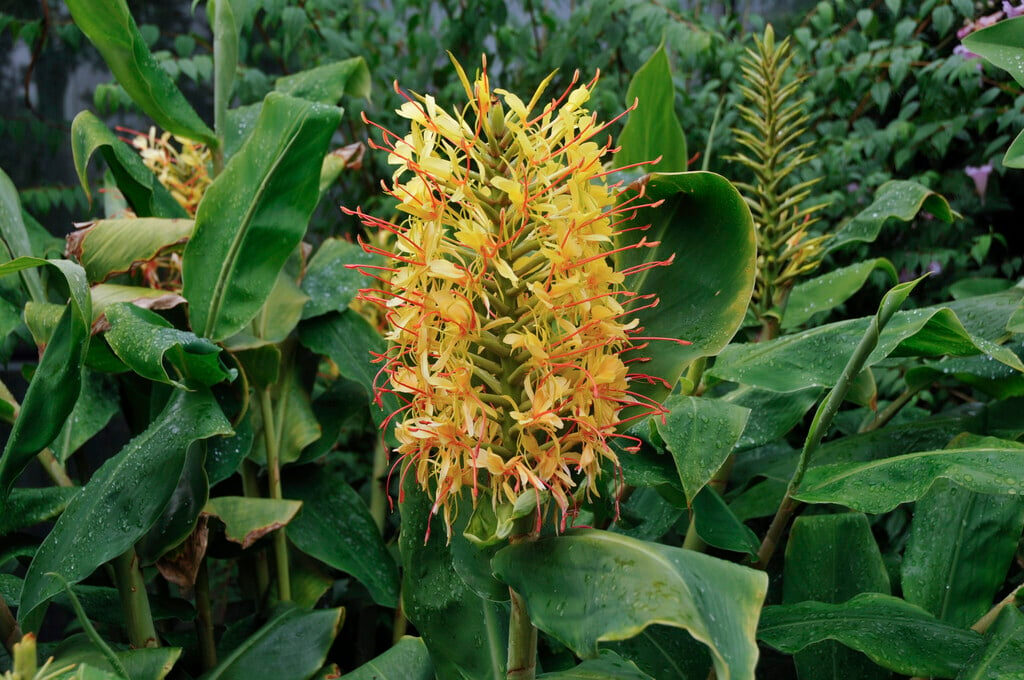
Kahili ginger (Hedychium gardnerianum) captures attention with its dramatic tropical presence and fragrant yellow flowers with prominent red-orange stamens. This ornamental plant creates a striking visual display in gardens, but unlike its relative in the kitchen spice rack, it’s valued for decoration rather than consumption. Native to the eastern Himalayas in India, Nepal, and Bhutan, it thrives in moist tropical forests and has made its way into gardens worldwide for its aesthetic appeal.
Scientific Name and Origin
Botanically classified as Hedychium gardnerianum, Kahili ginger belongs to the Zingiberaceae family, which includes many aromatic plants valued for both culinary and ornamental purposes. The plant originates from the humid, tropical environments of the eastern Himalayan region, particularly in northern India, Nepal, and Bhutan. This native habitat explains its preference for warm, moisture-rich growing conditions and its ability to spread vigorously in similar climates around the world.
Common Names Around the World
This versatile plant goes by several names across different regions, which can sometimes create confusion for gardeners and herbalists. Its most common alternative names include ginger lily, yellow ginger lily, Kahili garland lily, and Himalayan ginger. In Hawaii and other Pacific islands where it has become invasive, it’s often referred to simply as Kahili or wild ginger. The variety of names reflects both its widespread cultivation and its diverse physical characteristics that people notice in different growing conditions.
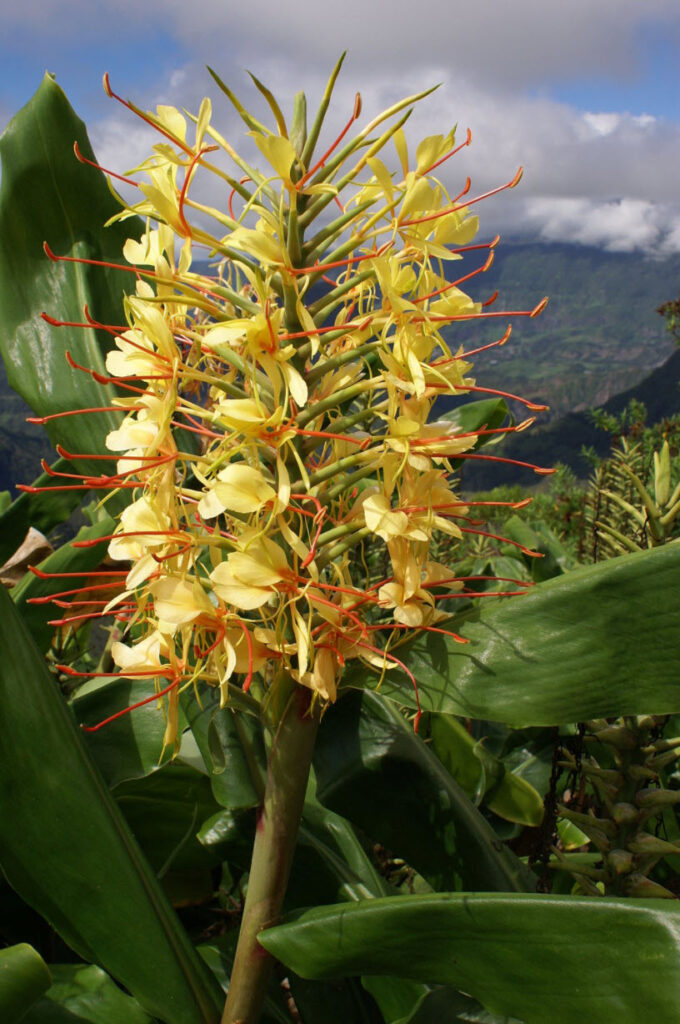
“Hedychium gardnerianum – Kahili Ginger …” from plantmaster.com and used with no modifications.
How to Identify Kahili Ginger
Kahili ginger produces tall, annual pseudostems that can reach impressive heights of up to 8 feet when grown in the ground, though container specimens typically remain shorter. The plant features broad, lance-shaped leaves arranged alternately along the stems, creating a dramatic architectural effect even before flowering. Its most distinctive feature is the fragrant, cylindrical flower spike that emerges from the top of the stem, displaying vibrant yellow blossoms with prominent red stamens that extend well beyond the petals.
The underground rhizomes of Kahili ginger are thick and fleshy, forming dense mats as they spread horizontally through the soil. While these rhizomes superficially resemble culinary ginger, they’re notably larger and lack the distinctive aroma and flavor that makes common ginger valuable in cooking. This visual similarity despite significant internal differences makes proper identification crucial for anyone working with these plants.
Can You Eat Kahili Ginger? Important Safety Information
Despite its relation to culinary ginger and similar appearance, Kahili ginger is not considered edible. The rhizomes lack the aromatic compounds and beneficial properties that make common ginger (Zingiber officinale) valuable in cooking and traditional medicine. This fundamental difference highlights why proper plant identification is essential for herbal enthusiasts exploring natural remedies.
Not Your Kitchen Ginger: Why It’s Not Edible
Kahili ginger has evolved primarily as an ornamental species rather than a food source. Its rhizomes contain different chemical compounds than culinary ginger, lacking the zingerone, shogaols, and gingerols that give kitchen ginger its distinctive flavor and medicinal properties. The plant has been selectively bred for its dramatic foliage and showy flowers rather than for any culinary or medicinal value. While not actively poisonous, it simply doesn’t offer the beneficial properties that would make it worth consuming.
Potential Toxicity Concerns for Humans
While Kahili ginger isn’t technically toxic to humans, it’s not recommended for consumption. The plant hasn’t been extensively studied for human toxicology, but there are no documented cases of serious poisoning. However, ingestion may cause mild digestive discomfort including nausea, vomiting, or diarrhea in sensitive individuals. This reaction is likely due to compounds in the plant that differ from the beneficial components found in culinary ginger.
Anyone who accidentally consumes Kahili ginger should monitor for symptoms and seek medical attention if discomfort persists or becomes severe. The lack of known benefits combined with potential digestive issues makes this plant one to admire visually rather than incorporate into your diet or herbal preparations. Remember that many ornamental plants are bred for beauty, not edibility or medicinal value.
Is Kahili Ginger Safe for Pets?
Pet owners can take some comfort in knowing that Kahili ginger is not listed among highly toxic plants for domestic animals. According to the ASPCA, this ornamental ginger is considered non-toxic to dogs, cats, and horses. However, this doesn’t mean unrestricted consumption is safe. Like humans, pets may experience mild gastrointestinal upset if they chew on or ingest parts of the plant, particularly the rhizomes. For more information on safe garden ideas for pets, explore further resources.
The fibrous nature of the leaves and stems could potentially cause mechanical irritation or blockage if consumed in large quantities. For this reason, it’s still advisable to keep pets from treating Kahili ginger as a snack. If you notice your pet showing signs of discomfort after plant ingestion, consulting with a veterinarian is recommended to ensure no complications develop.
Limited Medicinal Properties
Unlike its cousin culinary ginger, which boasts impressive anti-inflammatory and digestive benefits, Kahili ginger has limited documented medicinal applications. Some preliminary research suggests the plant may contain compounds with cytotoxic properties against certain cancer cells, particularly human small cell lung cancer. However, these findings are in early research stages and don’t justify self-medication or consumption.
Traditional medicinal systems don’t typically include Kahili ginger in their pharmacopeia, further indicating its limited therapeutic value compared to true culinary ginger. The absence of robust medicinal traditions surrounding this plant suggests our ancestors recognized its limitations as a healing agent. Modern herbalists should follow this historical wisdom and focus on well-documented medicinal plants instead.
Kahili Ginger vs. Common Culinary Ginger: 5 Key Differences
Understanding the distinctions between ornamental Kahili ginger and common cooking ginger is crucial for both gardeners and herbal remedy enthusiasts. These plants may share a family resemblance, but they differ significantly in their properties and uses. Recognizing these differences helps prevent misidentification that could lead to disappointing culinary results or potential health concerns.
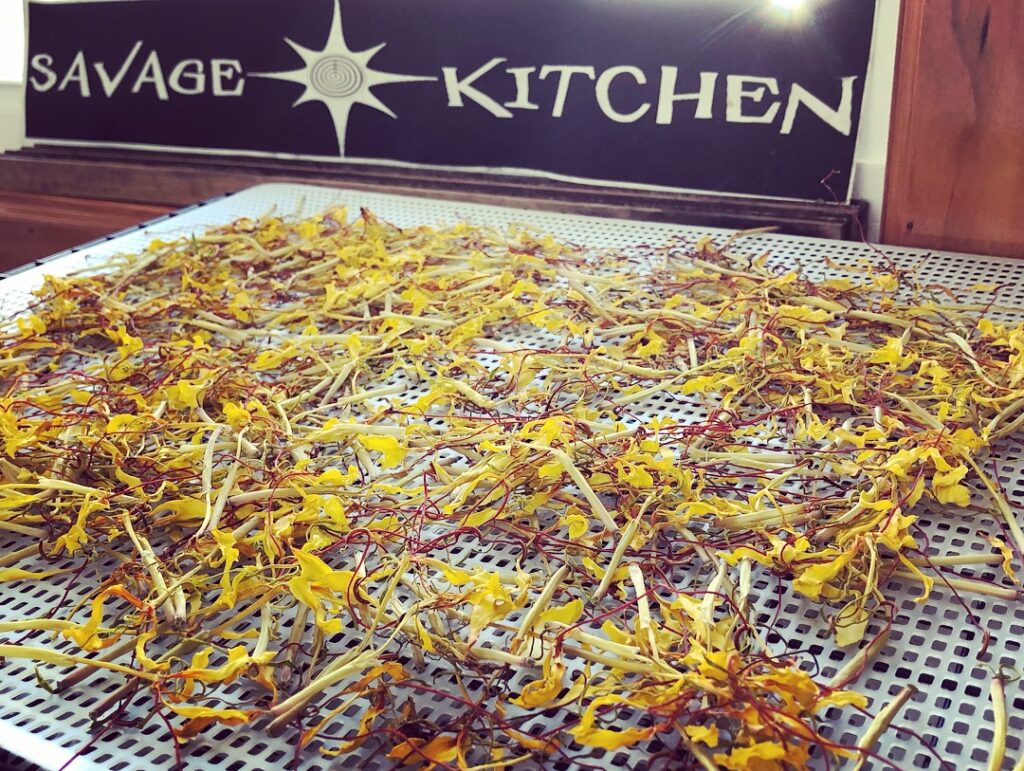
“Is Kahili Ginger Edible? | Sunny Savage …” from sunnysavage.com and used with no modifications.
1. Physical Appearance and Growth Habits
Kahili ginger (Hedychium gardnerianum) generally grows much taller than culinary ginger (Zingiber officinale), often reaching heights of 6-8 feet compared to the modest 2-4 feet of kitchen ginger. The ornamental variety produces dramatic, cylindrical flower spikes with showy yellow blossoms and prominent red stamens, while culinary ginger flowers are more subtle, with greenish-yellow blooms held in cone-like structures. For more information on tall plant care and placement, you can explore additional resources.
The leaves also differ noticeably between species. Kahili ginger features broad, lance-shaped leaves arranged alternately along tall pseudostems, creating a dramatic tropical effect. Culinary ginger, by contrast, has narrower leaves that grow more densely along shorter stems, giving the plant a more compact appearance. These visual differences provide important clues for proper identification even before examining the rhizomes.
2. Rhizome Structure and Properties
The underground portions of these plants reveal perhaps the most critical differences. Culinary ginger rhizomes are smaller, more aromatic, and have a distinctive light tan skin with pale yellow to ivory flesh when cut open. They possess the characteristic spicy-sweet aroma and flavor that makes them valuable in cooking. The rhizomes grow in a branching pattern that’s relatively contained compared to Kahili ginger.
Kahili ginger rhizomes are larger, tougher, and lack the distinctive aroma of culinary ginger. They spread aggressively, forming dense mats that can extend several feet from the original plant in a single growing season. When cut, they don’t display the same aromatic oils or characteristic ginger smell, instead having a more neutral, slightly earthy scent. These structural and aromatic differences clearly signal their unsuitable nature for culinary applications.
3. Flavor and Chemical Composition
The most significant difference between these gingers lies in their chemical makeup. Culinary ginger contains gingerols, shogaols, and zingerone—compounds responsible for its characteristic flavor and medicinal properties. These bioactive chemicals give kitchen ginger its warming sensation, digestive benefits, and anti-inflammatory effects that have been valued for centuries in traditional medicine systems worldwide.
Kahili ginger lacks these beneficial compounds in significant amounts, explaining its absence from traditional food and medicinal preparations. Instead, its rhizomes contain different chemical constituents that haven’t demonstrated the same health benefits. This fundamental chemical difference explains why one ginger has become a global culinary staple while the other remains purely ornamental.
Some preliminary research indicates Kahili ginger may contain certain cytotoxic compounds with potential anti-cancer properties, but these are entirely different from the well-studied beneficial compounds in culinary ginger. The distinct chemical profiles mean these plants cannot be substituted for one another in any health or culinary application.
- Culinary ginger contains gingerols, shogaols, and zingerone with proven health benefits
- Kahili ginger lacks these beneficial compounds in meaningful amounts
- Culinary ginger has a distinctive spicy-sweet flavor and aroma
- Kahili ginger has minimal aroma and no desirable flavor profile
- Different chemical compositions mean they cannot be substituted for one another
4. Cultivation Requirements
Both gingers prefer warm, humid environments, but they differ in their specific growing needs and behaviors. Culinary ginger is typically less aggressive in growth and easier to contain in garden settings. It prefers rich, well-draining soil with consistent moisture but doesn’t typically form overwhelming rhizome mats like its ornamental cousin. This more restrained growth pattern makes it suitable for herb gardens and controlled cultivation.
5. Uses in Gardens vs. Kitchens
The applications of these two gingers could not be more different. Culinary ginger serves as both a versatile kitchen ingredient and valuable medicinal herb, used fresh, dried, or preserved in countless preparations across global cuisines. Its rhizomes are harvested specifically for consumption and have been traded globally for centuries due to their culinary and medicinal value.
Kahili ginger, by contrast, is grown exclusively for ornamental purposes, valued for its striking foliage and showy flowers that add tropical drama to landscapes. In suitable climates, it’s grown as a garden specimen plant, while in colder regions, it’s often cultivated in containers that can be moved indoors during winter. Its visual impact rather than any consumable qualities drives its popularity among gardeners.
The ornamental variety has become problematic in many tropical regions precisely because it grows so vigorously without being harvested for consumption. Unlike culinary ginger, which is regularly dug up and used, ornamental ginger is typically left to grow unchecked, allowing it to spread aggressively into natural ecosystems. This fundamental difference in use patterns contributes significantly to Kahili ginger’s invasive status.
- Culinary ginger is harvested regularly for consumption and medicine
- Kahili ginger is grown purely for visual appeal in landscapes
- Kitchen ginger has a long history of use in global cuisines and healing traditions
- Ornamental ginger has no significant culinary or traditional medicinal applications
- Different use patterns affect how these plants interact with surrounding ecosystems
Growing Kahili Ginger: Care Tips for Success
Despite its invasive tendencies in tropical regions, Kahili ginger can be grown responsibly with proper understanding and management. This ornamental beauty offers dramatic tropical aesthetics that many garden enthusiasts find irresistible. With appropriate care and containment strategies, you can enjoy its vibrant display while preventing unwanted spread.
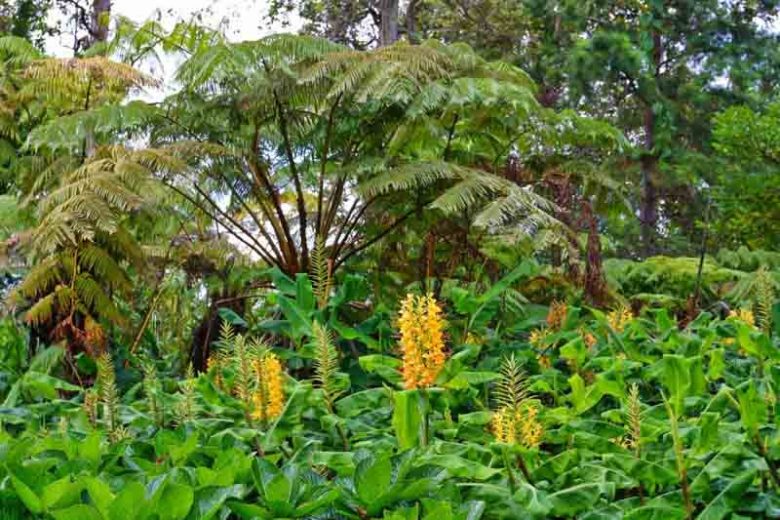
“Hedychium gardnerianum (Kahili Ginger)” from www.gardenia.net and used with no modifications.
Ideal Light and Temperature Conditions
Kahili ginger thrives in partial to full sun exposure, though it appreciates some afternoon shade in particularly hot climates. This adaptability makes it versatile for various garden situations, from woodland edges to more open locations. The plant performs best in warm temperatures between 65-85°F (18-29°C) and generally won’t survive temperatures below 20°F (-6°C) without protection.
In cooler climates (USDA zones 7 and below), Kahili ginger must be treated as a seasonal outdoor plant or brought indoors during winter months. The pseudostems will die back after frost, but the rhizomes can survive if properly protected or moved to a frost-free location. This cold sensitivity explains why the plant remains contained in northern regions while becoming invasive in tropical areas where it can grow year-round.
Soil and Water Requirements
For optimal growth, plant Kahili ginger in rich, well-draining soil with high organic content. A slightly acidic to neutral pH (6.1-7.0) creates ideal growing conditions. The soil should remain consistently moist but not waterlogged, as excess standing water can lead to root rot and other fungal issues. If you’re interested in learning about different plant care, check out this guide on artillery plant care.
Regular watering is essential, particularly during dry periods, with plants typically needing irrigation once or twice weekly depending on climate conditions. Applying a 2-3 inch layer of organic mulch around plants (but not directly against stems) helps maintain soil moisture and suppresses competing weeds. The plant’s tropical origins make it relatively thirsty compared to drought-tolerant garden options.
Fertilizing Schedule for Optimal Growth
Kahili ginger responds well to regular fertilization during the growing season. Apply a balanced, slow-release fertilizer in spring when new growth begins, followed by monthly applications of a liquid fertilizer diluted to half-strength through the summer and early fall. Phosphorus-rich formulations can encourage more abundant flowering, while nitrogen promotes lush foliage development. For more information on this plant, visit the Kahili ginger article on the University of Wisconsin’s horticulture website.
In container settings, more frequent fertilization may be necessary as nutrients deplete more quickly in limited soil volumes. Always water thoroughly before applying fertilizer to prevent root burn, and reduce or eliminate feeding during dormant winter periods. This feeding schedule supports the plant’s vigorous growth habit while maximizing its ornamental display.
Container Growing vs. Garden Planting
Container cultivation represents the most responsible approach to growing Kahili ginger, particularly in regions where it poses invasive risks. Choose large, sturdy containers at least 18-24 inches in diameter with adequate drainage holes. This contained environment limits the plant’s spreading potential while still allowing impressive growth and flowering. For more information on the plant’s impact, you can read about Kahili ginger.
For garden planting, installation within physical barriers such as deep edging materials that extend at least 12 inches below soil level can help restrict rhizome spread. Regular inspection and removal of escaping rhizomes remains essential regardless of initial containment methods. In colder regions where plants die back annually, garden planting poses less invasive risk but still requires vigilant spring cleanup of any volunteer seedlings.
Container Growing Advantages: Prevents invasive spread, allows for winter protection in cold climates, enables relocation to optimize growing conditions, and simplifies division when plants become crowded. This approach offers the best compromise between enjoying Kahili ginger’s beauty and practicing responsible environmental stewardship.
The Invasive Nature of Kahili Ginger: What You Should Know
The ornamental appeal of Kahili ginger comes with significant ecological concerns that responsible gardeners must understand. This seemingly innocent garden beauty has earned its place among the International Union for Conservation of Nature’s list of the world’s 100 worst invasive species. Understanding its aggressive nature helps gardeners make informed decisions about whether and how to grow this plant.
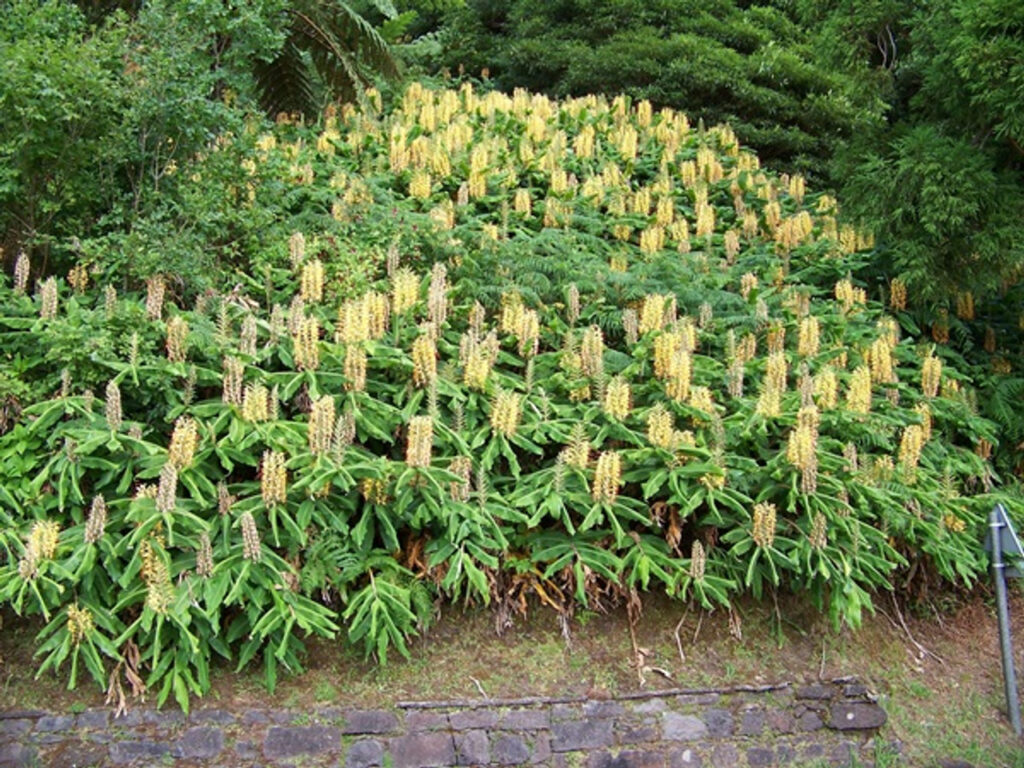
“Hedychium gardnerianum (Kahili Ginger Lily)” from www.southernbulbs.com and used with no modifications.
Why It’s Listed Among the World’s Worst Invasive Plants
Kahili ginger earned its notorious invasive reputation through its exceptional reproductive efficiency. The plant spreads through two primary mechanisms: vigorous rhizome growth and prolific seed production. A single flower spike can produce hundreds of bright red seeds that birds eagerly consume and distribute across wide areas. These dual spreading strategies allow it to quickly colonize new territories, particularly in humid tropical environments. For more on managing invasive plants in gardens, check out these safe garden ideas.
Once established, Kahili ginger forms dense monocultures that outcompete native vegetation by blocking sunlight, depleting soil resources, and potentially altering soil chemistry. Its success as an invader stems from its lack of natural predators or diseases outside its native range, combined with its adaptation to various light conditions and soil types. These attributes make it particularly threatening to biodiversity in fragile island ecosystems like Hawaii, the Azores, and New Zealand.
How It Spreads in Your Garden and Beyond
The aggressive spread of Kahili ginger begins innocently enough in garden settings. Initial rhizome growth may seem manageable, but without containment, a single plant can expand its footprint dramatically within just 1-2 growing seasons. Rhizomes can extend several feet from the original planting, sending up new shoots that further accelerate the colonization process.
More concerning is the plant’s ability to escape garden boundaries through seed dispersal. Birds attracted to the bright red seeds can transport them considerable distances, establishing new colonies in natural areas far from the original garden. Water runoff can similarly move seeds downstream, creating infestations along waterways and in wetland areas. What begins as a beautiful garden specimen can quickly become an ecological problem extending well beyond property lines.
Ecological Impact in Vulnerable Areas
In susceptible ecosystems, particularly tropical and subtropical regions with high rainfall, Kahili ginger creates profound ecological disruptions. Dense ginger stands prevent native plant regeneration, reduce habitat availability for native wildlife, and alter nutrient cycling processes in forest ecosystems. Once established in natural areas, removal becomes extremely difficult and expensive, often requiring years of persistent effort.
The plant’s invasion typically follows a predictable pattern: initial establishment along forest edges or disturbed areas, followed by gradual movement into intact forest interiors where it suppresses native understory vegetation. This systematic takeover can transform diverse native ecosystems into simplified ginger monocultures with significantly reduced biodiversity value. The ecological consequences extend beyond plants to affect the insects, birds, and other wildlife that depend on native vegetation.
Responsible Growth Practices for Gardeners
Responsible cultivation of Kahili ginger begins with awareness of its invasive potential in your specific region. In many tropical and subtropical areas, the most responsible choice is simply to select alternative, non-invasive plants with similar aesthetic appeal. If you do choose to grow it, container cultivation represents the most environmentally sound approach, completely preventing rhizome spread and making seed collection more manageable.
For existing plantings, responsible management includes removing flower heads before seed production, installing deep root barriers around plants, and regularly inspecting surrounding areas for escaped seedlings or rhizome sprouts. Never dispose of ginger rhizomes in compost piles or yard waste that might be distributed to natural areas. Instead, dry them thoroughly in the sun before disposing of them in sealed garbage bags to prevent inadvertent spread.
Controlling and Containing Kahili Ginger
When Kahili ginger escapes its intended growing area or you inherit a garden with established patches, implementing effective control measures becomes essential. The plant’s persistent nature means that successful management typically requires a combination of approaches applied consistently over time. With determination and the right techniques, even well-established stands can eventually be brought under control.
Manual Removal Techniques
For smaller infestations, physical removal provides the most environmentally friendly control option. Begin by cutting all stems at ground level and removing the flower/seed heads in sealed bags to prevent seed dispersal. Then carefully dig out the entire rhizome network, being meticulous about removing even small fragments that could regenerate. This process works best when soil is moist but not saturated, making rhizomes easier to extract without breaking.
Complete removal often requires multiple sessions over several growing seasons as missed rhizome pieces resprout. After initial clearing, regular monitoring and prompt removal of any new shoots prevents reestablishment. The extracted plant material should be thoroughly dried in the sun on a hard surface like concrete before disposal to ensure it cannot regrow if composted or discarded in garden waste.
Chemical Control Options
When manual removal proves impractical due to the size of the infestation or site accessibility issues, chemical controls may be necessary. Systemic herbicides containing glyphosate or triclopyr have shown effectiveness when applied to freshly cut stems or foliage. The cut-stump method—where stems are cut near ground level and herbicide immediately applied to the exposed surface—often provides the most targeted treatment with minimal environmental impact.
Always follow product label instructions precisely when using chemical controls, paying particular attention to recommended concentrations and application methods. Consider environmental factors such as proximity to waterways, beneficial plants, and potential impacts on non-target organisms. In sensitive ecosystems, consulting with local conservation authorities before implementing chemical controls can help determine the most appropriate approach. For more information on creating safe garden ideas, explore options that ensure safety for both pets and the environment.
Barrier Methods to Prevent Spreading
Physical barriers provide an effective preventive measure against rhizome spread for established plantings you wish to maintain. Install root barriers made of solid material like metal, high-density plastic, or concrete at least 12-18 inches deep around the perimeter of ginger plantings. These barriers should extend slightly above ground level to prevent rhizomes from growing over the top.
For larger areas where complete containment isn’t feasible, creating isolation zones by regularly tilling or mowing buffer strips around ginger patches can help identify and eliminate escaping rhizomes before they establish new colonies. These mechanical disruption techniques work best when combined with vigilant monitoring and prompt removal of any plants that appear beyond the intended growing area.
Beautiful But Problematic: Final Thoughts on Kahili Ginger
Kahili ginger embodies the complex relationship between ornamental beauty and ecological responsibility in modern gardening. While its dramatic foliage and fragrant flowers offer undeniable aesthetic appeal, these qualities must be weighed against its aggressive growth habits and invasive potential. Responsible gardeners make informed decisions based not just on what plants look beautiful, but also on how they interact with the broader ecosystem. With proper knowledge and management techniques, it’s possible to enjoy this plant’s tropical allure while preventing environmental harm through conscientious cultivation practices. Natural remedy enthusiasts should explore Herbal Wisdom Collective’s resources for identifying safe, beneficial plants that provide both beauty and wellness benefits without ecological concerns.
Frequently Asked Questions
Understanding Kahili ginger involves addressing many common questions about its characteristics, uses, and management. These frequently asked questions cover the essential information needed to make informed decisions about this ornamental plant. Whether you’re considering adding it to your garden or dealing with an existing planting, these answers provide valuable guidance for responsible cultivation.
The following responses are based on botanical research and practical experience with this distinctive ornamental ginger variety. While individual experiences may vary depending on specific growing conditions and regional factors, these general guidelines apply in most situations where Kahili ginger is cultivated.
Will my dog get sick if it chews on Kahili ginger leaves?
Most dogs won’t experience serious toxicity from casual contact with Kahili ginger. The plant is not listed as highly toxic to pets by the ASPCA, but some animals may experience mild gastrointestinal upset including drooling, vomiting, or diarrhea if they consume substantial amounts of the leaves, stems, or rhizomes. If your dog regularly shows interest in chewing the plant, it’s best to restrict access through fencing or other barriers. Should your pet consume large quantities and show persistent symptoms, consult your veterinarian promptly.
Can I grow Kahili ginger indoors as a houseplant?
Kahili ginger can be grown indoors with proper conditions, though it rarely flowers in typical household environments. The plant requires bright, indirect light, consistent humidity above 50%, and temperatures between 65-80°F (18-27°C) to thrive indoors. Use a large container with excellent drainage, high-quality potting mix, and provide regular fertilization during active growth periods.
Be prepared for the plant to reach considerable size, potentially 3-5 feet tall even in containers, requiring adequate space and occasional pruning. Many growers find a sunroom, bright conservatory, or greenhouse provides the most suitable indoor conditions. Without sufficient light, indoor specimens often become leggy and fail to develop the robust growth that makes them attractive landscape specimens. For those considering safe garden ideas, ensuring adequate light and space is essential.
How quickly does Kahili ginger spread in the garden?
In favorable conditions with warm temperatures and consistent moisture, Kahili ginger can spread remarkably quickly through rhizome growth, extending 2-3 feet outward from the original planting in a single growing season. This aggressive spread accelerates as the plant establishes, with mature clumps capable of doubling their footprint annually if not contained. The production of bird-dispersed seeds further accelerates its colonization potential, allowing new plants to establish considerable distances from the parent plant. This rapid spread rate explains why containment strategies are essential when growing this species in regions where it doesn’t experience winter dieback.
Are there any non-invasive alternatives to Kahili ginger with similar ornamental value?
Several attractive alternatives provide similar tropical aesthetics without invasive tendencies. Butterfly ginger (Hedychium coronarium) offers fragrant white flowers with comparable foliage but generally less aggressive spread. Japanese forest grass (Hakonechloa macra) provides graceful arching foliage for shade gardens without invasive potential. For dramatic flowers similar to Kahili ginger’s inflorescences, consider canna lilies (Canna species) or clumping varieties of heliconia, which offer bold tropical presence with more controlled growth habits.
Native plants like cardinal flower (Lobelia cardinalis) in North America or various gingers indigenous to your specific region may provide attractive alternatives that support local ecosystems rather than threatening them. Always research potential alternatives for their specific growing requirements and behavior in your region before making selections.
How do I know if a plant is true culinary ginger or ornamental Kahili ginger?
The most reliable distinction appears when the plants flower. Culinary ginger (Zingiber officinale) produces small greenish-yellow flowers in dense cone-like structures close to the ground, while Kahili ginger displays showy cylindrical flower spikes with yellow blossoms and prominent red stamens atop tall stems. Culinary ginger typically grows 2-4 feet tall with narrow leaves, while Kahili ginger often reaches 6-8 feet with broader, more dramatic foliage.
The definitive test comes from examining the rhizomes. Culinary ginger rhizomes are smaller, tan-skinned with pale yellow flesh, and possess the distinctive spicy-sweet aroma we associate with ginger. When cut, they release a strong, characteristic ginger fragrance. Kahili ginger rhizomes are larger, more fibrous, and lack the aromatic qualities of culinary ginger. If uncertain, consulting with local botanical gardens, extension services, or experienced herbalists can help confirm identification before any culinary use. For those interested in learning about plant safety and care, you might also want to explore artillery plant care and pet safety.
Proper plant identification remains essential for anyone interested in herbal remedies or culinary applications. When in doubt about a plant’s identity, never consume it or use it medicinally without expert verification. This cautious approach prevents potential disappointment from ineffective remedies or more serious consequences from misidentified plants.
Natural remedy enthusiasts seeking to expand their knowledge should consider resources from Herbal Wisdom Collective for reliable information on safe plant identification and appropriate medicinal applications.