
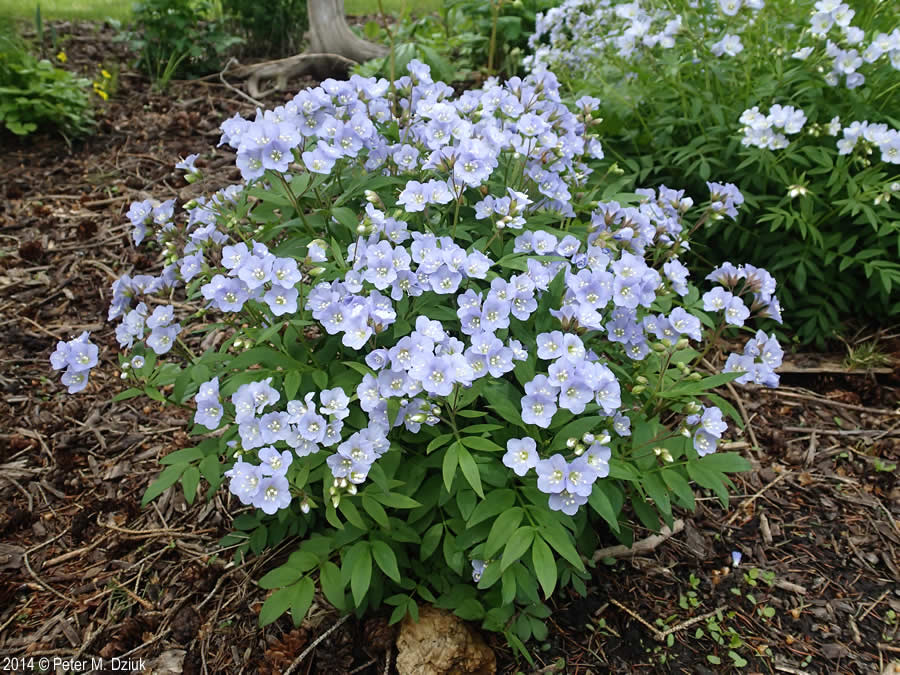
Article-at-a-Glance
- Jacob’s Ladder (Polemonium species) is a woodland perennial with distinctive ladder-like foliage that thrives best in partial shade with rich, moist, well-drained soil.
- This elegant native plant produces bell-shaped flowers in blue, purple, pink, or white during spring, creating a stunning display without becoming invasive in your garden.
- While preferring cooler climates (zones 3-8), Jacob’s Ladder returns reliably each year and can be divided every 3-4 years to maintain vigor and create new plants.
- Proper watering during dry spells and protection from harsh afternoon sun will prevent common issues like leaf scorch and help revive struggling plants.
- With minimal maintenance requirements and deer resistance, Jacob’s Ladder makes an excellent choice for woodland gardens, shaded borders, and naturalized areas.
Jacob’s Ladder brings woodland elegance to shady garden spots with minimal fuss. This perennial charmer offers the perfect combination of beautiful foliage and delicate blooms, making it a favorite among gardeners looking to enhance partially shaded areas. Whether you’re creating a woodland retreat or simply need reliable plants for those tricky spots where the sun rarely reaches, Jacob’s Ladder deserves a prime spot in your garden planning.
Plant Addicts gardening experts recommend Jacob’s Ladder for its exceptional adaptability and low-maintenance nature. This native perennial thrives in conditions that challenge many flowering plants, offering reliable blooms year after year without becoming invasive or demanding excessive attention. Its versatility makes it an excellent choice for both beginner and experienced gardeners looking to enhance shaded garden spaces with reliable color and texture.
What Makes Jacob’s Ladder Special
Jacob’s Ladder stands out in the shade garden for its distinctive foliage and graceful presence. Unlike many shade-loving plants that offer only interesting leaves, this perennial delivers both spectacular foliage and lovely blooms. The plant gets its common name from the ladder-like arrangement of its compound leaves, with leaflets neatly aligned along the stem resembling the rungs of a ladder. This architectural quality gives the plant visual interest even when not in bloom.
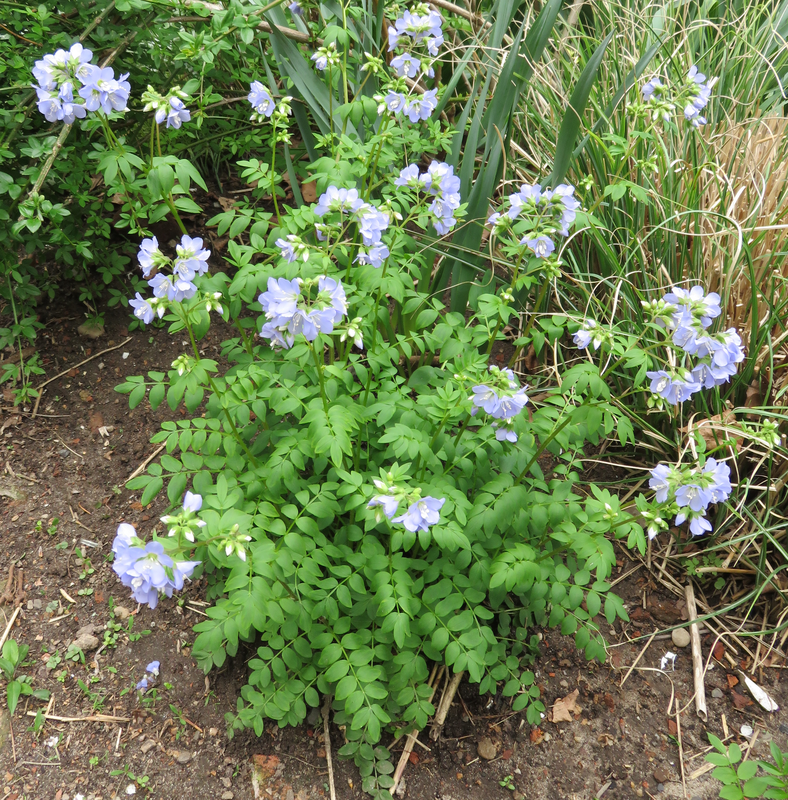
“Jacob’s Ladder – 6BC Botanical Garden” from www.6bcgarden.org and used with no modifications.
Jacob’s Ladder at a Glance
Botanical Name: Polemonium species (commonly P. reptans or P. caeruleum)
Height: 1-3 feet
Width: 1-2 feet
Bloom Time: Spring to early summer
USDA Hardiness: Zones 3-8
Light Needs: Partial shade to full shade (morning sun tolerated)
Water Needs: Medium (moist but well-drained soil)
Distinctive Ladder-Like Foliage
The hallmark feature of Jacob’s Ladder is its finely divided, pinnate foliage that creates a ferny texture in the garden. Each leaf consists of multiple small leaflets arranged opposite each other along a central stem, creating the distinctive ladder pattern that inspired its name. The foliage typically emerges in spring with a fresh green color, though some cultivars offer blue-green, purple-tinged, or variegated options. This attractive foliage remains decorative throughout the growing season, maintaining interest long after the flowers have faded.
Common Names and Botanical Classification
While commonly known as Jacob’s Ladder, this plant sometimes goes by other descriptive names including Greek valerian, Charity’s ladder, and Heaven’s ladder—all references to its distinctive leaf arrangement. Botanically classified in the genus Polemonium, most garden varieties belong to either Polemonium reptans (the wild North American native) or Polemonium caeruleum (the garden-bred species). Both species belong to the Polemoniaceae family, which also includes popular garden plants like phlox. Understanding these classifications helps gardeners select the right varieties for their specific growing conditions.
Native Habitat and Garden History
- Native to woodland areas of eastern North America (P. reptans)
- Found naturally in moist, partially shaded forest understories
- Cultivated in gardens since the 1700s
- Valued historically for both ornamental and medicinal uses
- Now available in numerous improved cultivars with enhanced colors and patterns
Jacob’s Ladder’s natural habitat provides valuable clues about its ideal growing conditions. In the wild, these plants thrive in the dappled light beneath deciduous trees, where soil remains consistently moist but never waterlogged. They naturally grow alongside woodland companions like ferns, hostas, and native wildflowers. This natural preference for woodland conditions makes them perfect candidates for shade gardens, woodland borders, and naturalized areas where other flowering plants might struggle. Their long history in cultivation has led to numerous improved varieties that expand the color palette and enhance their garden performance.
Light Requirements: Finding the Perfect Spot
Success with Jacob’s Ladder begins with proper placement. These woodland natives have specific light preferences that influence their growth, flowering, and overall health. Understanding and accommodating these requirements will ensure your plants thrive and reach their full ornamental potential in your garden setting. For similar plant care tips, explore the sword fern care guide.
Partial Shade is Best
Jacob’s Ladder performs optimally in partial shade conditions, making it ideal for woodland gardens and areas that receive filtered light. The plant appreciates protection from intense afternoon sun, especially in warmer regions where direct exposure can scorch its delicate foliage. An ideal location provides bright, indirect light for much of the day, similar to its natural habitat on the forest floor. Morning light followed by afternoon shade creates the perfect balance that encourages both lush foliage development and abundant flowering.

“Plant and Grow Jacob’s Ladder Flowers …” from gardenerspath.com and used with no modifications.
Bloom Time and Duration
Jacob’s Ladder typically begins its blooming cycle in mid-spring, with flowers appearing in April to May in most growing regions. The enchanting display of bell-shaped blossoms continues for approximately 3-4 weeks, creating a captivating focal point in the spring garden. Depending on your climate and the specific variety you’re growing, some plants may produce a second, lighter flush of blooms later in the season if conditions remain favorable.
- Primary bloom period: April to May (mid-spring)
- Flowering duration: 3-4 weeks for main display
- Flower appearance: Delicate, bell-shaped blooms in loose clusters
- Some varieties may rebloom if deadheaded properly
- Bloom time may vary slightly by climate zone and specific cultivar
The flowers of Jacob’s Ladder appear in loose, nodding clusters at the ends of slender stems that rise above the foliage. This creates a layered effect in the garden, with the architectural foliage serving as a foundation for the dancing blooms above. The flowers range from the classic periwinkle blue to purples, pinks, and whites depending on the variety you select. For those interested in similar garden plants, exploring ostrich fern care might provide additional inspiration.
While the flowering period might seem brief compared to some perennials, the plant’s attractive foliage continues providing garden interest long after the blooms have faded. This dual-season appeal makes Jacob’s Ladder an excellent investment for the shade garden, offering both spring color and summer texture in challenging low-light areas. For those interested in similar shade-loving plants, consider the sword fern for its pet safety and care tips.
Deadheading for Extended Flowering
To encourage a longer bloom period and potentially stimulate a second flush of flowers, deadheading Jacob’s Ladder is recommended. Simply snip off spent flower stalks at their base once the blooms begin to fade. This not only keeps the plant looking tidier but also prevents energy from being diverted to seed production, redirecting it instead toward potential new flower development. Some gardeners also perform a light shearing of the entire plant after the main flowering period to refresh the foliage and encourage a more compact growth habit for the remainder of the season.
Growth Habits: Controlled Spreader, Not Invasive
One of the most appealing aspects of Jacob’s Ladder is its well-mannered growth habit. Unlike some aggressive perennials that can quickly overtake a garden bed, Jacob’s Ladder forms neat, clumping mounds that expand gradually over time. This controlled growth pattern makes it an excellent choice for gardeners who appreciate plants that stay where they’re put without requiring constant management. The plant’s moderate spread allows it to fill in its designated space beautifully without becoming a nuisance to neighboring plants.
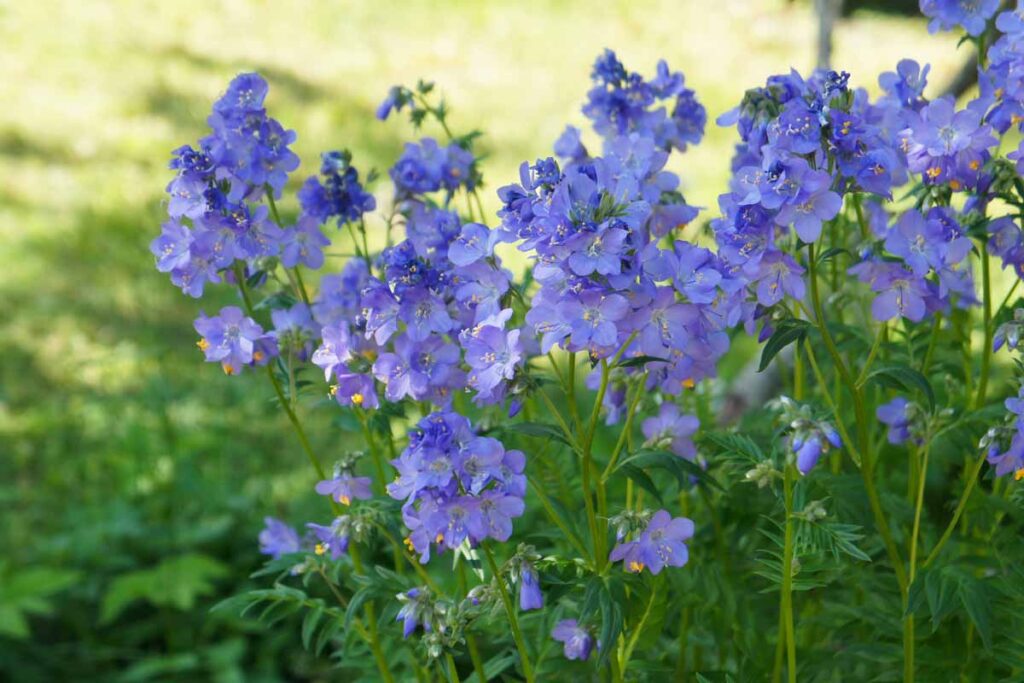
“Plant and Grow Jacob’s Ladder Flowers …” from gardenerspath.com and used with no modifications.
Natural Spreading Pattern
Jacob’s Ladder spreads primarily through underground rhizomes, slowly expanding outward from the original planting. This expansion is deliberate and measured, typically adding just a few inches to the plant’s footprint each season. A mature clump may reach 1-2 feet in width after several years, creating a substantial but contained presence in the garden. The plant also self-seeds modestly in favorable conditions, though seedlings are easily recognizable and can be relocated or removed if they appear in unwanted areas. For tips on managing plant growth, you might find this guide on controlling growth with companion plants helpful.
- Primary spread method: Slow-expanding rhizomatous roots
- Secondary spread: Limited self-seeding in ideal conditions
- Average width increase: 2-3 inches per year
- Mature clump width: 12-24 inches
- Not considered invasive in any U.S. region
The self-seeding tendency varies among varieties, with native species like Polemonium reptans typically producing more volunteer seedlings than highly bred cultivars. These seedlings can be a welcome addition to naturalized areas or woodland gardens where a casual, evolving landscape is desired. In more formal settings, they’re easily managed with routine garden maintenance. Learn more about native species and their impact on garden ecosystems.
While Jacob’s Ladder may form impressive clumps over time, it respects boundaries and doesn’t aggressively invade adjacent plantings. This neighborly behavior makes it compatible with other shade-loving perennials without fear that it will outcompete or overwhelm its garden companions. This predictable growth pattern is particularly valuable in planned garden designs where maintaining proportions and plant relationships is important.
Containing Growth When Needed
For gardeners who wish to maintain Jacob’s Ladder in a specific footprint, division every 3-4 years is usually sufficient to control its spread. Simply lift the clump in early spring or fall, divide it with a sharp spade or garden knife, and replant only the portion you wish to keep in the original location. The divided sections can be shared with friends, moved to new garden areas, or composted if not needed. This periodic division not only manages the plant’s size but also rejuvenates older clumps, ensuring continued vigor and abundant flowering. For more detailed guidance, explore Jacob’s Ladder care tips.
Seasonal Care for Thriving Plants
Jacob’s Ladder Seasonal Care Calendar
Spring: Apply compost, divide if needed, watch for emerging growth
Summer: Provide consistent moisture, protect from intense heat
Fall: Cut back spent foliage, mulch for winter protection
Winter: Leave dried foliage for extra insulation in cold zones
Jacob’s Ladder requires different care approaches throughout the year to ensure optimal growth and flowering. By following a seasonal maintenance schedule, you can ensure your plants remain healthy, vigorous, and beautiful throughout their life cycle. The care requirements are minimal compared to many garden perennials, making this an excellent low-maintenance option for busy gardeners.
Understanding the plant’s natural growth cycle helps inform proper timing for various maintenance tasks. Jacob’s Ladder emerges early in spring, flowers in late spring to early summer, maintains its attractive foliage through summer and early fall, then dies back to the ground with frost. This predictable pattern allows gardeners to anticipate and prepare for each phase of growth and dormancy.
Adapting care practices to your specific climate is also important. Gardeners in warmer regions (zones 7-8) will need to be more attentive to summer heat stress, while those in colder areas (zones 3-4) should focus more on winter protection strategies. Regardless of region, maintaining consistent soil moisture throughout the growing season remains a key factor in successful Jacob’s Ladder cultivation.
Spring Care
Spring marks the beginning of active growth for Jacob’s Ladder, with fresh foliage emerging as soil temperatures warm. Clear away any winter mulch gradually as temperatures rise to allow new growth to access sunlight. Apply a thin layer of compost or balanced organic fertilizer around the plant’s base before new growth appears, being careful not to cover emerging shoots. This early-season feeding provides nutrients for the upcoming growth and flowering period.
Early spring is also the ideal time to divide overcrowded clumps if needed. Look for signs that division might be beneficial, such as decreased flowering, a hollow center developing in the clump, or simply a desire to create more plants. Division every 3-4 years helps maintain plant vigor and flowering performance while controlling size. For more detailed information on maintaining these plants, you can explore this guide on Jacob’s Ladder care.
Monitor soil moisture carefully during spring growth, as this is when the plant is establishing its foundation for the season. While Jacob’s Ladder appreciates consistent moisture, avoid waterlogged conditions that can lead to root rot. If spring brings heavy rains, ensure proper drainage around your plants to prevent water accumulation.
Spring Troubleshooting Tip: If your Jacob’s Ladder is slow to emerge in spring, check that it isn’t being smothered by heavy leaf debris or excessive mulch. Also ensure that drainage is adequate, as waterlogged winter soils can delay spring growth or damage roots.
Summer Maintenance
- Water consistently during dry periods (approximately 1 inch per week)
- Apply mulch to retain soil moisture and suppress weeds
- Protect from intense afternoon sun, especially in warmer climates
- Monitor for pests like slugs and leaf miners
- Deadhead spent flowers to maintain neat appearance
Summer presents the greatest challenge for Jacob’s Ladder, particularly in warmer growing zones. The plant’s woodland nature makes it sensitive to heat stress and drought. During hot, dry periods, provide supplemental watering to maintain even soil moisture. Morning watering is preferable to allow foliage to dry before evening, reducing disease risk. A 2-inch layer of organic mulch helps conserve soil moisture while keeping roots cool during summer heat.
Watch for signs of heat stress, which include wilting, leaf scorching, or premature yellowing of foliage. If these symptoms appear, consider providing temporary shade using shade cloth or relocating container specimens to cooler spots. In regions with hot summers, Jacob’s Ladder may enter a period of semi-dormancy during the hottest weeks, with growth slowing significantly until cooler temperatures return.
By midsummer, flowering will typically have finished. Cut back spent flower stalks to the base to maintain a tidy appearance and potentially encourage a second, smaller flush of blooms in cooler climates. Regular deadheading prevents unwanted self-seeding and keeps the plant’s energy focused on foliage production and root development for the remainder of the growing season.
Fall Preparation
- Reduce watering as temperatures cool and growth slows
- Clean up diseased foliage but leave healthy growth until spring
- Apply a fresh layer of compost around the plant base
- Consider planting new divisions in early fall
- Apply winter mulch after ground begins to freeze
As temperatures cool in autumn, Jacob’s Ladder begins preparing for winter dormancy. Growth slows, and the plant focuses energy on root development rather than foliage production. This is an excellent time to evaluate the past season’s performance and make notes for any needed adjustments in the coming year. If your plant struggled during summer heat, consider relocating it to a shadier spot in early fall when conditions are favorable for transplanting.
Fall is also an opportune time for division if you missed the spring window. Early autumn divisions have time to establish roots before winter dormancy, giving them a head start for spring growth. When dividing in fall, be sure to allow at least 4-6 weeks before your average first frost date to ensure adequate establishment time. For more detailed care tips, you might find this guide on sword fern care tips useful.
Leave the foliage intact until it naturally dies back with frost, as the plant continues to photosynthesize and store energy as long as leaves remain green. Clean up any diseased foliage promptly, but healthy growth can remain in place until spring cleanup if desired. Some gardeners prefer to leave the dried foliage over winter for additional crown protection in colder zones.
In late fall, after the ground begins to freeze but before deep cold sets in, apply a light winter mulch of shredded leaves, pine needles, or straw around the plant’s base. This insulating layer protects the crown from freeze-thaw cycles that can push plants out of the ground. Keep the mulch a few inches away from the crown itself to prevent rot.
Winter Protection
Jacob’s Ladder is quite winter hardy within its recommended growing zones (3-8), but a few precautions help ensure successful overwintering. The crown of the plant should be protected from extreme temperature fluctuations with a light mulch as described above. In particularly cold regions, consider placing evergreen boughs over plants after the ground freezes for additional insulation. These natural materials allow air circulation while providing protection from harsh winter winds.
Container-grown specimens require special winter consideration as their roots are more exposed to freezing temperatures. Move potted Jacob’s Ladder to a protected location such as an unheated garage or cold frame, or sink the entire pot into the ground for the winter. Alternatively, transplant container specimens into the garden in fall if you don’t want to overwinter them in pots.
- Apply 2-3 inches of loose mulch after ground begins to freeze
- Avoid heavy, wet mulch materials that can promote crown rot
- Consider windbreaks for exposed garden locations
- Provide extra protection for container plants
- Remove winter protection gradually in spring as temperatures warm
During winter thaws, check that frost heaving hasn’t pushed plants partially out of the ground. If this occurs, gently press them back into place and replace displaced mulch. By providing these basic winter protections, your Jacob’s Ladder will emerge vigorous and ready for another beautiful display when spring returns.
Jacob’s Ladder Varieties Worth Growing
While the classic blue-flowered Jacob’s Ladder is charming in its own right, plant breeders have developed numerous cultivars with enhanced characteristics. These improved varieties offer expanded color options, more dramatic foliage effects, and increased heat tolerance. Exploring different cultivars allows gardeners to find the perfect Jacob’s Ladder for their specific garden conditions and design preferences. The following selections represent some of the most garden-worthy options currently available.
‘Stairway to Heaven’: Variegated Beauty
- Distinctive cream and green variegated foliage
- Pink tinting develops in cool temperatures
- Pale blue flowers appear in late spring
- Compact growth habit (15-18 inches tall)
- More sun-tolerant than many varieties
‘Stairway to Heaven’ stands out for its spectacular foliage, which features cream-colored margins on each leaflet that take on pink tinting in cool weather. This tricolor effect (green, cream, and pink) creates season-long interest even when the plant isn’t in bloom. The foliage coloration is most pronounced when the plant receives some morning sun, though protection from hot afternoon exposure remains important, especially in warmer climates.
This popular cultivar was discovered as a chance mutation of Polemonium reptans and has become a garden favorite for its versatility and eye-catching appearance. It pairs beautifully with solid-colored companions like hostas, ferns, and coral bells, where its variegation adds a bright counterpoint to green foliage. The plant’s compact size makes it suitable for smaller gardens and container plantings.
In terms of care, ‘Stairway to Heaven’ benefits from slightly more sun than other varieties to maintain its vibrant variegation patterns. However, this increased light exposure means consistent moisture becomes even more critical. In ideal conditions, this cultivar forms a striking clump that serves as a focal point in shade gardens and mixed borders alike.
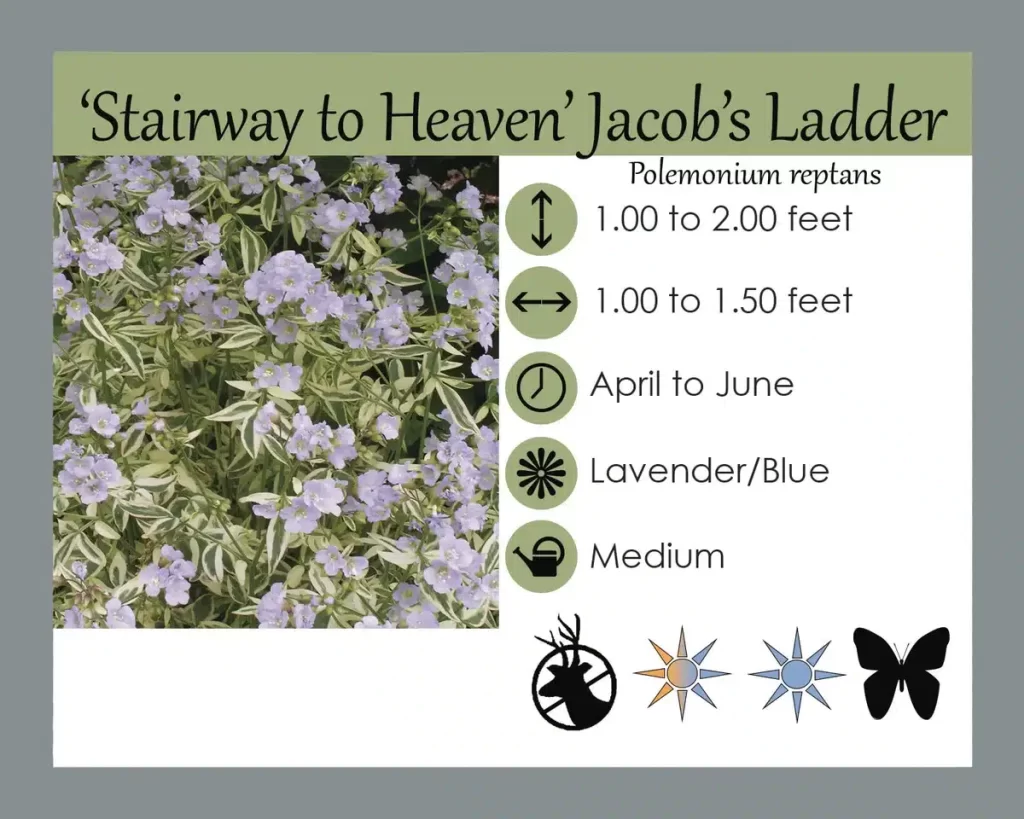
“Polemonium reptans ‘Stairway to Heaven'” from www.laurensgardenservice.com and used with no modifications.
‘Touch of Class’: Enhanced Cream Edges
‘Touch of Class’ represents an improvement on ‘Stairway to Heaven’ with more pronounced cream margins on each leaflet. The variegation remains stable throughout the season, creating a highly ornamental effect from spring through fall. Blue flowers appear in late spring, creating a beautiful contrast with the distinctive foliage. This cultivar maintains a neat, mounded habit reaching about 12-15 inches in height and spreading to form a clump approximately 18 inches wide.
Like other variegated forms, ‘Touch of Class’ appreciates morning sun to enhance its coloration but requires protection from intense afternoon heat. The plant’s compact stature makes it ideal for front-of-border positions, container plantings, or as an accent in rock gardens with adequate moisture. Its distinctive appearance creates a bright spot in shaded areas where many variegated plants struggle.
Designer Tip: Pair ‘Touch of Class’ with plants featuring burgundy foliage, such as Heuchera ‘Palace Purple’ or Actaea ‘Hillside Black Beauty’, to create a dramatic color contrast that highlights the cream variegation.
This cultivar has earned numerous awards in Europe and North America for its garden performance and distinctive appearance. While slightly more expensive than standard Jacob’s Ladder varieties, its exceptional ornamental value justifies the investment for gardeners seeking special plants for shade gardens.
‘Bressingham Purple’: Dramatic Foliage
‘Bressingham Purple’ offers a completely different look with its striking purple-tinged foliage that provides rich color contrast in the shade garden. The purple coloration intensifies in cooler weather, creating seasonal interest throughout spring and fall. Deep blue-purple flowers complement the foliage perfectly when they appear in late spring. This cultivar grows slightly larger than the variegated forms, typically reaching 18-24 inches in height with a similar spread.
This variety performs best with consistent moisture and protection from hot afternoon sun, which can cause the purple pigmentation to fade. It combines beautifully with plants featuring chartreuse or gold foliage, such as certain hostas or Japanese forest grass (Hakonechloa macra ‘Aureola’), where the color contrast creates a vibrant display even in shady conditions. ‘Bressingham Purple’ also makes an excellent companion to spring-flowering bulbs, providing attractive foliage after the bulbs have finished blooming.
Dividing and Propagating Your Plants
Propagating Jacob’s Ladder allows you to increase your plant collection, maintain plant vigor, and share this woodland beauty with fellow gardeners. Division is the most reliable and straightforward method for propagation, producing exact copies of the parent plant with all its desirable characteristics. This process is particularly important for named cultivars, which don’t reliably come true from seed. With proper technique, divided plants establish quickly and often bloom in their first season after division. For tips on ensuring your plants thrive, check out these care tips for thriving plants.
While division is the primary propagation method, Jacob’s Ladder can also be grown from seed, though this approach is generally more suitable for species types rather than cultivars. Seed-grown plants typically take 2-3 years to reach flowering size but offer an economical way to produce numerous plants for naturalizing larger areas. Whether you choose division or seed propagation, expanding your Jacob’s Ladder collection allows you to enhance multiple garden areas with this versatile shade lover.
When to Divide Established Clumps
The optimal time to divide Jacob’s Ladder is in early spring just as new growth begins to emerge, or in early fall when temperatures have moderated but several weeks remain before frost. These timing windows allow divided plants to establish new roots before facing the stresses of summer heat or winter cold. Division becomes necessary when clumps develop hollow centers, flowering diminishes, or simply when you wish to propagate additional plants. Most established clumps benefit from division every 3-4 years, though some vigorous varieties may need attention sooner if they become overcrowded. For those interested in plant care, you might also explore artillery plant care tips to enhance your gardening skills.
Step-by-Step Division Process
To successfully divide Jacob’s Ladder, begin by thoroughly watering the plant the day before division to ensure roots are hydrated and soil is workable. Using a garden fork or spade, carefully dig around the entire clump, working 6-8 inches away from the visible crown to avoid damaging the root system. Gently lift the entire clump and shake or wash away excess soil to expose the root structure. This allows you to clearly see natural division points within the plant.
With a sharp knife or garden spade, divide the clump into sections, ensuring each division has both roots and several healthy growing points or “eyes.” Smaller divisions with 3-5 growth points establish more quickly than larger chunks. Trim away any damaged, dead, or diseased portions of roots or foliage before replanting. Prepare the planting area by incorporating organic matter, then replant divisions at the same depth they were previously growing, spacing new plants 12-18 inches apart. Water thoroughly after planting and maintain consistent moisture until new growth indicates successful establishment. For additional tips on plant care, you might find our guide on sword fern care useful.
Growing From Seed
Jacob’s Ladder can be grown from seed, though this method requires patience as plants typically take two growing seasons to reach flowering size. Collect seeds from existing plants after flower heads have dried but before they fully open and scatter their contents. Alternatively, purchase seeds from reputable suppliers. For best results, sow seeds in late fall directly in the garden where they’ll experience natural cold stratification over winter, or refrigerate seeds for 4-6 weeks before spring sowing to simulate this natural process.
When starting indoors, sow seeds in trays filled with seed-starting mix, barely covering them as light aids germination. Maintain temperatures around 65-70°F and keep soil consistently moist until germination occurs, typically in 20-30 days. Once seedlings develop two sets of true leaves, transplant them to individual pots and grow on until large enough for garden planting. Be patient with seed-grown plants, as they develop slowly in their first year, establishing roots before putting energy into significant top growth and flowering.
Reviving Struggling Jacob’s Ladder
Even well-cared-for Jacob’s Ladder plants occasionally struggle due to environmental stresses, age, or improper growing conditions. The good news is that these resilient perennials can often be revived with appropriate intervention. Recognizing problems early and taking prompt corrective action gives struggling plants the best chance for recovery. Most issues stem from improper light, moisture imbalances, or soil conditions that can be remedied with simple adjustments to care routines.
Identifying Common Problems
Leaf scorching, characterized by brown, crispy leaf edges, typically indicates excessive sun exposure or drought stress. Move affected plants to shadier locations or increase watering frequency during hot periods. Yellowing foliage combined with stunted growth often signals nutrient deficiencies, particularly in nitrogen or iron, which can be addressed with appropriate fertilization. Floppy stems and sparse flowering frequently result from insufficient light—while Jacob’s Ladder prefers shade, too little light reduces bloom production and causes weak, elongated growth. Powdery mildew, appearing as a white powdery coating on leaves, occurs in conditions with poor air circulation and excessive humidity, requiring improved ventilation and careful watering practices.
Rescue Techniques for Stressed Plants
For heat-stressed plants showing wilting or scorched foliage, immediately move containers to shadier locations or install temporary shade cloth over garden specimens. Increase watering frequency but avoid waterlogging the soil, which can compound problems by promoting root rot. Trim away severely damaged foliage to redirect the plant’s energy to healthy growth, but leave at least one-third of the foliage intact to support recovery. Applying a diluted seaweed or compost tea can help strengthen struggling plants by providing readily available nutrients and beneficial microorganisms that support root function.
Post-Revival Care
After implementing rescue measures, provide consistent aftercare to ensure complete recovery. Maintain even soil moisture without creating soggy conditions that could lead to root rot. Apply a light layer of balanced organic fertilizer or compost to replenish nutrients without overwhelming stressed plants with excessive nitrogen. Consider adding a thin layer of mulch to moderate soil temperature and retain moisture, keeping it several inches away from the crown to prevent rot. Monitor recovering plants closely for signs of pests or disease, which can more easily affect weakened specimens, and address any issues promptly before they compound the plant’s stress.
Creating Beautiful Garden Combinations
Jacob’s Ladder truly shines when thoughtfully combined with complementary plants that enhance its delicate flowers and distinctive foliage. As a mid-height perennial, it bridges the gap between ground covers and taller background plants, creating cohesive layers in garden designs. The best combinations respect Jacob’s Ladder’s cultural needs while creating visual harmony through contrasting or complementary colors, textures, and forms. These partnerships not only showcase this woodland beauty but also create more dynamic, season-long interest in partially shaded garden areas.
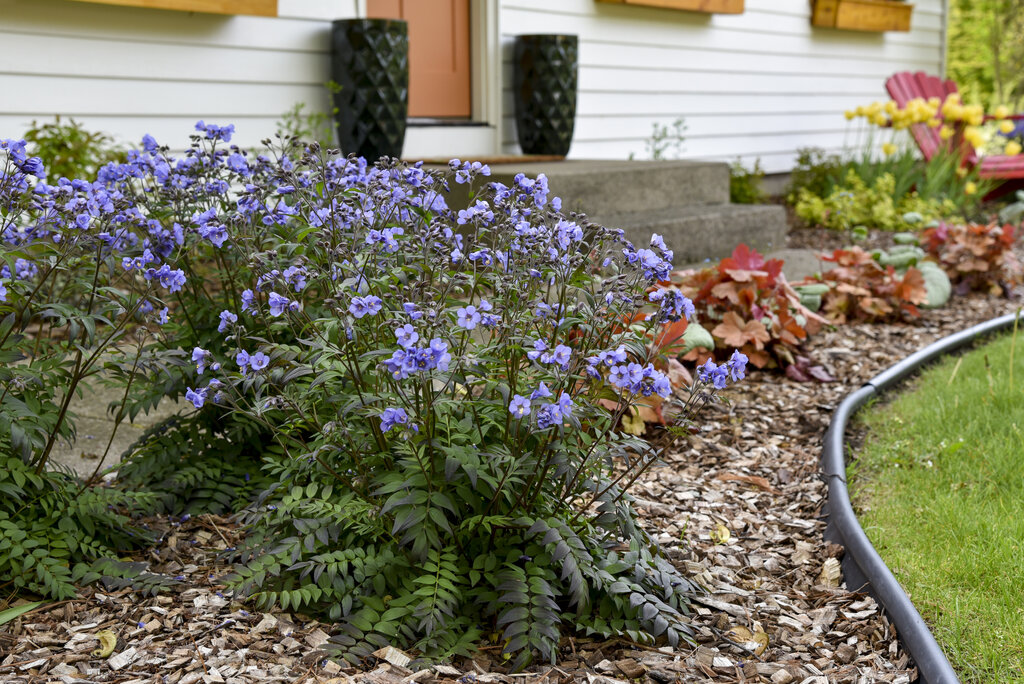
“Ladder – Polemonium hybrid Images …” from www.provenwinners.com and used with no modifications.
Woodland Garden Partners
In naturalistic woodland settings, Jacob’s Ladder pairs beautifully with native spring ephemerals like bloodroot (Sanguinaria canadensis) and trillium species that bloom early, then recede as Jacob’s Ladder reaches its peak. The ferny foliage combines elegantly with the bold leaves of hostas, creating textural contrast that enhances both plants. Wild ginger (Asarum canadense) makes an excellent ground-covering companion, filling spaces between Jacob’s Ladder clumps with its heart-shaped leaves while respecting boundaries. For more information on fern care, check out this guide on sword fern care tips.
Perfect Shade Garden Companions for Jacob’s Ladder
Early Spring: Hellebores, Pulmonaria, Primula, spring bulbs
Late Spring/Early Summer: Brunnera, Heuchera, Tiarella, Astilbe
Summer/Fall Interest: Japanese forest grass, ferns, Hosta, Kirengeshoma
Similar Growing Requirements: Moisture-retentive soil, partial shade, protection from heat
For season-long interest, interplant Jacob’s Ladder with early spring bloomers like hellebores and pulmonaria that flower before Jacob’s Ladder reaches its peak. As Jacob’s Ladder blooms fade, summer-flowering perennials like astilbe and tiarella continue the floral display with their airy plumes and foamy flowers. Japanese forest grass (Hakonechloa macra) provides graceful movement and golden color through summer and fall when paired with the more structured form of Jacob’s Ladder.
Bulbs offer another excellent partnership opportunity, with early spring varieties like snowdrops and scilla emerging before Jacob’s Ladder leafs out, then gracefully retreating as the perennial expands. Later-blooming alliums can be strategically placed to rise through Jacob’s Ladder foliage, extending the garden’s flowering season with their architectural seed heads persisting into summer. These layered plantings maximize limited shade garden space while creating dynamic visual interest throughout the growing season.
When designing these plant partnerships, consider how foliage textures interact even when plants aren’t in bloom. The finely divided, ferny texture of Jacob’s Ladder creates beautiful contrast with broad-leaved plants like brunnera or hostas. Incorporating plants with different leaf shapes, sizes, and textures creates a more visually interesting composition that maintains appeal long after flowering has finished.
Color Harmony Suggestions
For stunning color combinations, pair blue-flowered Jacob’s Ladder varieties with plants featuring chartreuse or gold foliage like Hosta ‘Sun Power’ or Hakonechloa ‘All Gold’, creating a vibrant contrast that makes both plants pop visually. Variegated cultivars like ‘Stairway to Heaven’ harmonize beautifully with plants offering burgundy or purple foliage such as Heuchera ‘Palace Purple’ or Actaea ‘Hillside Black Beauty’, where the pink-tinged margins echo the deeper tones of their companions. White-flowered Jacob’s Ladder varieties create sophisticated monochromatic schemes when combined with other white-blooming shade lovers like Astilbe ‘Deutschland’ or Tiarella ‘Spring Symphony’, offering a bright, luminous quality that enhances darker garden corners.
Your Jacob’s Ladder Will Return Year After Year
With its reliable perennial nature, Jacob’s Ladder faithfully returns each spring to grace shade gardens with its distinctive presence. This dependable performance makes it an excellent investment for gardeners seeking long-lived plants that increase in beauty and impact over time. The plant’s hardy root system survives winter dormancy without special protection in most growing zones, emerging with fresh growth as soil temperatures warm in spring. This predictable life cycle allows gardeners to plan companion plantings and garden designs with confidence, knowing Jacob’s Ladder will fulfill its role in the garden composition year after year.
While individual plants typically live 5-7 years before benefiting from division, properly divided and replanted sections can essentially perpetuate the plant indefinitely in your garden. This longevity, combined with minimal maintenance requirements and resistance to most common garden pests, makes Jacob’s Ladder one of the most rewarding shade perennials available to home gardeners. By providing its basic cultural needs—partial shade, consistent moisture, and rich soil—you’ll enjoy this woodland beauty’s reliable performance for many seasons to come, with each year bringing more robust growth and abundant flowering as plants mature.
Frequently Asked Questions
- Does Jacob’s Ladder spread aggressively?
- How often should I water Jacob’s Ladder?
- Can Jacob’s Ladder tolerate full sun?
- When is the best time to plant Jacob’s Ladder?
- How do I prepare Jacob’s Ladder for winter?
Jacob’s Ladder remains a popular choice for shade gardens due to its adaptable nature and minimal care requirements. While it appreciates attention to its basic needs, it’s far from demanding and will reward even novice gardeners with reliable performance. Understanding these common questions helps ensure success with this charming woodland perennial in your garden setting. The plant’s versatility makes it suitable for various garden styles, from formal shade borders to naturalistic woodland settings.
Many gardeners discover that Jacob’s Ladder becomes more impressive with age, as established clumps develop fuller foliage and more abundant flowering. This improvement over time is one of the hallmarks of well-chosen perennials, providing increasing returns on the initial investment of time and resources. By addressing these common questions, you’ll be well-equipped to enjoy all that this elegant shade perennial has to offer in your garden.
These questions address the most common concerns gardeners have when growing Jacob’s Ladder for the first time. With these insights, you can confidently incorporate this charming perennial into your shade garden design, knowing what to expect in terms of care requirements and performance. The plant’s adaptability to various garden settings makes it accessible to gardeners with different skill levels and design preferences.
How tall does Jacob’s Ladder grow?
- Most varieties reach 15-24 inches in height when in bloom
- Foliage mounds typically stand 8-12 inches tall
- Flower stems extend 6-12 inches above the foliage
- Compact cultivars may stay under 15 inches total height
- Plants in optimal conditions reach maximum height potential
Jacob’s Ladder’s moderate height makes it perfect for middle positions in layered shade garden designs. The plant forms a basal mound of foliage from which flower stems rise during the blooming season, creating a two-tiered effect in the garden. This natural architecture allows it to bridge the gap between ground-hugging plants like sweet woodruff or wild ginger and taller shade elements such as ferns or bleeding hearts.
Height varies somewhat between species and cultivars, with Polemonium reptans (the American native) typically being slightly shorter than Polemonium caeruleum varieties. Variegated cultivars like ‘Stairway to Heaven’ and ‘Touch of Class’ tend to be more compact, usually reaching 12-18 inches at maturity. Understanding these height differences helps with proper placement in garden designs, ensuring that Jacob’s Ladder neither overwhelms smaller companions nor gets lost behind taller ones.
Environmental factors also influence ultimate height, with plants receiving more light often developing a more compact habit while those in deeper shade may stretch taller seeking light. Rich soil and consistent moisture generally produce more robust specimens that reach the upper end of their height potential. Gardeners can somewhat control height through proper placement and occasional division to maintain vigor.
The multi-level structure of Jacob’s Ladder—leafy base crowned with airy flower stems—contributes to its usefulness in garden design. This architectural quality creates visual interest even when the plant isn’t in bloom, as the finely divided foliage provides textural contrast to broader-leaved shade companions. When planning garden layouts, allow sufficient space for the plant to reach its full height without being crowded by neighboring plants that might compete for light and resources.
Is Jacob’s Ladder deer resistant?
Jacob’s Ladder offers moderate to good deer resistance, making it a valuable addition to gardens in areas with deer pressure. While no plant is completely “deer-proof,” Jacob’s Ladder is generally classified as deer-resistant due to its slightly fuzzy texture and the mild aromatic compounds in its foliage that deer find unpalatable. In areas with extreme deer pressure or during periods of food scarcity, young tender growth may occasionally be browsed, but established plants typically suffer minimal damage compared to many other shade perennials.
For maximum protection in high-deer areas, consider planting Jacob’s Ladder among other strongly deer-resistant companions like ferns, hellebores, and bleeding hearts. This strategy creates a protective community of plants that deer tend to avoid. Additionally, positioning Jacob’s Ladder closer to the house or in areas of frequent human activity can further discourage browsing as deer prefer to feed in locations where they feel secure and undisturbed.
Can Jacob’s Ladder grow in containers?
Jacob’s Ladder adapts well to container culture, making it an excellent choice for shaded patios, porches, or balconies where garden space is limited. When growing in containers, select pots at least 12 inches in diameter and equally deep to accommodate the plant’s root system and provide stability. Use a high-quality potting mix formulated for perennials, ideally one containing both good moisture retention properties and adequate drainage. Container-grown specimens require more frequent watering than garden-planted ones, particularly during hot weather, but be careful to avoid waterlogged conditions that can lead to root rot.
Fertilize container-grown Jacob’s Ladder more regularly than garden specimens, applying a balanced, water-soluble fertilizer at half-strength every 4-6 weeks during the growing season. In colder climates (zones 3-5), provide winter protection for containerized plants by moving pots to a sheltered location such as an unheated garage or garden shed, or by burying the containers in the garden for insulation. Specimens grown in containers may benefit from division more frequently than garden-planted ones, typically every 2-3 years, as they can become root-bound more quickly in the confined space.
How do I prevent Jacob’s Ladder from flopping over?
Floppy growth in Jacob’s Ladder typically results from insufficient light, excessive nitrogen fertilization, or overly rich, moist soil conditions that promote lush but weak growth. To prevent this problem, ensure plants receive adequate light—while they appreciate shade, too little light causes stretching and weak stems. Position plants where they receive dappled sunlight or morning sun with afternoon shade for sturdier growth habits. Avoid high-nitrogen fertilizers that promote excessive foliage at the expense of sturdy stems, instead opting for balanced formulations or slow-release organic options.
- Proper spacing (12-18 inches between plants) improves air circulation and reduces stretching
- Early-season pinching of stem tips encourages branching and stronger growth
- Installing support stakes or creating a small twiggy branch framework before plants reach full height
- Selecting naturally compact cultivars if flopping is a persistent issue
- Dividing overcrowded clumps to reinvigorate growth and reduce legginess
For plants that are already showing signs of flopping, discrete support can help maintain an attractive appearance. Small bamboo stakes placed around the plant’s perimeter with jute twine creating a supportive grid work well without being visually intrusive. Alternatively, decorative metal plant supports can be positioned early in the season, allowing the plant to grow up through them for natural-looking support. These interventions are most effective when implemented before plants reach their full height, allowing stems to adapt to the support as they grow.
Regular division every 3-4 years also helps prevent flopping by rejuvenating plants and reducing overcrowding. Divided plants typically develop stronger, more compact growth habits in their first couple of seasons after division. This regular renewal, combined with proper siting and cultural care, ensures that Jacob’s Ladder maintains its attractive upright form throughout the growing season.
Does Jacob’s Ladder have any medicinal uses?
Historically, Jacob’s Ladder was used in traditional folk medicine for various purposes, though these practices should be approached with caution and historical interest rather than for self-treatment. Native American tribes utilized Polemonium reptans preparations as a diaphoretic to induce sweating during fevers and for treating respiratory conditions. In European traditional medicine, Polemonium caeruleum was employed for similar purposes and additionally as a mild astringent for diarrhea and dysentery.
Modern scientific research on Jacob’s Ladder’s medicinal properties remains limited, with few clinical studies validating traditional uses. Some preliminary research suggests the plant contains compounds with mild anti-inflammatory and antioxidant properties, but these findings require further investigation before any medicinal applications can be recommended. Current interest in the plant remains primarily ornamental, with its pharmaceutical potential largely unexplored by modern medicine.
It’s important to note that any wild-harvested or garden-grown plants should never be used for self-medication without professional guidance. Many plants in the Polemonium genus contain compounds that may interact with medications or cause adverse reactions in sensitive individuals. Additionally, garden specimens may have been treated with chemicals unsuitable for consumption. The safest approach is to appreciate Jacob’s Ladder for its ornamental value while leaving medicinal applications to qualified healthcare professionals working with standardized preparations.
For gardeners interested in the historical and cultural aspects of plants, Jacob’s Ladder’s traditional medicinal uses add an interesting dimension to its garden presence. This cultural heritage enriches our appreciation of this charming woodland perennial beyond its obvious ornamental merits, connecting us to generations of plant knowledge while we enjoy its beautiful flowers and distinctive foliage in our contemporary gardens.
Plant Addicts offers an extensive selection of premium Jacob’s Ladder varieties, including hard-to-find cultivars with unique foliage patterns and flower colors. Visit our website to explore these woodland treasures and transform your shade garden with their elegant presence.