
Key Takeaways
- Chervil, also known as French Parsley, is generally safe for dogs and cats in small amounts.
- Excessive consumption of chervil may cause mild digestive upset in pets.
- Chervil is safe for rabbits and other small herbivores, but should be given in moderation.
- Always monitor pets after they consume any new plant or herb, including chervil.
- Consult a veterinarian if your pet shows unusual symptoms after eating chervil.
Let’s dive into the world of chervil, a delicate herb often used in French cuisine, known for its subtle anise-like flavor. You might recognize it by its scientific name, Anthriscus cerefolium. While it adds a unique touch to many dishes, pet owners often wonder if it’s safe for their furry companions. The good news is, chervil is generally considered non-toxic to pets. However, there are a few precautions you should keep in mind to ensure your pets stay healthy.
Quick Facts About Chervil (Anthriscus cerefolium) and Pet Safety
Chervil is a member of the Apiaceae family, which also includes parsley, carrots, and celery. It’s an annual herb, meaning it completes its life cycle in one growing season. Native to the Caucasus region, chervil is now widely cultivated in Europe and North America. It’s a staple in French cuisine, especially in the herb blend known as fines herbes.
In terms of pet safety, chervil is considered non-toxic to dogs and cats. However, as with any plant, moderation is key. If a pet ingests a large amount, it may experience mild gastrointestinal upset. Therefore, it’s always best to keep an eye on your pets and ensure they don’t consume too much.
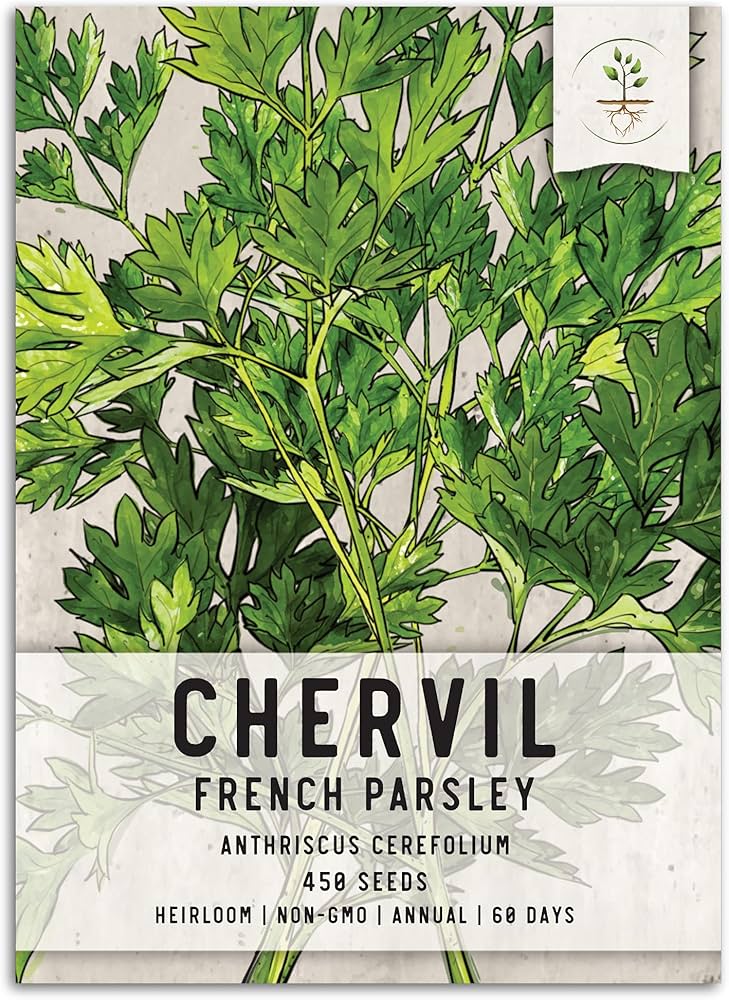
“Amazon.com : Seed Needs Chervil Seeds …” from www.amazon.com and used with no modifications.
Chervil’s Role in Culinary and Herbal Medicine
Chervil is a versatile herb with several culinary and medicinal uses. In the kitchen, it’s prized for its delicate flavor, which is a mix of parsley and tarragon. It’s often used in soups, salads, and egg dishes. Because of its delicate nature, chervil is usually added at the end of cooking to preserve its flavor.
Medicinally, chervil has been used for its mild diuretic properties and to aid digestion. Historically, it was believed to help with a variety of ailments, from hiccups to high blood pressure. While these uses are mostly anecdotal, they highlight the herb’s long-standing role in herbal medicine.
Identification Guide: Recognizing Chervil in Your Garden
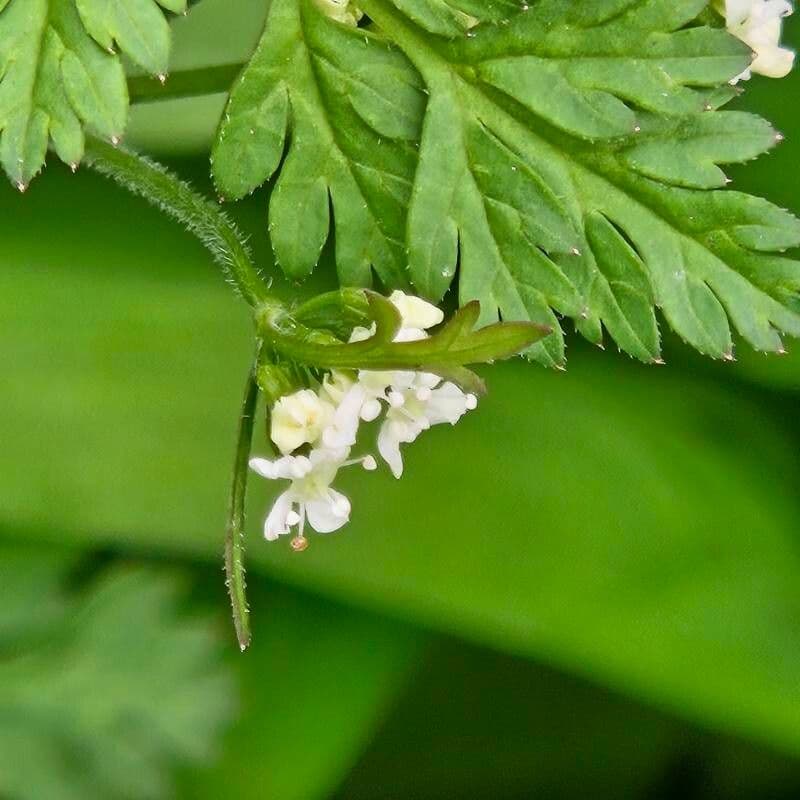
Identifying chervil in your garden is relatively easy once you know what to look for. The plant has delicate, fern-like leaves that resemble those of parsley but are more finely divided. Chervil grows to about 12 to 24 inches in height and produces small, white flowers in umbels.
Chervil thrives in cool, moist conditions and prefers partial shade. It’s best planted in the early spring or fall, as it doesn’t do well in hot, dry weather. When growing chervil, ensure the soil is well-drained and rich in organic matter.
Potential Risks and Precautions for Dogs and Cats
While chervil is generally safe for dogs and cats, there are a few potential risks to be aware of. As mentioned earlier, consuming large amounts can lead to mild digestive upset. Symptoms might include vomiting, diarrhea, or a general sense of discomfort. For more information on plant safety for pets, you can explore this guide on identifying pet-safe plants.
If your pet has ingested a significant amount of chervil and shows signs of distress, it’s crucial to consult a veterinarian. They can provide guidance and ensure your pet receives the appropriate care. Remember, it’s always better to be cautious and seek professional advice when in doubt. For more information on plant safety, you might want to read about non-toxic or poisonous plants to pets.
Edibility and Safety Considerations for Rabbits and Other Small Pets
- Chervil is safe for rabbits and other small herbivores, such as guinea pigs and hamsters.
- Introduce chervil gradually into their diet to prevent digestive issues.
- Ensure chervil is fresh and free from pesticides or chemicals before offering it to your pets.
Rabbits and other small pets can safely enjoy chervil as part of a varied diet. It’s important to introduce any new food gradually to prevent digestive upset. Start with a small amount and observe your pet’s reaction. If they tolerate it well, you can slowly increase the portion size. For more information on growing and using chervil, visit this growing guide.
Always ensure that the chervil you offer is fresh and free from any pesticides or chemicals. Organic or home-grown chervil is the best option for your pets. If you’re unsure about how much to give, consult with a veterinarian familiar with your pet’s dietary needs.
Understanding the role of chervil in your pet’s diet can help you make informed decisions about their health and wellbeing. Remember, moderation is key, and monitoring your pet’s reaction to new foods is essential for their safety.
Seasonal Growth Cycles and Blooming Patterns
Chervil thrives best in cooler seasons, making it an ideal herb to plant in early spring or fall. During these periods, the temperatures are more suited to its growth, allowing it to flourish without the stress of intense heat. In its optimal growing conditions, chervil will reach a height of 12 to 24 inches, producing delicate white flowers.
The blooming phase typically occurs in late spring to early summer. As the plant matures, it will develop small umbels of flowers that are not only attractive but also serve as a magnet for beneficial insects like bees and butterflies. These insects play a crucial role in the pollination process, supporting a healthy garden ecosystem.

“Anthriscus sylvestris – Wikipedia” from en.wikipedia.org and used with no modifications.
How to Distinguish Chervil from Similar Herbs
Distinguishing chervil from similar herbs, such as parsley or cilantro, can be challenging due to their similar appearances. However, there are key differences to help you identify chervil accurately. The leaves of chervil are more finely divided and have a lacy, fern-like appearance compared to the broader leaves of parsley.
Another distinguishing feature is the aroma. Chervil has a mild anise-like scent, setting it apart from the more pungent smell of cilantro. Additionally, chervil leaves are softer to the touch, and the plant itself tends to be more delicate overall. By paying attention to these characteristics, you can confidently identify chervil in your garden.
Safety Concerns: Is Chervil Toxic to Dogs and Cats?
When it comes to pet safety, chervil is generally considered non-toxic to dogs and cats. This means that if your furry friend happens to nibble on a few leaves, there’s typically no need for alarm. However, like any new food or plant, moderation is crucial.
Ingesting large amounts of chervil could potentially lead to mild gastrointestinal upset. This is because any plant material, when consumed in excess, can be difficult for pets to digest. Therefore, it’s always wise to monitor your pets when they are around plants and ensure they don’t overindulge. For more information on pet safety and plant ingestion, you can explore the Queensland Arrowroot pet safety guide.
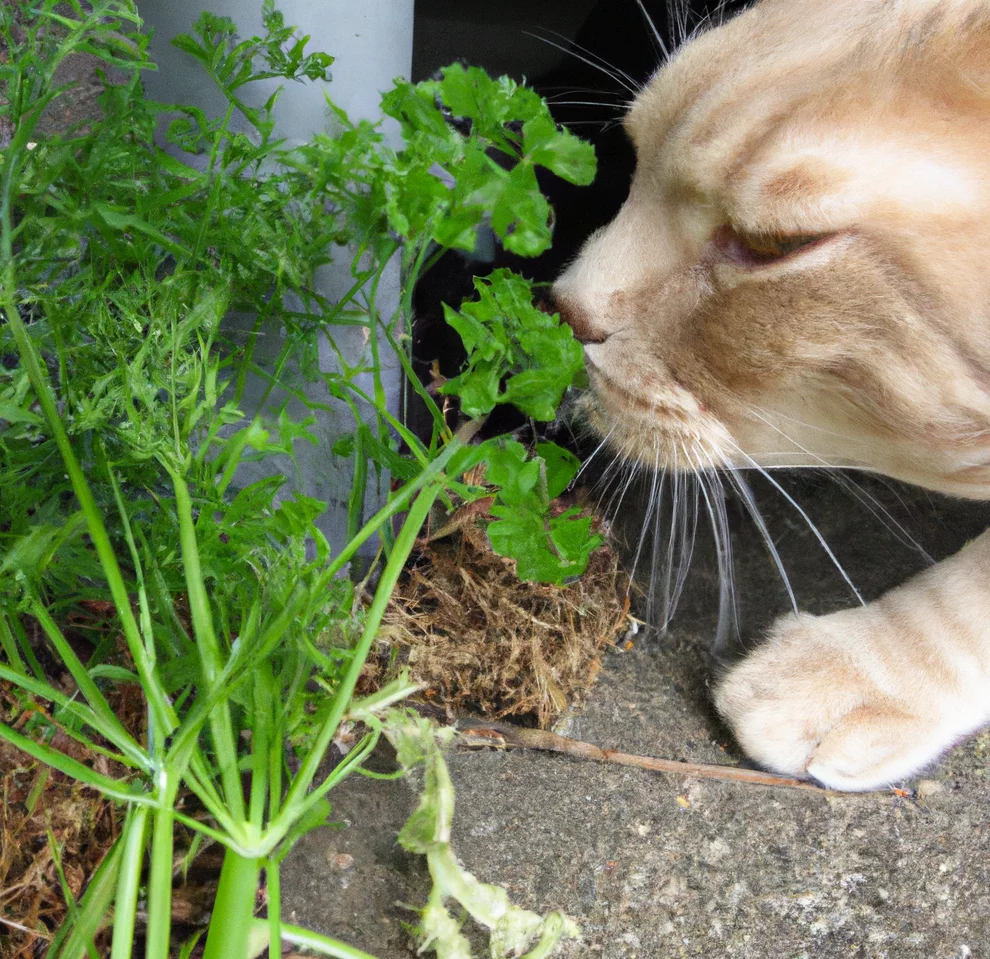
“Is Chervil Toxic For Cats?” from plantsncats.com and used with no modifications.
Symptoms of Plant Ingestion in Pets
If your pet consumes a significant amount of chervil, they may exhibit symptoms such as vomiting or diarrhea. These are common signs that their digestive system is reacting to something unfamiliar or in excessive quantities. Some pets may also show signs of lethargy or a decrease in appetite.
It’s important to observe your pet closely if you suspect they’ve eaten a large quantity of chervil. In most cases, symptoms will be mild and resolve on their own. However, if symptoms persist or worsen, it’s time to take further action.
In rare cases, pets might experience more severe reactions. If you notice any difficulty breathing, excessive drooling, or other unusual behaviors, it’s crucial to seek veterinary assistance immediately. These could be signs of a more serious issue that requires professional intervention.
Steps to Take if Your Pet Consumes Chervil
If you discover that your pet has ingested chervil, there are several steps you can take to ensure their safety and well-being:
- First, remove any remaining chervil from their reach to prevent further consumption.
- Monitor your pet for any signs of distress or unusual behavior.
- Offer your pet plenty of fresh water to help flush out any ingested plant material.
- Keep a close eye on their symptoms. If they persist or worsen, consult a veterinarian.
“If your pet shows any signs of distress after eating chervil, it’s always best to consult with your veterinarian. They can provide the most accurate advice tailored to your pet’s specific needs.”
By following these steps, you can help ensure that your pet remains safe and healthy, even if they’ve had a little too much chervil.
Consulting a Veterinarian: When and Why It’s Necessary
Consulting a veterinarian is essential if your pet exhibits severe symptoms or if you’re unsure about the potential effects of chervil ingestion. A veterinarian can provide expert guidance and, if necessary, conduct tests to rule out any underlying health issues.
Remember, it’s always better to err on the side of caution. If you have any doubts or concerns about your pet’s health, don’t hesitate to reach out to a professional. They are there to help ensure your pet’s safety and well-being. For instance, if you’re curious about pet safety around plants, consulting a vet can provide clarity.
Chervil and Small Pets: Is It Safe for Rabbits?
Chervil is not only safe for rabbits but can also be a beneficial addition to their diet. This herb offers a variety of nutrients that can complement a rabbit’s regular diet of hay, vegetables, and pellets. However, as with any new food, it’s important to introduce chervil gradually.
“Chervil: Chervil Rabbits – Plant Guide” from www.smartgardener.com and used with no modifications.
Assessing Chervil’s Safety for Various Pets
“Rabbits can enjoy chervil in moderation as part of a balanced diet. It’s important to wash the leaves thoroughly to remove any potential pesticides or chemicals.”
For small pets like rabbits, guinea pigs, and hamsters, chervil can be a nutritious treat. However, ensure that it makes up only a small part of their diet. The majority of their nutrition should come from their primary food sources, such as hay and commercial pellets.
When offering chervil to your small pets, make sure it’s fresh and free from any harmful substances. Organic chervil or home-grown plants are ideal to minimize exposure to pesticides.
Always observe your pets after introducing new foods to ensure they don’t have any adverse reactions. If they show any signs of digestive upset, it’s best to discontinue the chervil and consult with a veterinarian.
Proper Serving Guidelines for Herbivores
When serving chervil to herbivores like rabbits, start with a small amount and gradually increase it as long as they tolerate it well. A few sprigs once or twice a week is a good starting point. This allows you to monitor their reaction and ensure they don’t experience any digestive issues.
Alternatives to Chervil for Pet Diets
If you’re looking for other herbs to incorporate into your pet’s diet, consider options like parsley, basil, or cilantro. These herbs are also safe for most pets and can provide a variety of flavors and nutrients. Just like with chervil, introduce these herbs slowly and in moderation to avoid any digestive upset. For more information on pet-safe plants, you can read about Scarborough lily and its safety for pets.
Raw vs. Cooked Chervil: Benefits and Risks
When it comes to feeding chervil to pets, raw is usually the best option. Cooking chervil can cause it to lose some of its nutritional value and delicate flavor. However, if you’re using chervil in your own cooking, it’s perfectly safe to offer a small amount of the cooked herb to your pets.
Nutritional Differences Between Raw and Cooked Chervil
“Raw chervil retains more of its natural vitamins and minerals, making it a more nutritious choice for your pets.”
While both raw and cooked chervil are safe for pets, raw chervil offers more nutritional benefits. Cooking can degrade some of the vitamins and minerals present in the herb, reducing its overall nutritional value.
That said, the differences are not drastic, so if your pet happens to nibble on some cooked chervil from your plate, there’s no need to worry. Just ensure that any cooked chervil is free from added seasonings or oils that could be harmful to pets.
Overall, chervil is a safe and nutritious herb for pets when given in moderation. By understanding the potential risks and taking appropriate precautions, you can ensure that your furry friends enjoy this herb safely.
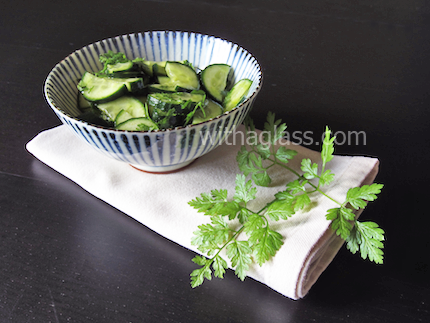
“Cucumber and Chervil Salad – With a Glass” from www.withaglass.com and used with no modifications.
Potential Risks of Overconsumption
While chervil is generally safe for pets, overconsumption can lead to mild digestive issues. This is because any plant material, when eaten in large amounts, can be difficult for pets to digest. Symptoms such as vomiting, diarrhea, or general discomfort might occur if your pet eats too much chervil. For more information on pet safety with plants, check out this guide.
It’s important to keep an eye on your pets and ensure they don’t consume excessive amounts of chervil. If they do, monitoring them for any signs of distress is crucial. Most importantly, consult a veterinarian if symptoms persist or worsen.
Guidelines for Safe Usage in Cooking
When incorporating chervil into your cooking, remember that it should be added towards the end of the cooking process. This helps preserve its delicate flavor and nutritional benefits. If you’re sharing your dish with your pet, ensure that any chervil included is free from added seasonings or oils, as these can be harmful to animals.
- Use fresh chervil for the best flavor and nutrition.
- Add chervil at the end of cooking to maintain its delicate taste.
- Avoid using oils or seasonings if you plan to share with your pet.
By following these guidelines, you can enjoy the unique flavor of chervil in your meals while keeping your pets safe.
Conclusion: Key Points About Chervil’s Safety and Uses
Chervil is a versatile herb with numerous culinary and potential health benefits. When it comes to pets, it’s generally safe when consumed in moderation. Understanding the potential risks and taking appropriate precautions ensures that both you and your pets can enjoy this herb safely.
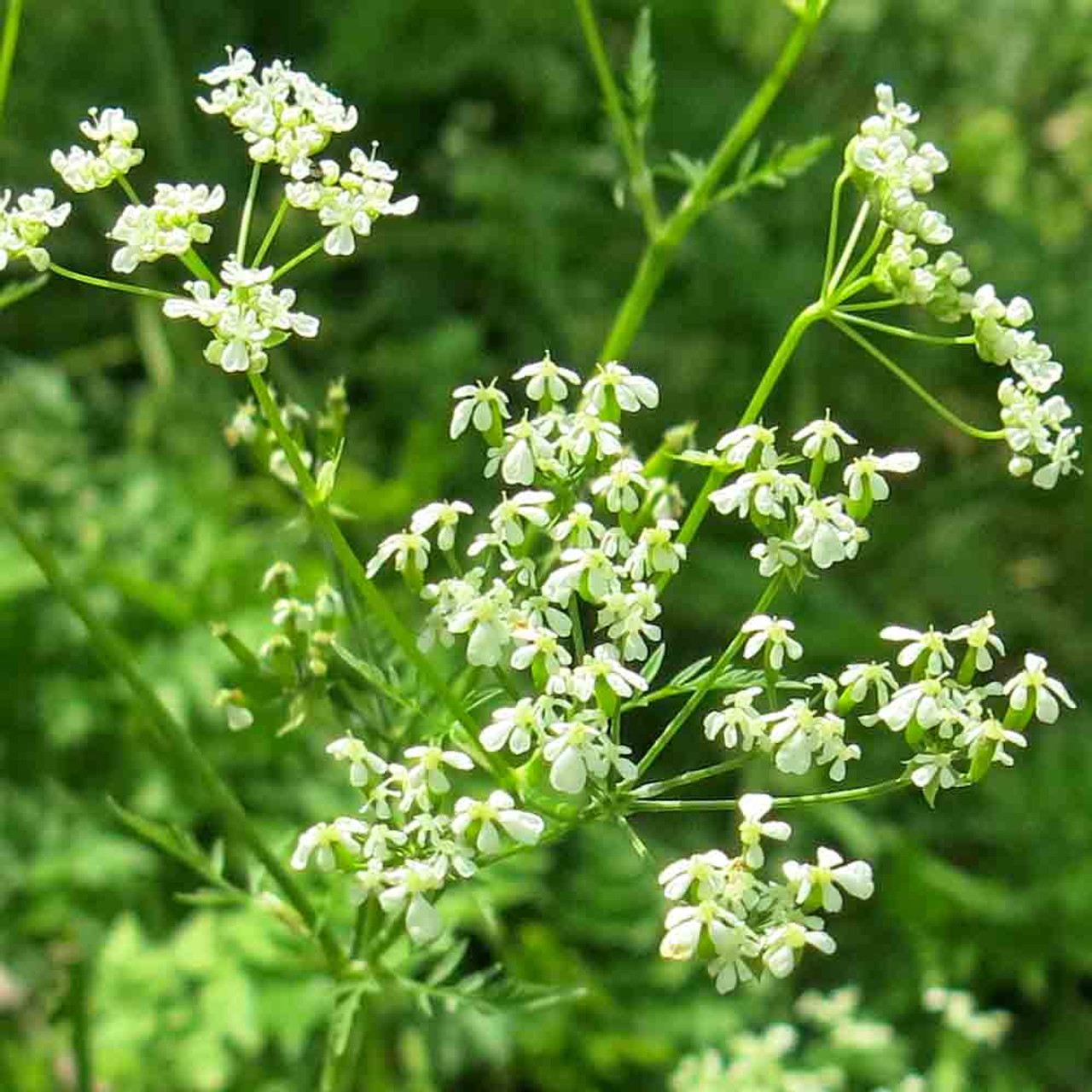
“French Parsley/Curly Chervil Seeds …” from store.underwoodgardens.com and used with no modifications.
Summary of Safety Recommendations for Pet Owners
For pet owners, the key takeaway is moderation. While chervil is non-toxic to pets, overconsumption can lead to mild digestive issues. Always monitor your pets when introducing any new food or herb, and consult a veterinarian if you have any concerns.
Final Thoughts on Incorporating Chervil in Diets
Incorporating chervil into your diet can enhance the flavor of your dishes and provide subtle health benefits. For pets, it’s a safe herb to offer occasionally as a treat. Remember to introduce it gradually and keep an eye on your pets for any adverse reactions.
Frequently Asked Questions
To address some common queries about chervil and its safety for pets, here are a few frequently asked questions: For more information on pet safety with plants, you might find our guide on Scarlet Salvia and pet safety useful.
Can Chervil Be Grown Indoors?
Yes, chervil can be grown indoors, provided it receives adequate light and moisture. It’s a great option for an indoor herb garden, especially if you live in a cooler climate.
What Should I Do If My Pet Eats Chervil?
If your pet eats chervil, monitor them for any signs of distress. In most cases, small amounts won’t cause harm. However, if they consume a large quantity or show unusual symptoms, consult a veterinarian promptly.
Are There Any Known Allergies Associated with Chervil?
Allergies to chervil are rare, but they can occur. If you or your pet show signs of an allergic reaction, such as itching or swelling, discontinue use and seek medical advice. It’s important to be aware of pet safety regarding plants to prevent any adverse reactions.
How Does Chervil Compare to Other Herbs in Flavor?
Chervil has a mild, anise-like flavor, similar to a blend of parsley and tarragon. It’s more delicate than many other herbs, making it a subtle addition to dishes.
What Are the Ideal Conditions for Growing Chervil?
Chervil thrives in cool, moist conditions with partial shade. It prefers well-drained, organic-rich soil and should be planted in early spring or fall for optimal growth.