
Key Takeaways
- Fennel is safe for pets in moderation and can aid digestion and reduce bloating.
- Too much fennel can cause digestive upset in pets, so always monitor the amount given.
- Fennel contains vitamins A and C, which are beneficial for pets’ overall health.
- The ASPCA lists fennel as non-toxic to cats, dogs, and rabbits.
- Always distinguish between edible fennel and dog fennel, as the latter is not meant for consumption.
Fennel and Its Role in Pet Health
Fennel, known for its licorice-like flavor, isn’t just a popular ingredient in human diets. It’s also gaining attention in the pet world. But why is fennel becoming a go-to for pet owners looking to boost their furry friend’s health?
First and foremost, fennel is packed with nutrients that can benefit pets. It contains essential vitamins such as A and C, which support immune health and vision. Moreover, fennel is rich in antioxidants, which help combat free radicals, keeping your pet’s cells healthy and robust.
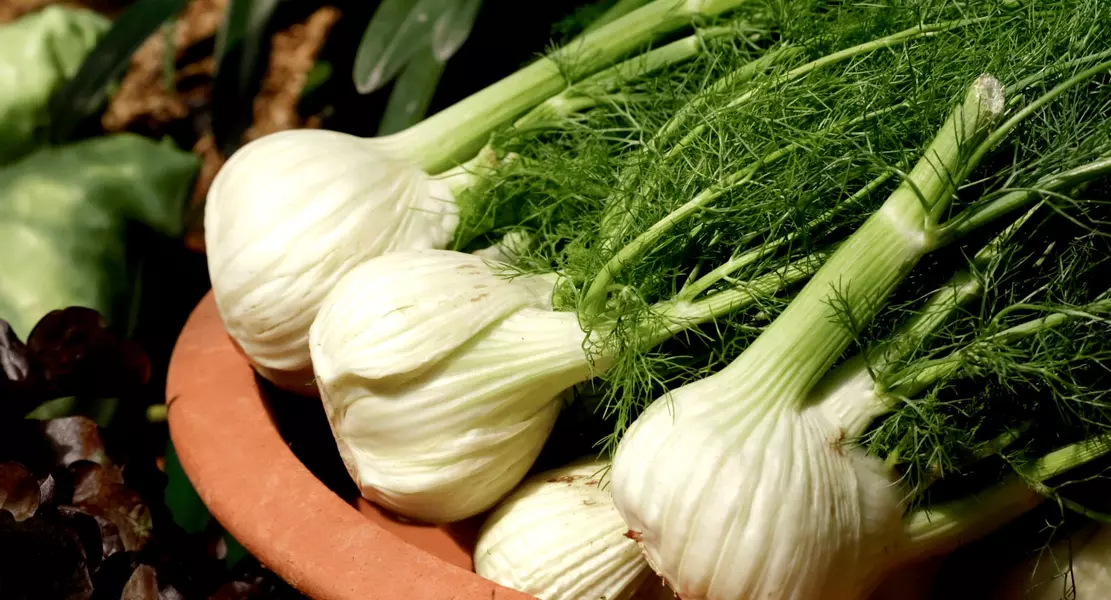
“Can Dogs Eat Fennel?” from butternutbox.com and used with no modifications.
Nutritional Benefits of Fennel for Pets
Fennel is not just a flavorful addition to meals; it’s a nutritional powerhouse. The vitamins and minerals found in fennel can enhance your pet’s health in several ways. Here’s a breakdown of the key nutrients:
- Vitamin A: Supports vision and immune function.
- Vitamin C: Boosts immune health and promotes collagen production.
- Potassium: Essential for proper muscle function and heart health.
- Calcium: Important for bone health and development.
When given in appropriate amounts, fennel can help with digestion, alleviating bloating and gas. It’s a natural remedy that has been used for centuries to aid in digestive health, not just for humans but for our pets too.
Potential Health Risks for Pets
Despite its benefits, fennel should be given with caution. While it’s generally safe, overconsumption can lead to digestive issues such as vomiting or diarrhea in pets. Therefore, moderation is key. Always start with small amounts to see how your pet reacts.
Another point to consider is the form in which fennel is given. Fresh fennel is preferable, as it retains more of its nutritional value. However, avoid giving fennel seeds directly to pets, as they can pose a choking hazard or cause intestinal blockages.
Consumption Impact on Blood Pressure and Hormones
Fennel has been noted for its potential effects on blood pressure and hormones, primarily due to its high potassium content. Potassium can help regulate blood pressure by counteracting the effects of sodium. This is beneficial not only for humans but for pets as well, particularly those with hypertension concerns.
“The vitamins and minerals found in fennel may help prevent certain chronic diseases, like cardiovascular diseases and cancer.” – Health.com
Moreover, fennel contains phytoestrogens, which are plant compounds that mimic estrogen. While this can be beneficial for some, it’s crucial to monitor pets with hormone-sensitive conditions, as these compounds might affect their health.
Fennel Safety According to ASPCA
The American Society for the Prevention of Cruelty to Animals (ASPCA) provides valuable information regarding the safety of various plants for pets. According to the ASPCA, fennel is classified as non-toxic to cats, dogs, and rabbits. This means that, when consumed in moderation, fennel does not pose a significant risk of poisoning or severe health issues for these animals.

“Cute Bunnies Eating Fennel …” from www.youtube.com and used with no modifications.
Non-toxic Status for Cats, Dogs, and Rabbits
For pet owners, knowing that fennel is non-toxic provides some peace of mind. However, it’s essential to remember that “non-toxic” doesn’t equate to “risk-free.” Even non-toxic plants can cause mild digestive upset if consumed in large quantities. Therefore, it’s important to offer fennel in moderation and observe your pet’s response.
Incorporating fennel into your pet’s diet can be beneficial, but as with any new food, introduce it gradually. Start with small amounts and watch for any signs of digestive discomfort or allergic reactions. If your pet shows any adverse symptoms, discontinue use and consult your veterinarian. For more information on pet-safe plants, you can explore ASPCA non-toxic plants.
Fennel and Companion Birds
- Fennel can be a delightful addition to a bird’s diet, offering a variety of nutrients.
- Chop fennel into small, manageable pieces to prevent choking hazards.
- Observe your bird’s reaction to fennel, as individual preferences and tolerances can vary.
Besides that, fennel’s aromatic properties may also stimulate a bird’s interest in food, making it an excellent choice for picky eaters. Birds often enjoy the crunchy texture of fennel bulbs, and the fronds can be a fun and enriching addition to their environment.
When feeding fennel to birds, ensure that it’s thoroughly washed to remove any pesticides or contaminants. Organic fennel is preferable to minimize exposure to harmful chemicals.
Monitoring Consumption and Safe Amounts
Monitoring your pet’s fennel consumption is crucial to prevent any potential health issues. A good rule of thumb is to use fennel as a treat or supplement rather than a primary food source. For dogs and cats, a few small pieces of fresh fennel can be mixed with their regular meals.
For rabbits and other small animals, offer fennel sparingly, as their digestive systems are more sensitive. Always provide fresh water alongside fennel, as it can have a diuretic effect, increasing your pet’s need for hydration. For more information on safe edible plants for pets, visit our guide.
Identifying Different Types of Fennel
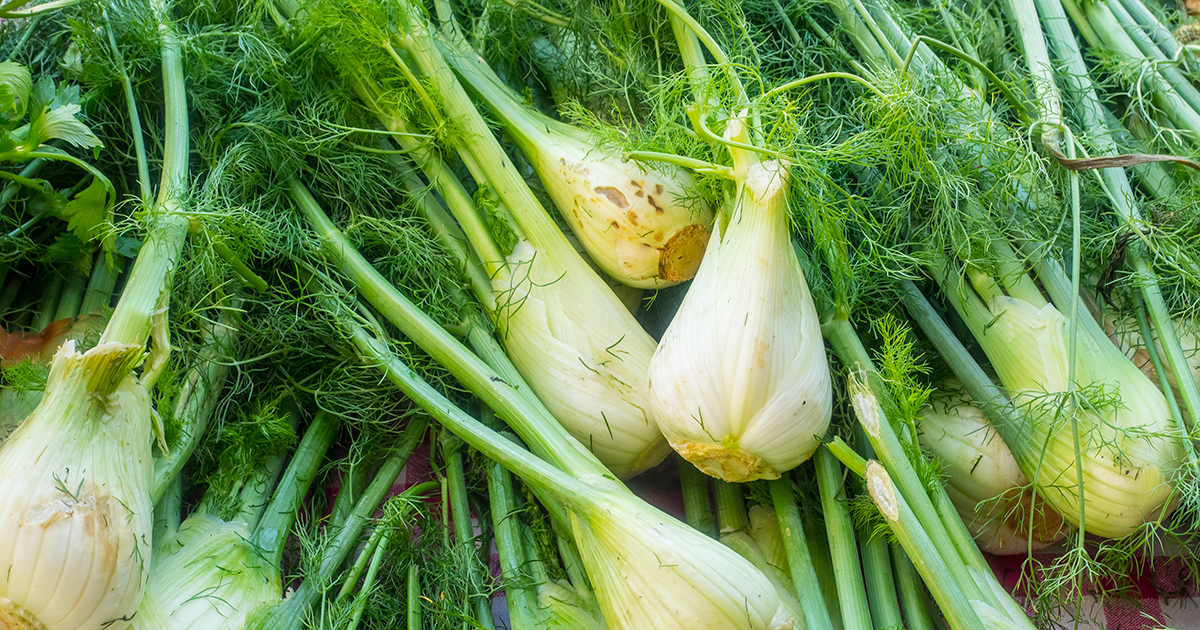
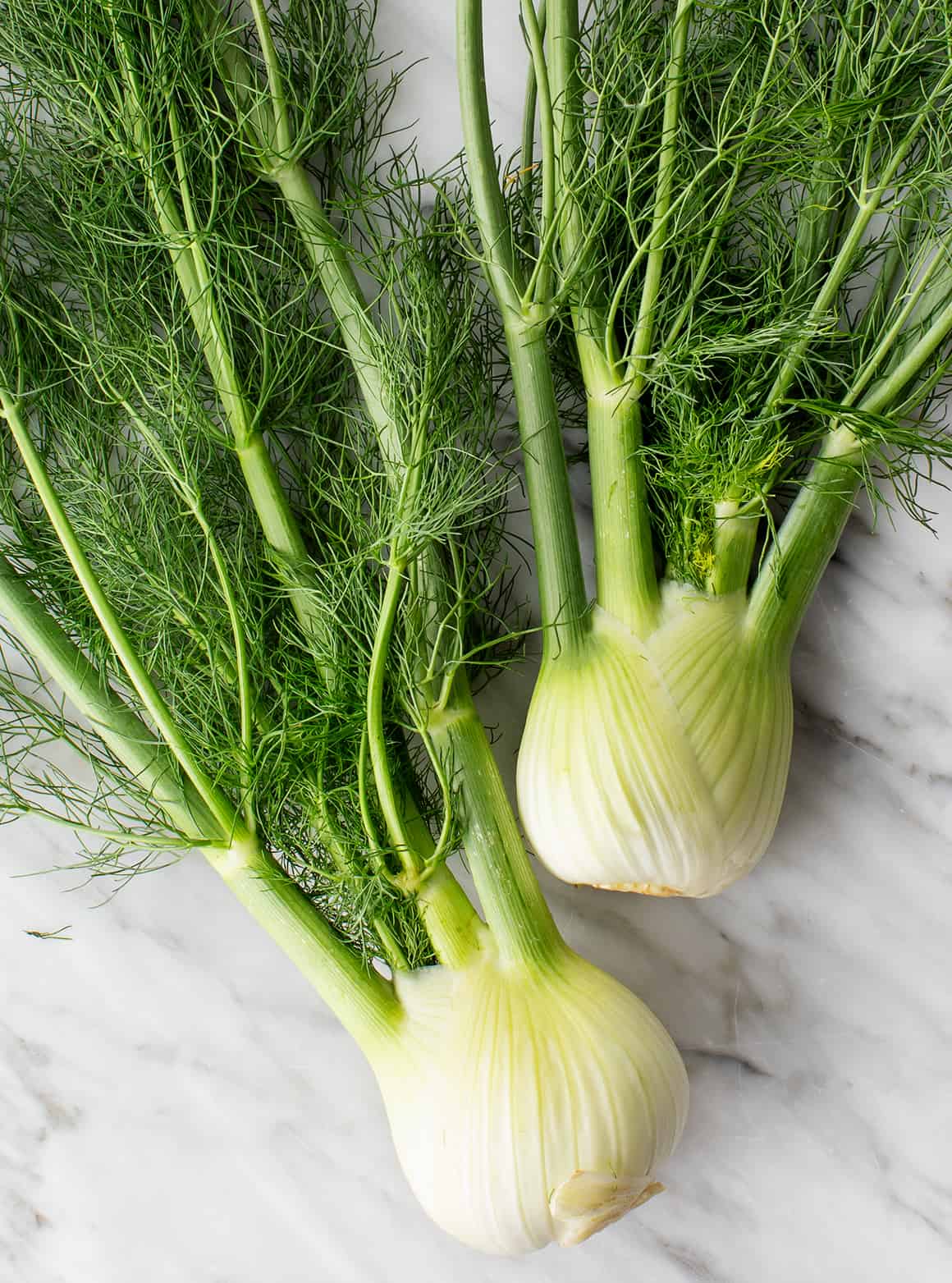
Not all fennel is created equal, and it’s important to distinguish between edible fennel and its lookalikes. Edible fennel, or Florence fennel, is the variety typically used in cooking and is safe for both humans and pets. It features a bulbous base and feathery fronds, with a mild anise flavor.
Characteristics of Edible Fennel
- Bulbous base with a sweet, anise-like flavor.
- Feathery, green fronds resembling dill.
- Commonly used in culinary dishes for its aromatic properties.
Edible fennel is versatile and can be used in various ways, from salads to soups. When selecting fennel for your pets, ensure it’s fresh, with no signs of wilting or browning.
Besides the bulb, fennel seeds are also edible, but they should be used with caution in pets. Always remove seeds before serving fennel to avoid potential choking hazards.
Most importantly, if you’re foraging or sourcing fennel from a garden, make sure it’s the correct variety. Mistaking it for dog fennel or other similar plants could be harmful.
“What is Fennel? (And How to Cook It …” from www.loveandlemons.com and used with no modifications.
Understanding Dog Fennel and Its Differences
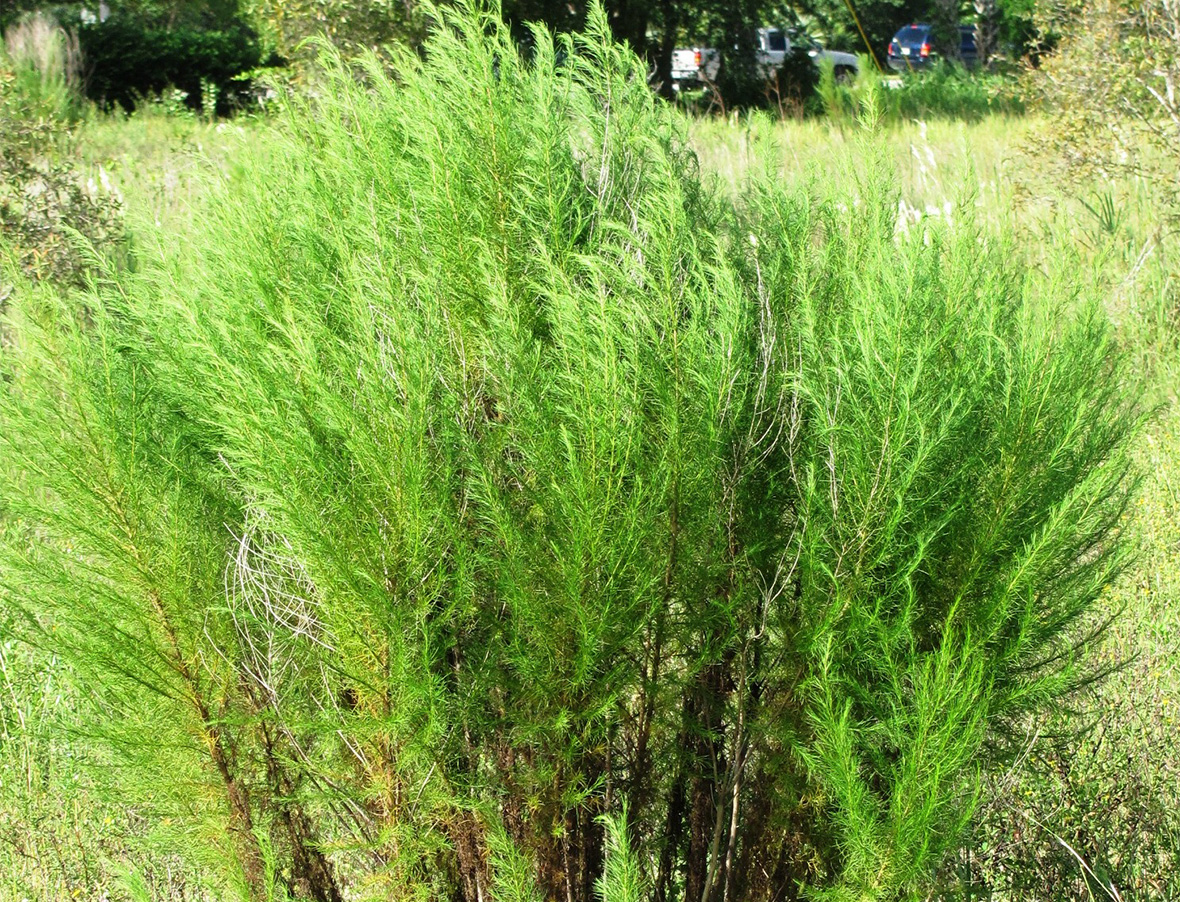
Dog fennel, also known as Eupatorium capillifolium, is a different species and not intended for consumption. Unlike edible fennel, dog fennel belongs to the daisy family and can be toxic if ingested in large quantities.
This plant is characterized by its fern-like leaves and lack of a bulbous base. It often grows wild and is considered a weed in many areas. If you come across dog fennel, it’s best to avoid it and ensure your pets do the same.
“Dog Fennel – WeedAlert” from www.weedalert.com and used with no modifications.
Final Thoughts on Fennel for Pets
In conclusion, fennel can be a healthy and flavorful addition to your pet’s diet when used correctly. Its nutritional benefits, coupled with its non-toxic status, make it a suitable treat for many pets. However, as with any dietary change, moderation and observation are key.
Always consult your veterinarian if you have any concerns about introducing new foods to your pet’s diet. By balancing the benefits and potential risks, you can safely incorporate fennel into your pet care routine.
Balancing Benefits and Risks
When it comes to feeding fennel to your pets, the benefits can be substantial, but it’s crucial to balance these with potential risks. Fennel is a fantastic source of vitamins and minerals that can enhance your pet’s health, aiding in digestion and providing antioxidants. However, too much fennel can lead to digestive upset, and not all parts of the fennel plant are safe for pets to consume.
To mitigate risks, always start with small amounts of fennel and monitor your pet for any adverse reactions. Avoid fennel seeds due to the choking hazard they pose, and ensure you are using the right type of fennel—edible fennel, not dog fennel. By doing so, you can provide your pet with the benefits of fennel without compromising their health.
Frequently Asked Questions
Let’s address some common questions pet owners have about feeding fennel to their furry companions. These insights will help you make informed decisions about incorporating fennel into your pet’s diet.
Can fennel improve my pet’s digestion?
Yes, fennel can aid in improving your pet’s digestion. It is known for its ability to reduce bloating and gas, making it an excellent natural remedy for digestive issues. Fennel contains fiber and essential oils that help in maintaining a healthy digestive system, which can be beneficial for pets with sensitive stomachs. For more information on the health benefits of fennel, you can visit WebMD.
Is fennel safe for kittens and puppies?
Fennel is generally safe for kittens and puppies when given in small, controlled amounts. Their digestive systems are more sensitive than adult pets, so it’s important to introduce fennel gradually and observe how they react. If you notice any signs of digestive upset, discontinue use and consult your veterinarian.
How much fennel is safe for my dog?
The amount of fennel that is safe for your dog depends on their size and individual health needs. A small dog might only need a teaspoon of chopped fennel mixed into their food, while a larger dog might tolerate a tablespoon. Always start with a small amount and gradually increase if there are no adverse reactions.
It’s also important to consider the form of fennel. Fresh fennel is preferable, and you should avoid feeding fennel seeds directly due to the risk of choking or intestinal blockage.
- Start with small amounts to gauge your dog’s reaction.
- Mix fennel into regular meals rather than feeding it alone.
- Consult your veterinarian if you’re unsure about the appropriate amount.
What parts of fennel are most beneficial?
The bulb and fronds of the fennel plant are the most beneficial parts for pets. They are rich in nutrients and have a pleasant flavor that most pets enjoy. These parts can be chopped and added to your pet’s meals as a supplement.
Avoid giving fennel seeds to pets, as they can be difficult to digest and pose a choking risk. Additionally, always ensure that the fennel you provide is fresh and free from any pesticides or harmful chemicals.
How can I tell edible fennel from dog fennel?
Identifying the right type of fennel is crucial to ensuring your pet’s safety. Edible fennel, or Florence fennel, has a bulbous base and feathery fronds, with a sweet, anise-like flavor. It is commonly used in culinary dishes and is safe for both humans and pets.
In contrast, dog fennel lacks the bulbous base and has fern-like leaves. It belongs to the daisy family and is considered a weed. Consuming dog fennel can be harmful, so it’s important to avoid it entirely.
If you’re uncertain about the type of fennel you have, consult a plant expert or use reliable resources to verify its identity. This ensures that you’re providing your pet with a safe and nutritious treat. For example, you can explore ASPCA’s non-toxic plant guides to help identify safe plants for your pets.