
Key Takeaways
-
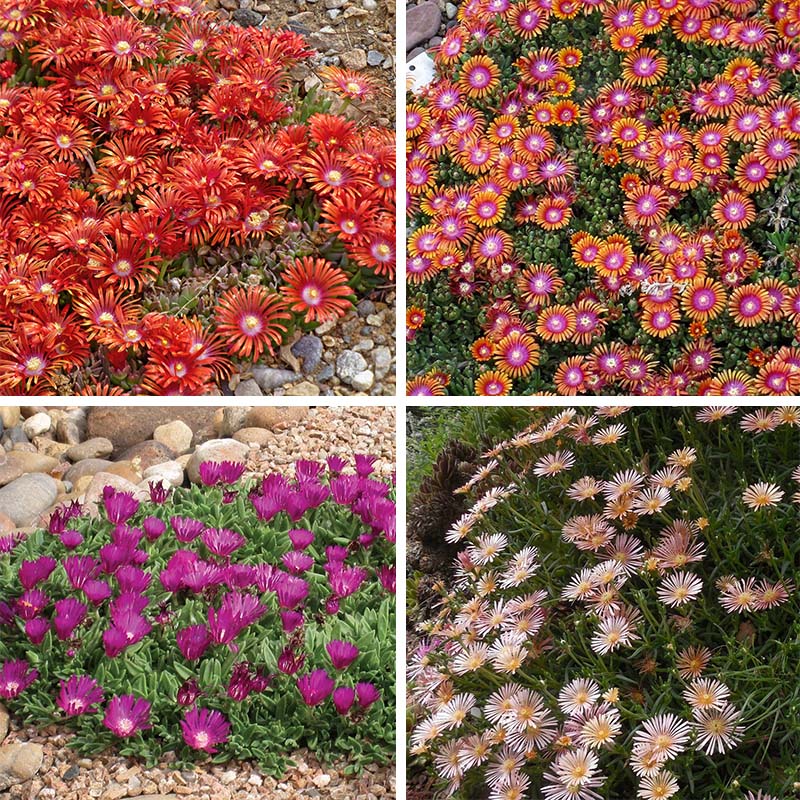
Delosperma echinatum, also known as Ice Plant, is generally safe for cats and dogs.
-
Although not toxic, excessive consumption can lead to mild stomach upset in pets.
-
Ice plants are non-toxic to other animals, including rabbits and wildlife like deer and squirrels.
-
It’s essential to monitor pets for symptoms like vomiting and diarrhea if they ingest any plant material.
-
Using barriers and training can help prevent pets from over-consuming Ice Plants.
Is Delosperma Echinatum Toxic to Cats & Dogs
As a pet owner, one of your primary concerns is ensuring that your home and garden are safe environments for your furry friends. Delosperma echinatum, commonly known as Ice Plant, often sparks curiosity due to its unique appearance and succulent nature. But is it safe for your pets?
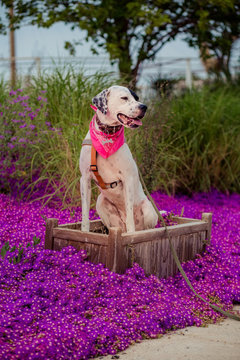
“English pointer mix phenotype white dog …” from stock.adobe.com and used with no modifications.
Overview of Delosperma Echinatum
Delosperma echinatum is a type of succulent known for its vibrant, daisy-like flowers and fleshy, water-storing leaves. Native to South Africa, this plant thrives in sunny, well-drained areas and is often used in rock gardens and as ground cover.
Unlike some other plants that contain harmful chemicals or toxins, Ice Plants are generally considered safe. They are not known to contain any toxic compounds that would pose a significant risk to pets or humans.
Safe Consumption for Cats
Cats are known for their curious nature, often nibbling on plants. Fortunately, Delosperma echinatum is non-toxic to cats. Even if your feline friend decides to take a bite, you can rest assured that it won’t cause any severe health issues.
However, it’s always a good idea to monitor your cat’s behavior after they consume any plant material. While the Ice Plant itself is safe, ingesting large amounts of any plant can lead to minor gastrointestinal upset.
Are Ice Plants Harmful to Pets?
Most importantly, understanding whether Ice Plants are harmful to pets can help you make informed decisions about your garden and indoor plant choices.
Ice Plant Safety for Cats
Besides their non-toxic nature, Ice Plants generally do not attract cats. The texture and taste of the plant are usually unappealing to felines, reducing the likelihood of them consuming large amounts.
If you notice your cat showing interest in your Ice Plants, consider providing them with alternative, safe plants like cat grass to satisfy their curiosity.
Ice Plant Safety for Dogs
Similarly, Ice Plants are safe for dogs. These plants do not contain harmful substances that would endanger your canine companion. However, like with cats, it’s crucial to monitor your dog if they consume any plant material.
Excessive ingestion can lead to minor stomach issues, so keeping an eye on your dog and ensuring they don’t overindulge is always a good practice.
Symptoms to Watch For
While Delosperma echinatum is not toxic, consuming any plant in large quantities can cause mild symptoms in pets. Here are some signs to look out for:
Vomiting
Vomiting is a common reaction when pets consume something that doesn’t agree with their stomachs. If your pet vomits after eating an Ice Plant, monitor them closely and provide plenty of water.
Diarrhea
Diarrhea can also occur if a pet eats too much plant material. Ensure your pet stays hydrated and consult your veterinarian if symptoms persist.
Excessive Drooling
Excessive drooling can be a sign of irritation or discomfort. If you notice this symptom, observe your pet for any additional signs of distress.
Handling minor pet reactions to Ice Plants involves knowing the immediate steps to take and when to seek professional help. While Delosperma echinatum is not toxic, any unusual behavior in your pet should be addressed promptly.
Handling Minor Pet Reactions
If your pet shows mild symptoms after ingesting an Ice Plant, there are a few steps you can take to ensure their comfort and safety.
Immediate Steps
First, remove any remaining plant material from your pet’s vicinity to prevent further ingestion. Next, provide your pet with fresh water to help flush any potential irritants from their system.
-
Monitor your pet closely for any changes in behavior or worsening symptoms.
-
Offer a bland diet, such as boiled chicken and rice, to soothe their stomach.
-
Keep your pet calm and comfortable, avoiding any strenuous activities.
When to Consult a Vet
If your pet’s symptoms persist or worsen, it’s essential to consult your veterinarian. Signs that require immediate veterinary attention include:
-
Continuous vomiting or diarrhea lasting more than 24 hours.
-
Signs of severe discomfort or pain, such as whining or restlessness.
-
Inability to keep water or food down.
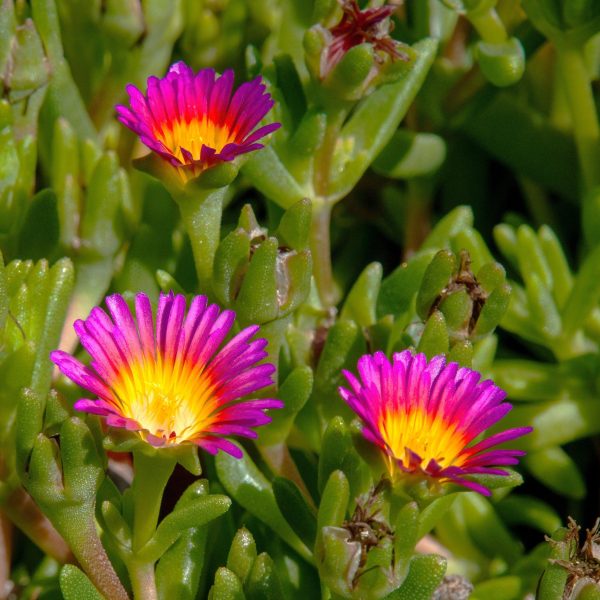
“Orange Glow Ice Plant Discount” from www.territorialseaed.shop and used with no modifications.
Ice Plants and Other Animals
Besides cats and dogs, other animals might come into contact with Ice Plants. Understanding the impact on various animals can help you create a safer environment for all your pets and local wildlife.
Safety for Rabbits
Rabbits, like many other small animals, are curious and may nibble on plants. Fortunately, Ice Plants are non-toxic to rabbits. However, as with any plant, moderation is key. Overconsumption can lead to digestive upset, so it’s best to limit their access to these plants.
Impact on Wildlife
Wildlife such as deer and squirrels may also encounter Ice Plants in your garden. While these plants are generally safe, it’s useful to understand their specific impact on different species. For more information on pet-safe plants, check out Angelonia, which is not toxic to dogs and cats.
Deer
Deer typically avoid Ice Plants due to their thick, succulent leaves. This makes Delosperma echinatum a good choice for gardens in areas with high deer populations. However, in times of scarcity, deer might still nibble on these plants without any harmful effects.
Squirrels
Squirrels are less likely to be interested in Ice Plants, but if they do decide to sample them, there’s no need to worry. The plants are safe for these small mammals, and they usually don’t consume enough to cause any issues.
Preventing Overconsumption by Pets
To ensure your pets don’t overconsume Ice Plants, there are several strategies you can employ. These methods can help maintain a balance between having a beautiful garden and keeping your pets safe. For more information on pet-safe gardening, check out these favorite plants for a rabbit garden.
Using Barriers
Physical barriers, such as fences, garden netting or container placement, can effectively keep pets away from Ice Plants. These barriers not only protect the plants but also prevent pets from ingesting too much plant material.
Training Pets
Training your pets to avoid certain areas or plants can be highly effective. Use positive reinforcement techniques to teach them which parts of the garden are off-limits, and consider planting pet-safe evergreen shrubs that can withstand dog activity.
-
Use commands like “leave it” to discourage pets from approaching Ice Plants.
-
Reward your pet with treats and praise when they avoid the restricted areas.
-
Consistency is key; make sure all family members enforce the same rules.
Handling minor pet reactions to Ice Plants involves knowing the immediate steps to take and when to seek professional help. While Delosperma echinatum is not toxic, any unusual behavior in your pet should be addressed promptly.
Handling Minor Pet Reactions
If your pet shows mild symptoms after ingesting an Ice Plant, there are a few steps you can take to ensure their comfort and safety. For instance, you can explore favorite plants for a rabbit garden that are safe and non-toxic.
Immediate Steps
First, remove any remaining plant material from your pet’s vicinity to prevent further ingestion. Next, provide your pet with fresh water to help flush any potential irritants from their system. For more information on non-toxic plants, check out this article on Texas sage.
-
Monitor your pet closely for any changes in behavior or worsening symptoms.
-
Offer a bland diet, such as boiled chicken and rice, to soothe their stomach.
-
Keep your pet calm and comfortable, avoiding any strenuous activities.
When to Consult a Vet
If your pet’s symptoms persist or worsen, it’s essential to consult your veterinarian. Signs that require immediate veterinary attention include:
-
Continuous vomiting or diarrhea lasting more than 24 hours.
-
Signs of severe discomfort or pain, such as whining or restlessness.
-
Inability to keep water or food down.
Expert Recommendations
When it comes to ensuring the safety of your pets around Delosperma echinatum, following expert recommendations can make a significant difference.
-
Always supervise pets when they are in the garden, especially if they are prone to chewing on plants.
-
Regularly inspect your garden for any signs of overconsumption or damage to plants.
-
Consult your veterinarian if you have any concerns about your pet’s health or behavior related to plant ingestion.
Best Practices for Pet Owners
As a pet owner, it’s essential to create a safe and stimulating environment for your pets. Here are some best practices to follow:
-
Provide a variety of toys and activities to keep your pets engaged and prevent boredom.
-
Ensure your garden is free from toxic plants and substances that could harm your pets.
-
Maintain regular veterinary check-ups to monitor your pet’s health and address any concerns promptly.
Tips for Gardeners
If you’re a gardener, incorporating pet-safe plants like Delosperma echinatum can enhance the beauty of your garden while ensuring it remains a safe space for your pets.
-
Choose non-toxic plants that are safe for both pets and wildlife.
-
Implement barriers or fencing to protect delicate plants from curious pets.
-
Consider creating designated pet-friendly areas within your garden to keep pets entertained and away from your plants.
Frequently Asked Questions
Addressing common questions can help pet owners feel more confident about their plant choices and pet safety. For example, favorite plants for a rabbit garden can be a great addition to a pet-friendly space.
Is Delosperma Echinatum toxic to cats?
No, Delosperma echinatum is not toxic to cats. While it’s safe for them to nibble on, it’s still a good idea to monitor their consumption to prevent any minor stomach upset.
What should I do if my dog eats an ice plant?
If your dog eats an Ice Plant, monitor them for any signs of gastrointestinal upset, such as vomiting or diarrhea. Provide plenty of water and a bland diet if needed. If symptoms persist or worsen, consult your veterinarian.
Can rabbits eat ice plants?
Yes, rabbits can eat Ice Plants. However, moderation is key to prevent digestive upset. Ensure they have a balanced diet and limit their access to the plants to avoid overconsumption.
By understanding the safety of Delosperma echinatum for pets and following best practices, you can create a harmonious environment where both your plants and pets can thrive. Always stay vigilant and consult with professionals when in doubt to ensure the well-being of your furry friends. For more information, you can read about whether ice plant is poisonous.