
Key Takeaways
- Pink Starlite (Cryptanthus bivittatus ‘Pink Starlite’) is a compact, star-shaped houseplant with striking pink and green foliage that’s completely non-toxic to pets.
- This slow-growing plant reaches only 4-6 inches tall with a spread of 6-12 inches, making it perfect for small spaces and terrariums.
- For vibrant pink coloration, place your Pink Starlite within 1 foot of a sunny window, as insufficient light causes color fading.
- Water your Pink Starlite approximately every 12 days (about 0.8 cups for a 5-inch pot), allowing the soil to dry between waterings.
- With proper care including bright light, appropriate watering, and moderate humidity, Pink Starlite can thrive for years as a beautiful, pet-safe addition to your home.
Looking for a pet-safe houseplant that delivers both stunning color and easy care? The Pink Starlite plant might be exactly what you need. This compact beauty offers vibrant pink-striped foliage while keeping your furry friends completely safe. Greg, the plant care app, recommends Pink Starlite as an excellent choice for pet owners who don’t want to compromise on style or safety in their indoor garden.
The allure of this distinctive plant goes beyond just its striking appearance. Unlike many decorative houseplants that pose toxicity risks to curious pets, Pink Starlite offers peace of mind without sacrificing visual impact. Its star-shaped rosette of leaves creates a natural focal point in any arrangement, while its manageable size makes it suitable for everything from tabletop displays to terrarium gardens.
Article-at-a-Glance
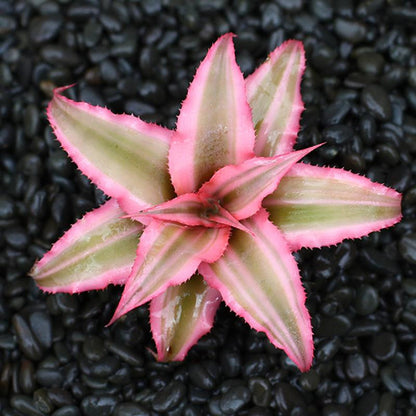
Pink Starlite (Cryptanthus bivittatus ‘Pink Starlite’) is a compact, rosette-forming bromeliad known for its striking star-shaped arrangement of leaves. The plant features distinctive pale green to olive-green centers with vibrant pink stripes along the edges, creating a dramatic visual effect. Its wavy, serrated leaf edges add further texture and interest to this already eye-catching houseplant.
As a member of the Bromeliaceae family, Pink Starlite offers the architectural interest of its relatives but in a more manageable size, typically reaching only 4-6 inches in height. This makes it ideal for tabletops, shelves, and small spaces where larger plants might overwhelm. While slow-growing, its spectacular foliage provides immediate visual impact, making it a popular choice among both novice and experienced indoor gardeners.
Perhaps most importantly for pet owners, Pink Starlite is classified as non-toxic to cats, dogs, and horses by the ASPCA. This safety feature, combined with its distinctive appearance and relatively straightforward care requirements, makes it an excellent choice for households with curious four-legged family members. The plant’s unique characteristics and pet-friendly nature have contributed to its growing popularity in recent years.
Stunning Pink Starlite: The Pet-Safe Star-Shaped Houseplant
Pink Starlite captivates with its perfect symmetrical rosette of leaves that form a star-like pattern when viewed from above. This architectural quality gives the plant its common nickname “Earth Star” and makes it a natural focal point in any plant collection. The dramatic contrast between the green centers and vibrant pink margins creates a visual pop that few other pet-safe houseplants can match. Unlike many showy plants that require constant attention, Pink Starlite combines head-turning looks with relatively straightforward care needs. For more detailed plant care information, visit Greg.
Alternative Names You Should Know
The Pink Starlite plant goes by several names in the houseplant world, which can sometimes cause confusion when shopping. Scientifically known as Cryptanthus bivittatus ‘Pink Starlite’ (sometimes spelled ‘Starlight’), it belongs to the bromeliad family. Common alternative names include Earth Star, Starfish Plant, and Green Earth Star, all referencing its distinctive star-shaped growth pattern. When searching for this plant, you might also find it listed under the broader Cryptanthus category, which includes several related varieties with similar care requirements but different coloration patterns.
Understanding these naming variations helps ensure you’re getting the specific plant you want, as the Pink Starlite variety is particularly valued for its vibrant pink stripes. The ‘bivittatus’ in its scientific name refers to the two bands or stripes that characterize its leaves, a key identifying feature that distinguishes it from other Cryptanthus varieties.
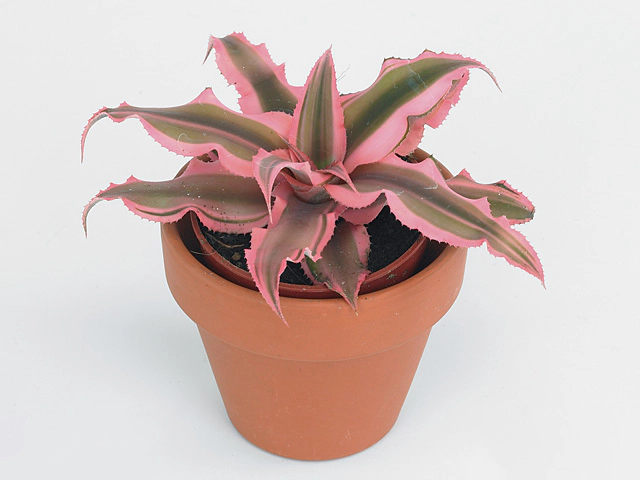
“Cryptanthus bivittatus ‘Pink Starlight'” from club.global.flowers and used with no modifications.
Identifying Features That Make Pink Starlite Unique
Pink Starlite stands out with its distinctive star-shaped rosette of leaves featuring wavy, serrated edges that add wonderful texture. The most defining characteristic is its color pattern – pale green to olive-green centers with vibrant pink stripes running along each side of the leaves. This striking color contrast is what gives the plant its ornamental value and makes it instantly recognizable. The intensity of the pink coloration directly correlates with light exposure, becoming more pronounced in brighter conditions.
Unlike some bromeliads that grow quite large, Pink Starlite maintains a compact form, rarely exceeding 6 inches in height. Its leaves grow in a flattened rosette pattern that spreads outward rather than upward, creating a star or pinwheel effect when viewed from above. The plant occasionally produces small, insignificant white flowers at its center, though it’s primarily grown for its colorful foliage rather than its blooms. These identifying features make Pink Starlite a distinctive addition to any houseplant collection and particularly valuable for smaller spaces where its architectural qualities can be fully appreciated.
Pink Starlite Size and Specifications: What to Expect
Pink Starlite remains refreshingly compact throughout its life cycle, making it ideal for those with limited space. As a slow-growing plant, it requires minimal intervention to maintain its neat appearance and won’t quickly outgrow its designated spot. This manageable size, combined with its striking appearance, makes Pink Starlite particularly well-suited for featured positions in plant displays where its star-shaped form can be fully appreciated. Its compact nature also makes it an excellent candidate for terrariums, dish gardens, and mixed plantings where space efficiency matters. For more information on this unique plant, visit Monstera’s guide on Pink Starlite.
Beyond its convenient size, Pink Starlite offers remarkable visual impact relative to the space it occupies. Few plants deliver such distinctive coloration and form in such a small package. This efficiency of beauty makes it a smart choice for gardeners looking to maximize visual interest without dedicating extensive space to a single specimen. The plant’s slow growth rate also means you’ll enjoy a consistent appearance for extended periods without frequent maintenance or repotting.
Growth Patterns and Mature Size
Pink Starlite maintains a modest size throughout its lifecycle, typically reaching only 4-6 inches (10-15 cm) in height with a spread of 6-12 inches (15-30 cm) at maturity. This compact growth habit makes it perfect for small spaces, shelves, and tabletops where larger plants might overwhelm the area. Unlike many houseplants that require frequent pruning to maintain their shape, Pink Starlite naturally retains its attractive star-shaped rosette form as it grows.
The plant’s growth rate is relatively slow compared to other houseplants, which can be advantageous for those who don’t want to deal with frequent repotting or pruning. New leaves emerge from the center of the rosette, gradually pushing older leaves outward and maintaining the plant’s symmetrical appearance. Over time, mature plants may produce offsets (often called “pups”) around their base, which can be separated and potted to create new plants once they reach about one-third the size of the parent plant.
Light Requirements for Vibrant Color
The secret to maintaining Pink Starlite’s striking coloration lies in providing adequate light. For the most vibrant pink stripes, place your plant within 1 foot of a south-facing window where it can receive bright, indirect sunlight for most of the day. The pink pigmentation in the leaves is directly influenced by light exposure – insufficient light will cause the distinctive pink stripes to fade to a pale, washed-out appearance. However, too much direct sunlight, especially during hot summer afternoons, can scorch the leaves and damage the plant.
East or west-facing windows generally provide an ideal balance of light intensity and duration. If natural light is limited in your home, consider supplementing with grow lights positioned 12-18 inches above the plant for 10-12 hours daily. The light’s color spectrum matters too – full-spectrum LED grow lights that include both red and blue wavelengths will best support the plant’s color development and overall health. Remember that Pink Starlite does not tolerate low-light conditions, so avoid placing it in dark corners or rooms with minimal windows.
Ideal Temperature and Humidity Conditions
Pink Starlite thrives in typical indoor temperatures between 65-80°F (18-27°C), making it well-suited to most home environments. The plant can tolerate brief exposure to temperatures as low as 55°F (13°C), but prolonged cold will damage its tropical foliage. Avoid placing your Pink Starlite near drafty windows, air conditioning vents, or heating sources that create temperature fluctuations, as these can stress the plant and lead to leaf damage.
As a bromeliad relative with tropical origins, Pink Starlite appreciates moderate to high humidity levels of 40-60%. Average household humidity is often sufficient, but during dry winter months or in arid climates, consider increasing moisture around the plant. This can be accomplished by placing it on a humidity tray (a shallow dish filled with pebbles and water), grouping it with other plants, or using a small room humidifier. Unlike some humidity-loving plants, Pink Starlite doesn’t require misting, which can actually encourage fungal issues if water collects in the leaf crevices.
Why Pink Starlite Is Perfect for Pet Owners
For pet owners, finding attractive houseplants that won’t harm curious cats and dogs can be challenging. Pink Starlite offers a perfect solution by combining striking aesthetics with complete pet safety. According to the ASPCA, Cryptanthus bivittatus ‘Pink Starlite’ is non-toxic to cats, dogs, and horses, making it an ideal choice for multi-pet households. This peace of mind allows plant enthusiasts to display their Pink Starlite anywhere in the home without worrying about potential emergency vet visits if a pet decides to take an exploratory nibble.
Beyond its non-toxic nature, Pink Starlite’s compact size and growth habit make it easy to position in pet-safe locations. Its relatively slow growth means it won’t quickly spread into areas where pets frequent, and its manageable dimensions allow placement on elevated surfaces like shelves or plant stands that provide additional separation from curious animals. For pet owners who have previously limited their houseplant collections due to safety concerns, Pink Starlite opens up new decorative possibilities without compromising on pet wellbeing.
Non-Toxic Properties for Cats and Dogs
Pink Starlite has been officially classified as non-toxic to dogs, cats, and horses by the ASPCA, making it one of the safest decorative houseplants for pet owners. Unlike many popular houseplants that contain calcium oxalate crystals or other harmful compounds, Pink Starlite contains no substances that cause serious reactions if ingested. This means that even if your curious pet takes an exploratory nibble, they won’t experience the painful mouth irritation, drooling, or more serious symptoms associated with toxic plants.
While the plant is non-toxic, it’s worth noting that any plant material consumed in large quantities may cause mild digestive upset in sensitive animals. The fibrous nature of the leaves isn’t easily digestible, potentially leading to temporary stomach discomfort if a pet consumes significant amounts. However, these mild effects are a far cry from the serious medical emergencies that can result from pets ingesting truly toxic houseplants, giving Pink Starlite a significant advantage for households with inquisitive four-legged family members. For more information on pet-safe plants, consider checking out this Artillery Plant care guide.

“Cryptanthus bivittatus Pink Starlite …” from himadrigardens.com and used with no modifications.
Natural Resistance Features That Deter Pets
Beyond being non-toxic, Pink Starlite possesses several natural characteristics that typically discourage pets from making it a chew toy. The leaves have slightly serrated edges and a firm texture that most cats and dogs find unappealing compared to softer, more tender foliage. This natural deterrent means that even the most curious pets often lose interest after an initial investigation, leaving your plant intact and unmolested.
The compact growth habit and relatively stiff leaves also make Pink Starlite less enticing as a play object compared to plants with dangling vines or fluttering foliage that trigger predatory instincts. For additional protection, placing the plant on elevated surfaces or surrounding it with pet-safe deterrents like citrus peels (which most cats dislike) can further discourage interaction. Unlike plants that actively attract pets with movement or fragrance, Pink Starlite’s stable, unscented nature typically allows it to fade into the background of your pet’s awareness after initial introduction.
Simple Care Steps for Pink Starlite Success
Achieving long-term success with Pink Starlite requires understanding a few fundamental care principles that honor its natural habitat and growth patterns. While this plant is relatively forgiving compared to many houseplants, providing the right conditions from the start will ensure it thrives rather than merely survives. The good news is that once you establish a proper care routine, Pink Starlite requires minimal maintenance to maintain its striking appearance and healthy growth. By following these five core care steps, you’ll create an environment where your Pink Starlite can flourish for years to come.
Complete Reset Technique
When your Pink Starlite shows severe decline despite trying other revival methods, a complete reset may be necessary. Begin by carefully removing the plant from its current pot and gently shake off as much of the old soil as possible without damaging the delicate root system. Examine the roots closely, using sterilized scissors to trim away any sections that appear black, mushy, or obviously dead. After pruning damaged roots, allow the plant to air dry for 24 hours to help heal any cuts and reduce the risk of fungal infection.
Next, prepare a fresh pot with new, well-draining soil mix specifically formulated for bromeliads or succulents. Repot the plant, being careful not to bury the crown (the central point where leaves emerge), as this can lead to rot. Water sparingly at first, allowing the plant to establish in its new environment before resuming a normal care routine. Place the rejuvenated plant in optimal light conditions—bright but indirect sunlight—and maintain consistent humidity around 50-60%. This comprehensive reset often triggers new growth within 4-6 weeks and can completely transform a previously struggling Pink Starlite.
Decorating With Pink Starlite: Placement Ideas
The compact size and striking appearance of Pink Starlite make it an exceptionally versatile decorative element in home design. Its star-shaped rosette of pink-striped leaves creates a natural focal point that works beautifully in minimalist settings or as part of more elaborate plant displays. Consider placing it on floating shelves where its symmetrical form can be appreciated from above, or use it as a colorful accent on coffee tables, desks, or kitchen counters where its modest size won’t overwhelm the space. The plant’s architectural quality also makes it an excellent candidate for modern interior styles where clean lines and visual interest are valued.
Pet-Safe Display Options
For homes with curious pets, strategic placement of your Pink Starlite can prevent unwanted interaction while still showcasing its beauty. Wall-mounted plant shelves positioned above pet-accessible areas provide excellent visibility while keeping plants safely out of reach. Hanging planters suspended from ceiling hooks offer another pet-proof solution, though Pink Starlite’s rosette growth pattern means it should be placed in a stable container rather than a traditional hanging basket. For tabletop displays, consider creating a decorative barrier using smooth river stones or glass marbles around the plant’s base—these materials are generally unappealing to pets while adding additional visual interest to your display.
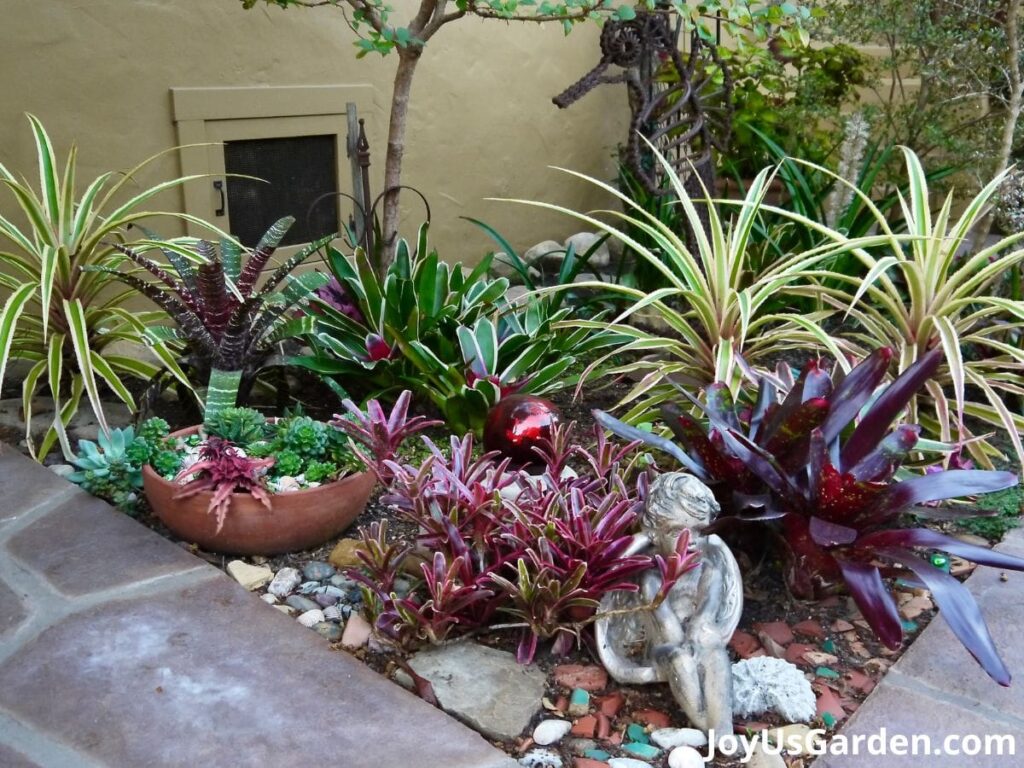
“Earth Star Plant Care & Growing Tips (2025)” from www.joyusgarden.com and used with no modifications.
Complementary Plants for Beautiful Arrangements
Perfect Pet-Safe Plant Companions for Pink Starlite
- Spider Plant (Chlorophytum comosum) – Cascading growth habit creates vertical contrast with Pink Starlite’s rosette form
- Boston Fern (Nephrolepis exaltata) – Feathery texture complements Pink Starlite’s more structured appearance
- African Violet (Saintpaulia) – Purple blooms create a striking color combination with Pink Starlite’s pink stripes
- Blue Echeveria (Echeveria) – Similar rosette form but in complementary blue-green tones
- Haworthia – Similar light and water requirements make these perfect maintenance companions
Creating visually interesting plant groupings with Pink Starlite involves considering contrast in form, texture, and color. While this star-shaped plant provides structured, geometric interest, pairing it with plants that offer different visual qualities creates a more dynamic arrangement. Consider combining it with trailing plants like pet-safe varieties of Peperomia or String of Hearts to create height variation. For texture contrast, the feathery fronds of pet-friendly ferns provide a soft counterpoint to Pink Starlite’s more rigid leaves.
Color harmony plays an equally important role in effective plant groupings. Pink Starlite’s pink and green coloration pairs beautifully with plants featuring purple, blue, or silver tones. Try grouping it with Blue Star Fern or purple-leaved African Violets for a complementary color scheme that highlights the pink striping. Alternatively, create a monochromatic display using different varieties of Cryptanthus and other bromeliads in varying shades of pink and green. This approach creates a cohesive look while still providing visual interest through subtle variations in color intensity.
When designing mixed plantings like terrariums or dish gardens, position Pink Starlite as a focal point, using its star-shaped form to draw the eye. Surround it with smaller, lower-growing plants that won’t compete for visual attention or overshadow its distinctive form. Small varieties of pet-safe succulents like Haworthia or Echeveria work particularly well in these arrangements, as they share similar care requirements while offering complementary shapes and textures. This thoughtful approach to plant combinations allows you to create stunning displays that remain completely safe for curious pets.
For seasonal variety, consider rotating complementary plants around your permanent Pink Starlite display. During winter months, pair it with holiday-appropriate plants like pet-safe varieties of Prayer Plant (Maranta) whose burgundy undersides echo Pink Starlite’s rosy tones. In spring, surround it with African Violets for a burst of colorful blooms that enhance rather than compete with Pink Starlite’s foliage. This rotation keeps your plant displays fresh and interesting throughout the year while maintaining their pet-safe status.
Pink Starlite: A Beautiful Addition to Any Pet-Friendly Home
Pink Starlite represents the perfect marriage of ornamental beauty and practical safety for pet owners who love both their animals and their plants. Its striking star-shaped form and vibrant pink striping provide exceptional visual interest without the toxicity concerns that accompany many decorative houseplants. The compact size fits seamlessly into modern living spaces where square footage may be limited but design aspirations are not. For those seeking to create a cohesive indoor garden that accommodates both botanical interests and animal companions, Pink Starlite offers an elegant solution that requires no compromise.
Beyond its aesthetic and safety benefits, Pink Starlite’s relatively straightforward care requirements make it accessible to plant enthusiasts at all experience levels. The moderate watering needs, standard light requirements, and slow growth rate create a forgiving learning curve for beginners while still providing enough horticultural interest for more seasoned collectors. Its ability to thrive in typical indoor conditions means you don’t need specialized equipment or extensive knowledge to keep it looking its best. This combination of visual appeal, pet safety, and maintenance simplicity makes Pink Starlite a truly versatile addition to contemporary homes.
As indoor gardening continues to gain popularity for its proven benefits to mental wellbeing and air quality, plants like Pink Starlite that balance form and function become increasingly valuable. By incorporating this striking bromeliad into your home, you’re not just adding a decorative element—you’re creating a living focal point that enhances your space while respecting the safety of your animal companions. Greg is here to help you master the care of this distinctive plant, ensuring it remains a beautiful and pet-safe feature in your home for years to come.
Frequently Asked Questions
Below are answers to some of the most common questions about Pink Starlite plant care. These practical solutions address specific challenges you might encounter while growing this distinctive houseplant and provide clear guidance for maintaining its health and vibrant coloration. Whether you’re a new plant parent or looking to troubleshoot an existing issue, these responses offer targeted advice based on the plant’s unique characteristics and needs.
Is Pink Starlite safe for children as well as pets?
Yes, Pink Starlite is considered safe for both children and pets. The plant contains no toxic compounds that would cause serious reactions if accidentally ingested. However, as with any plant material, consumption of large quantities could potentially cause mild digestive discomfort due to the fibrous nature of the leaves. The slightly serrated leaf edges are firm but not sharp enough to cause injury during normal handling. As a general precaution, it’s still advisable to place plants out of reach of very young children who might attempt to eat non-food items, but Pink Starlite poses minimal risk compared to many common houseplants.
How often should I water my Pink Starlite plant?
Pink Starlite typically requires watering approximately every 12 days, though this can vary based on your specific environment. For a plant in a standard 5-inch pot, about 0.8 cups of water is generally sufficient. The key is allowing the top inch of soil to dry out between waterings while ensuring the deeper soil doesn’t completely dehydrate. During winter or in lower humidity environments, you may need to reduce watering frequency to prevent root rot. Conversely, during hot summer months or in very dry conditions, slightly more frequent watering may be necessary. Always check soil moisture with your finger before watering rather than adhering to a strict schedule, as individual conditions can significantly affect water needs.
Can Pink Starlite survive in low light conditions?
Pink Starlite cannot thrive in low light conditions and requires bright, indirect light to maintain its distinctive coloration and overall health. When placed in insufficient light, the plant’s vibrant pink stripes will fade to a pale, washed-out appearance, and new growth may become leggy and weak. For optimal results, position your Pink Starlite within one foot of a south-facing window where it will receive bright but filtered light throughout the day. If natural light is limited in your home, consider supplementing with a full-spectrum grow light positioned about 12-18 inches above the plant for 10-12 hours daily. Without adequate light, even perfect care in other aspects won’t maintain this plant’s characteristic beauty.
Why are the pink stripes on my plant fading?
Fading pink stripes on a Pink Starlite plant are almost always a response to insufficient light exposure. The vibrant pink coloration develops as a reaction to bright light, similar to how human skin tans in the sun. When the plant doesn’t receive enough light, it reduces pigment production as an energy-saving measure, resulting in paler, less distinctive striping. To restore the vibrant pink coloration, gradually increase light exposure by moving the plant closer to a bright window or supplementing with grow lights. Avoid sudden changes that might shock the plant—instead, transition it to brighter conditions over the course of a week. In most cases, the color will begin to intensify within 2-3 weeks of improved lighting, with full color restoration typically occurring within 1-2 months.
How can I propagate my Pink Starlite plant?
Pink Starlite is typically propagated through offsets (pups) that develop around the base of the mature plant. Wait until these offsets reach about one-third the size of the parent plant before attempting separation. To propagate, carefully remove the parent plant from its pot and gently separate the offset, ensuring it has some roots attached. If the pup is firmly attached, use a clean, sharp knife to cut it away, making sure to include some roots with the cutting. Allow both the offset and any cut surfaces on the parent plant to dry for 24 hours before potting to prevent rot. Plant the offset in a small pot with well-draining bromeliad or succulent mix, water sparingly until established, and place in bright, indirect light. New offsets typically establish themselves within 4-6 weeks under proper conditions.
Remember that while Pink Starlite does produce offsets, it does so relatively slowly compared to some other bromeliads. Patience is key when waiting for propagation opportunities, as forcing separation of immature pups often results in failure. Well-established plants in optimal conditions may produce offsets once or twice a year, providing sustainable opportunities to expand your collection or share with fellow plant enthusiasts.