

Article-at-a-Glance
- Camellia japonica, with its glossy evergreen foliage and stunning winter-to-spring blooms, can transform any garden into a showstopper when most plants are dormant
- These long-lived shrubs can thrive for decades or even centuries with proper care, reaching heights of 6-12 feet in most garden settings
- While related to tea plants, Japanese camellias offer more ornamental value than culinary use, though their petals can be steeped for a mild, fragrant tea
- Unlike many flowering shrubs, Camellia japonica is non-toxic to pets, making it an excellent choice for households with furry companions
- The key to camellia success lies in acidic soil, dappled shade, consistent moisture, and protection from harsh winter winds
Finding a beautiful, low-maintenance shrub that blooms when everything else in your garden is asleep feels like striking gardening gold. Camellia japonica delivers this rare combination with its glossy evergreen leaves and show-stopping flowers that appear from late winter into early spring. Whether you’re looking to add winter interest, create a stunning hedge, or simply enjoy one of gardening’s most elegant flowering shrubs, the Japanese camellia deserves a prime spot in your landscape.
How to Identify Camellia Japonica in Your Garden
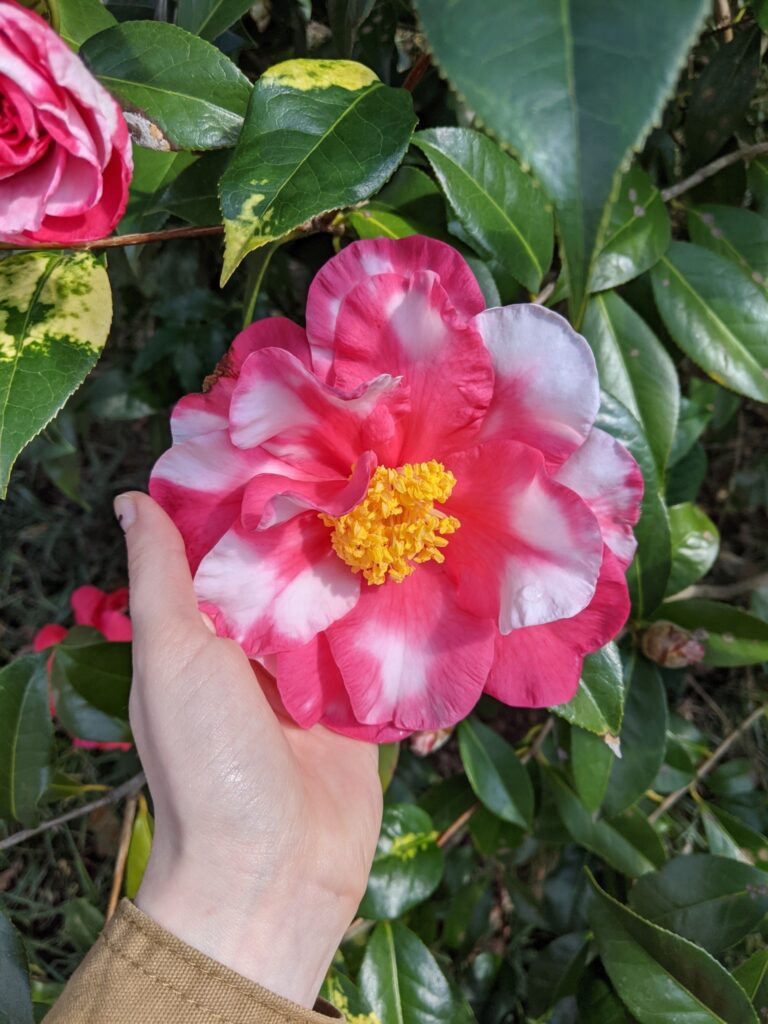
Spotting a Camellia japonica isn’t difficult once you know what to look for. These aristocrats of the garden have a distinctive appearance that separates them from other evergreen shrubs. Their upright, tree-like growth habit creates an elegant silhouette that commands attention even when not in bloom.
“Camellia japonica – Japanese camellia …” from plantmaster.com and used with no modifications.
Distinctive Glossy Leaves and Growth Patterns
The foliage of Japanese camellias is unmistakable – leathery, dark green leaves with a high-gloss finish that reflects light beautifully. Each leaf is typically oval to elliptical in shape, about 2-4 inches long, with finely serrated edges that add textural interest. The leaves grow alternately along the stems, creating a dense but organized appearance. Unlike many other evergreens, Camellia japonica foliage maintains its deep green color throughout the year without bronzing or developing yellow undertones in winter.
Flower Shapes, Colors, and Blooming Season
The true glory of Camellia japonica appears when it bursts into bloom, typically from late winter through early spring (January to April in most regions). The flowers are substantial – often 2-5 inches across – and can be single, semi-double, or fully double in form. While observing the blooms, you’ll notice they lack fragrance but more than make up for it with their perfect form and lasting power. For those interested in safe garden ideas, Camellia japonica can be a beautiful addition without compromising pet safety.
- Single forms have 5-8 petals with visible stamens in the center
- Semi-double varieties display multiple rows of petals with visible stamens
- Double forms show many overlapping petals, often concealing the stamens
- Peony forms have irregular masses of petals and petaloids
- Anemone-centered flowers feature a central mass of petaloids surrounded by larger outer petals
The color palette ranges from pure white through pink and red to deep crimson, sometimes with striking bicolor patterns or dramatic white marbling. Unlike Camellia sasanqua blooms, which tend to shatter when they fall, japonica flowers often drop intact, creating a carpet of perfect blooms beneath the plant.
Common Varieties and Their Unique Features
With thousands of registered cultivars, Camellia japonica offers something for every garden. ‘Debutante’ delights with soft pink peony-form flowers that appear in abundance. ‘Adolphe Audusson’ has been captivating gardeners since 1877 with its brilliant red semi-double blooms dramatically punctuated by golden stamens. For white-flower enthusiasts, ‘Nuccio’s Gem’ presents perfectly formed double blooms with immaculate petals arranged in geometric precision. ‘Elegans’ varieties showcase the distinctive anemone-form with a central cluster of petaloids surrounded by larger petals, while ‘Mathotiana’ impresses with enormous, fully double blooms that can reach 5 inches across in deep crimson.
Why Japanese Camellias Are Garden Favorites
The enduring popularity of Camellia japonica spans centuries and continents, testifying to its remarkable garden value. From the imperial gardens of ancient China to modern American landscapes, these plants have earned their place through a combination of beauty, resilience, and versatility that few other flowering shrubs can match.
Historical Significance in Eastern and Western Gardens
Long before reaching Western shores, Camellia japonica was cultivated in China, Korea, and Japan for over 2,000 years. Revered in Eastern cultures as symbols of longevity and perfect beauty, these plants frequently appeared in artwork, literature, and religious ceremonies. Their journey westward began in earnest during the 18th century when European plant collectors introduced them to aristocratic gardens. By the 19th century, “camellia fever” had swept through Europe and America, with collectors paying astronomical sums for new varieties. Southern plantations particularly embraced camellias, where they became symbols of antebellum refinement that endure in historic gardens to this day.
Year-Round Appeal as an Evergreen
Even without their magnificent flowers, Japanese camellias earn their keep through four seasons. Their glossy, deep green foliage provides structure and substance in the landscape year-round. The leaves maintain exceptional color and luster through summer heat and winter cold, serving as the perfect backdrop for other garden plants. This evergreen quality makes them valuable as privacy screens, foundation plantings, or anchoring elements in mixed borders where their consistent presence brings stability to ever-changing seasonal displays.
Winter Blooming When Gardens Need Color Most
Perhaps the most compelling reason for the Japanese camellia’s popularity is its blooming season. These plants perform their floral magic precisely when gardens most need color – the depths of late winter and early spring when most other plants remain dormant. Watching perfect camellia blooms unfurl against glossy foliage during February’s gray days feels nothing short of miraculous. Their ability to flower when temperatures hover near freezing gives gardeners a psychological boost during winter’s final stretch, promising that spring’s abundance lies just around the corner.
Size Matters: How Big Will Your Camellia Grow?
Understanding the mature size of your Camellia japonica is crucial for proper placement in the landscape. These aren’t small shrubs that will politely stay put in a cramped corner. Given time and the right conditions, they develop into substantial garden elements that command attention and space.
“Camellia Japonica: How to Grow and …” from housing.com and used with no modifications.
Typical Height and Spread Expectations
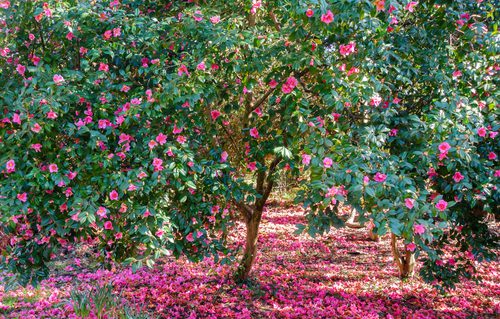
In garden settings, most Camellia japonica varieties reach 6-12 feet tall and 5-10 feet wide at maturity, though there are exceptions on both ends of the spectrum. In their native forest habitats, they can actually grow into small trees reaching 20-30 feet tall, but this extreme height is rarely achieved in cultivated settings. The plant’s growth habit is typically upright and somewhat vase-shaped when young, becoming more rounded with age as branches arch outward under the weight of foliage and blooms.
Consider the mature dimensions when deciding where to plant your camellia. That seemingly perfect spot beside your foundation might become problematic as the plant approaches windows or overhangs. Allow sufficient space between camellias and other permanent landscape elements to accommodate their ultimate size without constant pruning battles. For more on managing plant growth in limited spaces, check out these care tips for sun vs shade plants.
Growth Rate and Lifespan
Patience rewards the camellia grower. These plants are considered slow to moderate growers, typically adding only 6-12 inches of new growth annually. This deliberate pace means your newly planted specimen might take 5-7 years to reach impressive proportions. The trade-off for this slow growth is exceptional longevity – properly situated camellias often outlive their planters by decades or even centuries. In Japan and China, some garden specimens have survived for over 500 years, still producing magnificent blooms each season. For those interested in plant longevity, the American Chestnut also offers fascinating insights into historical plant resilience.
Their slow growth rate makes camellias particularly valuable in today’s smaller gardens where space is at a premium. Unlike fast-growing shrubs that quickly outgrow their welcome, camellias remain in scale with their surroundings for many years before reaching full size.
Compact Varieties for Smaller Spaces
If your garden space is limited, several more compact Camellia japonica cultivars have been developed specifically for smaller landscapes. ‘Tom Thumb’ maintains a dense, rounded form reaching just 4-5 feet tall and wide. ‘Tama-no-ura’ grows slowly to about 6 feet with a naturally compact habit and uniquely fringed red blooms with white edges. ‘Kujaku-tsubaki’ offers a more columnar growth habit that works well in narrower spaces while still providing beautiful pink double flowers. For those interested in pet-friendly gardening, consider integrating safe garden ideas to ensure a harmonious environment for both plants and pets.
Sun vs. Shade: Finding the Perfect Spot for Camellias
The single most important factor in camellia success is proper placement. These woodland natives evolved under the dappled light of forest canopies, and their preferences in the garden reflect this heritage. Understanding their light requirements will save you years of frustration and disappointment.
Ideal Light Conditions for Healthy Growth
Camellia japonica performs best in filtered or dappled shade, mimicking their natural habitat beneath deciduous trees. Morning sun with afternoon shade creates the perfect balance – providing enough light for abundant flowering while protecting them from the harshest rays. An eastern exposure often creates these ideal conditions naturally. The filtered light beneath tall pine trees also works wonderfully, as the high canopy allows sufficient light to penetrate while breaking up the intensity.
While some shade is beneficial, too much deep shade can reduce flowering significantly. Camellias growing in dense shade may look healthy with lush foliage but produce few or no blooms. The goal is finding that sweet spot of bright, indirect light that supports both foliage development and flower bud formation.
Regional Considerations for Sun Exposure
Your geographic location significantly impacts how much sun your camellias can tolerate. In cooler northern regions (USDA zones 6-7), Japanese camellias can handle more direct sunlight than in the heat-intense South. Gardeners in the Pacific Northwest and New England might successfully grow camellias in locations receiving 4-6 hours of direct morning sun. In contrast, Southern gardeners should err on the side of more shade, especially protection from the intense afternoon sun that can stress plants and bleach foliage.
Proximity to buildings also matters. The north side of a structure provides consistent shade but may be too dark in northern regions. The east side often creates ideal conditions with morning sun and afternoon protection. Western exposures tend to be problematic in all but the coolest climates due to intense afternoon heat.
Signs Your Camellia Is Getting Too Much Sun
Camellias send clear distress signals when light conditions aren’t right. Yellowing leaves (chlorosis), especially on the sun-facing side of the plant, indicate excessive sun exposure. Leaf scorch appears as brown, crispy edges or patches on otherwise green leaves. In extreme cases, entire branches on the sun-exposed side may defoliate. Flower buds exposed to too much direct sun often develop brown edges before opening or may drop entirely. If you notice these symptoms, consider transplanting your camellia to a more sheltered location or creating additional shade with a temporary screen until nearby trees mature.
Essential Care Tips for Thriving Camellias
Once properly situated in your garden, Camellia japonica requires relatively little maintenance compared to many flowering shrubs. However, understanding their specific needs will ensure your plants reach their full potential for health and blooming power.
With the right foundation of care, these remarkable plants will reward you with decades of beauty while becoming more impressive with each passing year. Their care requirements align perfectly with many other acid-loving woodland plants, making them easy to incorporate into existing garden schemes.
Soil Requirements and Preparation
Camellia japonica is particular about soil conditions, preferring acidic soil with a pH between 5.5 and 6.5. This acidity requirement places them in the same category as rhododendrons, azaleas, and blueberries. Before planting, test your soil pH with an inexpensive kit from a garden center. If your soil is naturally alkaline, consider growing camellias in large containers or raised beds where you can control the soil composition more easily.
Beyond acidity, camellias thrive in well-draining soil rich in organic matter. Heavy clay soils spell disaster for these plants, leading to root rot and eventual death. If your native soil is clay-heavy, amend generously with composted pine bark, leaf mold, and acidic compost before planting. Creating a slightly raised planting bed further improves drainage, particularly important in areas with high rainfall or heavy soils.
Watering Schedule Through the Seasons
Proper watering is critical during a camellia’s first two years in your garden. During this establishment period, provide deep, thorough watering once weekly when rainfall is insufficient. Even after establishment, consistent moisture remains important, especially during bud formation in late summer and fall. Inconsistent watering during this critical period can cause bud drop before flowering.
Once established, camellias display good drought tolerance for short periods but perform best with regular deep watering during extended dry spells. Apply water directly to the soil rather than overhead to prevent fungal issues on the foliage. A 2-3 inch layer of acidic mulch (pine straw, composted oak leaves, or pine bark) helps maintain consistent soil moisture while slowly adding organic matter to the soil.
Winter watering deserves special attention in regions with frozen soil or drying winter winds. Since camellias remain evergreen, they continue transpiring moisture through their leaves even during winter. When the soil freezes, plants cannot replace this lost moisture, leading to winter burn. Water thoroughly before the ground freezes in colder regions, and consider applying anti-transpirant sprays to reduce moisture loss through leaves.
Seasonal Watering Guide for Camellia Japonica
Spring (post-flowering): Moderate watering as needed to maintain even soil moisture
Summer: Deep watering once weekly during dry periods
Fall: Consistent moisture critical during bud formation
Winter: Reduced watering in rainy regions; monthly deep watering in drier winter climates
Fertilizing for Maximum Blooms
Camellias don’t require heavy feeding, but strategic fertilization greatly enhances flowering. Use a specialized camellia or acid-loving plant fertilizer with an NPK ratio that emphasizes phosphorus (the middle number) to promote blooming. Apply fertilizer after flowering has finished, typically in early spring, as new growth begins. A second light application in early summer supports bud formation for the following season.
Avoid fertilizing after midsummer, as late-season growth becomes susceptible to winter damage in colder zones. If your camellias show yellowing between the leaf veins while the veins remain green, they may be suffering from iron chlorosis due to alkaline soil conditions. A foliar application of chelated iron can temporarily address this issue while you work on acidifying the soil.
Pruning Techniques and Timing
One of the delights of growing Camellia japonica is their naturally attractive form that requires minimal pruning. Any necessary pruning should be performed immediately after flowering concludes but before the next season’s buds form. This timing is crucial because Japanese camellias set their flower buds on the previous year’s growth during summer, and late pruning removes these developing buds.
Focus pruning on removing dead or damaged branches, thinning crowded interior growth to improve air circulation, and maintaining the plant’s natural shape. Unlike many flowering shrubs, camellias rarely benefit from hard rejuvenation pruning. Instead, selective thinning of older branches over several seasons allows the plant to maintain its dignity while gradually renewing itself. For a complete guide on caring for camellias, visit this complete camellia care guide.
Common Pests and Diseases to Watch For
While generally resilient, camellias can face several challenges that vigilant gardeners should monitor. Scale insects are perhaps the most common pest, appearing as small bumps on stems and leaf undersides that can be scrubbed off with a soft brush or treated with horticultural oil when plants are dormant. Tea scale in particular targets camellias, appearing as a white or brown crust on leaf undersides.
Camellia flower blight presents as brown spots on petals that rapidly spread throughout the bloom. Remove and destroy affected flowers immediately, and clear fallen blooms from beneath plants. Root rot becomes problematic in poorly-drained soils, manifesting as yellowing leaves and branch dieback. Prevention through proper soil preparation provides the best defense against this often fatal condition. For those interested in pet-safe gardening, consider exploring safe garden ideas to ensure a harmonious environment for both plants and pets.
Camellia Japonica vs. Camellia Sasanqua: Key Differences
Confusion often arises between these two popular camellia species. While they share many characteristics, understanding their differences helps you select the right plant for your specific garden needs and conditions.
“Camellia Japonica vs Camellia Sasanqua …” from mx.pinterest.com and used with no modifications.
Bloom Time and Flower Characteristics
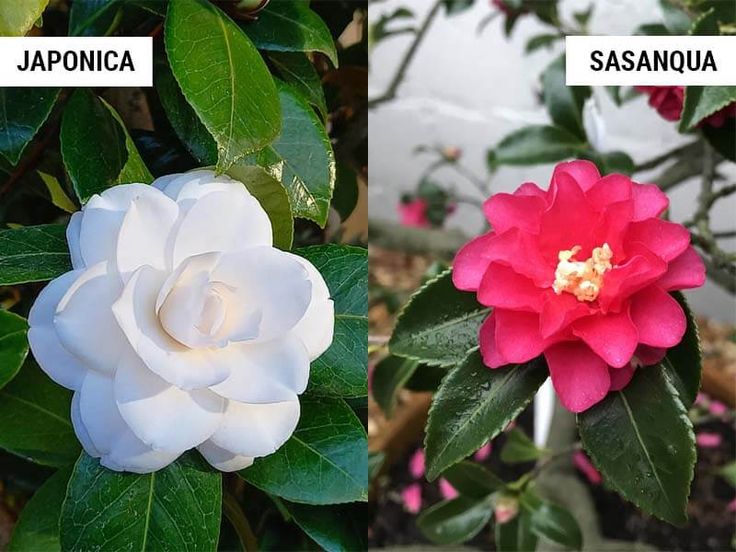
The most noticeable difference between these cousins lies in their flowering seasons. Camellia sasanqua typically blooms from fall into early winter (October through December), while Camellia japonica flowers from midwinter through spring (January through April). This sequential blooming makes them perfect companions, extending the camellia season across six months in milder climates.
Flower size and persistence also differ significantly. Japonica blooms are generally larger (3-5 inches across) with thicker petals that hold up well in winter weather. Sasanqua flowers tend to be smaller (2-3 inches) with more delicate petals that often drop individually rather than as whole flowers. Many sasanqua varieties offer something japonicas typically lack – a sweet, subtle fragrance that adds another dimension to their garden appeal. For those interested in pet-friendly gardening, consider these safe garden ideas that complement the aesthetic of camellias.
Growth Habits and Size Comparison
Camellia sasanqua typically exhibits a more open, informal growth habit compared to the denser, more structured form of japonica varieties. Sasanquas often grow in a more spreading fashion, making them excellent candidates for espaliers, informal hedges, or cascading over walls. Their leaves are noticeably smaller, darker, and more closely spaced than the larger, glossier foliage of japonicas. For those interested in how plant choices can impact pet safety, exploring fern and moss comparisons might provide additional insights.
Growth rate represents another key difference – sasanquas generally grow more quickly, potentially reaching their mature size in 5-7 years compared to the decade or more required for japonicas to achieve full stature. This faster growth makes sasanquas particularly valuable for gardeners seeking quicker privacy screening or landscape impact.
Sun Tolerance and Hardiness Zones
Camellia sasanqua demonstrates significantly better sun tolerance than its japonica relatives. While japonicas prefer dappled shade or morning-only sun in most regions, many sasanqua varieties thrive in full sun exposure in all but the hottest climates. This adaptability makes sasanquas more versatile for brighter garden locations where japonicas might struggle.
Cold hardiness also differentiates these species. Most Camellia japonica varieties are reliably hardy in USDA zones 7-9, with selected cultivars pushing into zone 6 with protection. Sasanquas generally show slightly less cold tolerance, performing best in zones 7b-9. Both appreciate protection from drying winter winds, which can damage foliage and developing flower buds.
|
Characteristic |
Camellia japonica |
Camellia sasanqua |
|---|---|---|
|
Blooming season |
Late winter to spring (Jan-Apr) |
Fall to early winter (Oct-Dec) |
|
Flower size |
Larger (3-5 inches) |
Smaller (2-3 inches) |
|
Sun tolerance |
Prefers partial shade |
Tolerates full sun in many regions |
|
Growth habit |
More upright, dense |
More spreading, open |
|
Leaf size |
Larger, glossier |
Smaller, darker |
|
Growth rate |
Slower |
Moderate |
From Garden to Cup: Using Camellia Japonica for Tea
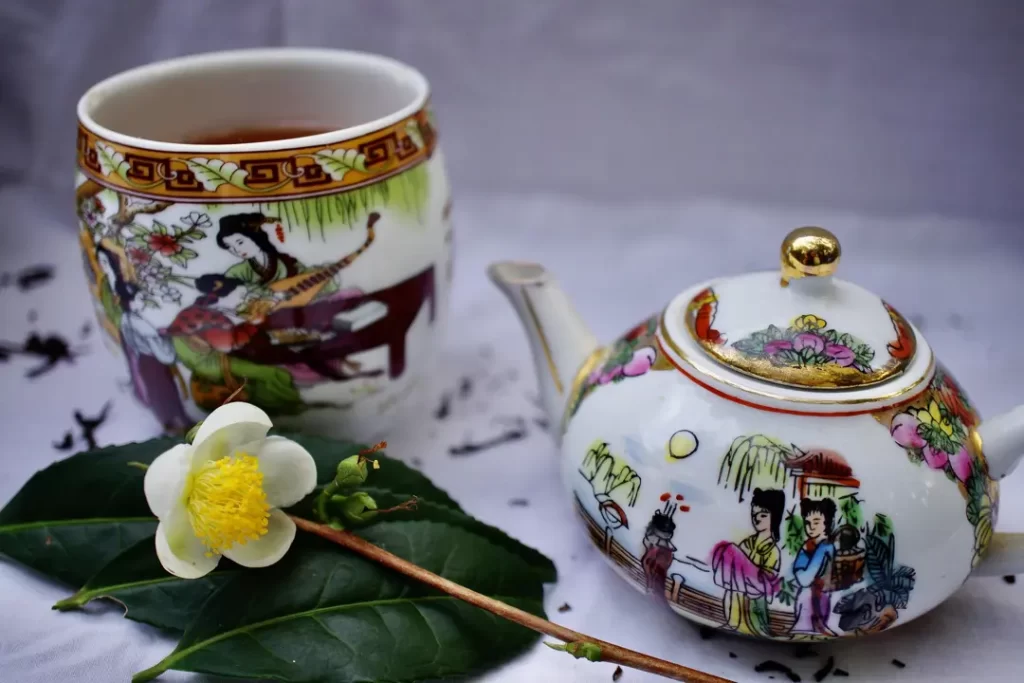
While Camellia japonica shares its genus with the true tea plant (Camellia sinensis), its potential as a beverage source remains more novelty than practical application. Understanding the relationship between these botanical cousins adds an interesting dimension to appreciating your ornamental camellias.
“Camellia Japonica Tea” from www.theplantcompany.co.nz and used with no modifications.
Tea Potential Compared to Camellia Sinensis
Despite their close relationship, Camellia japonica leaves lack the complex chemistry that makes Camellia sinensis ideal for traditional tea production. The ornamental Japanese camellia contains lower levels of caffeine and the tannins that give true tea its characteristic flavor profile. While technically edible, japonica leaves produce a much milder, less complex brew that bears little resemblance to commercial tea.
The flowers, however, offer more interesting possibilities. Camellia japonica petals can be dried or used fresh to create a delicate herbal infusion with subtle floral notes. This isn’t “tea” in the traditional sense but rather a pleasant herbal drink with visual appeal and mild flavor.
Safe Harvesting and Processing Methods
If you wish to experiment with camellia flower tea, harvest only from plants grown without chemical pesticides or synthetic fertilizers. Choose freshly opened blooms, ideally white or pink varieties for the mildest flavor. Gently rinse the petals to remove any debris, then either use immediately or dry them on a screen in a warm, airy location away from direct sunlight.
For fresh petal tea, add a small handful of clean petals to boiling water, remove from heat, and steep for 3-5 minutes. The dried petals can be stored in an airtight container for several months and used like other dried herbal teas. Some enthusiasts incorporate camellia petals into custom tea blends primarily for their beauty, adding them to high-quality green or white tea for visual interest.
Flavor Profile and Health Benefits
The infusion created from Camellia japonica petals offers a very subtle flavor that some describe as lightly sweet with barely perceptible floral notes. Unlike true tea, it contains minimal tannins, resulting in a brew without astringency or bitterness. The color varies with the flower color used, ranging from pale straw (white flowers) to delicate pink or light amber.
While Camellia sinensis has been extensively studied for its health properties, research on potential benefits from japonica remains limited. The petals contain some antioxidants and flavonoids common to many plants, but claims of specific medicinal properties lack scientific validation. Consider camellia petal tea primarily an aesthetic experience rather than a health supplement, appreciating its subtle charms without expecting significant therapeutic effects.
Creating a Pet-Safe Garden with Japanese Camellias
For gardeners who share their homes with furry friends, plant selection requires additional consideration. Fortunately, Camellia japonica offers both beauty and safety in landscapes where pets roam freely.
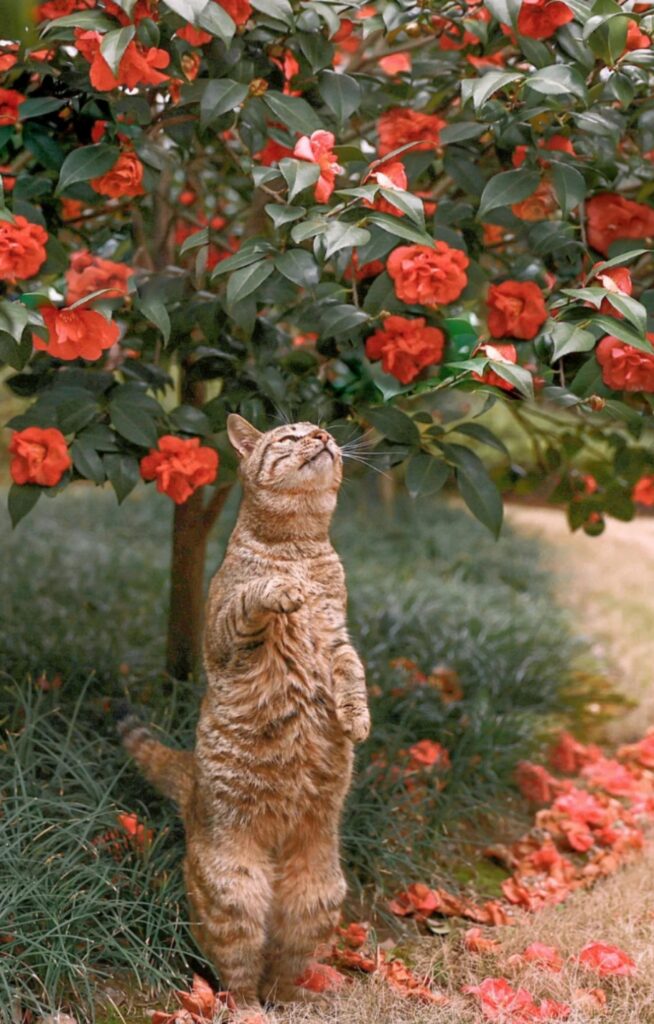
“Camellia and Cat : r/houseplants” from www.reddit.com and used with no modifications.
ASPCA Approved for Dogs, Cats, and Other Pets
According to the American Society for the Prevention of Cruelty to Animals (ASPCA), Camellia japonica is considered non-toxic to dogs, cats, and horses. This safety profile makes Japanese camellias an excellent choice for households with pets that might occasionally nibble on garden plants. Unlike many flowering shrubs that contain dangerous cardiac glycosides or other toxins, camellias pose no significant health threat if pets interact with them.
This pet-friendly status becomes particularly valuable considering how many popular landscape plants present serious hazards to animal companions. Common choices like azaleas, rhododendrons, and yews – which often occupy similar garden niches – contain compounds that can cause severe illness or death if ingested by pets. Camellias offer similar aesthetic benefits without these risks.
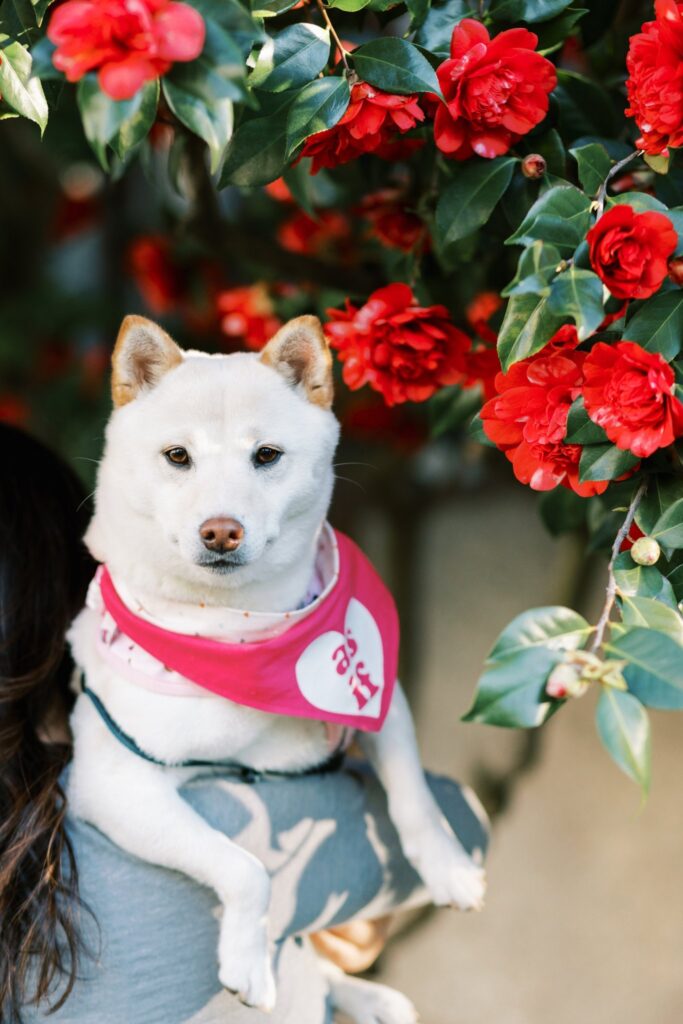
“Your List of Pet-Safe Plants (And a Few …” from www.sweetcamelliaphotography.com and used with no modifications.
Companion Plants That Are Also Pet-Friendly
Create a harmonious and safe garden by pairing your camellias with other non-toxic plants that thrive in similar conditions. Good companions include Japanese forest grass (Hakonechloa), Christmas fern (Polystichum acrostichoides), most varieties of hosta, heuchera, astilbe, and the ever-reliable autumn fern (Dryopteris erythrosora). For spring bulbs beneath camellias, consider pet-safe options like Camassia or snowdrops rather than toxic choices like daffodils or tulips.
Design Tips for Pet and Plant Harmony
While camellias won’t harm your pets, enthusiastic pets can sometimes damage your camellias, especially young plants. Create raised beds or slight berms for camellias in areas frequented by dogs to reduce the impact of canine traffic patterns. Consider placing decorative stones or low, attractive fencing around newly planted specimens until they establish. For particularly determined diggers, underground barriers of hardware cloth extending several inches below soil level around root zones can prevent damage without detracting from the garden’s appearance.
5 Best Ways to Showcase Camellias in Your Landscape
- As focal points near entryways or viewed from windows where winter blooms can be appreciated up close
- In woodland gardens paired with other shade-lovers like ferns, hostas, and native wildflowers
- Espaliered against walls to create living architectural elements that bloom in winter
- In large decorative containers that can be moved to prominent positions during flowering season
- As informal hedges that provide evergreen structure and seasonal flowering displays
Thoughtful placement maximizes the impact of these exceptional plants. Consider sight lines from indoor spaces where you spend significant time during winter months. A camellia positioned to be visible from a frequently used window brings its flowering beauty into your daily experience during the coldest season.
Think beyond the blooming season when placing camellias. Their glossy evergreen foliage provides year-round structure and backdrop for other garden elements. In summer, their deep green leaves create perfect contrast for brightly colored perennials or annuals planted nearby. For additional guidance on plant safety, consider reviewing sword fern care tips to ensure a thriving garden environment.
Remember that camellias improve with age, developing character and presence that newly planted specimens cannot match. Give them space to reach their potential without crowding from other large shrubs or structures that might require removal or adjustment as the plants mature.
For maximum impact, group multiple camellias of different varieties to create an extended blooming season. A thoughtful selection might include early, midseason, and late-blooming cultivars to provide flowering interest from January through April.
1. Elegant Foundation Plantings
Camellia japonica makes an exceptional foundation plant, especially along east-facing walls where they receive morning sun and afternoon protection. Their evergreen nature provides year-round structure while their winter flowering brings life to an otherwise dormant season. Plant them 3-4 feet from building foundations to accommodate mature size, and consider how their height will relate to windows and architectural features as they grow. For more ideas on safe garden plants, check out these safe garden ideas.
2. Woodland Garden Companions
In woodland garden settings, camellias create mid-layer structure between tall trees and ground-covering plants. They thrive in the dappled light beneath deciduous trees, sharing space comfortably with native understory plants. The acid soil conditions preferred by camellias align perfectly with woodland natives like trillium, bleeding heart, and Solomon’s seal.
Consider seasonal interest when planning companions – spring ephemeral wildflowers emerge as camellia blooms fade, while summer-flowering hydrangeas take over when camellias focus on setting buds. Fall-coloring ferns and native grasses complement the evergreen structure of camellias as winter approaches.
3. Container Gardening for Flexibility
Growing Camellia japonica in containers offers flexibility for challenging sites or rental properties. Choose large, high-quality containers at least 18-24 inches in diameter with excellent drainage. Use a potting medium specifically formulated for acid-loving plants, and place containers where they receive morning sun and afternoon shade. Container-grown camellias require more consistent watering and winter protection in colder zones, but reward this extra care with the ability to be showcased in prime viewing locations during their flowering season.
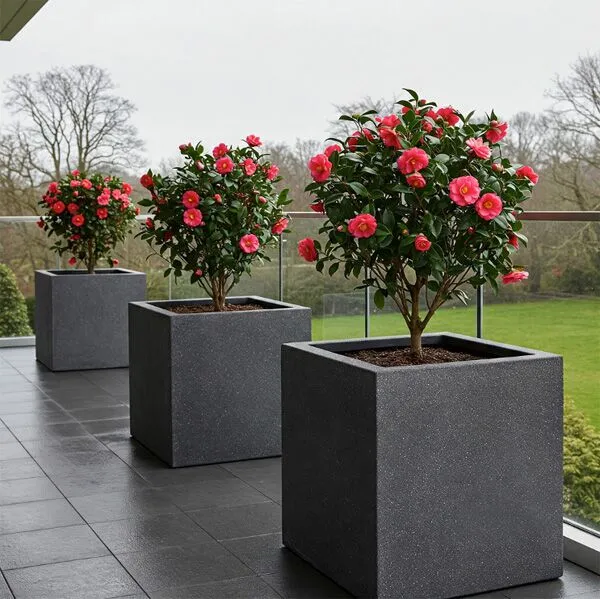
“Growing Camellias in Containers: A …” from sigmaplanters.com.au and used with no modifications.
4. Creating Stunning Hedges and Screens
For an evergreen hedge with seasonal flowering impact, Camellia japonica creates an exceptional living wall. Plant specimens 3-5 feet apart depending on the variety’s expected spread, allowing enough space for proper air circulation while still achieving a connected appearance at maturity. Unlike many hedge plants that require frequent shearing, camellias perform best with minimal pruning, developing a naturally elegant form that requires only occasional shaping. For more tips on plant care, you can explore care tips for sun vs shade plants.
The flowering hedge created by Camellia japonica offers dramatically more interest than common evergreen hedge choices like privet or arborvitae. The tradeoff comes in slower growth rate – expect 5-7 years for plants to mature into a solid screening element. For faster results, consider alternating Camellia sasanqua (for fall blooms and quicker growth) with Camellia japonica for an extended flowering season in your living screen.
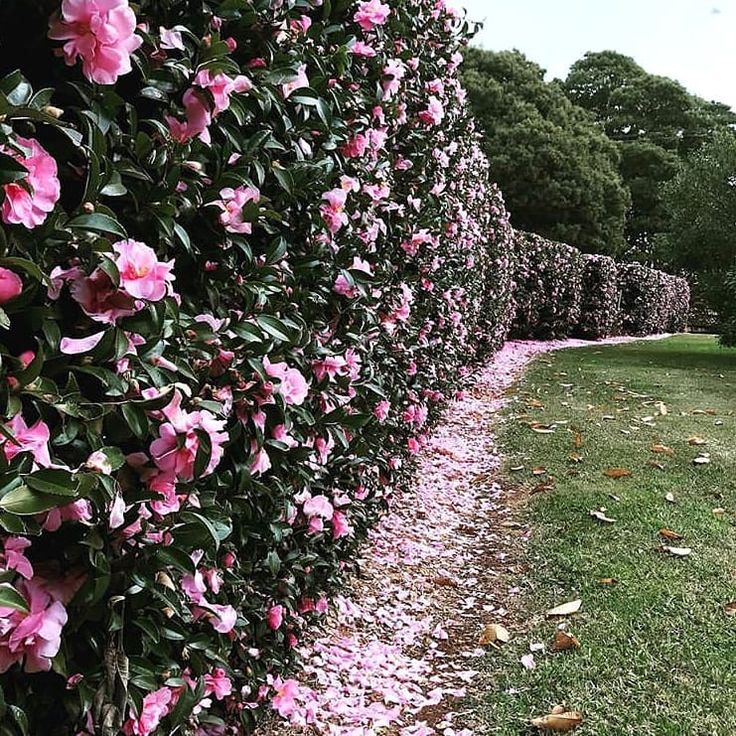
“Sasanqua Camellia hedge | Garden hedges …” from www.pinterest.com and used with no modifications.
5. Specimen Plants for Winter Interest
A single, well-placed Camellia japonica can serve as a magnificent specimen plant, drawing the eye during its flowering season and providing evergreen structure year-round. Position specimen camellias where they can be appreciated from multiple vantage points, including interior views from frequently used rooms. Consider creating a simple but elegant vignette with a single spectacular camellia as the centerpiece, perhaps underplanted with complementary ground covers like sweet woodruff or Japanese forest grass that won’t compete for nutrients or moisture.
Simple Steps for Camellia Success
The journey to camellia success begins with thorough site preparation and thoughtful early care. Start with amending your soil properly, ensuring both acidity and excellent drainage. Plant in fall or spring for best establishment, positioning the root ball slightly higher than surrounding soil to prevent settling that could bury the crown. Water deeply but infrequently rather than providing frequent shallow irrigation that encourages surface rooting.
Patience remains the most important virtue in camellia cultivation. These are plants that improve with age, often taking several years to hit their flowering stride. The garden wisdom that applies to many slow-growing treasures applies perfectly to camellias: “The first year they sleep, the second year they creep, the third year they leap.” By the fifth year in your garden, your Japanese camellia will begin revealing its true character and beauty, starting a relationship that can last for generations with minimal care beyond consistent moisture, occasional feeding, and appreciation of its quiet elegance.
Frequently Asked Questions
Camellia Japonica Hardiness
USDA Zones: 7-9 (some varieties to zone 6 with protection)
Minimum Temperature: Generally 0°F to 10°F (-18°C to -12°C)
Protection Needed: Wind barriers, anti-desiccant sprays in zone 6
Camellias inspire questions from both new enthusiasts and experienced gardeners. These long-lived plants have developed their own lore and mysteries over centuries of cultivation. Understanding their particular requirements and behaviors helps gardeners achieve the best results with these garden aristocrats.
The most common concerns revolve around flowering issues, cold hardiness, and propagation techniques. Since camellias represent a significant investment in both money and time, addressing these questions helps ensure your plants thrive for decades to come.
While camellias have a reputation for being somewhat finicky, they’re actually quite resilient once their basic cultural requirements are met. Most problems develop from improper siting or soil conditions rather than inherent difficulty in growing these magnificent plants.
How long does it take for a Camellia Japonica to bloom after planting?
Patience rewards the camellia grower. Newly planted specimens often need 2-3 years to establish their root systems before producing significant blooms. During this establishment period, plants focus energy on root and foliage development rather than flowering. Some plants may produce a few flowers during this time, but the spectacular displays camellia lovers anticipate typically begin in years 3-5 after planting. Larger, more mature plants purchased from specialty nurseries may bloom sooner than younger specimens, but even these benefit from a settling-in period before reaching their full flowering potential.
Can I grow Camellia Japonica in cold climates with snow?
Cold-hardy varieties of Camellia japonica can succeed in USDA zone 6 with proper siting and winter protection. Look for varieties specifically bred for cold tolerance, such as the ‘Winter’ series developed at the U.S. National Arboretum or ‘April Tryst’ and ‘Spring’s Promise’ from Dr. William Ackerman’s breeding program. Plant these hardy selections where buildings or evergreen trees buffer winter winds, preferably with eastern exposure.
In zone 6 and colder regions, consider additional winter protection measures. Anti-transpirant sprays applied to foliage before winter helps reduce moisture loss during freezing weather. Temporary burlap screens that block wind while allowing light penetration protect both foliage and developing flower buds. Some dedicated northern gardeners construct simple wooden frames covered with burlap around prized specimens, filling the cavity with dry leaves for additional insulation. For more tips on plant care, check out our guide on sword fern care tips.
Why are the buds on my Camellia turning brown before opening?
Bud drop or browning typically results from environmental stress rather than disease. Dramatic temperature fluctuations during bud development often trigger this response, as do extended drought periods followed by heavy rain. Consistent moisture through fall and early winter helps prevent this frustrating condition. Improper fertilization timing contributes as well – avoid feeding camellias after midsummer, as late fertilization creates tender growth vulnerable to cold damage.
If buds develop brown spots that spread rapidly once the flower begins opening, camellia flower blight may be the culprit. This fungal disease requires prompt management by removing and destroying affected blooms and thoroughly cleaning fallen flower debris from beneath plants. A layer of fresh mulch applied after cleaning helps cover any remaining fungal spores in the soil.
Is it possible to change the flower color of my Camellia?
Factors That May Alter Camellia Flower Color
Soil pH: More acidic soil may intensify pink/red tones
Temperature: Cool nights during bud development enhance color saturation
Sunlight: Higher light can intensify pigmentation in some varieties
Age: Some varieties show color changes as flowers mature
Unlike hydrangeas, whose flower color changes dramatically with soil pH, camellias maintain relatively stable flower coloration regardless of soil chemistry. Minor variations may occur based on weather conditions, with cooler temperatures during bud development often resulting in more intense coloration. Some varieties naturally display color shifts as blooms age, with ‘Donation’ famously opening shell pink and fading to a softer tone, while ‘Grape Soda’ deepens in color over time.
What appears as color change sometimes results from rootstock influence when grafted plants produce shoots below the graft union. These shoots grow from the rootstock, not the named variety, and produce flowers of a different color (usually red or pink). Remove these “sucker” shoots promptly at their point of origin to maintain the desired cultivar.
For gardeners seeking specific colors, the vast range of camellia cultivars offers better options than attempting to manipulate flower color. With thousands of named varieties spanning white through pink to deepest crimson, often with contrasting edges or marbled patterns, the camellia palette provides ample selection for any color preference.
How can I propagate my Camellia Japonica at home?
Semi-hardwood cuttings offer the most reliable method for home propagation of Camellia japonica. In early summer, after the new growth has begun to firm but before it hardens completely, take 4-6 inch cuttings from healthy branches. Remove lower leaves, keeping 2-3 leaves at the top, and wound the base of the cutting by removing a thin slice of bark from one side. Dip the wounded end in rooting hormone powder, then insert into a container filled with a moist mixture of perlite and peat moss or commercial rooting medium.
Cover the container with clear plastic to maintain humidity while allowing some air circulation. Place in bright, indirect light and maintain consistent moisture. Rooting typically takes 2-3 months, sometimes longer. Once roots develop, gradually acclimate the new plants to lower humidity before transplanting to individual pots. Expect to grow these propagated camellias in containers for 1-2 years before planting in the garden.
For gardeners seeking faster results, air layering provides another effective propagation method. This technique, performed in spring, allows you to root a branch while it remains attached to the parent plant, resulting in a larger new plant more quickly than cuttings produce. Specialty camellia societies often offer workshops demonstrating these techniques for members interested in expanding their collections.
Visit Southern Gardening Today for more expert plant care guides and garden inspiration that will help transform your outdoor space into a thriving sanctuary.