
Key Takeaways
- White gingerlily (Hedychium coronarium) is a stunning ornamental plant with fragrant butterfly-like flowers that can reach up to 6 feet tall in USDA hardiness zones 8-10.
- Unlike culinary ginger, white gingerlily is non-toxic to pets and has edible rhizomes and flowers that can be used in salads and as garnishes.
- This tropical beauty thrives in moist, well-drained soil and partial shade, requiring consistent watering and protection from frost in colder regions.
- White gingerlily has spiritual significance in many cultures and is known for its intense, jasmine-like fragrance that intensifies in the evening.
- While beautiful, white gingerlily can become invasive in certain regions, requiring containment strategies such as planting in containers or using barriers.
White gingerlily transforms ordinary gardens into fragrant tropical retreats. This stunning plant, known by many names, delivers both beauty and practicality for gardeners seeking statement plants with minimal fuss.
At Planting Perfection, we’ve observed that gardeners often overlook this versatile plant despite its impressive qualities. Understanding proper white gingerlily care unlocks its full potential while preventing potential spread issues in your garden space.
Essential Facts About White Gingerlily At-a-Glance
White gingerlily (Hedychium coronarium) belongs to the Zingiberaceae family, the same as culinary ginger. It’s known by several common names including butterfly ginger, white garland-lily, garland flower, and cinnamon jasmine. Each name hints at different aspects of this remarkable plant – from its butterfly-shaped blooms to its intoxicating fragrance.
Native to the Himalayas and parts of Asia, this rhizomatous perennial has been cultivated worldwide for both ornamental and practical purposes. The plant produces tall stalks topped with clusters of fragrant white flowers that resemble butterflies in flight. Its aromatic qualities have made it valuable in perfumery, traditional medicine, and cultural ceremonies across various societies.
While it shares family ties with culinary ginger (Zingiber officinale), white gingerlily serves primarily ornamental purposes, though parts of it are indeed edible. Its adaptability to various growing conditions makes it accessible to gardeners in different climate zones, though it truly thrives in tropical and subtropical environments.
White Gingerlily: The Fragrant Butterfly Flower of Your Garden
Few plants combine visual appeal with fragrance as effectively as white gingerlily. The pristine white flowers emerge in summer through fall, creating a stunning display against the plant’s lush green foliage. But what truly sets this plant apart is its intoxicating scent, often compared to a blend of jasmine, gardenia, and subtle spice notes.
This sensory combination makes white gingerlily an excellent choice for fragrance gardens, meditation spaces, or anywhere you’d like to enhance outdoor experiences. The scent intensifies in the evening, making garden gatherings particularly memorable. Flower arrangement enthusiasts prize these blooms for their ability to perfume entire rooms with just a few stems.
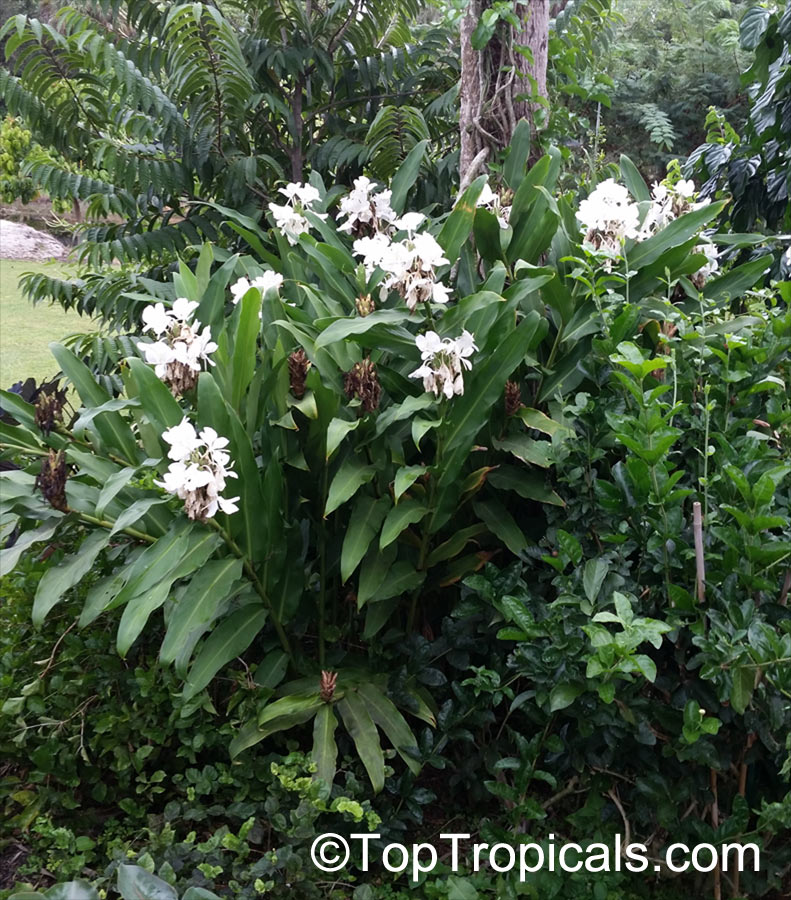
The plant’s architectural form adds structure to garden designs. Reaching up to 6 feet in height with broad, tropical-looking leaves, it creates natural privacy screens and backdrop plantings. Pair it with shorter flowering plants in complementary colors for a layered garden aesthetic that provides visual interest throughout the growing season.
“Hedychium coronarium | White Ginger …” from www.plantdelights.com and used with no modifications.
Identifying White Gingerlily Plants
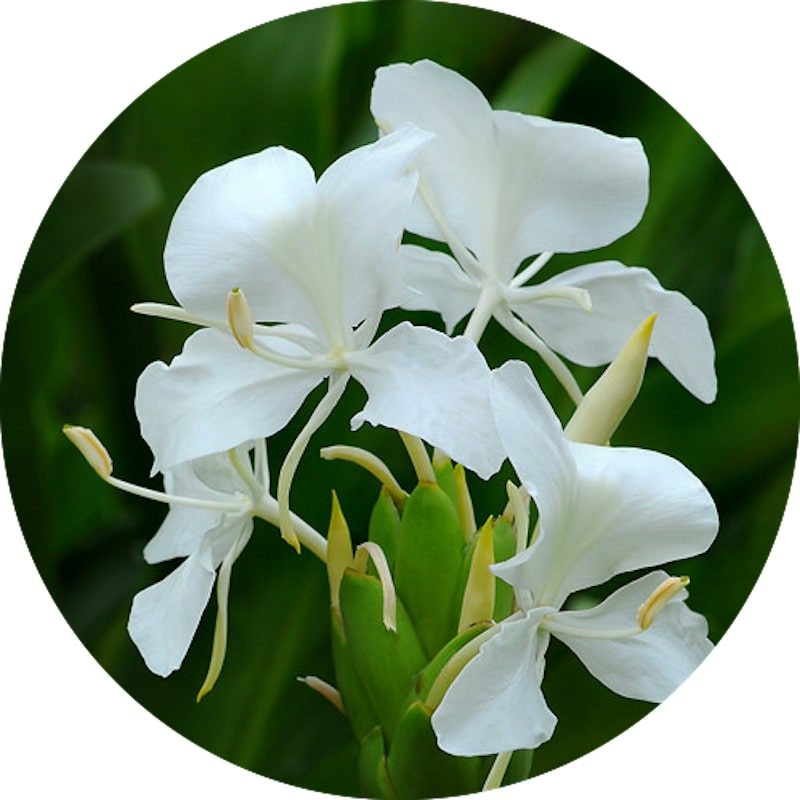
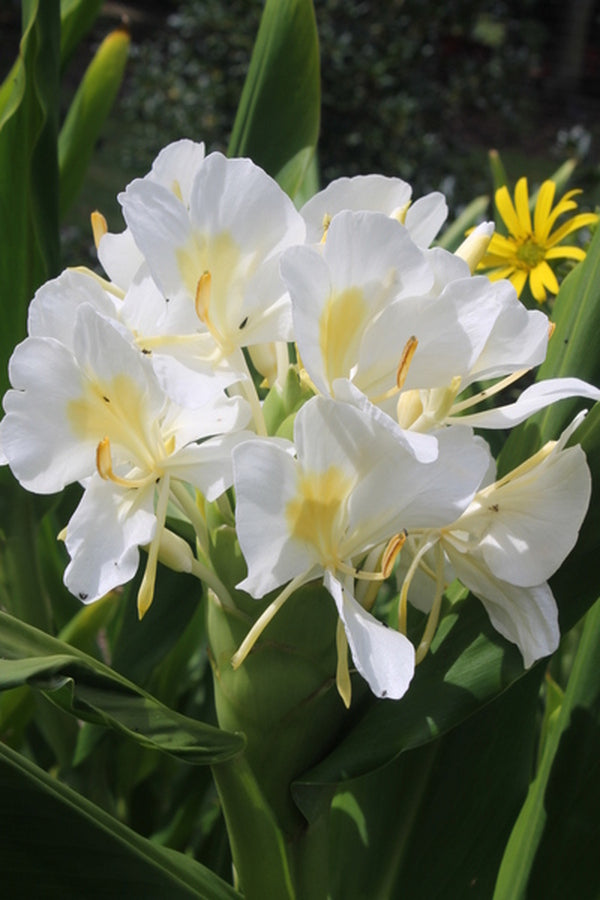
Proper identification ensures you’re growing true white gingerlily rather than similar-looking plants in the ginger family. The most distinctive feature is the flower itself – pure white, with a yellow or orange throat marking, arranged in terminal clusters. Each bloom resembles a butterfly with outspread wings, explaining its “butterfly ginger” nickname.
The foliage consists of lance-shaped leaves arranged alternately along the stems, typically 8-24 inches long and 2-4 inches wide. These leaves have a glossy appearance and prominent midrib, creating a bamboo-like aesthetic. The overall plant grows from underground rhizomes that spread horizontally, producing new shoots as they expand.
When not flowering, white gingerlily might be confused with other members of the ginger family or even certain cannas. However, crushing a leaf releases a distinctive spicy-sweet aroma that helps confirm its identity. The rhizomes also have a unique fragrance when disturbed or cut, though milder than culinary ginger.
- Flowers: Pure white with yellow/orange throat markings, butterfly-shaped
- Leaves: Lance-shaped, glossy green, 8-24 inches long
- Growth pattern: Upright stalks from spreading rhizomes
- Fragrance: Sweet, jasmine-like scent from flowers; mild spicy aroma from crushed leaves
- Bloom time: Summer through fall, depending on climate
Size Specifications: How Tall and Wide It Grows
Understanding the mature dimensions of white gingerlily helps with appropriate garden placement. In optimal conditions within USDA plant hardiness zones 8-10, white gingerlily reaches its full potential height of 5-6 feet. The spread can be equally impressive, with established clumps expanding 3-4 feet wide in just a few growing seasons.
In container cultivation or cooler climates where it’s grown as an annual, the plant typically stays more compact, reaching 3-4 feet in height. Growth rate depends heavily on growing conditions, with plants in ideal environments (warm, humid, consistent moisture) developing quickly compared to those in less optimal situations.
White Gingerlily Growth Specifications
Height: 5-6 feet (in ground, zones 8-10); 3-4 feet (containers/cooler zones)
Width: 3-4 feet at maturity
Growth rate: Moderate to fast in ideal conditions
Maturity timeline: 2-3 years to reach full size from rhizome division
When planning garden layouts, allow sufficient space for mature size. While pruning can control height to some extent, the spreading nature of the rhizomes means the plant will naturally expand outward over time. In small gardens, consider planting in containers or using root barriers to limit spread while still enjoying this magnificent plant.
Care Tips for Butterfly Ginger (Hedychium coronarium)
Spring and Summer Maintenance
Spring marks the beginning of active growth for white gingerlily, making it the ideal time to implement a consistent care routine. As new shoots emerge, apply a balanced, slow-release fertilizer (10-10-10) to fuel healthy development throughout the growing season. Water thoroughly when the top inch of soil feels dry, typically 2-3 times weekly during hot weather, as these plants thrive in consistently moist conditions without becoming waterlogged. Mulching with 2-3 inches of organic material helps retain soil moisture and suppresses competing weeds while gradually improving soil quality as it breaks down.
Fall Preparation and Winter Protection
As temperatures begin to drop in fall, reduce watering frequency but maintain soil moisture to support the plant through its transition to dormancy. In zones 8-10, where white gingerlily grows as a perennial, apply an additional layer of mulch around the base to insulate the rhizomes against occasional cold snaps. Resist the urge to prune yellowing foliage immediately, as the plant reabsorbs nutrients from dying leaves before winter dormancy.
In zones colder than 8, more extensive winter protection becomes necessary for plant survival. After the first frost, when foliage has died back, cut stems to about 2-3 inches above ground level. Carefully dig up the rhizomes if you live in an area with harsh winters, brush off excess soil, and let them cure in a dry location for several days before winter storage.
- Store cleaned rhizomes in dry peat moss, vermiculite, or shredded newspaper
- Keep in ventilated containers at 40-50°F (a basement or garage often works well)
- Check monthly for signs of rot or shriveling, removing damaged sections
- Mist very lightly if rhizomes appear excessively dry
- Replant after all danger of frost has passed in spring
Alternatively, in marginal zones (7b), you can attempt overwintering in-ground by applying a thick 8-12 inch layer of straw, pine needles, or leaves after cutting back the foliage. Cover this with burlap secured against winter winds, creating an insulating pocket that may protect rhizomes from freezing temperatures. For more information on butterfly ginger, visit the NC State Extension website.
Container-grown specimens offer more flexibility for winter protection. Simply move pots to a frost-free location such as a garage or basement where temperatures remain above freezing. Reduce watering dramatically during dormancy, providing just enough moisture to prevent complete desiccation—typically once every 3-4 weeks is sufficient.
5 Common Problems and Simple Solutions
Despite their relatively carefree nature, white gingerlilies occasionally face challenges that can be easily addressed with prompt intervention. Yellowing leaves often indicate overwatering or poor drainage—improve soil structure with organic matter and ensure containers have adequate drainage holes. Brown leaf edges typically signal environmental stress from excessive sun exposure or insufficient humidity; relocate to a more sheltered position and increase humidity through grouping plants or using pebble trays with water. Spider mites may appear during hot, dry conditions, causing stippled foliage and fine webbing; treat by increasing humidity and spraying plants forcefully with water or applying insecticidal soap. Root rot presents as wilting despite moist soil and blackened, mushy stems at the base; remove affected plants, trim away diseased portions, and replant in fresh, well-draining media. Finally, lack of flowering usually stems from insufficient light, improper nutrition, or overcrowding; ensure plants receive morning sun/afternoon shade, apply a bloom-boosting fertilizer higher in phosphorus, and divide congested clumps every 2-3 years.
“Butterfly Lily / White Ginger Lily Care …” from www.youtube.com and used with no modifications.
Dividing and Propagating White Gingerlily
Division represents the most reliable method for propagating white gingerlily and simultaneously rejuvenates older plants with diminished flowering. The ideal time for division is early spring just as new growth emerges, though in frost-free areas, division can be performed in fall after flowering concludes. Begin by carefully lifting the entire root mass using a garden fork inserted several inches away from stems to avoid damaging the rhizomes. Gently shake or rinse away soil to reveal the network of rhizomes, then identify natural breaking points where rhizome sections can be separated, ensuring each division has at least 2-3 growth eyes (small bumps or protrusions) and a healthy portion of roots. Cut cleanly through these sections using a sharp, sterilized knife, dusting cut surfaces with garden sulfur to prevent fungal infection before replanting promptly at the same depth as original growth, approximately 1-2 inches below soil level. Water thoroughly after planting and maintain consistent moisture as the divisions establish themselves, expecting new plants to flower within one to two growing seasons.
Safety Profile: People and Pets
Understanding the safety implications of garden plants is essential for responsible cultivation, particularly for households with children and animals. White gingerlily offers the reassuring combination of ornamental beauty without significant toxicity concerns, making it a suitable choice for diverse garden settings. For more information on creating a safe garden for pets, explore additional resources.
Unlike many showstopping ornamental plants that harbor dangerous compounds, white gingerlily presents minimal risk to humans. The rhizomes contain aromatic compounds and mild irritants that might cause temporary discomfort if consumed in large quantities, but they lack the potent toxins found in many common garden plants. This relative safety, combined with their generally unpalatable taste when raw, means accidental ingestion rarely causes serious issues beyond minor digestive upset. For those interested in ensuring pet-safe garden ideas, white gingerlily can be a suitable choice.
“Butterfly Ginger Lily …” from toptropicals.com and used with no modifications.
Non-Toxic for Cats and Dogs
Pet owners can breathe easy when adding white gingerlily to their landscape, as the plant is not listed among toxic species by major pet safety organizations including the ASPCA. Unlike true lilies (Lilium species) which are highly toxic to cats, white gingerlily—despite its common name—belongs to the ginger family and doesn’t pose the same dangers. This makes it an excellent choice for gardens where pets roam freely or for households where curious animals might occasionally sample outdoor plants.
- Not included on ASPCA toxic plant lists for dogs or cats
- Contains no cardiac glycosides, grayanotoxins, or other compounds especially dangerous to pets
- Mild gastrointestinal upset possible but rarely requiring veterinary intervention
- Represents a safer alternative to many flowering plants with similar aesthetic appeal
While general safety is a comforting feature, responsible gardeners should still monitor pets showing unusual interest in any garden plants. Individual animals may experience varying sensitivities, and excessive consumption of any non-food plant material can potentially cause digestive discomfort. Newly introduced puppies or kittens, in particular, often explore their environment through taste and may be more likely to sample garden plants.
For households with particularly plant-curious pets, consider initially growing white gingerlily in elevated planters or areas with limited pet access until you’ve observed your animal’s behavior around the new addition. Most pets naturally avoid the plant’s somewhat spicy rhizomes and are deterred by the aromatic qualities that make the plant appealing to humans.
Handling Precautions and Skin Sensitivity
While generally considered safe, white gingerlily’s rhizomes contain aromatic compounds that may cause mild skin irritation in particularly sensitive individuals. When dividing or handling rhizomes extensively, consider wearing gardening gloves as a precaution, especially if you have known plant allergies or sensitive skin. The sap from cut stems may cause temporary irritation similar to that of other members of the ginger family—wash affected areas promptly with soap and water if irritation occurs and avoid touching eyes or mucous membranes after handling the plant before washing hands thoroughly.
The Many Uses of White Gingerlily
Beyond its ornamental value, white gingerlily serves multiple purposes in various contexts, reflecting its long history of human cultivation. Traditional medicine practitioners in its native regions have utilized various plant parts for centuries, particularly the rhizomes, which contain anti-inflammatory compounds. In contemporary landscapes, the plant functions as a natural privacy screen, a fragrance garden cornerstone, and a valuable addition to pollinator habitats, attracting butterflies and beneficial insects with its nectar-rich blooms. The cut flowers make spectacular, long-lasting arrangements that perfume entire rooms, while the broad leaves add tropical texture to mixed bouquets.
Captivating Fragrance: Why It Smells So Good
The intoxicating scent of white gingerlily results from a complex blend of volatile compounds that intensify in the evening hours, an evolutionary adaptation to attract nighttime pollinators. Chemical analysis reveals the presence of linalool, benzyl acetate, and methyl benzoate—the same compounds found in jasmine and gardenia but combined with unique spicy notes derived from its ginger family heritage. This fragrance profile explains why the plant has been historically important in perfumery and remains a staple in tropical wedding ceremonies where its blooms frequently appear in bridal bouquets and ceremonial garlands. The scent memory associated with white gingerlily proves remarkably strong, with many gardeners reporting that a single whiff instantly transports them to specific memories of tropical vacations or childhood gardens where they first encountered this botanical treasure.
Edible Parts and Simple Culinary Applications
While not as widely utilized in cooking as its cousin culinary ginger, white gingerlily offers several edible components for adventurous culinary experimentation. The young rhizomes, though milder than common ginger, impart a subtle spicy-floral note to dishes when thinly sliced and used fresh or lightly cooked. Traditional preparations in Southeast Asian cuisines occasionally incorporate these rhizomes into soups and medicinal teas, particularly for addressing digestive complaints.
The flowers represent the most accessible edible component for most gardeners, offering both visual appeal and flavor to culinary creations. These pristine white blossoms make stunning garnishes for desserts and craft cocktails, providing a gentle floral taste with subtle ginger undertones. Try floating individual petals in clear soups or sprinkle them over fruit salads for an unexpected flavor dimension and spectacular presentation. For preservation, the blossoms can be crystallized with egg white and superfine sugar or infused into simple syrups to capture their aromatic essence for use in beverages and sorbets throughout the year.
Spiritual Meaning and Cultural Significance
Across various cultural traditions, white gingerlily carries rich symbolic associations that extend beyond its physical attributes. In Hindu traditions, the flower (known as “dolonchapa”) frequently appears in religious ceremonies, representing purity and divine knowledge when offered at temples and shrines. Hawaiian culture incorporates the plant (called “awapuhi ke’oke’o”) into traditional lei-making, where it symbolizes reverence and is reserved for special ceremonial garlands worn by distinguished community members or during significant life transitions. For those interested in exploring more about plants and their cultural significance, the American chestnut also holds an intriguing historical and cultural story.
The plant’s association with spiritual cleansing appears consistently across diverse traditions, with its intense fragrance believed to purify spaces and facilitate meditation practices. In feng shui applications, white gingerlily positioned in the southwest corner of gardens allegedly attracts positive relationships and romantic energy, while placement in eastern sectors enhances family harmony. Modern interpretations in flower essence therapy suggest that white gingerlily essence helps resolve emotional conflicts and promotes inner peace—an interesting parallel to its traditional applications in spiritual practices across multiple continents and belief systems.
Managing Its Spreading Tendency
White gingerlily’s vigorous growth habit represents both its appeal and potential challenge. The rhizomatous root system spreads horizontally underground, sending up new shoots as it expands outward from the original planting. In ideal conditions, this growth pattern creates magnificent natural colonies that fill garden spaces with fragrant blooms. However, this same characteristic requires thoughtful management to prevent the plant from overtaking garden areas where it’s not wanted.
Is White Gingerlily Invasive in Your Region?
White gingerlily (Hedychium coronarium) has earned a concerning reputation in certain regions where it has escaped cultivation. In Hawaii, parts of Florida, and various tropical Pacific islands, it’s classified as an invasive species that can displace native vegetation, particularly in wetland areas. Its ability to form dense stands through rhizomatous spread allows it to outcompete native plants for resources, potentially altering ecosystem dynamics in sensitive habitats.
Before planting, consult your local extension office or invasive species council to determine whether white gingerlily poses ecological concerns in your region. In temperate zones (below USDA zone 8), the plant’s spreading tendency is naturally limited by winter freezes, which kill back rhizomes that aren’t adequately protected. However, in frost-free regions with ample moisture, responsible cultivation requires commitment to containment practices that prevent escape into natural areas.

“Potted Hedychium Coronarium (White …” from www.reddit.com and used with no modifications.
Containment Strategies for Garden Planting
Container cultivation offers the most reliable method for enjoying white gingerlily while completely eliminating invasive potential. Choose containers at least 18-24 inches in diameter with adequate drainage holes, filling with rich, moisture-retentive potting mix. Container-grown specimens require more frequent watering and fertilization but reward this extra attention with concentrated growth and simplified winter protection in colder regions. For more information on pet-safe gardening, check out this guide to safe garden ideas.
For in-ground plantings, physical barriers provide effective spread control. Install commercial root barriers or repurposed materials like corrugated metal edging at least 18 inches deep around planting areas, ensuring the barrier extends slightly above soil level to prevent rhizomes from growing over the top. Alternatively, create contained beds using raised garden structures with solid bottoms, providing the necessary 18-24 inches of soil depth while completely isolating the root system. For additional ideas, explore safe garden ideas that cater to both plants and pets.
Regular monitoring and maintenance remain essential even with containment systems in place. Schedule annual “rhizome checks” during early spring to identify and remove any escapees that have managed to breach barriers. When dividing plants for propagation, dispose of excess rhizomes responsibly by thoroughly drying and discarding them in household waste rather than composting, where incomplete decomposition might allow growth to continue. For more tips on managing garden plants, explore safe garden ideas.
White Gingerlily: A Tropical Beauty Worth Growing
Despite management considerations, white gingerlily offers exceptional rewards to gardeners seeking fragrant, low-maintenance perennials with tropical appeal. Few plants combine such magnificent blooms, intoxicating fragrance, and adaptability to various growing conditions. With responsible cultivation practices tailored to your specific region, this botanical treasure brings a touch of exotic luxury to gardens while providing valuable resources for pollinators and sensory delight for human inhabitants. The minimal care requirements, combined with resistance to most pests and diseases, make white gingerlily an excellent choice for gardeners seeking maximum impact with minimal maintenance investment.
Frequently Asked Questions
White gingerlily cultivation generates consistent questions from both new and experienced gardeners. These frequently arise as gardeners encounter the unique characteristics of this tropical beauty and seek to maximize its potential in their specific growing environments.
- When is the best time to plant white gingerlily?
- How much water does white gingerlily require?
- Can white gingerlily survive in cold climates?
- What’s the difference between white gingerlily and culinary ginger?
- Why isn’t my white gingerlily flowering?
These common questions reflect the primary considerations for successful cultivation, addressing the plant’s environmental preferences and distinct growth patterns. Understanding these foundational aspects helps gardeners create optimal conditions for healthy growth and abundant flowering.
Beyond these basics, gardeners often seek specific information about unique situations or specialized growing techniques. The following expanded answers address these deeper inquiries with practical solutions based on horticultural experience with this magnificent plant. For instance, understanding the care tips for sun vs. shade can greatly enhance your gardening efforts.
How long does it take for white gingerlily to bloom after planting?
Newly planted white gingerlily rhizomes typically require one full growing season to establish before producing flowers. When planted in spring, strong rhizome divisions often produce blooms by late summer or early fall of the same year, though flowering may be less abundant than in subsequent seasons. Plants grown from smaller rhizome pieces or those planted later in the growing season usually begin flowering in their second year after developing sufficient root and foliage systems to support bloom production.
Several factors influence the timeline to first flowers, including rhizome size at planting, growing conditions, and regional climate patterns. Providing optimal care during the establishment phase—consistent moisture, appropriate light exposure, and regular feeding with balanced fertilizer—accelerates the development process and increases the likelihood of first-year flowering. In greenhouse conditions or tropical regions with year-round warmth, the time to first bloom may be significantly shortened compared to cultivation in marginal hardiness zones where seasonal dormancy interrupts the growth cycle.
Can I grow white gingerlily in containers or indoors?
Container cultivation of white gingerlily succeeds admirably with attention to several key factors. Choose containers at least 18-24 inches in diameter with excellent drainage, filling with rich, moisture-retentive potting mix enhanced with 25% compost. Position containers to receive morning sun and afternoon shade, moving them seasonally if necessary to maintain this light balance. Indoor cultivation requires the brightest possible location—typically a south-facing window supplemented with grow lights during winter months—and consistent humidity maintained through misting, humidifiers, or grouping with other plants on pebble trays filled with water. The most significant challenge for indoor specimens is providing sufficient light intensity to trigger blooming, though foliage alone offers attractive tropical character year-round. For more information, you can check out this guide on growing white gingerlily.
Will white gingerlily survive frost or freezing temperatures?
White gingerlily foliage and stems die back completely when exposed to frost, with temperatures below 32°F (0°C) causing immediate damage to above-ground growth. The rhizomes show greater cold tolerance but suffer damage when soil temperatures drop below approximately 25°F (-4°C) for extended periods. In USDA zones 8-10, rhizomes typically survive winter in the ground with proper mulching, though zone 8 gardeners should apply a thick 8-12 inch layer of protective mulch after cutting back frost-damaged foliage.
In zones 7 and colder, successful overwintering requires lifting rhizomes after the first frost, storing them in barely moist medium (peat moss, vermiculite, or shredded newspaper) in a cool (40-50°F), dark location until spring planting. Some gardeners in zone 7b report success with extra-heavy mulching combined with planting in protected microclimates, such as against south-facing walls that radiate stored heat during cold nights. These borderline successes suggest that climate change may gradually extend the plant’s viable growing range northward, though winter protection remains essential in any region experiencing regular frost.
How do I harvest and use the edible parts of white gingerlily?
Harvest young rhizomes in early spring before major growth begins or in fall after flowering concludes. Select firm, aromatic sections, washing thoroughly and peeling the outer skin before use. These can be sliced thinly for fresh applications or grated for more intense flavor release. The rhizomes contain less of the spicy compounds found in culinary ginger but offer a delicate floral-spice note that pairs beautifully with seafood, tropical fruits, and coconut-based dishes. For flowers, harvest fully opened but fresh blooms in the morning after dew has dried but before the day’s heat intensifies. Use immediately for culinary purposes, floating whole blooms in punch bowls, separating petals for salad garnishes, or crystallizing with superfine sugar for cake decorations that combine visual appeal with the flower’s distinctive flavor.
What companion plants work well with white gingerlily?
Create stunning garden compositions by pairing white gingerlily with complementary plants that share similar growing requirements while offering contrasting forms, colors, or blooming periods. Consider tropical partners like cannas, elephant ears (Colocasia), and caladiums that thrive in the same moist, partially shaded conditions while providing bold foliage at various heights. For color contrast that highlights the pure white flowers, incorporate plants with deep purple or burgundy elements, such as Cordyline ‘Red Sister’, Persian shield (Strobilanthes dyerianus), or sweet potato vine ‘Blackie’. Extend the seasonal interest by underplanting with shade-tolerant perennials like hostas, ferns, and heucheras that provide ground-level texture while the gingerlily develops. In container arrangements, combine with trailing plants such as creeping Jenny, sweet potato vine, or variegated ivy to create multi-dimensional displays that maximize visual impact in limited spaces.
The beauty of white gingerlily extends far beyond its individual appeal when thoughtfully integrated into garden design. Its architectural quality, fragrant blooms, and tropical character create opportunities for creating immersive garden experiences that engage multiple senses while requiring minimal maintenance once established.
Whether grown as a specimen plant, massed for dramatic effect, or incorporated into mixed borders, white gingerlily rewards gardeners with an exceptional combination of ornamental value and easy care. By understanding its growth habits and addressing its basic needs, you’ll enjoy years of tropical splendor from this remarkable plant.
Visit Planting Perfection for more expert gardening advice on growing spectacular tropical plants in any climate. Additionally, learn about pet safety and plant care to ensure a harmonious garden environment.