
Key Takeaways
- Carob trees can thrive in USDA zones 9-11 in the United States, making them suitable for California, Arizona, and other Mediterranean-like climates.
- Unlike chocolate, carob is completely safe for pets, making it an excellent addition to a pet-friendly garden.
- These drought-tolerant trees can take 6-15 years to produce pods, requiring patience but offering sustainable harvests.
- Carob trees can be grown in containers with proper care, allowing even those in cooler regions to enjoy this ancient food source.
- While challenging to grow in some areas, carob trees provide multiple benefits including ornamental value, edible pods, and historical significance.
Carob trees (Ceratonia siliqua) stand as living connections to ancient agricultural traditions while offering modern gardeners a unique opportunity. These Mediterranean natives bring drought tolerance, evergreen beauty, and chocolate-alternative pods to American landscapes where conditions are right.
Carob Trees: The Mediterranean Gem Perfect for Your Pet-Friendly Garden
Native to the Mediterranean region and Middle East, carob trees have been cultivated for over 4,000 years. These majestic evergreens were introduced to the United States in 1854 and have become established primarily in California where the climate closely resembles their native habitat. Their ability to thrive in hot, dry conditions makes them increasingly valuable in water-conscious landscapes.
What Makes Carob Trees Special
Carob trees belong to the Fabaceae (legume) family, making them distant relatives of peas and beans. They grow to impressive heights of 50-55 feet with a broad, symmetrical canopy that provides excellent shade. Their evergreen foliage remains attractive year-round, while their edible pods offer a sustainable food source that’s naturally sweet and caffeine-free.
Carob Tree Basics
Scientific Name: Ceratonia siliqua
Family: Fabaceae (legume family)
Native Region: Mediterranean, Middle East
US Introduction: 1854
USDA Hardiness: Zones 9-11
Mature Height: 50-55 feet
Time to Fruit Production: 6-15 years
How to Identify a Carob Tree in Your Neighborhood
If you’re curious whether that elegant tree down the street might be a carob, several distinctive features can help with identification. Carob trees have a unique silhouette and growth pattern that becomes more recognizable once you know what to look for.
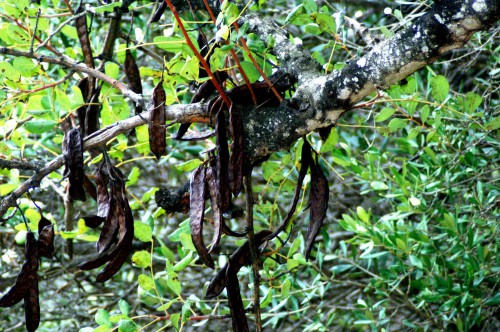
“Carob – Wikipedia” from en.wikipedia.org and used with no modifications.
Distinctive Leaf Patterns and Structure
Carob trees display pinnate leaves with typically 2-6 pairs of oval leaflets arranged along each stem. These leathery, dark green leaflets have a glossy appearance and remain on the tree year-round, providing consistent shade and ornamental value. The leaves typically measure 4-8 inches in length, with individual leaflets having a leather-like texture that helps the tree conserve water during drought periods.
When examining the foliage, notice how the leaflets are positioned opposite each other along the stem, creating a balanced, feather-like appearance. This symmetrical arrangement distinguishes carob from some similar-looking trees.
Unique Bark and Growth Habits
The bark of mature carob trees develops a distinctive gray-brown color with vertical fissures that deepen with age. Young trees have smoother, gray bark that gradually develops character as they mature. The overall growth habit is spreading and rounded, often creating an umbrella-like canopy that provides excellent shade in hot climates.
Flowering and Pod Production
Carob trees produce small, red to purple flowers directly on their branches and trunk – a growth habit called cauliflory. These inconspicuous blooms develop into the tree’s most recognizable feature: long, flat, brown pods measuring 4-12 inches. The pods start green and mature to a chocolate-brown color with a leathery texture, containing several hard seeds embedded in a sweet pulp. For those interested in the historical uses of similar trees, the American chestnut offers fascinating insights.
Why Carob Trees Aren’t Common in American Gardens
Despite their beauty and utility, carob trees haven’t achieved widespread popularity in American landscapes. Several factors contribute to their relative scarcity outside specialized collections and Mediterranean climate zones.
The Slow-Growth Challenge
Patience is essential when growing carob trees. They develop slowly, particularly in their early years, and can take 6-15 years before producing their first harvest of pods. This extended timeline discourages many gardeners seeking quicker results. The slow establishment period also means these trees require consistent care during their vulnerable early years, demanding a long-term commitment that doesn’t align with our culture’s preference for immediate gratification.
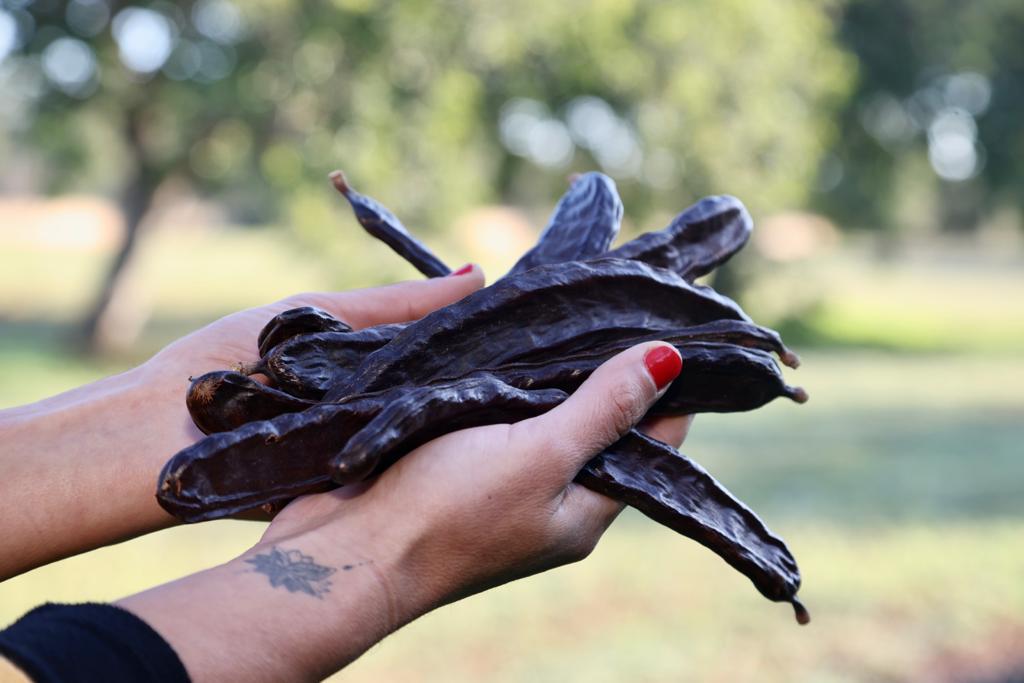
“Discover Mallorca’s Carob, a Superfood …” from www.viewmallorca.com and used with no modifications.
Messy Pod Production
Mature carob trees can produce abundant pods – a wonderful harvest if you’re planning to use them, but potentially messy if they fall unused. A single tree can drop hundreds of pods, creating significant cleanup work if not harvested promptly. These pods, while biodegradable, can create slipping hazards on walkways and require regular maintenance to keep the surrounding area tidy.
In public settings, the fallen pods might attract wildlife or create maintenance challenges, leading many municipalities to avoid planting them in streetscapes or public parks despite their drought tolerance and shade value. For those considering other tree options, understanding American chestnut pet safety and historical uses might offer valuable insights.
Root System Concerns
Carob trees develop both a deep taproot and aggressive shallow roots that can interfere with nearby structures. This robust root system helps the tree survive drought but poses challenges when planted near sidewalks, foundations, or underground utilities. The extensive root network can lift pavements or potentially affect plumbing systems if planted too close to infrastructure. For more detailed information on carob tree care, visit Gardening Know How.
Growing Carob Trees in the US: Yes, You Can!
Despite the challenges, carob trees can be successfully grown in several regions of the United States with the right approach. These Mediterranean natives adapt surprisingly well to similar climate zones across America, offering both ornamental value and edible harvests to patient gardeners.
USDA Hardiness Zones for Success
Carob trees thrive in USDA hardiness zones 9-11, making them suitable for significant portions of California, Arizona, Texas, Florida, and other southern states. In these regions, winter temperatures rarely drop below 20-25°F (-6 to -4°C), providing the mild conditions carob trees need to survive. Zone 9 represents the northern limit of their range, where occasional frost protection may be necessary for young trees during unusual cold snaps.
If you’re in zone 8 or colder, don’t despair—container growing with winter protection remains a viable option that we’ll explore shortly. Even in borderline areas, selecting a protected microclimate can make the difference between success and failure.
Perfect Climate Conditions
The ideal conditions for carob trees closely mirror their Mediterranean homeland: hot, dry summers and mild, slightly wetter winters. These trees flourish in areas that receive at least 300 days of sunshine annually. Coastal California, with its moderating ocean influence, provides particularly favorable conditions, explaining why carob trees have become a familiar sight in cities like San Diego, Los Angeles, and Santa Barbara.
Humidity tolerance is moderate—while carob trees prefer drier air, they can adapt to somewhat humid conditions provided the soil drains well. Wind resistance is excellent once established, making them suitable for exposed sites where other trees might struggle.
Soil Requirements and Adaptability
Carob trees display remarkable adaptability to various soil types, provided one crucial condition is met: excellent drainage. These trees absolutely cannot tolerate waterlogged conditions, which can quickly lead to root rot and decline. Sandy loam soils with neutral to slightly alkaline pH (6.5-8.0) provide ideal growing conditions. For more detailed information on carob tree care, you can explore additional resources.
One of carob’s strengths is its tolerance of poor, rocky soils that would challenge many other fruit-bearing trees. As legumes, carob trees can fix some nitrogen from the atmosphere, improving their ability to thrive in less-than-perfect soil conditions. This adaptability makes them excellent candidates for sustainable landscape designs.
Planting Your First Carob Tree: In-Ground Methods
When planting a carob tree directly in the ground, proper site selection and preparation significantly impact long-term success. These trees can live for centuries when correctly established, making initial planting decisions particularly important. For those interested in companion planting, you might want to explore companion plants that can enhance your carob tree’s growth.
Site Selection and Preparation
Choose a location that receives full sun exposure for at least 6-8 hours daily, preferably with southern or western exposure. Allow ample space for mature growth—at least 20-30 feet from buildings, power lines, or other large trees. Before planting, test soil drainage by digging a 12-inch hole, filling it with water, and observing how quickly it drains; complete drainage within 2-3 hours indicates suitable conditions.
Prepare the planting area by removing all weeds and grass in a 3-4 foot diameter circle. Incorporate organic matter like compost into poor soils, but avoid excessive amendments that might create a “bathtub effect” where water collects around roots. If your soil is heavy clay, consider creating a slight mound or raised area to enhance drainage.
Planting Technique
Dig a hole twice as wide as the root ball but only as deep as the container height. This encourages horizontal root growth while preventing the common mistake of planting too deeply. Carefully remove the tree from its container, gently loosening any circling roots. Position the tree so the top of the root ball sits slightly above ground level to allow for settling and ensure good drainage away from the trunk.
Backfill with native soil, firming gently to eliminate air pockets while avoiding compaction. Create a shallow basin around the tree to hold water during initial irrigation. Apply 2-3 inches of mulch in a circle around the tree, keeping it several inches away from the trunk to prevent moisture-related diseases.
Establishing Strong Roots
During the critical first year, focus on developing a strong root system rather than promoting top growth. Water deeply but infrequently to encourage roots to grow downward seeking moisture. This approach develops drought tolerance more effectively than frequent shallow watering, which keeps roots near the surface. For more information on plant care, check out this artillery plant care guide.
Stake the tree only if necessary in windy locations, as some trunk movement actually helps develop stronger root systems and trunk diameter. If staking is required, use soft ties that won’t damage the bark, and remove stakes after the first growing season when possible.
Watering Schedule for New Trees
Newly planted carob trees require consistent moisture until established, despite their eventual drought tolerance. Water deeply immediately after planting, then follow with irrigation every 5-7 days during the first summer, adjusting for rainfall and temperature. Gradually extend the interval between waterings as the tree establishes, transitioning to bi-weekly watering in the second year and monthly deep irrigation by year three.
Container Growing: Carob Trees on Patios and Balconies
Container cultivation expands the range where carob trees can be grown, allowing gardeners in cooler regions to enjoy these fascinating trees. With proper care, container-grown carobs can thrive for many years, though they typically remain smaller than their in-ground counterparts.
This approach provides flexibility to move the tree to protected locations during winter months or extreme weather, making carob accessible to gardeners well beyond its natural hardiness zones. Container growing also solves the aggressive root problem, making carob suitable for patios, rooftop gardens, and other spaces where in-ground planting isn’t possible.
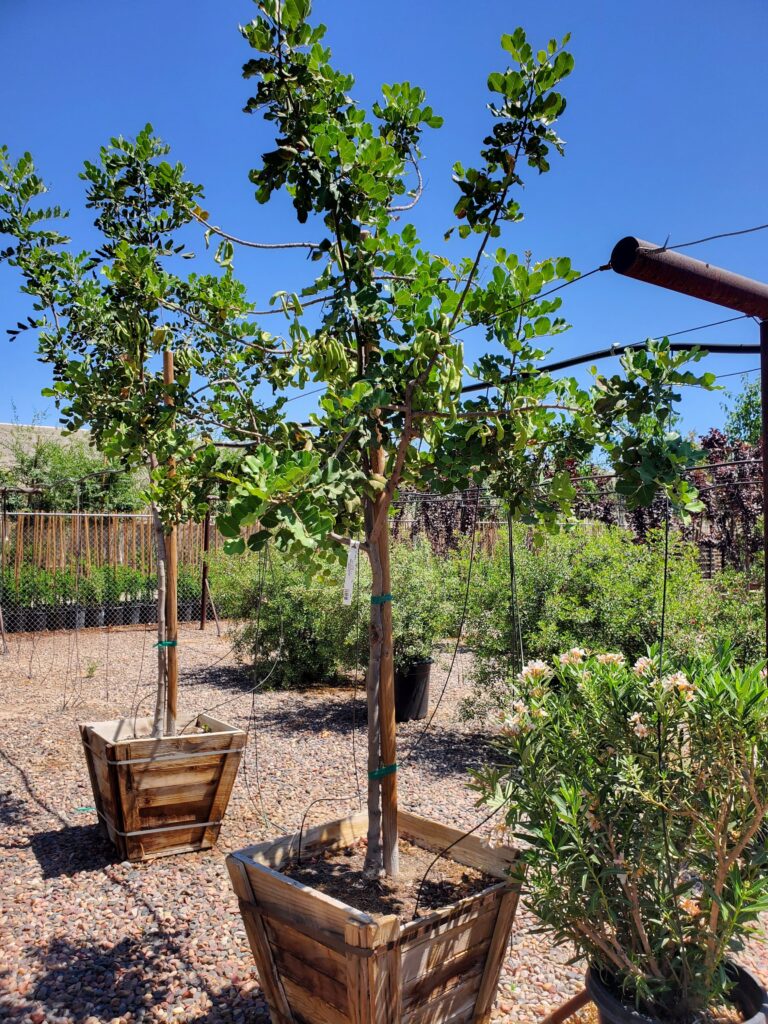
“CAROB TREE or ST JOHN’S BREAD …” from www.treeland.com and used with no modifications.
Choosing the Right Container
Select a container that balances adequate root space with practicality for moving when necessary. Start with a 15-20 gallon pot for young trees, eventually transitioning to a 25-30 gallon container as the tree matures. The container must have multiple large drainage holes to prevent water accumulation. Materials like terracotta or wood provide better insulation for roots than plastic, though they’re heavier and may require reinforced dollies for mobility.
Special Soil Mix for Containers
Standard potting soil often retains too much moisture for carob trees, potentially leading to root problems. Create a custom mix by combining high-quality potting soil (60%), coarse sand or perlite (20%), and fine gravel or pumice (20%) to improve drainage while maintaining adequate nutrient-holding capacity. Adding a small amount of compost provides initial nutrients without creating excess moisture retention.
Refresh the top few inches of soil annually and plan for complete repotting every 3-4 years. When repotting, gently trim up to one-third of the roots to rejuvenate the root system and manage size—a technique similar to bonsai practices but less severe.
Container Watering Tips
Container-grown carob trees require more frequent watering than those planted in the ground, but overwatering remains the greatest risk. Allow the top 2-3 inches of soil to dry completely before watering deeply until water flows freely from drainage holes. In summer, this might mean watering every 7-10 days, while winter may require only monthly irrigation depending on conditions. Use the weight of the container as a guide—a significantly lighter pot indicates the need for water.
Winter Protection Strategies
In zones 8 and colder, container-grown carob trees need winter protection. Move containers to a sheltered location that maintains temperatures above 25°F (-4°C), such as an unheated garage, sunroom, or greenhouse. Reduce watering frequency during winter dormancy, providing just enough moisture to prevent complete drying. In borderline areas, wrapping the container with bubble wrap or insulation material can provide additional protection for the root system, which is more vulnerable to cold than the above-ground portions.
Year-Round Care for Thriving Carob Trees
Successful carob cultivation depends on understanding the tree’s seasonal needs and providing appropriate care throughout the year. Once established, these trees require minimal maintenance compared to many fruit trees, making them excellent choices for busy gardeners or those interested in low-intervention agriculture.
Seasonal Maintenance Calendar
Spring brings the primary growth period for carob trees, making it the ideal time for any necessary pruning and the application of light fertilizer if needed. Summer care focuses primarily on monitoring water needs during extended dry periods, particularly for younger trees that haven’t fully developed their drought tolerance. Fall is harvest season for mature trees, with pods typically ready for collection from late summer through autumn. Winter requires minimal intervention for in-ground trees in appropriate climates, though container specimens may need protection from freezing temperatures.
Pruning for Shape and Health
Carob trees naturally develop an attractive, spreading form that requires minimal structural pruning. Focus pruning efforts on removing dead or damaged branches, eliminating crossed limbs that rub against each other, and maintaining clearance for walkways or structures. Major pruning should be performed in late winter or early spring before the active growth period begins. Unlike many fruit trees, carob doesn’t require annual pruning for production, and excessive cutting can actually reduce pod yields for several years.
For container specimens, more frequent light pruning helps maintain an appropriate size and attractive shape. This can be done by selectively shortening branches and occasionally thinning the canopy to improve air circulation.
Fertilization: Less is More
Carob trees have evolved to thrive in poor soil conditions and generally require minimal supplemental feeding. Over-fertilization can actually harm these trees by promoting excessive vegetative growth at the expense of pod production. If growth seems stunted or foliage appears yellowish (indicating possible nutrient deficiencies), apply a balanced, slow-release organic fertilizer in early spring at half the recommended rate for fruit trees. Established trees in reasonably fertile soil may never need additional fertilizer, particularly if fallen leaves are allowed to decompose naturally beneath the tree.
Benefits of Growing Your Own Carob Tree
Cultivating carob trees offers numerous advantages beyond the satisfaction of growing an unusual and historically significant species. These benefits range from practical landscape applications to edible harvests and environmental contributions.
Drought Tolerance and Water Conservation
Perhaps the most compelling reason to grow carob in many regions is its exceptional drought resistance once established. These trees have evolved deep root systems and efficient water use strategies that allow them to thrive with minimal irrigation in arid environments. This adaptation makes them valuable additions to water-wise landscapes, particularly in regions experiencing increasing water restrictions. By incorporating carob trees into your property, you’re making a long-term investment in sustainability that will become increasingly valuable as climate conditions change.
Ornamental Value
The aesthetic appeal of carob trees deserves greater appreciation. Their symmetrical form, glossy evergreen foliage, and distinctive horizontal branching pattern create year-round visual interest. The dense canopy provides excellent shade during hot summer months, creating comfortable outdoor living spaces in warm climates. Their moderate growth rate also means they won’t quickly outgrow their space like some faster-growing shade trees might.
Edible Pods and Their Uses
The sweet, nutritious pods represent the most well-known benefit of carob trees. These pods contain approximately 40-60% natural sugars, along with protein, calcium, and fiber, making them both flavorful and nutritious. Carob powder serves as a caffeine-free, naturally sweet alternative to cocoa in baking and beverages. The pods can also be enjoyed fresh off the tree, with a unique flavor profile that combines sweet, fruity notes with hints of caramel and chocolate.
For home gardeners interested in food security and self-sufficiency, carob represents a perennial food source that, once established, can provide reliable harvests for decades with minimal input. A mature tree can produce 100-200 pounds of pods annually, offering substantial returns for the patient gardener. Learn about the historical uses of other similar trees like the American chestnut.
Ecological Benefits
Beyond human uses, carob trees contribute valuable ecological services to your landscape. As members of the legume family, they can fix atmospheric nitrogen, potentially improving soil fertility in their vicinity. Their flowers, while not showy, provide nectar for beneficial insects, supporting local pollinator populations. The dense canopy also creates habitat for birds and other wildlife, enhancing biodiversity in your garden ecosystem.
Drawbacks to Consider Before Planting
While carob trees offer numerous benefits, responsible gardening requires considering potential challenges before adding any tree to your landscape. Understanding these limitations, such as whether certain plants are safe for pets, helps ensure you’re making an informed decision that matches your situation and expectations.
Time Investment
The most significant consideration is the extended timeline from planting to harvest. Carob trees typically take 6-15 years before producing their first significant pod crop, depending on growing conditions and the age of your initial planting stock. This long-term commitment requires patience that doesn’t align with modern expectations for quick results. However, for those planning to remain in their homes for many years or those interested in establishing legacy plantings for future generations, this timeline becomes less problematic.
Space Requirements
Mature carob trees develop substantial size, reaching 30-50 feet in height and spread under ideal conditions. While their growth rate is moderate, they eventually require significant space that must be planned for at planting time. Placing them too close to structures, driveways, or utility lines will create problems as the tree matures. Container growing can mitigate this issue but limits the tree’s ultimate size and productivity.
Climate Limitations
The need for Mediterranean-type growing conditions represents a genuine limitation for many American gardeners. Those in colder regions (below USDA Zone 9) face significant challenges with in-ground cultivation, requiring either greenhouse protection or container growing with winter shelter. Even in appropriate hardiness zones, areas with high summer humidity and rainfall may experience fungal issues that wouldn’t occur in the tree’s native dry climate.
Carob Trees and Pet Safety: Good News for Animal Lovers
Pet Safety Comparison: Carob vs. Chocolate
Carob: Contains no theobromine or caffeine, safe for pets
Chocolate: Contains theobromine and caffeine, toxic to dogs and cats
Risk Level: Carob poses no toxicity risk to pets
Symptoms of Chocolate Toxicity: Vomiting, diarrhea, rapid breathing, increased heart rate, seizures
Veterinary Recommendation: Carob is approved as a safe chocolate alternative for pets
One of the lesser-known but significant advantages of growing carob trees is their complete safety for households with pets. Unlike chocolate, which contains compounds toxic to dogs and cats, carob presents no danger to your four-legged family members. This safety profile makes carob trees excellent additions to pet-friendly landscapes where chocolate-producing cacao trees would be inappropriate.
The entire carob tree—including leaves, bark, flowers, and pods—is non-toxic to domestic animals. This contrasts sharply with many ornamental and fruiting trees that may produce toxic parts requiring careful management in homes with curious pets. Even if your dog decides to chew on fallen carob pods or a cat investigates the lower branches, no harmful effects will result.
This safety extends to wildlife as well, with birds, squirrels, and other creatures able to interact with the tree without risk. In fact, many wildlife species enjoy the sweet pods, potentially creating some competition for your harvest from a mature tree!

“Can Dogs Eat Carob? Vet Reviewed Facts …” from www.dogster.com and used with no modifications.
Why Carob Is Safe for Dogs and Cats
Carob’s pet safety stems from its fundamental biochemical differences from chocolate. While chocolate contains theobromine and caffeine—stimulants that dogs and cats cannot metabolize efficiently—carob naturally lacks these compounds entirely. This critical difference means carob can be safely incorporated into pet treats and poses no risk if animals access the fresh pods, whether directly from the tree or fallen on the ground. For more on pet safety, check out this guide on pet-safe plants.
Carob vs. Chocolate: The Pet-Safe Alternative
- Carob contains no theobromine or caffeine, the compounds in chocolate that are toxic to pets
- The natural sweetness comes from sucrose, fructose, and glucose rather than added sugars
- Carob provides calcium, phosphorus, and fiber beneficial to both humans and animals
- The flavor profile offers chocolate-like notes without the associated risks
- Commercial pet-safe “chocolate” treats typically use carob as their base ingredient
For households with both garden aspirations and beloved pets, carob trees represent a perfect harmonization of interests. You can cultivate a productive food tree without creating a hazardous environment for your animals. The pods can even be incorporated into homemade pet treats, providing a healthy, natural alternative to commercial options.
This safety profile extends to children as well, making carob an excellent choice for family gardens where little ones might be tempted to taste interesting-looking pods. The natural sweetness appeals to many children, offering a nutritious snacking option straight from the tree.
Pet owners often report that their dogs develop a taste for fallen carob pods, sometimes helping with “cleanup” by enthusiastically consuming drops before they can create garden maintenance issues. This natural interest further demonstrates the palatability and safety of carob for our companion animals.
Some veterinarians even recommend carob as a specific dietary addition for certain pets, noting its fiber content and gentle digestive properties. Always consult your veterinarian before making significant changes to your pet’s diet, but rest assured that accidental consumption of carob presents no emergency concerns.
Ancient Uses of Carob: From Gold Weights to Royal Treats
Carob’s relationship with human civilization stretches back thousands of years, with archaeological evidence suggesting cultivation as early as 2000 BCE. This deep historical connection encompasses fascinating uses ranging from precision measurement to sustenance during times of scarcity. Understanding this rich heritage adds another dimension of appreciation for these remarkable trees growing in your garden.
The Origin of the Carat Weight
Perhaps the most intriguing historical connection is that our modern term “carat”—used to measure gemstones and gold—derives directly from “carob.” Ancient merchants discovered that carob seeds displayed remarkable consistency in weight, making them ideal natural counterweights for measuring precious materials on balance scales. This practice became so widespread throughout the Mediterranean and Middle East that the Greek word for carob seed, “keration,” evolved into our modern “carat.”
This remarkable uniformity stems from the seed’s evolutionary adaptation to harsh growing conditions. Unlike many plant seeds that vary in size based on growing conditions, carob seeds maintain consistent density and weight regardless of the parent tree’s environment, making them reliable measurement tools in pre-industrial societies.
Traditional Food Applications
Throughout the Mediterranean, carob served as both everyday sustenance and emergency food during times of scarcity. The naturally sweet pods provided portable nutrition that resisted spoilage, making them valuable provisions for travelers, shepherds, and sailors. In ancient Egypt, carob was so valued that pods have been discovered in pharaonic tombs, intended to nourish the deceased in the afterlife.
Biblical scholars suggest that the “locusts” mentioned as food consumed by John the Baptist in the wilderness may actually have been carob pods, which were sometimes called “St. John’s Bread” or “locust bean” in historical texts. This association highlights the importance of carob as a wild food source in arid regions where other crops might fail.
- Carob molasses – a thick, sweet syrup produced by boiling and concentrating pod extract
- Carob flour – ground pods used in traditional breads and cakes
- Fermented beverages – various cultures created mildly alcoholic drinks from carob
- Trail provisions – whole pods carried by travelers as non-perishable nutrition
- Livestock feed – pods provided valuable nutrition for domestic animals
In many Mediterranean cultures, carob was considered a valuable crop specifically because of its reliability. Even during drought years when grain harvests might fail, carob trees continued producing pods, providing crucial food security. This dependability explains why these trees were traditionally planted as long-term investments for future generations.
Medicinal Uses Throughout History
Traditional medicine systems across multiple cultures recognized carob’s therapeutic potential. The pods were used to treat digestive ailments, particularly diarrhea, due to their mild astringent properties and pectin content. Ancient Greek physicians prescribed carob preparations for soothing coughs and addressing various digestive complaints. In Egypt and parts of the Middle East, carob syrup was a traditional remedy for sore throats and respiratory congestion, often combined with honey and herbs for enhanced effectiveness.
Modern Applications for Your Homegrown Carob
Harvesting pods from your own carob tree connects you to this ancient food tradition while providing versatile ingredients for contemporary kitchens. The applications range from simple whole-pod enjoyment to sophisticated culinary creations that showcase carob’s unique characteristics.
The timing of your harvest significantly affects flavor development. While pods can be harvested when fully grown but still green, allowing them to fully ripen and dry partially on the tree develops their characteristic sweetness and rich flavor profile. Pods are typically ready for harvest when they turn dark brown and develop a slight rattle when shaken, indicating the seeds have dried somewhat within the pod.

“Make Carob Powder from Foraged Pods …” from bloomingaz.com and used with no modifications.
Making Your Own Carob Powder
Creating homemade carob powder provides the freshest flavor and complete control over processing. Begin by collecting fully ripened pods and removing any stems or debris. Break the pods into smaller pieces and dry them completely in a food dehydrator or low-temperature oven (150°F/65°C) until they become brittle. Once thoroughly dried, remove the hard seeds (which require different processing) and grind the pod pieces in a food processor, coffee grinder, or high-powered blender until you achieve a fine powder. Store the resulting powder in an airtight container in a cool, dark place, where it will remain fresh for up to a year.
Recipes and Culinary Uses
Basic Carob Substitution Guide
Chocolate to Carob Ratio: Replace 1 cup cocoa powder with 1½ to 2 cups carob powder
Sweetener Adjustment: Reduce recipe’s sugar by ¼ cup per cup of carob powder used
Fat Consideration: Add 1-2 tablespoons additional fat (butter/oil) per cup of carob powder
Liquid Adjustment: Carob absorbs less moisture than cocoa; reduce liquid slightly
Baking Temperature: Carob burns more easily; reduce oven temperature by 25°F
Carob’s culinary versatility extends far beyond simply substituting for chocolate. Its natural sweetness and unique flavor profile make it valuable in both sweet and savory applications. In baking, carob powder can replace cocoa in brownies, cookies, and cakes, creating treats with a distinctive sweetness that doesn’t require as much added sugar. When substituting for chocolate, remember that carob lacks the bitter notes of cocoa, so recipes may need adjustment to balance flavors properly.
Beyond straightforward substitution, carob excels in Mediterranean-inspired recipes that highlight its natural affinity with ingredients like dates, nuts, honey, and warm spices. Traditional carob mousse combines the powder with almond or coconut milk for a dairy-free dessert that showcases its smooth texture and subtle flavor. Carob syrup, made by simmering chopped pods in water and straining, creates a versatile sweetener for pancakes, yogurt, or cocktails with complex molasses-like notes.
Surprising savory applications include carob-infused marinades for meats, particularly lamb and poultry, where its sweetness balances bold herbs and spices. In North African cuisines, carob occasionally appears in slow-cooked tagines, adding subtle depth to the complex flavor profiles of these dishes. Experimental chefs have even incorporated carob into artisanal bread, pasta, and innovative plant-based meat alternatives.
Natural Remedies from Your Garden
Modern herbalism continues to recognize carob’s therapeutic potential, particularly for digestive health. The soluble fiber in carob pods supports healthy digestion and may help regulate blood sugar and cholesterol levels. To create a simple digestive tea, simmer chopped carob pods in water for 15-20 minutes, strain, and enjoy warm or chilled. This preparation has traditionally been used to address mild diarrhea and digestive discomfort, working through both the fiber content and natural tannins that produce a gentle astringent effect. For those interested in exploring more about pet safety in gardens, you might find information on safe fresh thyme for dogs and cats helpful.
Harvest Your Success: What to Expect from a Mature Tree
After patiently nurturing your carob tree through its juvenile years, the reward comes in the form of abundant pod production that can continue for decades. A healthy, mature tree typically produces 100-200 pounds of pods annually, with exceptional specimens yielding up to 300 pounds in optimal conditions. This production typically begins between years 6-15, gradually increasing until the tree reaches full maturity around 20-25 years of age. With proper care, a carob tree can remain productive for 80-100 years, making it a true legacy planting that might serve multiple generations of your family.
Frequently Asked Questions
As interest in sustainable and unusual food crops grows, many gardeners have questions about incorporating carob trees into their landscapes. The following addresses the most common inquiries about these fascinating trees and their cultivation requirements.
How long does it take for a carob tree to produce pods?
Carob trees typically begin producing their first pods between 6-15 years after planting, depending on growing conditions, variety, and the age/size of your initial planting stock. Trees started from larger specimens (5-gallon containers or larger) generally fruit sooner than those started from small seedlings. Male trees never produce pods, while female and hermaphroditic trees will produce increasingly abundant harvests as they mature. Maximum production usually occurs when trees reach 15-20 years of age and continues for decades thereafter.
Can I grow a carob tree in cold regions like New England?
In-ground cultivation in cold regions (USDA Zones 8 and below) presents significant challenges, as carob trees cannot tolerate extended freezing temperatures. However, container growing with winter protection offers a viable alternative for dedicated gardeners. Success requires moving the containerized tree to a protected location during winter months—an unheated garage, sunroom, or greenhouse that maintains temperatures above 25°F (-4°C). The tree will need adequate light during this period, so supplement with grow lights if natural illumination is insufficient. This approach requires commitment but allows gardeners in cooler regions to enjoy these unique trees.
Do I need both male and female carob trees to get pods?
Carob trees are typically dioecious (having separate male and female trees), though hermaphroditic specimens with both male and female flowers exist. Only female and hermaphroditic trees produce pods, and they can do so without pollination—the pods will develop, but the seeds inside will be sterile. For viable seeds (which isn’t necessary if you’re only interested in the pods for consumption), you’ll need both male and female trees within reasonable proximity for wind pollination. When purchasing trees, select specimens labeled as female or hermaphroditic if pod production is your primary goal, as male trees will never produce pods regardless of age or care.
How do I prevent my carob tree from making a mess with fallen pods?
The most effective approach to preventing pod litter is timely, complete harvesting. Monitor pod development and collect them when fully ripe but before they begin dropping naturally. Harvest can be done by hand-picking accessible pods or gently shaking branches to dislodge ripe specimens onto tarps spread beneath the tree. For larger specimens where complete harvesting is impractical, regular cleanup during the dropping season (typically late summer through fall) prevents accumulation and associated problems.
- Regular sweeping or raking of hardscape areas prevents pods from becoming slippery hazards
- Designating a “drop zone” with appropriate ground cover (mulch rather than lawn) contains the maintenance area
- Encouraging wildlife that consumes fallen pods can provide natural cleanup assistance
- Strategic pruning that keeps the canopy contained over planting beds rather than hardscape reduces cleanup efforts
Some gardeners intentionally plant female carob trees in areas where pod drop won’t create maintenance issues, such as over planting beds rather than patios or driveways. Planning for this natural characteristic during initial placement can significantly reduce long-term maintenance concerns.
If messy pods remain a concern but you still want to grow carob, consider a container specimen that can be moved to an appropriate location during pod drop season, or investigate whether male trees (which produce no pods) might still satisfy your interest in growing this unique species.
Will a carob tree damage my home’s foundation?
Carob trees develop both deep taproots and spreading lateral roots that can potentially impact nearby structures if planted too close. The safe planting distance from foundations, underground utilities, septic systems, or water lines should be at least 20-25 feet, with greater distances preferred for long-term security. The root system becomes more aggressive as the tree matures, so even if problems aren’t immediately apparent, they may develop over decades. For those interested in creating a pet-friendly garden, here are some safe garden ideas that might complement your landscaping needs.
Root barriers installed at planting time can help direct growth away from sensitive areas, but these are not foolproof solutions for trees placed too close to structures. For properties with limited space, container growing represents the safest approach, effectively containing the root system while still allowing you to enjoy this magnificent tree.
The Algaroba, also known as the carob tree, is a versatile plant that thrives in various climates. Its identification and growing conditions are well-documented, making it a viable option for those interested in unique tree species. Although not as popular as other trees, the carob tree can grow in the US climate with proper care. For those interested in learning more about carob tree care, there are numerous resources available that provide tips for both in-ground and container planting. Additionally, understanding the pros and cons of growing this tree, as well as its safety for pets, can help gardeners make informed decisions. The carob tree has ancient and traditional uses, adding to its appeal for those interested in historical plant species.