
Summary
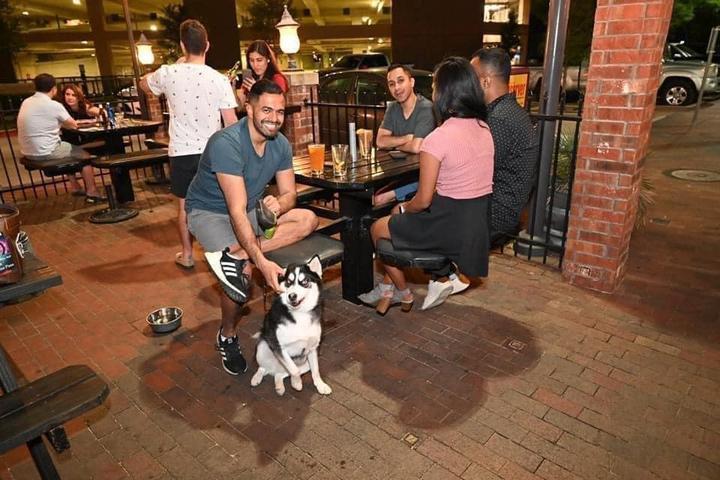
As pets become increasingly integrated into modern lifestyles, businesses and communities are discovering that genuinely pet-welcoming environments can create stronger emotional connection, differentiation, visibility, and customer loyalty. Senior living communities, restaurants, hospitality spaces, apartments, and experiential retail environments increasingly compete not simply through amenities, but through lived experience and atmosphere. The environments that successfully integrate pets often create stronger engagement and social participation in ways that extend beyond traditional marketing alone.
Key Takeaways
- Pet-welcoming environments increasingly influence customer perception and loyalty
- Senior living communities increasingly compete through lifestyle-oriented amenities and experiences
- Post-pandemic outdoor dining and parklet culture helped normalize more pet-inclusive hospitality environments
- Restaurants, apartments, and community spaces increasingly benefit from pet-oriented design
- Cat cafes and rabbit cafes reflect growing demand for experiential pet-centered environments tied to rescue awareness and adoption
- Real-world integration increasingly matters more than simply claiming to be “pet-friendly”
Modern pet ownership increasingly influences how people choose where to live, socialize, travel, dine, and spend time. Most importantly, pets increasingly influence housing decisions as people evaluate whether environments realistically support everyday life with animals.
As a result, businesses and community environments increasingly compete through comfort, atmosphere, visibility, and emotional connection rather than policy alone.
This shift is especially visible in industries where competition for attention, loyalty, occupancy, and long-term engagement continues intensifying.
Increasingly, the distinction is no longer whether pets are technically allowed, but whether environments genuinely support life with them in practical and visible ways.
Senior Living Communities Are Increasingly Competing Through Pet Integration
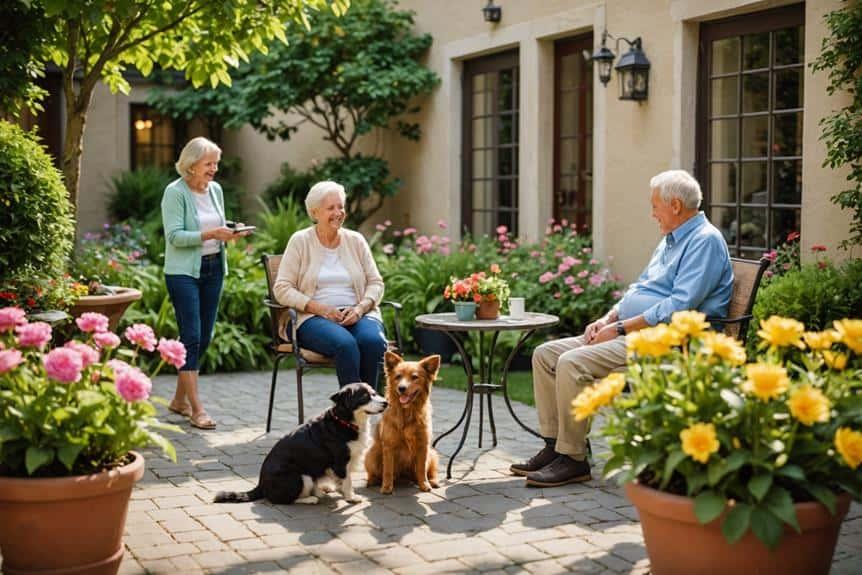
As the Baby Boomer generation ages, senior living communities increasingly compete within a rapidly expanding and highly competitive market.
Many communities now recognize that pets influence not only companionship and emotional wellbeing, but also overall quality of life, routine, and housing decisions. What once may have been limited to occasional pet visits or acceptance of small companion animals has evolved into more visible and intentional pet integration.
According to industry reporting on senior care design, communities increasingly incorporate pet-oriented features directly into planning and resident experience.
Some communities now include dog runs, enclosed outdoor pet areas, walking paths, pet-focused social programming, and even screened balcony catios for residents with cats.
There is also increasing awareness around landscaping, accessibility, and environmental safety. Some communities use raised planters, containers, turf areas, and pet-conscious outdoor design approaches that help create safer and more workable shared environments.
Some memory care communities are taking pet integration even further by incorporating free-roaming resident animals such as dogs, cats, and chickens within carefully managed environments designed to create comforting, immersive, farm-like atmospheres. There are even discussions within some facilities about introducing miniature horses as part of future therapeutic and experiential programming.
Pet integration increasingly functions not simply as an amenity, but as competitive positioning and lifestyle differentiation.
Outdoor Hospitality Spaces Changed During and After the Pandemic
Restaurants and hospitality spaces also experienced major shifts during and after the pandemic.
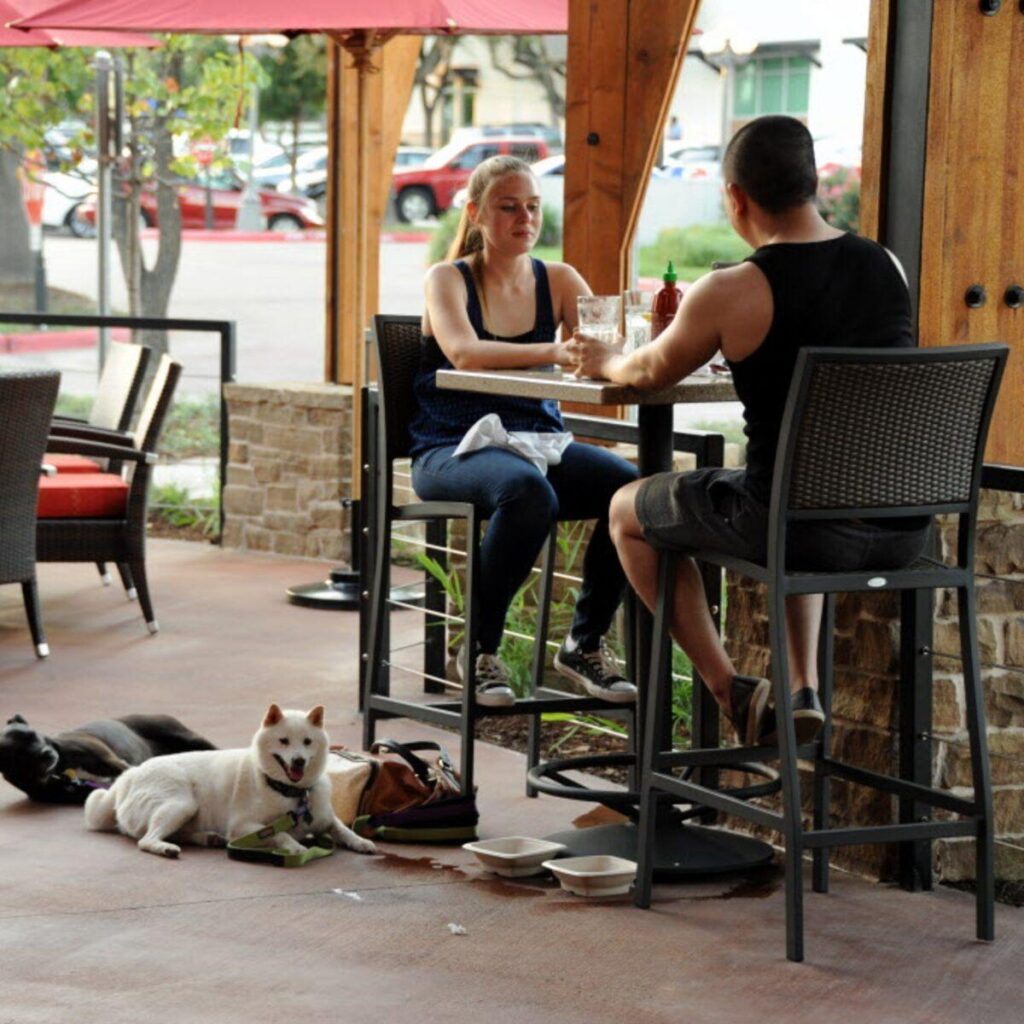
Before the pandemic, some restaurants already offered enclosed patios, climate-controlled outdoor seating, and dog-friendly exterior spaces. However, post-pandemic parklets and expanded outdoor dining accelerated public comfort with open-air social environments in ways that permanently reshaped hospitality culture.
According to reporting on California’s parklet legislation, many outdoor dining environments became permanent or semi-permanent fixtures after consumers embraced more flexible open-air experiences during the pandemic.
For many restaurants, parklets and expanded outdoor seating also became critical survival tools during shutdowns and phased reopenings. Businesses that could adapt outdoor space often recovered more quickly by creating environments where people felt safer gathering socially.
At the same time, pet adoption surged during the pandemic as many people sought companionship, emotional support, and connection during extended isolation and remote work periods. As a result, post-pandemic communities emerged with both more pet owners and greater public comfort around outdoor social environments.
These overlapping shifts naturally increased demand for pet-inclusive dining and hospitality experiences.
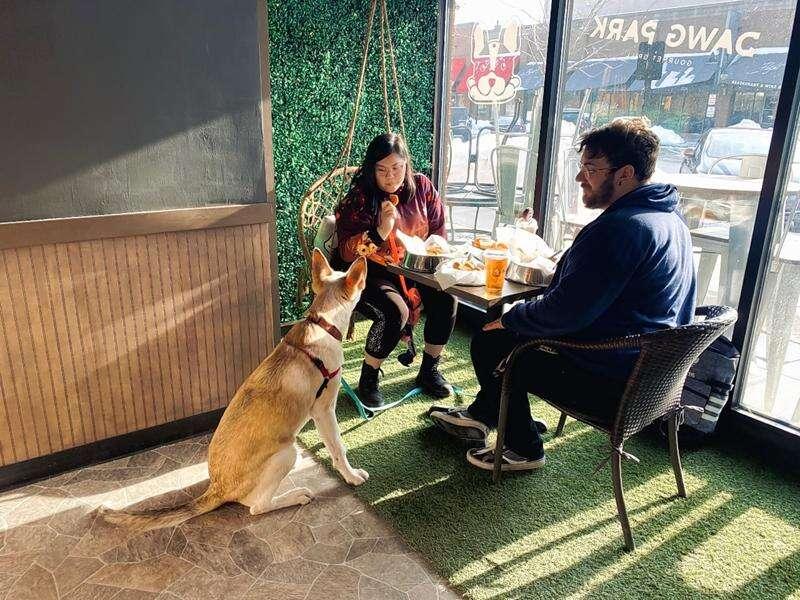
Restaurants with comfortable outdoor seating, shade, heating, enclosed patios, and relaxed atmospheres often became easier environments for customers dining with dogs. In many communities, post-pandemic parklets and expanded outdoor seating also increased the visible presence of pets within hospitality environments.
What began as an emergency adaptation eventually evolved into a broader cultural shift around flexible, social, pet-compatible gathering spaces.
Pet-Welcoming Design Increasingly Influences Shared Spaces
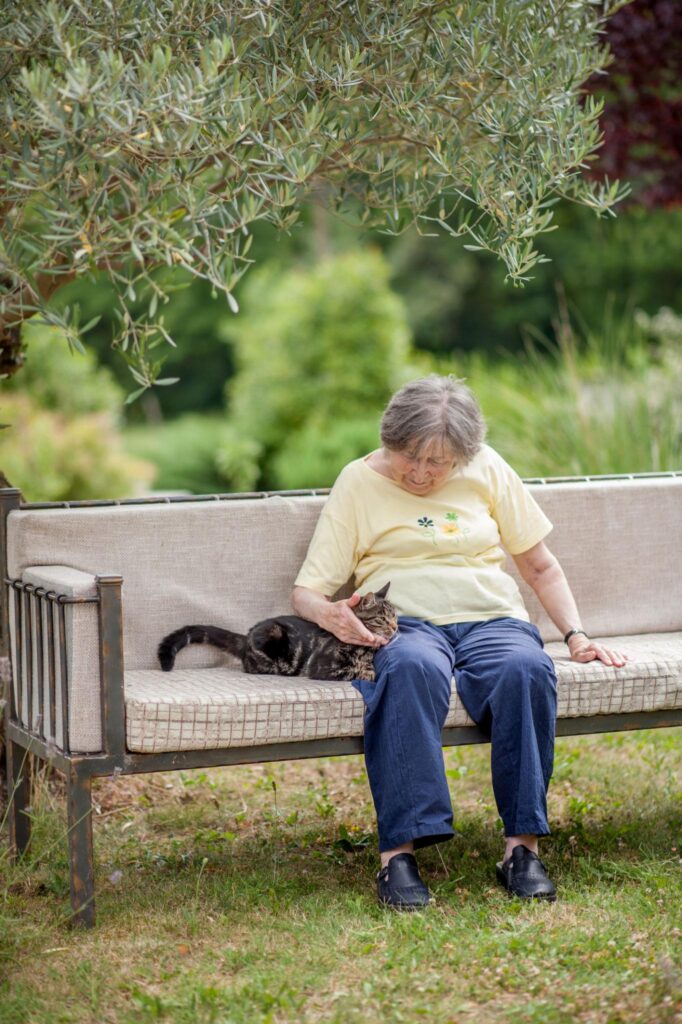
Modern pet integration increasingly influences how shared environments are designed and maintained.
Apartments, hospitality spaces, senior communities, and mixed-use developments increasingly consider walking access, outdoor relief areas, durable surfaces, circulation flow, pet-safe landscaping, and social gathering areas as part of overall functionality.
The growing idea of pet-centered design reflects a broader shift from simply allowing pets toward designing environments that support coexistence more naturally.
These details may appear small individually, but together they shape how comfortable, practical, and welcoming spaces feel in everyday life.
The difference between “pets allowed” and genuinely pet-welcoming increasingly becomes visible through environmental functionality.
Experiential Pet Spaces Continue Expanding
Pet-centered experiential spaces also continue evolving.
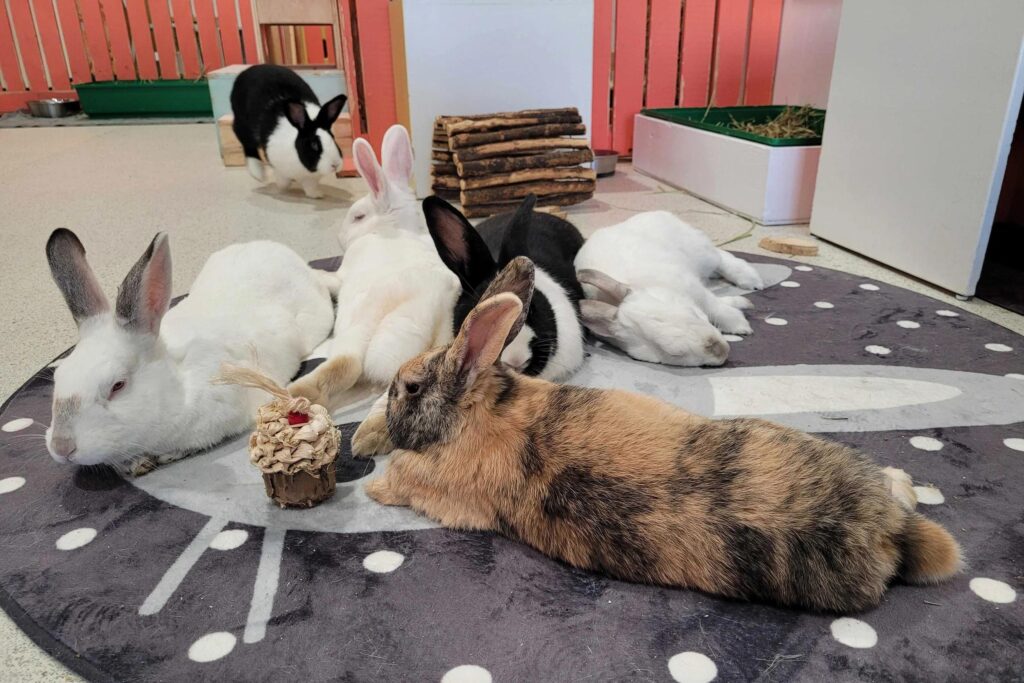
Cat cafes originally gained popularity not only as social environments, but also as rescue-oriented adoption spaces designed to help cats become more visible and approachable to potential adopters. The cafe model created a more relaxed and interactive alternative to traditional shelter introductions while helping support rescue awareness and adoption efforts.
Over time, the model expanded beyond novelty into community-oriented environments centered around emotional engagement, relaxation, interaction, and animal companionship.
More recently, rabbit cafes and bunny-centered spaces have also gained attention among people interested in rabbit companionship, rescue education, and quieter pet-centered environments.
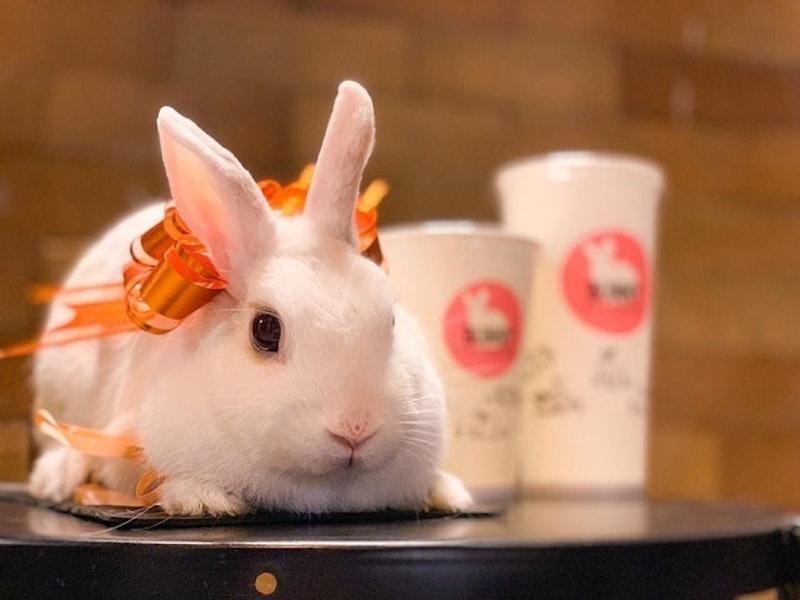
For example, The Bunny Cafe in San Francisco combines social interaction with rescue awareness and rabbit adoption opportunities while introducing visitors to indoor rabbit living and bonded-pair companionship.
These spaces reflect broader cultural interest in immersive, emotionally engaging, and community-oriented animal experiences.
Visibility and Atmosphere Increasingly Shape Loyalty
Pet-welcoming spaces often create emotional visibility that extends beyond traditional advertising.
When people see pets visibly integrated into an environment, spaces may feel more approachable, relaxed, social, and community-oriented. Customers often remember how an environment feels just as much as what it sells.
Businesses that genuinely integrate pets into their environment often create stronger differentiation than businesses that simply advertise pet policies without creating supportive experiences around them.
This emotional atmosphere increasingly influences repeat visits, recommendations, social sharing, and long-term loyalty.
Pet-Welcoming Spaces Reflect Broader Lifestyle Shifts
Modern pet ownership increasingly overlaps with housing, wellness, hospitality, social behavior, travel, and community life.
As pets become more integrated into everyday routines, businesses and shared environments increasingly adapt around those realities. The environments that evolve most successfully may be the ones that recognize pets not as niche accommodations, but as part of broader lifestyle integration and emotional experience.
In an increasingly competitive marketplace, genuinely pet-welcoming spaces may offer something many consumers now value deeply: comfort, connection, flexibility, visibility, and a stronger sense of belonging.
Sources & Additional Reading
- How Senior Care Community Design Is Becoming More Pet-Friendly
- Caring for the Ages — Pet-Friendly Senior Living
- ABC7 — California Outdoor Dining & Parklet Law
- Pet World Korea — Pet-Friendly Restaurants & Dining Culture
- Outdoor Seating & Dog-Friendly Hospitality
- The Bunny Cafe San Francisco
Explore more stories and insights about pet-friendly living, travel, wellness, and modern shared environments at:
https://rescuesrsuper.com/stories-and-education/