
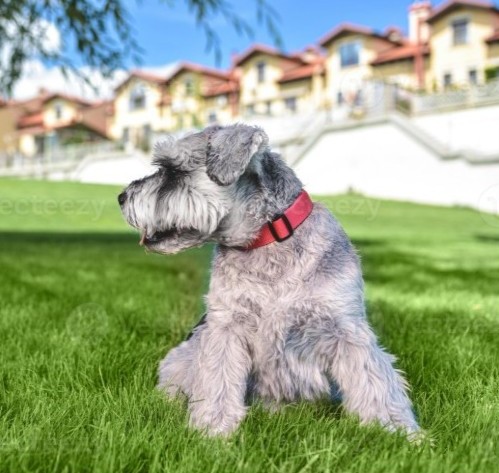
Designing Safe, Usable Outdoor Spaces for Pets in Balconies, Patios, and Shared Areas
Creating a pet-safe garden in apartments and condos is about more than choosing the right plants. It’s about designing spaces that work safely and comfortably for both pets and people—whether in private balconies or shared outdoor areas.
Key Takeaways
- Pet-safe gardens combine non-toxic plants with thoughtful design and clear boundaries.
- Small spaces like balconies and patios require careful layout to support both plants and pet movement.
- Shared environments introduce additional considerations for safety, consistency, and maintenance.
- A few well-chosen pet-safe plants can enhance the space without creating risk.
- Well-designed outdoor spaces increase desirability for renters, owners, and property managers.
As more people live in apartments and condos with pets, outdoor spaces—whether private or shared—play a bigger role in everyday life. The challenge is creating environments that feel natural and enjoyable while avoiding hidden risks.
What Makes a Garden Truly Pet-Safe
Pet safety starts with awareness of common hazards.
- Toxic plants: Avoid high-risk plants like sago palm, azaleas, and lilies, which can cause serious health issues if ingested
- Fertilizers and pesticides: Many contain chemicals that are harmful to pets, even in small amounts
- Materials and surfaces: Sharp edges, unstable pots, and treated wood can create unnecessary risk
Choosing pet-safe plants—such as spider plants, Boston ferns, and parlor palms—provides a safer foundation while still allowing for visual appeal.
Designing for Balconies, Patios, and Small Private Spaces
In apartments and condos, space is limited—and how that space functions matters.
- Keep walkways clear so pets can move comfortably
- Use containers and vertical planters to maximize space without crowding
- Create defined zones for plants versus pet activity
- Provide shade and comfortable resting areas
A well-designed layout reduces friction and makes the space easier to use every day, not just something that looks good.
Designing for Shared Outdoor Spaces (HOAs, Apartments, and Condos)
Shared spaces introduce a different set of considerations.
- Consistency in plant choices helps avoid accidental exposure to toxic plants
- Maintenance practices (fertilizers, pest control) should be pet-safe across the entire space
- Clear expectations for pet behavior and supervision reduce conflicts
- Durable, easy-to-maintain landscaping supports both usability and safety
For HOAs, landlords, and property managers, pet-safe design isn’t just a feature—it’s part of creating a functional, inclusive environment.
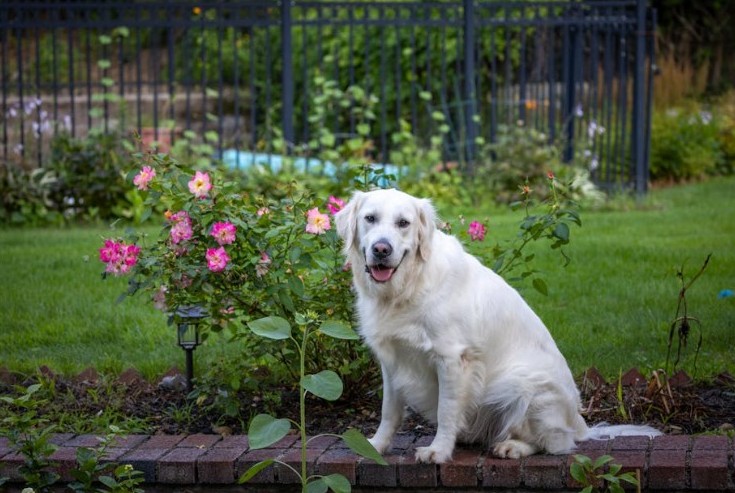
How Pets Actually Use Outdoor Spaces
Understanding behavior is key to designing spaces that work.
Pets don’t experience gardens the way people do. They:
- explore through scent
- move between shaded and open areas
- pause, rest, and observe their surroundings
- interact with edges, planters, and surfaces
Designing with this in mind helps prevent problems while creating a more natural, engaging environment.
Using Pet-Safe Plants Without Overcomplicating Design
Plants should support the space—not overwhelm it.
- container-friendly plants for balconies
- shade-tolerant plants for covered patios
- drought-tolerant plants for hot, exposed areas
Including a few well-known pet-safe options like spider plants, Boston ferns, or palms makes it easier to build a safe foundation—while allowing room to explore more detailed plant guides.
Why Pet-Safe Outdoor Spaces Increase Desirability
Outdoor spaces that work well for pets are increasingly valuable.
- Renters and buyers are more likely to choose properties that support their pets
- Well-designed spaces encourage longer stays and greater satisfaction
- Properties that consider pets as part of everyday living stand out in competitive markets
This is especially important in dense urban areas where private outdoor space is limited.
Creating Spaces That Work in Real Life
The goal isn’t just to create a garden—it’s to create a space that works.
When safety, usability, and experience come together, outdoor areas become an extension of everyday living rather than a separate or restricted zone.
Spaces that function naturally for both pets and people are the ones that get used and promote community.
For more insights on pet-safe plants to curate your garden, visit https://petscango.com/aspca-non-toxic-plant-list/