
Key Takeaways
- Hookera pulchella (commonly known as Sandia Coral Bells) thrives in USDA zones 4-9 with 4-6 hours of direct sunlight for optimal foliage color and blooms.
- This versatile perennial prefers consistently moist, well-draining soil and performs best outdoors where it can experience natural seasonal temperature changes.
- While adaptable to various light conditions, Hookera pulchella shows its best colors and flowering when planted in morning sun with afternoon shade.
- Proper seasonal care includes spring cutbacks, summer watering during dry spells, and light winter mulching in colder regions.
- Hookera pulchella is pet-friendly, non-toxic to cats and dogs according to the ASPCA, and naturally resistant to deer and rabbit browsing.
Hookera pulchella, with its stunning foliage and delicate bell-shaped flowers, can transform any garden into a colorful paradise. This remarkable perennial offers year-round interest, with evergreen or semi-evergreen foliage depending on your climate. Whether you’re a seasoned gardener or just starting out, understanding how to care for this beautiful plant will reward you with years of visual delight.
Hookera Pulchella: The Stunning Plant You Need in Your Garden
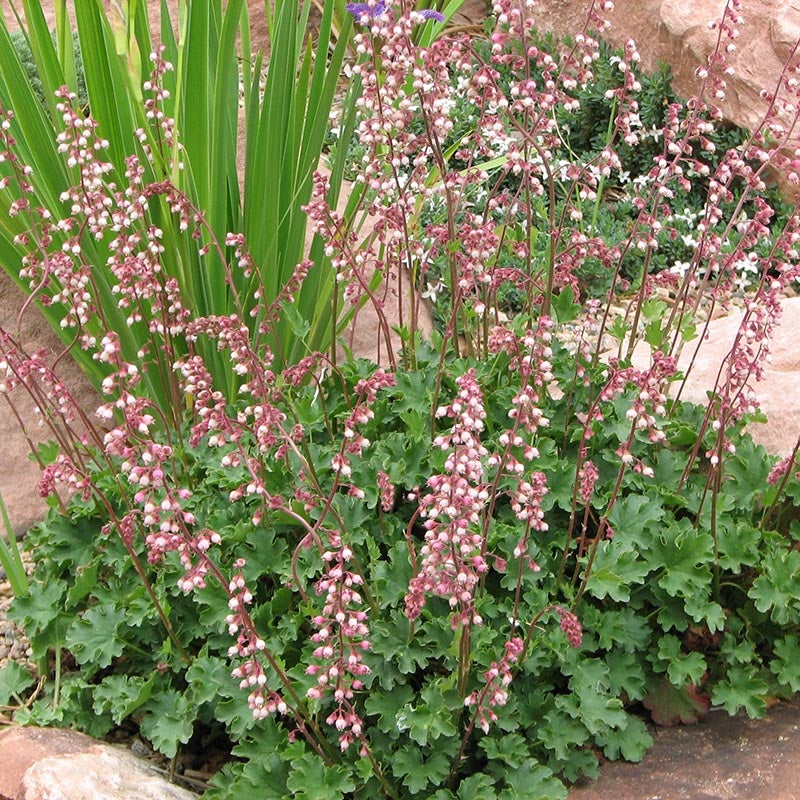
Imagine wandering through your garden and spotting clusters of delicate, bell-shaped flowers dancing above a mound of attractive foliage. That’s the charm of Hookera pulchella, a versatile perennial that brings multi-seasonal interest to any landscape. Native to the mountainous regions of central New Mexico, this resilient plant has won the hearts of gardeners with its colorful foliage and graceful flowering stems that rise above the plant like a gentle wave.
What This Plant Is Actually Called
If you’re feeling confused about the name, you’re not alone. This plant is more commonly known as Sandia Coral Bells or Sandia Mountain Alumroot in horticultural circles. The botanical classification has seen some changes over the years, but it belongs to the Heuchera genus, which explains why you’ll often hear it referred to simply as “coral bells.” The plant earned its common name from both its bell-shaped flowers and its native habitat in the Sandia Mountains. When searching for this plant at nurseries, you might have better luck looking under Heuchera pulchella or simply coral bells.
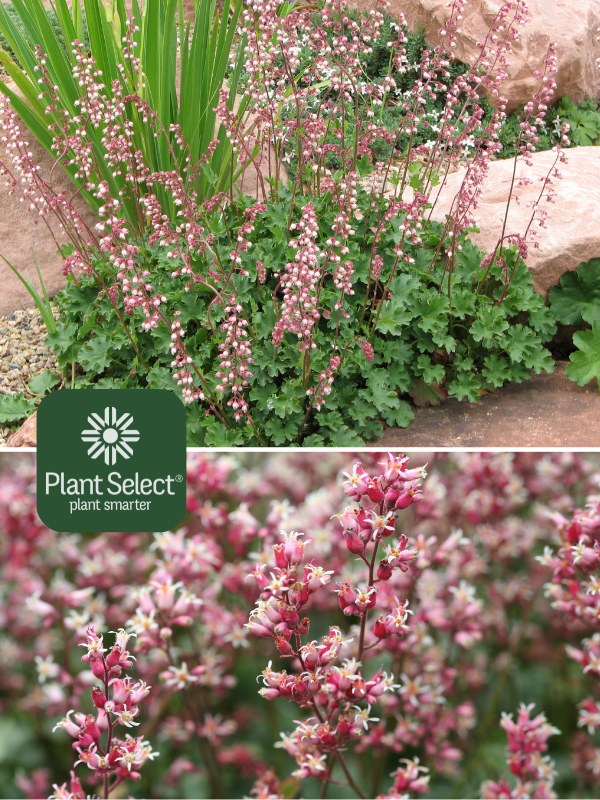
“Plant Select – smart plant choices …” from plantselect.org and used with no modifications.
Why Gardeners Love It
The appeal of Hookera pulchella extends far beyond its charming blooms. Gardeners prize this perennial for its remarkably versatile nature and low-maintenance requirements. Its compact growth habit makes it perfect for small gardens, borders, or containers, while its evergreen or semi-evergreen foliage (depending on your climate) provides year-round interest. The plant’s natural resistance to deer and rabbits makes it a practical choice for gardens in wildlife-heavy areas. Perhaps most impressively, once established, these plants demonstrate impressive drought tolerance while still maintaining their vibrant appearance, making them ideal for gardeners looking to create beautiful, water-conscious landscapes.
Light Requirements: Finding the Perfect Spot
One of the most appealing aspects of Hookera pulchella is its adaptability to various light conditions. Understanding how different light exposures affect the plant will help you determine the ideal placement in your garden. While this perennial can survive in a range of conditions, giving it optimal light will reward you with the best foliage color and bloom production.
Sun Tolerance and Preferences
Hookera pulchella has remarkable sun tolerance, especially in cooler climates where intense heat is less of a concern. For optimal growth and coloration, aim to provide your plant with at least 4-6 hours of direct sunlight daily. Morning sun is particularly beneficial as it’s less intense than afternoon rays and helps dry overnight moisture from the foliage, reducing the risk of fungal issues. If you live in a region with hot summers (USDA zones 8-9), consider a location that receives full morning sun but gains some protective shade during the hottest part of the afternoon to prevent leaf scorch and color fading.
Shade Requirements and Considerations
While Hookera pulchella can tolerate full shade, too little light will affect both its growth habit and flowering potential. In deep shade, plants tend to become more leggy with diminished foliage color intensity. The vibrant hues that make this plant so desirable—particularly in the light-colored varieties—need some direct light to fully develop. Dappled shade beneath deciduous trees offers an excellent compromise, providing protection during summer’s heat while allowing more light to reach the plants during spring and fall. In very hot climates, afternoon shade becomes less optional and more necessary to prevent leaf burn and stress to the plant.
How Light Affects Bloom Production
The relationship between light exposure and flowering is direct and significant with Hookera pulchella. Plants receiving adequate sunlight (at least 4-6 hours daily) typically produce more abundant and colorful blooms. The charming bell-shaped flowers emerge on tall, slender stems that rise above the foliage, creating a delicate, airy effect in the garden. In too much shade, you might notice fewer flowering stems and a longer time to bloom. However, in extremely hot locations, a balance must be struck—too much intense sun can stress the plant and actually reduce flowering, while the right amount of morning sun with afternoon protection often yields the most impressive floral display. For more details on the ideal sun and shade conditions, you might find this guide on sun vs shade for plants helpful.
Indoor vs Outdoor Growing: Where It Thrives Best
Hookera pulchella shows its true potential in outdoor settings where it can experience natural seasonal changes. Understanding the plant’s preferences will help you decide the best growing location for your specific situation and climate conditions.
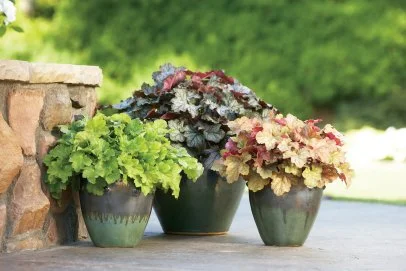
“How to Grow and Care for Coral Bells …” from www.hgtv.com and used with no modifications.
Outdoor Growing Success Factors
In the garden, Hookera pulchella truly comes into its own, displaying its full range of colors and blooming potential. For optimal outdoor growth, plant in USDA hardiness zones 4-9 where the natural climate cycles support the plant’s vernalization needs. When selecting a planting location, remember that while adaptable, these plants perform best in spots that offer morning sun with afternoon shade, especially in warmer regions. The natural cold period of winter dormancy actually benefits these plants, triggering more prolific flowering in the subsequent growing season. For additional insights, explore the importance of sun vs. shade for plant health.
Well-draining soil is crucial for outdoor success, as these plants dislike having “wet feet” which can lead to root rot. In areas with heavy clay soil, consider creating raised beds or amending the soil with organic matter to improve drainage. Once established, outdoor specimens demonstrate impressive resilience, often thriving for years with minimal intervention while expanding into attractive mounds that can reach 8-12 inches in height with a similar spread.
Indoor Growing Challenges
While Hookera pulchella can be grown temporarily indoors, it’s not ideally suited for long-term life as a houseplant. The primary challenge is replicating the cold dormancy period (vernalization) that these plants require to trigger abundant flowering. Without this cooling period, indoor plants may survive but rarely reach their full flowering potential. Indoor growing also presents light challenges, as even a bright windowsill typically provides less light intensity than an outdoor setting, potentially resulting in leggy growth and diminished foliage color.
If you’re determined to grow these beauties indoors, choose a cool room with bright, indirect light, and consider moving the plant outdoors or to an unheated garage during winter months to provide the necessary cold period. Indoor specimens will require more attentive watering than their outdoor counterparts—the controlled environment can lead to faster soil drying, yet overwatering remains a significant risk without the natural drainage that garden settings provide.
Container Planting Tips
Container growing offers an excellent middle ground, allowing you to showcase Hookera pulchella’s beautiful foliage on patios, decks, or entranceways while making it easier to provide optimal conditions. Select containers with ample drainage holes and use a high-quality potting mix formulated for perennials or add perlite to standard potting soil to improve drainage. Containers should be at least 12 inches in diameter to accommodate the plant’s root system and allow for some growth.
In containers, these plants require more frequent watering than in-ground specimens, particularly during hot weather. However, the controlled environment of container growing allows you to move plants to protect them from extreme conditions—shifting them to shadier locations during heat waves or bringing them closer to the house during cold snaps. In zones 4-5, consider burying potted plants in the ground during winter or moving them to an unheated garage where they’ll receive protection while still experiencing the beneficial cold dormancy period.
Best Places to Plant Hookera Pulchella
Strategic placement of Hookera pulchella can dramatically enhance both the plant’s performance and your garden’s overall aesthetic appeal. Consider not just the growing conditions but also how this perennial’s distinctive features will complement your existing landscape design.
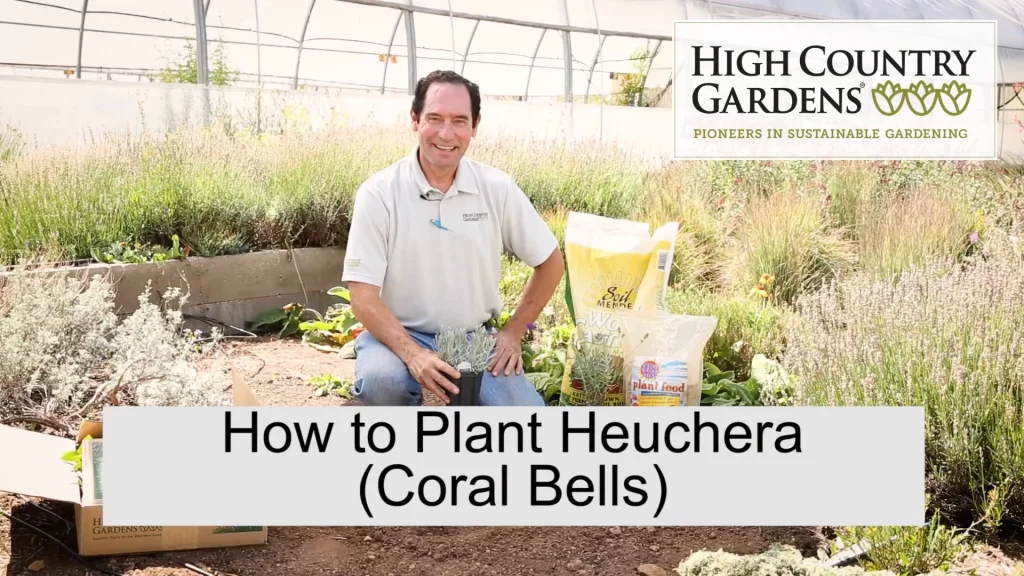
“Sandia Coral Bells, Heuchera | High …” from www.highcountrygardens.com and used with no modifications.
Garden Bed Placement
In traditional garden beds, position Hookera pulchella where its colorful foliage can create year-round interest. These versatile plants excel as “front-of-border” specimens in mixed perennial beds, where their compact growth habit won’t block taller plants behind them. The evergreen or semi-evergreen nature of their foliage means they’ll provide structure and color even during the dormant season when many other perennials have disappeared. For maximum impact, cluster three or five plants together rather than spacing them individually, creating a more substantial visual presence in the landscape.
When designing garden beds, consider how the distinctive foliage colors will interact with neighboring plants—copper, purple, or silver varieties create stunning contrasts against traditional green foliage plants. In woodland-style gardens, Hookera pulchella feels right at home nestled among ferns, hostas, and astilbes, reflecting its native habitat in mountain woodlands.
Rock Garden Potential
With its natural mountain heritage, Hookera pulchella is perfectly suited for rock garden settings. The plant’s compact root system allows it to thrive in the limited soil pockets typical of rock gardens, while its drought tolerance once established makes it a low-maintenance addition to these specialized landscapes. In rock gardens, position your plants where they can spill slightly over stone edges, softening the hardscape elements with their attractive foliage.
The excellent drainage provided by most rock gardens mimics the plant’s native growing conditions, reducing the risk of root rot during wet seasons. For rock garden placement, consider the microclimates created by stones—south-facing rocks reflect heat and light, potentially creating too harsh an environment in hot climates, while east-facing positions often provide that ideal morning sun/afternoon shade combination that these plants prefer.
Border and Accent Locations
As a border plant, Hookera pulchella creates a tidy, attractive edge along pathways, defining garden spaces with its neat growth habit. The low, mounding form makes it ideal for edging perennial borders without encroaching on walkways. When used as an accent plant, consider placing it near garden seating areas where the delicate details of its flowers and foliage can be appreciated up close.
These plants also excel in transitional zones between different garden areas, creating visual flow between spaces. For a designer touch, use them to echo colors found in nearby hardscape elements—planting purple-leaved varieties near structures with similar color tones creates a harmonious, cohesive look that suggests intentional design rather than random plant selection.
Companion Plants That Look Great Together
Thoughtful companion planting enhances both the beauty of Hookera pulchella and the overall garden composition. Pair with ferns for a classic woodland feel, or with ornamental grasses for a more contemporary look—the contrasting textures create visual interest even when neither plant is flowering. Small spring-flowering bulbs like snowdrops or early crocuses work wonderfully planted among coral bells, emerging through the evergreen foliage for early season color before the Hookera itself blooms.
For season-long interest, consider companions with complementary blooming periods—combine with early-season bleeding hearts (Dicentra), mid-season geraniums, and late-season Japanese anemones. Plants with silver or variegated foliage make particularly effective companions, the light-colored leaves providing contrast that makes Hookera’s own colorful foliage appear even more vibrant. In naturalistic plantings, native companions like foam flower (Tiarella), wild ginger (Asarum), or woodland phlox create an authentic plant community that reflects the plant’s natural habitat.
Soil, Water and Fertilizer Needs
Meeting Hookera pulchella’s basic requirements for soil, water, and nutrients will set the foundation for a thriving plant that rewards you with lush foliage and abundant blooms. While adaptable, understanding these key elements helps avoid common cultivation problems.
Ideal Soil Composition
Hookera pulchella thrives in rich, well-draining soil that maintains consistent moisture without becoming waterlogged. The ideal soil pH falls in the slightly acidic to neutral range (6.0-7.0), though these adaptable plants can tolerate slightly alkaline conditions as well. When preparing your planting area, incorporate plenty of organic matter such as compost or well-rotted leaf mold to improve both drainage and nutrient content. This addition is particularly important if you’re working with heavy clay soil, which can suffocate the plant’s root system if left unamended.
Unlike some perennials that demand specific soil compositions, Hookera pulchella demonstrates impressive versatility, even tolerating rocky or somewhat poor soils once established. In fact, this adaptability reflects its native mountain habitat, where plants naturally grow in less-than-ideal conditions. However, for optimal growth and flowering, aim to create a loamy soil that balances water retention with proper drainage. If you’re planting in containers, a high-quality potting mix formulated for perennials provides an excellent foundation, though adding extra perlite or coarse sand (about 10-15% by volume) can improve drainage further.
Watering Schedule and Techniques
The watering needs of Hookera pulchella strike a delicate balance—these plants prefer consistently moist soil but quickly suffer if overwatered. During the establishment phase (the first 4-6 weeks after planting), provide regular water to help develop a strong root system. Once established, reduce watering frequency while ensuring the soil never completely dries out, especially during active growth and flowering periods. In typical garden conditions, this might mean watering deeply once weekly during normal weather, increasing to twice weekly during hot, dry spells.
Watering technique matters significantly with these plants. Always water at the soil level rather than overhead to keep the crown and foliage dry, reducing the risk of fungal issues. Morning watering is preferable, allowing any inadvertent leaf moisture to dry before evening temperatures drop. During winter dormancy, reduce watering significantly, providing moisture only during extended dry periods, as excess winter wetness often leads to crown rot, one of the few serious problems these otherwise sturdy plants face.
Fertilizer Types and Application Timing
Hookera pulchella isn’t a heavy feeder and performs well with minimal supplemental fertilization when planted in reasonably fertile soil. Over-fertilizing actually presents more risk than under-fertilizing, as excessive nitrogen can produce lush foliage at the expense of flowering and overall plant health. A single application of slow-release balanced fertilizer (such as 10-10-10) in early spring as new growth emerges provides sufficient nutrition for the entire growing season in most garden settings.
For organic gardeners, a light top-dressing of compost in spring serves as an excellent alternative to commercial fertilizers. Container-grown specimens may require slightly more frequent feeding—apply a half-strength liquid fertilizer monthly during the growing season, suspending applications in late summer to allow the plant to prepare properly for dormancy. Regardless of your fertilization approach, always water thoroughly after application to prevent fertilizer burn and help nutrients reach the root zone where they’re needed. For additional tips on plant care, you might find this guide on artillery plant care helpful.
Seasonal Care Calendar
Successful cultivation of Hookera pulchella relies on understanding and responding to its changing needs throughout the year. Following a seasonal care calendar ensures your plants receive appropriate attention at critical growth phases, maximizing both their ornamental value and long-term health.
Spring Care
As temperatures warm and new growth emerges, spring signals the beginning of active care for your Hookera pulchella. Begin by gently removing any winter protection you may have applied and clearing away dead or damaged foliage, taking care not to disturb emerging new growth at the plant’s center. This early-season cleanup improves air circulation and reduces potential disease issues while allowing you to assess winter survival.
Early spring represents the ideal time for division if your plants have become overcrowded or you wish to propagate additional specimens. Apply your annual fertilization now, whether using slow-release granules or compost, to support the coming season’s growth. Monitor soil moisture carefully during spring, as alternating freeze-thaw cycles and spring rains can create challenging conditions—aim for consistent moisture without waterlogging, which can be particularly damaging as plants emerge from dormancy.
Summer Maintenance
Summer maintenance focuses primarily on appropriate watering and deadheading spent blooms. During hot weather, check soil moisture more frequently, especially for container specimens which dry out faster than garden-planted individuals. Apply a light organic mulch (such as shredded leaves or fine bark) around plants, keeping it away from the crown to maintain soil moisture without creating excess humidity around foliage.
Remove flowering stems after blooms fade to encourage continued flowering and prevent the plant from expending energy on seed production. This practice, known as deadheading, can significantly extend the blooming period of your Hookera pulchella. Watch for signs of heat stress during particularly hot spells—temporary afternoon wilting may occur but should resolve by morning; persistent wilting indicates immediate watering is needed. If extreme heat is forecast, consider providing temporary shade with garden fabric to protect particularly vulnerable specimens.
Fall Preparation
As temperatures cool in fall, Hookera pulchella begins preparing for dormancy, though its evergreen or semi-evergreen nature means it won’t disappear entirely from your garden. Reduce watering frequency as growth slows, but don’t allow plants to completely dry out, especially in regions with dry fall weather. Stop all fertilization by late summer to allow plants to harden off properly before winter conditions arrive.
Fall presents an excellent opportunity to assess your plants’ performance over the growing season and make notes for any necessary changes in the coming year. Clean up the area around plants, removing fallen leaves and garden debris that could harbor pests or diseases over winter. If your plants have developed a “leggy” appearance with an exposed crown, consider applying a light top-dressing of compost around (but not over) the crown to protect exposed roots and provide gentle nutrition for spring growth.
Winter Protection
While Hookera pulchella demonstrates good cold hardiness within its recommended growing zones (USDA 4-9), appropriate winter protection enhances survival in challenging conditions. In colder regions (zones 4-5), apply a light mulch of pine needles, straw, or shredded leaves after the ground freezes to prevent frost heaving—the destructive cycle of freezing and thawing that can push plants out of the ground. Avoid heavy mulches that could trap excessive moisture against the crown, potentially leading to rot. For more on plant care, check out this guide on artillery plant care.
For container-grown specimens in cold regions, provide additional insulation by moving pots close to building foundations, burying them partially in the ground, or relocating them to an unheated garage or shed during the coldest months. While winter protection is important, remember that Hookera pulchella requires a period of cold dormancy for proper flowering, so don’t attempt to keep it too warm. In milder winter regions, minimal protection is needed beyond ensuring consistent moisture during dry winter periods when plants may still be photosynthesizing on warm days.
How to Get Abundant, Showstopping Blooms
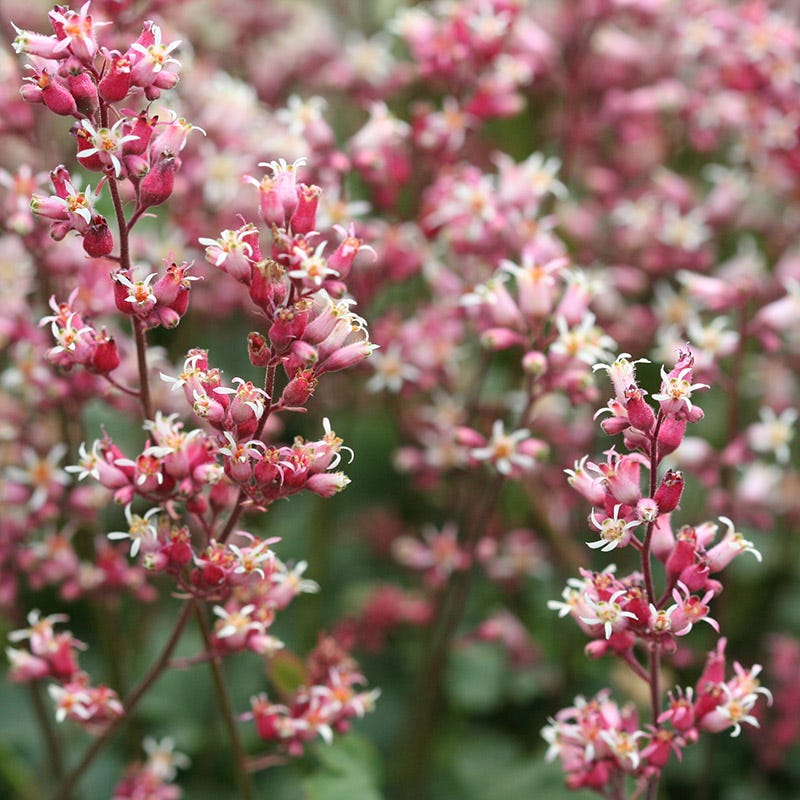
The delicate, bell-shaped flowers of Hookera pulchella create a magical effect in the garden, floating above the colorful foliage like tiny fairy lanterns. With the right care strategies, you can maximize this enchanting display and extend the blooming period for weeks of enjoyment.
“Sandia Coral Bells, Heuchera | High …” from www.highcountrygardens.com and used with no modifications.
Timing Your Care for Maximum Flowering
The foundation for spectacular flowering begins long before the first buds appear. Proper placement in suitable light conditions—typically morning sun with afternoon shade in most regions—sets the stage for optimal bloom production. Plants receiving insufficient light often produce fewer flowering stems, while those subjected to intense afternoon sun may become stressed and reduce flowering in response. Ensure your plants experience a proper winter dormancy period, as this cold exposure triggers the hormonal changes necessary for abundant spring and summer flowering.
Timing your fertilization correctly significantly impacts flowering potential. Apply a balanced, slow-release fertilizer in early spring as new growth emerges, but avoid high-nitrogen formulations that promote leafy growth at the expense of flowers. Similarly, proper soil moisture management contributes to flowering success—consistent moisture without waterlogging during the growing season supports flower development, while periodic mild drought stress sometimes actually stimulates increased flowering as the plant’s survival mechanism kicks in.
Deadheading for Continuous Blooms
Perhaps the single most effective technique for prolonging Hookera pulchella’s flowering period is consistent deadheading—the removal of spent flower stems. Once flowers fade, cut the entire stem back to the base of the plant rather than just removing individual spent blooms. This practice prevents the plant from expending energy on seed production and signals it to produce additional flowering stems instead. For more tips on plant care, you might find this artillery plant care guide helpful.
For maximum flowering impact, deadhead regularly throughout the blooming season, ideally removing spent stems weekly during peak flowering periods. This routine maintenance not only extends the blooming time but also keeps plants looking tidy and prevents self-seeding, which can become problematic in some garden settings. Some gardeners find that a complete cutback of all flowering stems when the first flush begins to fade (typically early to mid-summer) can trigger a second, smaller flowering period in late summer to early fall in favorable climates.
Common Bloom Problems and Solutions
When Hookera pulchella fails to flower abundantly, several common culprits may be responsible. Insufficient light ranks among the most frequent causes—plants growing in deep shade simply cannot generate enough energy to produce abundant blooms. Similarly, overcrowding as plants mature can reduce flowering, making division every 3-4 years an important maintenance practice for sustained flowering performance.
Improper pruning timing occasionally impacts flowering, particularly if you cut back plants in late fall rather than early spring, potentially removing developing flower buds. Excessive nitrogen fertilization promotes lush foliage at the expense of flowers, so switch to a balanced or low-nitrogen formula if this appears to be an issue. Finally, weather extremes—particularly extended heat waves—can cause plants to temporarily suspend flowering as a survival strategy. Providing afternoon shade and consistent moisture during hot periods helps minimize this stress response and maintains flowering performance through challenging weather.
Propagation Methods That Actually Work
Expanding your collection of Hookera pulchella or sharing these beautiful plants with fellow gardeners becomes easy once you master proven propagation techniques. Several reliable methods exist, each with particular advantages depending on your goals and timeline.
“Two Ways to Divide and Propagate Coral …” from www.youtube.com and used with no modifications.
Division: The Easiest Method
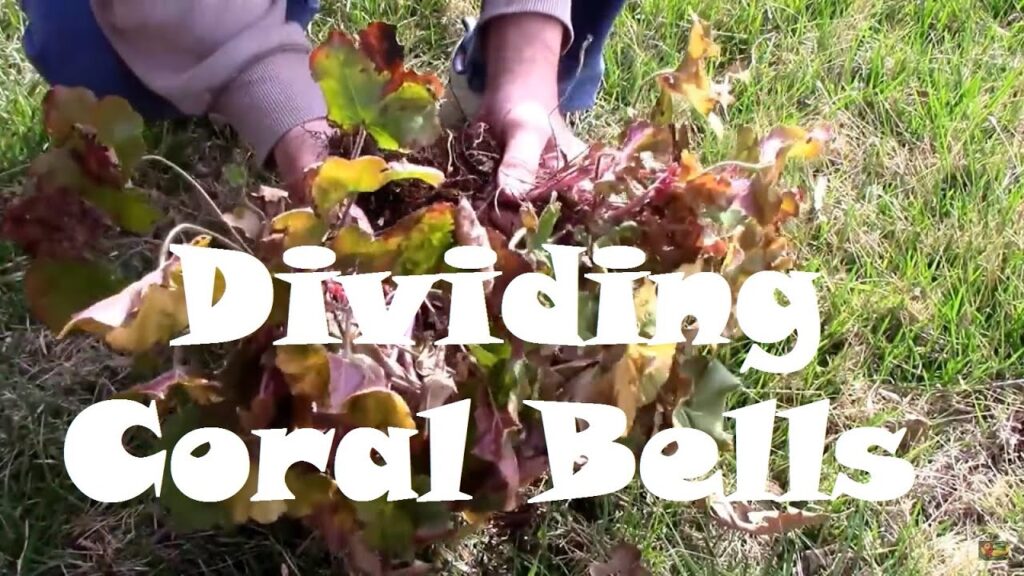
Division represents the simplest, most reliable propagation method for Hookera pulchella, with the added benefit of rejuvenating older plants that may have become overcrowded or developed bare centers. Perform divisions in early spring just as new growth begins to emerge, or in early fall as temperatures cool but before winter sets in. Carefully dig up the entire plant, preserving as much of the root system as possible, then gently separate the clump into smaller sections using your hands or a clean garden knife.
Each division should contain several healthy crowns with attached roots to ensure successful establishment. Replant divisions promptly, setting them at the same depth they previously grew, and water thoroughly to settle soil around roots. Provide consistent moisture (but not waterlogging) during the establishment period, typically 4-6 weeks. Expect divided plants to recover quickly with minimal setback, often flowering in their first season, though perhaps not as prolifically as established specimens.
Seed Collection and Germination
Growing Hookera pulchella from seed offers an economical way to produce numerous plants, though this method requires more patience than division. Collect seeds from existing plants by allowing some flower stems to remain after blooming. Once seed capsules dry and turn brown, carefully cut the stems and collect seeds over a clean surface. Store cleaned seeds in paper envelopes in a cool, dry location until planting time.
For best germination results, sow seeds in late winter to early spring in seed-starting trays filled with a sterile seed-starting mix. Press seeds lightly into the surface without covering, as they require light for germination. Maintain consistent moisture and provide bright, indirect light along with temperatures around 65-70°F (18-21°C). Germination typically occurs within 2-3 weeks, though some seeds may take longer. Once seedlings develop several true leaves, transplant to individual pots to grow on before moving to garden locations. Seed-grown plants usually require 1-2 years to reach flowering size. For more information on similar plants, you can explore Blue Dicks.
Stem Cutting Techniques
While less commonly used than division or seed propagation, stem cuttings can successfully produce new Hookera pulchella plants with genetic characteristics identical to the parent. Take 3-4 inch stem cuttings in early summer, selecting stems without flowers for best results. Remove lower leaves, leaving 2-3 leaves at the top of each cutting, and dip the cut end in rooting hormone to enhance success rates. For more information on plant care, check out this artillery plant care guide.
Insert prepared cuttings into a well-draining rooting medium such as a mix of perlite and peat moss, and maintain high humidity by covering with clear plastic or using a propagation dome. Place in bright, indirect light and maintain consistent moisture without waterlogging. Roots typically develop within 3-4 weeks, at which point you can carefully transplant rooted cuttings to individual pots. This method works but generally produces fewer successful plants than division, making it best suited for propagating rare or particularly desirable specimens rather than large-scale production.
Pet Safety: What You Need to Know
For garden enthusiasts who share their homes with four-legged companions, plant toxicity remains an important consideration when selecting garden additions. Fortunately, Hookera pulchella offers both beauty and peace of mind for pet owners.
Toxicity to Dogs and Cats
Good news for pet owners: Hookera pulchella (and other coral bells in the Heuchera genus) is considered non-toxic to dogs and cats according to the American Society for the Prevention of Cruelty to Animals (ASPCA). Unlike many ornamental garden plants that contain toxic compounds, these attractive perennials pose minimal risk if curious pets occasionally nibble on leaves or flowers. While ingestion of large quantities might cause mild digestive upset simply due to the plant’s fibrous nature, no specific toxic compounds have been identified that would cause serious harm.
This pet-friendly status makes Hookera pulchella an excellent choice for gardens where dogs and cats roam freely, eliminating the worry associated with many other ornamental plants. However, it’s still advisable to discourage pets from making these plants a regular snacking option, as any non-food plant material can potentially cause minor digestive disturbances if consumed in quantity. If you notice your pet repeatedly eating these or any other plants, consult with your veterinarian to rule out potential nutritional deficiencies or other health concerns that might be triggering the behavior.
Pet-Resistant Features
Beyond its non-toxic nature, Hookera pulchella possesses natural characteristics that generally discourage animal browsing. The slightly fuzzy texture of the leaves seems to deter most pets from choosing these plants as preferred snacking options. This textural deterrent works similarly against wild garden visitors like deer and rabbits, making these plants relatively resistant to wildlife damage compared to many other garden perennials.
The compact growth habit of Hookera pulchella also helps it withstand occasional pet traffic better than more delicate plants. The low-growing, somewhat dense foliage can bounce back from minor disturbances, though repeated trampling will eventually damage plants. For gardens with especially active pets, consider placing these plants in slightly raised beds or behind small decorative barriers that discourage direct access while maintaining visibility of the attractive foliage and flowers. For more tips on managing gardens with pets, check out this guide on garden fencing and pet management.
During winter when other food sources become scarce, even normally resistant plants may face increased browsing pressure from both pets and wildlife. In these situations, temporary protective measures such as chicken wire cages may prove necessary until other vegetation emerges in spring.
Safe Handling Practices
While Hookera pulchella poses minimal toxicity concerns, standard garden hygiene practices remain advisable when handling these plants. Wash hands after gardening activities, particularly before eating or touching your face, to prevent transfer of soil bacteria or any garden chemicals that may have been applied. This common-sense approach protects both you and your pets from potential soil-borne pathogens rather than from the plants themselves.
Common Problems and Simple Solutions
Even with proper care, Hookera pulchella occasionally encounters challenges that can affect its appearance and performance. Recognizing common problems early allows for prompt intervention, often preventing minor issues from developing into serious threats to plant health.
Pest Identification and Control
While generally resistant to serious pest issues, Hookera pulchella sometimes attracts certain insect visitors that can damage foliage or impair growth. Aphids occasionally cluster on tender new growth or flower stems, drawing sap and potentially transmitting viruses. Control these soft-bodied pests with a strong spray of water to dislodge them, or apply insecticidal soap for more persistent infestations. Vine weevils present a more serious threat, particularly in container plantings, as their larvae feed on roots while adults create distinctive notched edges on leaves. Address these pests with beneficial nematodes applied to the soil for larval control, combined with evening handpicking of adult beetles.
Disease Prevention
Proper cultural practices provide the strongest defense against the few diseases that occasionally affect Hookera pulchella. Crown rot, caused by various fungal pathogens, represents the most serious disease threat, particularly in poorly drained locations or during unusually wet seasons. Prevention focuses on ensuring excellent drainage, avoiding overhead watering that wets foliage, and maintaining proper spacing between plants to promote air circulation.
Powdery mildew sometimes appears as a white, powdery coating on leaves during periods of high humidity with warm days and cool nights. While rarely fatal, this fungal disease diminishes the ornamental value of affected plants. Prevent its development by maintaining good air circulation, watering at soil level rather than overhead, and avoiding fertilization late in the growing season. If powdery mildew does appear, applications of neem oil or potassium bicarbonate fungicides can help control its spread without harming beneficial garden organisms.
Viral diseases occasionally affect these plants, manifesting as mottled discoloration, stunted growth, or distorted leaves. Unfortunately, no cure exists for viral infections, making prevention through control of insect vectors (particularly aphids) and immediate removal of affected plants the only effective management strategy. Always disinfect tools after working with diseased plants to prevent spreading pathogens to healthy specimens.
Fixing Leaf Discoloration
Leaf discoloration in Hookera pulchella often signals cultural issues rather than disease problems. Browning leaf edges typically indicate drought stress or excessive direct sun exposure, particularly on lighter-colored varieties. Address this by adjusting your watering schedule and considering whether plants might benefit from additional afternoon shade. Yellowing leaves, especially on older foliage, often reflect normal senescence, but widespread yellowing suggests potential nutrient deficiencies, particularly iron chlorosis in alkaline soils. Apply iron sulfate or a balanced fertilizer with micronutrients to address this issue, and consider gradually acidifying the soil with organic amendments like pine needles or oak leaf mulch.
Rescuing a Struggling Plant
When Hookera pulchella shows signs of serious decline, prompt intervention can often revive plants that might otherwise be lost. For severely stressed specimens, begin by assessing and correcting any obvious environmental issues—improving drainage, adjusting light exposure, or addressing pest problems. Temporarily relocating struggling container plants to a recovery location with filtered light and protected conditions allows them to recuperate without additional stress. For garden-planted individuals showing crown rot symptoms, careful lifting and division to salvage healthy portions, followed by replanting in fresh, well-draining soil, often succeeds when other approaches fail. Remember that these resilient plants have evolved to survive in challenging mountain environments, giving them remarkable recovery potential when basic needs are met and stressors removed.
Your Next Steps With Hookera Pulchella
Armed with comprehensive knowledge about Hookera pulchella care, you’re now ready to incorporate these beautiful perennials into your garden landscape. Whether you’re adding your first specimen or expanding an existing collection, thoughtful planning ensures these plants will thrive and deliver years of ornamental value with minimal maintenance requirements.
Consider starting with a small grouping of three plants to create immediate visual impact, selecting varieties with foliage colors that complement your existing garden palette. Remember that while individual plants remain relatively compact, allowing appropriate spacing (approximately 12-18 inches between plants) promotes good air circulation and reduces disease pressure. Mark planting locations before purchasing to ensure you’ve selected spots with appropriate light conditions—typically morning sun with afternoon shade in most regions. For additional guidance on plant placement and pet safety, you might find useful tips in this guide on fern placement.
Plan to incorporate these versatile perennials into your long-term garden vision, recognizing their potential as anchor plants that provide structure and interest throughout the seasons. Their evergreen or semi-evergreen nature means they’ll contribute to your garden’s winter appearance when many other perennials have disappeared, while their spring and summer flowering adds another dimension of seasonal interest. With proper care and occasional division, your initial investment in these plants will multiply over the years, allowing you to expand their presence throughout your landscape.
Where to Buy Healthy Plants
Quality source material significantly impacts your success with Hookera pulchella. Local independent nurseries often provide the best combination of healthy, well-grown specimens and knowledgeable staff who can advise on varieties best suited to your specific growing conditions. Visit nurseries in spring when selection is typically broadest, and examine plants carefully before purchasing—look for robust foliage without discoloration, evidence of new growth, and absence of pest damage.
Specialty mail-order nurseries offer access to a wider variety of cultivars than may be locally available, though shipping adds cost and introduces additional stress to plants. When ordering online, schedule delivery for appropriate planting times in your region, typically spring or early fall, and be prepared to provide immediate care upon arrival. Regardless of source, invest in the largest, healthiest specimens your budget allows, as established plants typically establish more quickly and deliver more immediate visual impact than very small starter plants.
Essential Care Supplies
Gather necessary supplies before bringing your new plants home to ensure smooth transplanting and establishment. Basic requirements include high-quality compost or other organic matter for soil amendment, a balanced slow-release fertilizer formulated for perennials, and suitable mulch material such as shredded bark or leaf mold. If your soil drains poorly, consider also acquiring coarse sand or perlite to improve drainage in planting holes. For container growing, invest in high-quality potting mix designed for perennials rather than standard potting soil, which often retains too much moisture for these plants’ preferences.
Essential tools include a good trowel or small garden fork for planting, pruning shears for deadheading spent flower stems, and watering equipment that allows for gentle, controlled application at soil level rather than overhead sprinkling. Consider adding soil moisture meters to your toolkit if you tend to struggle with determining appropriate watering timing, as maintaining the “consistently moist but not wet” soil condition these plants prefer requires some practice to master.
Frequently Asked Questions
As you embark on your journey growing Hookera pulchella, certain questions commonly arise as gardeners gain experience with these beautiful perennials. The following answers address the most frequent inquiries and help troubleshoot potential challenges before they develop into serious problems.
How long does Hookera pulchella typically live?
With proper care, Hookera pulchella demonstrates impressive longevity in garden settings, typically thriving for 5-7 years before division becomes necessary to maintain vigor. Individual plants left undivided may continue growing for a decade or more, though they often develop bare centers or reduced flowering as they age. The periodic division recommended every 3-4 years effectively restarts the plant’s life cycle, potentially extending its presence in your garden indefinitely through successive generations.
Factors affecting longevity include soil quality, drainage conditions, and climate extremes. Plants grown in optimal conditions with excellent drainage and appropriate light exposure generally demonstrate greater longevity than those struggling in challenging environments. Container-grown specimens typically require more frequent division and renewal than garden-planted individuals, as the confined root space accelerates the crowding that eventually diminishes plant performance. For more information on plant care, you can check out this artillery plant care guide.
Can I grow Hookera pulchella from cuttings taken from a friend’s plant?
While possible, propagating Hookera pulchella from stem cuttings presents more challenges than division or seed propagation. For best results, take 3-4 inch stem cuttings in early summer, selecting stems without flowers, and treat with rooting hormone before placing in a sterile, well-draining rooting medium. Maintain high humidity and bright, indirect light until roots develop, typically within 3-4 weeks. Success rates with this method vary considerably depending on timing, humidity control, and the specific variety being propagated, making division a more reliable sharing method when available.
Will Hookera pulchella spread and take over my garden?
Gardeners concerned about aggressive spreading plants can rest easy with Hookera pulchella. These well-behaved perennials expand gradually through crown growth rather than aggressive runners or prolific self-seeding. A single plant typically forms a clump 8-12 inches in diameter at maturity, expanding only an inch or two annually under normal conditions. This controlled growth habit makes these plants good neighbors in mixed perennial settings, allowing them to hold their space without encroaching on nearby specimens.
While some natural self-seeding may occur if flower stems are left to produce seed, the resulting seedlings rarely appear in problematic numbers and are easily managed if they emerge in unwanted locations. The moderate, predictable growth pattern contributes significantly to the plant’s popularity in designed landscapes where maintaining intentional composition remains important.
For gardeners who do wish to encourage gentle spreading to fill larger areas, allowing some flower stems to mature and drop seed represents the simplest approach. Resulting seedlings may show some variation from parent plants if cross-pollination has occurred, potentially introducing interesting diversity to your garden. However, for maintaining specific cultivar characteristics, division remains the only reliable propagation method.
How do I know if my Hookera pulchella is getting too much or too little light?
Light imbalances manifest through distinct symptoms in Hookera pulchella. Plants receiving insufficient light typically develop elongated, leggy stems reaching toward available light sources, while foliage often appears less vibrant than expected for the specific cultivar. Flowering usually diminishes noticeably in too-shady conditions, with fewer flower stems produced and those that do appear often stretching abnormally tall seeking sunlight. Conversely, excessive light exposure, particularly intense afternoon sun in hot climates, causes leaf scorching visible as brown, crispy edges or patches, overall leaf fading, and sometimes complete leaf dieback during summer heat waves.
Can Hookera pulchella survive winter in cold climates?
Hookera pulchella demonstrates impressive cold hardiness, reliably surviving winter temperatures in USDA zones 4-9 when properly established. The evergreen or semi-evergreen foliage may show winter damage in colder zones, but the crown and root system typically survive to produce new growth in spring. In zones 4-5, applying a light mulch after the ground freezes helps prevent destructive frost heaving that can push plants from the soil during freeze-thaw cycles.
Container-grown specimens require additional winter protection in cold climates, as roots experience more extreme temperature fluctuations than those in the ground. Moving containers to protected locations, insulating with bubble wrap or burlap, or temporarily burying pots in the ground provides necessary protection. Remember that these plants do require a period of cold dormancy for proper flowering, so don’t attempt to overwinter them in heated indoor spaces where this natural cycle would be disrupted.
Snow cover actually benefits these plants in cold climates, providing insulation that protects crowns from extreme temperature fluctuations. In regions with unpredictable winter snow coverage, supplemental mulch mimics this protective effect, though care should be taken to remove it promptly in early spring to prevent crown rot as temperatures warm.
With proper seasonal care and attention to its few specific needs, Hookera pulchella rewards gardeners with years of colorful foliage and delicate flowers while requiring minimal maintenance compared to many other ornamental perennials. Whether used as a foundation element in shade gardens, a colorful accent in containers, or a problem-solver in challenging spots, these versatile plants earn their place in gardens through reliable performance and four-season appeal.
For gardeners looking to add distinctive color and texture to their landscapes with minimal fuss, Proven Winners offers an excellent selection of Hookera varieties specifically chosen for outstanding performance and disease resistance, helping ensure your success with these beautiful perennials.