
Key Takeaways
- Jungle Geranium (Ixora coccinea) is not actually a geranium but belongs to the Rubiaceae family, thriving in USDA hardiness zones 8a-10b as an evergreen flowering shrub.
- The plant offers various medicinal benefits with flowers, leaves, and roots used in traditional medicine to treat conditions ranging from bronchitis to dysentery.
- Proper care includes well-draining, acidic soil (pH 5.0-6.0), bright indirect light when grown indoors, and protection from temperatures below 50°F (10°C).
- Despite being labeled “easy-care,” Jungle Geraniums can be particular about their growing conditions, with yellowing leaves often indicating iron deficiency due to improper pH levels.
- Greg, the plant care app, offers specialized guidance for Jungle Geranium owners, helping you track watering schedules and troubleshoot common problems for this tropical beauty.
Jungle Geranium is a tropical showstopper that’s often misunderstood. Despite its common name, this stunning flowering plant isn’t a geranium at all!
The confusion around this vibrant tropical plant starts with its name and extends to its care requirements. Many gardeners struggle with maintaining its health and encouraging those signature clusters of star-shaped blooms. With proper guidance, however, this tropical beauty can thrive both indoors and out, bringing years of colorful displays to your garden or home. Greg, the plant care app, specializes in helping plant parents track watering schedules and troubleshoot common problems with tropical specimens like the Jungle Geranium, ensuring your plant remains healthy year after year.
What Is a Jungle Geranium? Identification Features and Common Names
Jungle Geranium (Ixora coccinea) is a flowering evergreen shrub native to Southern Asia, particularly the island of Java and the Malaysian peninsula. Despite its common name, it’s not related to true geraniums at all but belongs to the Rubiaceae family—the same family as coffee and gardenia. In its natural habitat, this woody perennial can grow up to 10 feet tall, though container specimens typically remain much smaller.
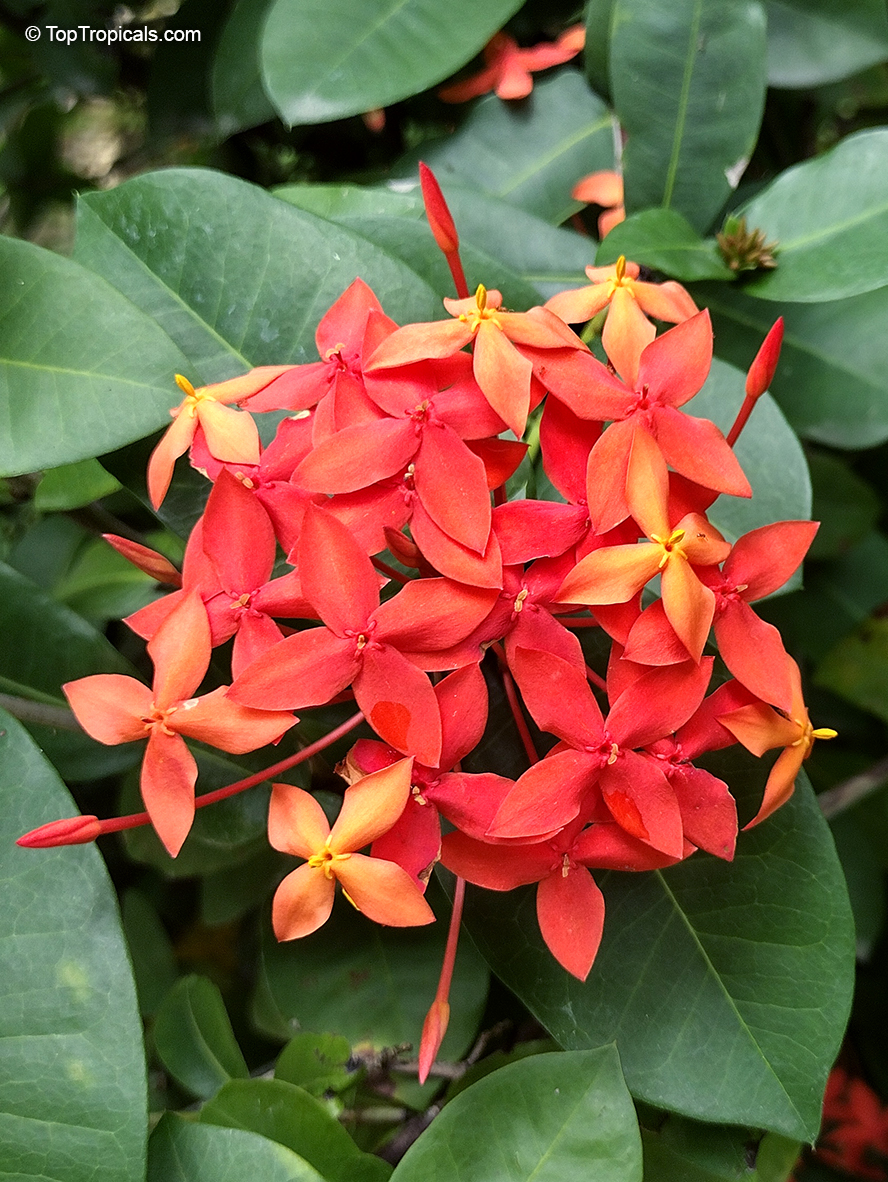
The plant’s most distinctive feature is its dense clusters of tubular flowers that bloom in vibrant shades of red, orange, yellow, or pink, depending on the variety. These flower clusters, called corymbs, can measure 2-5 inches across and contain dozens of individual star-shaped blooms, creating a spectacular display against the plant’s glossy, dark green foliage.
Botanical Facts: Ixora Coccinea’s True Identity
The scientific name Ixora coccinea reveals much about this plant’s characteristics. The genus name “Ixora” is derived from a Malabar deity, while “coccinea” refers to the scarlet color of the most common variety’s flowers. Taxonomically, it belongs to the Rubiaceae (coffee) family, making it a distant relative of coffee plants and gardenias rather than true geraniums from the Geraniaceae family.
5 Popular Names Used Around the World
This versatile plant goes by many names across different regions, reflecting its widespread popularity and distinctive appearance. In tropical parts of Asia, it’s often called Flame of the Woods or Jungle Flame due to the fiery appearance of its red flower clusters against lush green foliage. West Indian Jasmine is another common name, particularly in the Caribbean, though the plant is not related to true jasmines.
In parts of India and Sri Lanka, it’s known as Rangan or Kheme, while in the Philippines, it’s called Santan. Perhaps its most curious nickname is “Iron Tree,” which refers to the plant’s remarkably hard wood and its resilience in tropical environments. The name Jungle Geranium likely stuck due to the superficial resemblance of its flower clusters to those of some geranium varieties, though botanically they’re entirely different plants.
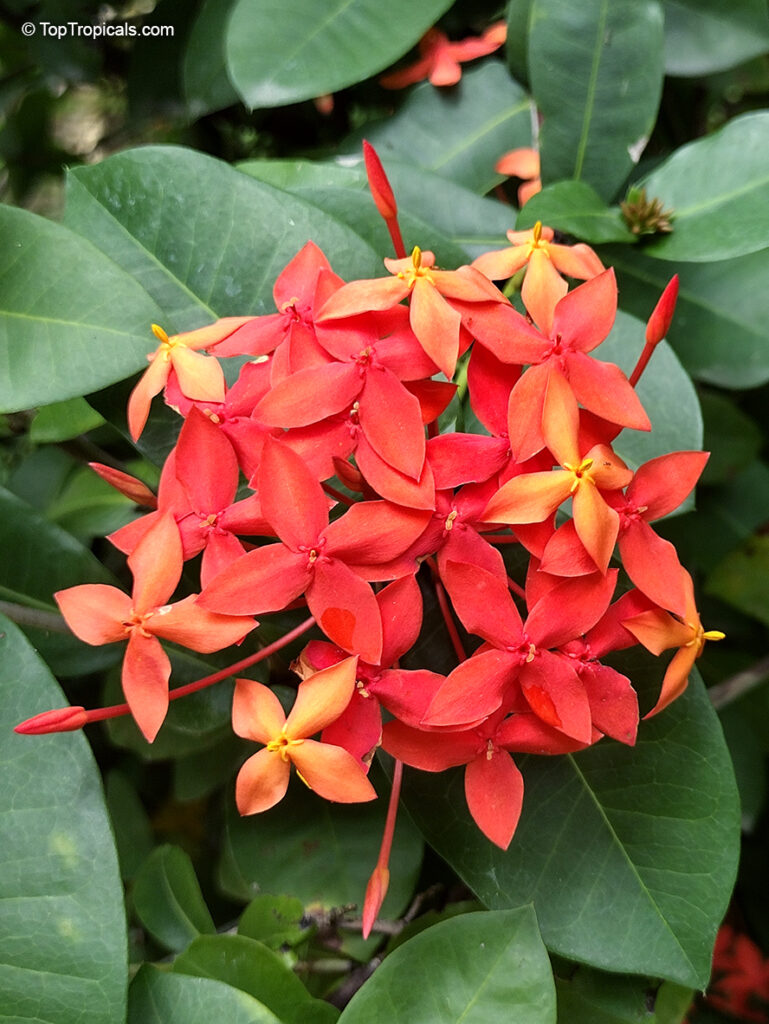
“Ixora coccinea (Jungle flame) | Top …” from toptropicals.com and used with no modifications.
How to Recognize Jungle Geranium: Key Visual Characteristics
Identifying Jungle Geranium starts with its distinctive evergreen foliage—glossy, leathery dark green leaves arranged in opposite pairs along woody stems. The leaves are typically oval to oblong, measuring 3-6 inches long with smooth margins and prominent veining. They grow densely on the plant, creating a lush backdrop for the vibrant flower clusters, similar to the sword fern’s care tips.
The true hallmark of Ixora coccinea is its spectacular flower clusters, which appear at the ends of branches throughout the growing season in warm climates. Each cluster contains numerous small, tubular flowers with four pointed petals arranged in a star shape. While the classic variety produces scarlet-red blooms, cultivars now offer colors ranging from bright orange and sunny yellow to soft pink and white.
- Flowers: Small (about 2 cm), tubular with four pointed petals in dense rounded clusters
- Leaves: Glossy, dark green, leathery, opposite arrangement, 3-6 inches long
- Growth habit: Upright, densely branched woody shrub
- Size: 4-8 feet tall (cultivated), up to 10 feet in native habitat
- Bark: Light brown to grayish on mature stems
Surprising Health Benefits and Edible Uses of Jungle Geranium
Beyond its ornamental value, Jungle Geranium has a rich history of medicinal uses across tropical regions where it grows naturally. Traditional healing systems in India, Southeast Asia, and the Caribbean have incorporated various parts of this plant into remedies for centuries. Modern research has begun to validate some of these traditional applications, identifying bioactive compounds with potential therapeutic effects.
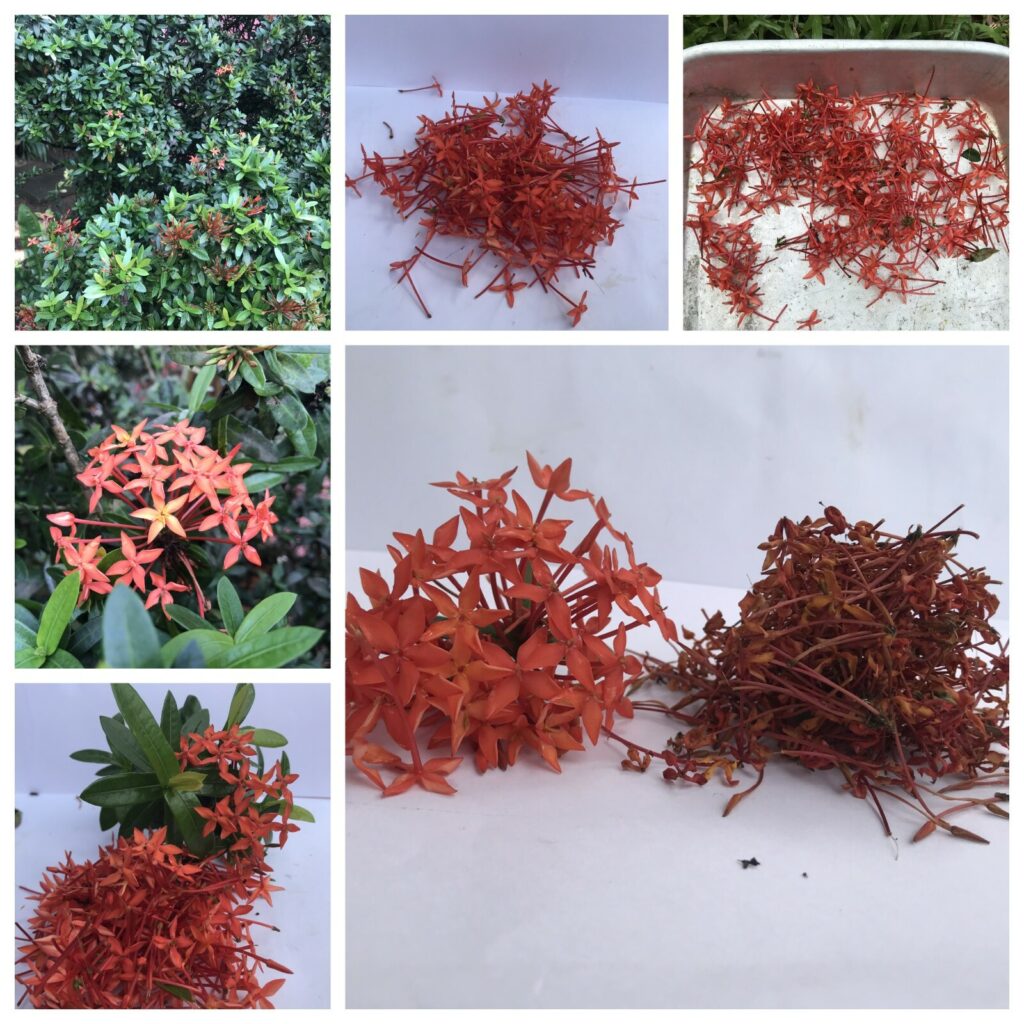
“COCCINEA IXORA Dried AYURVEDIC Flower …” from www.ebay.com and used with no modifications.
While not commonly known as an edible plant in Western cultures, certain parts of Ixora are indeed consumed in various ways in its native regions. The flowers are sometimes used to make herbal teas, and in some culinary traditions, they appear as garnishes or in salads. However, it’s important to note that Jungle Geranium is primarily valued for its medicinal rather than culinary properties.
Traditional Uses of Jungle Geranium Parts
Flowers: Bronchitis treatments, dysentery remedies, eye inflammation reduction
Leaves: Wound healing, skin conditions, fever reduction
Roots: Hepatoprotective properties, nausea relief, headache treatment
Bark: Antimicrobial applications, fever reduction, digestive aid
Traditional Medicinal Applications in Different Cultures
Across Southeast Asia, Jungle Geranium has been a staple in traditional medicine for generations. In Ayurvedic practices, the flowers are crushed to create poultices for skin infections and inflammatory conditions. The root decoction is particularly valued in Indian folk medicine for treating respiratory ailments, from common colds to more serious conditions like bronchitis.
In the Philippines and parts of the Caribbean, Ixora preparations have long been used to treat dysentery and diarrhea. Traditional healers in these regions also use leaf infusions to reduce fever and treat headaches. The plant’s healing reputation is so established that in some rural communities, it’s commonly grown specifically for its medicinal properties rather than as an ornamental.
Chinese traditional medicine incorporates Jungle Geranium root extracts in treatments for hepatitis and digestive disorders, believing it has cooling properties that help balance the body’s energies. These diverse applications across multiple healing traditions speak to the plant’s versatility as a medicinal resource. For those interested in plant care, you might find useful tips on reviving and maintaining plants.
Which Parts Are Safe to Eat and How to Use Them
While Jungle Geranium is not primarily cultivated as a food source, certain parts are indeed edible and used in various culinary applications. The flowers are the most commonly consumed part, prized for their mildly sweet flavor with subtle citrus notes. In Thailand and parts of India, the fresh flowers are sometimes added to salads for both color and flavor, or used as edible garnishes for special dishes. Additionally, you can explore how other plants like wild buckwheat are used in recipes and their benefits.
Flower infusions make refreshing herbal teas that are consumed both for pleasure and as digestive aids in some cultures. The young leaves, though somewhat bitter, are occasionally used in soups or stews in traditional cooking of certain Southeast Asian communities. It’s important to note that while these parts are considered safe when properly prepared, they should be consumed in moderation, and those with plant allergies should exercise caution.
Culinary Uses of Jungle Geranium
Flowers: Herbal teas, salad additions, edible garnishes, natural food coloring
Young leaves: Occasional addition to soups and medicinal broths
Fruit: Not commonly consumed but technically edible when fully ripe
Note: Always verify plant identification before consumption and use only plants grown without pesticides
Modern Research on Jungle Geranium’s Therapeutic Properties
Contemporary scientific studies have begun validating many traditional uses of Jungle Geranium through identification of bioactive compounds. Researchers have isolated flavonoids, triterpenoids, and alkaloids from various parts of the plant, compounds known for their antioxidant and anti-inflammatory properties. A 2018 study published in the Journal of Ethnopharmacology confirmed significant antimicrobial activity in Ixora coccinea flower extracts, potentially supporting its traditional use for infections.
Laboratory studies have shown promising results regarding the plant’s hepatoprotective qualities, with evidence suggesting that root extracts may help protect liver cells from certain types of damage. Additionally, preliminary research indicates potential anticancer properties, though these studies remain in early stages and primarily limited to in vitro applications.
While these findings are encouraging, it’s important to note that most research remains preliminary. The plant’s components have not been thoroughly studied for safety profiles or drug interactions, so those interested in its medicinal applications should consult healthcare providers before attempting self-treatment.
Indoor vs. Outdoor Growing: Where Your Jungle Geranium Thrives Best
Jungle Geranium demonstrates remarkable versatility, adapting to both indoor and outdoor environments when its basic needs are met. The plant’s natural preference is for tropical conditions, but with proper care, it can flourish in various settings. The decision between indoor and outdoor cultivation largely depends on your local climate and available space.
In optimal conditions, outdoor specimens typically develop more robust growth and more abundant flowering compared to their indoor counterparts. However, indoor cultivation offers the advantage of year-round enjoyment in regions where outdoor temperatures would otherwise prove fatal to this tropical beauty. With the right approach to each growing environment, you can enjoy the stunning clusters of star-shaped blooms regardless of your setting. For detailed plant care tips, explore more resources.
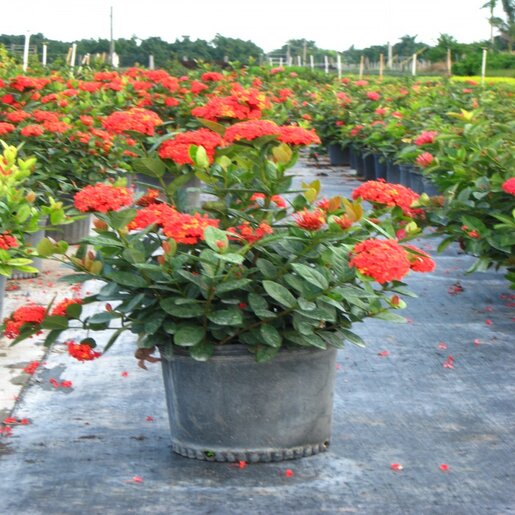
“Ixora Coccinea Maui Red Jungle Geranium …” from www.siteone.com and used with no modifications.
Climate Requirements and Hardiness Zones (8a-11)
Jungle Geranium is a true tropical plant that thrives in warm, humid conditions similar to its native Southeast Asian habitat. It performs best outdoors in USDA hardiness zones 8a through 11, where temperatures rarely drop below 45°F (7°C). Within these zones, the plant can remain outdoors year-round, developing into a substantial flowering shrub that may reach 6-8 feet in height and width when planted in the ground.
The ideal temperature range for optimal growth and flowering is between 65-85°F (18-29°C). Extended exposure to temperatures below 50°F (10°C) can cause stress, leaf drop, and eventually death if the cold persists. Likewise, while the plant can tolerate brief exposure to temperatures above 90°F (32°C), prolonged heat waves may cause flower drop and temporary growth stunting, especially if accompanied by dry conditions.
Humidity plays a crucial role in this plant’s success, with optimal levels between 60-80%. In drier climates within the appropriate hardiness zones, regular misting or placement near water features can help create the humid microclimate that Jungle Geranium craves. Protection from strong, drying winds is also essential for outdoor specimens, as these can quickly dehydrate the plant despite adequate soil moisture.
Indoor Growing Success: Light, Temperature, and Humidity Needs
When grown indoors, Jungle Geranium requires bright, indirect light to maintain its lush foliage and produce those coveted flower clusters. A position near an east or west-facing window typically provides ideal light conditions without the risk of leaf scorch. South-facing windows can work well during winter months or in northern climates, but may require sheer curtains during intense summer sun to prevent leaf burn.
Maintaining proper indoor temperatures is relatively straightforward in most homes, as the comfortable range for humans (68-75°F/20-24°C) aligns well with Jungle Geranium’s preferences. However, be mindful of cold drafts from doors, windows, or air conditioning vents, which can create localized cold pockets that stress the plant. Similarly, positioning the plant too close to heating vents can cause excessive drying of the foliage. For more tips on indoor plant care, consider exploring other resources.
|
Indoor Growing Factor |
Optimal Conditions |
Common Mistakes |
|---|---|---|
|
Light |
Bright indirect light, 4-6 hours daily |
Insufficient light leading to leggy growth and poor flowering |
|
Temperature |
65-75°F (18-24°C) |
Exposure to cold drafts or heating vents |
|
Humidity |
60-80% |
Dry indoor air causing leaf tip browning |
|
Air Circulation |
Gentle, consistent airflow |
Stagnant air increasing pest and disease risk |
Container Selection and Placement Tips
Whether grown indoors or outdoors in containers, proper pot selection significantly impacts Jungle Geranium’s health. Choose containers with ample drainage holes to prevent waterlogging, which can quickly lead to root rot in this moisture-sensitive plant. Terracotta pots offer excellent breathability but dry out faster, while glazed ceramic or plastic containers retain moisture longer—each has advantages depending on your watering habits and local conditions. For more detailed care tips, visit Greg’s plant care guide.
For optimal growth, select a container that allows 2-3 inches of space around the current root ball. This provides room for development while avoiding the excess soil volume that can retain too much moisture. As the plant matures, plan to repot every 2-3 years, moving to a container only 1-2 inches larger in diameter than the previous one to prevent overwatering issues.
Container placement should consider not only light requirements but also protection from environmental stressors. Outdoor potted specimens benefit from afternoon shade in hot climates and shelter from strong winds that can damage the relatively brittle branches. Indoor containers should be rotated quarterly to ensure even growth, as Jungle Geranium tends to lean toward light sources, potentially developing an asymmetrical shape over time.
Essential Care Guide for Healthy Jungle Geranium Plants
Creating the ideal growing conditions for your Jungle Geranium begins with understanding its native environment. These tropical beauties thrive when their care regimen mimics the warm, humid conditions of their Southeast Asian homeland. The good news is that with a few key practices, you can maintain a healthy, flowering specimen that will be the envy of fellow plant enthusiasts.
Consistent care is the secret to success with Ixora coccinea. While sometimes labeled as “easy-care” plants, Jungle Geraniums can actually be somewhat particular about their growing conditions. Mastering the basics of soil composition, watering routines, and nutrient requirements will ensure your plant not only survives but flourishes year after year.
Soil Requirements and pH Preferences
Jungle Geranium is notably particular about soil conditions, with a strong preference for acidic soil with a pH between 5.0 and 6.0. This pH requirement is non-negotiable—in alkaline soils, the plant frequently develops iron chlorosis, visible as yellowing leaves with green veins, regardless of how much iron is actually present in the soil. This happens because iron becomes less available to the plant in alkaline conditions.
Beyond pH, soil structure is equally important. These plants demand excellent drainage combined with good moisture retention—a balance achieved through proper soil composition. An ideal mix consists of equal parts quality potting soil, peat moss, and perlite or coarse sand. The peat helps maintain acidity while improving water retention, and the perlite or sand ensures excess moisture can escape, preventing the root rot that can quickly kill these plants.
For container-grown specimens, refreshing the top layer of soil annually and performing a complete soil change every 2-3 years helps maintain optimal growing conditions. If you’re planting directly in the garden, amending the native soil with sulfur, peat moss, or acidic compost can help achieve and maintain the acidic conditions these plants require.
Water and Fertilizer Schedule Through the Seasons
Watering Jungle Geranium requires attention to seasonal changes and environmental conditions. During active growth in spring and summer, maintain consistently moist but never soggy soil. This typically means watering when the top inch of soil feels dry to the touch. In winter, reduce watering frequency but never allow the soil to dry out completely, as these plants don’t have a true dormant period.
Fertilization plays a crucial role in maintaining vibrant foliage and encouraging abundant flowering. During the growing season (spring through early fall), apply a balanced, water-soluble fertilizer formulated for acid-loving plants every 2-3 weeks at half the recommended strength. Alternatively, a slow-release fertilizer specifically for acid-loving plants can be applied every 3-4 months. In late fall and winter, reduce feeding to once monthly or eliminate it entirely in cooler regions where growth naturally slows.
Watch for signs of nutrient deficiencies, particularly yellowing leaves, which often indicate iron deficiency due to improper pH rather than actual lack of iron in the soil. In these cases, applications of chelated iron and soil acidifiers are more effective than standard fertilizers. For optimal flowering, look for fertilizer formulations with higher phosphorus content (the middle number in the NPK ratio) during the pre-flowering period. If you’re interested in broader plant care, you might find this artillery plant care guide useful.
Pruning Techniques to Promote Fuller Growth and More Blooms
Strategic pruning is essential for maintaining an attractive shape and encouraging abundant flowering in Jungle Geranium. The best time to prune is early spring, just before the most active growth period begins. Remove any dead or damaged branches first, cutting back to healthy tissue. For shaping, cut back leggy stems by up to one-third their length, making cuts just above leaf nodes to promote branching.
Deadheading spent flower clusters promptly encourages the plant to produce new blooms rather than focusing energy on seed production. Simply snip the faded flower heads at their base, being careful not to damage nearby emerging buds. For older, established plants that have become woody and sparse at the base, rejuvenation pruning can work wonders—cut the entire plant back to about 12-18 inches above the soil line in early spring, and be prepared for a flush of healthy new growth.
Avoid the common mistake of frequent light trimming throughout the growing season. Jungle Geranium forms its flower buds on new growth from old wood, so constant pruning can actually reduce flowering. Instead, concentrate major pruning efforts to once yearly, with only minimal maintenance trimming during the active growing season.
Common Pests and Diseases: Prevention and Treatment
While generally robust, Jungle Geranium can fall victim to several pest and disease issues, particularly when grown in less-than-ideal conditions. Scale insects and mealybugs are the most common pests, often hiding on the undersides of leaves and along stem joints. Regular inspection is your first line of defense—catch infestations early by checking new growth and leaf undersides weekly during the growing season. For more detailed plant care tips, you can visit Greg’s plant care guide.
For minor pest problems, a strong spray of water can dislodge many insects, while insecticidal soap or neem oil provides effective treatment for more established infestations. Systemic insecticides can offer longer-term protection but should be used cautiously, especially on plants grown for their medicinal properties. Maintain good air circulation around the plant to discourage pest problems, and isolate new plants for two weeks before introducing them to established collections.
Root rot represents the most serious disease threat, almost always resulting from overwatering or poor drainage. Prevention through proper soil composition and careful watering practices is far more effective than treatment. If you suspect root rot, reduce watering immediately and consider repotting in fresh, well-draining medium after trimming away affected roots. Sooty mold, which appears as a black coating on leaves, isn’t directly harmful to the plant but indicates the presence of sap-sucking insects that must be controlled.
How to Revive a Struggling Jungle Geranium
Even the most attentive plant parents occasionally face a declining Jungle Geranium. The good news is that these resilient plants can often be rescued if problems are addressed promptly. Successful revival begins with accurate diagnosis—different symptoms point to different underlying issues, each requiring a specific approach to correction.
Patience is essential during the recovery process. While some issues might show improvement within days, complete revival typically takes weeks or even months as the plant develops new healthy growth. Resist the urge to frequently change care routines during recovery, as this can create additional stress. Instead, implement the appropriate corrections and then maintain consistent care as your plant regains its vigor.
Signs Your Plant Is in Trouble
Yellowing leaves often indicate pH problems or nutrient deficiencies, particularly when the yellowing appears between veins while the veins themselves remain green (iron chlorosis). Brown leaf edges typically signal low humidity or salt buildup from fertilizer, while overall wilting despite moist soil suggests root problems. Failure to bloom while otherwise appearing healthy usually points to insufficient light or improper fertilization.
Leaf drop can be particularly alarming but offers important diagnostic clues. Sudden dropping of green, healthy-looking leaves often indicates temperature shock or dramatic environmental changes. Gradual loss of older, yellowing leaves may simply be normal turnover, while dropping leaves accompanied by soft, dark stems suggests overwatering and potential root rot.
Stunted growth and diminished flowering frequently result from root binding in container plants or depleted soil nutrients. Examine the plant’s growing conditions holistically—sometimes multiple stressors combine to create problems that wouldn’t occur from a single issue.
Step-by-Step Rescue Plan for Different Problems
For yellowing leaves with green veins (chlorosis), first test and correct soil pH using sulfur amendments or acidic fertilizer formulations. Apply chelated iron according to package directions for immediate symptom relief while the pH adjustments take effect. If using tap water with high mineral content (particularly calcium), consider switching to rainwater or filtered water to help maintain soil acidity.
When overwatering is the culprit, immediately improve drainage by moving the plant to a container with more drainage holes or adding perlite to the soil. Allow the growing medium to dry slightly between waterings, and avoid fertilizing until new growth appears. In severe cases with soft, mushy stems, you may need to take healthy cuttings for propagation if the mother plant cannot be saved.
- Leaf drop from cold exposure: Move to warmer location, maintain consistent temperature above 55°F (13°C), mist regularly, and avoid fertilizing until new growth appears
- Pest infestation: Isolate plant, treat with appropriate insecticidal soap or neem oil applications every 7-10 days for three treatments
- Failure to bloom: Increase light exposure gradually, switch to high-phosphorus fertilizer, ensure nighttime darkness period of 12+ hours
- Root-bound plant: Repot in container 2″ larger with fresh acidic soil mix, prune roots gently, water thoroughly after repotting
Recovery Care After Revival
After implementing your rescue plan, provide consistent but slightly reduced care as your Jungle Geranium recovers. Place the plant in bright indirect light rather than full sun, even if it will eventually return to a sunnier location. This reduces stress while new growth establishes. Maintain slightly higher humidity through misting or humidity trays, which encourages fresh leaf development.
Hold off on fertilizer for at least two weeks after crisis intervention, then begin with applications at quarter strength, gradually increasing to normal feeding levels as the plant shows consistent improvement. Monitor new growth carefully—it provides the best indicator of recovery success. Healthy new leaves should be proper size and color without deformities.
Document the revival process with photos and notes about care changes. This creates a valuable reference for future troubleshooting and helps identify seasonal patterns that might affect your specific plant. Remember that complete recovery can take several months, particularly for flowering, which may not return to normal until the following growing season even after foliage has fully recovered.
Perennial or Annual? Understanding Jungle Geranium’s Growth Cycle
Jungle Geranium is botanically classified as a perennial evergreen shrub, capable of living for many years under proper conditions. In its native tropical habitat, the plant grows continuously throughout the year without a true dormancy period, flowering multiple times annually as conditions permit. This persistent growth pattern contributes to its potential longevity, with well-established specimens in ideal environments potentially living for decades.
However, growing context dramatically affects how these plants behave in cultivation. While Jungle Geranium is genetically programmed for perennial growth, climate limitations often force gardeners in temperate regions to treat it as an annual or bring it indoors during colder months. Understanding the plant’s natural cycles helps set realistic expectations and informs appropriate care strategies regardless of your growing zone.
Natural Growth Habits in Tropical Regions
In tropical environments where temperatures remain consistently above 60°F (15°C), Jungle Geranium maintains year-round active growth with multiple flowering cycles. The plant experiences subtle seasonal responses even in regions without dramatic temperature fluctuations, often coinciding with natural wet and dry season patterns. During rainy periods, vegetative growth accelerates, while drier seasons typically trigger more abundant flowering.
Wild specimens in their native range can grow quite large over time, reaching 8-10 feet in height and similar spread. This mature size develops gradually over many years, with the plant becoming increasingly woody at the base. Unlike many flowering shrubs that require periodic rejuvenation, Jungle Geranium can maintain attractive form and flowering capacity even as it ages, provided it receives proper pruning and care.
The natural flowering pattern involves sporadic heavy bloom periods throughout the year rather than a single annual display. This repeat-flowering tendency is what makes Jungle Geranium so valued in tropical landscaping, providing reliable color across changing seasons. Individual flower clusters (corymbs) typically last 2-3 weeks, with new clusters developing continuously on fresh growth during favorable conditions.
How to Treat as a Perennial in Colder Climates
Gardeners in USDA zones 7 and below can successfully maintain Jungle Geranium as a perennial through seasonal transitions between outdoor and indoor growing. Before the first fall frost, plants should be transitioned indoors after a thorough inspection and treatment for any pests. This move should happen when night temperatures consistently fall below 50°F (10°C), even if daytime temperatures remain warm.
During the indoor winter period, adjust care routines to accommodate lower light levels and drier air. Reduce watering frequency while maintaining consistent soil moisture, and decrease fertilization to once monthly or less. Position the plant in your brightest available window, supplementing with grow lights if natural light is insufficient for at least 6 hours daily. Maintain indoor temperatures between 60-75°F (15-24°C) for best results.
When spring returns and night temperatures reliably stay above 50°F (10°C), gradually reacclimate the plant to outdoor conditions over 7-10 days. Begin with a few hours in dappled shade, slowly increasing exposure to direct sun and outdoor conditions. This hardening-off process prevents shock and reduces leaf drop. Once fully transitioned outdoors, resume normal summer care routines, including regular fertilization to encourage robust growth and flowering.
Jungle Geranium Lifespan: What to Expect
Under ideal conditions, Jungle Geranium can thrive for 15-20 years or more, particularly in tropical climates where it can remain outdoors year-round. However, when grown as a container specimen with seasonal indoor/outdoor transitions, a more realistic expectation is 5-10 years of healthy growth. Even within this timeframe, the plant can develop into an impressive specimen with proper care, potentially reaching 3-5 feet in height and producing hundreds of flower clusters annually.
The investment in proper care pays dividends with this long-lived tropical, as mature specimens typically flower more abundantly than younger plants. Additionally, older Jungle Geraniums develop a more aesthetic, tree-like form with woody main stems and a fuller, more balanced canopy of foliage and flowers. This mature character makes them increasingly valuable as landscape or container specimens over time.
Average Longevity Under Ideal Conditions
In frost-free tropical and subtropical regions (USDA zones 9b-11), landscape-planted Jungle Geraniums commonly live 15-20 years, with some specimens persisting for 25+ years with minimal special care. These plants typically reach full maturity around year 5-7, achieving their maximum height and spread while developing the characteristic woody structure at their base. Once established, they demonstrate remarkable drought tolerance compared to younger specimens, though flowering remains most prolific with consistent moisture.
Container-grown plants generally have somewhat shorter lifespans, averaging 8-12 years with optimal care, including regular repotting and soil refreshment. The restricted root space inevitably creates some growth limitations compared to in-ground specimens. However, this controlled size can be advantageous for display purposes, and container culture allows gardeners in colder regions to enjoy these tropical beauties by moving them indoors during winter months.
Commercially grown Jungle Geraniums found in garden centers are typically 1-3 years old at purchase. These younger plants adapt more readily to new growing conditions than mature specimens, making them ideal for beginning the long-term relationship many gardeners develop with these charismatic flowering shrubs.
Factors That Extend or Shorten Plant Life
Several key factors significantly impact Jungle Geranium longevity, with temperature stability ranking among the most critical. Repeated exposure to temperatures below 45°F (7°C), even if not killing the plant outright, creates cumulative stress that shortens lifespan. Consistent protection from cold is essential for maximum longevity, whether through geographic location or seasonal protection strategies. For more insights on plant care, you might find this artillery plant care guide useful.
Soil quality and pH maintenance directly correlate with plant longevity. Jungle Geranium’s strict requirement for acidic soil (pH 5.0-6.0) means that plants growing in poorly suited soil rarely reach their potential lifespan, instead declining prematurely due to chronic nutrient deficiencies despite appearing adequately fertilized. Regular soil testing and adjustment pays significant dividends in extended plant life.
Why Pollinators Love Jungle Geranium
Jungle Geranium ranks among the most reliable pollinator attractants in tropical and subtropical gardens, drawing a diverse array of beneficial insects and birds with its nectar-rich tubular flowers. The plant’s extended blooming period provides a consistent food source throughout much of the year, making it particularly valuable in wildlife-friendly landscapes where maintaining pollinator populations is a priority.
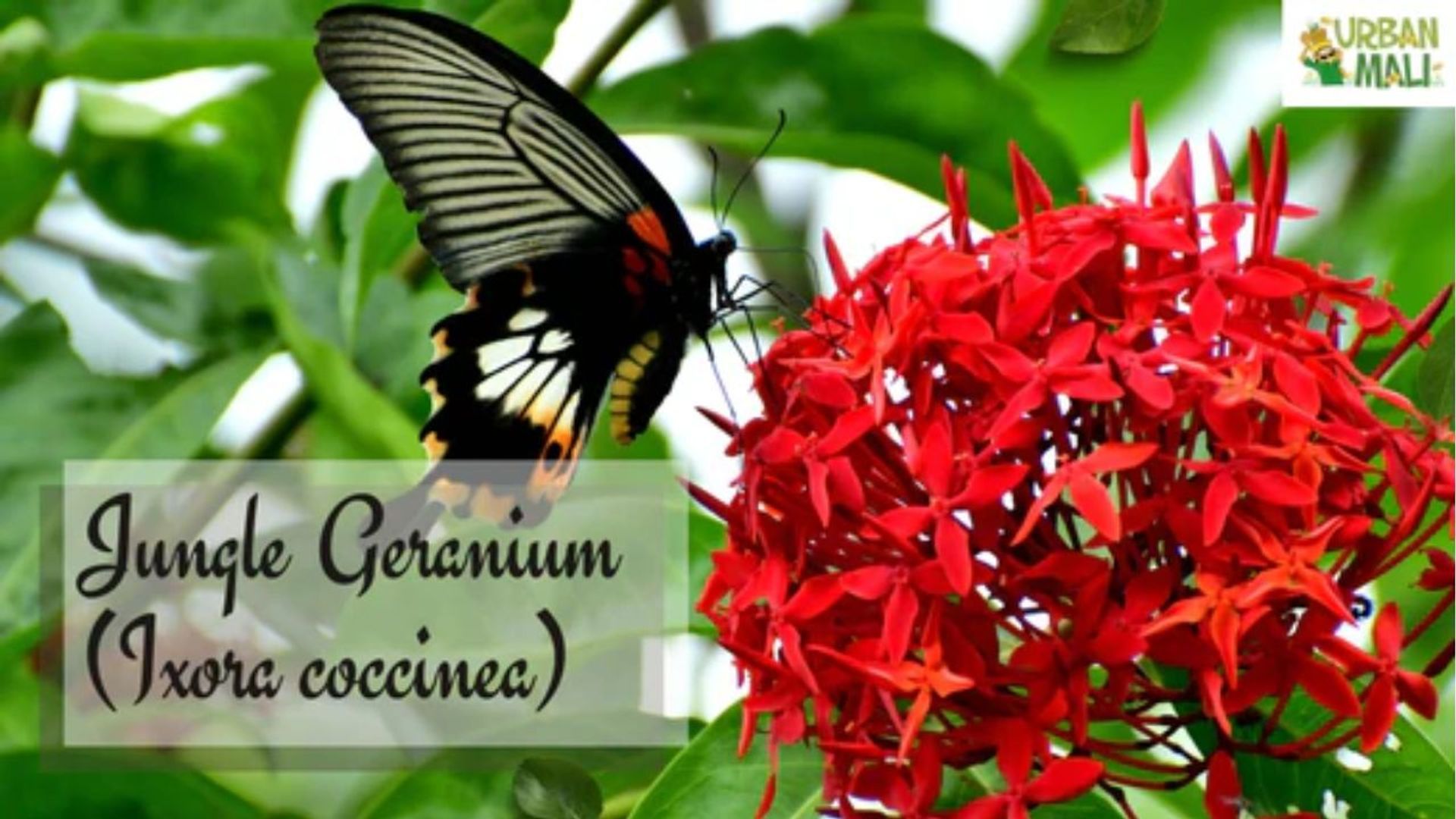
Types of Pollinators Attracted to the Plant
Butterflies constitute the most visible and abundant pollinators drawn to Jungle Geranium, with species varying by region. Swallowtails, monarchs, and numerous smaller butterfly species frequently visit the flower clusters, often remaining for extended feeding periods. The relatively shallow flower tubes make nectar accessible to butterflies with shorter proboscises, increasing the diversity of species that benefit from the plant. For more information on creating a pollinator-friendly garden, check out this guide.
Hummingbirds demonstrate particular attraction to red and orange Ixora varieties, hovering to extract nectar from multiple flowers in rapid succession. In tropical regions, several hummingbird species may establish regular feeding routes that include Jungle Geranium plantings, returning at predictable intervals throughout the day. Native bees, particularly smaller species, also frequently visit the flowers, primarily gathering nectar though some collect pollen as well.
Even some beneficial non-pollinating insects are attracted to Jungle Geranium. Predatory wasps and flies often visit the flowers for nectar, remaining in the vicinity to prey on garden pests. This dual benefit—attracting both pollinators and beneficial predators—makes Jungle Geranium particularly valuable in integrated pest management approaches to garden maintenance.
Best Companion Plants to Create a Pollinator Haven
Pairing Jungle Geranium with complementary plants creates a more complete habitat for pollinators while enhancing garden aesthetics. Consider planting alongside Pentas (Pentas lanceolata), which attracts similar pollinators but offers differently shaped flowers, providing food sources for a wider variety of beneficial insects. The purple-blue blooms of Plumbago (Plumbago auriculata) create striking color contrast with Ixora’s red or orange flowers while extending the range of pollinators attracted to your garden.
For a layered pollinator garden, incorporate lower-growing nectar sources like Lantana (Lantana camara) or Porterweed (Stachytarpheta spp.) beneath and around Jungle Geranium. These plants flower prolifically at different heights, creating a vertical feeding zone for various pollinators. Include some host plants for butterfly larvae, such as Passionvine (Passiflora spp.) or Milkweed (Asclepias spp.), to support the complete lifecycle of these important pollinators.
Remember that pollinator gardens benefit from continuous blooming throughout the seasons. Supplement Jungle Geranium with plants that peak at different times, ensuring year-round nectar availability. Consider adding some night-blooming species like Moonflower (Ipomoea alba) or Night-blooming Jasmine (Cestrum nocturnum) to support nocturnal pollinators like moths, creating a 24-hour pollinator sanctuary.
Propagation Methods for Growing More Jungle Geraniums
Expanding your collection of Jungle Geranium plants or sharing them with friends becomes simple once you master basic propagation techniques. These plants reproduce readily through several methods, with stem cuttings offering the quickest and most reliable results for home gardeners. Propagation not only provides free plants but also allows you to preserve particularly successful specimens or unusual color varieties.
Timing significantly impacts propagation success. The ideal period for taking cuttings or sowing seeds is during spring or early summer when the plant enters active growth. During this period, hormone levels naturally support new root and shoot development, dramatically improving success rates compared to dormant season attempts. For tips on reviving plants, you can explore more detailed guides.
- Stem cuttings: Fastest method (4-8 weeks to rooting), genetically identical to parent plant
- Air layering: High success rate for difficult-to-root varieties, produces larger starter plants
- Seed propagation: Introduces genetic variation, slower growth (6+ months to flowering)
- Division: Possible with multi-stemmed specimens, immediate mature plants but higher transplant shock
- Tissue culture: Commercial propagation method, not practical for home gardeners
While propagation itself is straightforward, creating appropriate environmental conditions significantly improves success rates. High humidity (70-90%) around new cuttings prevents moisture loss through leaves while roots develop. Maintaining consistent temperatures between 75-85°F (24-29°C) stimulates cell division and root formation. These conditions can be created using simple humidity domes, plastic bags, or propagation chambers with minimal investment.
Remember that propagated plants require a gradual transition to normal growing conditions. Once rooted, new plants should be hardened off slowly by progressively reducing humidity and increasing light exposure over 1-2 weeks. This acclimatization prevents transplant shock and prepares the new plants for standard growing conditions. For more tips on plant care, you can explore this artillery plant care guide.
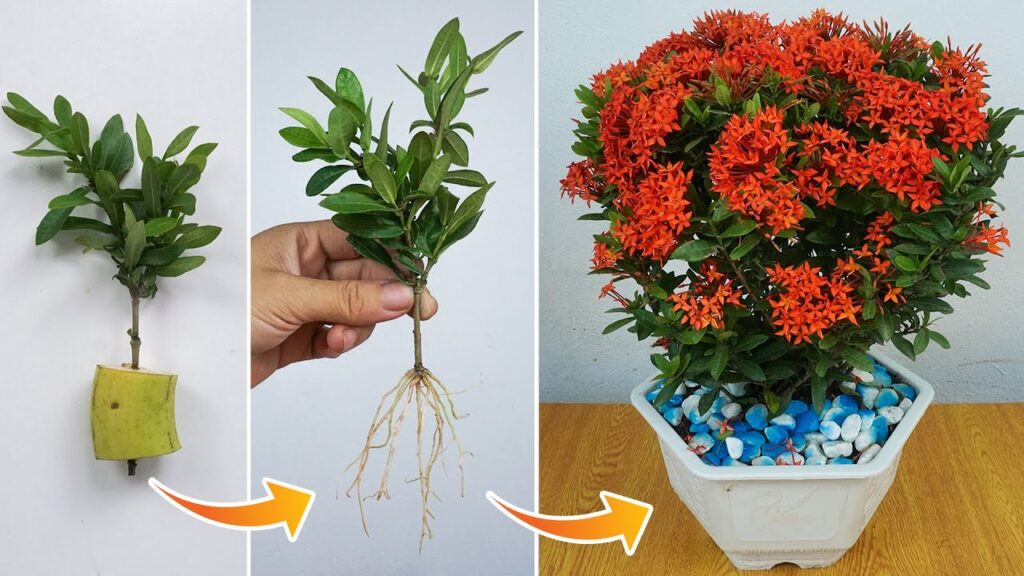
“How to propagate Ixora flowers by …” from www.youtube.com and used with no modifications.
Stem Cutting Technique for Quick Results
Begin by selecting healthy, semi-woody stems from the current or previous season’s growth, ideally 4-6 inches long with 2-3 leaf nodes. Make clean cuts just below a leaf node using sterilized pruning shears or a sharp knife. Remove flowers, buds, and lower leaves, leaving just 2-4 leaves at the top to reduce moisture loss while still allowing for photosynthesis. For best results, dip the cut end in rooting hormone powder or gel, tapping gently to remove excess.
Prepare a rooting medium of equal parts perlite and peat moss, pre-moistened but not soggy. Insert the cutting about 1-2 inches deep, ensuring at least one node is below the surface, as roots will emerge primarily from these points. Cover with a clear plastic bag or dome to create a humid microenvironment, and place in bright, indirect light—never direct sun, which can overheat and kill cuttings. Maintain consistent moisture by misting regularly, and expect roots to develop within 3-6 weeks, indicated by resistance when the cutting is gently tugged.
Growing from Seeds: A Step-by-Step Guide
Collect seeds from mature, dried flower clusters when the small berries turn dark purple or black, typically 2-3 months after flowering. Extract seeds by gently crushing the berries in water, allowing viable seeds to sink while pulp and nonviable seeds float for easy separation. After collection, sow seeds immediately for best germination rates, as Jungle Geranium seeds don’t store well long-term.
Prepare seedling trays with a fine-textured, sterile seed-starting mix, pre-moistened with warm water. Sow seeds on the surface, pressing gently to ensure good contact without burying them, as light aids germination. Cover trays with clear plastic to maintain high humidity, and place in bright, indirect light with bottom heat of 75-80°F (24-27°C) if possible. Germination typically occurs within 2-4 weeks but can be erratic, with some seeds taking up to 2 months to sprout.
Seedling care requires patience, as young Jungle Geraniums grow slowly initially. Wait until seedlings develop 2-3 pairs of true leaves before transplanting to individual pots with standard Ixora growing medium. Flowering from seed-grown plants typically takes 18-24 months, substantially longer than the 6-12 months for cutting-propagated specimens. However, seed propagation occasionally produces interesting variations in flower color or growth habit, making it worthwhile for gardeners interested in potential new cultivars.
Seasonal Care Calendar for Jungle Geranium Success
Adapting your care routine to the natural rhythms of the seasons helps Jungle Geranium thrive year after year. Even in tropical climates without dramatic temperature fluctuations, these plants respond to subtle seasonal changes in day length, rainfall patterns, and light intensity. Understanding these responses allows you to provide optimal care throughout the year, maximizing both plant health and flowering performance.
|
Season |
Water Needs |
Fertilization |
Maintenance Tasks |
|---|---|---|---|
|
Spring (Mar-May) |
Increasing as temperatures rise; water when top 1″ of soil dries |
Resume regular feeding; apply balanced fertilizer every 2-3 weeks |
Major pruning; repotting if needed; inspect for pests after winter |
|
Summer (Jun-Aug) |
Consistent moisture; may need daily watering in hot periods |
Continue regular feeding; switch to high-phosphorus formula for better blooming |
Deadheading spent flowers; light pruning for shape; monitor for spider mites in dry conditions |
|
Fall (Sep-Nov) |
Gradually reducing as temperatures cool |
Decrease to monthly feeding; stop in late fall |
Prepare for indoor transition in colder zones; last outdoor fertilization; prophylactic pest treatment |
|
Winter (Dec-Feb) |
Minimal; allow soil to dry slightly more between waterings |
None to minimal; half-strength if growth continues |
Increase humidity for indoor plants; provide supplemental lighting; monitor for temperature stress |
For gardeners in USDA zones 8 and below, the transition periods between outdoor and indoor growing require special attention. About three weeks before bringing plants indoors for winter, begin a gradual reduction in fertilizer to prepare the plant for lower light conditions. Similarly, when transitioning outdoors in spring, introduce the plant gradually to stronger light through a hardening-off process, starting with just a few hours of morning sun and progressively increasing exposure over 7-10 days.
Even in tropical regions where Jungle Geranium grows outdoors year-round, seasonal adjustments improve plant performance. During rainy seasons, ensure excellent drainage to prevent root rot, and consider supplemental feeding as nutrients leach more quickly from the soil. In dry seasons, increase watering frequency and apply mulch to retain soil moisture, but maintain good air circulation to discourage fungal issues that can develop in humid conditions with limited airflow.
Frequently Asked Questions
After years of growing and advising others on Jungle Geranium care, I’ve encountered certain questions that arise consistently. These frequently asked questions address the most common concerns and challenges gardeners face with this tropical beauty. Understanding these key points will help you avoid common pitfalls and achieve greater success with your own plants. For additional care tips, you might find this artillery plant care guide helpful.
Can Jungle Geranium survive winter outdoors in Zone 7?
Jungle Geranium cannot reliably survive winter outdoors in Zone 7, where temperatures frequently drop below its minimum tolerance of 45°F (7°C). Even brief exposure to freezing temperatures will cause severe damage or death. In Zone 7, treat these plants as container specimens that must be moved indoors before the first frost, typically by mid-October. For successful overwintering, place them near your brightest window, maintain temperatures above 55°F (13°C), reduce watering, and eliminate fertilizer until spring. If you absolutely want to try outdoor overwintering, construct a heavily insulated temporary greenhouse around in-ground specimens, but success remains unlikely in typical Zone 7 winter conditions.
How often should I repot my Jungle Geranium?
Repot young Jungle Geranium plants every 1-2 years, and mature specimens every 2-3 years. Signs indicating repotting is necessary include roots circling the bottom of the pot or emerging from drainage holes, water running straight through without being absorbed, and significantly slowed growth despite proper care. Always repot in spring just before the active growing season begins, selecting a container only 2 inches larger in diameter than the previous pot. Use fresh acidic potting mix, and water thoroughly after repotting, but withhold fertilizer for 3-4 weeks to allow roots to establish without chemical stress.
Is Jungle Geranium toxic to pets?
Jungle Geranium (Ixora coccinea) is generally considered non-toxic to cats, dogs, and other pets, making it a safe choice for households with animals. Unlike true geraniums (Pelargonium), which can cause mild toxicity symptoms, Ixora species aren’t listed as poisonous by major pet toxicity databases including the ASPCA. However, ingestion of any non-food plant can potentially cause minor digestive upset in sensitive animals, particularly if consumed in large quantities.
If you notice your pet showing interest in your Jungle Geranium, consider placing the plant in a less accessible location or using deterrent sprays designed for pet training. This precaution helps protect both your pet from potential stomach upset and your plant from damage. If you observe any unusual symptoms after suspected plant consumption, consult your veterinarian as a precautionary measure.
Why aren’t my Jungle Geranium plants flowering?
Lack of flowering in Jungle Geranium typically stems from insufficient light, improper soil pH, or inappropriate fertilization. These plants require at least 4-6 hours of bright, indirect light daily to produce flowers—in low light, they may grow vegetatively but rarely bloom. Check soil pH, as readings above 6.5 prevent iron uptake necessary for flower production. Switch to a high-phosphorus fertilizer (with a higher middle number in the NPK ratio) during pre-flowering periods, and ensure you’re not over-fertilizing with nitrogen, which promotes lush foliage at the expense of flowers. Finally, consider timing—after major pruning, plants typically need 8-12 weeks to develop new flowering shoots.
Can I grow Jungle Geranium from cuttings taken from a friend’s plant?
Yes, Jungle Geranium propagates readily from stem cuttings, making it easy to grow new plants from a friend’s specimen. Take 4-6 inch cuttings from semi-woody stems, removing lower leaves and any flower buds. For best results, dip the cut end in rooting hormone and plant in a well-draining mix of equal parts perlite and peat moss. Maintain high humidity around the cutting using a clear plastic cover or bag, place in bright indirect light, and keep soil consistently moist but not waterlogged. Roots typically develop within 3-6 weeks, at which point you can gradually acclimate the new plant to normal growing conditions. For more gardening ideas, explore safe garden ideas that can enhance your outdoor space.
When taking cuttings from another gardener’s plant, always ask permission first and examine the parent plant carefully for signs of pests or disease. Starting with clean, healthy cuttings significantly improves success rates and prevents introducing problems to your collection. Also consider the variety—some cultivars may be patented, technically restricting propagation for personal use, though this is rarely enforced among home gardeners sharing plants privately.
With proper care and attention to its specific needs, your Jungle Geranium will reward you with years of spectacular blooms and tropical beauty. Whether grown indoors or out, these versatile plants bring a touch of exotic flair to any garden or home.