
Key Takeaways
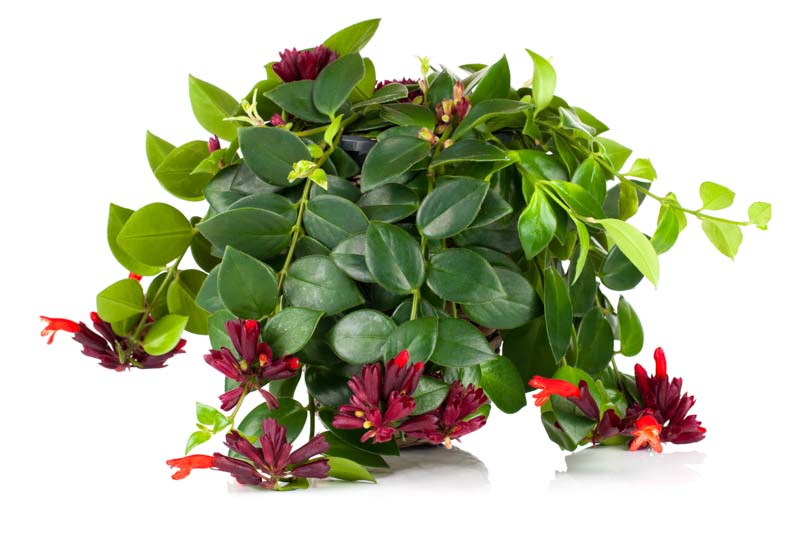
- Lipstick plants (Aeschynanthus radicans) get their name from their distinctive red flowers that emerge from dark buds resembling lipstick tubes.
- These tropical beauties thrive with bright indirect light, high humidity, and consistent watering, making them perfect for bathrooms and kitchens.
- Unlike their lookalike cousins Hoya plants, Lipstick plants have thinner leaves and tubular flowers rather than star-shaped blooms.
- The key to abundant flowering is providing the right balance of light—too little means no blooms, while direct sun can scorch leaves.
- Good news for pet owners: Lipstick plants are non-toxic to both cats and dogs, making them a safe choice for animal-loving households.
The Stunning Lipstick Plant: Why It’s Called That and How to Spot It
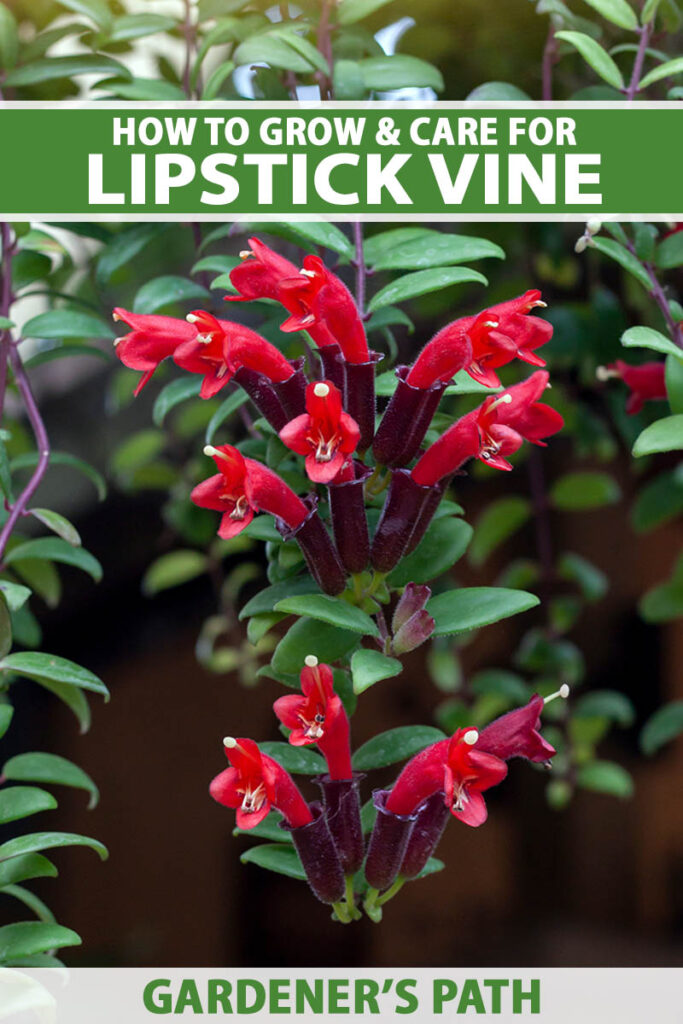
The Lipstick plant captivates with its dramatic flair and tropical allure. When in bloom, this striking houseplant puts on a show that’s hard to miss, with vibrant red tubular flowers emerging from dark burgundy buds in a way that perfectly mimics lipstick emerging from its tube. These trailing beauties feature glossy, pointed leaves that create a lush cascade when grown in hanging baskets, making them a standout addition to any plant collection.
“Aeschynanthus – Wikipedia” from en.wikipedia.org and used with no modifications.
What Makes It Look Like Lipstick
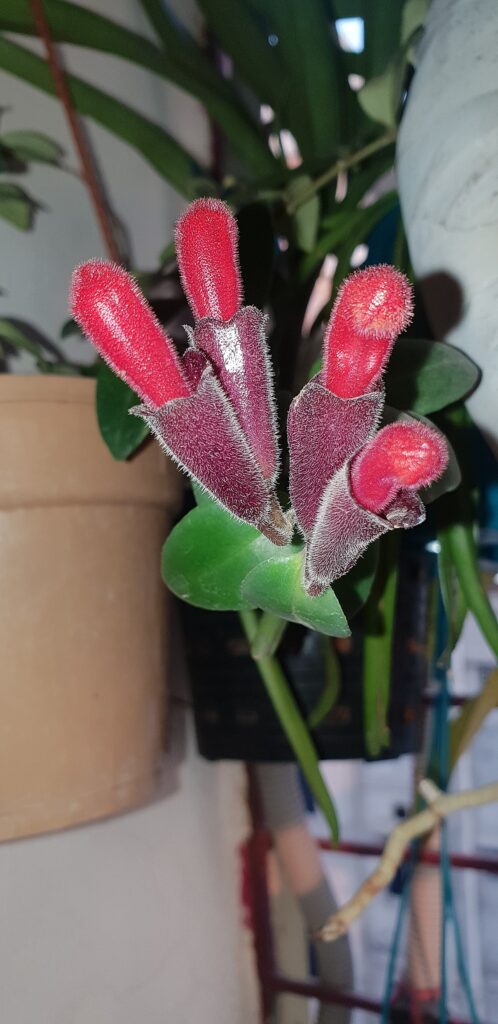
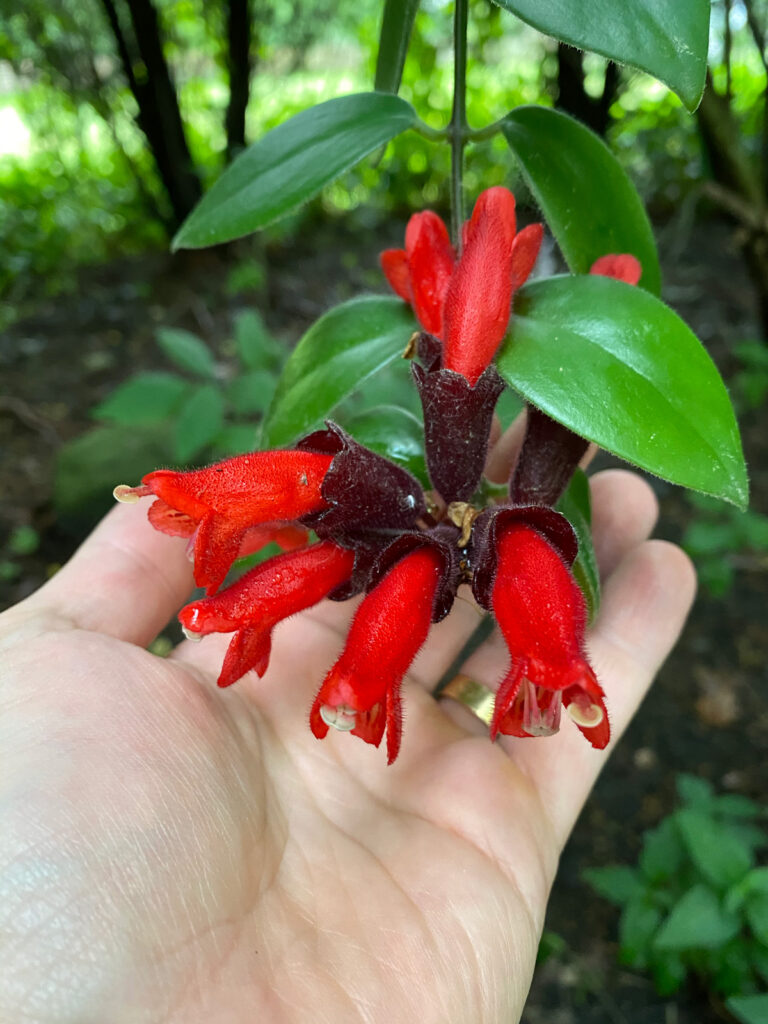
The magic happens when the Lipstick plant begins to flower. Dark, tube-shaped calyces form at the end of stems, creating what looks like the outer case of a lipstick tube. From these emerge brilliant red, tubular flowers that slide out just like a tube of lipstick being twisted up. This unique blooming pattern creates one of the most recognizable flowering displays in the houseplant world. The flowers typically last for several weeks, with healthy plants blooming multiple times throughout the year, especially in summer and early fall.
The contrast between the dark buds and bright flowers creates that unmistakable lipstick effect that gives this plant its common name. Some varieties even enhance this illusion with varying shades of red, orange, or yellow flowers, though the classic bright red remains the most popular.
Scientific Name: Aeschynanthus radicans
Aeschynanthus radicans belongs to the Gesneriaceae family, the same family as African violets and gloxinias. The genus name Aeschynanthus comes from the Greek words “aischyne” meaning shame and “anthos” meaning flower, though the exact reason for this somewhat unflattering name is debated. The species name “radicans” refers to the plant’s rooting habit, as it naturally grows as an epiphyte (air plant) in its native habitat, sending aerial roots into crevices of trees and rocks for support rather than growing in soil. For those interested in plant care, you might also find this Artillery Plant Care Guide helpful.
Popular Alternative Names
While “Lipstick Plant” is the most common nickname, this tropical beauty goes by several other monikers that reference its growth habits and appearance. “Basket Vine” highlights its trailing nature that makes it perfect for hanging planters. “Lipstick Vine” is another frequent alternative that acknowledges both its vining growth pattern and signature flowers. Some gardeners also call it “Scarlet Basket Vine” in reference to its vibrant bloom color and trailing habit. In scientific circles, you might hear it referred to simply as “Aeschynanthus,” though this encompasses the entire genus of over 150 species.
Origins and History Behind the Lipstick Plant
Like many of our beloved houseplants, the Lipstick plant has a rich history tied to tropical exploration and botanical discovery. Originally identified by botanists in the 19th century during expeditions to Southeast Asia, it quickly became a prized specimen for its unusual flowers and adaptable nature. European botanists and collectors brought specimens back to their countries, where the plant’s striking appearance made it popular in conservatories and botanical gardens before eventually finding its way into homes. For those interested in plant care, you might also want to explore the Artillery Plant care guide.
Native Habitat in Southeast Asian Rainforests
The Lipstick plant naturally thrives in the humid, dappled environments of Southeast Asian rainforests, particularly in Indonesia, Malaysia, and Thailand. In these lush settings, it grows as an epiphyte, clinging to tree trunks and branches where it can receive filtered light through the forest canopy. This natural growing pattern explains why the plant doesn’t need traditional soil to thrive—in the wild, it collects nutrients from organic matter that accumulates around its roots and from rainfall washing nutrients down from the canopy above.
Understanding this native habitat gives us important clues about its care needs. The high humidity, consistent moisture, warm temperatures, and bright but filtered light of the rainforest are the conditions we need to recreate in our homes for these plants to truly flourish. The Lipstick plant has evolved to withstand occasional dry periods but generally prefers consistent moisture without becoming waterlogged, similar to the care needed for the Sword Fern.
How It Got Its Unique Name
The name “Lipstick plant” is a perfect example of descriptive common naming in action. When plant enthusiasts first observed the blooming pattern of Aeschynanthus radicans, the resemblance to a tube of lipstick was too striking to ignore. The dark calyx (the tube-like structure) from which the bright red flower emerges creates an unmistakable likeness to cosmetic lipstick being twisted up from its case.
- The dark burgundy buds (calyces) represent the lipstick tube
- The bright red, tubular flowers mimic the lipstick itself
- The gradual emergence of the flower from the calyx resembles the twisting motion of applying lipstick
- This visual similarity has made the common name both memorable and perfectly suited to the plant
This vivid comparison has helped make the plant popular among both seasoned plant collectors and beginners looking for houseplants with visual impact. The descriptive name makes it instantly recognizable and creates an immediate connection for anyone seeing it bloom for the first time.
Lipstick Plant vs. Hoya Plant: Key Differences
At first glance, Lipstick plants and Hoya plants might seem remarkably similar with their trailing vines and waxy leaves. However, these tropical beauties have distinct characteristics that set them apart. Understanding these differences helps ensure you’re providing the right care for each plant and can help with proper identification if you’re unsure which you have in your collection.
“Dying Lipstick Plant? 7 Expert Tips for …” from www.ohiotropics.com and used with no modifications.
Leaf Appearance and Texture Comparison
Lipstick plant leaves are typically thinner and more pointed than those of Hoya plants. They have a glossy appearance with a deep green color, sometimes featuring slightly lighter veins running through them. The leaves grow in opposite pairs along the stem and have a somewhat soft, flexible texture despite their waxy appearance.
Hoya plants, by contrast, often have thicker, more succulent-like leaves that store water. Many popular Hoya varieties have distinctly oval or heart-shaped leaves with a much more pronounced waxy coating that gives them their common name “wax plant.” This waxy texture is unmistakable when you touch a Hoya leaf—it feels almost like plastic or thick parchment compared to the more typical leaf texture of the Lipstick plant.
“Lipstick Plant vs. Hoya: What’s The …” from cafeplanta.com and used with no modifications.
Flower Shape and Color Distinctions
The most dramatic difference between these plants becomes apparent during flowering. Lipstick plants produce tubular, elongated flowers that emerge from dark calyces, creating that signature lipstick-like appearance. These flowers are typically bright red, orange, or yellow and extend outward rather than forming clusters.
Hoya flowers, however, grow in distinctive star-shaped clusters called umbels. Each tiny star-shaped flower connects to form a rounded cluster, often with a contrasting center color. Hoyas are famous for their porcelain-like flower texture and sweet fragrance, especially at night. The flowers often have a translucent, waxy appearance that matches their leaves—quite different from the bold, solid coloration of Lipstick plant blooms.
Growth Habits That Set Them Apart
While both plants enjoy trailing or climbing, their growth patterns differ in notable ways. Lipstick plants tend to grow more quickly and produce longer, more cascading stems that make them ideal for hanging baskets. Their growth is typically more lush and full, creating a dense waterfall effect when properly maintained. If you’re interested in learning about other plants with unique growth patterns, check out the artillery plant care guide.
Hoyas generally grow more slowly and methodically, often producing specialized stems called peduncles that will flower year after year from the same spot. These peduncles should never be removed after flowering, as they’ll continue to produce new blooms in future seasons. Hoyas also tend to twine and climb more deliberately than Lipstick plants, making them excellent candidates for trellises and plant supports.
Care Requirement Differences
While both plants appreciate similar conditions, Hoyas are generally more drought-tolerant than Lipstick plants due to their succulent-like properties. Hoyas can go longer between waterings and tolerate lower humidity than Lipstick plants, which prefer consistent moisture and higher humidity levels reflective of their rainforest origins.
Lipstick plants typically need more frequent fertilizing during the growing season to support their faster growth rate and abundant flowering. Hoyas, being slower growers, require less frequent feeding but benefit from a bloom-boosting fertilizer when preparing to flower. Both plants prefer bright, indirect light, but Lipstick plants are somewhat more sensitive to direct sunlight than many Hoya varieties, which often can tolerate morning direct sun. For more on plant care, check out this artillery plant care guide.
5 Essential Care Tips for a Thriving Lipstick Plant
Creating the right conditions for your Lipstick plant isn’t complicated once you understand its needs. These tropical beauties are relatively forgiving houseplants that reward proper care with stunning blooms throughout much of the year. The key is consistency and recreating aspects of their natural rainforest habitat. With these five essential care tips, you’ll be on your way to a flourishing plant that becomes the centerpiece of your indoor garden.
“How to Grow and Care for Lipstick Vines …” from gardenerspath.com and used with no modifications.
1. Perfect Soil Mix for Drainage and Nutrients
Lipstick plants need a light, well-draining potting medium that mimics their epiphytic growing conditions in the wild. A mix of regular potting soil, orchid bark, perlite, and some sphagnum moss creates the ideal balance of moisture retention and drainage. This combination prevents the root rot that can quickly develop if the plant sits in soggy soil while providing enough organic matter to sustain healthy growth.
You can create your own mix with 2 parts quality potting soil, 1 part orchid bark, 1 part perlite, and a handful of sphagnum moss. Alternatively, African violet soil mixes work well as a base that you can enhance with additional perlite and bark. When repotting, choose a container with drainage holes that’s only 1-2 inches larger than the previous pot—Lipstick plants actually bloom better when slightly root-bound.
2. Watering Schedule: When and How Much
The watering sweet spot for Lipstick plants requires attention to their moisture needs without overdoing it. Allow the top inch of soil to dry out between waterings, but don’t let the plant completely dry out for extended periods. In spring and summer when growth is active, this typically means watering once the top inch feels dry to the touch. During winter dormancy, reduce watering frequency but never let the soil completely dry throughout.
Water thoroughly until it runs from the drainage holes, then empty any water that collects in the saucer to prevent root rot. Lipstick plants are sensitive to both overwatering and underwatering—yellow leaves often indicate overwatering, while crispy leaf tips suggest the plant is too dry. Adjust your schedule based on your home’s conditions, as heating, air conditioning, and seasonal changes will affect how quickly the soil dries out.
3. Humidity Requirements for Lush Growth
As natives of humid Southeast Asian rainforests, Lipstick plants thrive when humidity levels remain above 50%. In typical indoor environments, especially during winter heating season, additional humidity measures are often necessary for optimal growth and flowering. Without sufficient humidity, you may notice leaf edges browning or flower buds dropping before they open.
Humidity-Boosting Methods for Your Lipstick Plant
• Group with other plants to create a microclimate
• Use a pebble tray with water beneath the pot
• Run a humidifier nearby, especially in winter
• Place in naturally humid rooms like bathrooms (with adequate light)
• Mist occasionally, though this provides only temporary reliefFor more detailed care tips, visit this Lipstick Plant care guide.
While Lipstick plants appreciate humidity, they also need good air circulation to prevent fungal issues. Avoid placing them in stagnant air pockets or overcrowded spaces where dampness might linger on leaves. A small fan on low setting can help if your space tends to be stuffy while maintaining the moisture in the air that these plants love. For more tips on keeping your plants healthy, check out this artillery plant care guide.
Regular leaf cleaning with a damp cloth not only keeps your plant looking fresh but also removes dust that can block light absorption and respiration. This simple maintenance step improves overall plant health while giving you a chance to inspect for any early signs of pests or problems.
4. Temperature Range for Optimal Health
Lipstick plants prefer consistent warmth that mimics their tropical origins. The ideal temperature range falls between 65-80°F (18-27°C), with problems arising when temperatures drop below 60°F (15°C) for extended periods. These plants are particularly sensitive to cold drafts from windows, doors, or air conditioning vents, which can cause leaf drop and prevent flowering. Sudden temperature fluctuations stress these plants, so maintaining steady warmth is key to their health. For more detailed care instructions, check out this care guide for the lipstick plant. Keep them away from cold windows in winter, heating vents that create hot spots, and exterior doors that allow bursts of cold air.
5. Fertilizing Strategy Throughout the Year
A strategic fertilizing approach keeps Lipstick plants growing vigorously and blooming abundantly. During the active growing season (spring through early fall), feed your plant every 2-3 weeks with a balanced, water-soluble fertilizer diluted to half the recommended strength. A fertilizer with equal NPK values (such as 10-10-10) provides the balanced nutrition these plants need, though a slight increase in phosphorus during pre-flowering periods can encourage more blooms. Reduce feeding to once monthly in late fall and completely stop during winter months when growth naturally slows. Always apply fertilizer to damp soil to prevent root burn, and flush the soil thoroughly with plain water every few months to prevent salt buildup. For more information on how to care for ferns, check out our sword fern care tips.
If your plant shows signs of excessive fertilizer (leaf burn, crusty soil surface), flush the soil thoroughly with plain water and hold off on feeding for at least a month. It’s always better to under-fertilize than over-fertilize, as these plants can be sensitive to chemical buildup in their soil. For more detailed care instructions, check out this care guide for the lipstick plant.
Light Requirements and Blooming Success
The secret to coaxing those signature lipstick-shaped blooms from your plant lies almost entirely in providing the right light conditions. Unlike some houseplants that can tolerate a wide range of light situations, Lipstick plants have specific requirements that directly impact their flowering ability. Finding the sweet spot for light exposure is essential for transforming a merely attractive foliage plant into a flowering showstopper.
Bright Indirect Light: The Sweet Spot for Flowers
Lipstick plants thrive in bright, indirect light that mimics the filtered sunlight they receive in their native rainforest habitat. An east-facing window often provides the perfect balance—morning sun is gentle enough not to scorch leaves while providing enough brightness to trigger blooming. North-facing windows typically don’t provide enough light for optimal flowering, though the plant may survive there with reduced blooming. South or west windows can work well if the plant is placed a few feet back from the window or if a sheer curtain filters the intense afternoon rays.
The intensity of light directly correlates with blooming frequency and abundance. When light levels are just right, a healthy Lipstick plant can bloom several times a year, with each flowering period lasting several weeks. The brightest spots in your home that don’t receive direct sunlight are typically ideal placement locations. If you notice your plant stretching or leaning toward a light source, it’s signaling that it needs more brightness.
Too Much Shade: Why Your Plant Isn’t Blooming
Insufficient light is the most common reason Lipstick plants fail to bloom. When grown in too much shade, these plants redirect their energy toward seeking light rather than producing flowers. You might notice longer spaces between leaves (etiolation) and thinner, paler foliage—all signs your plant is light-starved. A Lipstick plant that receives too little light may survive for years as a foliage plant but will rarely, if ever, produce the vibrant blooms that make it special.
If your plant hasn’t flowered in over a year despite otherwise healthy growth, consider gradually moving it to a brighter location. Increase light exposure slowly over a week or two to prevent shock and leaf burn. Many successful growers find that supplementing natural light with grow lights during darker winter months helps maintain the light intensity needed for year-round flowering potential.
Seasonal Light Adjustments for Year-Round Flowers
Lipstick plants benefit from seasonal light adjustments that respond to changing natural light levels throughout the year. During summer months when sunlight is more intense, pulling plants back slightly from windows or adding a light filter may be necessary to prevent leaf scorch. Conversely, winter’s shorter days and weaker sun mean plants can often be moved closer to windows to maximize light exposure. If you’re interested in learning more about how to care for plants in different light conditions, check out these care tips for sun vs. shade.
To encourage flowering during darker winter months, consider rotating your plant regularly so all sides receive equal light, and clean the leaves monthly to ensure maximum light absorption. Some gardeners successfully use full-spectrum grow lights positioned 12-18 inches above the plant for 12-14 hours daily to supplement winter’s weaker natural light. This consistent light exposure can help trigger blooming cycles even during seasons when most houseplants go dormant.
Pet Safety: Is the Lipstick Plant Toxic?
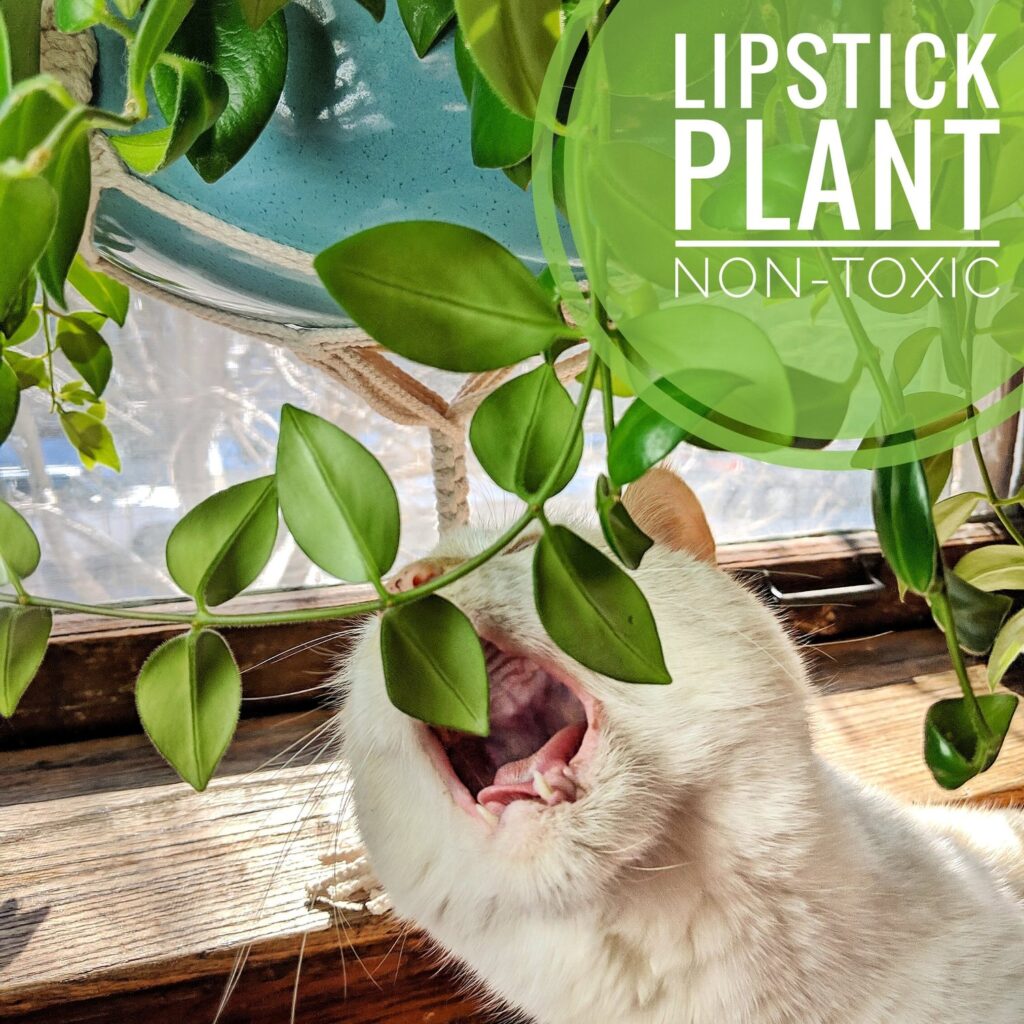
Good news for plant lovers with furry friends—the Lipstick plant (Aeschynanthus radicans) is considered non-toxic to both cats and dogs according to the ASPCA. This makes it an excellent choice for households with pets where safety is a primary concern. Unlike many popular houseplants that contain calcium oxalate crystals or other toxic compounds, Lipstick plants can safely coexist with your animal companions without posing a poisoning risk.
“Lipstick Plant — Cat Behavior …” from imfelinefab.com and used with no modifications.
Safety Profile for Dogs and Cats
The Lipstick plant doesn’t contain toxic substances that would cause serious harm if ingested by pets. While intentional consumption of any plant material isn’t ideal for cats or dogs, accidental nibbling or curious investigation of your Lipstick plant shouldn’t result in emergency veterinary visits. This safety profile makes it particularly valuable for homes with pets that tend to sample greenery, though the plant’s typically hanging or elevated placement often naturally keeps it out of reach of most animals.
If you notice your pet showing interest in your Lipstick plant, monitoring is still wise as any non-food plant material can potentially cause mild digestive upset in sensitive animals. However, you won’t need to worry about the severe reactions like oral irritation, excessive drooling, difficulty swallowing, or respiratory distress that can occur with truly toxic houseplants.
Precautions for Pet Owners
Even though Lipstick plants aren’t toxic, it’s still best to discourage pets from treating them as snacks. The fibrous plant material can cause mild stomach upset or vomiting if consumed in large quantities. Additionally, any fertilizers, pesticides, or leaf-shine products applied to the plant could potentially harm pets if ingested, so always check product labels carefully.
For persistent plant-nibbling pets, consider placing your Lipstick plant in hanging baskets or on high shelves well out of reach. This elevated placement not only protects your plants from curious pets but also showcases the plant’s naturally trailing growth habit to best effect. Some pet owners also find success with deterrent sprays formulated with bitter apple or citrus scents that discourage sampling without harming the animal or plant.
Troubleshooting Common Lipstick Plant Problems
Even with the best care, Lipstick plants occasionally develop issues that need addressing. Fortunately, these resilient tropicals usually respond quickly to corrective measures when problems are caught early. Learning to recognize common symptoms and their causes will help you keep your plant healthy and blooming for years to come. Most issues relate to environmental conditions that can be easily adjusted once identified.
Leaf Drop: Causes and Solutions
Sudden leaf drop in Lipstick plants usually indicates environmental shock or stress. The most common culprits are dramatic temperature changes, especially exposure to cold drafts below 60°F (15°C), which can cause leaves to drop almost overnight. Moving plants away from air conditioning vents, drafty windows, or exterior doors often resolves this issue. Inconsistent watering—either prolonged drought or soggy conditions—is another frequent cause of leaf drop. Establish a regular watering routine based on soil moisture rather than calendar days, ensuring the top inch dries out between thorough waterings. If leaf drop occurs after repotting, the plant may be experiencing transplant shock; provide consistent care and avoid fertilizing until new growth appears, signaling recovery.
Yellow Leaves: What They Tell You
Yellow leaves on a Lipstick plant typically point to watering issues, with overwatering being the most common cause. If multiple leaves are turning yellow and the soil feels consistently damp, you’re likely providing too much water. Allow the soil to dry more between waterings and check that your pot has adequate drainage. Conversely, if only older, lower leaves are yellowing and dropping while the soil feels very dry, underwatering may be the issue. Nutritional deficiencies can also cause yellowing, particularly if it’s been months since you last fertilized. A balanced, diluted fertilizer application during the growing season can help correct nutrient-related yellowing. Sometimes yellowing appears after exposure to direct sunlight—in this case, the yellowed leaves won’t recover, but new growth should be normal once the plant is moved to a more suitable location with bright, indirect light.
Pest Management for Healthy Growth
Lipstick plants can occasionally attract common houseplant pests, with spider mites, mealybugs, and aphids being the most frequent unwelcome visitors. Spider mites thrive in dry conditions and create fine webbing between leaves and stems; increasing humidity through regular misting or humidifier use helps discourage them. Mealybugs appear as white, cotton-like clusters in leaf axils and along stems; they can be removed with a cotton swab dipped in rubbing alcohol applied directly to the insects. For more significant infestations, insecticidal soap or neem oil applications at 7-10 day intervals usually provide control without harming the plant.
Prevention is always easier than treatment—regularly inspect new plants before bringing them into your collection, isolate any plant showing signs of infestation, and maintain adequate spacing between plants to promote air circulation. A monthly preventative spray with diluted neem oil can help keep pests at bay, particularly during winter months when indoor heating creates ideal conditions for spider mites.
Propagation Made Easy: Grow More Lipstick Plants
One of the most rewarding aspects of growing Lipstick plants is how readily they can be propagated to expand your collection or share with friends. These plants root easily from stem cuttings, allowing you to create new plants that are genetically identical to your original specimen. Propagation not only provides free plants but also helps rejuvenate older specimens that may have become leggy or sparse with age.
The process is straightforward and requires minimal equipment, making it perfect for beginners looking to try their hand at plant propagation. With a little patience and the right technique, you’ll be rewarded with new plants in just a few weeks.
Step-by-Step Stem Cutting Method
Start by selecting healthy stems from your existing plant, ideally choosing sections 4-6 inches long with at least 2-3 leaf nodes. Using clean, sharp scissors or pruning shears, cut just below a leaf node at a 45-degree angle. Remove leaves from the bottom third of each cutting to expose nodes that will develop into roots. For best results, dip the cut end into rooting hormone powder, though this is optional as Lipstick plants root readily even without it. Prepare small containers with moistened propagation medium—a mix of perlite and peat moss works well—and insert the cuttings about an inch deep, ensuring at least one node is below the surface. Cover the containers with clear plastic to create a humid environment, being sure to poke a few ventilation holes. Place in bright, indirect light and keep the medium consistently moist but not soggy. Within 3-4 weeks, new roots should develop, and you can gently tug the cutting to feel resistance, indicating successful rooting.
Best Time to Propagate for Success
Spring and early summer provide ideal conditions for propagating Lipstick plants when they’re naturally in an active growth phase. During these seasons, cuttings root more quickly and vigorously due to longer daylight hours and warmer temperatures. The plant’s high energy reserves during this period support rapid development of new roots and foliage. While propagation is possible year-round, cuttings taken during fall or winter may take significantly longer to root and might require additional heat and light supplementation to compensate for seasonal conditions.
For the highest success rate, take cuttings in the morning when plants are well-hydrated, and avoid propagating when the parent plant is flowering, as energy is directed toward bloom production rather than vegetative growth. Once your cuttings have established good root systems (typically when roots are 1-2 inches long), transplant them into small pots with regular Lipstick plant soil mix and continue normal care. Young plants often begin flowering within 6-12 months when provided with proper growing conditions.
Frequently Asked Questions
As Lipstick plants gain popularity among houseplant enthusiasts, certain questions arise repeatedly. These FAQs address the most common inquiries about these distinctive flowering plants, providing quick answers to help you grow your Lipstick plant with confidence. Whether you’re troubleshooting an issue or simply want to understand your plant better, these responses cover the essential information most growers seek. For more information on plant care, check out this guide on sword fern care tips.
How often does a lipstick plant bloom?
A healthy Lipstick plant typically blooms 2-4 times per year when provided with optimal care, with the most prolific flowering usually occurring in summer and early fall. Each flowering period can last several weeks, with individual blooms persisting for 10-14 days. Some particularly happy specimens may flower almost continuously, taking only short breaks between blooming cycles. The key factors influencing bloom frequency are light intensity, proper fertilization during the growing season, and maintaining appropriate temperature and humidity levels. Plants that receive insufficient light may flower only once yearly or not at all, while those given ideal conditions reward their owners with multiple impressive flowering displays throughout the year. For tips on sun vs. shade plant care, you can explore similar advice for other plant species.
Can lipstick plants grow outdoors year-round?
Lipstick plants can thrive outdoors year-round only in USDA hardiness zones 10-12, where winter temperatures reliably stay above 50°F (10°C). In these warm climates, they make excellent additions to shaded garden areas or hanging baskets on patios protected from harsh afternoon sun. For gardeners in cooler regions, Lipstick plants can vacation outdoors during summer months but must be brought indoors before temperatures drop below 55°F (13°C) to prevent cold damage. When transitioning plants between indoor and outdoor environments, gradual acclimation over 1-2 weeks prevents shock that can cause leaf drop or growth setbacks. For more information on sun vs shade care tips that can help your plants thrive, explore our detailed guide.
If growing outdoors seasonally, place Lipstick plants where they receive morning sun and afternoon shade, protecting them from intense midday light that can scorch leaves. Outdoor plants typically need more frequent watering than their indoor counterparts due to increased air movement and potentially higher temperatures. They also benefit from regular inspection for pests that may not be present indoors.
In tropical and subtropical regions, outdoor Lipstick plants often grow more vigorously and flower more abundantly than those kept as houseplants, thanks to the naturally higher humidity and air circulation. However, they may require protection from heavy rainfall that can waterlog the soil and lead to root problems.
Temperature Tolerance Chart for Lipstick Plants
• Ideal temperature range: 65-80°F (18-27°C)
• Growth slows: Below 60°F (15°C)
• Damage begins: Below 50°F (10°C)
• Fatal damage likely: Below 45°F (7°C)
• Upper limit for comfort: 90°F (32°C)
Why are my lipstick plant’s flowers falling off before opening?
Flower bud drop before blooming typically indicates environmental stress, with sudden changes in conditions being the most common trigger. Moving your plant to a new location, especially one with significantly different light or humidity levels, can cause developing buds to abort. Inconsistent watering—either allowing the soil to become too dry or keeping it excessively wet—is another frequent cause of premature bud drop. Dramatic temperature fluctuations, particularly exposure to cold drafts or hot, dry air from heating vents, can also prompt the plant to shed its developing flowers. To prevent this disappointing issue, maintain consistent care routines, protect your plant from environmental extremes, and avoid relocating it while buds are developing unless absolutely necessary.
How big do lipstick plants get?
Lipstick plants are moderate growers with stems that can reach 2-3 feet in length when mature, creating dramatic cascades when grown in hanging baskets. The overall spread depends largely on how the plant is displayed—when allowed to trail freely, a single plant can create an impressive display up to 3 feet wide. When grown on supports or trained upward, the plant becomes more compact but can still reach significant height as stems are guided upward. Growth rate varies with conditions, but under ideal circumstances, expect about 6-12 inches of new growth annually on healthy stems.
The plant’s size can be controlled through regular pruning, which not only manages dimensions but also encourages bushier growth and more flowering points. Pruning is best done after a flowering cycle has completed. Unlike some houseplants that can become enormous, Lipstick plants remain relatively manageable even at maturity, making them suitable for average-sized homes and apartments.
When selecting a container, choose one proportional to the plant’s current size rather than its potential maximum size. Lipstick plants actually bloom better when slightly root-bound, so upgrading pot size only when roots are circling the current container’s edges (typically every 2-3 years) helps maintain optimal flowering. For additional care tips, you might find this guide on sword fern care tips useful as it covers similar topics on plant care and placement.
Are there different varieties of lipstick plants?
The Lipstick plant world offers surprising diversity, with numerous varieties featuring different leaf patterns, growth habits, and flower colors. ‘Mona Lisa’ is perhaps the most common variety, with the classic bright red flowers emerging from dark burgundy calyces. ‘Rasta’ features fascinating curly, twisted foliage that adds texture even when not in bloom. For those seeking something different, ‘Cassiopeia’ offers spectacular orange-red blooms with yellow throats, while ‘Black Pagoda’ showcases distinctive dark green leaves with silvery bands and the traditional red flowers.
Variegated cultivars like ‘Variegata’ display cream or white markings on their leaves, adding year-round interest even between flowering periods. ‘Tangerine’ lives up to its name with orange-hued blooms that provide a different take on the classic lipstick effect. Some collectors seek out ‘Lobbianus’ for its more compact growth habit and smaller leaves that make it suitable for terrariums and dish gardens.
Care requirements remain similar across varieties, though some cultivars may have slightly different preferences for light intensity or humidity levels. Experimenting with different varieties allows you to discover which types perform best in your specific growing environment while building a diverse collection of these fascinating plants.
The lipstick plant is a fascinating species known for its vibrant blooms and unique appearance. While it thrives in both sun and shade, the frequency of its blooms can be influenced by the amount of sunlight it receives. It’s important to note that the lipstick plant is poisonous to dogs and cats, so pet owners should exercise caution when introducing this plant into their homes. With proper care, the lipstick plant can be a stunning addition to any indoor or outdoor garden.