
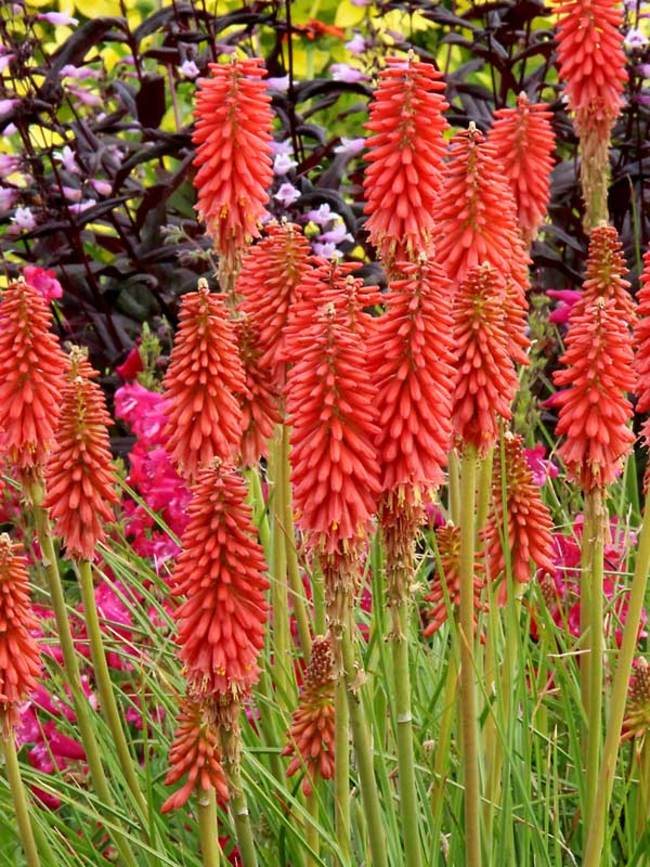
Key Takeaways
- Kniphofia, or torch lily, is non-toxic to dogs, cats, and horses, according to the ASPCA.
- Torch lilies spread through rhizomes and can become invasive if not managed properly.
- Rabbits generally avoid eating red hot pokers due to their sharp and coarse leaves.
- Torch lilies typically bloom in summer, with flowers transitioning from red to yellow.
- To prevent torch lilies from falling over, use stakes and ensure proper planting techniques.
Torch Lily: Safety and Growth Insights for Pet Owners
As a passionate gardener, I’ve often been asked about the safety and growth habits of various plants, especially when it comes to pets. One plant that frequently comes up in conversation is the Kniphofia, commonly known as the torch lily or red hot poker. These vibrant and striking plants are a popular choice for gardens, but pet owners often wonder if they’re safe for their furry friends. Let’s dive into the details to find out more about these fascinating plants and how they interact with our pets.
Kniphofia’s Non-Toxic Nature to Pets
One of the most common concerns among pet owners is whether torch lilies are toxic to their beloved animals. The good news is that Kniphofia is considered non-toxic to dogs, cats, and horses. The ASPCA lists them as safe, meaning that if your pet happens to nibble on a torch lily, it shouldn’t cause any harm. However, it’s always wise to monitor your pets around any plant, as eating large quantities of non-food plants can sometimes lead to mild stomach upset.
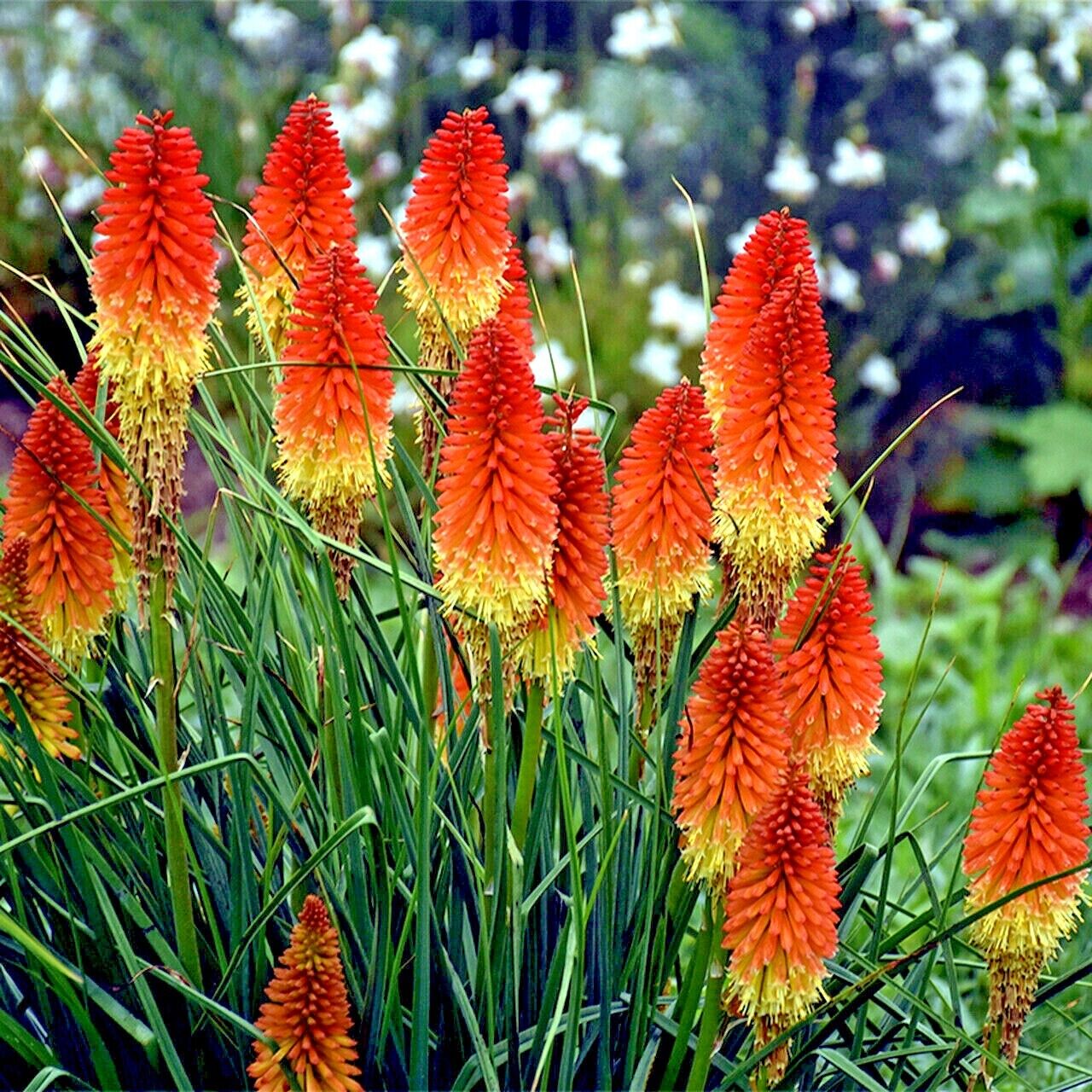
“Lily Flower Seeds Kniphofia hirsuta …” from www.ebay.com and used with no modifications.
Precautions for Pet Safety Around Red Hot Pokers
While torch lilies are non-toxic, it’s essential to keep a few precautions in mind to ensure the safety of your pets. Here are some tips:
- Monitor your pets when they’re in the garden to prevent excessive nibbling on plants.
- Provide plenty of safe chew toys and distractions to keep pets from being too interested in garden plants.
- If you notice any unusual behavior in your pet, such as vomiting or lethargy, consult a veterinarian promptly.
By following these simple steps, you can enjoy the beauty of torch lilies in your garden without worrying about your pets’ safety.
Spreading Habits and Garden Management
Torch lilies are not only admired for their beauty but also for their ability to spread and fill garden spaces. However, this can be both a blessing and a challenge for gardeners. Understanding how they spread and how to manage them effectively is crucial for maintaining a balanced garden environment. For gardeners looking to explore other plants with spreading habits, wild strawberries as ground cover might be an interesting option to consider.
How Torch Lilies Spread Through Rhizomes
Kniphofia plants spread through rhizomes, which are underground stems that send out new shoots. This method of spreading allows the plant to expand outward and fill available space in the garden. In favorable conditions, torch lilies can become quite prolific, which is why they are sometimes considered invasive.

“Red Hot Poker Plant Care | Plantly” from plantly.io and used with no modifications.
Controlling Torch Lily Growth
To keep your garden in check and prevent torch lilies from taking over, it’s important to manage their growth effectively. Here are some strategies:
- Regularly divide the clumps in the spring to control their spread.
- Plant torch lilies in designated areas with physical barriers like edging or containers.
- Space them appropriately when planting to avoid overcrowding and encourage healthy growth.
By implementing these measures, you can enjoy the stunning display of torch lilies without them overwhelming your garden space. For more information on plant care, you might find our guide on globe thistle care helpful.
Rabbits and Torch Lilies
Another common question among gardeners is whether rabbits pose a threat to torch lilies. The answer lies in the plant’s natural defenses and how rabbits typically interact with them. For those interested in creating a cat-friendly garden design, understanding plant interactions can be crucial.
Do Rabbits Eat Kniphofia?
When it comes to rabbits and torch lilies, the relationship is surprisingly straightforward. Rabbits generally avoid Kniphofia due to the plant’s natural defenses. The leaves of the torch lily are sharp and coarse, which acts as a deterrent for these furry garden visitors. This makes torch lilies a great option for gardens plagued by wild rabbit invasions.
However, it’s important to remember that while rabbits typically steer clear of torch lilies, no plant is entirely rabbit-proof. In times of food scarcity or high rabbit populations, they might still take a nibble. But, for the most part, you can rest easy knowing your red hot pokers are safe from these garden grazers.
“The leaves of Kniphofia are sharp and coarse, which deters animals from eating them.”
Besides that, if you’re looking to create a rabbit-resistant garden, consider pairing torch lilies with other rabbit-deterring plants. This can help create a more cohesive and protected space for your garden to thrive.
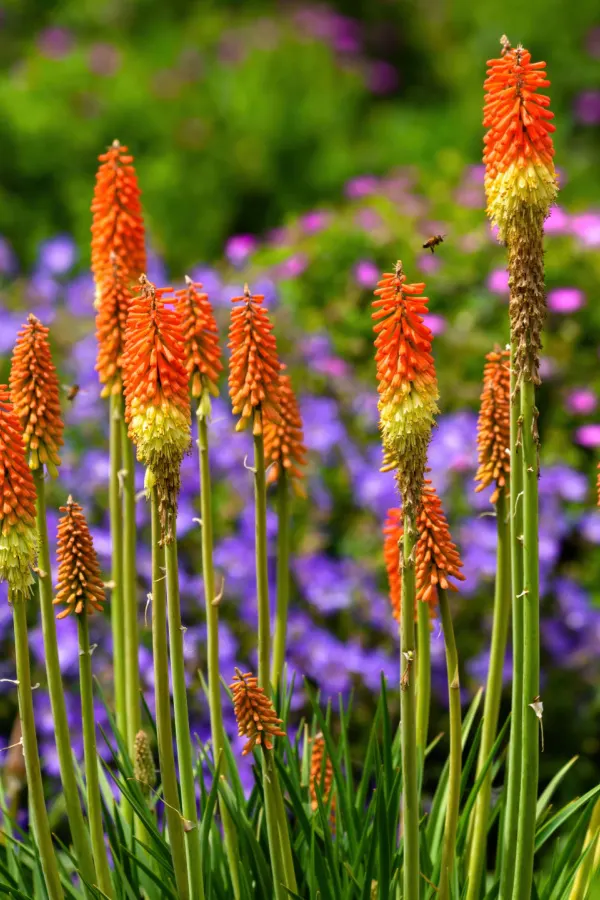
“How To Grow Torch Lily – A Fiery …” from simplegardenlife.com and used with no modifications.
Why Rabbits Avoid Red Hot Pokers
The primary reason rabbits avoid red hot pokers is due to their physical structure. The sharpness and coarseness of the leaves make them unappealing and difficult for rabbits to chew. Moreover, these plants do not offer the tender, succulent foliage that rabbits typically prefer.
Additionally, torch lilies are often surrounded by other plants that rabbits find less appealing. By strategically planting red hot pokers with other deterrent plants, you can further reduce the likelihood of rabbit interference in your garden.
Boom Cycle and Color Changes
The blooming cycle of torch lilies is a fascinating aspect of their growth, providing vibrant colors and unique visual interest to gardens. Understanding this cycle can help gardeners plan and maintain their landscapes effectively.
Typical Bloom Cycle of Torch Lilies
Torch lilies typically bloom during the summer months. The flowers start as tight buds and gradually open up into stunning spikes of color. Initially, the blooms are red or orange at the base and transition to yellow at the top as they mature. This gradual color change adds dynamic visual interest to any garden setting.
“Kniphofia Caulescens | Fairegarden” from fairegarden.wordpress.com and used with no modifications.
Reasons Torch Lilies Turn Purple
“Torch lilies sometimes turn purple due to environmental stress or changes in soil composition.”
While red and yellow are the most common colors, some gardeners may notice their torch lilies turning purple. This color change can occur due to various factors, including environmental stress, changes in soil composition, or even temperature fluctuations. While this is generally not harmful to the plant, it can be an indicator of conditions that might need adjustment for optimal growth.
For example, if you notice your torch lilies turning purple, consider evaluating the soil pH and ensuring it is within the optimal range for Kniphofia. Adjusting watering practices or providing some shade during extreme heat can also help manage stress-induced color changes. Additionally, understanding the color light needs of your plants can be beneficial.
Understanding these cycles and potential changes allows gardeners to better care for their torch lilies, ensuring they continue to bring vibrant beauty to the garden.
Maintaining Torch Lilies: Preventing Fall-Over
One challenge gardeners face with torch lilies is their tendency to fall over, especially during heavy blooms or adverse weather conditions. Proper planting and maintenance techniques can prevent this issue and keep your torch lilies standing tall and proud.
Planting Tips for Stability
To ensure stability, plant torch lilies in well-draining soil and choose a location that provides adequate sunlight. Space the plants appropriately to prevent overcrowding, which can lead to competition for resources and weaker stems. Additionally, planting them in areas protected from strong winds can help reduce the risk of falling over.

“Red-Hot Pokers—Planting Guide …” from www.finegardening.com and used with no modifications.
Using Stakes and Supports
If your torch lilies require additional support, consider using stakes or plant supports. Gently tie the flower stalks to the stakes with soft ties, ensuring not to damage the stems. This method provides stability while allowing the plants to sway naturally with the breeze, preventing damage and maintaining their aesthetic appeal. For more on pet-friendly garden designs, explore our related resources.
By following these guidelines, you can enjoy the full beauty of torch lilies in your garden, without the worry of them toppling over. Additionally, if you’re interested in pet-safe plants to complement your garden, there are many options to consider.
Conclusion: Encouraging Beautiful and Safe Gardens
Gardening is an art that balances beauty and practicality, and torch lilies are a perfect example of how we can achieve this harmony. By understanding their growth habits, blooming cycles, and interactions with pets and wildlife, we can cultivate gardens that are both visually stunning and safe for our furry friends. Kniphofia offers a vibrant splash of color and a unique structure that can enhance any garden space.
As gardeners, our role is to nurture these plants with care and attention. This means managing their spread, understanding their needs, and taking steps to ensure they thrive without overwhelming our gardens or posing risks to pets. With the right approach, torch lilies can be a joyful addition to your landscape, offering beauty and interest throughout the growing season. For more information on pet safety and plant care, consider exploring additional resources.
Frequently Asked Questions (FAQ)
When it comes to cultivating torch lilies, several common questions often arise. Here, I address some of the most frequently asked questions to provide clarity and guidance for both novice and experienced gardeners.
Are Torch Lilies invasive?
While torch lilies can spread vigorously through their rhizomatous root system, they are not typically considered invasive in most garden settings. However, in favorable conditions, they can expand quickly and potentially crowd out other plants.
- Regularly divide and replant to manage growth.
- Use barriers or containers to contain their spread.
- Monitor their growth and adjust planting as needed.
With careful management, you can enjoy the beauty of torch lilies without them overtaking your garden. For a pet-friendly garden, consider learning about cat-friendly garden designs.
What animals are attracted to Red Hot Pokers?
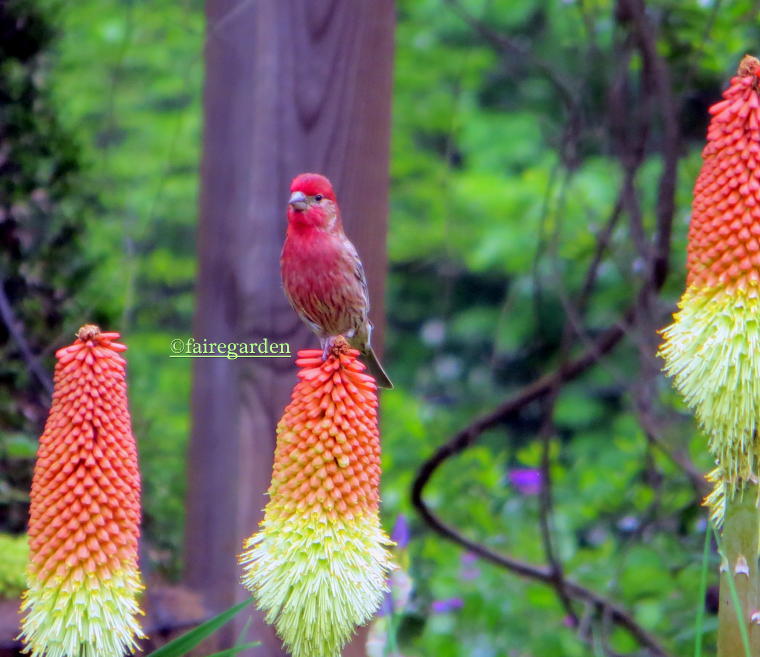
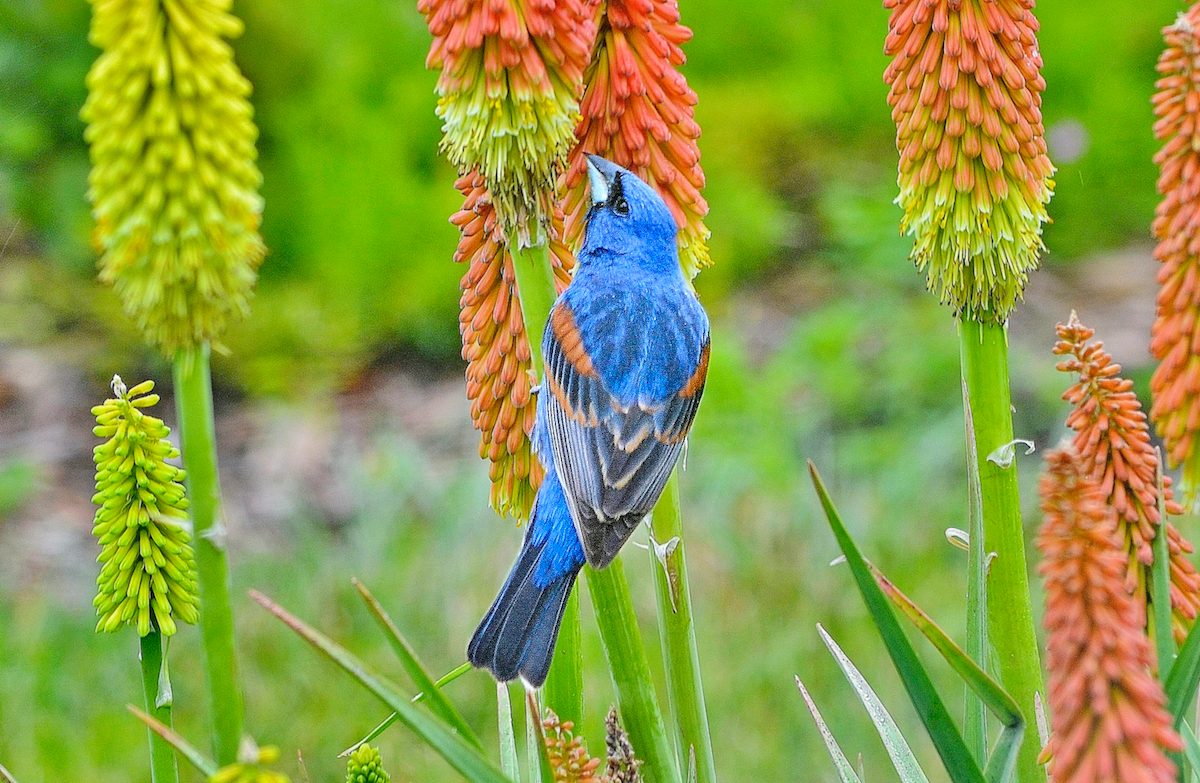
Torch lilies are particularly attractive to pollinators such as bees and butterflies, which are drawn to their vibrant colors and nectar-rich blooms. These plants can help create a lively and biodiverse garden environment, benefiting both the plants and the ecosystem.
“Grow Red Hot Poker for a Flock of …” from www.birdsandblooms.com and used with no modifications.
How often should Torch Lilies be watered?
Torch lilies are relatively drought-tolerant once established, but they do best with regular watering, especially during dry spells. Water them deeply but infrequently to encourage strong root growth. Allow the soil to dry out slightly between waterings to prevent overwatering and root rot.
Can I grow Red Hot Pokers in a container?
Yes, torch lilies can be successfully grown in containers, provided they have adequate space and well-draining soil. Choose a large pot with drainage holes and use a high-quality potting mix to ensure proper growth.
- Place the container in a sunny location.
- Water regularly but avoid waterlogging.
- Fertilize during the growing season for optimal blooms.
Container gardening with torch lilies allows for flexibility in garden design and can be an excellent option for those with limited space.
What is the best soil type for Kniphofia?
Torch lilies thrive in well-draining soil that is rich in organic matter. They prefer a neutral to slightly acidic pH, which can be achieved by incorporating compost or well-rotted manure into the planting area.
Ensuring good drainage is crucial, as torch lilies are susceptible to root rot in waterlogged conditions. If your garden soil is heavy clay, consider amending it with sand or planting in raised beds to improve drainage.