

Key Takeaways
- Early socialization is crucial for herding dogs to ensure they adapt well to new environments and people.
- Basic obedience training with commands like “sit,” “stay,” and “leave it” is essential to control behavior.
- Understanding and managing herding instincts can prevent unwanted behaviors in assisted living facilities.
- Utilizing positive reinforcement techniques enhances training effectiveness and strengthens the dog-owner bond.
- Consistent exposure to varied environments reduces reactivity and fosters calmness in herding dogs.
Start Preparing Your Herding Dog for Assisted Living Facility
Preparing your herding dog for life in an assisted living facility requires a combination of socialization, obedience training, and an understanding of their natural instincts. These dogs are intelligent and energetic, often displaying strong herding behaviors. Therefore, it’s essential to guide them appropriately to ensure they remain calm and non-reactive in their new environment.
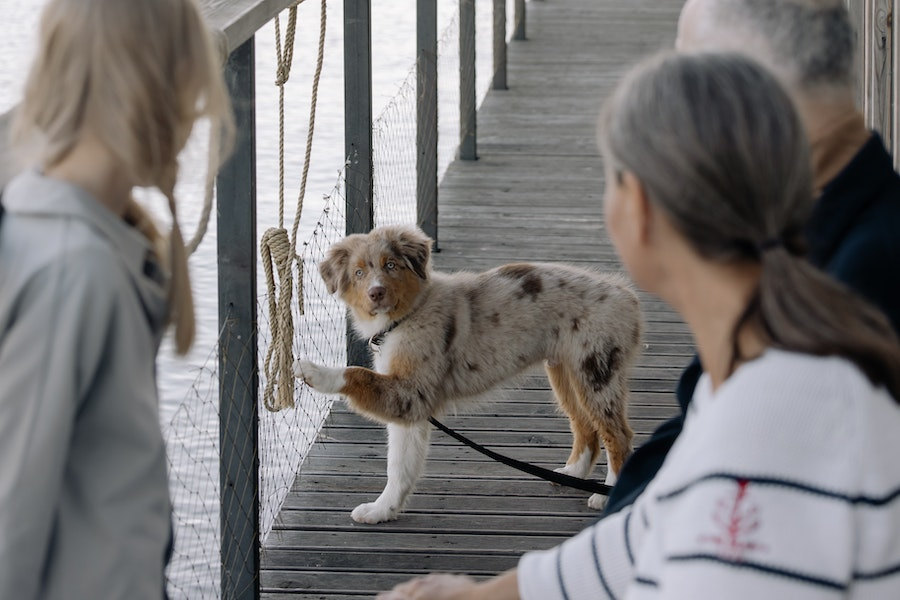
“The Best Dog Breeds for Seniors -A Tail …” from applewoodourhouse.com and used with no modifications.
The Importance of Socialization
Socialization is the cornerstone of a well-adjusted herding dog. From a young age, expose your dog to a variety of people, environments, and situations. This exposure helps them become comfortable and less reactive to new stimuli. A well-socialized dog is less likely to feel anxious or threatened by unfamiliar settings, making them more suitable for life in an assisted living facility.
Basic Obedience Training Essentials
Obedience training is non-negotiable when preparing your herding dog for an assisted living facility. Focus on teaching them essential commands such as “sit,” “stay,” and “leave it.” These commands help you maintain control over your dog’s behavior in different situations, ensuring they remain calm and composed around residents.
Understanding Your Dog’s Herding Instincts
Herding dogs have strong instincts to chase and control movements, which can manifest as trying to herd people. Understanding these instincts allows you to redirect their energy positively. Engage them in activities that mimic herding, such as agility courses or interactive toys, to fulfill their natural drive without causing disruption.
Besides that, it’s important to observe your dog’s behavior closely. If they start exhibiting herding behaviors, gently redirect their attention using a command they’ve mastered. Reward them with praise or treats for complying, reinforcing the desired behavior. For more insights, explore animal-assisted therapy benefits.
- Expose your dog to different environments regularly.
- Use commands like “leave it” to manage herding instincts.
- Incorporate interactive toys to engage their minds.
Essential Training Techniques for Herding Dogs in Assisted Living Facility
Training a herding dog for life in an assisted living facility requires consistency, patience, and the right techniques. Let’s delve into the essential methods to ensure your dog is well-prepared for this new chapter. For more insights, check out essential tips and tricks for herding dogs.
Most importantly, remember that every dog is unique. Tailor your training approach to suit your dog’s personality and learning pace. Consistent practice and positive reinforcement will yield the best results.

“The Basics of Herding Dog Training …” from k9basics.com and used with no modifications.
Mastering Key Commands: Sit, Stay, & Leave It
Teaching your herding dog basic commands is a fundamental step in their training. These commands form the foundation of a well-behaved dog, especially in a setting where they will interact with various people. For those interested in how pets can play a role in therapy settings, explore animal-assisted therapy benefits.
Start with “sit” and “stay,” as these commands help control your dog’s movements and prevent them from jumping on or herding residents. Use clear, firm tones and reward them with treats and praise when they follow through. The “leave it” command is particularly important for managing herding instincts, as it teaches your dog to ignore distractions and focus on you instead.
Repetition is key. Practice these commands in different settings and gradually increase the level of distractions. This way, your dog learns to obey regardless of the environment. For more information on how to manage your dog’s behavior in various situations, you can check out these service dog documentation guidelines.
- Practice commands daily in short sessions.
- Gradually introduce distractions to increase difficulty.
- Use treats and praise to reinforce positive behavior.
Incorporating Positive Reinforcement
Positive reinforcement is a powerful tool in dog training. It involves rewarding your dog for desired behaviors, encouraging them to repeat those actions. This method not only strengthens your dog’s training but also builds a strong bond between you and your pet. For more insights, check out this article on mastering the art of owning a herding dog.
Whenever your dog follows a command or exhibits calm behavior, reward them immediately with a treat, praise, or a favorite toy. The immediate association between the behavior and the reward reinforces the behavior effectively.
Remember, consistency is crucial. Make sure everyone interacting with your dog uses the same commands and rewards to prevent confusion. For those integrating animal-assisted therapy into their routines, this uniformity can enhance the therapeutic benefits.
Hand Signals and Verbal Cues for Clear Communication
Using hand signals along with verbal cues can enhance your communication with your herding dog. Dogs often respond well to visual cues, and combining these with verbal commands ensures your dog understands what is expected of them. For more tips on training, visit CollieBall.
Introduce hand signals alongside verbal commands during training sessions. For example, a flat hand for “stay” or a sweeping motion for “come.” Practice consistently until your dog associates the hand signals with the commands. For more tips on living with pets, explore sober living with pets.
Over time, your dog will respond to both verbal and visual cues, improving their overall responsiveness and obedience.

“Teach Your Herding Breed To Be A Great …” from www.dogwise.com and used with no modifications.
Socializing Your Herding Dog to Prevent Reactivity
Socialization plays a pivotal role in preventing reactivity in herding dogs. By exposing your dog to various environments and people, you help them become more adaptable and less likely to react negatively to unfamiliar situations.
Early Exposure to Varied Environments
Start socializing your herding dog as early as possible. Take them to different places, such as parks, pet-friendly stores, and busy streets. This exposure helps them become accustomed to different sights, sounds, and smells, reducing the likelihood of fear-based reactivity.
During these outings, observe your dog’s body language. If they seem anxious or overwhelmed, provide reassurance and gradually remove them from the situation. The goal is to build positive associations with new experiences.
Controlled Interactions with Residents
When introducing your herding dog to residents in an assisted living facility, it’s crucial to control these interactions to ensure safety and comfort for everyone involved. Start by using a leash to maintain control over your dog’s movements. This not only prevents unwanted behaviors like jumping or herding but also helps your dog feel secure in new surroundings.
Before approaching a resident, always ask if they are comfortable interacting with your dog. Some individuals may have allergies, fear of dogs, or simply prefer not to engage. Respecting these boundaries is essential for harmonious living in the facility. For more information on guidelines, check out these service dog documentation FAQs.
Reinforce Calm and Non-Reactive Behavior
Encouraging calm and non-reactive behavior in your herding dog is key to their success in an assisted living environment. Use positive reinforcement techniques to reward your dog whenever they remain calm in the presence of residents or other distractions.
If your dog starts to exhibit signs of reactivity, such as barking or lunging, redirect their attention with a command they know well, like “sit” or “focus.” Reward them immediately for complying, reinforcing the desired behavior. Over time, this practice will help your dog learn to remain calm and composed, even in stimulating environments. For additional support, consider exploring animal-assisted therapy as a way to improve your pet’s behavior.
Managing and Redirecting Herding Instincts
Herding instincts are deeply ingrained in these breeds, and managing these instincts is crucial when living in an assisted living facility. It’s not about suppressing these natural behaviors but rather redirecting them in a way that’s safe and appropriate.
One effective method is to engage your dog in activities that mimic herding but don’t involve people. This can include games that involve chasing or retrieving toys, which satisfy their need to herd without disrupting the residents. For more ideas on how to keep your pet engaged, consider exploring sober living with pets and their unique needs.
For example, a herding dog might enjoy a game of fetch in a safe, enclosed area. This allows them to channel their energy into a structured activity, reducing the likelihood of unwanted herding behaviors.
Additionally, consider incorporating agility training or structured play sessions to provide an outlet for their energy and instincts.
Utilizing Puzzle Feeders and Interactive Toys
Puzzle feeders and interactive toys are excellent tools for keeping your herding dog mentally stimulated. These toys challenge their minds and provide a productive outlet for their energy, reducing the likelihood of boredom-induced behaviors.
Introduce these toys during quiet times when your dog is relaxed. Encourage them to explore and solve the puzzles, rewarding them with treats or praise when they succeed. This not only keeps their minds sharp but also reinforces positive behavior. For more ideas on pet-friendly environments, consider checking out pet-friendly sofas and couches.
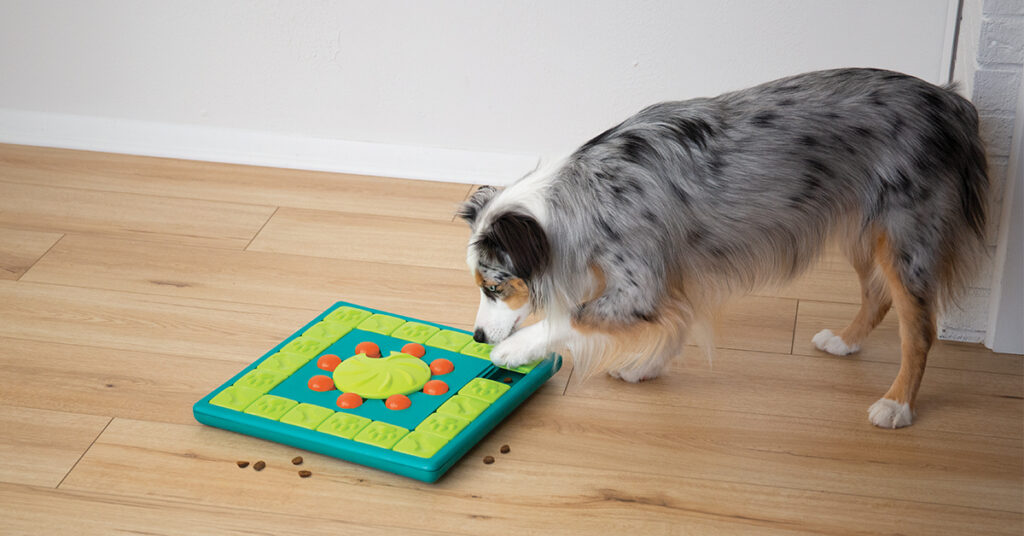
“Nose Work Games for Dogs …” from outwardhound.com and used with no modifications.
Engaging in Scent Work and Brain Games
Scent work and brain games are fantastic ways to engage your herding dog’s natural instincts. These activities require focus and concentration, providing a mental workout that can tire them out just as much as physical exercise.
Set up simple scent trails using treats or toys hidden around the facility. Encourage your dog to find them, using commands like “find it” to guide them. This activity not only satisfies their natural sniffing abilities but also strengthens their obedience and focus. For more information on how pets can aid in recovery, explore animal-assisted therapy.
Establishing Boundaries with ‘Place’ Commands
The “place” command is a valuable tool for establishing boundaries and ensuring your herding dog remains calm and relaxed. Teach your dog to go to a designated spot, such as a mat or bed, and stay there until released. This command is particularly useful in busy environments where your dog needs to remain settled. For those who enjoy traveling with their pets, consider checking out TSA airline-approved pet carriers to keep your dog comfortable and secure during trips.
Practice the “place” command in different areas of the facility, gradually increasing the duration your dog stays in place. Reward them with treats and praise for remaining calm and obedient. Over time, this will become a reliable command for managing their behavior in various situations.
Introducing Your Dog to the Assisted Living Facility
Introducing your herding dog to an assisted living facility requires careful planning and gradual acclimation. The goal is to make the transition as smooth and stress-free as possible for both your dog and the residents.
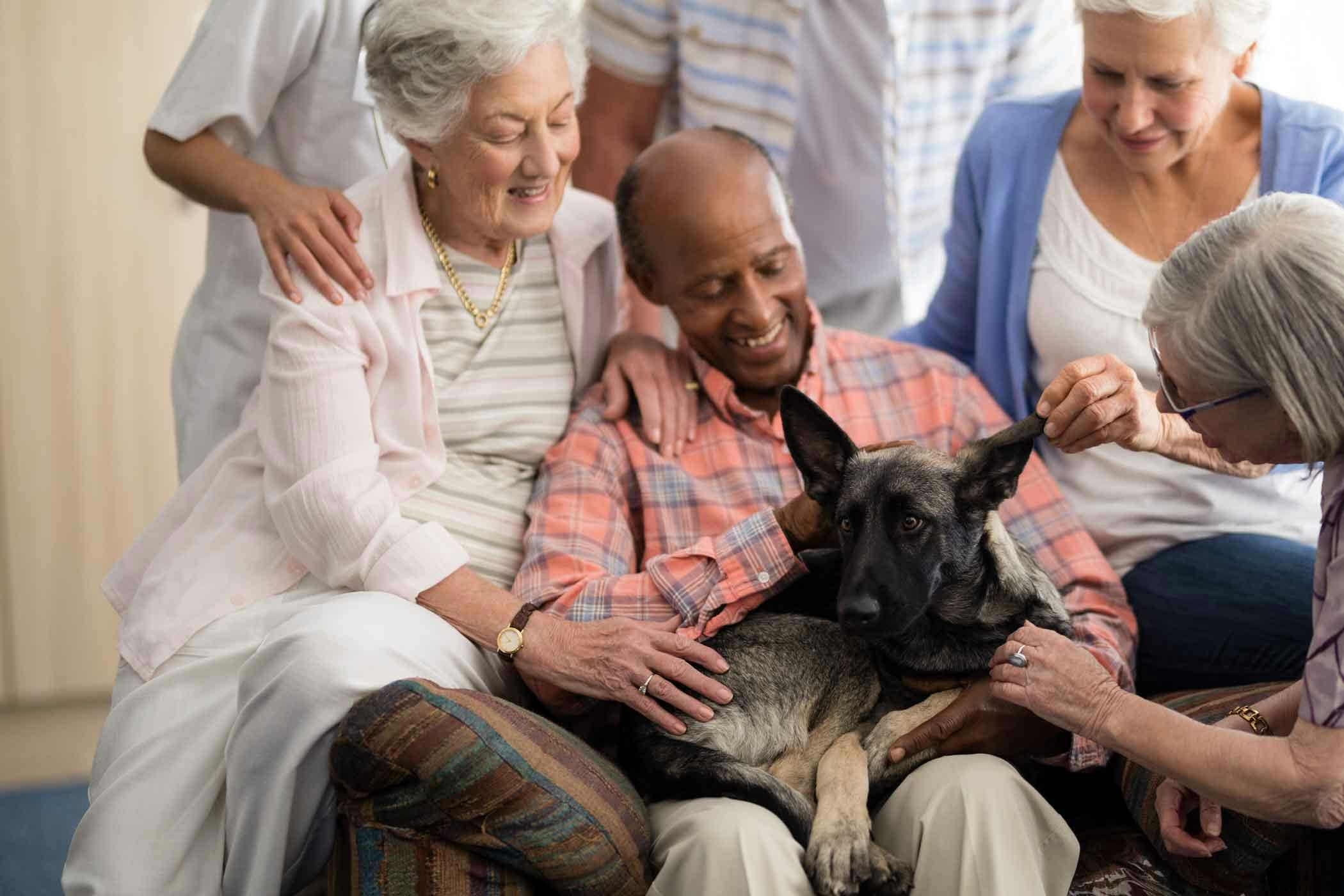
“Train Your Dog to Visit Nursing Homes …” from wagwalking.com and used with no modifications.
First Visits: Gradual Acclimation
Start with short visits to the facility, allowing your dog to explore the environment while on a leash. Keep these initial visits brief and positive, gradually increasing the duration as your dog becomes more comfortable.
During these visits, pay attention to your dog’s body language. If they appear anxious or overwhelmed, take a break and provide reassurance. The goal is to build positive associations with the facility, ensuring your dog feels safe and secure. For more tips on creating a pet-friendly environment, check out our guide on the best pet-friendly sofas.
Understanding and Respecting Resident Comfort Levels
It’s essential to understand and respect the comfort levels of the residents when introducing your dog to the facility. Some residents may be excited to interact with your dog, while others may prefer to observe from a distance.
Communicate with the staff and residents to gauge their preferences and comfort levels. Always ask for permission before allowing your dog to approach a resident, and be mindful of any specific needs or concerns they may have.
By respecting these boundaries, you ensure a positive experience for both your dog and the residents, fostering a harmonious living environment. For more insights, explore the benefits of animal-assisted therapy in various settings.
Ensuring Safe and Positive Experiences
Ensuring safe and positive experiences is crucial for your herding dog’s success in an assisted living facility. Always supervise interactions between your dog and the residents, stepping in if necessary to prevent any unwanted behaviors. For more insights on training, check out Mastering Life with a Herding Dog.
Encourage gentle petting and calm interactions, rewarding your dog for remaining relaxed and composed. If your dog starts to exhibit signs of stress or discomfort, remove them from the situation and provide a calming break.
With time and patience, your herding dog will learn to thrive in their new environment, bringing joy and companionship to the residents of the facility.
Conclusion and Next Steps
Training and socializing a herding dog for life in an assisted living facility requires dedication, patience, and understanding. By focusing on socialization, obedience training, and managing their natural instincts, you can help your dog become a well-adjusted and valued member of the community.
Continue to adapt your training approaches as needed, ensuring your dog receives ample exercise and mental stimulation. With consistency and positive reinforcement, your herding dog will thrive in their new environment, providing companionship and joy to the residents.
Continuously Adapting Training Approaches
Training a herding dog is not a one-time event; it’s a continuous process that requires flexibility and adaptation. As your dog grows and encounters new experiences, their training needs may change. Be open to adjusting your methods and techniques to suit your dog’s evolving personality and the dynamics of the assisted living facility.
Regularly assess your dog’s behavior and progress. If certain commands are not as effective as they once were, consider refreshing their training or introducing new challenges to keep them engaged. For guidance on maintaining effective training, check out these service dog documentation FAQs for additional insights. Remember, consistency and patience are key to a successful training journey.
Ensuring Ongoing Exercise and Mental Stimulation
Herding dogs are known for their high energy levels and intelligence, making regular exercise and mental stimulation essential. Incorporate daily walks, play sessions, and mental challenges like puzzle toys to keep your dog physically and mentally fit.
Activities like agility training or scent work can be particularly beneficial, as they tap into your dog’s natural instincts and provide an outlet for their energy. A well-exercised dog is more likely to remain calm and composed, reducing the likelihood of reactive behaviors.
Safety Considerations When Leash Walking Around the Facility
When walking your herding dog around the assisted living facility, safety should be your top priority. Use a sturdy leash and harness to maintain control over your dog, preventing any sudden movements or attempts to herd residents.
Be mindful of your surroundings, especially when navigating tight spaces or crowded areas. Always be courteous to residents and staff, allowing them to pass comfortably and ensuring your dog remains calm and well-behaved. For more information on how to manage such situations, you can refer to the service dog documentation guidelines.
Hiring A Responsible Dog Walker
If you’re unable to provide your herding dog with the exercise they need, consider hiring a responsible dog walker. Look for someone experienced with herding breeds who understands their unique needs and can provide structured, engaging walks. You might also explore the benefits of animal-assisted therapy to enhance your dog’s well-being.
Communicate your dog’s specific training and behavior requirements to the dog walker, ensuring they maintain consistency in commands and reinforcement techniques. A reliable dog walker can be an invaluable resource in maintaining your dog’s health and happiness. For more tips on managing your herding dog, check out Mastering the Art of Owning a Herding Dog.
Frequently Asked Questions
Training and socializing a herding dog for life in an assisted living facility can raise several questions. Here are some common queries and their answers to help you navigate this process effectively.
How do I train my herding dog to be less anxious in new environments?
To reduce anxiety in new environments, gradually expose your dog to different settings, starting with less crowded areas and progressively moving to busier ones. Use positive reinforcement to reward calm behavior, and provide a safe space for your dog to retreat to if they feel overwhelmed.
What activities help in reducing a herding dog’s high energy?
Engaging in activities that mimic their natural herding instincts can be highly effective. Consider agility training, scent work, or interactive games like fetch or tug-of-war. Regular exercise, both physical and mental, is crucial to managing their energy levels.
Why is early socialization important for my herding dog?
Early socialization helps your herding dog become accustomed to various people, environments, and situations, reducing the likelihood of fear-based reactivity. It fosters confidence and adaptability, making your dog more comfortable in new settings, such as an assisted living facility.
How can I prevent my dog from trying to herd people, especially seniors with walkers or in wheelchairs?
Use commands like “leave it” and “stay” to manage herding instincts. Redirect your dog’s attention to appropriate activities, and reward them for compliance. Consistent training and supervision during interactions with residents are essential to prevent unwanted herding behaviors.
How can I continue scent work or other outdoor exercises as my mobility and balance decreases?
If mobility is a concern, consider using interactive toys and puzzle feeders indoors to provide mental stimulation. Hiring a dog walker or enlisting the help of a friend or family member for outdoor activities can ensure your dog continues to receive the exercise they need.