

Key Takeaways
- Strawberries are safe for most dogs and cats when given in moderation.
- They are rich in vitamin C, fiber, and antioxidants, providing health benefits.
- Too many strawberries can lead to digestive upset in pets.
- It’s crucial to wash strawberries thoroughly before feeding them to pets.
- The ASPCA lists strawberries as non-toxic to dogs and cats.
Strawberries and Pets: A Comprehensive Guide
Strawberries are a popular fruit loved for their sweet taste and vibrant color. But as a pet owner, you might wonder if these berries are safe for your furry friends. Let’s explore the relationship between strawberries and pets, and uncover the best practices for sharing this delightful fruit with your animals.
Introduction to Strawberries for Pets
As you enjoy a bowl of fresh strawberries, it’s only natural to consider sharing them with your pets. After all, their curious eyes might be watching you with interest. However, before you do, it’s essential to understand the effects strawberries can have on different animals. While they are generally safe, moderation is key.

“Can dogs eat strawberries? – Dog Child …” from dogchild.co and used with no modifications.
Is Strawberry a Safe Treat for Dogs?
Dogs can indeed enjoy strawberries as a treat. These fruits are packed with vitamins and antioxidants that can be beneficial for your canine companion. However, like any treat, they should be given in moderation. Too many strawberries can lead to digestive issues due to their high sugar content.
“Strawberries should make up no more than 10% of your dog’s daily calorie intake.”
When introducing strawberries to your dog’s diet, start with small pieces to see how they react. It’s important to monitor for any signs of allergies or digestive upset. If your dog shows any adverse reactions, discontinue feeding strawberries and consult your veterinarian.
Strawberry Effects on Cats and Other Pets
Cats are known for their finicky eating habits, and they may not be as interested in strawberries as dogs are. While strawberries are non-toxic to cats, they don’t offer significant nutritional benefits for felines. Cats are obligate carnivores, meaning their diet should primarily consist of meat.

“Can cats eat strawberries? – betterpet” from betterpet.com and used with no modifications.
For other pets like rabbits and birds, strawberries can be a tasty and healthy treat. However, always introduce new foods gradually and in small amounts to prevent any digestive issues.
Health Benefits of Strawberries for Pets
Strawberries are not only delicious but also packed with nutrients that can be beneficial for pets. Let’s dive into the essential nutrients found in strawberries and how they contribute to your pet’s health.
Essential Nutrients in Strawberries
Strawberries are a rich source of vitamin C, which plays a crucial role in maintaining a healthy immune system. They also contain fiber, which aids in digestion and helps maintain a healthy weight. Additionally, strawberries are low in calories, making them an ideal treat for pets on a diet. For more pet-friendly options, you might be interested in exploring dog-friendly wineries in Temecula.
Moreover, strawberries contain a tooth-whitening enzyme known as malic acid. While this won’t replace regular dental care, it can contribute to better oral hygiene in dogs.
Strawberries as Antioxidants
Antioxidants are compounds that help protect the body from oxidative stress and free radicals. Strawberries are high in antioxidants, which can support your pet’s overall health and well-being. These antioxidants can help reduce inflammation, improve cognitive function, and support a healthy heart.
Potential Health Risks
Despite their benefits, strawberries can pose some risks if not fed properly. The high sugar content can lead to weight gain and other health issues if given in excess. It’s also essential to wash strawberries thoroughly to remove any pesticides or chemicals that may be harmful to pets.
In rare cases, pets may be allergic to strawberries. Signs of an allergic reaction include itching, swelling, and gastrointestinal upset. If you notice any of these symptoms, stop feeding strawberries immediately and consult your veterinarian.
Impact of Strawberries on Cats
While strawberries are generally safe for cats, they don’t offer the same nutritional benefits as they do for dogs. Cats are obligate carnivores, meaning their diet is primarily based on meat. Therefore, strawberries should be an occasional treat rather than a regular part of their diet.

“Can Cats Eat Strawberries? | PetMD” from www.petmd.com and used with no modifications.
Digestion and Safety
Cats have sensitive digestive systems, and introducing new foods can sometimes cause stomach upset. When offering strawberries to your cat, start with a small piece and observe their reaction. If your cat shows signs of discomfort, such as vomiting or diarrhea, it’s best to avoid feeding them strawberries in the future. For more information, you can check this guide on feeding cats strawberries.
Behavioral Reactions
Cats may not show much interest in strawberries due to their natural dietary preferences. However, some cats might enjoy the occasional taste or even play with the fruit. It’s important to remember that every cat is different, and their reaction to strawberries can vary widely. For those interested in exploring cat cafes, these unique environments offer an opportunity to observe feline behaviors in a social setting.
Nutritional Impact
Although strawberries are not harmful to cats, they don’t provide significant nutritional benefits. They can be a fun and harmless treat if your cat enjoys them, but they shouldn’t replace a balanced diet. Always prioritize high-quality cat food that meets your pet’s nutritional needs.
Strawberries and Pet Diets: Best Practices
When it comes to integrating strawberries into your pet’s diet, there are several best practices to follow. These tips will help ensure that your pets enjoy strawberries safely and healthily. For more on creating a pet-safe garden, check out our guide on pet-safe plants.

“Can Dogs Eat Strawberries? | The Vets Blog” from thevets.com and used with no modifications.
Integrating Strawberries into Meals
When feeding strawberries to your pets, it’s crucial to prepare them properly. Always wash the berries thoroughly to remove any dirt or pesticides. Cut them into small, manageable pieces to prevent choking hazards, especially for smaller pets. You can mix strawberries with your pet’s regular food or offer them as a standalone treat.
Favorite Ways Pets Enjoy Strawberries
Many pets enjoy strawberries in different forms. For dogs, try freezing strawberries for a refreshing summer treat. Cats may prefer small, fresh pieces they can bat around before eating. Rabbits and birds might enjoy strawberries mixed with other fruits or vegetables for a varied snack.
Alternatives to Strawberries for Pets
If your pet doesn’t take to strawberries, there are plenty of other fruits and vegetables to try. For dogs, apples, blueberries, and carrots are excellent alternatives. Cats might enjoy small amounts of cooked pumpkin or green beans. Always introduce new foods slowly and in moderation to prevent digestive issues.
Five Fascinating Facts About Strawberries for Pets
Strawberries have an interesting history and unique characteristics that make them a popular choice among pet owners. Here are five fascinating facts to consider.
Strawberries in Pet Feeding History
Historically, strawberries have been used in pet diets as a treat due to their sweet taste and nutritional content. While not a staple, they have been a favored occasional snack for both dogs and cats.

“Can Dogs Eat Strawberries: Nutrition …” from roguepetscience.com and used with no modifications.
Unique Characteristics of Strawberries
Strawberries are not only rich in vitamins but also contain malic acid, which can help whiten teeth. This characteristic makes them a popular choice for dog owners looking to support their pet’s oral health.
Common Misconceptions
One common misconception is that strawberries are harmful to pets due to their sugar content. While it’s true that excessive sugar isn’t ideal, moderate amounts of strawberries are safe and can be beneficial. Always balance treats with a healthy diet.
ASPCA’s Position on Fragaria × ananassa Plants
The ASPCA (American Society for the Prevention of Cruelty to Animals) lists strawberries as non-toxic to both dogs and cats. This means that, in general, strawberries are safe for pets to consume. However, it’s still important to monitor your pet’s reaction to new foods and consult with a veterinarian if you have concerns.
ASPCA’s Non-Toxic List
The ASPCA has a comprehensive list of plants and foods that are considered non-toxic to pets, and strawberries are among them. This means that strawberries do not pose a toxic threat to dogs and cats when consumed in moderation. However, it’s always wise to introduce any new food gradually to observe how your pet’s system reacts.
Why Strawberries Are Non-Toxic
Strawberries are composed mainly of water, natural sugars, and essential vitamins like vitamin C. They lack harmful compounds that would typically cause toxicity in pets. This makes them a safe choice for pet owners looking to introduce a fruity treat. Their low-calorie content also makes them suitable for pets that need to watch their weight.
Precautionary Measures for Pet Owners
While strawberries are generally safe, it’s essential to take certain precautions:
- Wash strawberries thoroughly to remove pesticides and chemicals.
- Remove the stems and leaves, as they can pose a choking hazard.
- Start with small pieces to monitor your pet’s reaction.
- Observe your pet for any signs of allergies or digestive issues.
These measures will help ensure that your pet enjoys strawberries without any adverse effects.
Conclusion and Recommendations
Strawberries can be a delightful and healthy addition to your pet’s diet when offered in moderation. They provide essential nutrients and antioxidants that can benefit your pet’s health. However, it’s crucial to be mindful of the quantity and preparation to avoid any potential issues.
Summary of Key Points
Strawberries are safe for dogs and cats when given in moderation. They offer health benefits like vitamin C and antioxidants but should be washed and prepared properly to avoid any risks. The ASPCA lists strawberries as non-toxic, making them a suitable treat for most pets.
Final Recommendations for Pet Owners
Here are some final tips for feeding strawberries to your pets. If you’re interested in exploring other pet-friendly plants, you might want to check out the benefits of lemon balm for dogs and cats.
- Always wash and cut strawberries into small pieces.
- Introduce strawberries gradually to monitor your pet’s reaction.
- Keep an eye on portion sizes to prevent digestive upset.
- If your pet shows any adverse reactions, consult your veterinarian.
Frequently Asked Questions
Many pet owners have questions about feeding strawberries to their furry friends. Here are some common inquiries and their answers:
Can All Dogs, Cats, Rabbits & Birds Eat Strawberries?
Yes, most dogs, cats, rabbits, and birds can eat strawberries safely. However, always introduce them slowly and watch for any adverse reactions. Each animal is different, and some may not tolerate strawberries as well as others. For more information on pet-safe plants, check out our guide on pet-safe gardens.

“Can Rabbits Eat Strawberries? – Yes …” from rabbits.life and used with no modifications.
What Are the Risks of Strawberries for Cats, Dogs, Rabbits & Birds?
The primary risk associated with strawberries is overconsumption, which can lead to digestive upset due to their sugar content. Allergic reactions, though rare, can also occur. Always feed strawberries in moderation and observe your pet for any signs of discomfort. For those interested in safe gardening, consider learning about pet-safe plants that can complement your strawberry plants.
How Should I Introduce Strawberries to My Pet’s Diet?
Start by offering a small piece of strawberry to your pet. Observe them for any signs of allergies or digestive issues. If they tolerate the fruit well, you can gradually increase the amount, keeping it within a reasonable portion size. For more ideas on pet-friendly foods, explore our pet-safe garden guide.
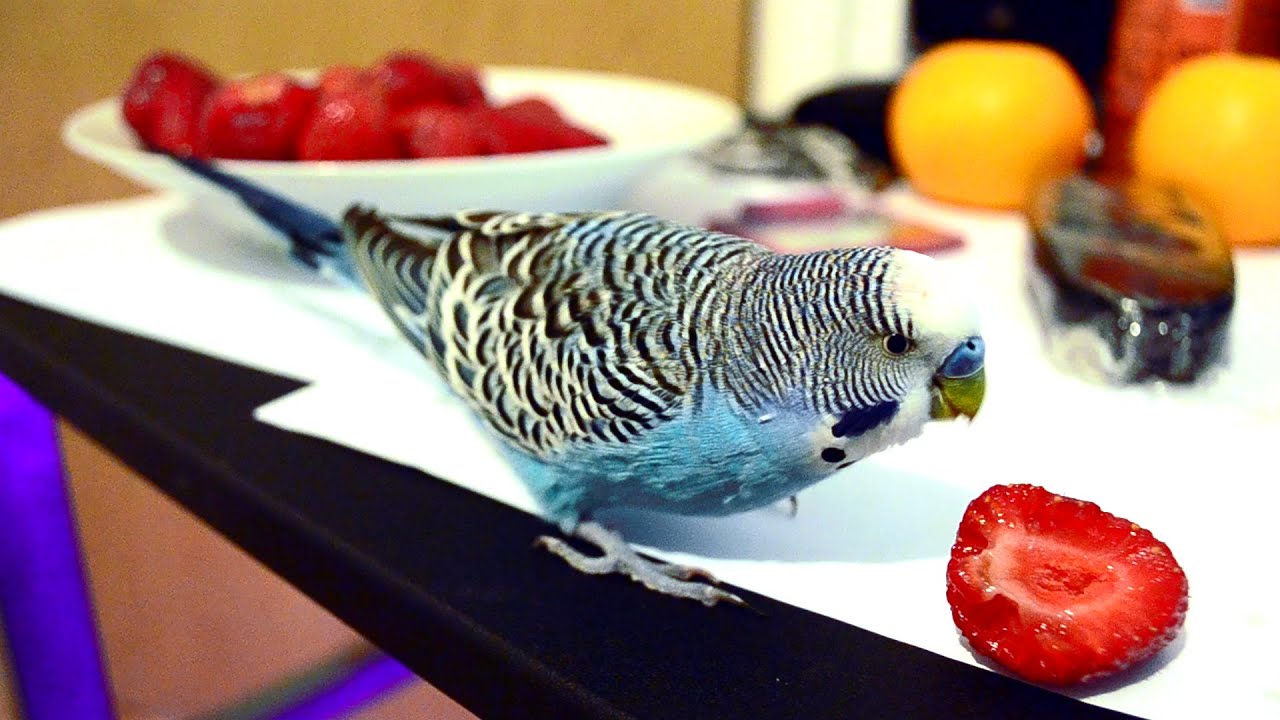
“Budgie wants to eat Strawberry – YouTube” from www.youtube.com and used with no modifications.
Are There Any Pets That Should Avoid Strawberries Altogether?
While strawberries are generally safe, pets with specific dietary restrictions or known allergies should avoid them. Always consult with your veterinarian if you’re unsure whether strawberries are suitable for your pet.
What Are Some Alternative Fruits for Pets?
If your pet doesn’t enjoy strawberries, there are plenty of other fruits to try. You can also explore if cats can eat strawberries safely to diversify their diet.
Strawberries are a popular fruit enjoyed by many, but pet owners often wonder about their safety for animals. While strawberries are generally safe for dogs in moderation, it’s important to consider how many they can eat a day. Additionally, the effect of strawberries on cats is less clear, as cats are obligate carnivores and may not benefit from the fruit. For pet owners interested in gardening, it’s worth noting that strawberries, or Fragaria × ananassa, are considered nontoxic by the ASPCA. For those looking to create a pet-safe garden, strawberries can be a safe addition.