
Key Takeaways
- Emerald Ripple Peperomia is non-toxic to cats and dogs, making it a safe choice for pet owners.
- This plant thrives in bright, indirect light and requires watering only when the top inch of soil is dry.
- Ideal for small spaces, the plant typically grows to about 8 inches in height and spread.
- It can be easily propagated through leaf or stem cuttings, making it a great plant for sharing.
- High humidity levels are preferred; consider placing the plant in a bathroom or using a humidity tray.
Introduction to Emerald Ripple Peperomia: A Pet-Friendly Houseplant
Emerald Ripple Peperomia, or Peperomia caperata, is a fantastic choice for anyone who loves plants but also shares their home with pets. Its non-toxic nature means that even if your furry friends decide to have a nibble, you won’t have to worry about a trip to the vet. This makes it an ideal plant for those who are just starting their indoor gardening journey or for seasoned plant enthusiasts who are looking to expand their collection without compromising the safety of their pets.
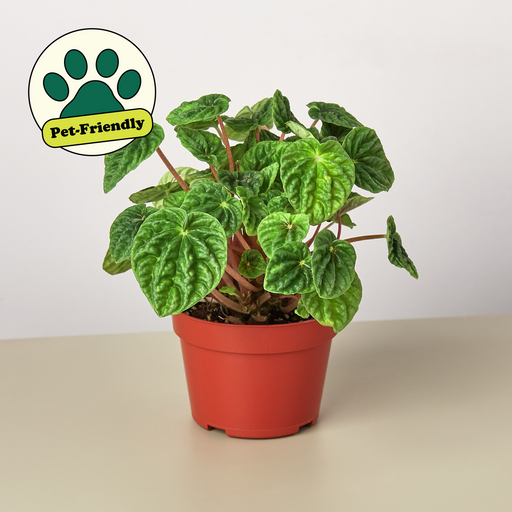
“Peperomia ‘Ripple’ | Indoor Plant …” from www.houseplantwholesale.com and used with no modifications.
Unique Characteristics of the Plant
The Emerald Ripple Peperomia is not just safe for pets; it is also a beautiful addition to any home. Its heart-shaped leaves are deeply textured, resembling the ripples of a pond, which is where it gets its name. The leaves come in shades of deep green and sometimes even feature hints of red, giving it a unique and striking appearance.
Why It’s Perfect for Pet Owners
Beyond its aesthetic appeal, the plant’s non-toxic nature is a major plus for pet owners. According to the ASPCA, Peperomia caperata is safe for both cats and dogs. This assurance allows pet owners to enjoy the beauty of the plant without the constant worry of potential harm to their pets.
Appearance and Size
The Emerald Ripple Peperomia is a compact plant, making it perfect for small spaces. It typically grows to about 8 inches in both height and spread. This makes it an ideal choice for desks, shelves, or any other small nook that could use a splash of greenery. For those interested in creating a pet-safe garden, this plant is a great addition.
“The compact size of the Emerald Ripple Peperomia makes it an ideal plant for small spaces, fitting perfectly on desks or shelves.”
Understanding the Ideal Look of Peperomia caperata
When healthy, the Emerald Ripple Peperomia boasts vibrant, textured leaves that are firm to the touch. The leaves should be a rich green color, although some variations may exhibit a reddish hue. It’s important to note that the plant’s leaves should not appear wilted or discolored, as this could indicate a problem with its care.
“Healthy Peperomia caperata plants display vibrant, textured leaves that are firm and rich in color.”
Size Specifications for Different Spaces
The plant’s compact size allows it to fit into various spaces around the home. Whether you’re looking to add a bit of greenery to your office desk, kitchen counter, or a small corner of your living room, the Emerald Ripple Peperomia can accommodate. Its modest size also means it can thrive in terrariums, providing a lush, green centerpiece without overwhelming the space. For those interested in pet-friendly plants, the Mexican Firecracker is another great option to consider.
Care and Maintenance
Taking care of an Emerald Ripple Peperomia is relatively straightforward, making it a great option for both beginners and experienced plant owners. The key is to mimic its natural tropical environment as much as possible, focusing on light, water, and humidity.
Watering and Light Requirements
This plant prefers bright, indirect light but can tolerate lower light conditions. However, too little light can cause the leaves to lose their vibrant color and the plant to grow leggy. Watering should be done only when the top inch of soil feels dry to the touch. Overwatering can lead to root rot, so it’s crucial to let the soil dry out between waterings.
High Humidity Preference and Solutions
Emerald Ripple Peperomia thrives in high humidity environments, reminiscent of its tropical origins. If your home is dry, especially during winter months, consider placing the plant in a naturally humid room like a bathroom or using a humidity tray. A simple humidity tray can be made by placing pebbles in a shallow dish and adding water until just below the tops of the pebbles. This allows the water to evaporate around the plant, increasing humidity.
Reviving Leaf Drop: Causes and Solutions
Leaf drop can be a common issue with Emerald Ripple Peperomia, often caused by overwatering or sudden changes in temperature. If you notice leaves starting to drop, first check the soil moisture. If it’s too wet, allow it to dry out before watering again. Additionally, ensure the plant is not placed in a drafty area, as temperature fluctuations can stress the plant.
In summary, maintaining the right balance of light, water, and humidity is crucial for keeping your Emerald Ripple Peperomia healthy and vibrant. By providing the right care, you can enjoy the beauty of this pet-friendly plant for years to come.
Optimal Placement and Repotting Schedule
Finding the right spot for your Emerald Ripple Peperomia is crucial to its health and growth. This plant thrives in bright, indirect light, so placing it near a window with filtered sunlight is ideal. Avoid direct sunlight, as it can scorch the leaves and cause discoloration. For more information on non-toxic plants and their care, check out this guide.
Choosing the Best Spot at Home
When selecting a location for your plant, consider areas that receive consistent, indirect light. East-facing windows are often a great choice, as they provide gentle morning sun. If your home lacks natural light, this plant can adapt to fluorescent lighting, making it a suitable option for offices or rooms with limited sunlight.
Signs It’s Time to Repot
Emerald Ripple Peperomia grows slowly, so it doesn’t require frequent repotting. However, if you notice roots coming out of the drainage holes or the plant appears top-heavy, it’s time for a new pot. Choose a pot that is one size larger and ensure it has drainage holes to prevent waterlogging.
Propagating Emerald Ripple Peperomia
Propagating your Emerald Ripple Peperomia is a rewarding process that allows you to share this beautiful plant with friends or expand your collection. The two most common methods are leaf cuttings and stem cuttings.
Steps for Successful Propagation
To propagate using leaf cuttings, select a healthy leaf and cut it at the base with a clean, sharp knife. Allow the cut end to dry for a day or two to prevent rot. Then, place the leaf in a pot with a well-draining soil mix, burying just the cut end. For more detailed care instructions, visit Greg’s plant care guide.
For stem cuttings, choose a stem with at least two leaves. Cut below a node, where leaves attach to the stem, and remove the lower leaves. Plant the cutting in soil, ensuring the node is buried. Keep the soil moist and place the pot in a warm, bright spot. For more information on non-toxic plants, you can refer to the ASPCA non-toxic plants list.
“Propagating Peperomia caperata is a straightforward process that can be achieved through leaf cuttings or stem cuttings.”
Common Mistakes and How to Avoid Them
“Avoid overwatering during propagation, as it can lead to rot. Ensure the soil is moist but not soggy, and allow the top layer to dry out between waterings. For more tips on keeping your garden pet-friendly, explore our guide on non-toxic perennial placement in a pet-safe garden.”
Another common mistake is placing cuttings in direct sunlight. Instead, opt for bright, indirect light to encourage healthy growth. For more detailed light and care instructions, patience is key; it can take several weeks for new roots to develop.
By following these steps and avoiding common pitfalls, you can successfully propagate your Emerald Ripple Peperomia and enjoy the satisfaction of nurturing new plants.
Gardener Experience Level: Is This Plant Right for You?
Whether you’re a seasoned gardener or a complete beginner, the Emerald Ripple Peperomia can be a delightful addition to your plant collection. Its low-maintenance nature makes it suitable for various experience levels.
Beginners and Experts: Ease of Growth
For beginners, this plant offers a forgiving introduction to houseplant care. Its ability to tolerate a range of light conditions and its low watering needs mean it’s less likely to suffer from common beginner mistakes. For those interested in expanding their plant collection, consider exploring pet-safe options like the Mexican Firecracker.
Experienced gardeners will appreciate its unique appearance and the opportunity to propagate new plants. Its adaptability to different environments also makes it a versatile choice for those with a diverse plant collection.
Common Challenges and Rewards
One challenge may be maintaining the right humidity level, especially in drier climates. However, the rewards of lush, vibrant foliage and the satisfaction of watching your plant thrive far outweigh any difficulties. For those interested in expanding their plant collection, consider exploring pet-safe options like the Mexican Firecracker, which can also add beauty to your home.
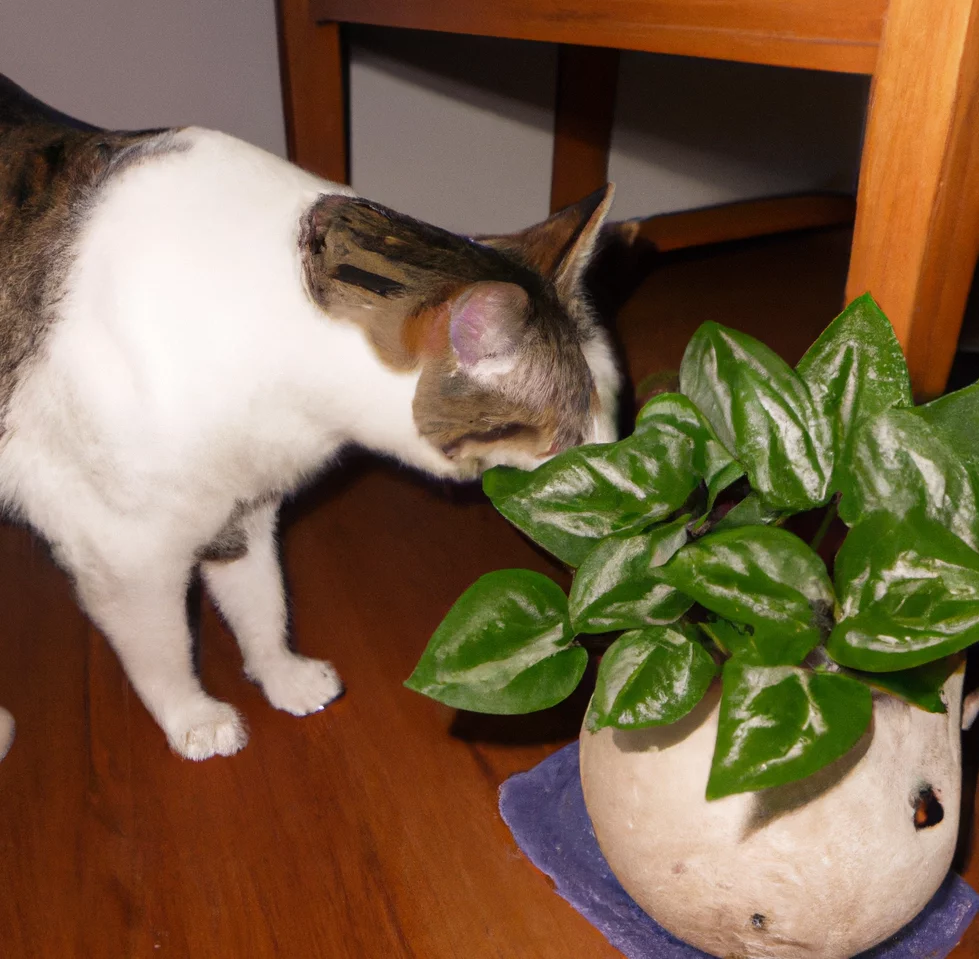
“Is Emerald Ripple Peperomia Toxic For Cats?” from plantsncats.com and used with no modifications.
Safety for Pets
The Emerald Ripple Peperomia’s non-toxic nature is a significant advantage for pet owners. Knowing that your beloved cats and dogs can coexist safely with this plant provides peace of mind.
Non-Toxic Benefits for Cats and Dogs
According to the ASPCA, Peperomia caperata is non-toxic to pets. This makes it an excellent choice for households with curious animals that might nibble on leaves.
“Emerald Ripple Peperomia is not known to cause harm to humans or pets. Regardless, if you, a family member, a cat, or dog has ingested any plant material, please consult a doctor or a veterinarian.”
This safety feature, combined with its aesthetic appeal and ease of care, makes the Emerald Ripple Peperomia a standout choice for plant lovers with pets.
ASPCA Verification and Trust
For many pet owners, the safety of houseplants is a top priority. The Emerald Ripple Peperomia stands out as a safe choice, as it is listed by the ASPCA as non-toxic to cats and dogs. This verification gives peace of mind, knowing that your plant is safe for all household members.
Having plants that are safe around pets is not just about avoiding toxicity; it’s about creating a harmonious living environment where both plants and pets can thrive. The ASPCA’s list serves as a trusted resource for pet owners, ensuring that their plant choices do not pose a risk to their furry friends.
- The ASPCA lists Peperomia caperata as non-toxic to pets.
- This plant offers peace of mind for households with curious animals.
- Its safety is a significant benefit, alongside its visual appeal.
Knowing that your plant is ASPCA-approved allows you to focus on enjoying its beauty without worry. This aspect makes the Emerald Ripple Peperomia an ideal choice for any pet-friendly home.
Besides safety, the plant’s ease of care makes it a favorite among plant enthusiasts, whether they are just starting out or have years of experience.
Terrarium Use: Ideal Conditions and Benefits
The Emerald Ripple Peperomia is a perfect candidate for terrarium environments due to its compact size and preference for high humidity. In a terrarium, the plant can thrive with minimal effort, creating a lush, green display that enhances any space.
Terrariums provide a controlled environment that mimics the plant’s natural habitat, offering higher humidity levels and consistent temperatures. This setup reduces the risk of common issues such as leaf drop or discoloration.
Creating a Suitable Environment in Terrariums
When setting up a terrarium for your Emerald Ripple Peperomia, ensure adequate drainage by layering pebbles at the bottom. Add a layer of activated charcoal to keep the environment fresh, followed by a well-draining potting mix. Place the plant in the center, ensuring it’s not overcrowded by other plants. For more information on pet-safe plants, check out the ASPCA non-toxic plants list.
Benefits Over Traditional Pots
Terrariums offer several advantages over traditional pots, especially for plants like the Emerald Ripple Peperomia. The enclosed space helps maintain higher humidity levels, reducing the need for frequent watering. Additionally, terrariums can be decorative pieces, enhancing the aesthetic of any room.
Final Thoughts on Emerald Ripple Peperomia
The Emerald Ripple Peperomia is a versatile, pet-friendly plant that offers beauty and ease of care. Its unique appearance and compact size make it suitable for various indoor settings, from desktops to terrariums. By understanding its care requirements and ensuring the right environment, you can enjoy the lush, vibrant foliage of this plant for years to come.
Frequently Asked Questions (FAQ)
As with any plant, there are common questions that arise regarding the care and maintenance of the Emerald Ripple Peperomia. Here, we address some of the most frequently asked questions to help you keep your plant healthy and thriving.
Is the Emerald Ripple Peperomia easy to grow?
Yes, the Emerald Ripple Peperomia is known for its low maintenance requirements, making it an excellent choice for beginners. It adapts well to various light conditions and requires infrequent watering, provided the environment is not overly dry.
Its forgiving nature means it’s less likely to suffer from common beginner mistakes, such as overwatering or inadequate lighting.
How often should I water the Emerald Ripple Peperomia?
Water the plant only when the top inch of soil feels dry. Overwatering is a common issue, so ensure the soil has dried out between waterings. In high humidity environments, you may need to water less frequently.
Can this plant grow in artificial lighting?
Yes, the Emerald Ripple Peperomia can adapt to artificial lighting, making it suitable for offices or rooms with limited natural light. However, it thrives best in bright, indirect sunlight.
What should I do if my plant’s leaves are dropping?
If you notice leaf drop, first check the soil moisture. Overwatering is a common cause, so allow the soil to dry out before watering again. Additionally, ensure the plant is not exposed to drafts or sudden temperature changes.
Adjusting these conditions can help revive the plant and encourage new growth. Consistency in care is key to maintaining a healthy Emerald Ripple Peperomia.
With the right care and attention, the Emerald Ripple Peperomia can be a delightful and rewarding addition to your home, providing beauty and a sense of tranquility. To ensure your plant is safe for pets, you might want to check the ASPCA’s non-toxic plant list.