
Key Takeaways
- The Sweet Mountain Grape (Vitis monticola) is a drought-resistant, non-toxic plant native to Texas.
- Ideal for northern climates, it thrives in rocky terrains and poor soils, making it perfect for challenging gardening environments.
- Mountain grapes offer a tart-sweet flavor and are used in both culinary dishes and as a rootstock in grape cultivation.
- With minimal care, these grapes require strategic pruning and well-drained soil to flourish.
- Mountain grapes are beneficial for wildlife, attracting various species and contributing to biodiversity.
Mountain Grape: An Introduction to Vitis Monticola
Mountain grape, scientifically known as Vitis monticola, is an enchanting vine that has captured the hearts of many gardening enthusiasts. Its resilience and unique characteristics make it a sought-after plant for those looking to add a touch of nature’s wild charm to their gardens. Known for its ability to thrive in challenging conditions, the mountain grape offers not only aesthetic appeal but also practical benefits for gardeners.
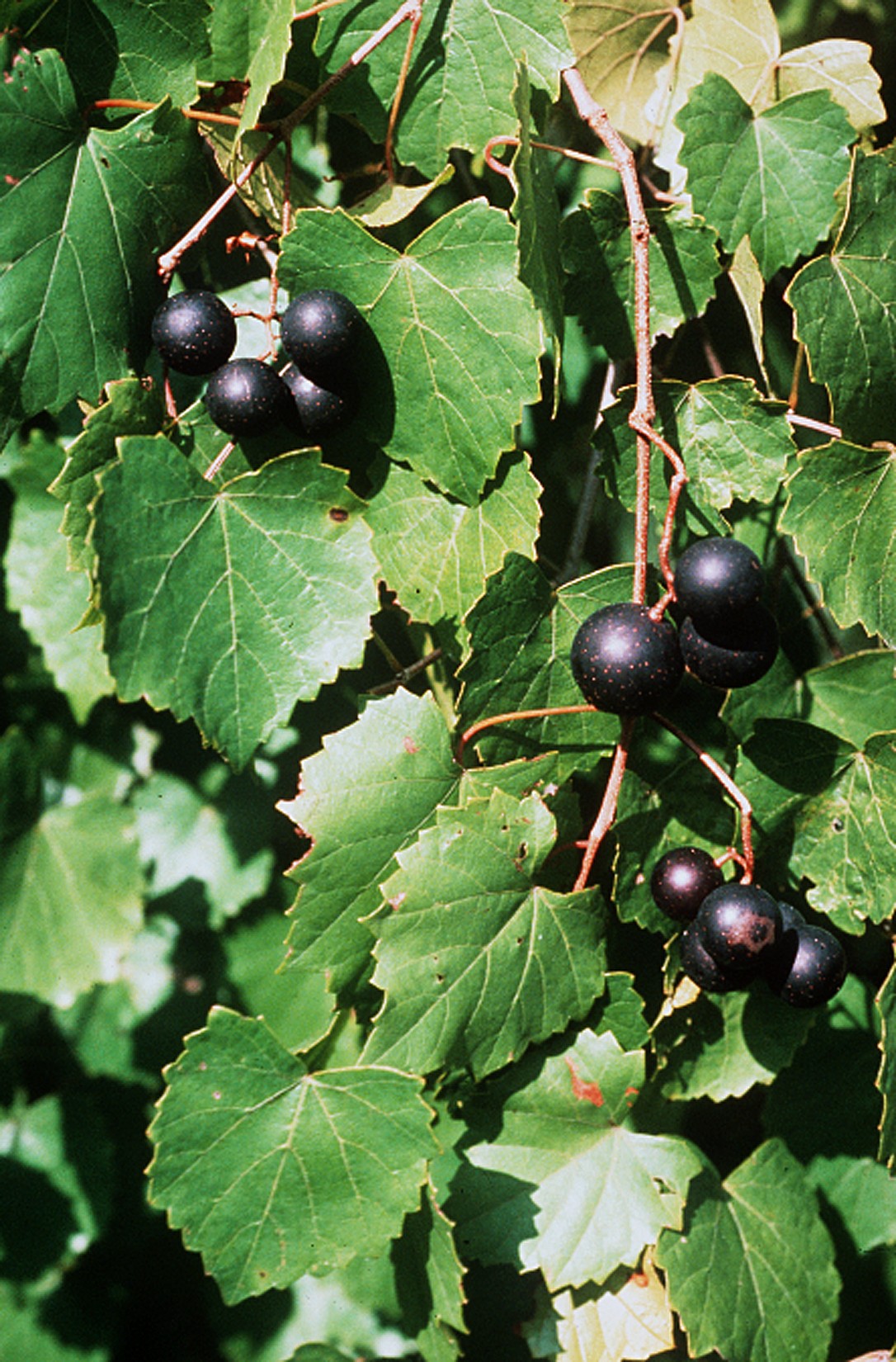
“Vitis rotundifolia – Wikipedia” from en.wikipedia.org and used with no modifications.
Understanding the Allure of Mountain Grape
What makes the mountain grape so alluring is its ability to adapt and flourish in environments where other plants might struggle. Its broad, heart-shaped leaves and clusters of small, deep blue-purple berries create a picturesque scene as the vine elegantly drapes over stones and trees. This hardy plant not only adds beauty to your garden but also serves as a testament to nature’s resilience.
Importance of Non-Toxic Gardening
Gardening with non-toxic plants like the mountain grape is crucial for maintaining a safe environment for both humans and wildlife. Non-toxic plants reduce the risk of accidental poisoning, especially in households with children or pets. Moreover, they support biodiversity by providing a habitat and food source for various species. By choosing non-toxic plants, we contribute to a healthier ecosystem and create a more sustainable gardening practice.
Origin and Characteristics of Vitis Monticola
The mountain grape is native to the rocky terrains of Texas, particularly the Edwards Plateau. Its natural habitat includes poor, calcareous soils, making it an ideal choice for regions with similar conditions. This plant’s adaptability to different environments highlights its hardiness and ability to thrive where others cannot.
Native Range and Environmental Adaptations
Vitis monticola is well-suited to dry climates, thanks to its drought-resistant nature. This characteristic makes it a valuable addition to gardens in areas with limited water resources. The mountain grape’s ability to grow on rocky hillsides and calcareous soils demonstrates its versatility and resilience. These adaptations not only make it a low-maintenance plant but also a reliable option for challenging gardening environments.
Physical Description and Unique Features
The mountain grape vine boasts small leaves and fruits, with the leaves turning from pale red to bright green as they mature. The grapes themselves are about 1/4 to 1/2 inch in diameter, forming clusters of 15 to 50 berries. Although they are not very juicy, their tart-sweet flavor adds a unique taste to various culinary dishes. The vine’s fast-growing nature and ornamental qualities make it a popular choice for those looking to add visual interest to their gardens.
“Sweet mountain grape is an important species for the grape-growing industry due to its drought tolerance and adaptability to dry climates and limy soils.”
Why It’s Perfect for Northern Climates
The mountain grape’s ability to withstand cold temperatures and harsh conditions makes it an excellent choice for northern climates. Its hardiness and adaptability ensure that it can survive and even thrive in regions with colder winters. For gardeners in these areas, the mountain grape offers a reliable option for adding a touch of nature’s beauty to their outdoor spaces.
- Hardy in cold climates
- Adaptable to various soil types
- Low-maintenance and drought-resistant
Role in Ecosystem and Wildlife Attraction
Mountain grapes play a significant role in supporting local ecosystems. Their berries are a source of food for various bird species, while the vine itself provides shelter and nesting opportunities. By cultivating mountain grapes, gardeners can help sustain local wildlife populations, promoting biodiversity in their own backyards. This connection to nature is one of the many reasons why the mountain grape is cherished by gardeners who value ecological balance.
Growing Conditions for a Thriving Mountain Grape
To ensure your mountain grape vine flourishes, it’s essential to provide the right growing conditions. This resilient plant can adapt to various environments, but optimal conditions will yield the best results. Let’s explore the key factors to consider when growing mountain grapes.
- Choose a location with well-drained soil.
- Ensure the site receives ample sunlight.
- Maintain a soil pH between 5.5 and 7.0.
By adhering to these guidelines, you’ll create an environment where your mountain grape can thrive, producing healthy vines and abundant fruit. For additional insights on creating supportive environments, explore the benefits of animal-assisted therapy.
Besides that, it’s important to remember that the mountain grape is a hardy plant that can tolerate less-than-ideal conditions. However, by providing the best possible environment, you’ll maximize its growth potential and enjoy the fruits of your labor.
Ideal Soil and Sunlight Requirements
Mountain grapes prefer sandy loam soil with excellent drainage. This type of soil prevents water accumulation around the roots, which can lead to root rot and other issues. If your garden soil is heavy clay, consider amending it with sand or compost to improve drainage.
Temperature Tolerance and Hardiness Zones
One of the mountain grape’s most appealing features is its ability to withstand a wide range of temperatures. It’s hardy in USDA zones 5 through 9, making it suitable for many regions across the United States. This adaptability allows gardeners in both northern and southern climates to enjoy the benefits of this resilient vine.
In colder regions, it’s essential to protect young vines from harsh winter conditions. Mulching around the base of the plant can help insulate the roots and prevent damage from freezing temperatures. For more information on how to protect your plants during winter, check out this guide on introducing new environments.
Proper Watering Techniques
While mountain grapes are drought-tolerant, they still require regular watering to establish strong root systems and support healthy growth. It’s important to strike a balance between providing enough moisture and avoiding overwatering.
- Water deeply once a week during dry periods.
- Allow the soil to dry out between waterings.
- Reduce watering frequency during cooler months.
By following these guidelines, you’ll help your mountain grape vine develop a robust root system capable of withstanding dry spells and fluctuating temperatures.
Remember, the key to successful watering is consistency. Regularly monitor the soil moisture levels and adjust your watering schedule as needed to ensure your plant remains healthy and vigorous.
Now that we’ve covered the essential growing conditions, let’s move on to the minimal care required for maximizing your mountain grape yield. For those interested in learning about smart home devices that can aid in plant and pet care, explore the latest innovations.
Minimal Care for Maximum Yield
Mountain grapes are low-maintenance plants, but a little care goes a long way in ensuring a bountiful harvest. By implementing a few simple practices, you can optimize your plant’s growth and fruit production. If you’re interested in learning more about the social benefits of plant and pet ownership, explore how they can complement each other in creating a harmonious environment.
Efficient Pruning and Maintenance Tips
Pruning is an essential part of mountain grape care, as it helps maintain the plant’s shape and encourages healthy growth. Prune your vine in late winter or early spring before new growth begins. Focus on removing dead or weak branches and thinning the canopy to improve air circulation and sunlight exposure.
Pest and Disease Management
- Monitor for common pests like aphids and spider mites.
- Encourage beneficial insects like ladybugs to control pest populations.
- Practice good sanitation by removing fallen leaves and debris.
By staying vigilant and addressing issues promptly, you’ll help protect your mountain grape from potential threats and ensure a healthy, productive vine.
In addition to pruning and pest management, providing adequate support is crucial for the mountain grape’s growth and development. Let’s explore the importance of trellises and structural support next.
Importance of Trellises and Structural Support
Mountain grapes are vigorous climbers, requiring a sturdy structure to support their growth. Trellises, arbors, or fences provide the necessary support for the vine to climb and spread. Proper support not only enhances the plant’s aesthetic appeal but also prevents damage from wind and heavy fruit loads.
“A well-supported mountain grape vine not only looks beautiful but also ensures a healthy, productive plant that will reward you with abundant fruit.”
When selecting a support structure, consider the size and weight of the mature vine. Ensure the structure is strong enough to withstand the plant’s growth and any weather-related stress.
With these care tips in mind, you’re well on your way to enjoying a thriving mountain grape vine in your garden. For more detailed information, you can explore how to cultivate mountain grapes in the northern outdoors.
Cultivating Mountain Grape in the Northern Outdoors
Cultivating mountain grapes in northern climates requires a few additional considerations to ensure success. By understanding the unique challenges and opportunities of your region, you can create an environment where your mountain grape will flourish.
Successful Planting Techniques
When planting mountain grapes, choose a location that receives full sun for at least six to eight hours a day. This exposure is crucial for the vine’s growth and fruit production. Additionally, ensure the planting site has well-drained soil to prevent waterlogging. If you’re interested in learning more about the benefits of plant ownership, explore the social benefits of pet ownership for a broader understanding of the positive impacts of nurturing living things.
Consider planting your vine on a south-facing slope or wall to maximize sunlight exposure and provide some protection from cold winds. This strategic placement can help your mountain grape thrive, even in less-than-ideal conditions.
Companion Planting and Soil Enhancements
Companion planting is a strategic way to enhance the growth and health of your mountain grape vine. By selecting compatible plants, you can improve soil quality, deter pests, and increase overall yield. Consider planting herbs like oregano and thyme nearby, as they can help repel pests and attract beneficial insects. For those seeking solutions for seniors unable to care for pets, companion planting can also provide a therapeutic gardening activity.
Additionally, legumes such as clover and vetch can be excellent companions. These plants fix nitrogen in the soil, enriching it and providing essential nutrients for your grape vine. This symbiotic relationship benefits both the mountain grape and its companions, leading to a more robust and productive garden.
Seasonal Care Practices
Seasonal care is crucial for maintaining a healthy mountain grape vine throughout the year. In spring, focus on pruning and training the vine to ensure proper growth and fruit development. As summer approaches, monitor the plant for signs of pests and diseases, taking action as needed to protect your vine.
During the fall, prepare your mountain grape for the upcoming winter by mulching around the base of the plant. This insulation helps protect the roots from freezing temperatures. In winter, reduce watering and focus on maintaining the plant’s structure and support systems.
Conclusion
The mountain grape, with its resilience and unique charm, offers gardeners a rewarding experience. Its ability to thrive in challenging conditions, coupled with its low-maintenance nature, makes it an ideal choice for both novice and experienced gardeners. By understanding the plant’s needs and providing the right environment, you can enjoy the beauty and bounty of this remarkable vine.
Revisiting the Benefits of Mountain Grape Cultivation
Let’s take a moment to revisit the many benefits of cultivating mountain grapes:
- Resilient and adaptable to various climates and soil types.
- Non-toxic, making it safe for households with children and pets.
- Provides food and habitat for local wildlife, promoting biodiversity.
- Low-maintenance, requiring minimal care for maximum yield.
- Enhances garden aesthetics with its lush foliage and vibrant berries.
These benefits make the mountain grape a valuable addition to any garden, offering both aesthetic and practical advantages.
Encouragement to Start Gardening with Vitis Monticola
Now that you’re equipped with the knowledge and tools to grow mountain grapes, it’s time to start your gardening journey. Embrace the challenge and beauty of cultivating this remarkable vine, and watch as your garden transforms into a thriving ecosystem. With patience and care, you’ll enjoy the fruits of your labor and the satisfaction of nurturing a resilient and beautiful plant.
Frequently Asked Questions
As you embark on your journey with mountain grapes, you may have some questions. Here are answers to a few common inquiries:
What makes Mountain Grape non-toxic?
The mountain grape is classified as non-toxic by the ASPCA, making it safe for pets and humans. Its berries, while not highly juicy, are edible and can be used in various culinary applications without posing a risk of poisoning.
Are mountain grapes easy to grow for beginners?
Yes, mountain grapes are an excellent choice for beginner gardeners. Their resilience and adaptability to different climates and soil types make them easy to grow with minimal care. By following the basic guidelines for planting and maintenance, even novice gardeners can enjoy success with this vine.
- Choose a sunny location with well-drained soil.
- Water deeply but infrequently to promote strong root growth.
- Provide support with a trellis or arbor for climbing.
What wildlife is attracted to Mountain Grapes?
Mountain grapes attract a variety of wildlife, including birds, bees, and butterflies. The berries provide a food source for birds, while the flowers attract pollinators like bees and butterflies. This makes the mountain grape a valuable addition to any garden focused on supporting local ecosystems.
Can Mountain Grapes be grown indoors?
While mountain grapes are typically grown outdoors, they can be cultivated indoors with the right conditions. Ensure your indoor environment provides ample sunlight, either through direct exposure or with the use of grow lights. Additionally, maintain proper humidity levels and provide a sturdy support structure for the vine to climb. For more tips on creating a supportive environment for your plants and pets, check out this guide on pet socialization and introducing new environments.
By understanding the needs and characteristics of mountain grapes, you can successfully grow this resilient vine indoors, enjoying its beauty and benefits year-round.