
Key Takeaways
- Spider plants, scientifically known as Anthericum comosum, are non-toxic to pets and can safely be included in your home.
- Even though spider plants are safe, consuming large amounts can cause mild digestive issues in pets.
- Spider plants purify the air and add aesthetic value to indoor spaces, making them a popular choice for pet owners.
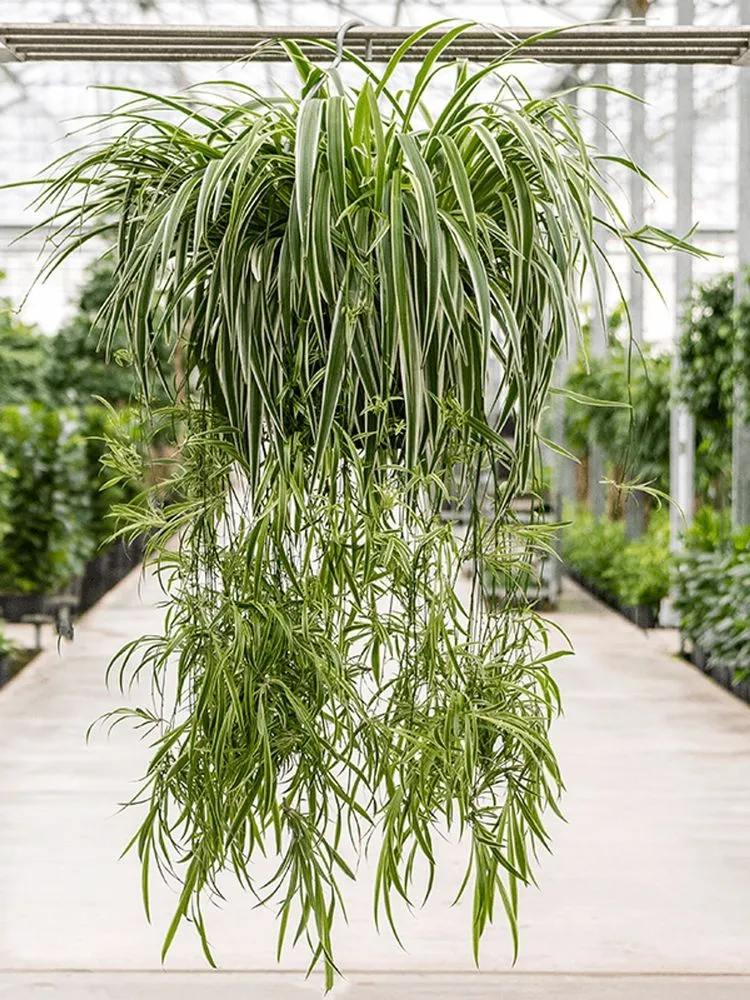
- Placing spider plants in hanging baskets can prevent pets from excessive nibbling.
- Regular care, including trimming and propagation, ensures spider plants remain healthy and thriving.
Spider Plant Safety for Pets
The spider plant, or Anthericum comosum, is a common houseplant that many pet owners choose for its decorative appeal and air-purifying qualities. But beyond aesthetics, the safety of our furry companions is paramount. Fortunately, spider plants are considered non-toxic to pets, making them a safe addition to homes with cats and dogs.
Most importantly, while spider plants don’t contain harmful toxins, it’s crucial to monitor your pets’ interaction with them. Cats, in particular, might find the plant irresistible due to its mildly hallucinogenic effects, similar to catnip. Therefore, it’s best to ensure that they don’t consume large quantities.
Importance of Non-Toxic Plants
Choosing non-toxic plants is essential for creating a safe environment for pets. Many common houseplants can pose a risk if ingested, leading to symptoms ranging from mild discomfort to severe illness. This is why spider plants are often recommended by veterinarians and are featured on lists of safe plants by organizations like the ASPCA.
Incorporating non-toxic plants like the spider plant into your home not only enhances your living space but also provides peace of mind. You won’t have to worry about emergency vet visits due to accidental ingestion. Additionally, pets can help slow down cognitive decline, making them a beneficial addition to your household.
Understanding Anthericum Comosum
Spider plants, known scientifically as Anthericum comosum, are hardy and adaptable. They thrive in a variety of conditions, making them an excellent choice for both novice and experienced plant owners. Their long, arching leaves and small white flowers add a touch of elegance to any room.
Besides that, spider plants are known for their ability to improve air quality by absorbing pollutants. This dual benefit of beauty and utility makes them a favorite among plant enthusiasts.
ASPCA and Pet-Safe Plant Lists
The American Society for the Prevention of Cruelty to Animals (ASPCA) maintains a comprehensive list of plants that are safe for pets. The spider plant proudly holds a spot on this list, reinforcing its reputation as a pet-friendly plant.
Consulting the ASPCA’s list when selecting houseplants can help pet owners make informed decisions, ensuring that their home remains a safe haven for all inhabitants. This proactive approach minimizes the risk of potential health issues related to plant toxicity.
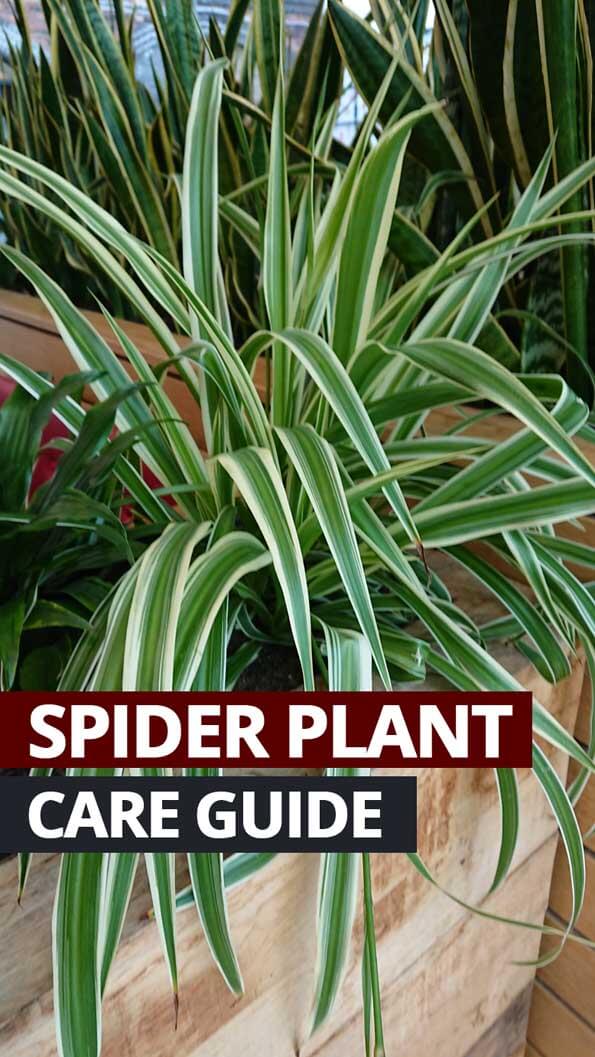
“Chlorophytum comosum (Anthericum …” from vahousingcounselors.org and used with no modifications.
Incorporating Spider Plants in Pet-Safe Gardens
Integrating spider plants into your pet-safe garden is a straightforward process that can significantly enhance your living space. Their adaptability makes them suitable for various settings, whether indoors or outdoors.
Benefits of Adding Spider Plants
Spider plants offer numerous benefits beyond being non-toxic. They are low-maintenance, requiring minimal care to thrive. Their ability to purify the air by removing toxins such as formaldehyde and xylene contributes to a healthier indoor environment.
Moreover, their cascading foliage adds a lush, green touch to any space, creating a calming atmosphere. This makes them ideal for homes where both aesthetics and safety are priorities.
Indoor vs. Outdoor Settings
When deciding where to place your spider plants, consider both indoor and outdoor settings. Indoors, spider plants can thrive in a variety of environments, making them perfect for homes with limited natural light. They do well in hanging baskets or on shelves where their long leaves can cascade beautifully. For more information on how to care for your spider plants, check out this guide on spider plants.
Outdoors, spider plants can be used as ground cover or in pots on patios and balconies. They prefer mild climates, so if you live in an area with extreme temperatures, it’s best to keep them indoors or move them inside during harsh weather conditions.
Considering Sunlight and Water Needs
|
Requirement |
Indoor Setting |
Outdoor Setting |
|---|---|---|
|
Sunlight |
Indirect light, avoid direct sunlight |
Partial shade, avoid midday sun |
|
Water |
Water when soil is dry to the touch |
Water more frequently in hot weather |
Spider plants prefer indirect sunlight, as direct sun can scorch their leaves. If you’re growing them indoors, place them near a window with filtered light. Outdoors, they thrive in partial shade, making them perfect for spots that receive morning sun and afternoon shade.
Watering needs for spider plants are relatively simple. Allow the soil to dry out slightly between waterings. Overwatering can lead to root rot, so it’s better to err on the side of underwatering. In outdoor settings, especially during hot weather, they may require more frequent watering.
Care and Maintenance of Spider Plants
Caring for spider plants is straightforward, making them ideal for busy individuals or those new to plant care. With regular attention, your spider plants will flourish, enhancing the beauty of your home or garden.
To keep your spider plants healthy, ensure they are planted in well-draining soil. Fertilize them every few months with a balanced liquid fertilizer to promote growth. Regularly inspect the leaves for any signs of pests or disease, and address issues promptly to prevent damage.
- Use well-draining soil to prevent waterlogging.
- Fertilize every 2-3 months for optimal growth.
- Inspect for pests and treat promptly.
By following these simple care guidelines, your spider plants will remain vibrant and healthy, adding a touch of greenery to your space. Additionally, incorporating plants into your home can provide social benefits for pet owners.
Trimming and Propagating Spider Plant Babies
Spider plants are known for producing “babies,” or spiderettes, which can be propagated to grow new plants. Trimming these spiderettes not only helps maintain the plant’s appearance but also encourages the parent plant to produce more.
To propagate spiderettes, simply cut them from the main plant and place them in a pot with soil or water until roots develop. Once rooted, they can be potted in soil to grow into new, healthy plants. For more tips on introducing plants and pets, explore our guide on pet socialization.
This process is simple and rewarding, allowing you to expand your collection of spider plants or share them with friends and family. For those interested in the social benefits of pet ownership, having a pet-friendly garden can also enhance your pet’s environment.
How to Cut and Propagate Spiderettes
When cutting spiderettes, use clean, sharp scissors to avoid damaging the plant. Cut close to the base of the spiderette, taking care not to harm the parent plant. You can then place the spiderette in water or soil to encourage root growth.
Preventing Overgrowth and Ensuring Health
Regularly trimming spider plants helps prevent overgrowth and keeps them looking tidy. Remove any yellow or dead leaves to maintain the plant’s health. This not only improves the plant’s appearance but also reduces the risk of pests and disease.
By keeping your spider plants well-trimmed and cared for, you’ll ensure they remain a beautiful and healthy addition to your home.
Pros and Cons of Spider Plants
Spider plants offer numerous advantages, including their non-toxic nature and air-purifying qualities. They are low-maintenance and adaptable, making them suitable for a wide range of environments. Their cascading leaves add a decorative touch to any space, enhancing both indoor and outdoor settings. Additionally, they can provide social benefits for pet owners.
However, there are a few potential drawbacks to consider. While they are non-toxic, pets may experience mild digestive issues if they consume large amounts. Additionally, their rapid growth can lead to overgrowth if not properly managed.
Overall, the benefits of spider plants far outweigh the drawbacks, making them an excellent choice for pet-friendly homes.
Advantages for Air Purification and Aesthetic Appeal
Spider plants are not only a safe choice for homes with pets, but they also offer significant benefits for air purification. These plants are highly effective at removing pollutants like formaldehyde and xylene from the air, contributing to a healthier indoor environment. This makes them a popular choice for those looking to improve air quality naturally.
In addition to their air-purifying abilities, spider plants have a unique aesthetic appeal. Their long, arching leaves and vibrant green color can add a touch of nature to any room. They thrive in various conditions, making them versatile and easy to incorporate into your home decor. If you’re interested in how pets can benefit from plant-filled environments, explore animal-assisted therapy benefits for more insights.
Potential Drawbacks with Pets
While spider plants are non-toxic to pets, there are a few potential drawbacks to be aware of. Pets, particularly cats, may find the plant’s foliage appealing and may nibble on the leaves. Although this won’t cause serious harm, consuming large amounts can lead to mild digestive issues, such as upset stomach or vomiting.
Moreover, the mildly hallucinogenic effects of spider plants can make them especially attractive to cats, leading to excessive chewing. Therefore, it’s important to monitor your pets’ interaction with the plants and take steps to prevent overconsumption.
Managing Pet Curiosity & Consumption Safely
To manage your pet’s curiosity and prevent them from munching on your spider plants, consider placing the plants in locations that are less accessible to your pets. Hanging baskets or high shelves can be effective in keeping the plants out of reach while still allowing them to be a part of your home decor.
Additionally, you can provide alternative distractions for your pets, such as pet-safe grasses or toys, to deter them from chewing on the plants. Ensuring your pets have enough stimulation and entertainment can reduce their interest in your houseplants. For more insights, explore the social benefits of pet ownership for both pets and owners.
Regularly checking on your plants and pets will help you catch any issues early. If you notice your pet has been chewing on the plants, take steps to limit their access and monitor them for any signs of digestive upset.
- Place plants in hanging baskets or on high shelves.
- Provide pet-safe grasses or toys as distractions.
- Regularly monitor plants and pets for signs of issues.
Frequently Asked Questions (FAQ)
Many pet owners have questions about the safety and care of spider plants. Here are some common inquiries and their answers to help you make informed decisions about incorporating spider plants into your home.
Are spider plants completely safe for all pets?
Yes, spider plants are considered non-toxic to both cats and dogs. While they are safe, it’s still a good idea to prevent your pets from consuming large amounts, as this can lead to mild digestive issues.
Will my spider plant die if my cat chews on it?
Spider plants are resilient and can withstand some nibbling by pets. However, excessive chewing can damage the plant and affect its growth. To protect your plant, try placing it out of reach or providing alternative distractions for your pet.
What are the benefits of having spider plants indoors?
Spider plants offer several benefits when kept indoors. They are excellent at purifying the air by removing harmful pollutants, making your home healthier. Additionally, their attractive appearance can enhance the aesthetic of any room, bringing a touch of nature inside.
- Improve air quality by removing pollutants.
- Enhance home decor with their unique appearance.
- Easy to care for and maintain.
Incorporating spider plants into your home can provide both aesthetic and health benefits, making them an excellent choice for pet owners and plant enthusiasts alike.
Overall, spider plants are a fantastic addition to any pet-friendly home. They offer the dual benefits of being safe for pets while improving indoor air quality and adding to the beauty of your living space. With proper care and placement, you can enjoy all the advantages these plants have to offer while ensuring your pets remain safe and healthy.