
When it comes to adding beauty and fragrance to your garden, few plants compare to the wild hyacinth. But if you’re a pet owner, ensuring that your garden remains a safe haven for your furry friends is paramount. Let’s dive into how you can enjoy the beauty of wild hyacinths without compromising on pet safety.
Key Takeaways
- Wild hyacinth, or Camassia scilloides, is generally non-toxic to pets according to the ASPCA.
- These plants thrive in moist, well-drained soils with partial sun exposure.
- Plant bulbs 4-6 inches deep and 6 inches apart to ensure healthy growth.
- Companion plants like wood betony can enhance your garden’s ecosystem.
- Ensure you manage the spread to prevent overgrowth and potential legal issues.
Understanding Wild Hyacinth and Pets
Wild hyacinth, scientifically known as Camassia scilloides, is a native perennial that offers a burst of color and fragrance in the spring. It’s a popular choice for gardeners who want to attract pollinators while enjoying a low-maintenance plant. However, if you have pets, especially those curious by nature, it’s essential to know how this plant interacts with them.
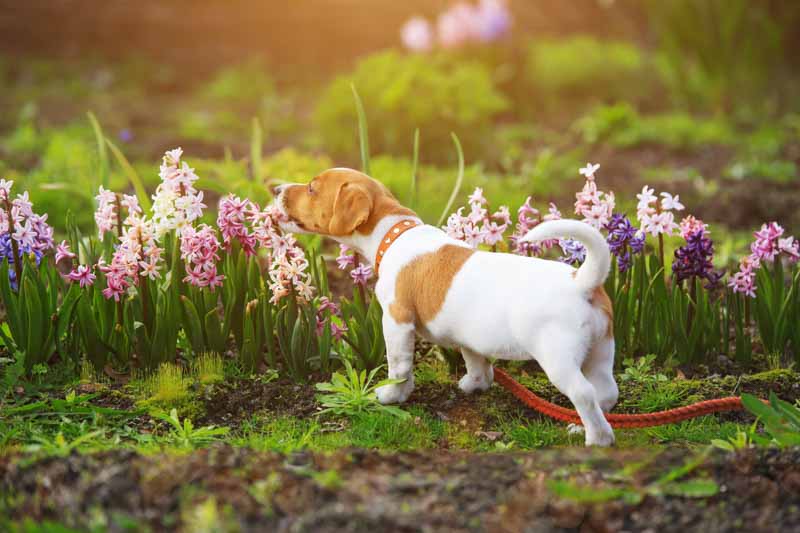
“Are Hyacinths Toxic to Dogs?” from www.gardenia.net and used with no modifications.
Pet Safety and Wild Hyacinth Toxicity
One of the first questions pet owners ask is whether wild hyacinth is safe for their furry companions. The good news is that wild hyacinth is considered non-toxic to pets. The ASPCA lists Camassia scilloides as non-toxic, which means it doesn’t pose a significant threat if your pet decides to take a nibble. Nonetheless, it’s always a good idea to monitor your pets around new plants to prevent any unexpected reactions.
ASPCA’s Stance on Camassia Scilloides
The American Society for the Prevention of Cruelty to Animals (ASPCA) provides a comprehensive database of plants and their toxicity levels concerning pets. According to their listings, Camassia scilloides is not harmful to cats, dogs, or horses. This provides peace of mind for pet owners looking to incorporate this beautiful plant into their gardens.
Precautions for Pet Owners
Even though wild hyacinth is non-toxic, it’s wise to take some precautions. Here are a few tips:
- Introduce plants gradually and observe your pet’s behavior.
- Create barriers or designated areas in your garden to discourage pets from digging or playing near new plants.
- Educate yourself on all the plants in your garden to ensure a safe environment for your pets.
Characteristics of Wild Hyacinth
Now that we’ve covered pet safety, let’s explore the characteristics that make wild hyacinth a standout choice for your garden. From its enchanting flowers to its preferred growth conditions, this plant offers much to admire.
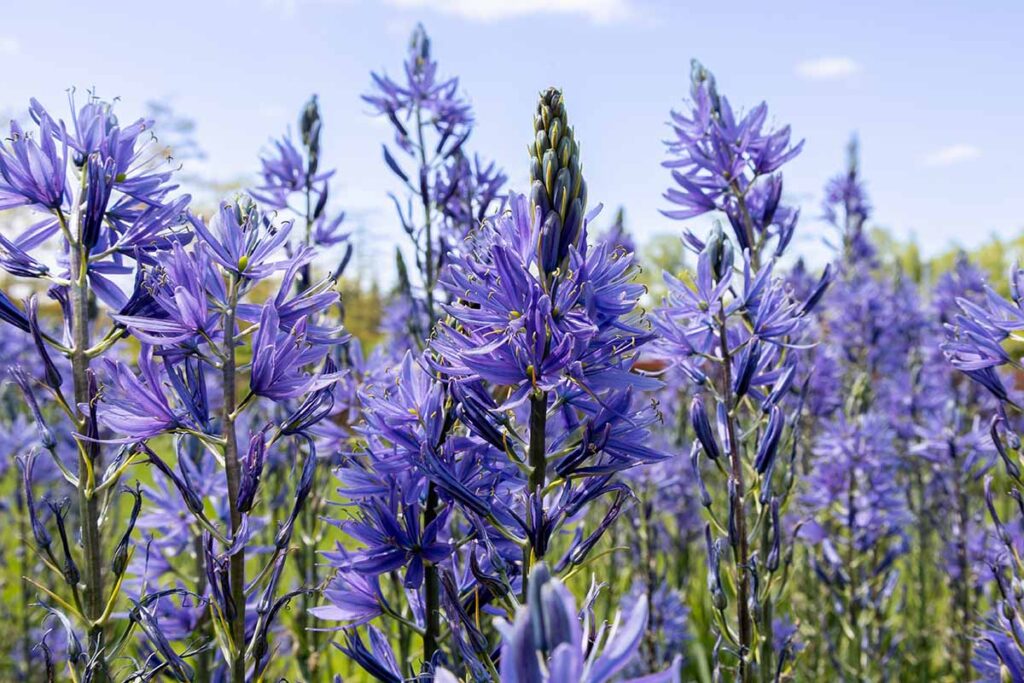
“Wild Hyacinth …” from gardenerspath.com and used with no modifications.
Flower Appearance and Fragrance
Wild hyacinth boasts delicate, star-shaped flowers that bloom in clusters atop tall, slender stems. These blooms can range in color from pale blue to white, adding a subtle yet striking touch to your garden. Besides their visual appeal, these flowers emit a gentle fragrance that can enhance the sensory experience of your outdoor space.
- Colors range from pale blue to white.
- Flowers are star-shaped and bloom in clusters.
- Emit a gentle, pleasing fragrance.
Growth Conditions: Sun vs Shade
When it comes to growing wild hyacinth, understanding its preferred environment is crucial for success. These plants thrive in areas that receive full sun to partial shade. They do particularly well in moist, well-drained soils, which mimic their natural habitat of moist meadows and stream banks.
Most importantly, while wild hyacinths can tolerate a range of sunlight conditions, ensuring they receive adequate moisture during their growing season is key. This will help them bloom beautifully and remain healthy throughout the spring.

“wild hyacinth pollinators : r/Ceanothus” from www.reddit.com and used with no modifications.
Pollinator Attraction
One of the delightful aspects of wild hyacinth is its ability to attract a variety of pollinators. Bees, butterflies, and even some species of birds are drawn to the nectar and pollen these flowers offer. This not only supports the local ecosystem but also adds a dynamic element to your garden.
By planting wild hyacinths, you contribute to the environment by providing a food source for these essential creatures. It’s a win-win for both your garden’s beauty and the local wildlife.
Planting Wild Hyacinth
Ready to add wild hyacinth to your garden? Let’s discuss the best practices for planting to ensure your garden flourishes with these captivating blooms.
Ideal Planting Depth
When it comes to planting wild hyacinth, depth is an important factor. Plant the bulbs about 4 to 6 inches deep. This depth ensures that the bulbs are well-protected from surface temperature fluctuations and have enough room to develop strong roots. The distance between each bulb should be around 6 inches, allowing the plants enough space to grow without competing for nutrients.
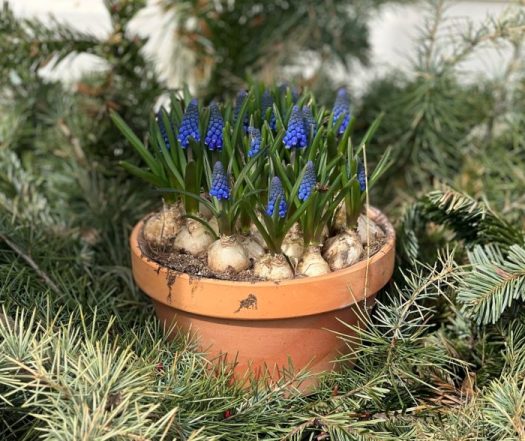
“Grape Hyacinth – Animal Resistant, Long …” from thegardendiaries.blog and used with no modifications.
Choosing Between Container and In-Ground Planting
Deciding whether to plant your wild hyacinth in containers or directly in the ground depends on your garden’s layout and your personal preferences. In-ground planting is ideal for those with ample garden space and ensures the plants have access to natural soil ecosystems. This method allows wild hyacinths to naturalize, meaning they can spread and multiply over the years, creating a lush carpet of blooms. For pet owners, it’s important to ensure that your garden remains a pet-safe environment.
On the other hand, container planting offers flexibility. It allows you to move the plants around to find the best light conditions or to protect them from harsh weather. Containers also make it easier to manage soil quality and moisture levels, which is particularly useful if your garden soil isn’t naturally well-draining.
Soil and Moisture Preferences
- Prefers moist, well-drained soil.
- Grows best in slightly acidic to neutral pH levels.
- Requires consistent moisture during the growing season.
Wild hyacinths thrive in moist, well-drained soil. It’s crucial to ensure that the planting site has good drainage to prevent waterlogging, which can cause the bulbs to rot. During the growing season, keep the soil consistently moist but not soggy. This balance helps the plants develop strong roots and vibrant flowers. For more details on growing conditions, visit Johnson’s Nursery.
If your garden soil is heavy clay or tends to retain water, consider amending it with organic matter or using raised beds to improve drainage. Alternatively, planting in containers with drainage holes can also help manage moisture levels effectively. For more tips on creating a pet-safe garden, explore this guide on suitable plants and arrangements.
Companion Planting with Wild Hyacinth
Companion planting is a gardening technique where different plants are grown together to enhance growth, deter pests, or provide other benefits. When it comes to wild hyacinth, choosing the right companions can enhance both the visual appeal and health of your garden.
One excellent companion for wild hyacinth is wood betony. This plant not only complements the aesthetic of wild hyacinth with its own attractive foliage and flowers but also helps in creating a balanced garden ecosystem. Wood betony is known for its ability to attract beneficial insects, which can help keep pest populations in check.
Besides wood betony, consider pairing wild hyacinth with other spring bloomers like trillium or marsh marigold. These plants share similar growing conditions and can create a stunning display when their flowers bloom in harmony.
- Trillium
- Marsh marigold
- Jack-in-the-Pulpit
- Mayapple
Benefits of Companion Plants
Companion plants offer several benefits to your garden. They can attract pollinators, enhance soil health, and even deter pests. By planting wild hyacinth alongside compatible companions, you can create a garden that thrives naturally without the need for chemical interventions. This approach not only benefits the plants but also supports local wildlife by providing diverse habitats and food sources.
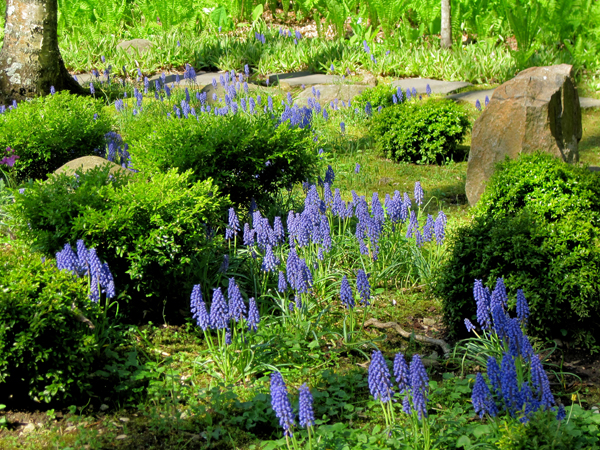
“Blog — Enchanted Gardens” from www.enchantedgardensdesign.com and used with no modifications.
Wood Betony and Other Perfect Matches
Wood betony is a standout companion for wild hyacinth, offering both aesthetic and ecological benefits. Its lush green foliage and vibrant flowers create a beautiful contrast with the delicate blooms of wild hyacinth. Moreover, wood betony’s ability to attract beneficial insects like bees and ladybugs helps maintain a healthy garden ecosystem.
Creating a Balanced Garden Ecosystem
By carefully selecting companion plants, you can create a balanced garden ecosystem where each plant supports the others. This balance not only enhances the beauty of your garden but also reduces the need for artificial fertilizers and pesticides. The key is to choose plants with complementary growth habits, nutrient requirements, and pest management properties.
Legal Considerations and Spread Control
While planting wild hyacinth can add tremendous beauty to your garden, it’s important to be aware of any legal considerations and manage their spread effectively. Some regions have regulations regarding the planting and spread of non-native or potentially invasive species.
Legality of Planting Wild Hyacinth
In most areas, planting wild hyacinth is perfectly legal, especially when using native species like Camassia scilloides. However, it’s always a good idea to check with local environmental or gardening authorities to ensure compliance with any regional regulations. This is particularly important if you live near protected natural areas where plant introductions are more strictly controlled.
In certain regions, the introduction of non-native plant species can disrupt local ecosystems, leading to a loss of biodiversity. Therefore, ensuring that your gardening practices align with local guidelines helps protect native habitats and promotes sustainable gardening.
Managing the spread of wild hyacinth is also crucial. While these plants can naturalize and spread over time, uncontrolled growth can lead to overcrowding and competition for resources among garden plants. Regular monitoring and management practices, such as thinning or dividing bulbs, can help maintain a balanced and thriving garden.
Methods to Control Plant Spread
Controlling the spread of wild hyacinth is vital to maintaining a balanced garden. These plants can naturalize over time, meaning they will spread and multiply if left unchecked. To manage their growth effectively, consider the following methods:
- Regular Monitoring: Keep an eye on your wild hyacinth patches and note any signs of overcrowding or excessive spread.
- Thinning: Periodically thin out the bulbs by digging up and removing excess plants. This will prevent overcrowding and ensure each plant has enough resources to thrive.
- Dividing Bulbs: Every few years, divide the bulbs in early fall. This not only controls spread but also rejuvenates the plants, encouraging healthier blooms.
- Physical Barriers: Use garden edging or barriers to contain the spread within a designated area.
Impact on Local Ecosystems
Wild hyacinths, especially when planted responsibly, can have a positive impact on local ecosystems. They provide nectar and pollen for a variety of pollinators, supporting biodiversity. However, unchecked spread can lead to competition with native plants, potentially disrupting local flora. By managing their growth and planting native species, you contribute positively to the local environment.
Conclusion
Wild hyacinth is a beautiful addition to any garden, offering stunning blooms and attracting beneficial pollinators. While generally non-toxic to pets, it’s always wise to monitor your garden’s ecosystem and manage plant spread to maintain balance. By understanding the planting needs and legal considerations, you can enjoy the beauty of wild hyacinth while ensuring your garden remains a safe and harmonious space for all its inhabitants.
Frequently Asked Questions (FAQ)
Here are some common questions gardeners have about wild hyacinth and its care:
Is wild hyacinth safe for all pets?
Yes, wild hyacinth, or Camassia scilloides, is considered non-toxic to pets according to the ASPCA. However, always monitor your pets around new plants to ensure they don’t ingest large quantities.
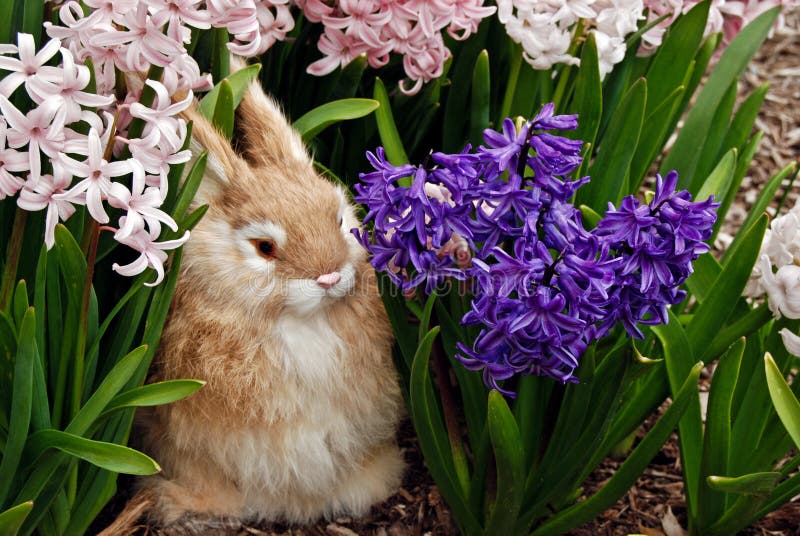
“5,786 Wild Hyacinth Plant Stock Photos …” from www.dreamstime.com and used with no modifications.
What is the best way to plant wild hyacinth?
Plant wild hyacinth bulbs 4-6 inches deep and 6 inches apart in moist, well-drained soil. Ensure they receive full sun to partial shade for optimal growth. This planting depth and spacing allow for healthy root development and blooming.
Can wild hyacinth attract bees and other pollinators?
Absolutely! Wild hyacinth is known to attract a variety of pollinators, including bees and butterflies, thanks to its nectar-rich flowers. This makes it an excellent choice for gardeners looking to support local wildlife.
Besides attracting pollinators, wild hyacinth can enhance the biodiversity of your garden, contributing to a healthier ecosystem overall. For more ideas on creating a pet-safe garden, explore this guide on bachelor buttons and cornflowers.
How do I control the spread of wild hyacinth in my garden?
To control the spread of wild hyacinth, regularly monitor the plants, thin out overcrowded areas, and divide bulbs every few years. Using physical barriers can also help contain their growth within specific areas of your garden. For those interested in creating pet-friendly spaces, consider dog-friendly garden policies to ensure a harmonious environment for both plants and pets.
Are there any legal restrictions on planting wild hyacinth?
In most regions, planting wild hyacinth is legal, especially when using native species like Camassia scilloides. However, always check with local authorities to ensure compliance with any regional regulations, particularly near protected natural areas. For those interested in pet-safe gardening, consider the uses of bachelor buttons as a companion plant.
By adhering to these guidelines, you can enjoy a thriving garden filled with the beauty and fragrance of wild hyacinth while ensuring the safety of your pets and the health of the local ecosystem.