
Welcome to a world where your love for pets and plants can coexist harmoniously. Let’s explore the fascinating universe of the Watermelon Begonia, scientifically known as Peperomia argyreia, and its compatibility with your furry friends. This guide will empower you with the knowledge to create a pet-friendly and verdant home environment.
Key Takeaways
- Watermelon Begonia (Peperomia argyreia) is non-toxic to both dogs and cats, making it an ideal houseplant for pet owners.
- Prefers bright, indirect sunlight but can tolerate lower light conditions, making it versatile for indoor settings.
- Thrives in temperatures between 65-80°F with moderate humidity, suitable for both indoor and outdoor environments.
- Requires well-draining soil and a container with drainage holes to prevent root rot.
- Companion planting with other non-toxic plants can enhance the aesthetic appeal and health of your garden.
Pet Safety with Watermelon Begonia (Peperomia argyreia)
When it comes to integrating plants into a home with pets, safety is paramount. The Watermelon Begonia is a fantastic choice for pet owners. Unlike many houseplants that pose risks to pets, Peperomia argyreia is non-toxic, meaning it won’t harm your dogs or cats if they decide to investigate or nibble on the leaves.
Is Peperomia argyreia Safe for Dogs?
Yes, absolutely! The Watermelon Begonia is perfectly safe for dogs. This plant is listed by the ASPCA as non-toxic to canines, so there’s no need to worry if your curious pup gets a bit too close. This makes it an excellent option for dog owners who wish to maintain a green space without compromising their pet’s health.
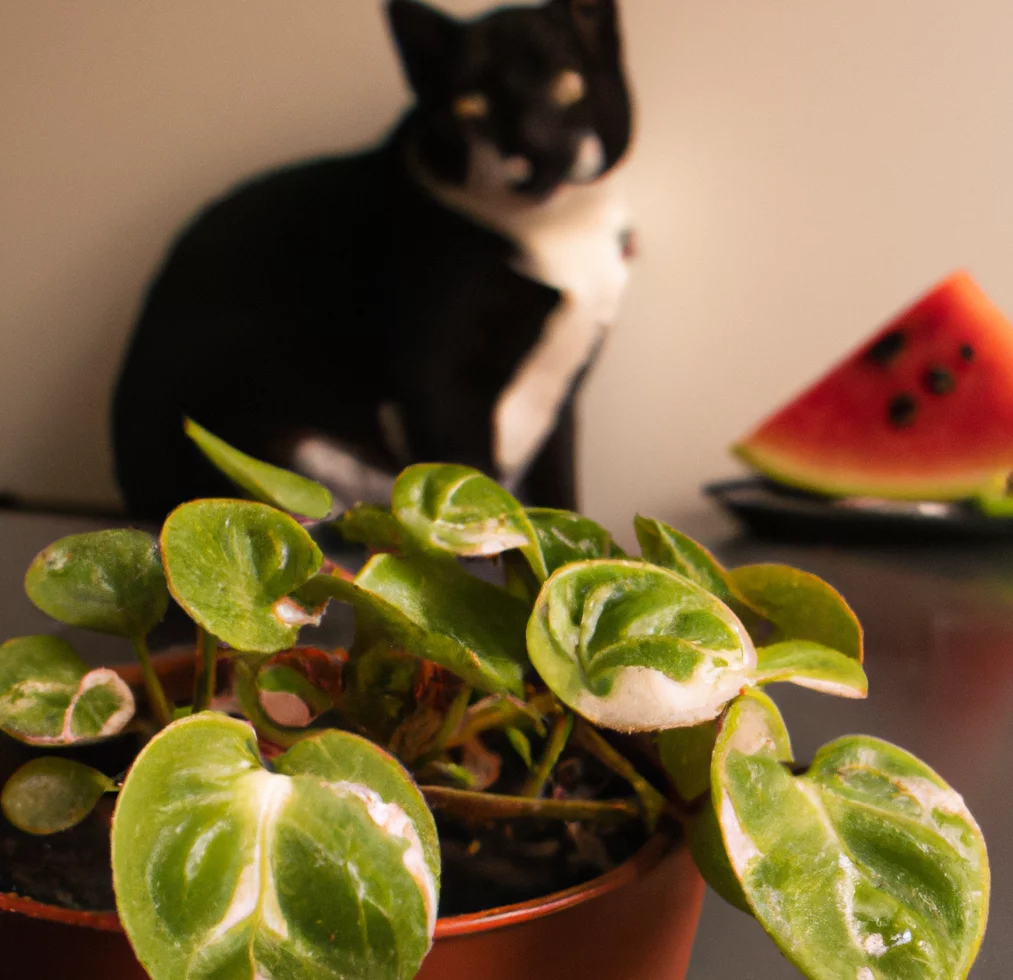
“Watermelon Peperomia Toxic For Cats …” from plantsncats.com and used with no modifications.
Effects on Cats: Safety Overview
Cats are notorious for exploring their environment, often with their mouths. Fortunately, Peperomia argyreia poses no threat to your feline friends. The ASPCA confirms that this plant is also non-toxic to cats, allowing you to enjoy your greenery without constant concern for your cat’s well-being. If you’re interested in learning more about cat breeds, consider reading about the Korat cat, known for its rarity and unique personality.
ASPCA’s Stance on Peperomia argyreia
The ASPCA is a trusted authority on pet safety, and their endorsement of Peperomia argyreia as a non-toxic plant provides peace of mind for pet owners. With this assurance, you can confidently incorporate Watermelon Begonia into your home or garden, knowing it’s a safe choice for your beloved pets.
Optimal Growing Conditions for
“Watermelon Begonia Care | Watermelon …” from www.youtube.com and used with no modifications.
To keep your Watermelon Begonia thriving, understanding its preferred growing conditions is crucial. This plant is relatively easy to care for, making it an excellent choice for both novice and experienced gardeners.
Sunlight Requirements: Sun vs. Shade
Watermelon Begonia flourishes in bright, indirect sunlight. However, it can also adapt to lower light conditions, though its growth may slow down. Direct sunlight can scorch the leaves, so it’s best to place it where it receives filtered light.
- Place near a north or east-facing window for optimal light.
- Avoid direct afternoon sun, especially in hotter climates.
- Consider using sheer curtains to diffuse harsh sunlight.
With these considerations, you can ensure your plant receives the right amount of light to stay healthy and vibrant.
Indoor vs. Outdoor Planting
Watermelon Begonia is versatile enough to be grown both indoors and outdoors. Indoors, it can be a delightful addition to any room with sufficient natural light. Outdoors, it should be placed in a shaded area to prevent leaf burn.
When choosing a location, consider the climate and temperature variations. Peperomia argyreia prefers stable conditions, so if you live in an area with extreme temperatures, indoor planting might be more suitable.
Choosing the Right Container
- Ensure the container has drainage holes to prevent waterlogging.
- Select a pot that is slightly larger than the root ball to allow growth.
- Consider using a ceramic or plastic pot for better moisture retention.
Choosing the right container for your Watermelon Begonia is essential to its health. A pot with drainage holes is crucial because it prevents water from accumulating at the bottom, which can lead to root rot. Root rot is a common issue with plants that are left sitting in water, so proper drainage is non-negotiable.
When selecting a pot, size matters. You want a container that gives your plant room to grow but isn’t so large that the soil stays wet for too long. A pot that is one to two inches larger in diameter than the plant’s root ball is usually perfect. This allows for growth while maintaining the right moisture balance.
Materials also play a role. Ceramic and plastic pots are excellent choices as they help retain moisture, which is beneficial for Peperomia argyreia. However, if you opt for a clay pot, be aware that it can dry out more quickly, necessitating more frequent watering.
Soil Preferences for Peperomia argyreia
Peperomia argyreia thrives in well-draining soil. A mix that is too dense can hold water and lead to root problems, so it’s important to choose the right blend. A potting mix formulated for succulents or cacti often works well because it provides excellent drainage.
Consider adding perlite or sand to your potting mix to improve aeration and drainage. This helps the roots breathe and reduces the risk of water-related issues. You can also use a commercial houseplant mix with added perlite for convenience.
- Use a well-draining potting mix, such as one designed for succulents.
- Mix in perlite or sand to enhance drainage and aeration.
- Avoid heavy soils that retain too much moisture.
By providing the right soil environment, your Watermelon Begonia will be better equipped to thrive and maintain its lush, vibrant appearance. For those considering adding a pet to their home, a Bichon Frise can be a delightful companion that complements your indoor garden.
Best Practices for Placement and Display
When it comes to displaying your Watermelon Begonia, placement is key. Position your plant where it can receive bright, indirect sunlight, such as near a north or east-facing window. This ensures that the plant gets enough light without being exposed to harsh rays that can damage its leaves.
Consider using plant stands or shelves to elevate your Peperomia argyreia, showcasing its unique foliage. This not only enhances your home decor but also helps the plant receive even light exposure. Rotating the plant occasionally can also promote balanced growth.
Companion Planting with Watermelon Begonia
Companion planting involves growing different plants together to enhance their growth, health, or aesthetics. Watermelon Begonia pairs well with other non-toxic plants, creating a safe and beautiful environment for both plants and pets.
Choosing the right companions can improve the overall health of your garden. Plants with similar light and water needs make the best partners, as they can thrive under the same care routine. Additionally, combining plants with varying leaf shapes and colors can create an eye-catching display.
Companion planting also promotes biodiversity, which can lead to a more resilient garden. By introducing a variety of plants, you can attract beneficial insects and create a more balanced ecosystem.
Best Plant Companions
Some excellent companions for Watermelon Begonia include the Spider Plant, Boston Fern, and Prayer Plant. These plants share similar care requirements and are also non-toxic to pets, making them ideal partners in a pet-friendly garden.
Spider Plants are known for their air-purifying qualities, while Boston Ferns add a lush, tropical feel. Prayer Plants offer striking leaf patterns that complement the unique look of Peperomia argyreia. Together, these plants create a vibrant and harmonious display.
Benefits of Companion Planting
Companion planting with Watermelon Begonia offers several benefits. It enhances the aesthetic appeal of your space by combining various textures and colors. It also allows you to maintain a cohesive care routine, as these plants share similar needs.
Moreover, having a diverse plant collection can improve air quality and contribute to a healthier indoor environment. By selecting non-toxic companions, you ensure that your home remains a safe haven for both plants and pets.
Care Tips: Watering and Repotting
Proper care is essential for keeping your Watermelon Begonia healthy and thriving. Watering and repotting are two key aspects that require attention to detail and consistency.
How Often to Water Your Plant
Watermelon Begonia prefers its soil to dry out slightly between waterings. Overwatering can lead to root rot, so it’s important to let the top inch of soil dry out before watering again. The frequency of watering will depend on factors like temperature, humidity, and light levels.
During warmer months, you might need to water your plant once a week, while in cooler months, every two weeks might suffice. Always check the soil moisture before watering to ensure you don’t overdo it.
Understanding Proper Watering Techniques
When watering your Peperomia argyreia, aim to moisten the soil evenly. Water until you see it draining from the bottom of the pot, ensuring the roots receive adequate hydration. Avoid getting water on the leaves, as this can lead to fungal issues.
If you notice yellowing leaves or a musty odor, these could be signs of overwatering. Adjust your watering schedule accordingly and make sure your pot has proper drainage to prevent water from accumulating.
When and How to Repot Peperomia argyreia
Repotting your Watermelon Begonia is an important step to ensure its continued health and growth. Typically, this plant requires repotting every two to three years, or when you notice roots growing out of the drainage holes. The best time to repot is during the spring or early summer when the plant is actively growing. If you’re interested in other pet-friendly plants, consider exploring Florida White Rabbits as a safe companion.
When repotting, choose a pot that is one size larger than the current one. Carefully remove the plant from its existing container, gently shaking off excess soil from the roots. Trim any dead or damaged roots before placing the plant in the new pot with fresh, well-draining soil. Water thoroughly after repotting to help the plant settle into its new home.
Final Thoughts on Watermelon Begonia and Pets
Watermelon Begonia, or Peperomia argyreia, is a fantastic choice for pet owners who want to enjoy the beauty of houseplants without compromising their pets’ safety. Its non-toxic nature makes it a worry-free addition to any home, allowing you to create a lush, green environment that your pets can explore safely.
The Benefits of Having Peperomia argyreia in a Pet-Friendly Garden
Integrating Peperomia argyreia into your home or garden offers numerous benefits beyond its aesthetic appeal. This plant contributes to improved air quality by filtering toxins and providing oxygen, creating a healthier indoor environment for both you and your pets.
Moreover, its easy-care nature means that even novice gardeners can successfully grow and maintain it, enjoying the satisfaction of a thriving plant collection. The peace of mind that comes with knowing your plants are safe for pets is invaluable, allowing you to focus on nurturing your green space.
- Non-toxic to pets, offering peace of mind.
- Improves indoor air quality, benefiting both plants and pets.
- Easy to care for, making it suitable for all levels of gardening expertise.
- Enhances home decor with its unique, striking foliage.
- Encourages a harmonious coexistence between plants and pets.
Frequently Asked Questions (FAQ)
As a pet owner and plant enthusiast, you may have several questions about Watermelon Begonia. Here are some common inquiries to help you make informed decisions.
Is Peperomia argyreia more pet-friendly than other houseplants?
Yes, Peperomia argyreia is among the most pet-friendly houseplants available. Its non-toxic nature makes it a safe choice compared to other common houseplants that may pose risks to pets, such as pothos or philodendrons.
Can Watermelon Begonia thrive in low light conditions?
While Watermelon Begonia prefers bright, indirect sunlight, it can tolerate low light conditions. However, its growth may slow, and the plant might not be as vibrant. To maintain its health and appearance, try to provide as much indirect light as possible.
What are the signs of overwatering in Peperomia argyreia?
Overwatering is a common issue with Peperomia argyreia. Signs of overwatering include yellowing leaves, wilting, and a musty smell coming from the soil. If you notice these symptoms, reduce watering frequency and ensure the pot has adequate drainage. For more information on plant care, you might be interested in learning about the Korat cat’s care needs.
How tall does Peperomia argyreia typically grow?
- Typically reaches 6 to 12 inches in height.
- Compact growth makes it ideal for small spaces.
- Leaves can grow up to 4 inches long.
This compact size makes it an excellent choice for tabletops, shelves, and other small spaces, allowing you to incorporate greenery without taking up too much room.
What common pests might affect Watermelon Begonia?
Watermelon Begonia is relatively pest-resistant, but it can occasionally be affected by common houseplant pests such as spider mites, mealybugs, and aphids. Regularly inspect your plant for signs of infestation, such as discolored leaves or webbing.
If pests are detected, treat them promptly with insecticidal soap or neem oil. Keeping your plant clean and healthy through regular maintenance can also help prevent pest problems. For those interested in learning more about pet-friendly plants, check out this guide on pet care and grooming tips.