
Key Takeaways
- A secure 6-foot fence with no gaps is essential for keeping escape-artist Miniature Pinschers safely contained in your garden
- Creating dedicated enrichment zones with digging areas and scent games helps satisfy your Min Pin’s natural instincts without destroying your landscaping
- Strategic visual barriers and quiet retreat spaces can significantly reduce your Min Pin’s tendency to bark at external stimuli
- Miniature Pinschers can coexist with vegetable gardens and even chickens when proper boundaries and introduction protocols are established
- Regular supervised play sessions and consistent exercise routines are crucial for preventing destructive behaviors in your Min Pin’s garden time
Miniature Pinschers may be small in stature, but they’re packed with energy, intelligence, and a surprising determination that can transform your peaceful garden into either a canine paradise or a disaster zone. Creating the perfect outdoor space for these spirited dogs requires understanding their unique needs and natural tendencies. The Internet Miniature Pinscher Service notes that these dogs require special consideration when designing outdoor spaces due to their athleticism and escape artist tendencies.
Min Pin Garden Essentials: What Your High-Energy Dog Really Needs
Miniature Pinschers are natural athletes with boundless energy and a keen intelligence that demands both physical and mental stimulation. They’re not simply “small dogs” that can thrive in any environment—they have specific needs that must be accommodated in your garden design. These dogs require secure boundaries, safe materials, appropriate stimulation zones, and regular engagement to truly thrive in an outdoor setting.
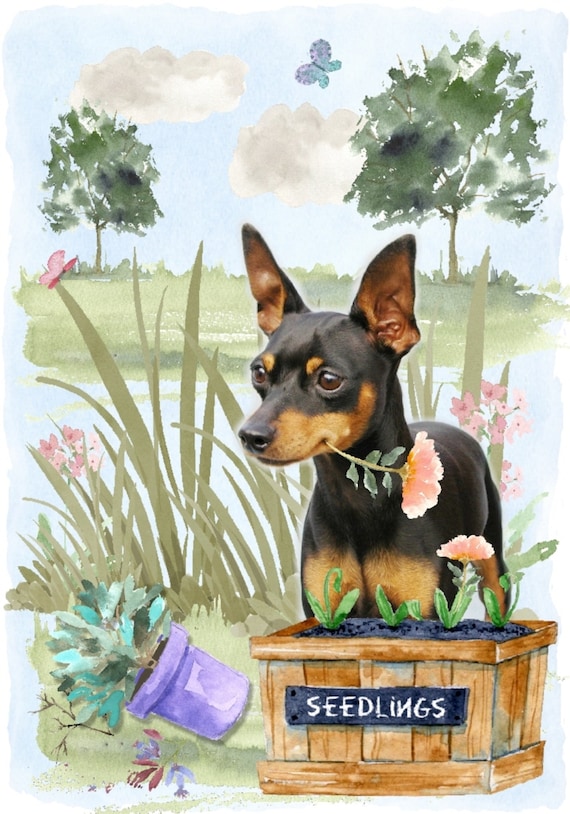
“Miniature Pinscher Dog Blank Card …” from www.etsy.com and used with no modifications.
When planning your Min Pin’s garden paradise, consider their instinctual behaviors: they love to run, explore, dig, and sometimes bark at perceived threats. Your garden should provide outlets for these natural behaviors while protecting both your dog and your landscaping investments. The ideal garden balances freedom with boundaries, allowing your Min Pin to express their spirited personality without developing problematic behaviors.
Secure Fencing: The #1 Priority for Miniature Pinscher Gardens
If there’s one aspect of Min Pin garden design you cannot compromise on, it’s secure fencing. These determined little dogs are renowned escape artists with both the intelligence to find weaknesses and the agility to exploit them. A proper Min Pin fence needs to be at least 6 feet tall with no gaps, loose boards, or uneven ground that could create escape opportunities. For those considering garden additions, ensuring pet-safe plants like gherkins can further enhance the safety and enjoyment of your Min Pin’s outdoor space.
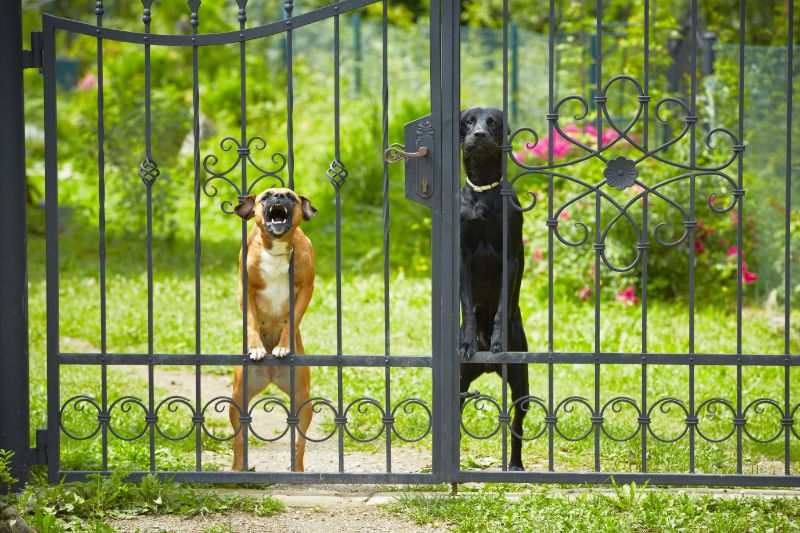
“How Dog Behavior Influences Your Fence …” from skyfenceco.com and used with no modifications.
Why Standard Fences Fail Min Pin Owners
Standard residential fencing often proves inadequate for containing Miniature Pinschers. These clever dogs can squeeze through surprisingly small gaps, climb chain-link fences like ladders, and even dig under solid barriers in minutes. Many owners make the mistake of assuming their small dog can’t possibly jump or climb high enough to escape, only to discover their Min Pin has vanished into the neighborhood. Their small size combined with remarkable strength and problem-solving abilities means ordinary containment solutions often fail spectacularly.

“140+ Dog Climbs Fence Stock Photos …” from www.istockphoto.com and used with no modifications.
Best Fence Materials and Heights (6ft Minimum)
The most effective fencing materials for Miniature Pinschers include solid wood privacy fences, vinyl fencing with no footholds, and specially designed pet containment systems. The ideal fence height should be at least 6 feet tall to prevent jumping, with smooth surfaces that offer no climbing opportunities. If using chain link, you’ll need to install a smooth topper that prevents your Min Pin from getting purchase at the top edge. Remember that Min Pins can jump surprisingly high, especially when motivated by something interesting on the other side of the fence.
Materials that typically fail include standard chain link fences (which provide excellent climbing footholds), decorative aluminum fencing with wide gaps, and any fence with horizontal supports on the inside that can serve as a climbing ladder. Some owners find success with partially buried concrete pavers along the fence line, creating a barrier that extends 12-18 inches below ground level to frustrate digging efforts.
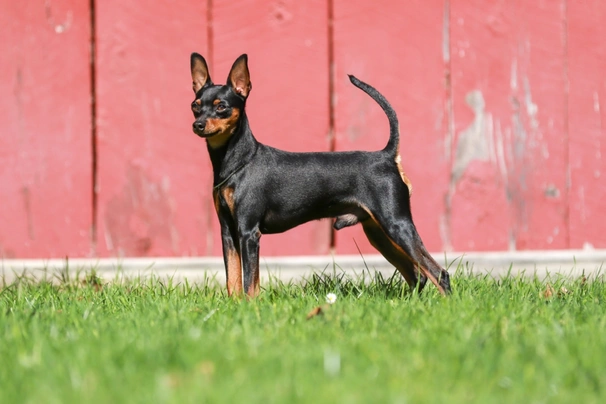
“Miniature Pinscher Dogs Breed …” from www.pets4homes.co.uk and used with no modifications.
Addressing Ground-Level Escape Routes
Miniature Pinschers excel at finding or creating ground-level escape routes. They can squeeze through gaps as small as 3-4 inches, dig under fences in minutes, and exploit any weakness in your perimeter. To secure the ground level, extend your fencing material at least 6-12 inches below the soil line, or install an “L-footer” of buried wire mesh that extends outward from the fence base. Regularly inspect your fence line for new holes, loose soil, or signs of digging activity.
Pay special attention to gate areas, which often develop gaps over time due to hinges loosening or ground settling. Self-closing gates with secure latches positioned high enough to be out of your Min Pin’s reach are essential components of a secure garden. Some owners install double-gate systems (similar to airlock doors) to provide an extra layer of escape prevention during entries and exits.
Safe Plants and Toxic Hazards to Remove Immediately
Miniature Pinschers are curious by nature and may sample plants in your garden. Creating a safe environment means carefully selecting pet-friendly plants while removing toxic hazards. Many common garden plants, such as certain hibiscus varieties, can cause serious health issues or even be fatal if ingested by your Min Pin, making plant selection a critical safety consideration.
Before introducing any new plants to your garden, verify their safety through reliable resources like the ASPCA toxic plants database. Even plants listed as “mildly toxic” should be avoided, as Miniature Pinschers’ small size means even minor toxins can have significant effects. When in doubt, always err on the side of caution and choose a verified safe alternative.
Min Pin-Safe Plants for Your Garden from ASPCA Non-toxic List
- Butterfly Bush (Buddleja davidii) – Attracts butterflies while remaining safe for curious Min Pins
- Camellias – Beautiful flowering shrubs that pose no toxicity risk
- Sunflowers – Their height provides natural shade and seeds are safe if consumed in moderation
- Roses (without chemical treatments) – Classic garden favorites that are non-toxic to dogs
- Marigolds – Naturally repel some garden pests while remaining dog-safe
- Boston Fern – Adds lush greenery without posing health risks
- Snapdragons – Colorful, resilient flowers that won’t harm your Min Pin
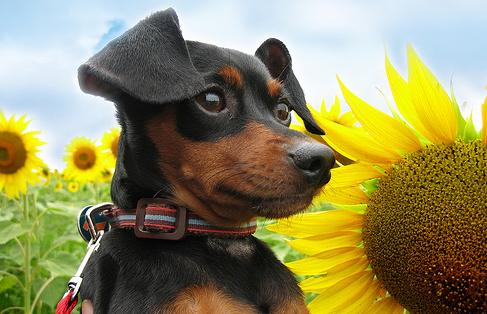
“Miniature Pinscher | GreatDogSite” from www.greatdogsite.com and used with no modifications.
Enrichment Zones: Mental Stimulation Without Overstimulation
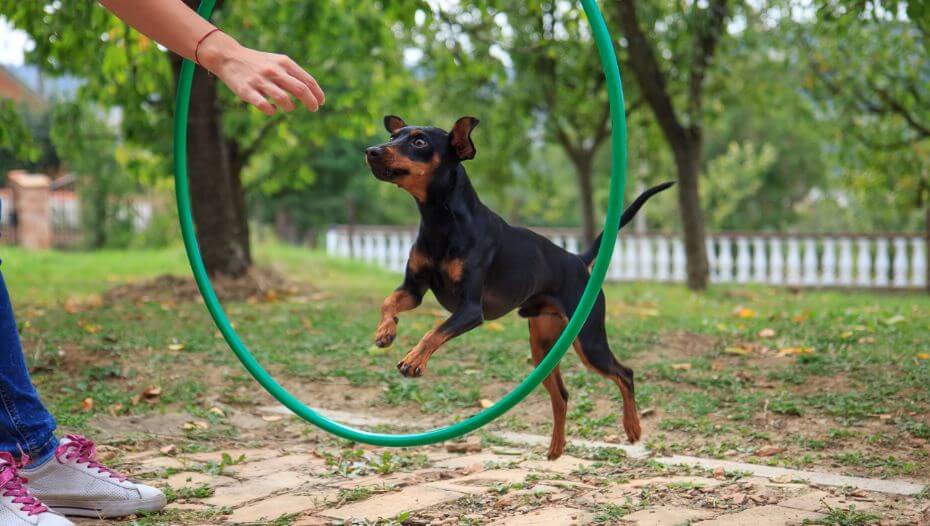
Miniature Pinschers are intelligent dogs that need mental challenges as much as physical exercise. Creating dedicated enrichment zones in your garden provides appropriate outlets for their natural behaviors while protecting your landscaping. These zones should include areas for digging, scent exploration, and puzzle-solving activities that engage their sharp minds.
“Miniature Pinscher Dog Breed …” from www.purina.co.uk and used with no modifications.
The key to successful Min Pin enrichment is balance – providing enough stimulation to prevent boredom while avoiding overstimulation that can lead to anxiety or compulsive behaviors. Rotate toys and change enrichment activities regularly to maintain interest, as these clever dogs quickly master challenges and may become bored with repetitive setups. For more ideas, explore ASPCA-safe options that can keep your Min Pin engaged and happy.
Designated Digging Areas Your Min Pin Will Actually Use So They Don’t Dig Up Your Carpets
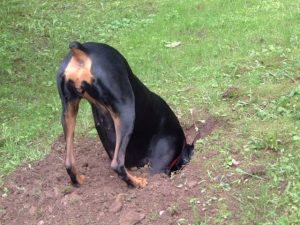
Many Miniature Pinschers have a natural instinct to dig, and fighting this tendency is often futile. Instead, create a dedicated digging pit filled with a mixture of sand and soil in a shaded corner of your garden. Bury toys and treats at various depths to encourage appropriate digging in this designated space. To make the digging pit more appealing than your flower beds, keep the soil loose and occasionally add new scents or buried treasures.
Train your Min Pin to use this space by gently redirecting them whenever they start digging elsewhere, and lavishly praising them when they use the proper area. Some owners find success by partially burying their dog’s favorite toys in the digging pit, creating positive associations with the space. Consistency is key – never allow digging in inappropriate areas, while always celebrating proper use of the designated digging zone.
“Ask Crystal: Not Digging a Digging Dog …” from www.blueridgehumane.org and used with no modifications.
Scent Games and Hidden Treasures
Miniature Pinschers have keen noses and enjoy scent-based activities. Create scent trails throughout safe areas of your garden by dragging treats along the ground, eventually leading to a small cache of rewards. This mimics natural hunting behaviors while providing mental stimulation. You can increase difficulty over time by making the trails longer or adding distractions, keeping the experience challenging and engaging.
Puzzle feeders and treat-dispensing toys can also be incorporated into your garden enrichment zones. These items challenge your Min Pin to work for rewards, engaging their problem-solving abilities and extending feeding time. Many owners report that dogs who work for their food show fewer behavioral problems and seem more satisfied overall.
“Proud Little Miniature Pinscher Dog …” from www.dreamstime.com and used with no modifications.
Quiet Retreat Spaces for Overexcited Dogs
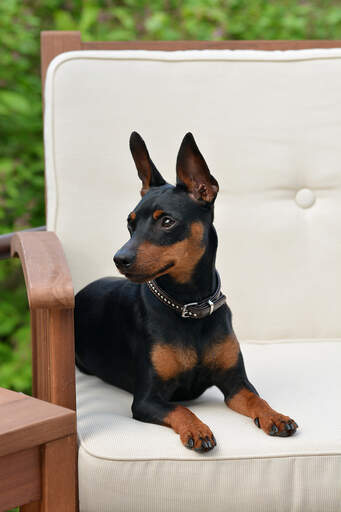
Despite their high energy, Miniature Pinschers also need quiet spaces to decompress when they become overstimulated. Create a sheltered retreat area with comfortable bedding where your dog can take breaks from activity. This space should be partially enclosed to provide a sense of security while still allowing your Min Pin to observe their surroundings. For additional tips on creating a pet-safe environment, consider the guidelines for ASPCA safe plant varieties.
The ideal retreat includes natural barriers like shrubs or tall grasses that reduce visual stimulation while providing shade and wind protection. Some owners install small doghouses or repurposed weather-resistant furniture to create these sanctuary spaces. Teaching your Min Pin to use their quiet space on command can be invaluable during high-stress situations or when they’re showing signs of overexcitement. For more ideas on pet-safe plants, explore sun vs. shade options that can enhance your garden retreat.
“Miniature Pinscher Dogs | Dog Breeds” from www.omlet.us and used with no modifications.
Shade Requirements for Heat-Sensitive Min Pins
Miniature Pinschers can be surprisingly sensitive to temperature extremes, especially heat. Their short coats and small bodies lose heat quickly in cold weather but can also overheat rapidly in hot conditions. Your garden design must include multiple shade options throughout the day as the sun moves. Natural shade from trees is ideal, but pergolas, shade sails, or purpose-built dog shelters can supplement where tree coverage is insufficient. Additionally, consider incorporating pet-safe plants like strawberries that can provide both shade and enrichment for your Min Pin.
Managing Barking Triggers in Your Garden Layout
Miniature Pinschers are alert watchdogs by nature, often barking at visual and auditory stimuli beyond your property lines. While some alerting is desirable, excessive barking can strain neighborhood relationships and indicate stress in your dog. Strategic garden design can significantly reduce barking triggers while still allowing your Min Pin to enjoy outdoor time.
Signs Your Min Pin Is Not Chicken-Compatible
Not all Miniature Pinschers can safely coexist with chickens, regardless of training efforts. Watch for intense fixation on the coop, whining or trembling when seeing the birds, or any attempts to break into the chicken area. These behaviors indicate a prey drive that may be too strong to overcome safely. Some Min Pins will stalk, pounce, or continuously bark at chickens even after proper introductions.
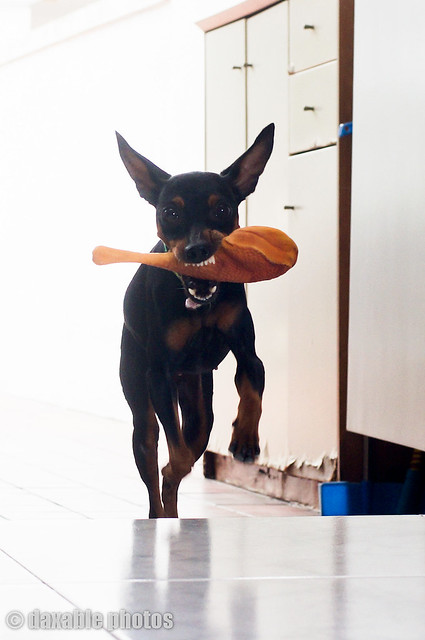
“Beware the Chicken-chomping Min-Pin …” from www.flickr.com and used with no modifications.
If your dog shows these warning signs consistently over several supervised introduction sessions, it may be wisest to maintain complete separation between your Min Pin and poultry. This isn’t a training failure—it’s recognizing your dog’s natural instincts and making responsible choices to keep all animals safe. Many successful Min Pin owners maintain separate yard spaces for their dogs and chickens, using scheduled rotation times rather than attempting cohabitation.
Daily Garden Routine for Min Pin Happiness
Miniature Pinschers thrive on routine and clear expectations. Establishing a consistent garden schedule helps prevent problem behaviors while ensuring your dog gets appropriate exercise and enrichment. The ideal routine includes dedicated exercise time, supervised exploration periods, training sessions, and quiet rest periods throughout the day.
Make garden time an active partnership rather than simply “letting the dog out.” By engaging with your Min Pin during outdoor time, you’ll strengthen your bond while having opportunities to redirect unwanted behaviors before they become habits. Most behavior problems develop when these intelligent dogs are left to entertain themselves without appropriate outlets for their energy and intelligence.
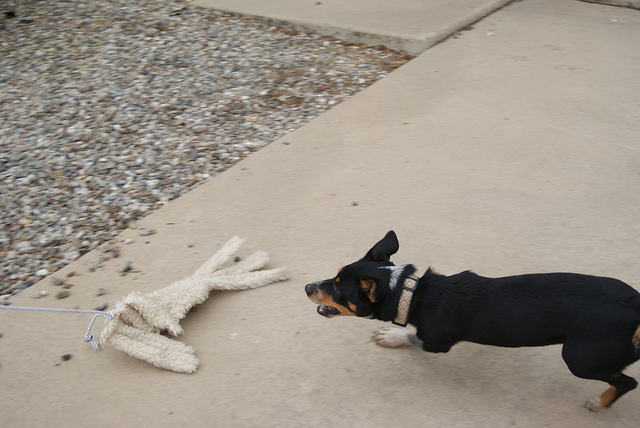
“K9DIY: Make a flirt pole on the cheap …” from teamunrulyblog.wordpress.com and used with no modifications.
Supervised Play Sessions vs. Alone Time
While Miniature Pinschers need some independence, they generally do best with supervised garden time, especially initially. Schedule at least two 15-20 minute interactive play sessions daily, using toys that engage their prey drive like flirt poles (fishing rod-style toys with fabric lures) or fetch games with appropriately sized balls. These sessions burn energy while strengthening your bond and reinforcing training commands in an exciting environment.
Gradually increase alone time in the garden as your Min Pin demonstrates responsible behavior. Start with short periods of 5-10 minutes while you observe from a window, slowly extending duration as your dog shows they can entertain themselves appropriately without digging, excessive barking, or escape attempts. Even well-trained adult Min Pins should rarely be left unsupervised in a garden for more than 30-45 minutes at a time.

“Miniature Pinscher Dog Breed Guide …” from www.borrowmydoggy.com and used with no modifications.
Exercise Needs Before Garden Exploration
A tired Min Pin is a well-behaved Min Pin. Before allowing free garden exploration, ensure your dog has had appropriate exercise through a brisk walk, training session, or play period. This reduces the likelihood of destructive behaviors and makes your dog more responsive to commands during garden time. Most Miniature Pinschers need at least 45-60 minutes of dedicated exercise daily, often divided into multiple sessions. For more tips on keeping your garden pet-friendly, check out pet-safe residential gardens.
Your Min Pin-Perfect Garden Action Plan
Creating the ideal garden for your Miniature Pinscher doesn’t happen overnight. Start with securing your perimeter with appropriate fencing, then gradually implement enrichment zones, safe plantings, and training routines. Prioritize safety elements first, followed by enrichment features, with aesthetic improvements coming last. Remember that consistency in training and supervision is just as important as physical garden features.
Track your Min Pin’s behavior in the garden, noting which areas or activities seem to trigger problematic behaviors like excessive barking or digging. Use this information to modify your garden design, addressing specific challenges your individual dog presents. The perfect Min Pin garden evolves alongside your relationship with your dog, becoming more refined as you better understand their unique personality and needs.
Frequently Asked Questions
Miniature Pinscher owners often share common concerns about garden safety and behavior management. These frequently asked questions address the most common challenges faced when creating an outdoor space for these spirited dogs. While general guidelines are helpful, remember that individual Min Pins may have unique needs based on their age, temperament, and previous experiences.
When implementing any garden modifications or training protocols, monitor your dog’s response closely and be prepared to adjust your approach. What works perfectly for one Min Pin may need significant modification for another. Flexibility and observation are key components of successful Min Pin garden management.
If garden challenges persist despite your best efforts, consider consulting with a professional dog trainer who has experience with high-energy small breeds. Sometimes an outside perspective can identify simple solutions to seemingly complex problems.
- Never leave a Min Pin alone in unsecured areas or with access to potential escape routes
- Check fence perimeters before each unsupervised session
- Consider weather conditions and provide appropriate shelter
- Remove access to toxic plants, standing water, or other hazards
- Gradually increase alone time as your dog demonstrates responsible behavior
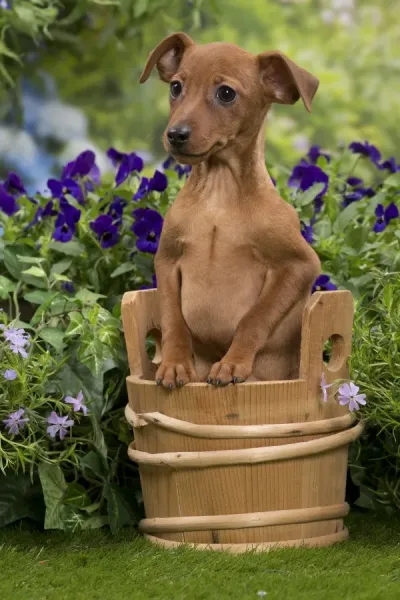
“Miniature Pinscher Puppy in Wooden …” from www.mediastorehouse.com and used with no modifications.
How much outdoor space does a Miniature Pinscher need?
Miniature Pinschers can adapt to gardens of various sizes, but they ideally need at least 400-600 square feet of usable space to accommodate their exercise needs. Even in smaller spaces, creating varied terrain with different surfaces and activity zones can maximize the enrichment value. Quality of space matters more than quantity—a smaller garden with thoughtful enrichment features often serves a Min Pin better than a larger, barren yard.
Will a Min Pin dig under my fence to escape?
Yes, many Miniature Pinschers will attempt to dig under fences if not properly secured. Their small size and determined nature make them exceptional escape artists. To prevent digging escapes, extend wire mesh or solid barriers at least 12 inches below ground level along the entire fence perimeter, angling the underground portion outward to create an L-shape that frustrates digging attempts.
Regular fence line inspections are essential, as Min Pins often test different spots until finding a weakness. Pay special attention after heavy rains when soil may soften, creating new digging opportunities. Some owners successfully deter fence-line digging by placing large, flat rocks or pavers along the interior base of the fence.
Remember that digging is a natural behavior that shouldn’t be entirely suppressed—providing a designated digging area with hidden toys and treats often redirects this instinct to appropriate locations, reducing escape attempts.
Can Miniature Pinschers be left alone in the garden?
Miniature Pinschers should only be left alone in the garden for brief periods once they’ve demonstrated reliable behavior and all safety measures are in place. Even then, they should be monitored periodically. These dogs are vulnerable to predators (including large birds of prey), extreme temperatures, and their own escape tendencies, making unsupervised outdoor time risky. Additionally, it’s important to consider pet-safe plants in residential gardens to ensure a safe environment.
Well-trained adult Min Pins may handle 30-45 minutes of alone time in a secure garden, but puppies and new rescues should always be supervised until they’ve established consistent garden behaviors. When you must leave your Min Pin unattended, ensure they have access to shade, fresh water, and appropriate toys, and check on them regularly.
Beware that even well-behaved Min Pins may revert to problematic behaviors when bored or stimulated by novel situations, such as wildlife entering the garden or unusual noises. A dog monitor camera can provide peace of mind and allow you to intervene if problems develop during alone time.
Outdoor kennels are not recommended as long-term containment solutions for this breed, as they typically lead to frustration, barking, and escape attempts. Miniature Pinschers are companion dogs that thrive on human interaction and engagement rather than isolation.
How do I stop my Min Pin from barking at everything outside?
Reducing nuisance barking in Miniature Pinschers requires a combination of environmental management and training. Start by identifying and minimizing visual triggers with strategic plantings or privacy screening along fence lines. Teach a reliable “quiet” command using positive reinforcement, rewarding your Min Pin for stopping barking on cue. Most importantly, ensure adequate physical exercise and mental stimulation daily, as bored Min Pins are much more likely to bark excessively at minor disturbances.
Are mulch and fertilizers safe to use around Miniature Pinschers?
Many common garden products pose serious health risks to Miniature Pinschers. Cocoa mulch is particularly dangerous as it contains theobromine, the same compound that makes chocolate toxic to dogs. Opt instead for pet-safe alternatives like pine straw, cedar mulch (ensure it’s not aromatic cedar, which can cause respiratory issues), or rubber mulch specifically designed for playgrounds. For more information on pet-safe plants, you can explore ASPCA safe hibiscus varieties for cats and dogs.
Chemical fertilizers, especially those containing bone meal or blood meal, can attract dogs and cause digestive upset or poisoning if ingested. Choose organic, pet-safe fertilizers, or use physical barriers to prevent access to treated areas until products have fully integrated into the soil. Always store garden chemicals in locked cabinets where curious Min Pins cannot access them.
Insecticides and herbicides present some of the greatest dangers, with many common products causing neurological symptoms or organ damage in small dogs. Read product labels carefully for pet safety warnings, and consider non-toxic alternatives like diatomaceous earth, neem oil, or vinegar-based weed killers for areas your Min Pin can access.
When using any garden product, keep your Min Pin inside during application and until surfaces are completely dry or products have been watered in according to label directions. Keep product packaging for reference in case of accidental exposure, and program your veterinarian’s emergency number into your phone. Your Min Pin’s garden should be a safe haven, not a source of hidden dangers.